Latest Posts

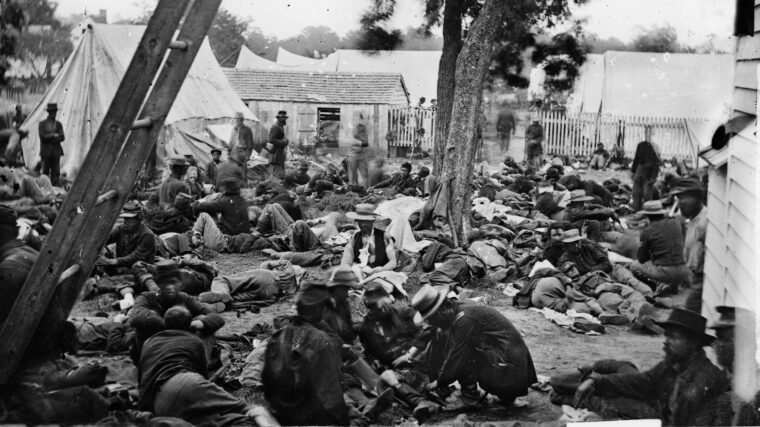
A Union doctor in a straw hat, foreground, examines a soldier’s leg wound while other casualties sprawl on the ground at a field hospital following the Battle of Savage’s Station, Virginia, on June 29, 1862.

Latest Posts

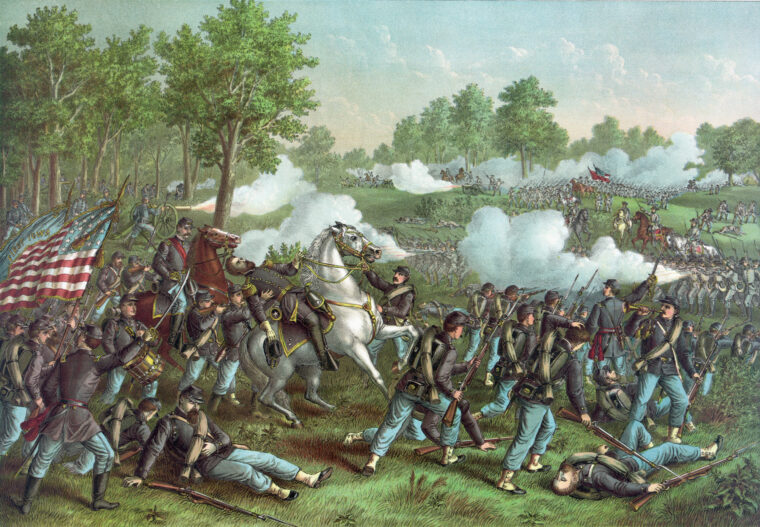
Healers or Horrors: Civil War Medicine

By Richard A. Gabriel

Safe behind its ocean barriers, the United States paid scant attention to the wars that raged abroad during the early 19th century, taking little notice of the lessons that might have been learned from the European experience with mass killing. Read more

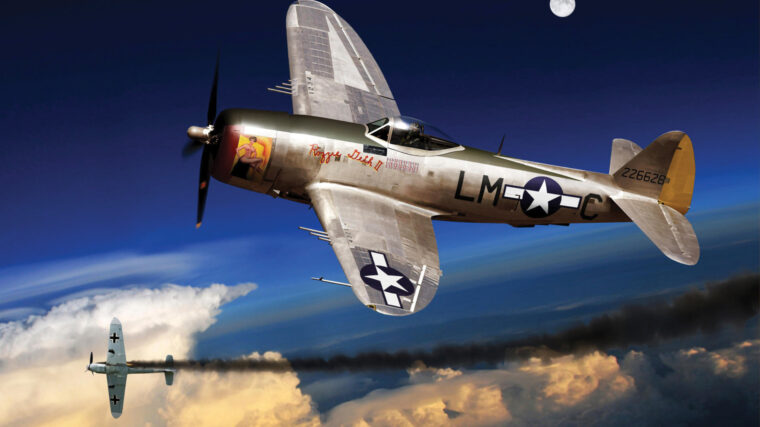
The Republic P-47 Thunderbolt was a heavy aircraft powered by a large radial engine. It was capable of absorbing severe punishment and bringing its pilot home.

Latest Posts

The Famed Jug

By Michael D. Hull

Losses were high and morale low when the U.S. Eighth Air Force intensified its heavy bomber missions over Nazi-occupied Europe in late 1942. Read more

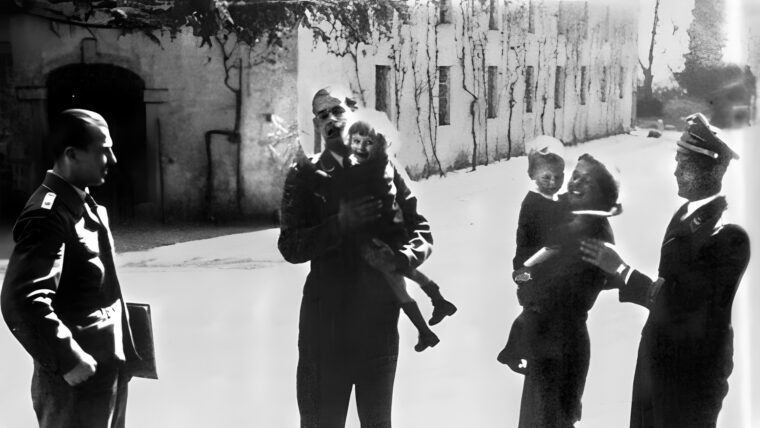
Fey von Hassell smiles faintly for the camera at her estate, Brazza, in the summer of 1944. Fey is accompanied by a pair of German officers, who were apparently assisting with the children in preparation for relocation.

Latest Posts

Incredible Wartime Odyssey

By Kelly Bell

By the spring of 1943 the situation for Nazi Germany was becoming grave as military reverses in Russia and Africa sent the formerly unstoppable Wehrmacht reeling. Read more

A Curtiss SOC-3 Seagull careens from the catapult aboard the heavy cruiser USS New Orleans in 1943. The Seagull was replaced by the Vought OS2U Kingfisher as the war progressed.

Latest Posts

Heroic Sacrifice Over Sicily

By Patrick J. Chaisson

A thousand questions flashed through Lieutenant Cy Lewis’s mind as he spotted the pair of German Messerschmitt Me-109 fighters banking in to attack him. Read more

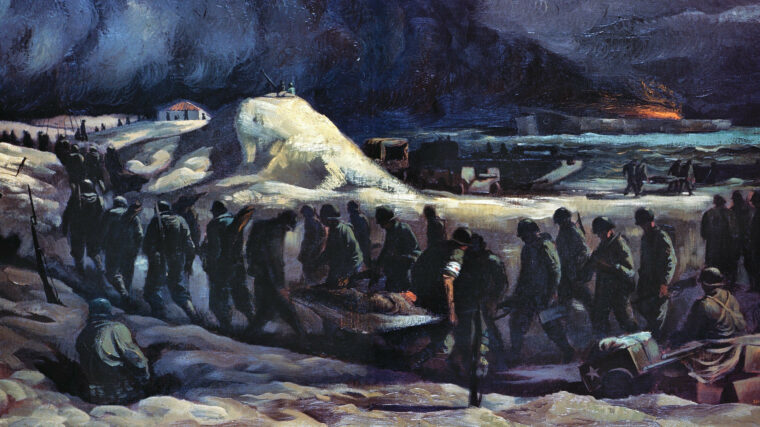
Weary GIs move inland after landing in Sicily in July 1943 in this contemporary painting, Red Beach at Gela, 1700, by Mitchell Jamieson.

Latest Posts

The Big Red One in World War II

By Steven Weingartner

The outbreak of World War II on September 1, 1939, found the United States in an isolationist mood that precluded, for the time being, any direct involvement in the conflict. Read more

Consolidated B-24 Liberator bombers run the gauntlet of enemy antiaircraft fire and fighters to bomb the oil refineries and other facilities at Ploesti, Romania, on August 1, 1943.

Latest Posts

The Return of Hadley’s Harem

By Duane Schultz

First Lieutenant Gilbert B. Hadley—he liked to be called “Gib”—was buried back home in Kansas in 1997, some 54 years after he was killed in action on August 1, 1943. Read more

Latest Posts

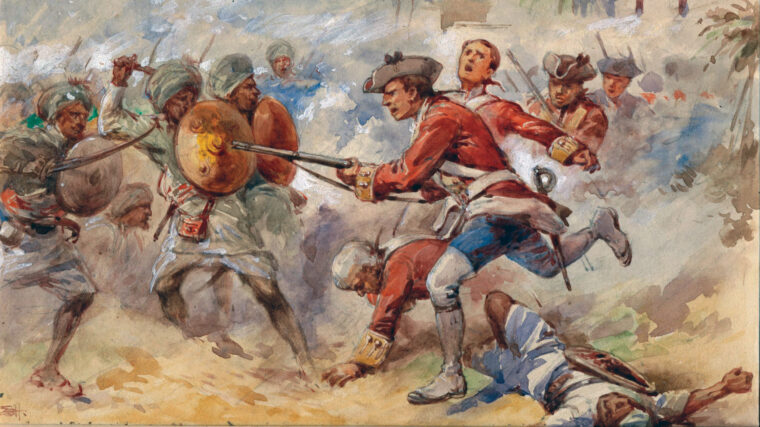
Triumph At Plassey

By Louis Ciotola

For nearly 200 years, India was the jewel in the crown of the British Empire. Untold wealth flowed from such cities as Bombay, Madras, and Calcutta, supplying Great Britain with much of what made it possible to construct its world empire. Read more

Latest Posts

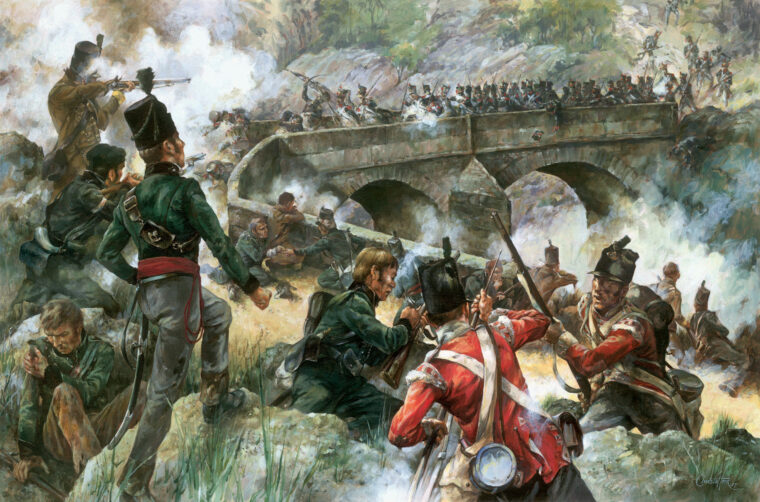
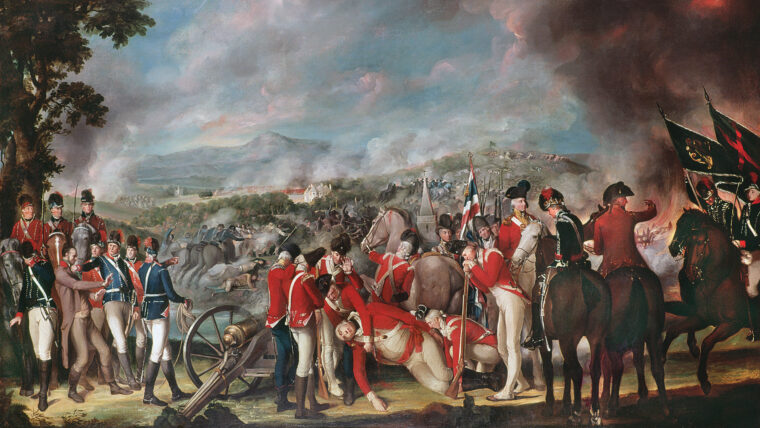
Carnage at Bussaco

By Simon Rees

Tired, battered, and bruised, the Spaniards had put up a brave fight, but the enemy had proven too powerful. Read more

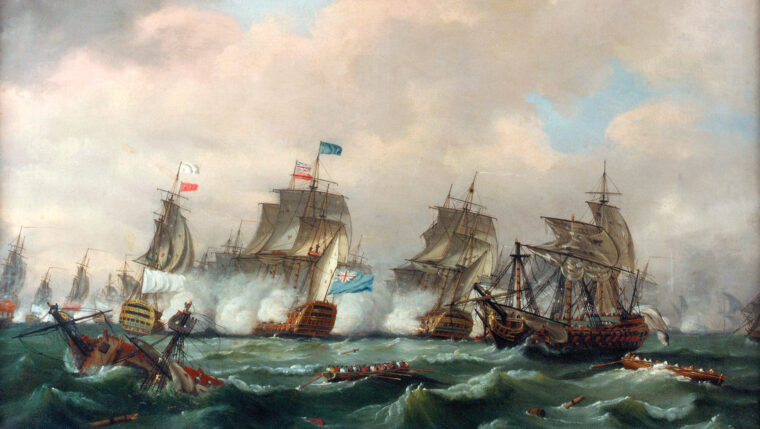
British Rear Admiral Edward Hawke’s flagship Royal George engages French Rear Admiral Comte de Conflans’ flagship Soleil Royal in the storm-tossed waters of Quiberon Bay. Even though the British lacked detailed knowledge of the bay, Hawke pursued Conflans into the hazard-filled waters in a quest to smash his opponent’s fleet.

Latest Posts

‘Tis To Glory We Steer

By David A. Norris

Brimming with gale force winds, uncharted reefs, and a force of 21 enemy ships of the line, the bay seemed to be a deathtrap for the flagship Royal George. Read more

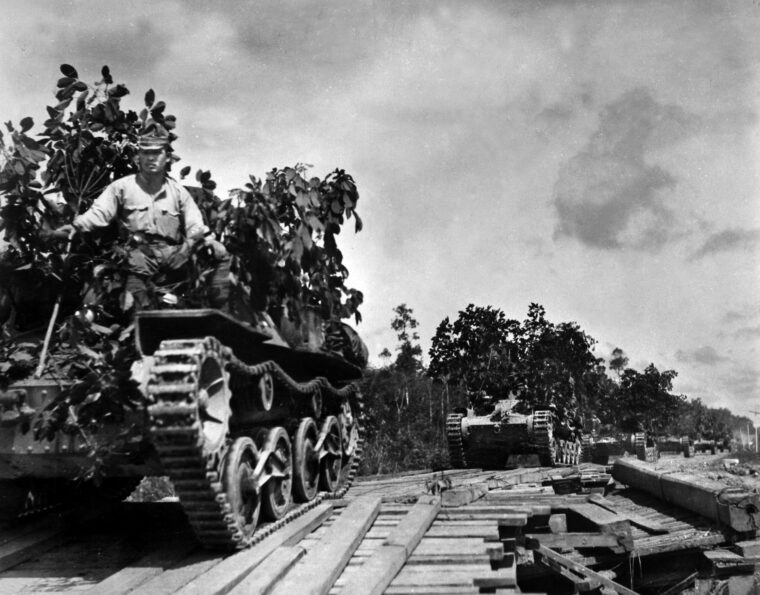
Japanese tanks advance across a bridge toward the town of Johor Bahru during their lightning conquest of the Malay Peninsula. This photo was taken in late January 1942, and within weeks the British bastion of Singapore had fallen to the invaders.

Latest Posts

Yamashita’s Bluff Takes Singapore

By Jon Diamond

Admiral Isoruku Yamamoto was not the only gambler in Imperial Japan’s military hierarchy. Lt. Gen. Tomoyuki Yamashita, appointed commander of the Imperial Japanese Army’s (IJA) 25th Army on November 2, 1941, to lead the invasion of Malaya and Singapore, also took risks to capture the prized British territory in less than 100 days after his invasion commenced on December 8. Read more

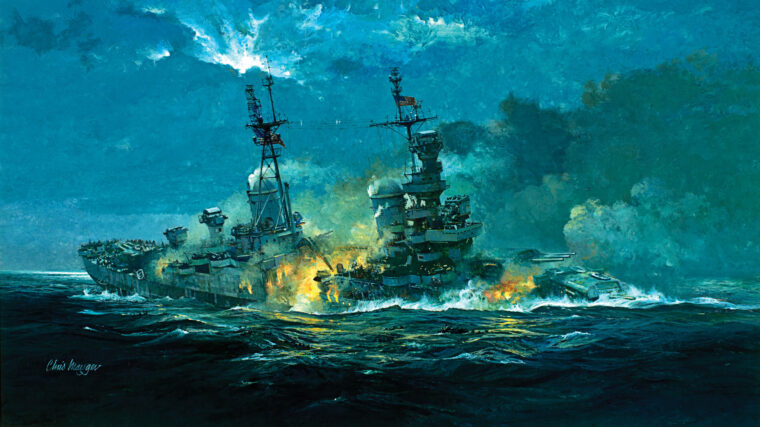
An artist’s depiction of the USS Indianapolis disaster. The cruiser, with nearly 1,200 men aboard, sank within 12 minutes of being torpedoed by the Japanese submarine I-58 on July 30, 1945; only 316 men survived after several days in the shark-infested waters. (Painting by maritime artist Chris Mayger)

Latest Posts

A Survivor’s Tale

By Flint Whitlock

The mission was top secret. The heavy cruiser USS Indianapolis (CA-35) had just delivered the last parts of the atomic bomb from California to the island of Tinian and was heading, unescorted, to Guam when it was intercepted by a Japanese submarine, the I-58, and torpedoed on July 30, 1945. Read more

Latest Posts

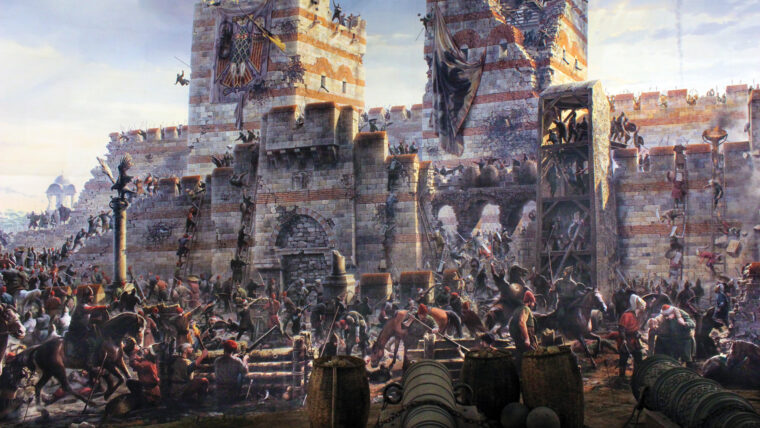
Duke Philip III of Burgundy’s Near East Espionage

By William E. Welsh

Duke Philip III “The Good” of Burgundy took responsibility in the early 15th century for overseeing intelligence missions to the Near East to assess the strength of the Ottoman Empire relative to the relief of the beleaguered Byzantines, as well as the possible recovery of Jerusalem. Read more

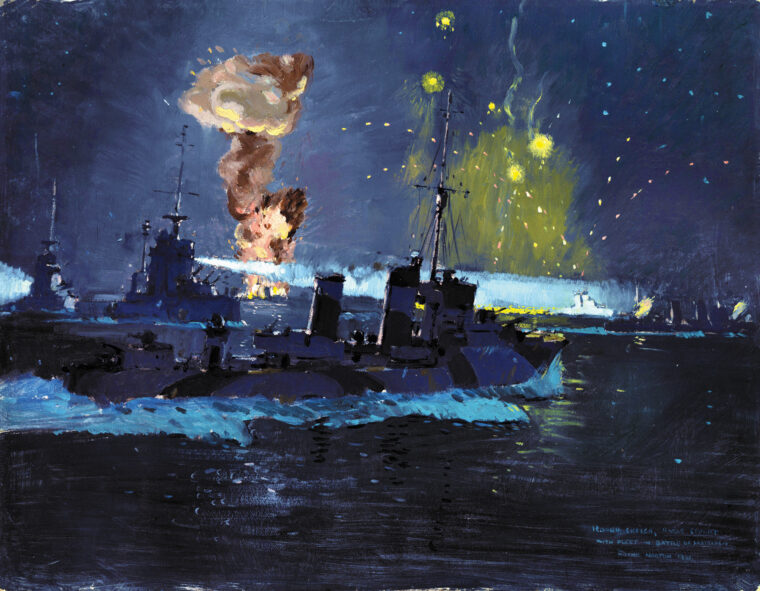
Searchlights stab into the darkness as Royal Navy warships illuminate Italian cruisers during the Battle of Cape Matapan. Prince Philip served aboard the battleship HMS Valiant during the decisive naval victory over Mussolini’s fleet.

Latest Posts

Prince Philip’s War

By Michael E. Haskew

The son of Prince Andrew of Greece and Denmark and Princess Alice of Battenberg, Prince Philip was the last of five children and a great-great grandchild of Queen Victoria. Read more

Latest Posts

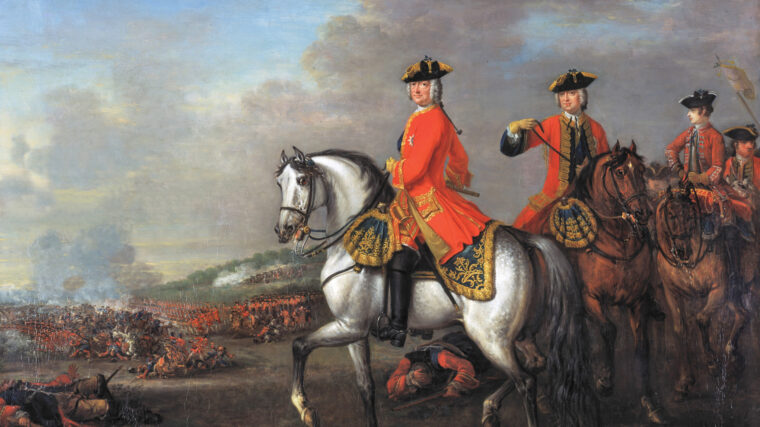
French Fiasco at Dettingen

By David A. Norris

It sounds like it might have been a scene from the Middle Ages. A king of England with sword in hand led his forces against their longtime enemies, the French. Read more

Latest Posts

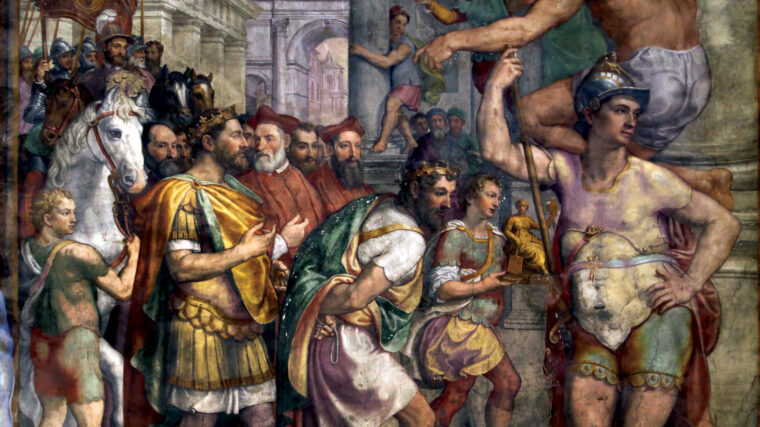
King Pepin the Short

By William E. Welsh

An event of great significance in early medieval Europe occurred in 753, when newly ensconced Pope Stephen II decided to journey north to Metz to confer with Frankish King Pepin III (known as “The Short”). Read more