The Sinister Valley
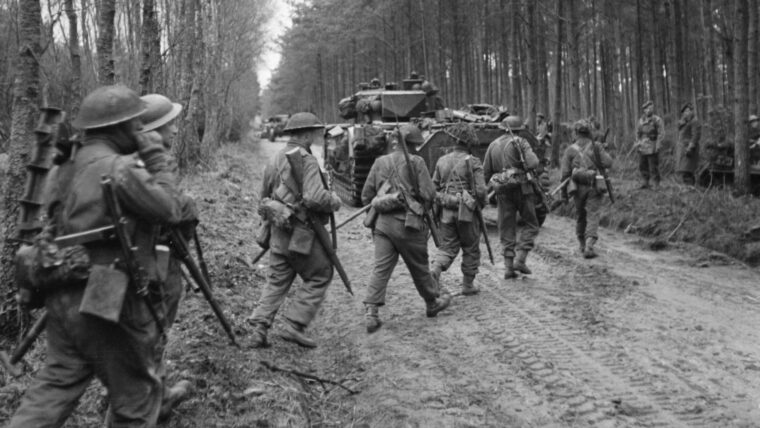
By David H. LippmanOn February 8, 1945, Lt. Gen. Sir Brian Horrocks climbed onto a platform halfway up a tree. Read more
On February 8, 1945, Lt. Gen. Sir Brian Horrocks climbed onto a platform halfway up a tree. Read more
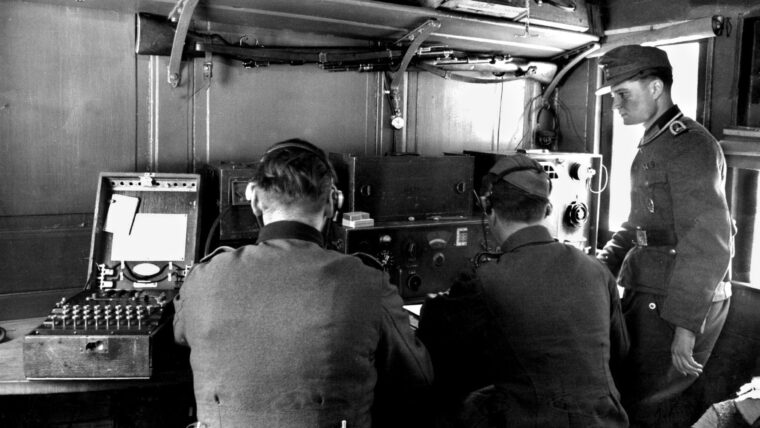
Great Britain’s military intelligence leaders learned from their experience in World War I that the kinds of minds capable of breaking codes are a rare commodity and are often not likely to blossom in a military atmosphere. Read more
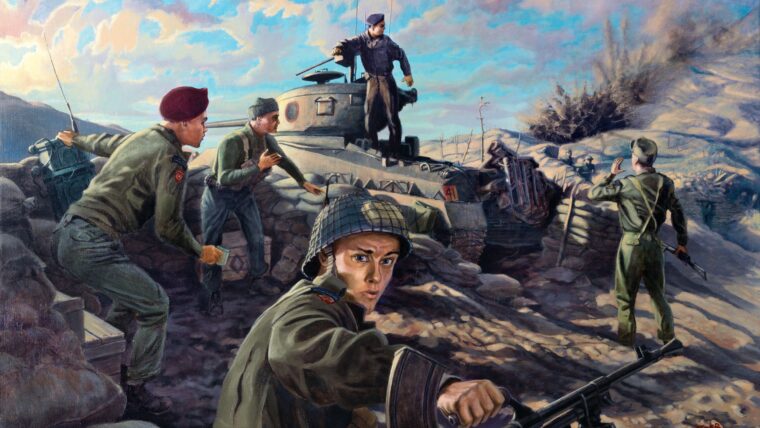
The ground heaved and trembled under the ferocious climax of the Chinese bombardment that shook the Canadian soldiers from their bunkers and weapon pits. Read more
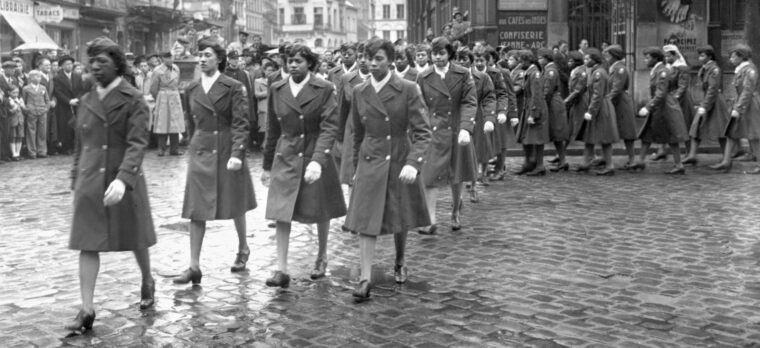
After years of obscurity, the untold story of the 6888th Postal Directory Battalion will captivate audiences worldwide with the release of the feature film The Six Triple Eight. Read more
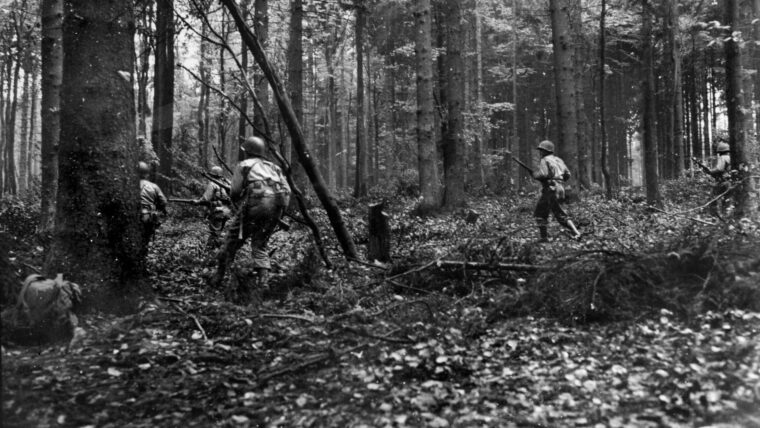
Mired in combat during the Battle of Hürtgen Forest of Germany, an American soldier wrote in December 5, 1944: “The road to the front led straight and muddy brown between the billowing greenery of the broken topless firs, and in the jeeps that were coming back they were bringing the still living. Read more
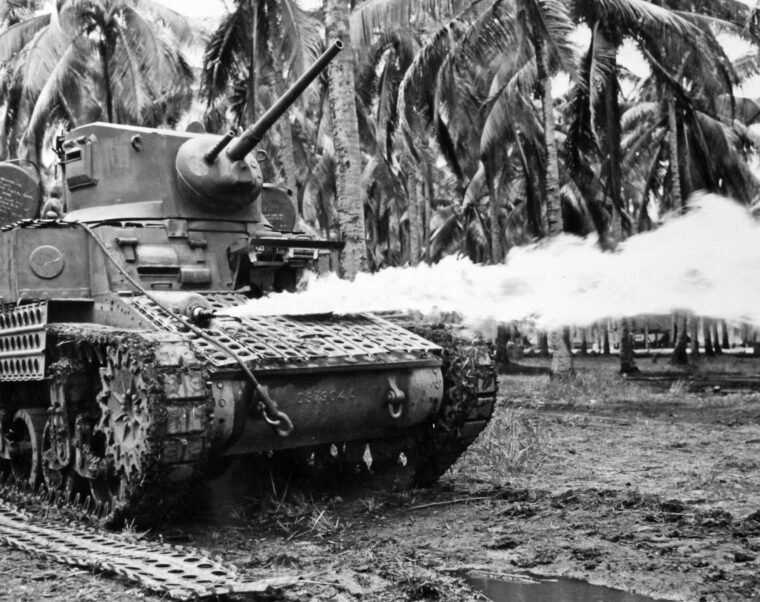
U.S. portable flamethrowers were first used in combat during the Guadalcanal campaign in January 1943. It quickly became apparent that the exposed flamethrower operator was vulnerable to Japanese small arms fire. Read more

Weather prediction was vital to nearly all the war efforts of the Axis and the Allies during World War II. Read more
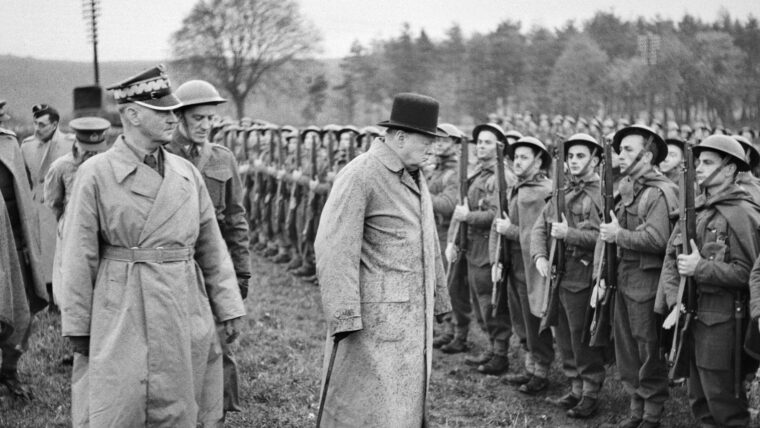
When the Nazis and Soviets partitioned Poland in 1939, the Polish government in exile was set up first in France, then in the United Kingdom in 1940 as France fell. Read more
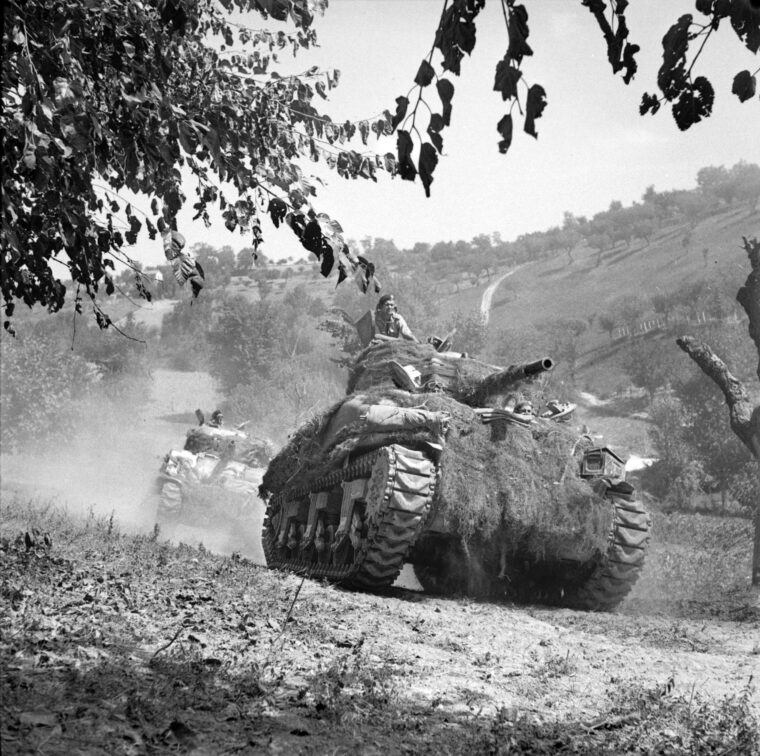
The United States and Canada share a border thousands of miles long; this naturally gives rise to friction. Read more
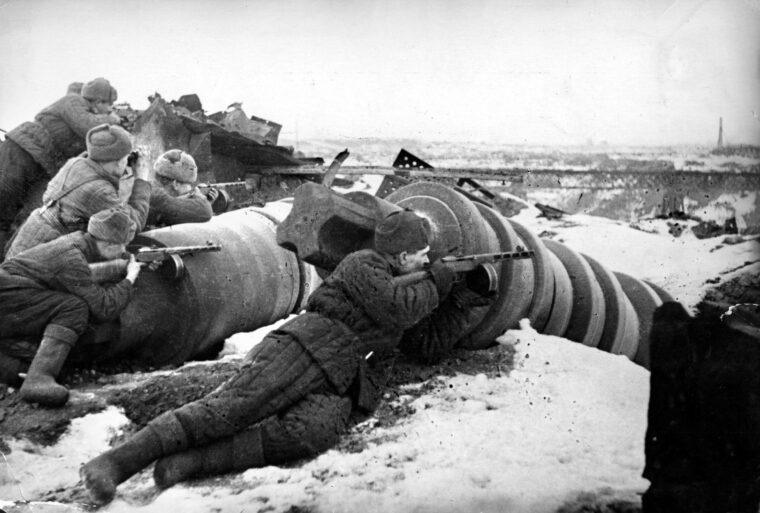
During World War II, the Soviet city of Leningrad endured a siege lasting 900 days. The suffering and starvation of the populace became as legendary as their endurance. Read more
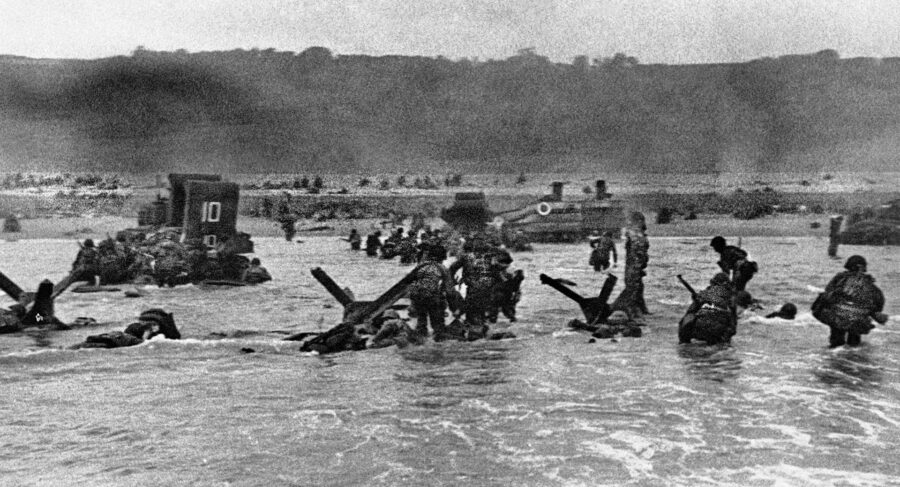
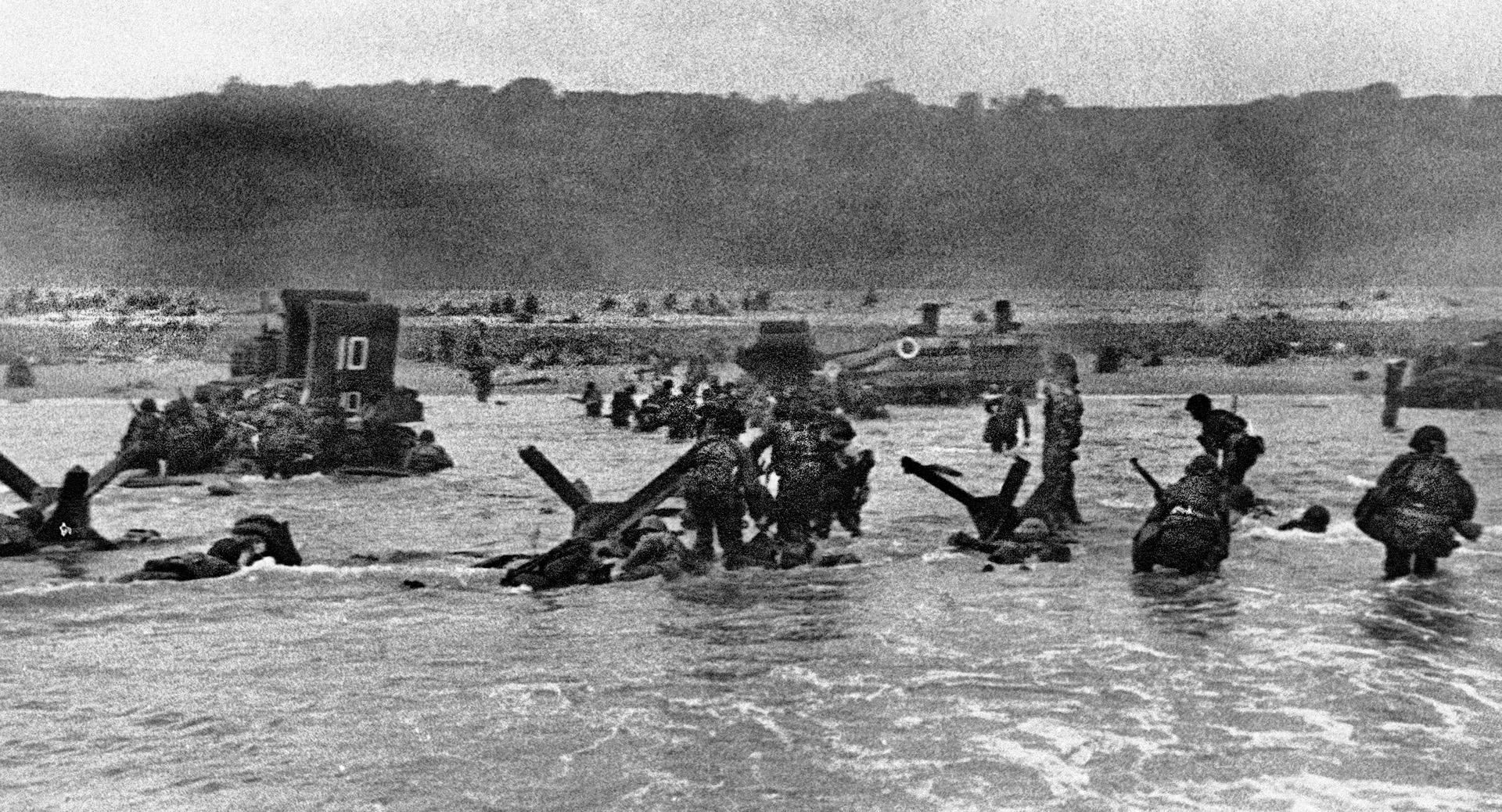
The Empire Javelin carried five companies of the 1st Battalion, 116th Infantry Regiment across the English Channel over the night of June 5-6, 1944, en route to their appointment with destiny at Omaha Beach on D-Day. Read more
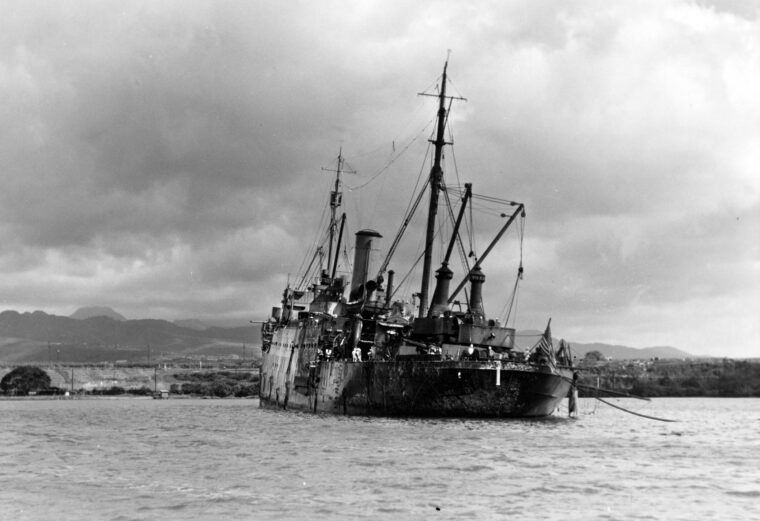
On December 6, 1941, most people considered the battleship the queens of the world’s oceans. A day later that notion lay smashed and sinking at the bottom of Pearl Harbor. Read more
As Germany conquered neighboring nations in Europe, it made use of whatever military equipment and vehicles were used or manufactured in the occupied territories. Read more
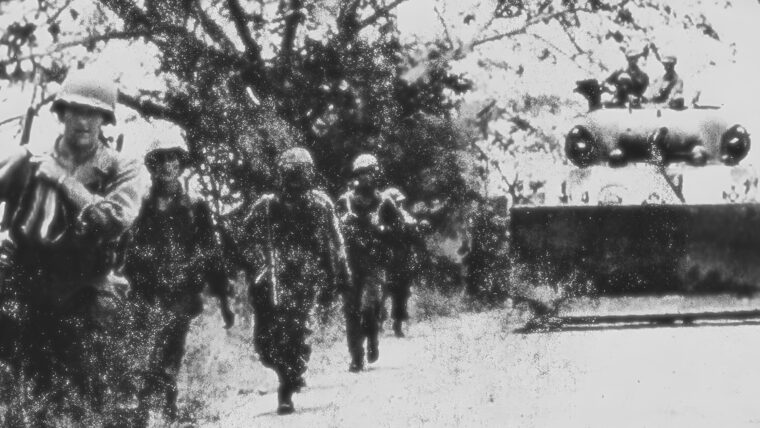
The U.S. Army had hundreds of thousands of troops serving in the Pacific Theater, among them G Company, 163rd Infantry, of the 41st Division. Read more
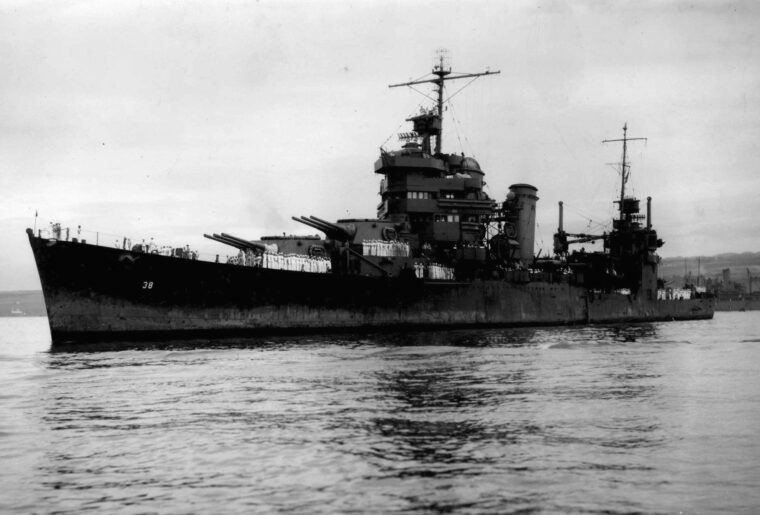
As the age of the carrier dawned the Pacific Fleet, the most powerful in the U.S. Navy, was still dominated by battleships. Read more
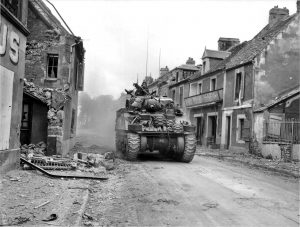
During World War II the Sherbrooke Fusiliers was an independent armored regiment attached to 2nd Canadian Armoured Brigade during the Normandy campaign. Read more
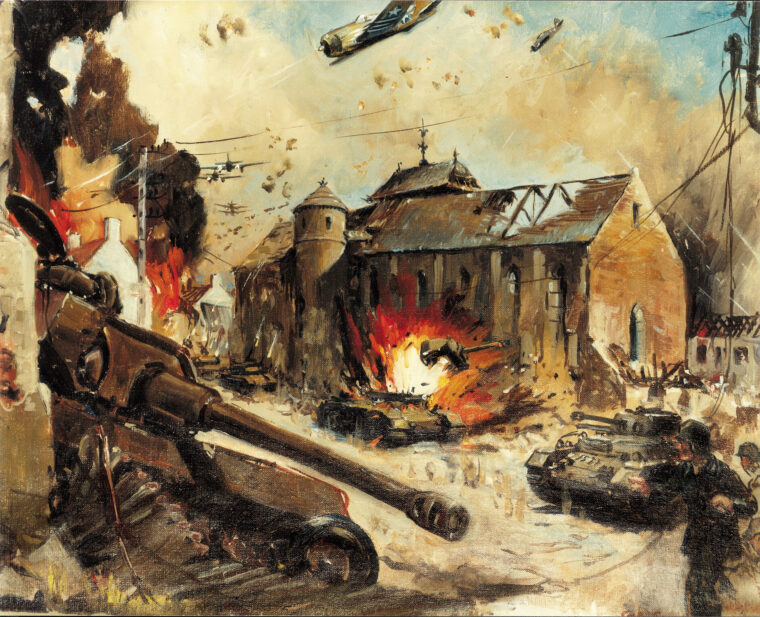
By the time of the waning of the summer of 1944 in western Europe, General Dwight D. Eisenhower’s victorious Allied armies had forged a battle line from the Dutch province of Maastricht in the north to Belfort near the Swiss border in the south. Read more
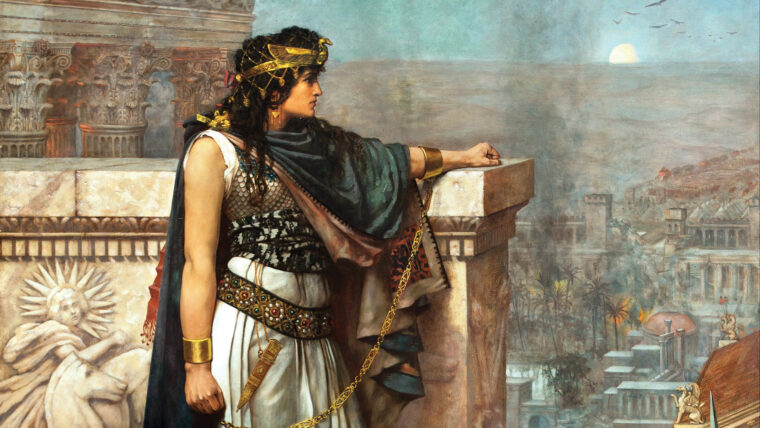
The pages of history tend to dwell on the men who created empires. No matter how ephemeral may be the famed exploits of an Alexander, Caesar or Napoleon, historians have written volumes on their behalf. Read more
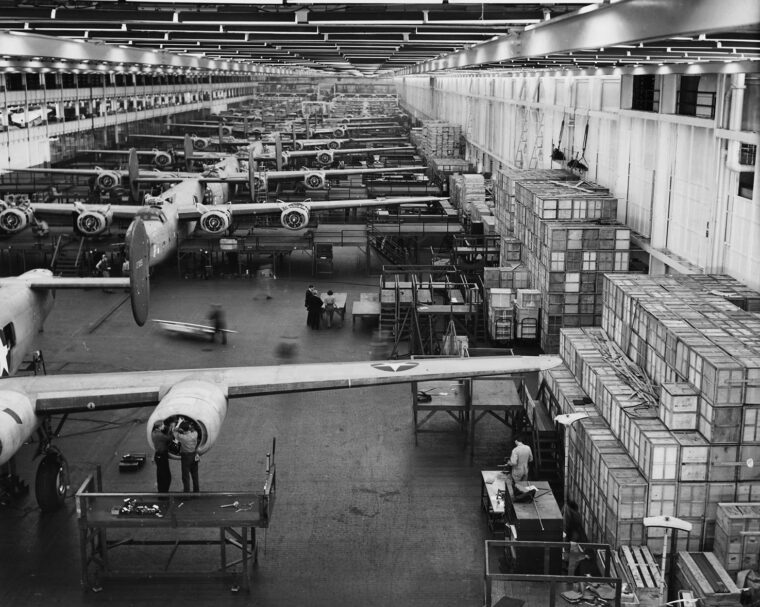
They said it couldn’t be done. Doubters chided Henry Ford for declaring that his Willow Run Bomber Plant could turn out a B-24 Liberator heavy bomber every hour. Read more
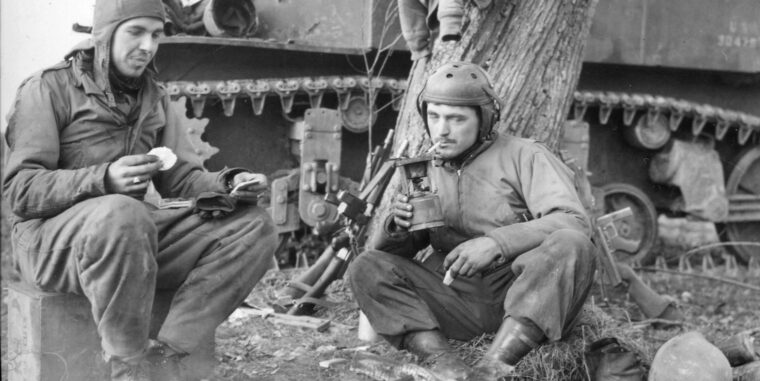
K Rations remain one of the great icons of World War II. Soldiers either loved them or hated them. Read more