European Theater
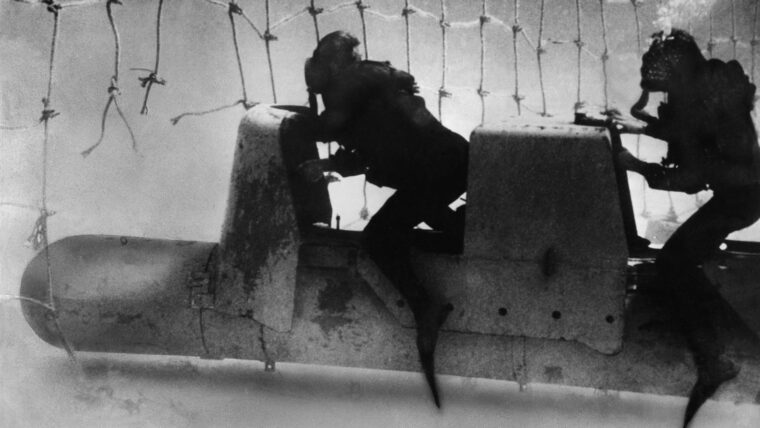
Italy’s Daredevil Torpedo Riders
By Chuck LyonsOn a dark night in September 1941, moving at periscope depth, an Italian submarine edged into Gibraltar Bay near the British harbor. Read more
European Theater
On a dark night in September 1941, moving at periscope depth, an Italian submarine edged into Gibraltar Bay near the British harbor. Read more
European Theater
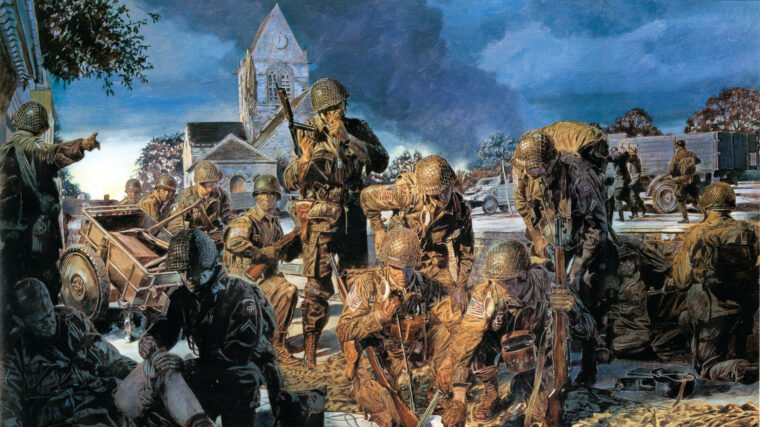
The night of June 5, 1944, was pretty much like every other night since the Germans had occupied Normandy and the Cotentin Peninsula in the summer of 1940: dark, quiet, chilly, and mostly boring. Read more
European Theater
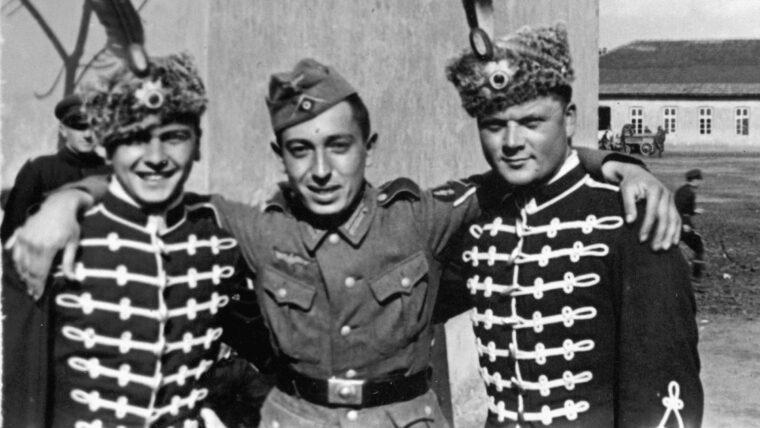
The evolution of the Nazi-era military wardrobe followed from a long history of European uniforms in general and Imperial German uniforms in particular. Read more
European Theater
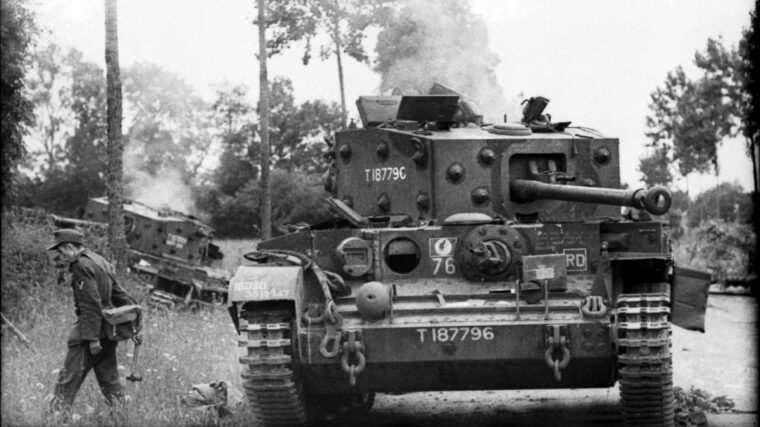
On D-day, June 6, 1944, the British 3rd Infantry Division was the first to land on Sword Beach. Read more
European Theater
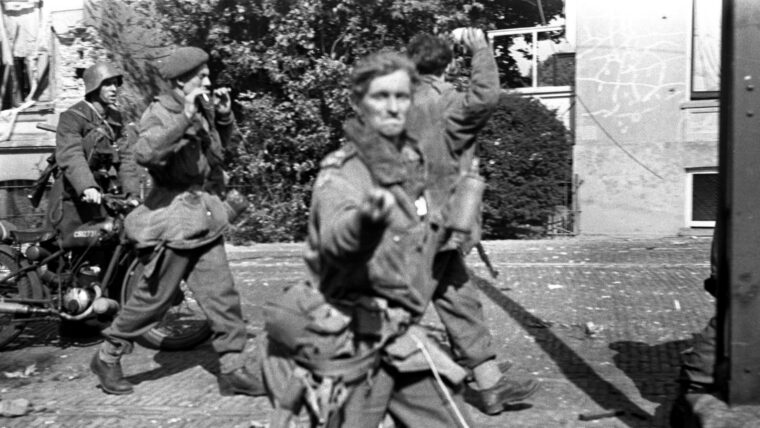
Operation Market-Garden, British Field Marshal Bernard L. Montgomery’s imaginative and daring plan—reluctantly endorsed by his superior, General Dwight D. Read more
European Theater
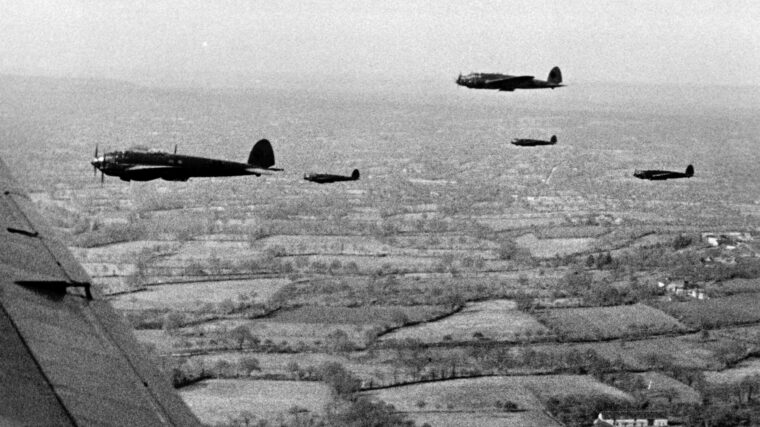
Chain Home, or ‘CH’ was the codename given to the system of early warning radar stations located along the Europe facing coasts of the United Kingdom (UK) before and during World War II to locate and follow aircraft. Read more
European Theater
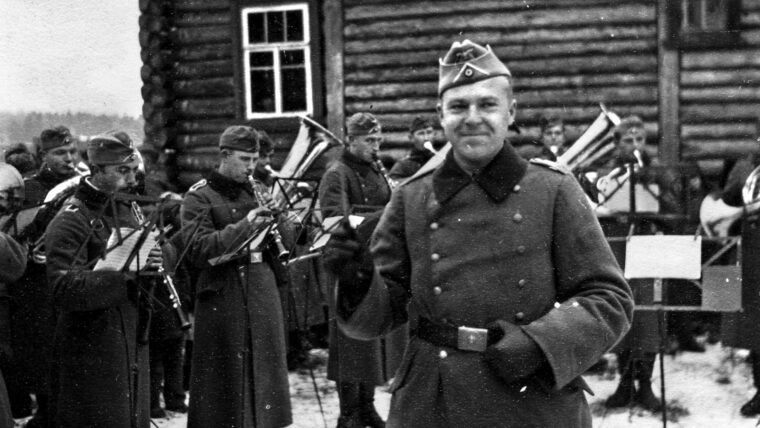
War has been described as long periods of extreme boredom punctuated by brief moments of extreme terror. Read more
European Theater
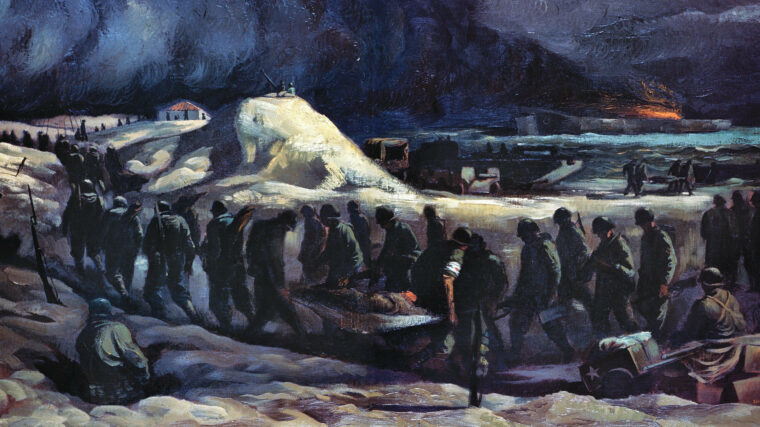
The outbreak of World War II on September 1, 1939, found the United States in an isolationist mood that precluded, for the time being, any direct involvement in the conflict. Read more
European Theater
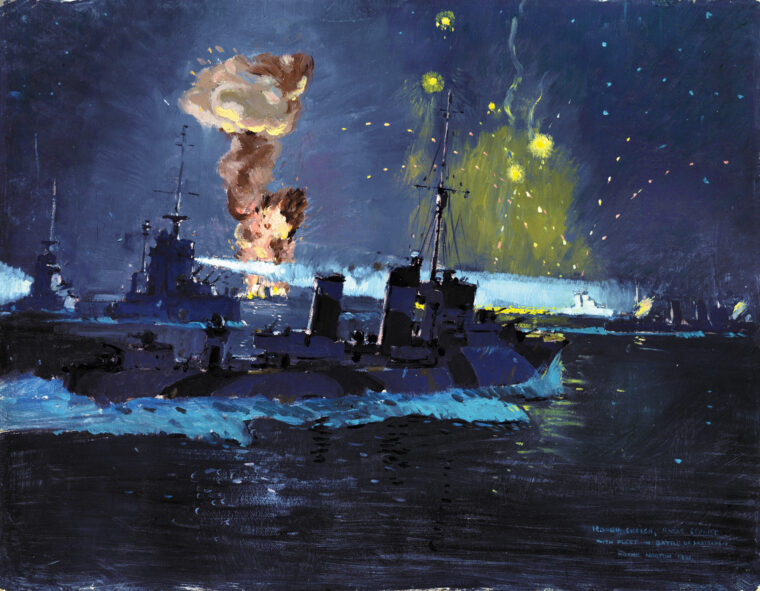
The son of Prince Andrew of Greece and Denmark and Princess Alice of Battenberg, Prince Philip was the last of five children and a great-great grandchild of Queen Victoria. Read more
European Theater
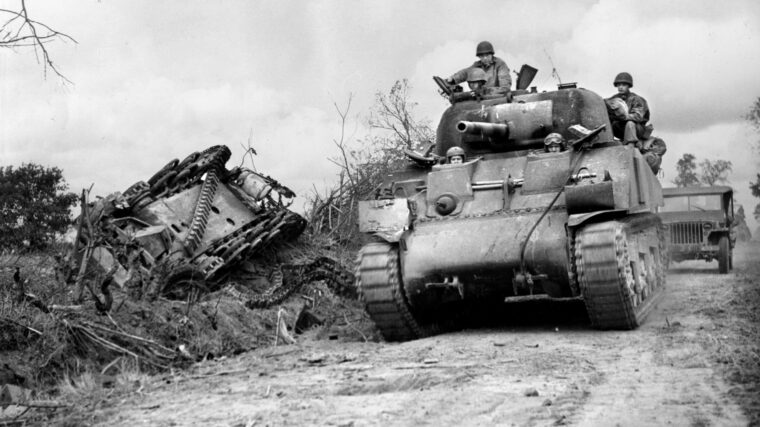
German panzergrenadiers surrounded Hill 314 just east of Mortain in Normandy on August 7, 1944, trapping several companies of the 2nd Battalion of the U.S. Read more
European Theater
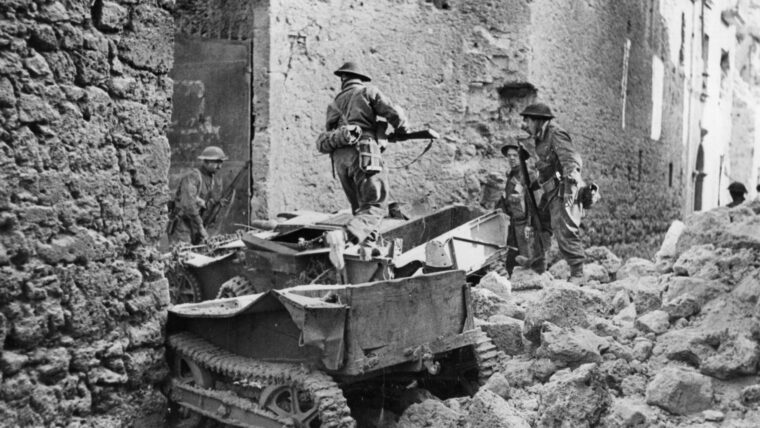
Italy was unforgiving. German resistance to Allied operations had been brutal since the Salerno landings in the autumn of 1943, and by the following spring frustration had mounted upon frustration. Read more
European Theater
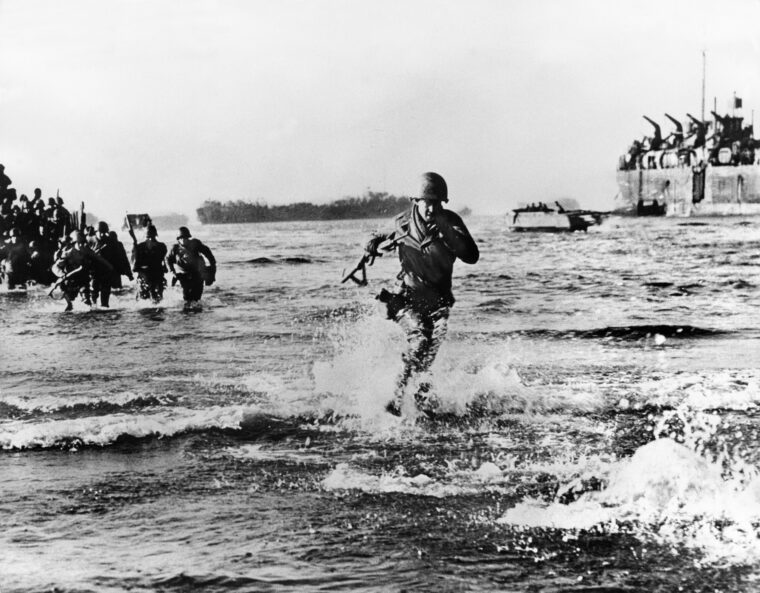
Hitler called it an “abscess.” British Prime Minister Winston Churchill, the chief sponsor and loudest cheerleader for the endeavor, grudgingly proclaimed it “a disaster.” Read more
European Theater
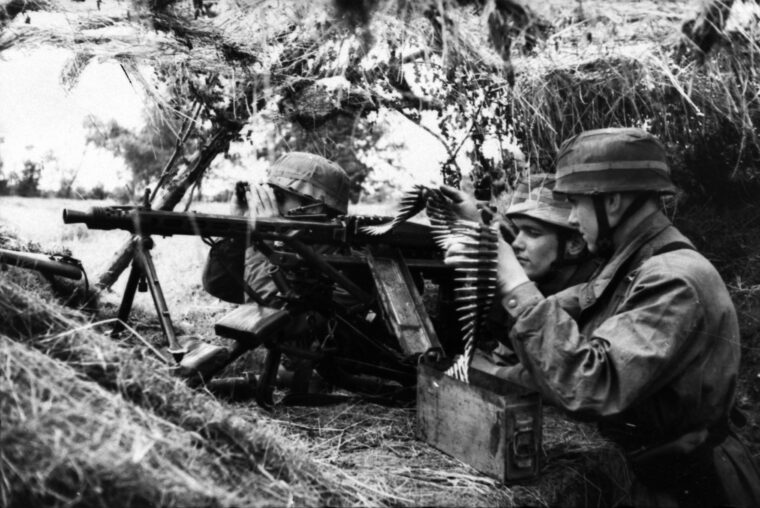
Whether fighting in the mountains of the Italian peninsula, assaulting Nazi defensive positions along the vast Russo-German Eastern Front, or clashing with German Army opponents from Normandy to the Elbe River, from 1942 to 1945, Allied soldiers in World War II faced a determined enemy armed with the most effective machine gun produced during that struggle: the Maschinengewehr 42, or the MG 42 for short. Read more
European Theater
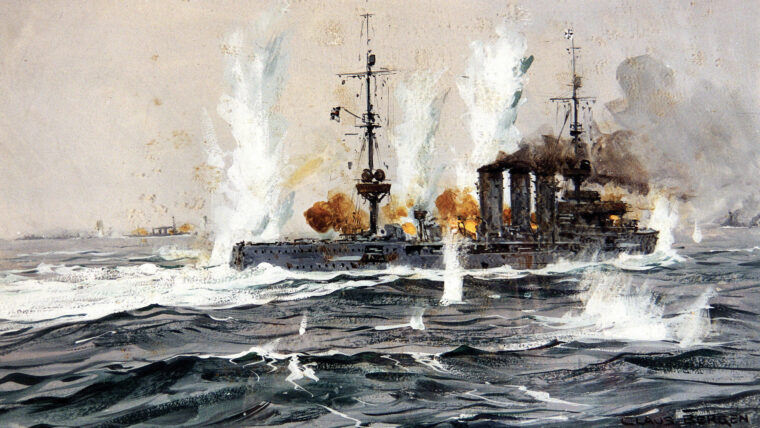
Commodore Reginald Tyrwhitt of the Royal Navy was in a grave predicament on August 28, 1914. His force was near the German base at Heligoland Bight. Read more
European Theater
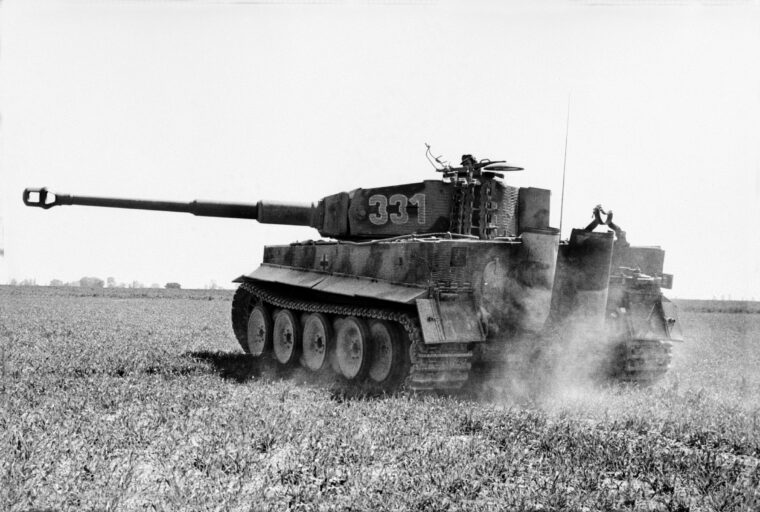
The ongoing debate between German Field Marshals Erwin Rommel and Gerd von Rundstedt over how best to use the German Army’s elite panzer divisions against the coming Allied invasion ultimately reached no clear conclusion. Read more
European Theater
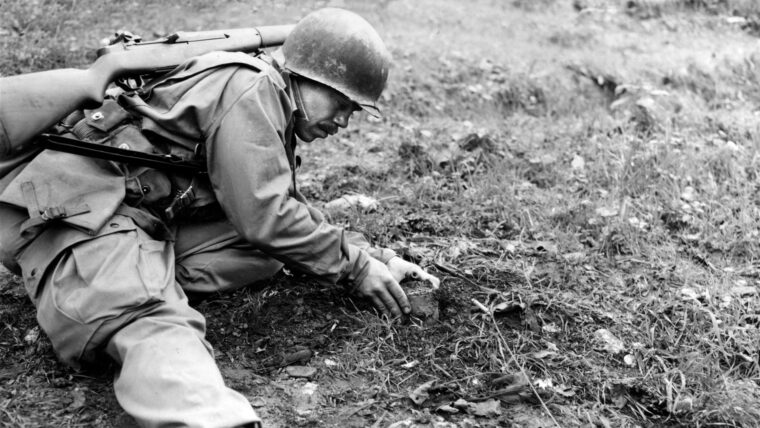
Red-hot grenade fragments sliced through First Lieutenant Bill Munson’s left arm and shoulder, causing him to fall backwards onto the lip of a German machine gun nest. Read more
European Theater
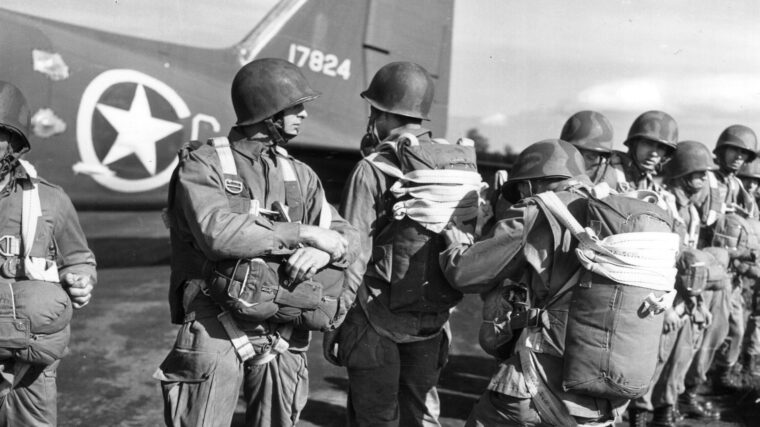
Only two years after the U.S. Army officially sanctioned the formation of an airborne arm, American paratroopers were committed to a vast offensive against Axis forces on the coast of French North Africa. Read more
European Theater
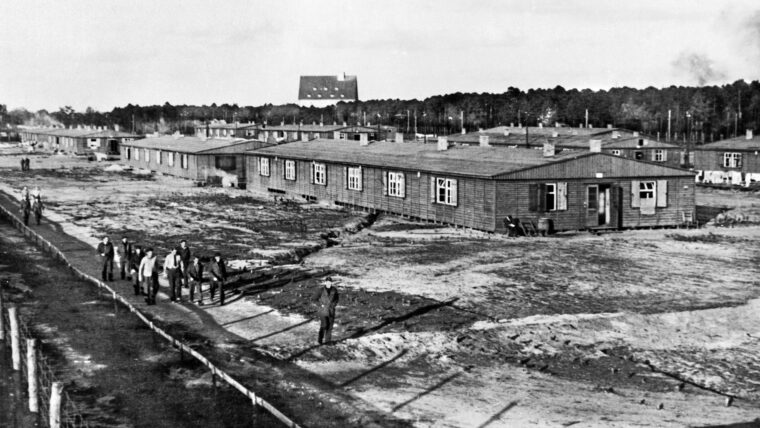
For Allied soldiers, sailors, and airmen interned in enemy prison camps during World War II, escaping was regarded as their unwritten duty. Read more
European Theater
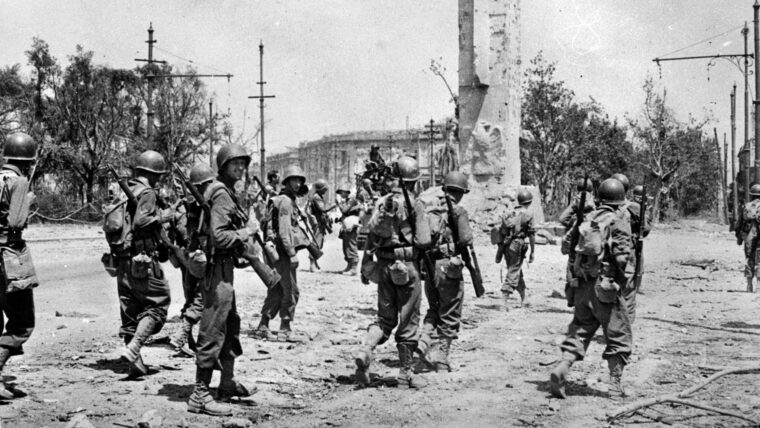
Sergeant Alfred Johnson peered from behind a boulder on a rock-strewn hillside at Piano Lupo about six miles inland from the southern coast of Sicily. Read more
European Theater
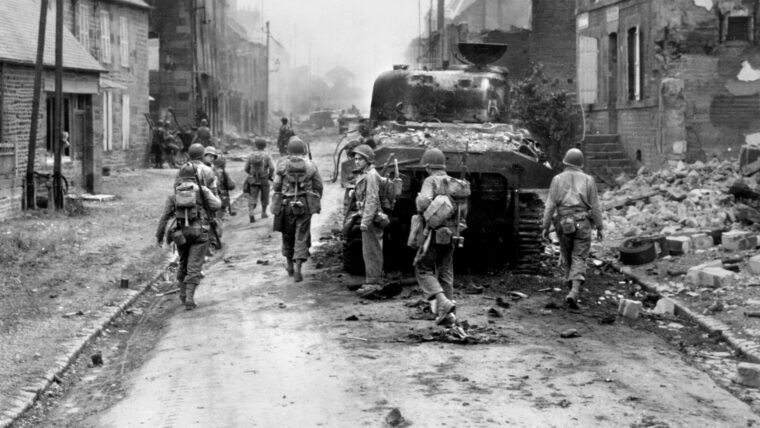
When the 230th Field Artillery Battalion was attached to the 30th Infantry (“Old Hickory”) Division in Mortain, France, on August 6, 1944, many of its men had already received their baptism of fire in Normandy. Read more