European Theater
Letters From The Eastern Front
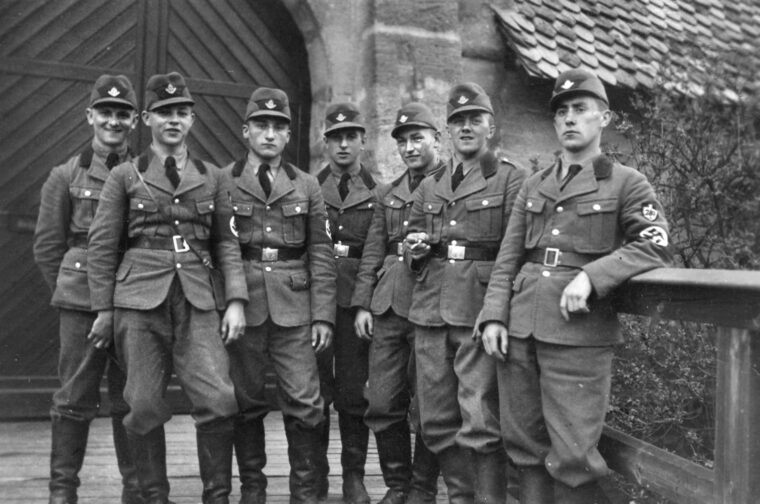
By Horst Fuchs RichardsonBackstory: My father, Karl Fuchs, was a German soldier in World War II who fought and died on the Eastern Front. Read more
European Theater
Backstory: My father, Karl Fuchs, was a German soldier in World War II who fought and died on the Eastern Front. Read more
European Theater
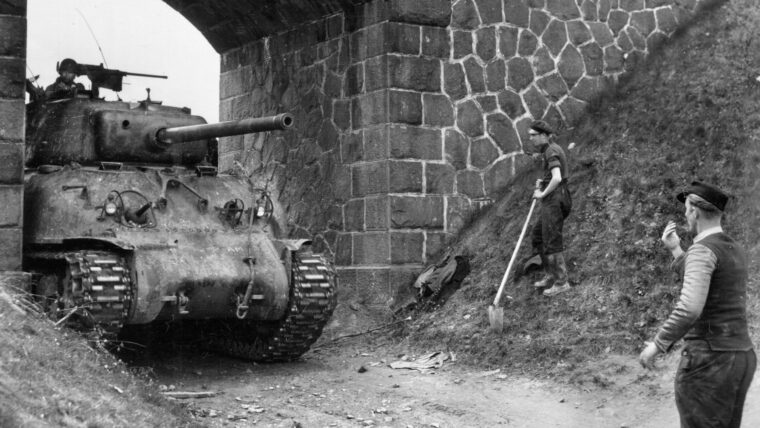
The 782nd Tank Battalion spent two years training stateside as part of the U.S. Read more
European Theater
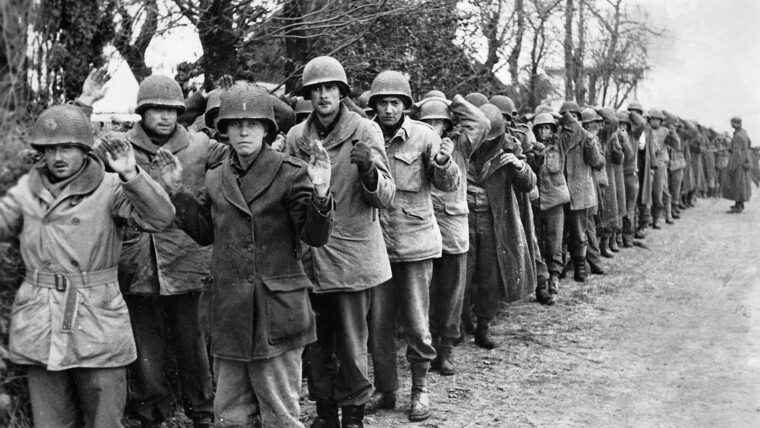
It took the HMS Queen Elizabeth, the world’s largest passenger liner, only five days to transport 15,000 men of the 106th Infantry Division from New Jersey to Glasgow, Scotland, making port on November 17, 1944. Read more
European Theater
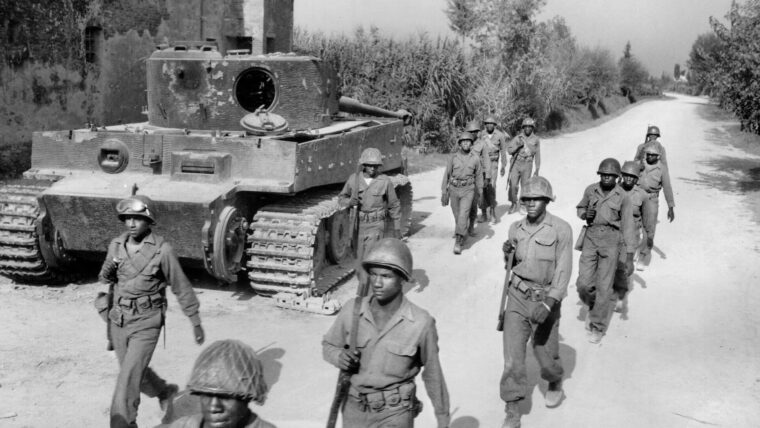
Despite their gallant service in the Civil War, on the Western frontier, and in the Spanish-American War, black soldiers were used mostly for labor and given only a limited fighting role when the U.S. Read more
European Theater
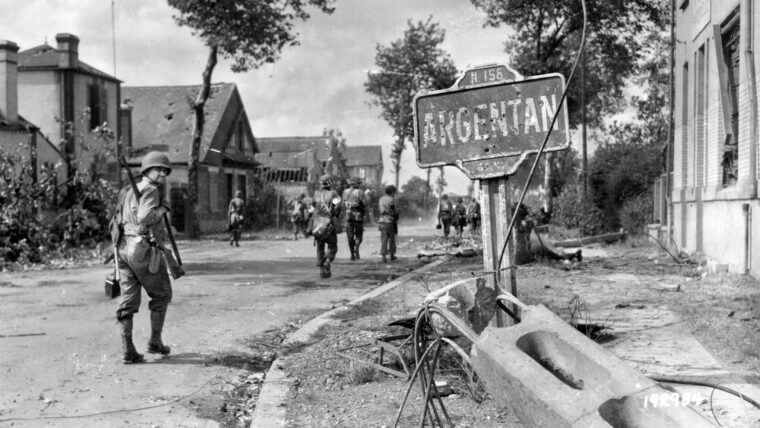
As a late summer sun finally dipped below the horizon, Captain William L. Koob, Jr., came to realize that his unit had been abandoned on the battlefield. Read more
European Theater
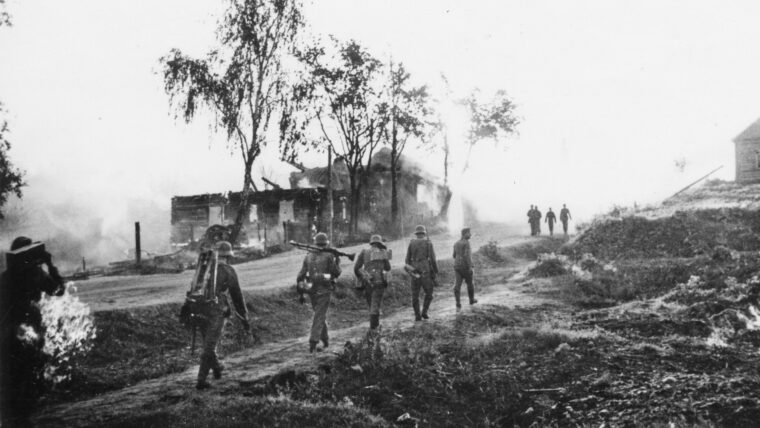
BACKSTORY: Wilhelm Lubbeck served as an enlisted man in the 58th Infantry Division on the Eastern Front during Germany’s 1941 invasion of the Soviet Union before being promoted to lieutenant. Read more
European Theater
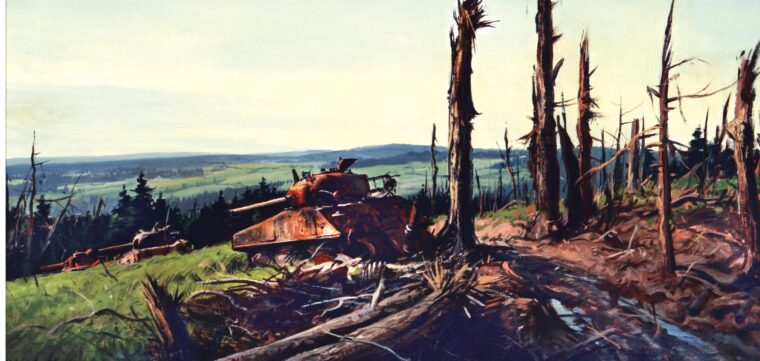
Seventy-eight years ago, the U.S. First Army was embroiled in the longest battle of World War II fought on German soil. Read more
European Theater
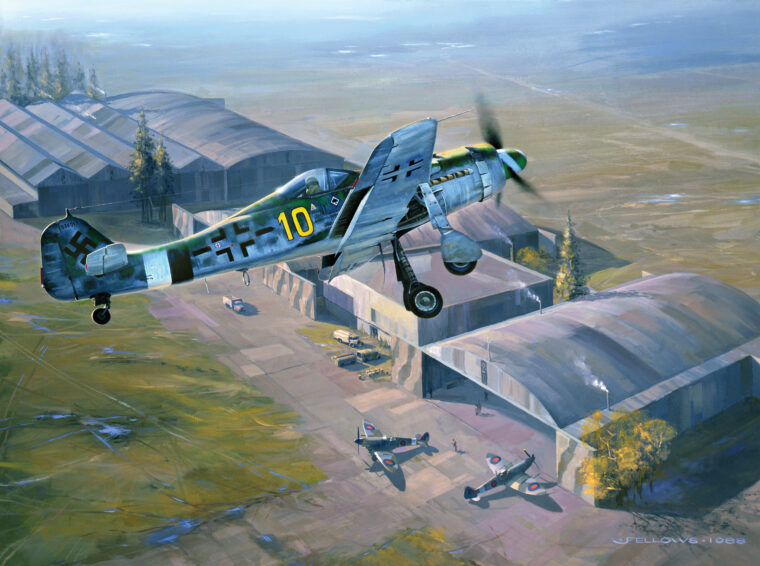
An American advertising poster for one of their bombers showed a cartoon of a smiling pilot over the captioned question, “Who’s afraid of the big Focke-Wulf?” Read more
European Theater
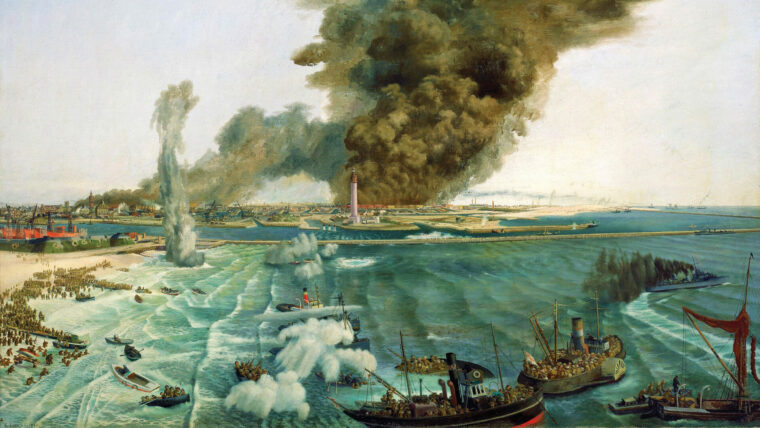
As aptly stated by historian Max Hastings in his book Warriors, “the leaders most readily admired by fellow-soldiers are those who seem committed to do their duty, and also to bring every possible man home alive.” Read more
European Theater
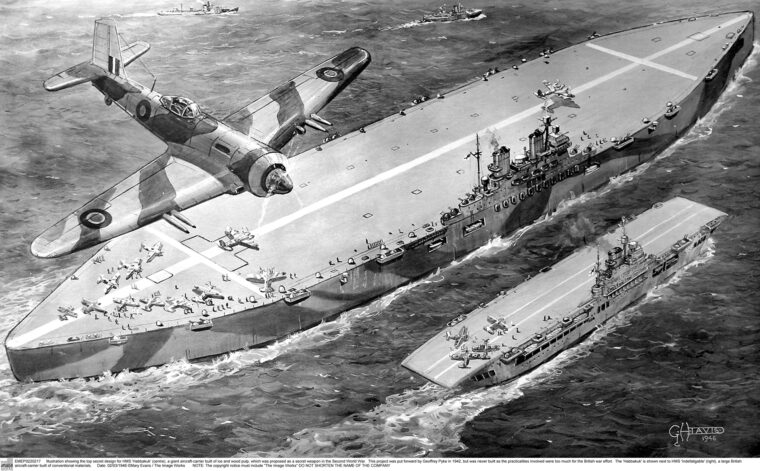
While the Battle of Britain raged and a German invasion was feared in the sunny, tense summer of 1940, Prime Minister Winston Churchill took time to create an organization that would exemplify his offensive spirit, his love of gadgets and innovations, and his use of cronies. Read more
European Theater
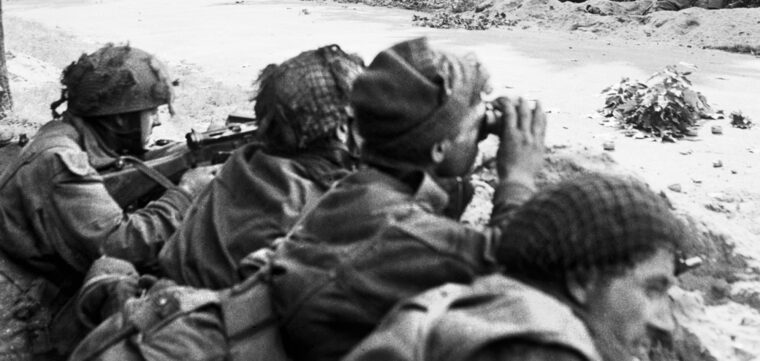
American Generals privately gloated over the failure of British Field Marshal Bernard Montgomery’s Operation Market Garden in September 1944. The British had conceived the idea, although Allied units from many nations participated in the operation. Read more
European Theater
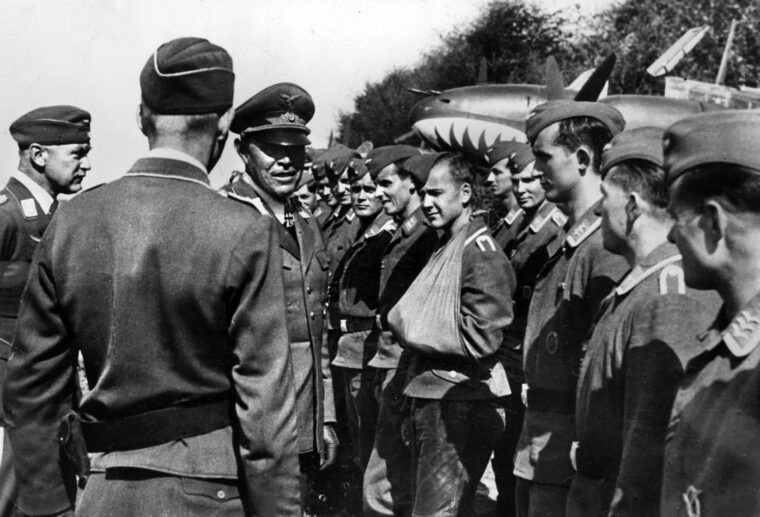
He was seemingly everywhere—Poland, France, Holland, Italy, and the western front during the last days of the Third Reich. Read more
European Theater
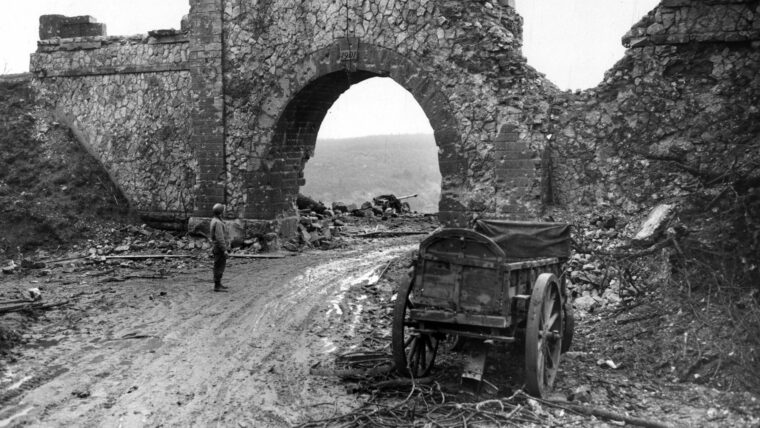
The road to Fort Driant began for the United States Third Army when it landed on Utah Beach at 3 pm on August 5, 1944. Read more
European Theater
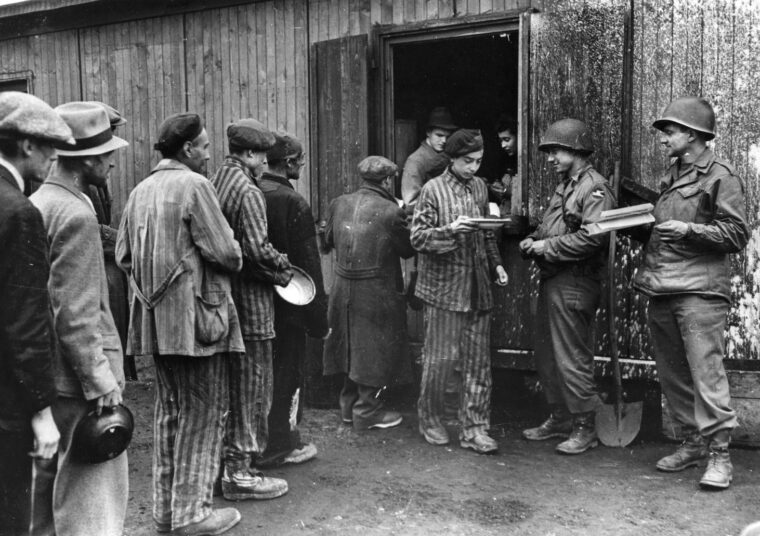
In November 1944, a young American soldier wrote back to his parents in the Washington Heights neighborhood of Manhattan. Read more
European Theater
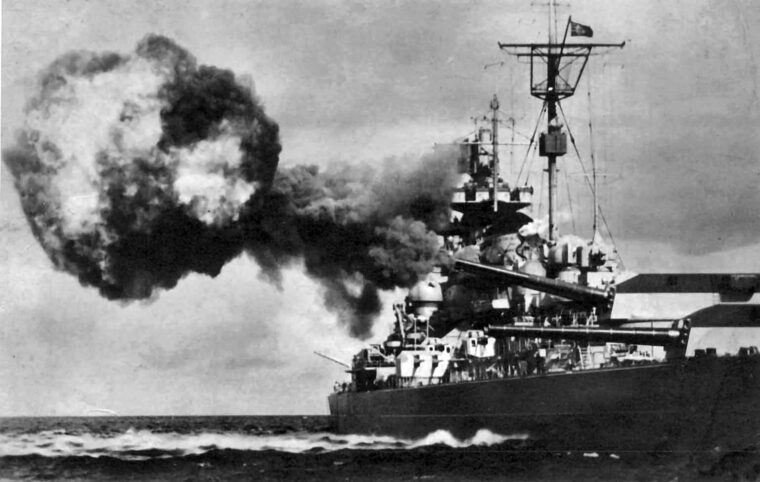
April 1, 1939, was a red-letter day in the history of the reborn German Kriegsmarine for two key reasons. Read more
European Theater
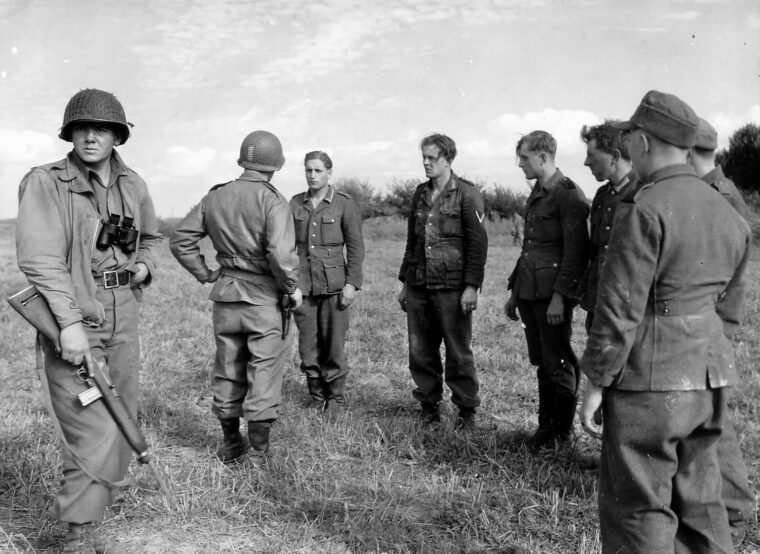
Stephan H. Lewy was young, militarily inexperienced, and A Most unlikely American soldier. Yet when he reached Utah Beach 30 days after D-Day, he was all business as a staff sergeant in U.S. Read more
European Theater
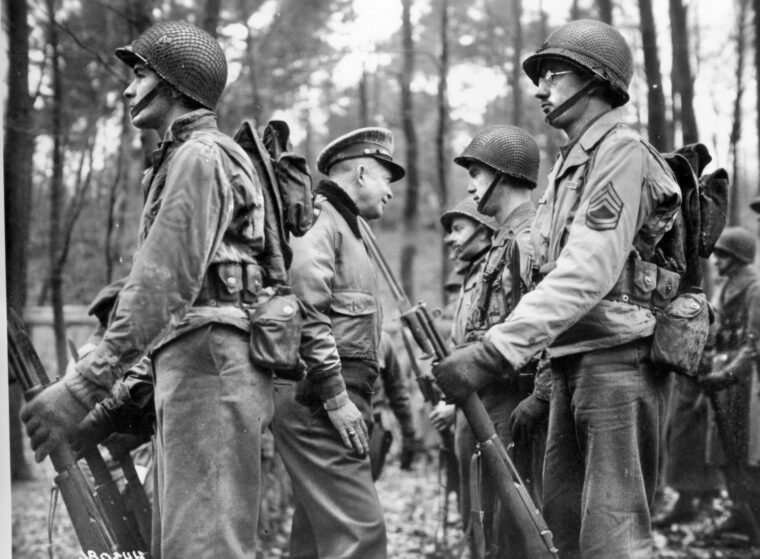
General Dwight D. Eisenhower enjoyed visiting troops in the field. After the Battle of Normandy and the race across France, the Supreme Allied Commander toured the front in mid-November, 1944. Read more
European Theater
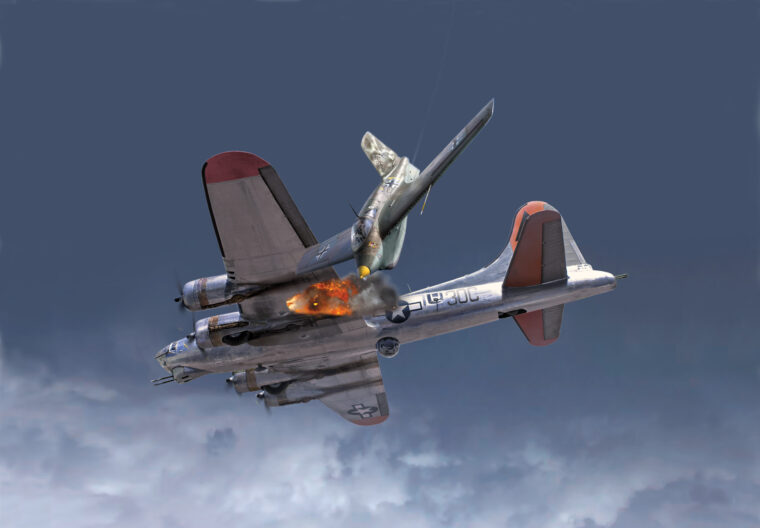
The Germans called it the “Komet” and the “Devil’s Broomstick,” for the incredible speed with which it reached its altitude of 30,000 feet, achieving 0.84 Mach while doing so. Read more
European Theater
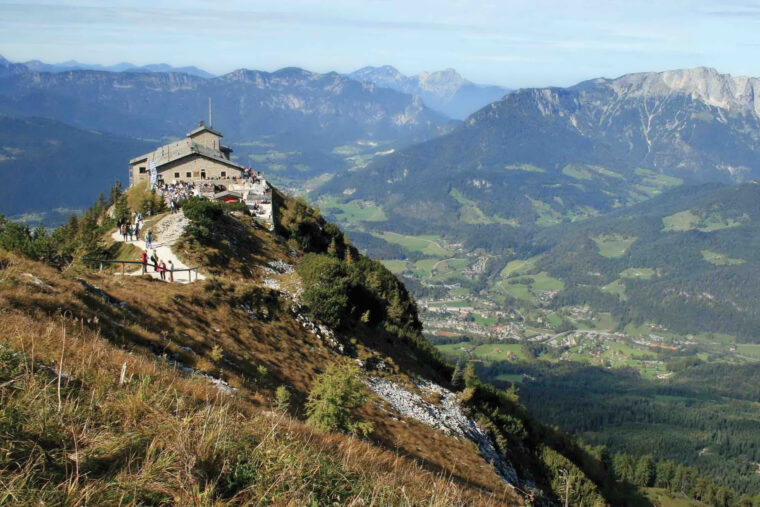
When a friend from Wolsey, South Dakota, asked Alven Baker why he was joining the army in 1941 and not another branch of the service, he replied, “To capture Adolf Hitler.” Read more
European Theater
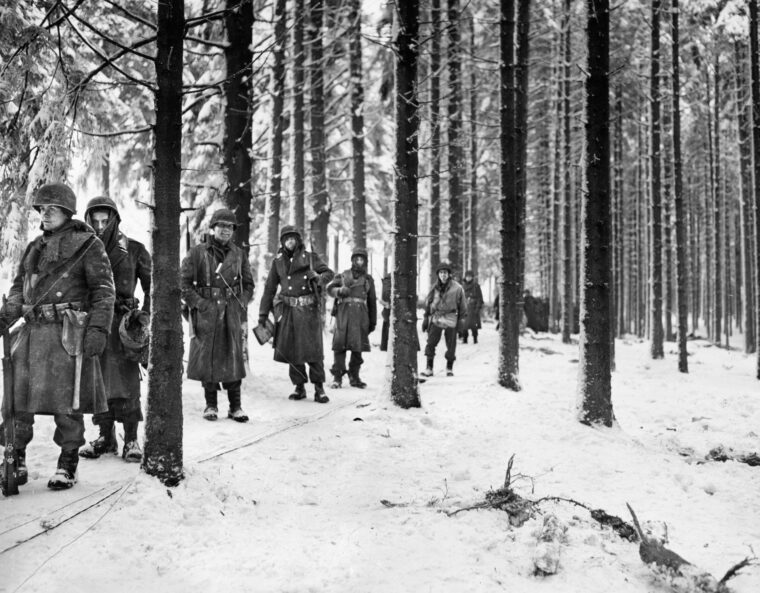
Staff Sergeant Darrell Bush had just carried a wounded soldier on his back to the rear when five enemy bullets seemed to hit him simultaneously. Read more