WWII
The Soviet Secret Police & the Katyn Forest Massacre
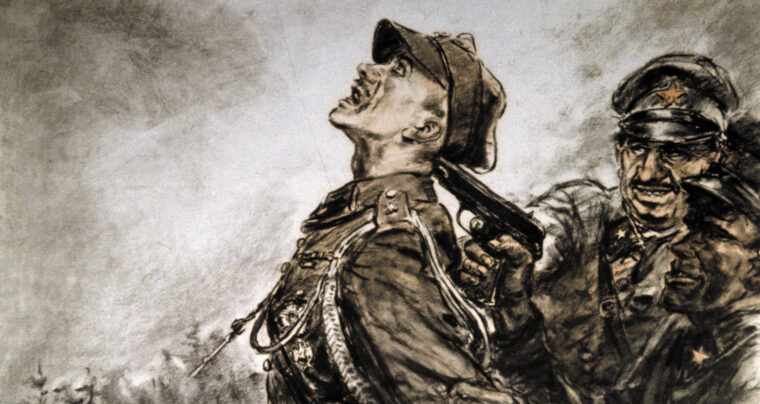
By Richard RuleOn September 17, 1939, in the wake of Hitler’s invasion of Poland, the Soviet Red Army crossed the Polish frontier from the east. Read more
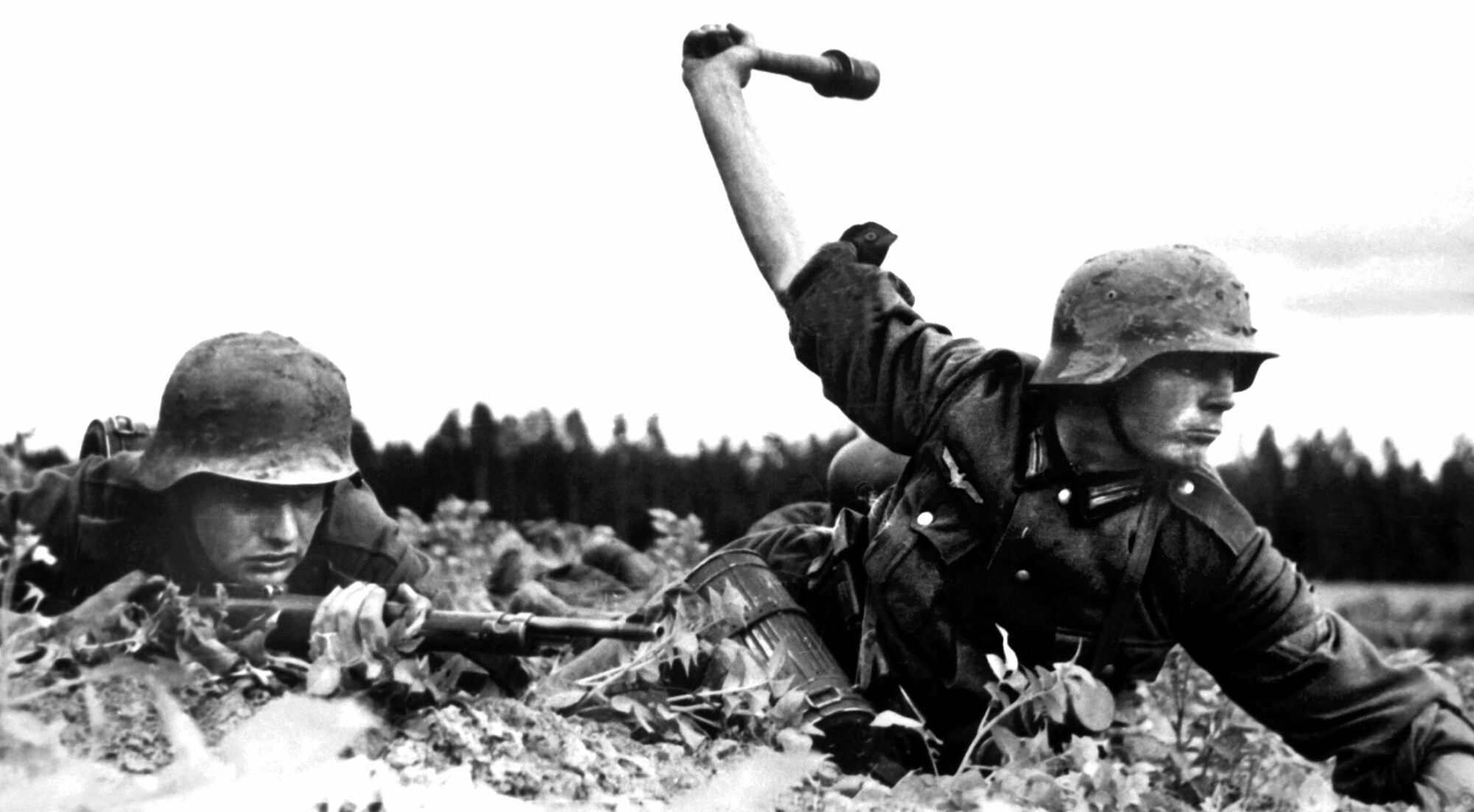

WWII
On September 17, 1939, in the wake of Hitler’s invasion of Poland, the Soviet Red Army crossed the Polish frontier from the east. Read more
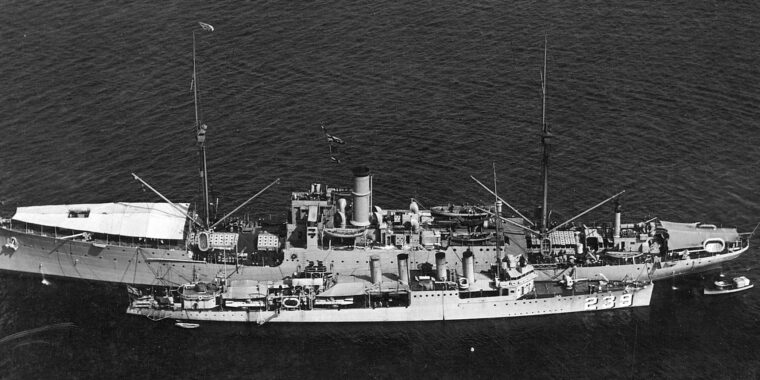
WWII
On Saturday, December 6, 1941, the repair ship USS Vestal eased alongside the USS Arizona at her berth at Pearl Harbor. Read more
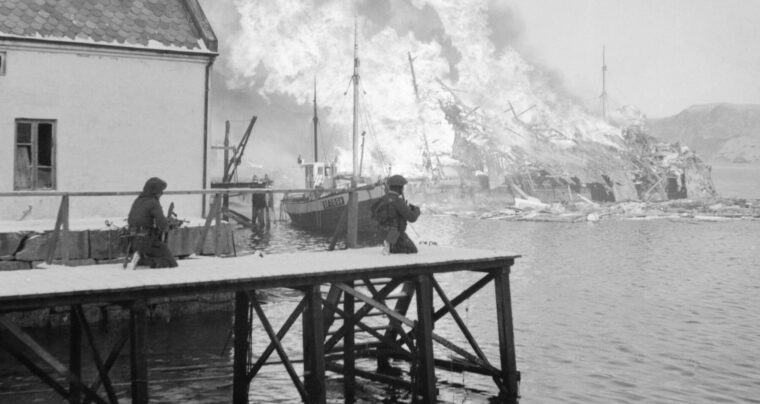
WWII
Following the forced evacuation of Allied forces at Dunkirk in June 1940, British leaders viewed a dim future. Read more
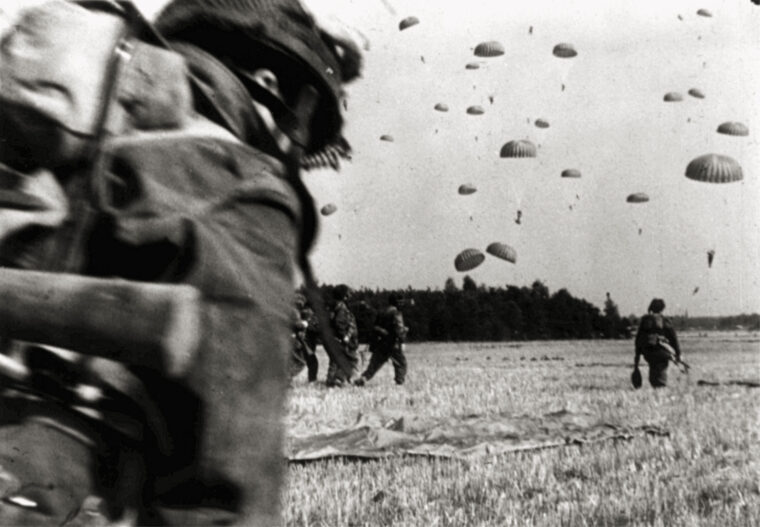
WWII
Two men were seated on either side of a paper-strewn table inside an office of MI5, the British intelligence service, in the Royal Victoria Patriotic School at Clapham, London, shortly after the fall of France in the spring of 1940. Read more
WWII
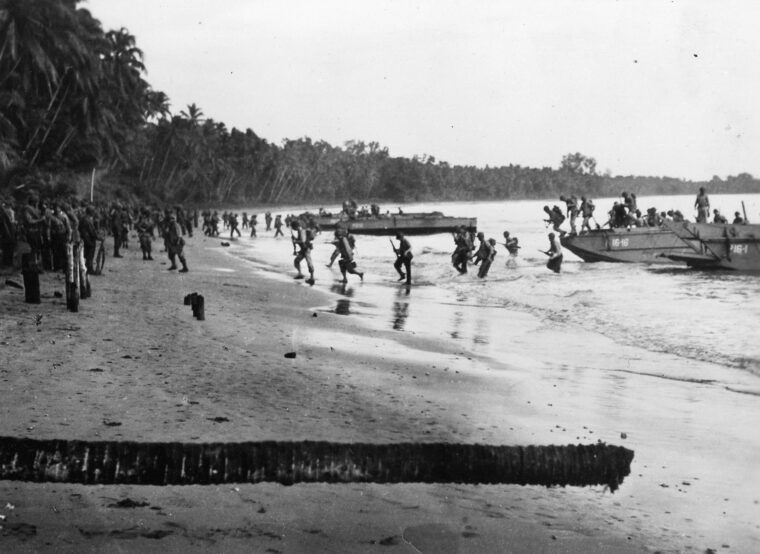
In the long and distinguished history of the U.S. Marine Corps, thousands of marines have been awarded medals for meritorious service on the battlefield. Read more
WWII
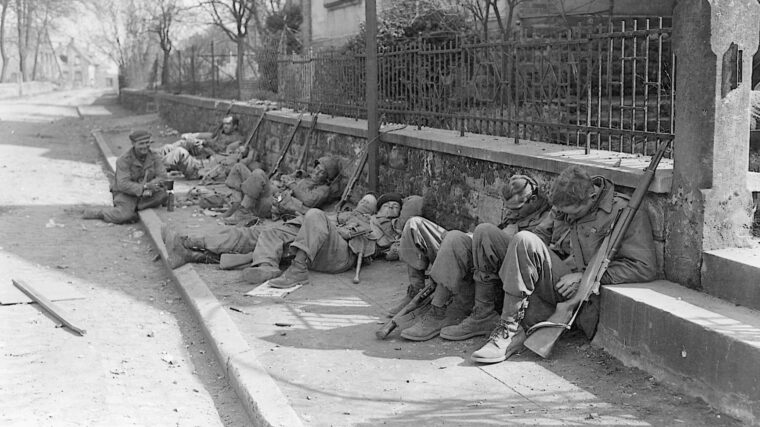
One of the most precious resources in war, and the one most often in short supply, is sleep. Read more
WWII
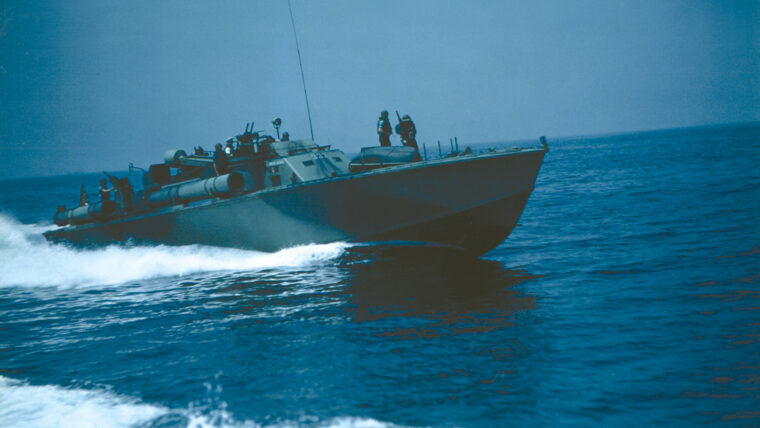
In modern naval history, there is perhaps no more colorful figure than the late Vice Admiral John Duncan Bulkeley. Read more
WWII
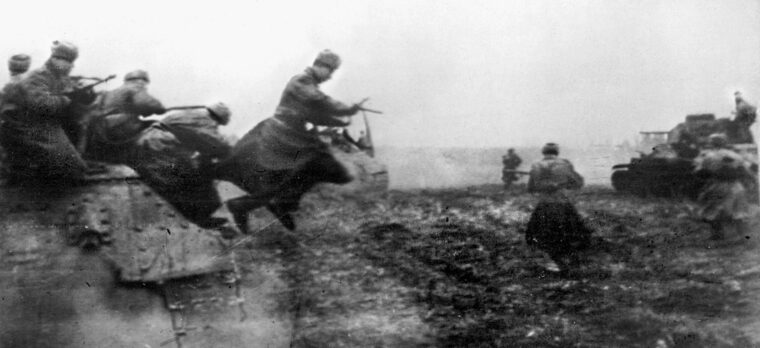
By the end of 1944, the Soviet Red Army had surrounded the Hungarian capital of Budapest and established strong defensive positions running from Esztergom on the Danube to Lake Balaton. Read more
WWII
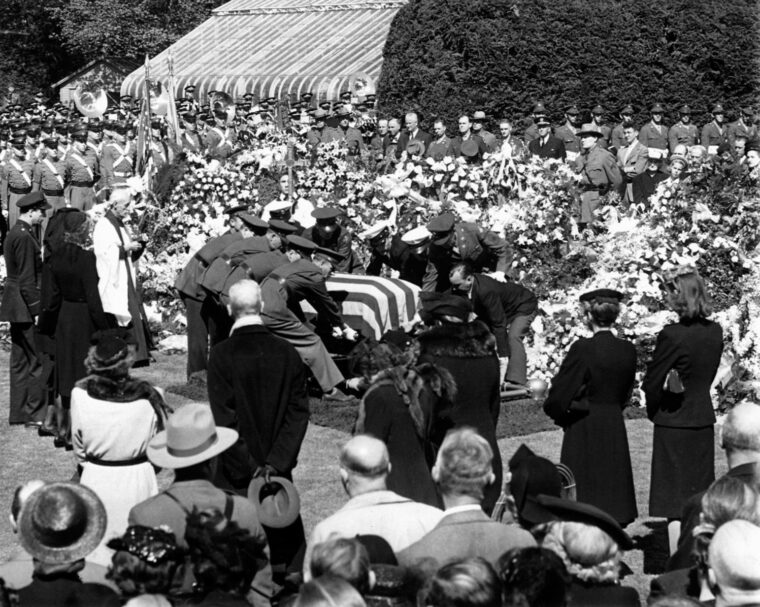
It was a sunny spring day atop Pine Mountain in Warm Springs, Ga. In his little white pine cottage, where he was resting from the strenuous Big Three conference at Yalta in the Crimea on February 4-11, 1945, President Franklin D. Read more
WWII
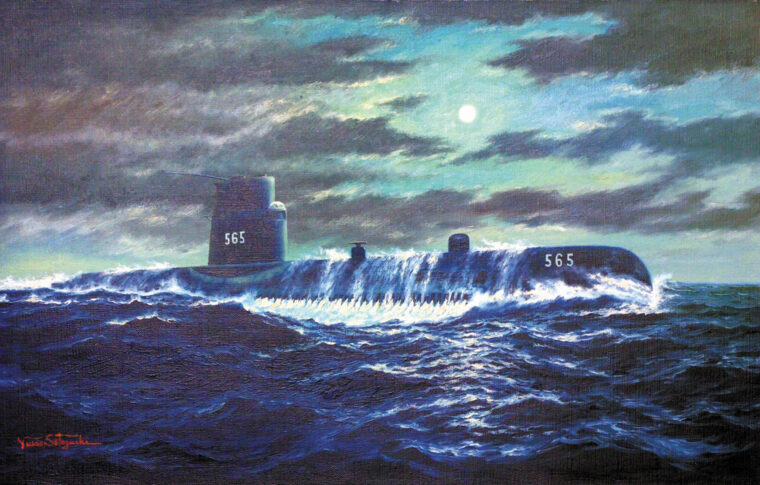
On the night of September 14, 1942, the men aboard the U.S. Navy submarine Wahoo spotted smoke rising from the funnel of a vessel emerging from Truk’s north pass. Read more
WWII
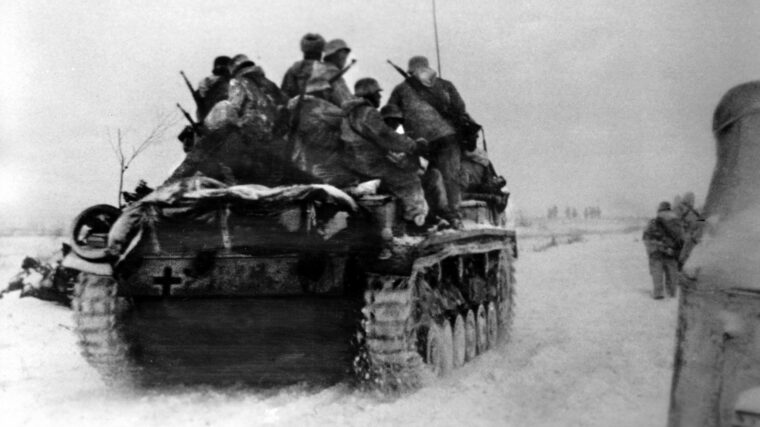
The imperious ringing of a field telephone broke up the meeting that General Vasili Chuikov was holding with his exhausted 62nd Army staff in their dugouts in Stalingrad. Read more
WWII
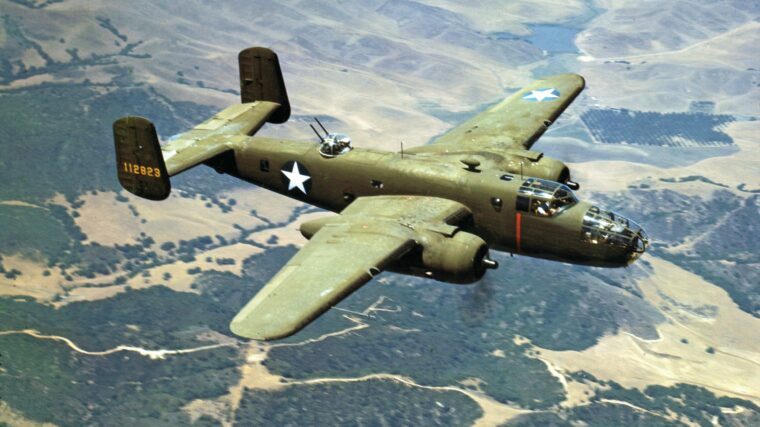
There is no disputing what the North American B-25 Mitchell medium bomber contributed to the Allied victory in World War II. Read more
WWII
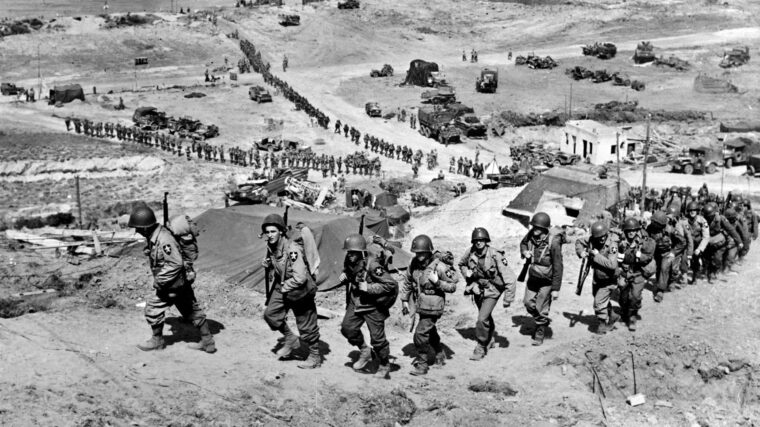
He was one of only two soldiers in the United States Army to rise from private to four-star general and to command one of the largest armies in America’s biggest conflict. Read more
WWII
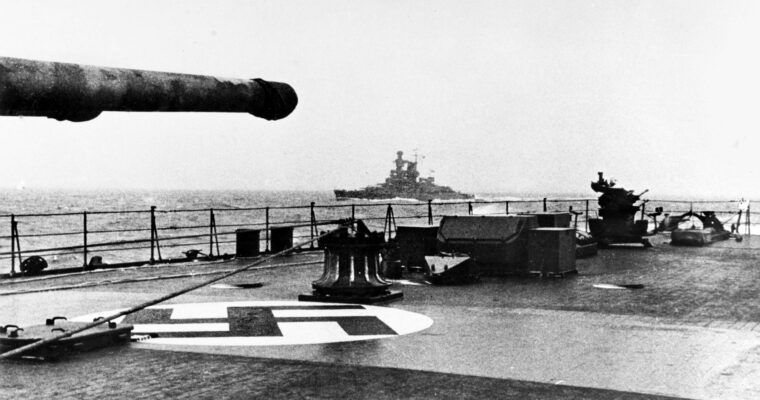
Battleships,” said Adolf Hitler, “have had their day.”
In a military conference held December 29, 1941, Hitler took time to remind those in attendance that not so many months ago the Bismarck went down with all but 115 of her 2,200 crewmen after a 100-hour sea battle. Read more
WWII
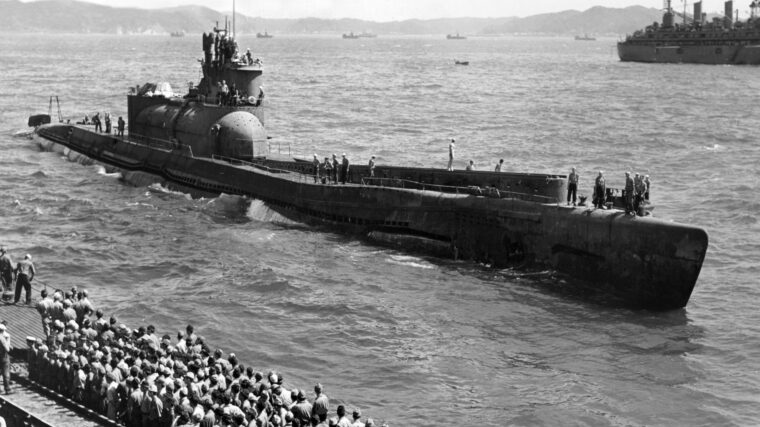
In the autumn of 1943, the U.S. Navy had regained strength after the Japanese attack on Pearl Harbor, and plans were made for a big offensive in the Pacific. Read more
WWII
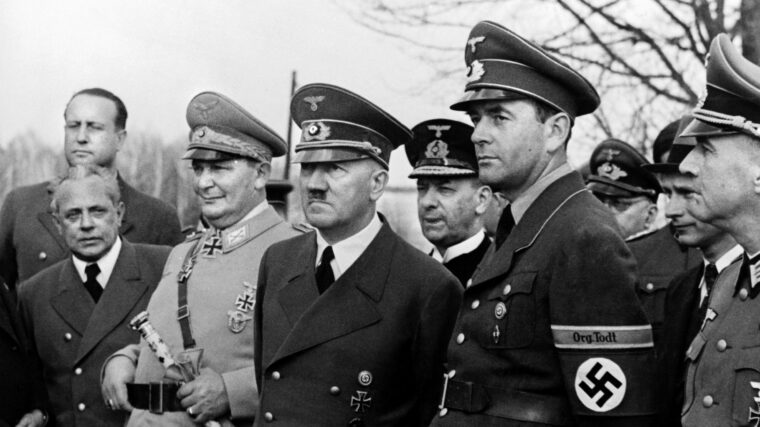
On March 12, 1938, German troops entered Austria, part of Adolf Hitler’s plan to incorporate that hapless country into the Third Reich. Read more
WWII
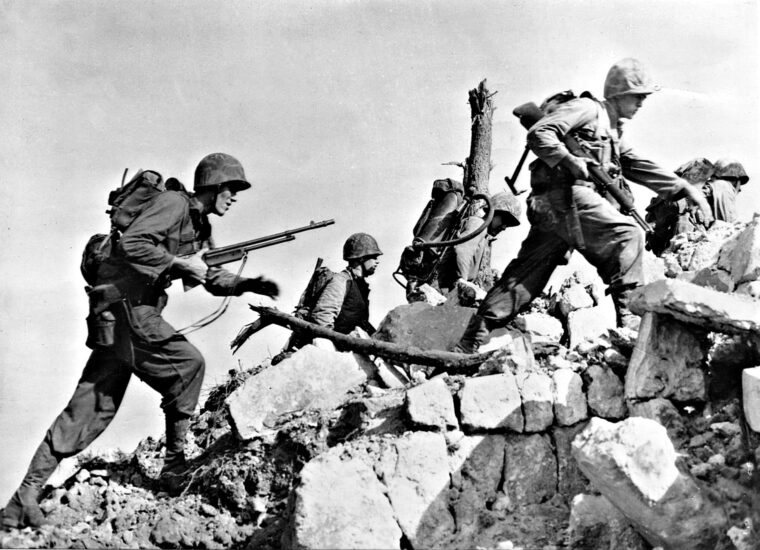
The grimy, weary Marines heard with little emotion the instructions shouted by their officer. He wanted them to mount yet another charge to the top of the nondescript hill blocking their way, another collection of rock housing an enemy that tried to halt their advance. Read more
WWII
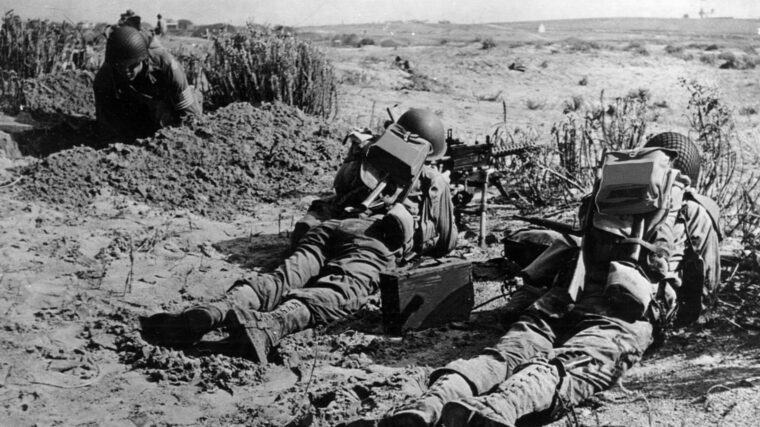
Rain battered the shore and the seas were rough on the night of October 21, 1942. Under the surface of the water, a submarine carried the Allies’ best hope for turning the tide of war in 1942. Read more
WWII
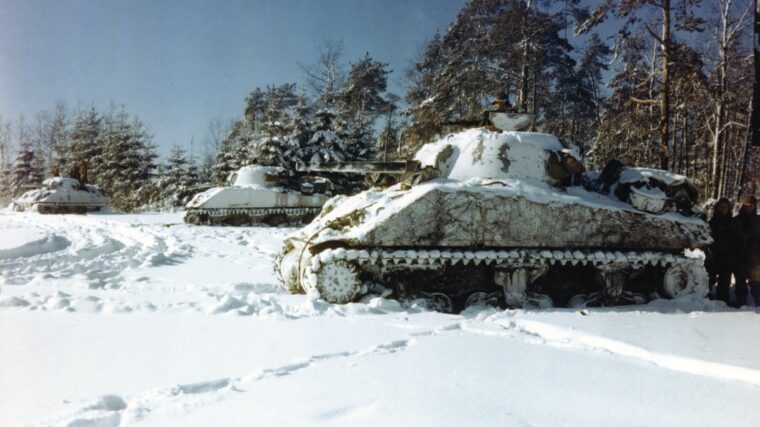
The U.S. 9th Armored Division arrived in the European Theater of Operations in late October 1944 as a reserve for Maj. Read more

WWII
In December 1941, after four decades of play in the same sixteen eastern and midwestern cities, major league baseball was finally coming to the west coast. Read more