Battle of Alma: First Blood in the Crimea
By Eric NiderostOn the morning of September 14, 1854, an Anglo-French fleet arrived off the coast of the Crimean Peninsula in the Black Sea. Read more
On the morning of September 14, 1854, an Anglo-French fleet arrived off the coast of the Crimean Peninsula in the Black Sea. Read more
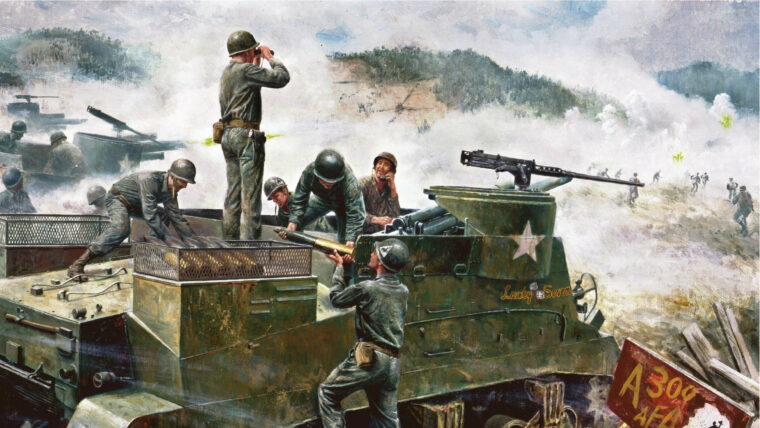
By mid-April 1951, the war in Korea was nearly 10 months old. United Nations forces had suffered a reversal of fortunes in late 1950 with the entry of Communist China into the war, losing the South Korean capital of Seoul but later regaining it. Read more
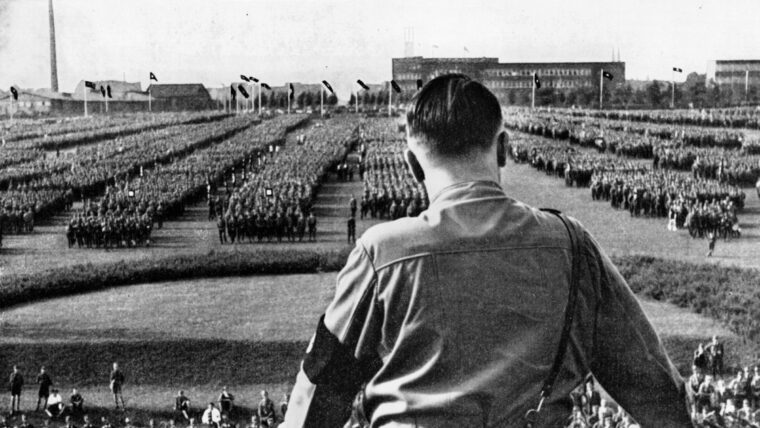
When Nazi architect Albert Speer surrendered in 1945, he made a strange remark: “So now the end has come. Read more
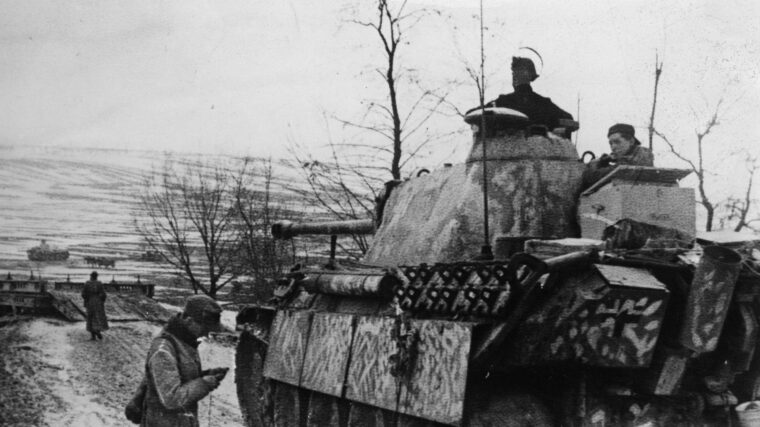
In January 12, 1945, Adolf Hitler received the news he had been dreading—the Soviet Red Army had launched its winter offensive. Read more
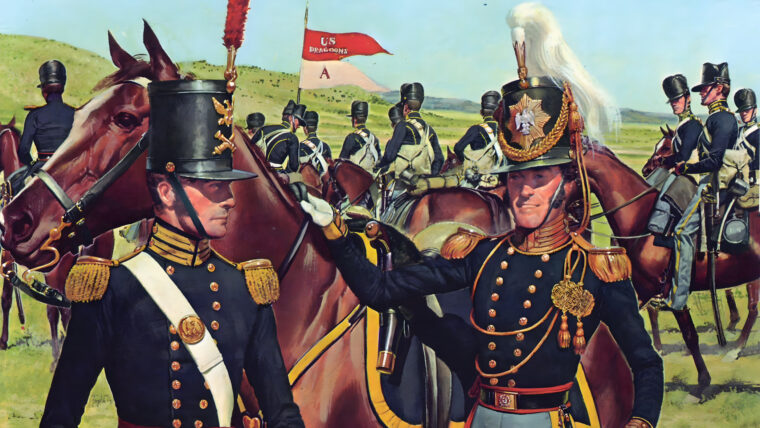
A caravan of traders bound for Santa Fe left Cantonment Leavenworth near the Missouri River on June 3, 1829, escorted by four companies of the 6th U.S. Read more
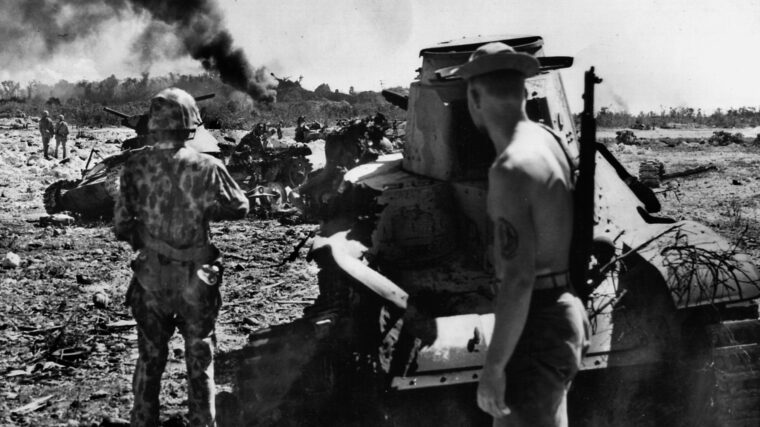
Inside the shabby tent that served as his command post on Peleliu, a despondent Maj. Gen. William Rupertus sat on his bunk, slumped over with his head in his hands. Read more
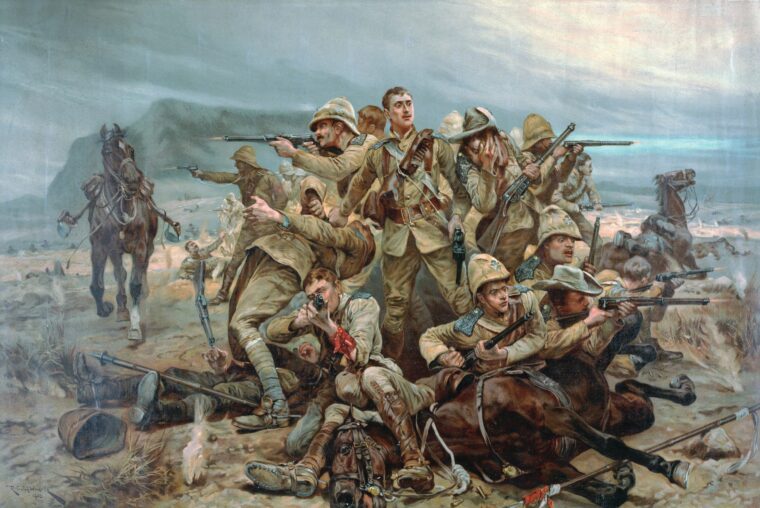
Modern military camouflage has gone high tech, with digicam or “digital camouflage” being the preferred pattern for soldiers in the field. Read more
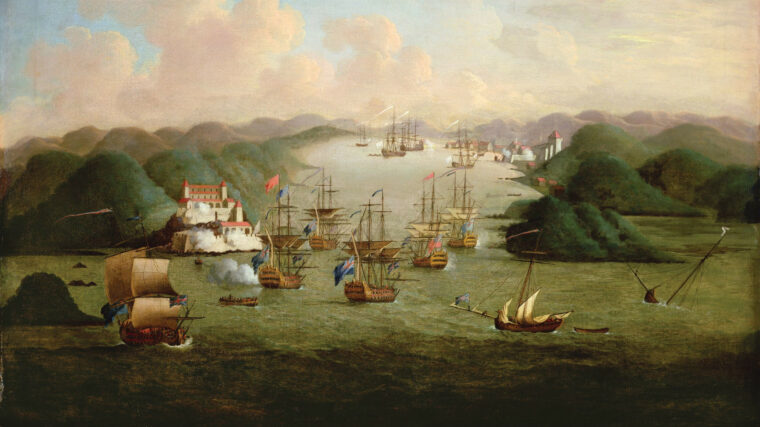
In the 1700s, the Spanish empire in the Caribbean was a lucrative trade monopoly directed from Madrid, with Cadiz designated as the official port for trade to and from Spain and its colonies. Read more
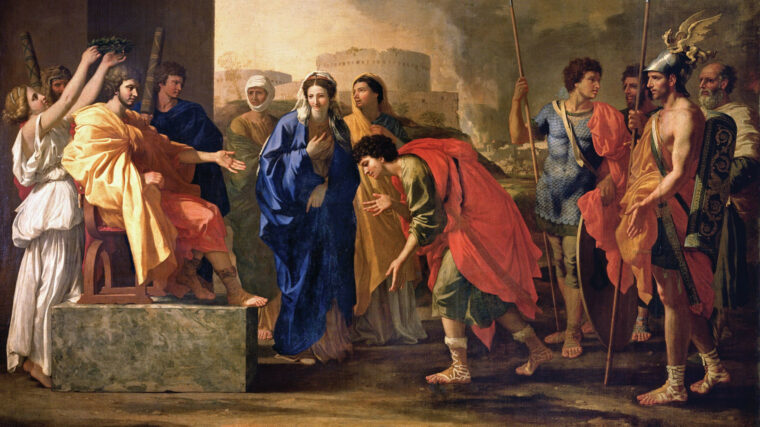
The early years of Rome’s second war with Carthage were some of the darkest the Republic had ever known. Read more
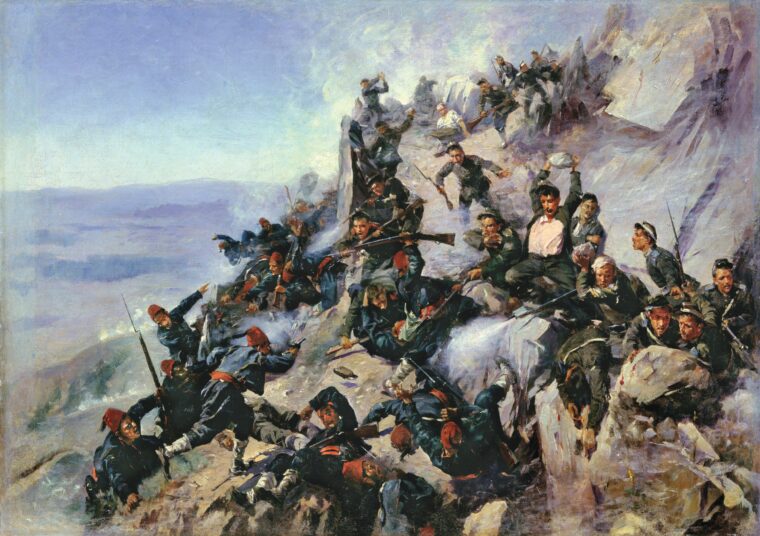
In the summer of 1875, the Christian Slavic populations of Bosnia and Herzegovina rose up in rebellion against their Muslim Ottoman Turkish rulers in response to high taxes and depredations by the local Turkish administration. Read more
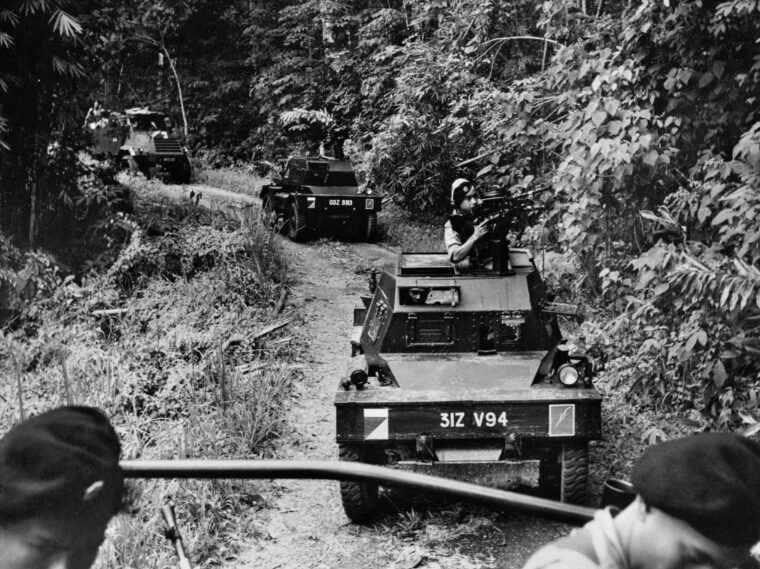
Following World War II, the British returned to a much different Malaya than they had departed three years earlier. Read more
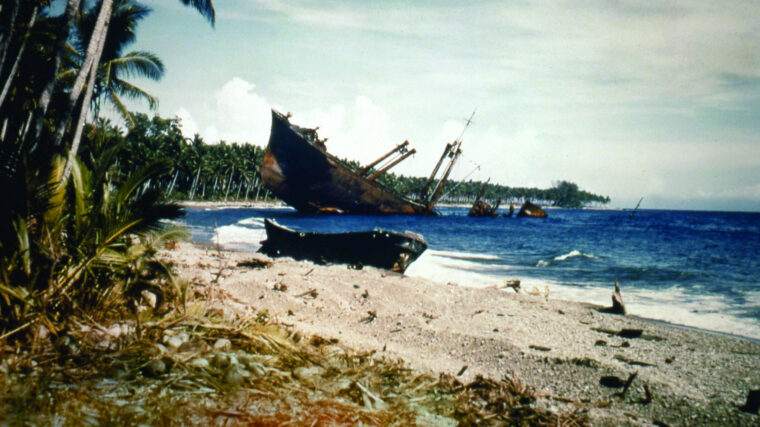
The first Japanese general officer to suggest abandoning Guadalcanal to the Americans was probably Maj. Gen. Kenryo Sato, the War Ministry’s chief of its Military Affairs Bureau. Read more
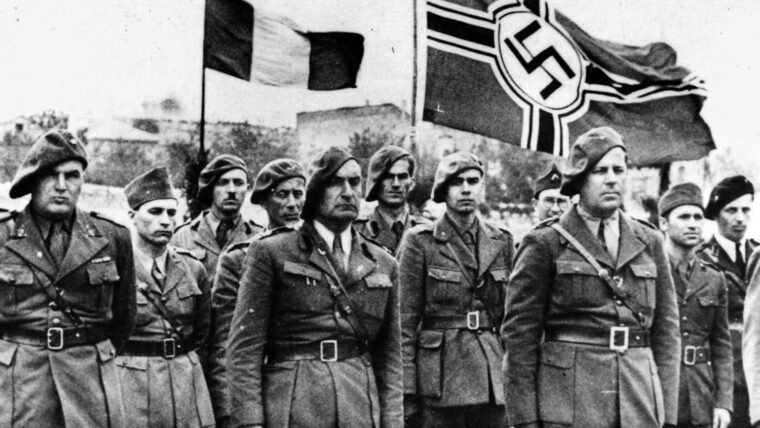
World War II involved some of the most complex alliance systems in the history of warfare. Read more
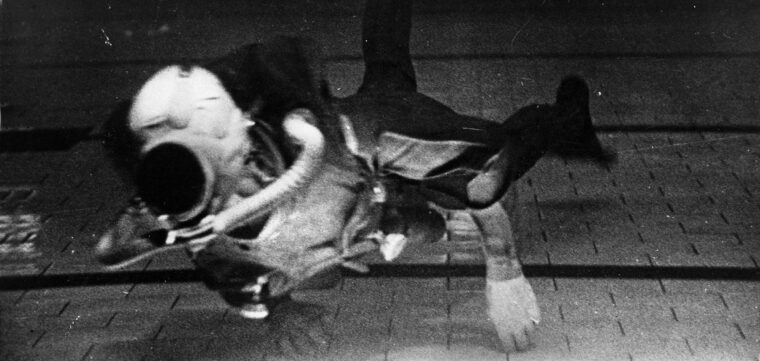
British frogmen were the first ground fighters to engage the enemy on D-Day—and they did it without weapons. Read more
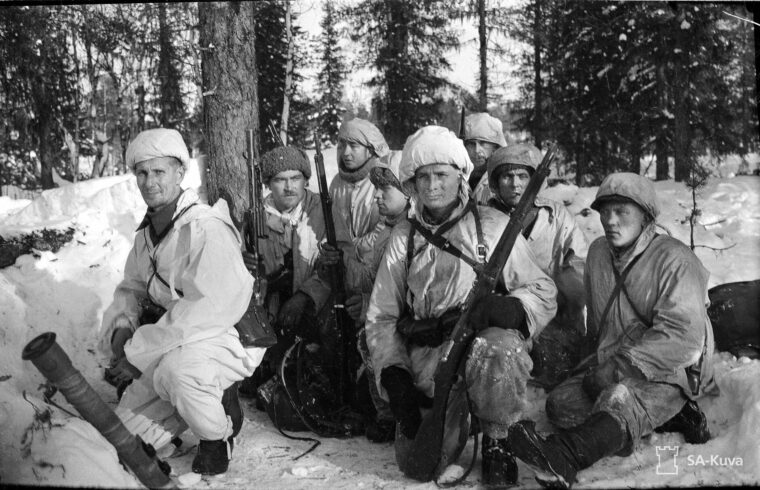
“You can run, but you will only die tired!” Lt. Col. Aaro Pajari gave his battalion this dire warning on December 8, 1939, as the invasion of his homeland raged. Read more
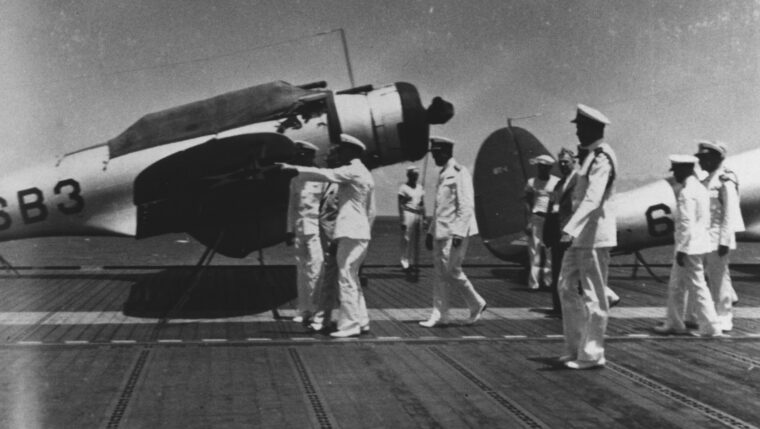
On December 7, 1941, aircraft of the Imperial Japanese Navy wreaked havoc on the U.S. Pacific Fleet while inflicting heavy damage on military installations across the Hawaiian island of Oahu. Read more

In early 1942, the air war over Germany was taking its toll on the Royal Air Force. Read more
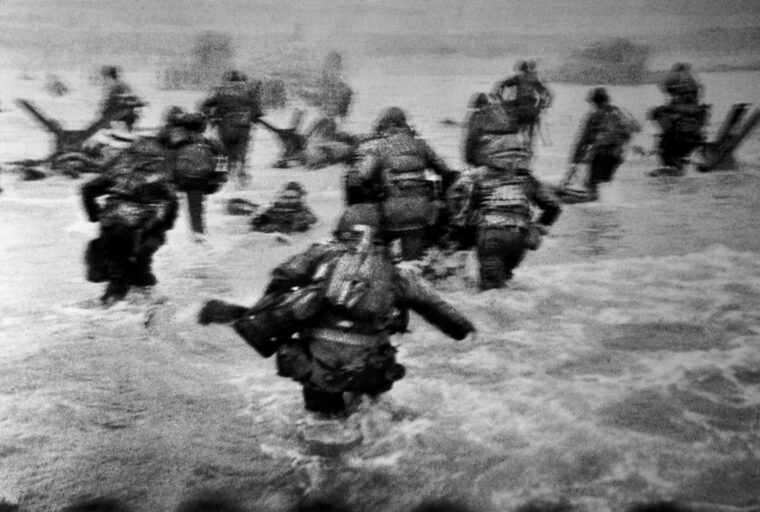
When twin brothers Roy and Ray Stevens of Bedford, Virginia, joined Company A, First Battalion, 116th Infantry of the 29th Infantry Division in 1938, they could not know that their decision would completely destroy their dream of one day owning a farm together. Read more
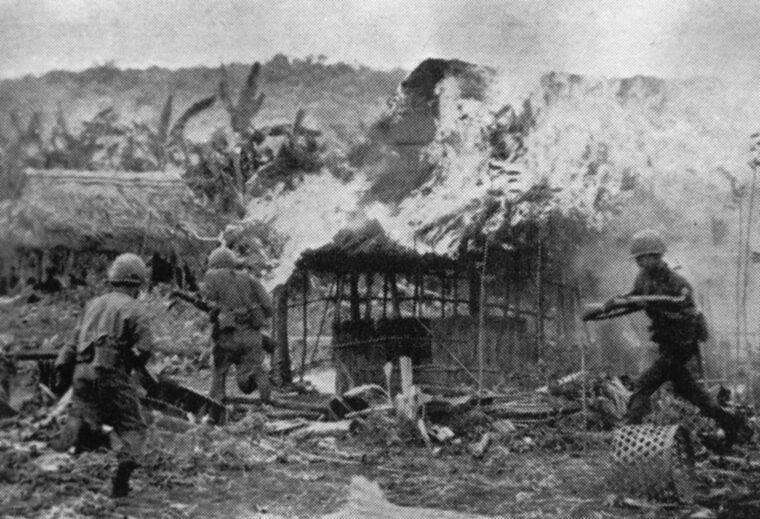
On the night of February 13, 1967, the 11th Company of the 2nd South Korean Marine Brigade was occupying a position near the village of Trah Bin Dong in Quang Ngai province, South Vietnam. Read more
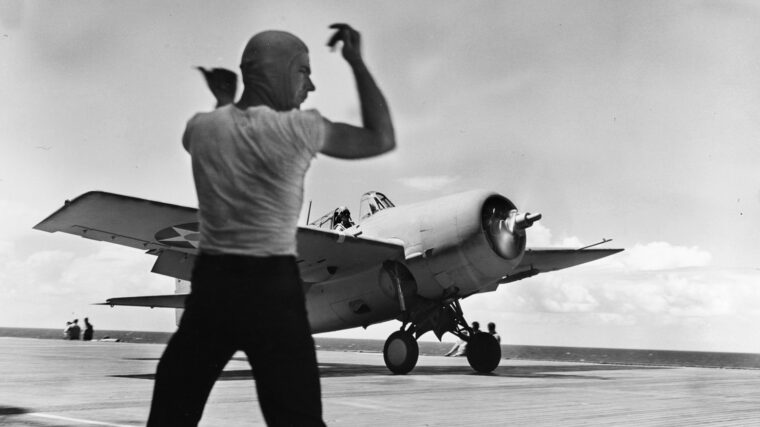
Before there was an air-sea battle at Midway or in the Coral Sea, American aircraft carriers were launching operations against Japanese bases in the South Pacific, with the Japanese fighting to defend their gains. Read more