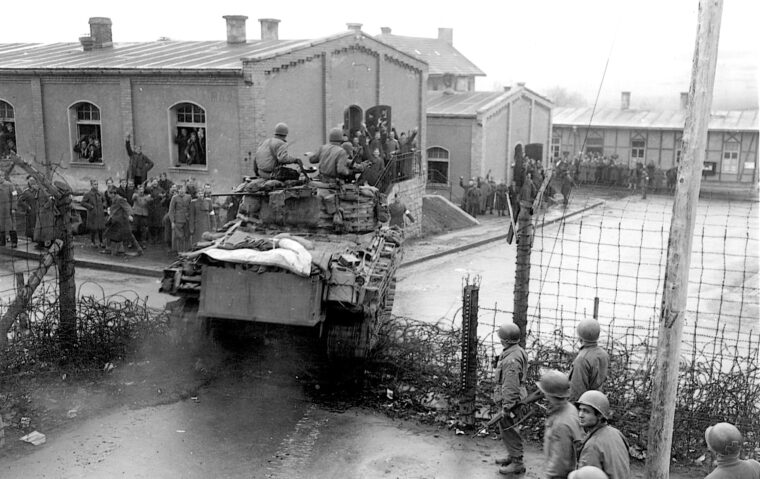
Top Secret Missions: Liberating General George S. Patton’s Son-In-Law
By Jonathan F. KeilerIn the wan North African light on February 14, 1943, Lt. Col. John Waters watched columns of dust rise from the east. Read more
In the wan North African light on February 14, 1943, Lt. Col. John Waters watched columns of dust rise from the east. Read more
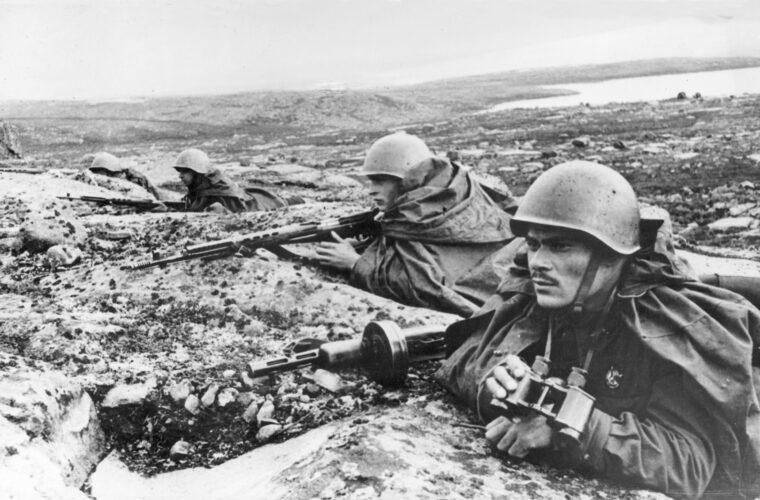
The year 1943 began badly for the German Army on the Eastern Front. After a great struggle at Stalingrad, German Field Marshal Friedrich Paulus surrendered himself and his Sixth Army on January 31. Read more
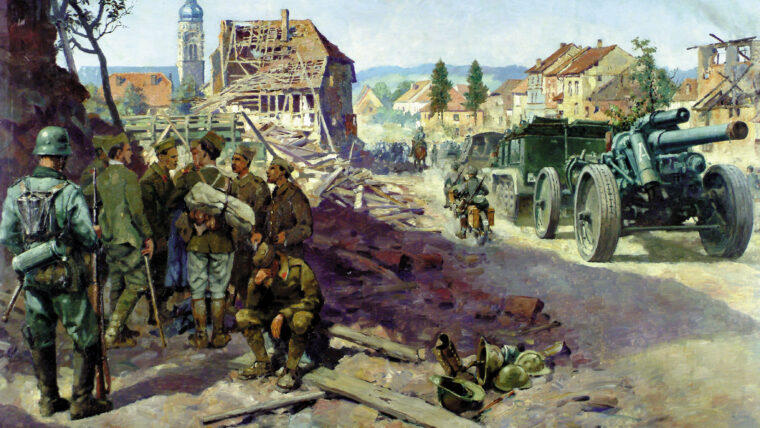
Andrei Andreievich Vlasov, one of Soviet dictator Josef Stalin’s favorite generals, played a key role in saving Moscow from Adolf Hitler’s armies during the winter of 1941-1942. Read more
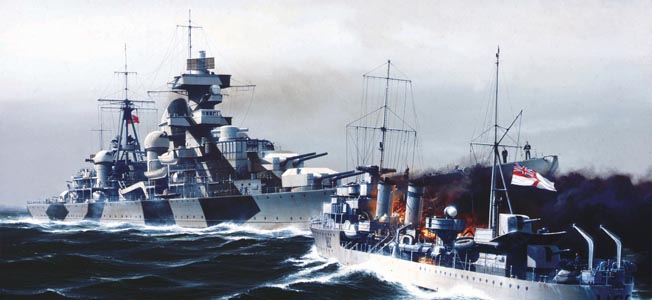
The great waves were huge and black, greedy tentacles of the North Sea clawing and snatching at the battered ships struggling in the icy dark. Read more
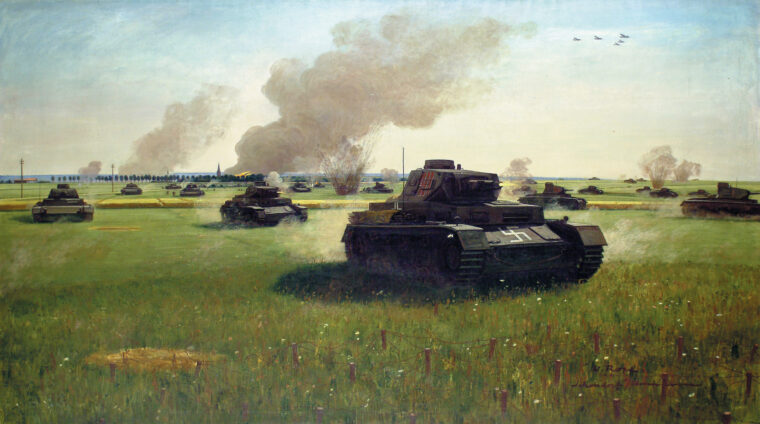
May 10, 1940, marked the beginning of the war in western Europe. Nazi-controlled Germany invaded Holland, Belgium, Luxembourg, and France. Read more
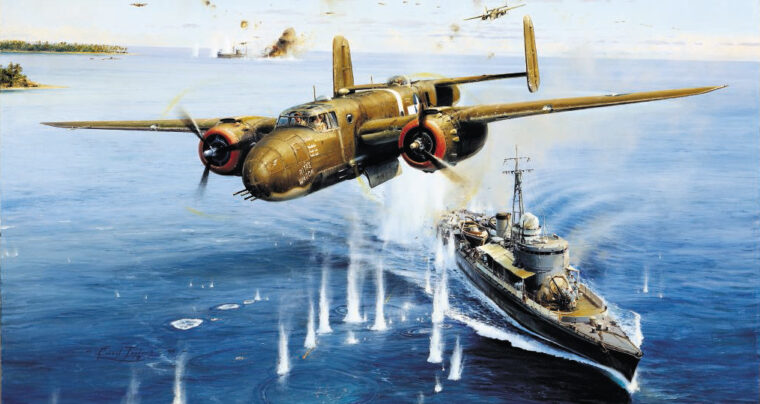
Most military historians consider the Battle of Midway to be the turning point of World War II in the Pacific. Read more
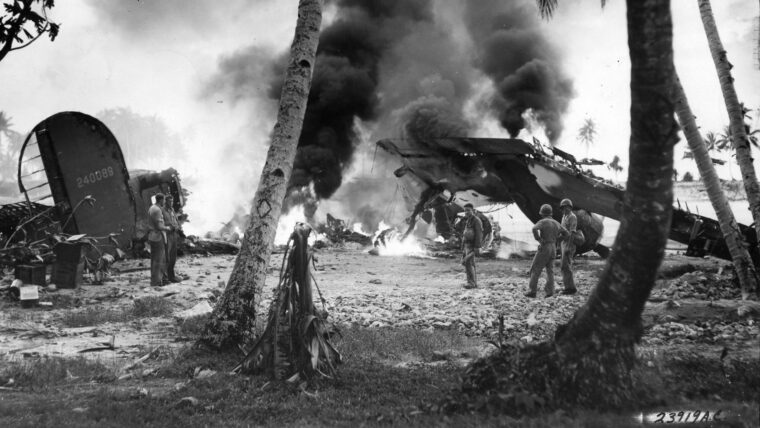
Consolidated B-24 Liberator bomber crews of the U.S. 11th Bombardment Group spent the first three months of 1943 organizing on Hawaiian airfields and flying practice and patrol missions around the islands. Read more
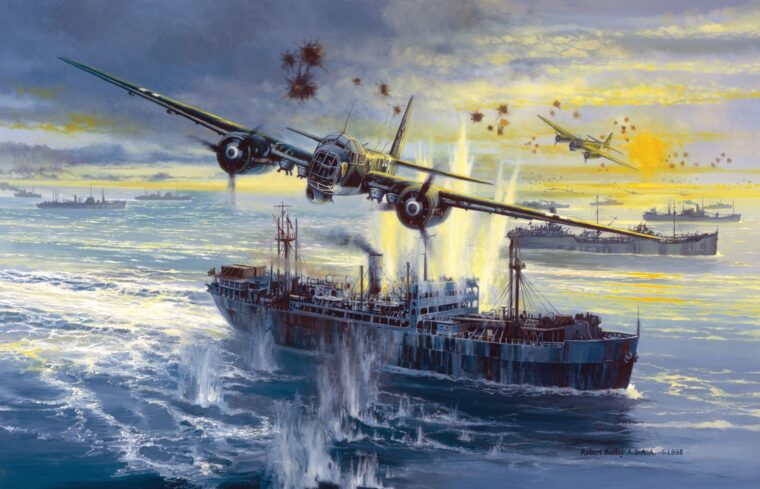
British Prime Minister Winston Churchill had made the promise to Soviet Premier Josef Stalin, and Admiral Sir John Tovey of the Royal Navy had to keep it: to sail three convoys loaded with critical supplies from Britain to Russia every two months, with 25 to 35 ships in each convoy. Read more
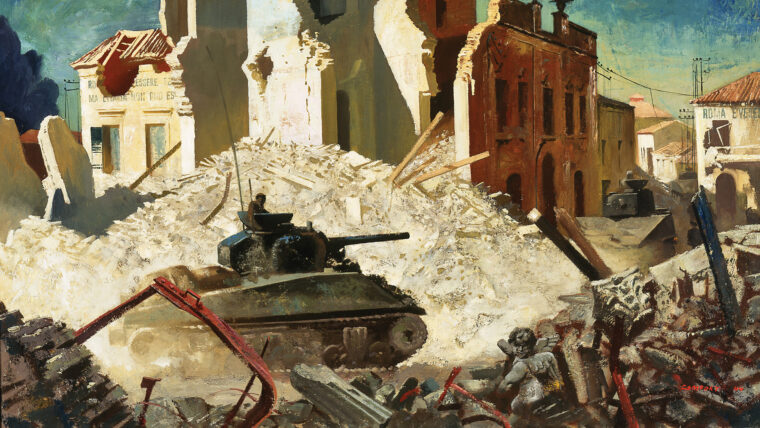
By the autumn of 1943, the Allied armies fighting in Italy had discovered that Winston Churchill’s description of Italy as the “soft underbelly of Europe” had been a falsehood of monumental proportions. Read more
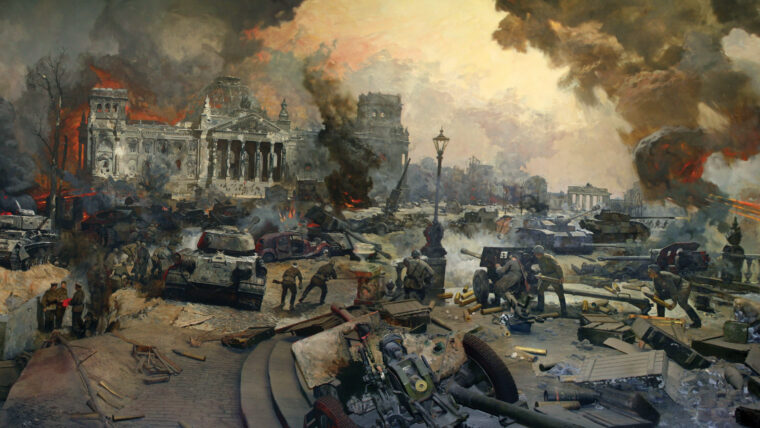
The Battle of Berlin began with what a German colonel called “a dull, continuous roar of thunder from the east.” Read more
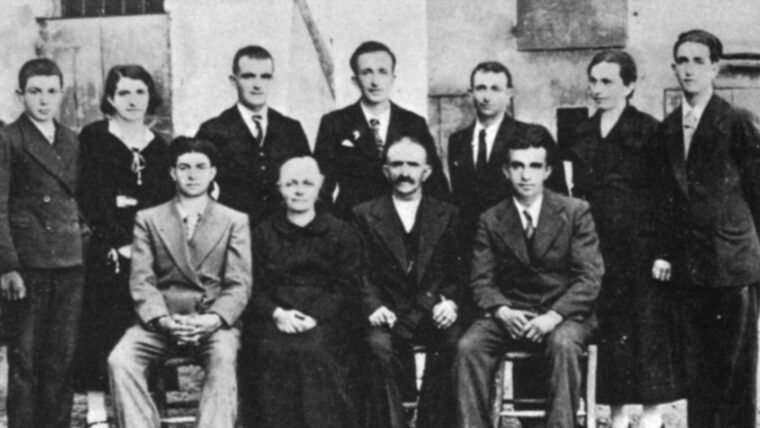
In March 1940, Benito Mussolini met with Adolf Hitler near the Brenner Pass on the border between Austria and Italy. Read more
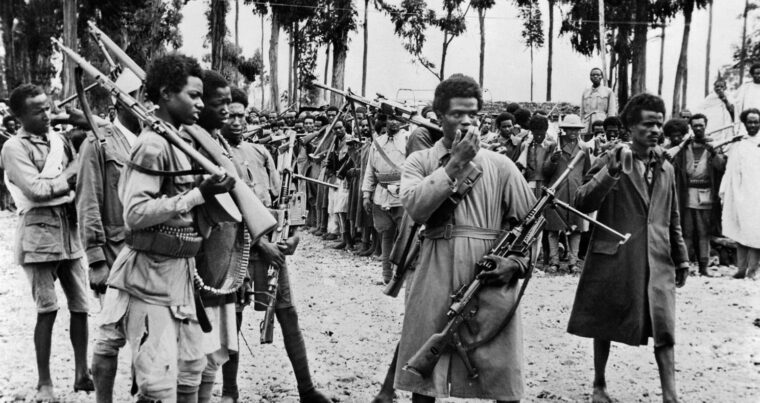
“I am not a collector of deserts,” Mussolini declared regarding his imperial ambitions. Instead, he would be a loser of them, most publicly in North Africa and, in one of World War II’s least-known campaigns, in East Africa. Read more
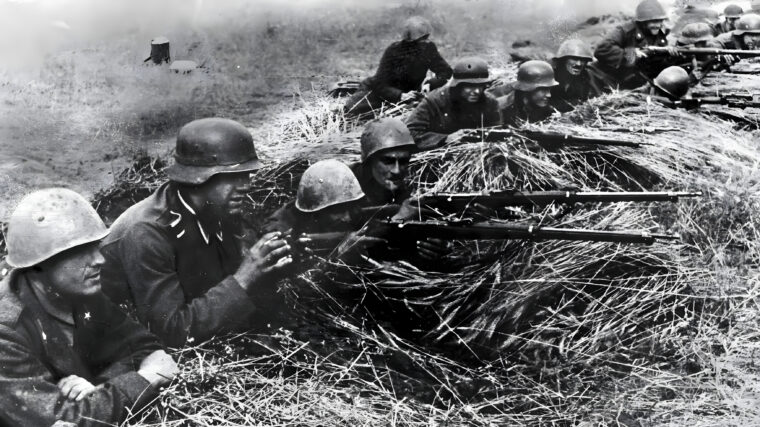
The most successful Italian Army of World War II was a political creation of dictator Benito Mussolini. Read more
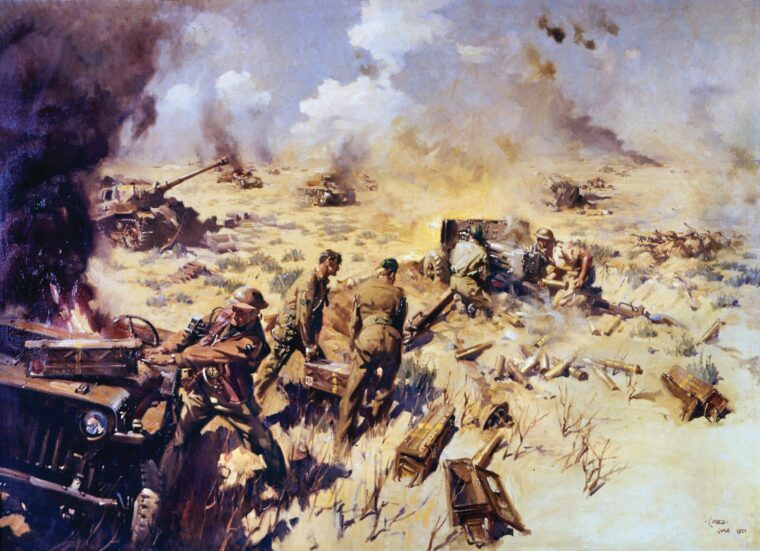
The war in North Africa flung vast armies across the arid deserts of Libya and Egypt for two long years, beginning with the Italian invasion of Egypt in September 1940. Read more
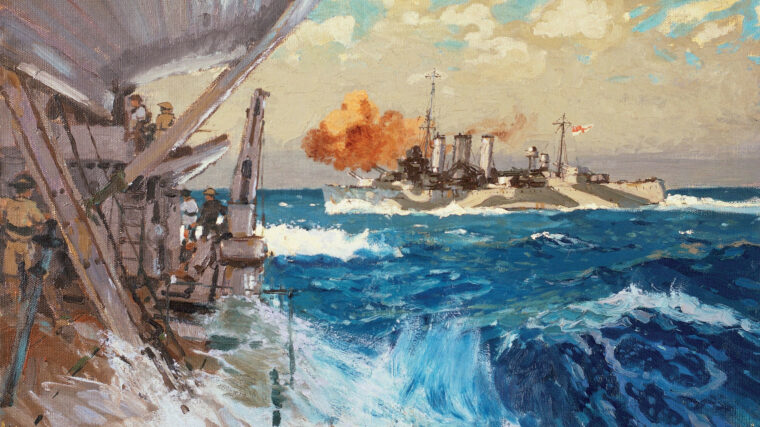
The director flicked his finger, and General Charles de Gaulle began reading his address into the British Broadcasting Corporation’s microphone, speaking from London to his defeated countrymen across the English Channel, calling upon them to continue resistance in the face of overwhelming German supremacy. Read more
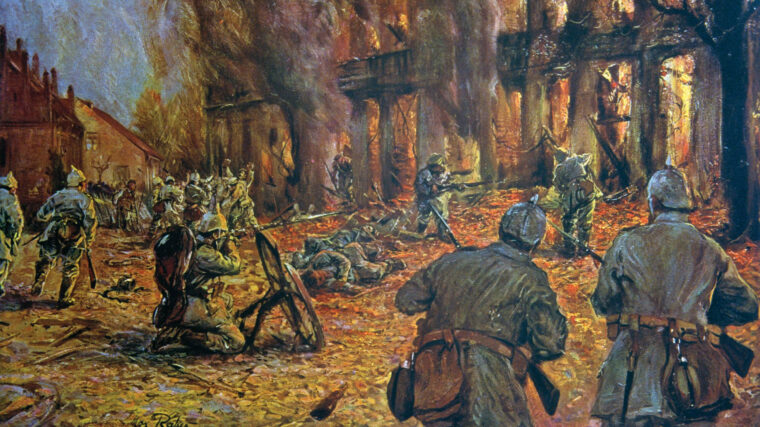
On August 2, 1914, Russian Czar Nicholas II appeared on the balcony of the Winter Palace in St. Read more
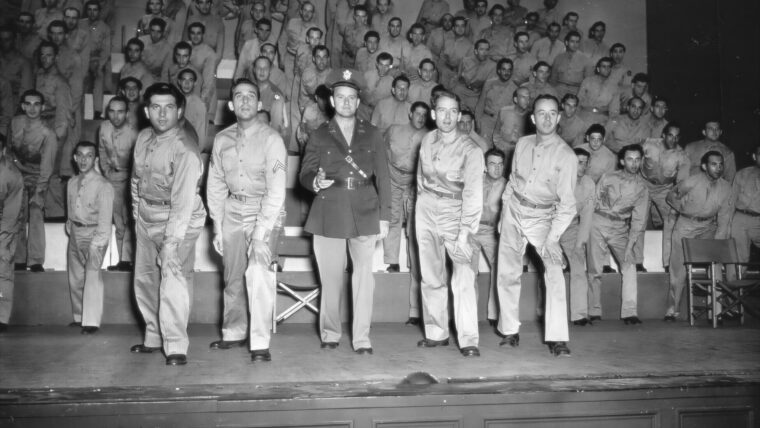
The most successful and popular patriotic show of World War II and one of the most unique productions in the history of entertainment was Irving Berlin’s This Is the Army, which originally began as a Broadway musical. Read more
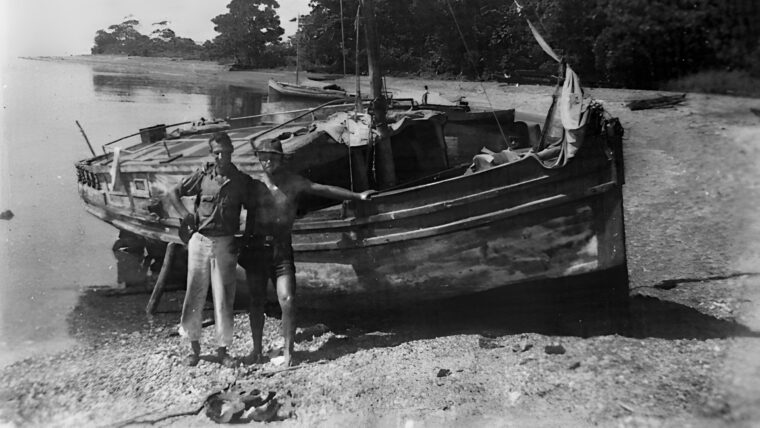
Most Americans were surprised by the Japanese attack on pearl Harbor, but the military had known that war with Japan was inevitable. Read more
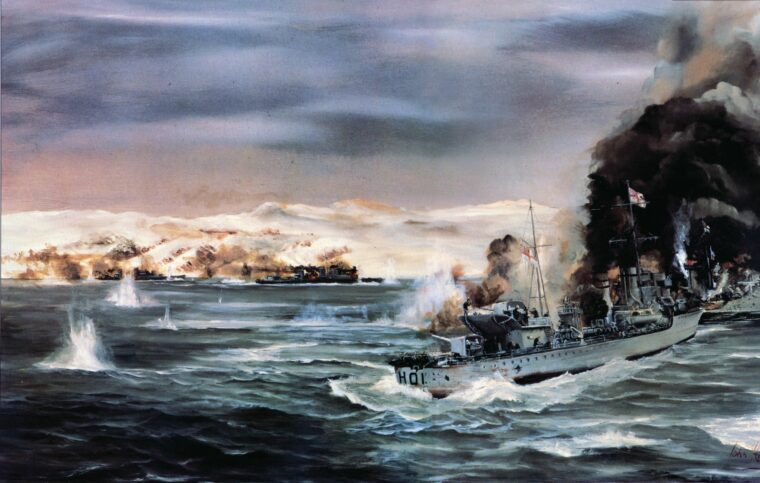
The Germans could not believe it. Without suffering the loss of a single soldier or sailor, the German Army and Navy had sailed 1,500 miles through waters dominated by the British Royal Navy and captured Narvik without firing a shot, bagged nearly 500 Norwegian soldiers, seized one of Norway’s major military depots, and even taken five armed British merchant ships and their crews. Read more
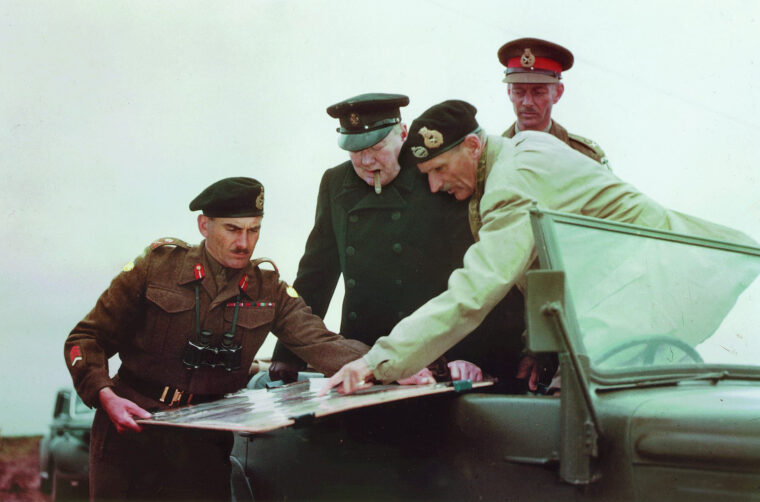
In an August 14, 1944, General Bernard L. Montgomery was facing a manpower crisis, unable to drive the Germans out of Caen. Read more