World War I
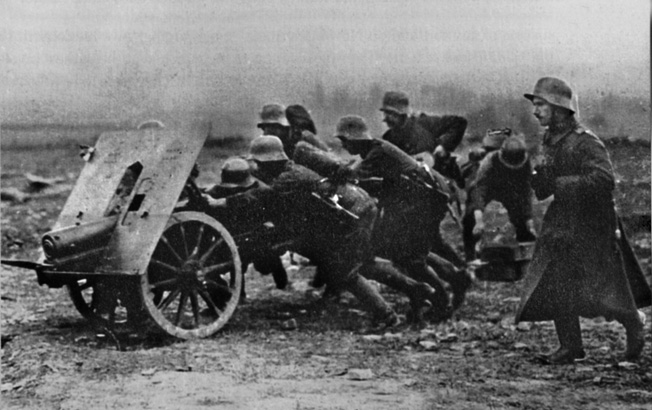
Tank Killers on the Western Front
By Arnold BlumbergThe Somme offensive, which began on July 1, 1916, had by late that month deteriorated into a series of small, costly actions. Read more
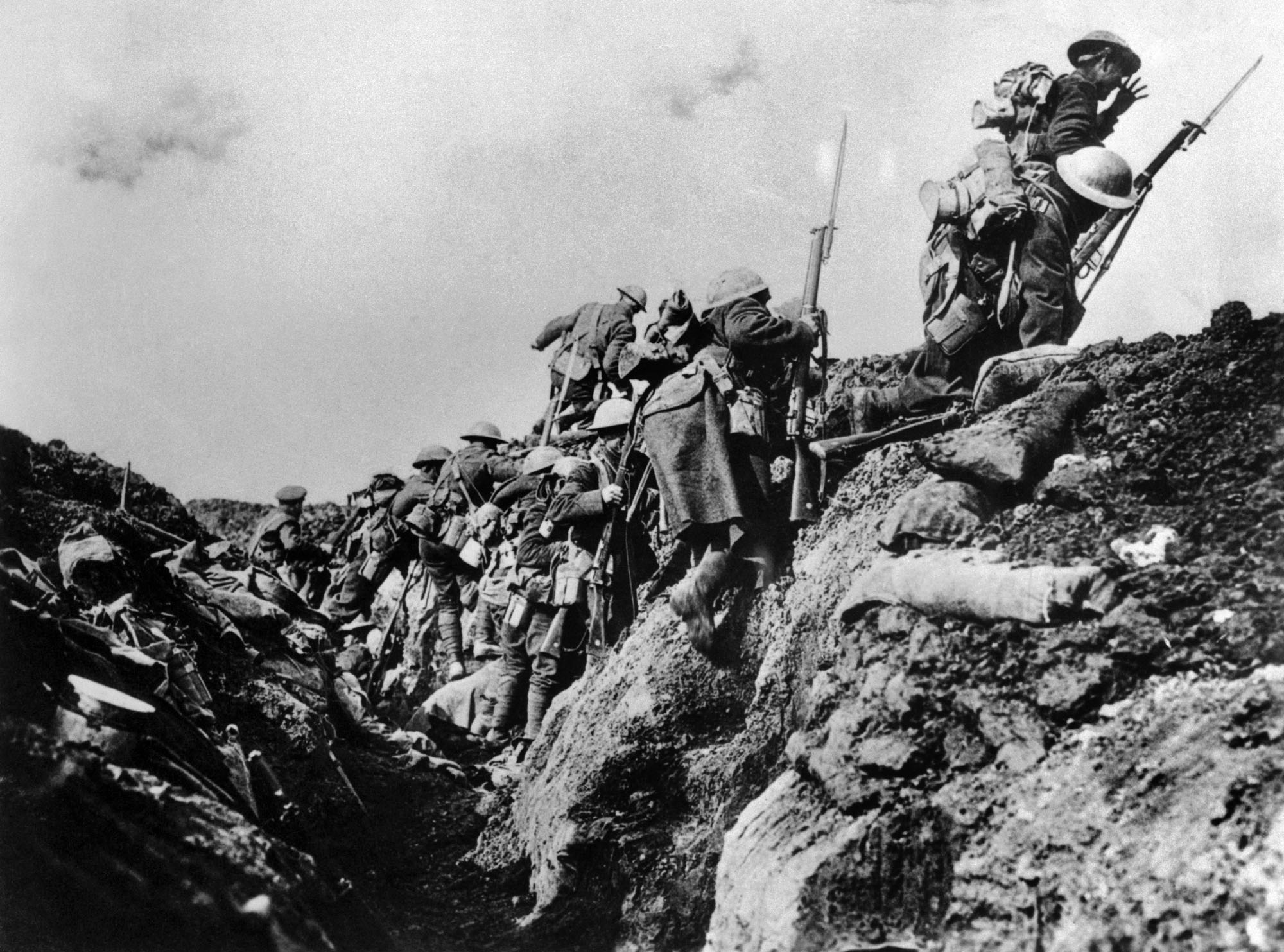
World War I was a global conflict of the early 20th century from 1914-1918, between the Central Powers, Germany, Austria-Hungary, the Ottoman Empire and Bulgaria, and the Allied powers, primarily Great Britain, France, Russia, and later the United States. World War I was ignited in the Balkan city of Sarajevo in June 1914 with the assassination of Archduke Franz Ferdinand, heir to the Austro-Hungarian throne, and war was declared in August. World War I was characterized by the horror of trench warfare on the Western Front and the rise of Bolshevism in the East, and millions died in the catastrophic conflict. The causes of World War I were many, including various territorial disputes, a major arms race, conflicting political ideologies, and more. World War I ended with the Treaty of Versailles; however, the agreement left many issues unresolved and heaped blame and the requirement for reparations on Germany, sowing the seeds of World War II.
World War I
The Somme offensive, which began on July 1, 1916, had by late that month deteriorated into a series of small, costly actions. Read more
World War I
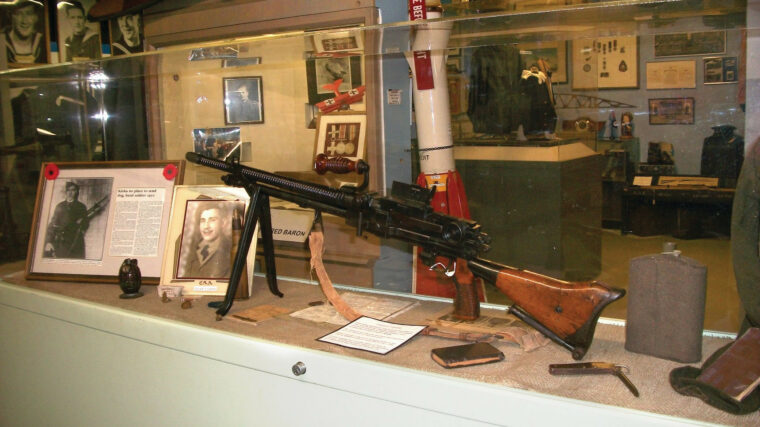
The Canadian Military Heritage Museum in Brantford, Ontario, has a four-part mission: to collect, preserve, and display artifacts pertaining to the military history of Canada; to maintain and manage a museum for the purpose of education; to display the artifacts at community events; and to honor the fallen and all veterans who have served and are still serving in the Canadian military. Read more
World War I
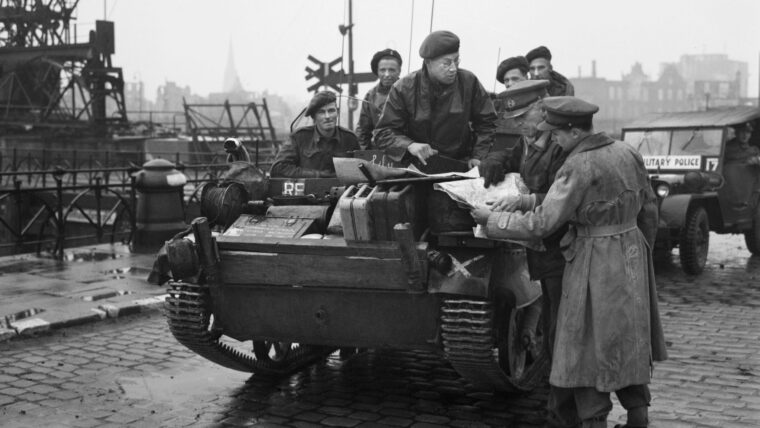
A big challenge faced Maj. Gen. Brian G. Horrocks, an infantryman, when he was cross-posted to take command of the British Army’s 9th Armored Division in March 1942. Read more
World War I
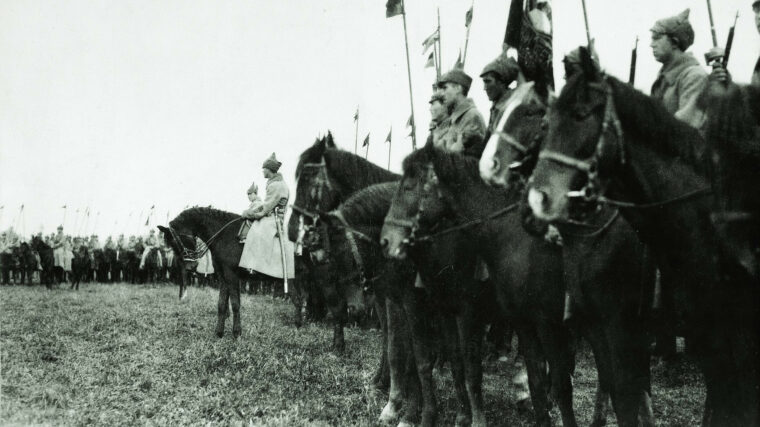
The Russo-Polish War of 1919-1920 was the most portentous event facing post-Versailles Europe. It was not just the continuation of a centuries-long contest between Russia and Poland to determine which would dominate eastern Europe, but a struggle involving a new ideology—communism—which the Bolshevik regime in Moscow had to spread throughout the Continent to survive. Read more
World War I
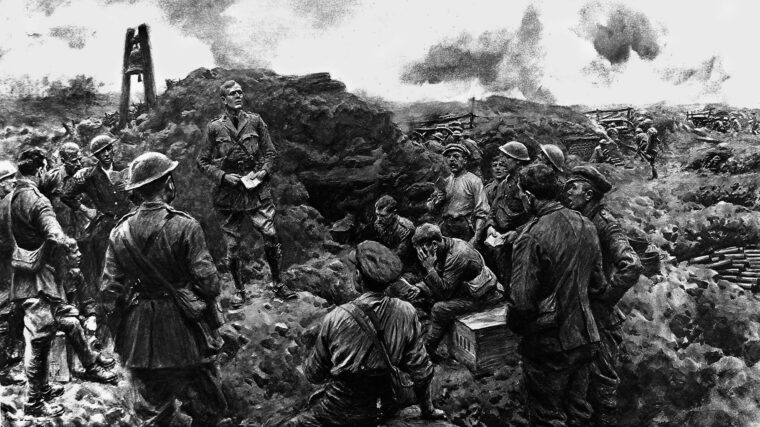
They carried no weapons, only holy books and rudimentary vestments, a crucifix or a Star of David and sometimes a little Communion kit. Read more
World War I
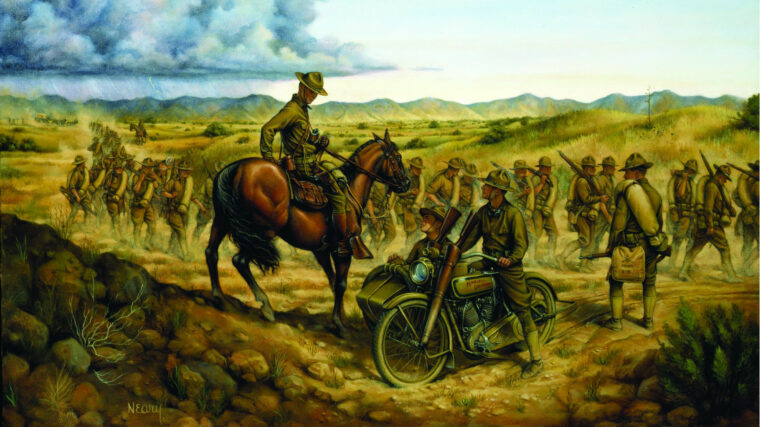
Lieutenant John P. Lucas of the 13th U.S. Cavalry was sound asleep in a small adobe shack in Columbus, New Mexico, on the night of March 9, 1916, when he was abruptly awakened by the unmistakable sounds of men and horses passing outside his window. Read more
World War I
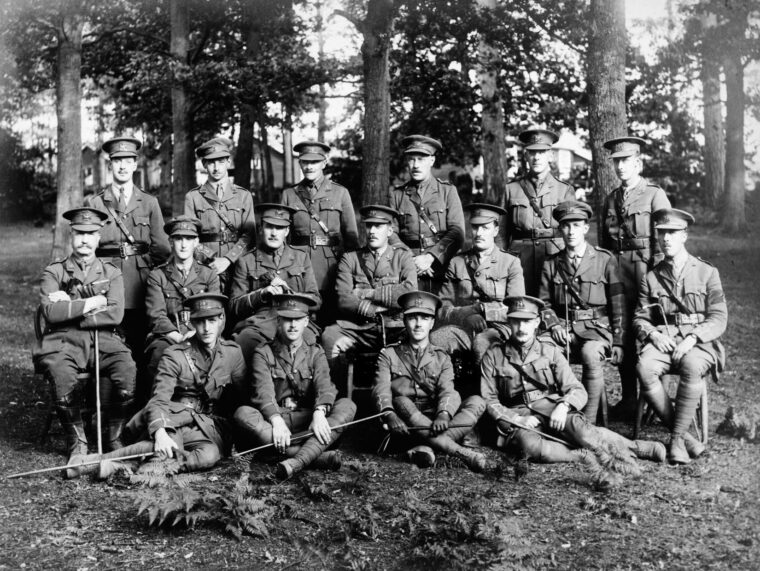
When news began to circulate through the city of Bordeaux, France, in August 1914 that war had broken out with Germany, 21-year-old Englishman Wilfred Owen was as surprised as most. Read more
World War I
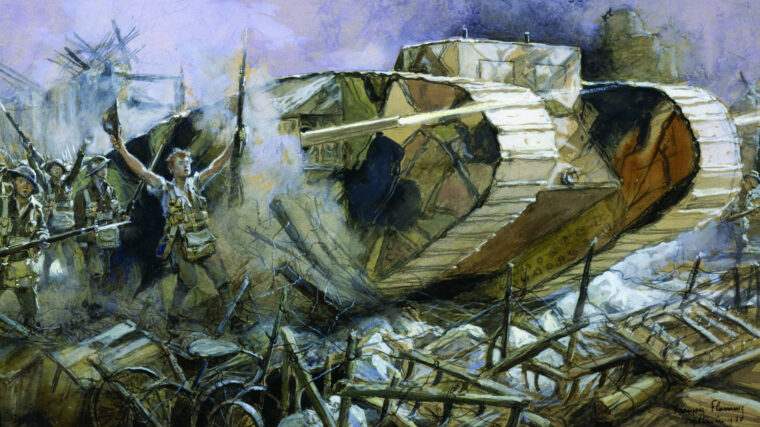
British Brig. Gen. Hugh Elles walked past the Mark IV tanks of H Company, a solitary figure amid metal monsters that looked, according to one jaundiced observer, like giant toads. Read more
World War I
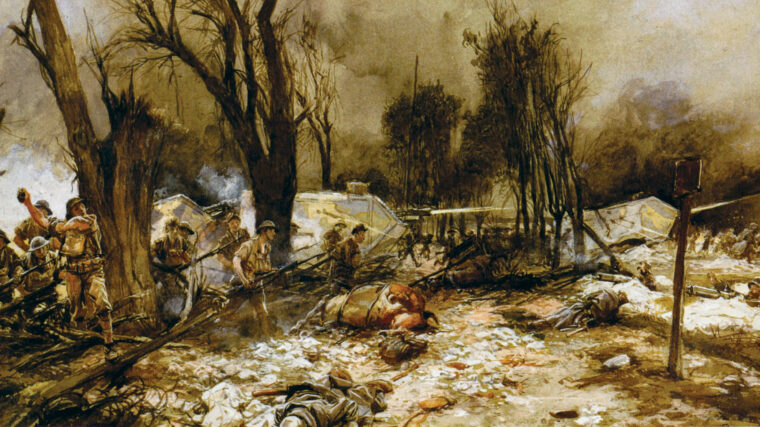
In director Howard Hawks’s 1941 film classic, Sergeant York, then-Corporal Alvin York, portrayed by Gary Cooper, single-handedly knocks out more than 30 German machine-gun nests and, with little assistance, captures 132 enemy soldiers. Read more
World War I
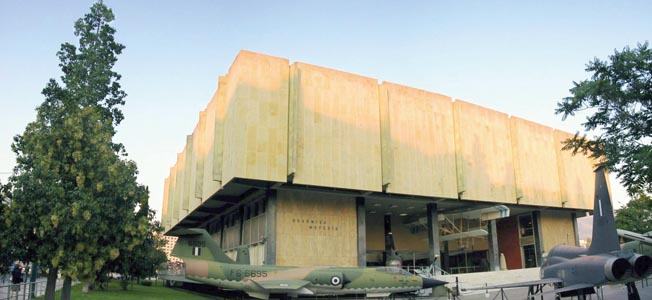
While not a major military power today, from the time of the classical age through the Middle Ages, Greece was the center of several major military dynasties. Read more
World War I
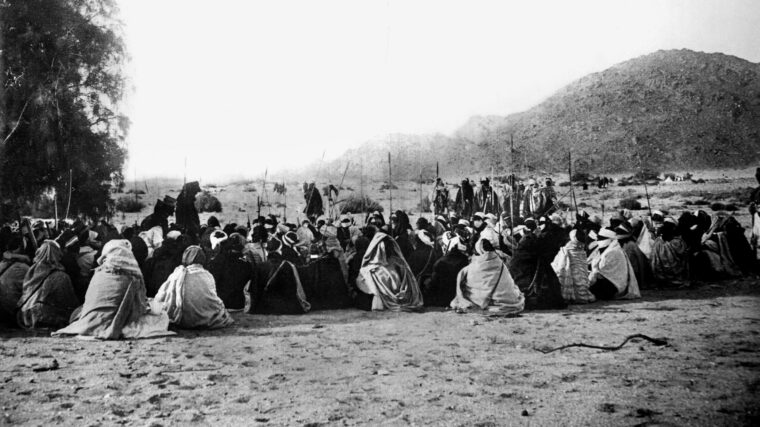
Compared to its sprawling British counterpart, the French colonial empire produced few notable heroes. One of these was Henri Laperrine, a talented but troubled officer who would help tame his part of the wilderness but, ultimately, would be destroyed by it. Read more
World War I
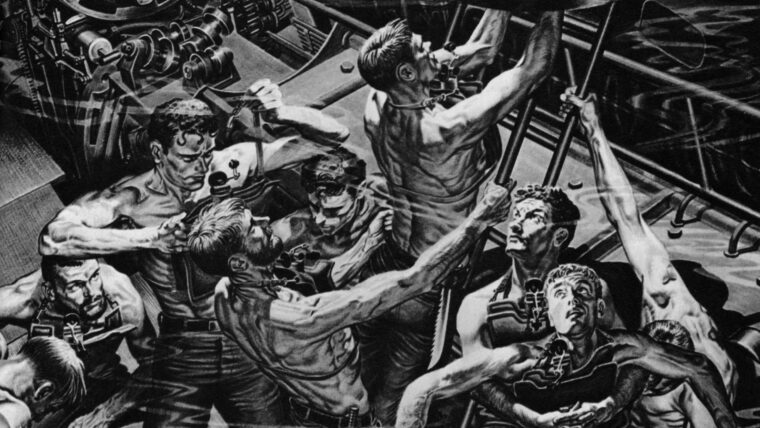
In July 1943, the American submarine USS Tinosa was on patrol in Japanese waters when she came across an unescorted oil tanker. Read more
World War I
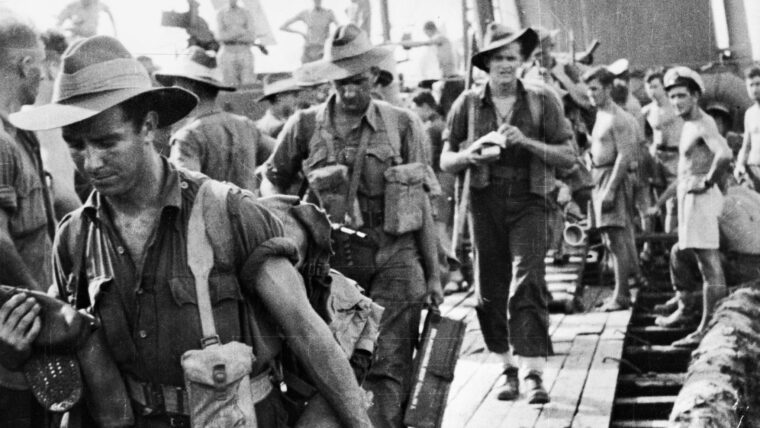
On October 20, 1941, the Australian destroyer Vendetta weighed anchor in the port of Alexandria, Egypt. After spending nearly two years supporting the Royal Navy in the fight for control of the Mediterranean Sea, the aging engines of the busy warship could no longer give her the speed needed to escort convoys, screen the fleet, or dodge dive- bombers. Read more
World War I
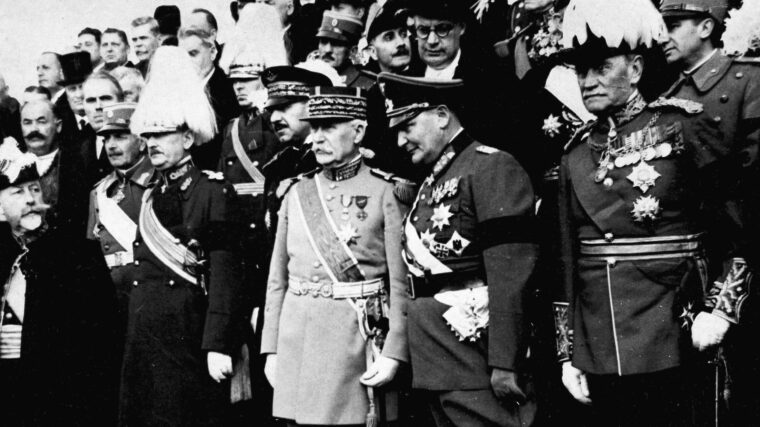
“I’ve been old in all my ranks,” said Henri Philippe Pétain, created Marshal of France on December 8, 1918, at age 62. Read more
World War I
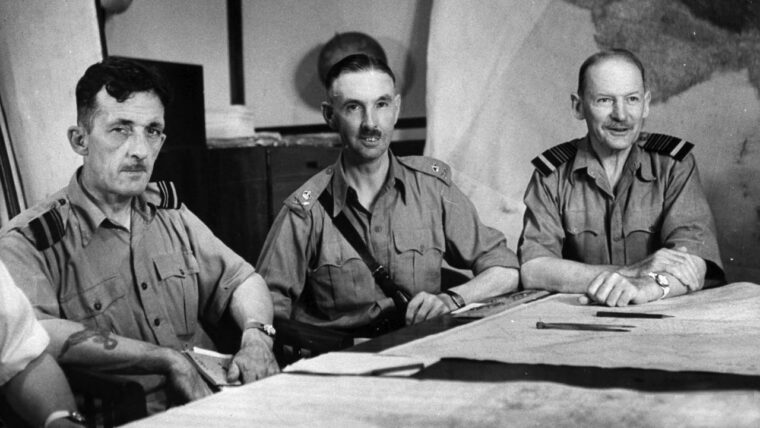
On February 15, 1942, the island fortress of Singapore surrendered with 130,000 men, thus ending the defense of Malaya as one of the largest military disasters in the history of British arms since Cornwallis’s capitulation to Franco-American forces at Yorktown in 1781 during America’s Revolutionary War. Read more
World War I
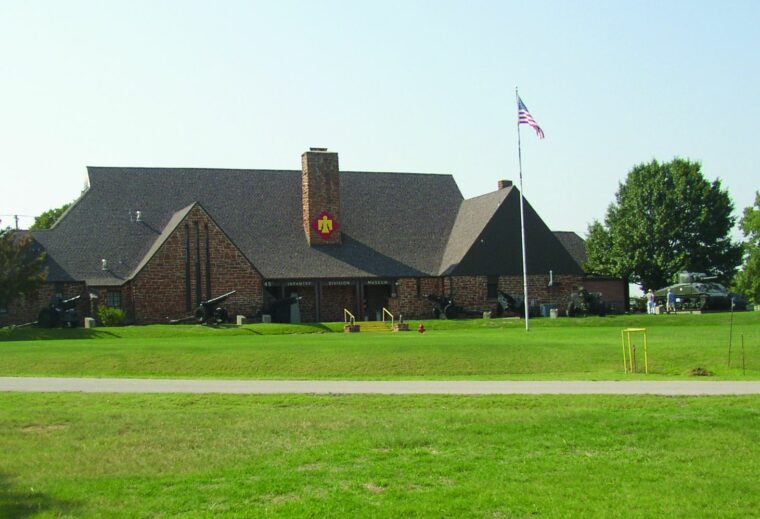
The 45th Infantry Division of the United States Army earned an impressive record during World War II. Originally formed from an Oklahoma National Guard unit, the division was rounded out by National Guard formations from Colorado, Arizona, and New Mexico. Read more
World War I
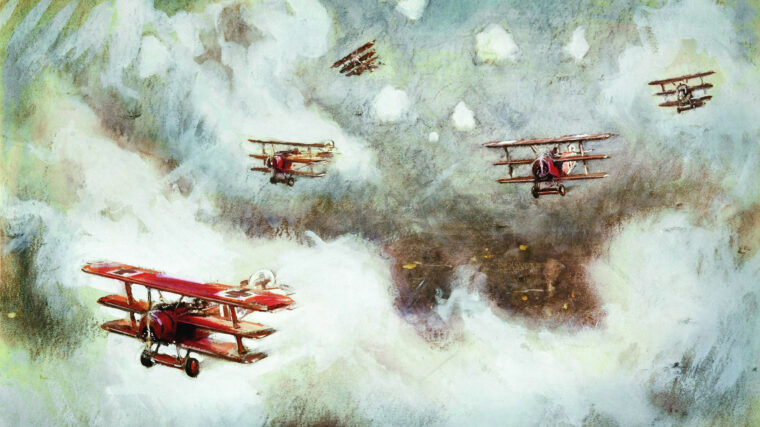
Like a swarm of ungainly dragonflies, a squadron of six British RE8 observation aircraft droned over the trenches of northern France on the afternoon April 13, 1917. Read more
World War I
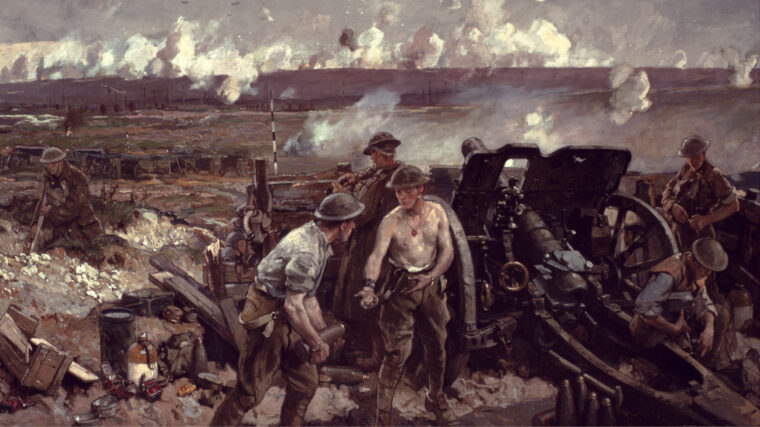
By the fall of 1916, Canadian soldiers fighting in the trenches on the Western Front had already distinguished themselves in battle. Read more
World War I
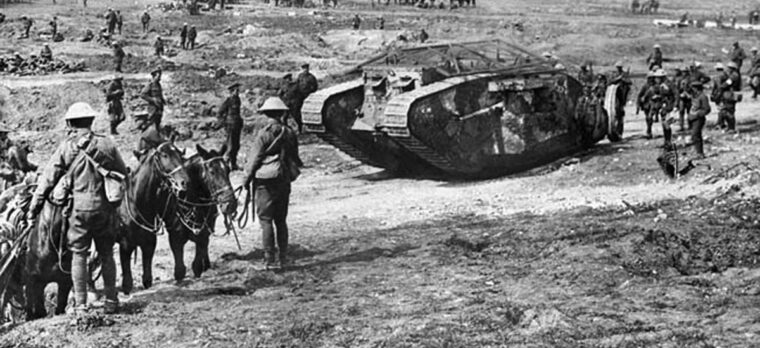
The “Mark IV” tank of World War I was rhomboidal in shape and came in two basic versions: male and female. Read more
World War I
In 1917, when America entered the First World War, the United States Army tasked Brigadier General John T. Read more