World War I
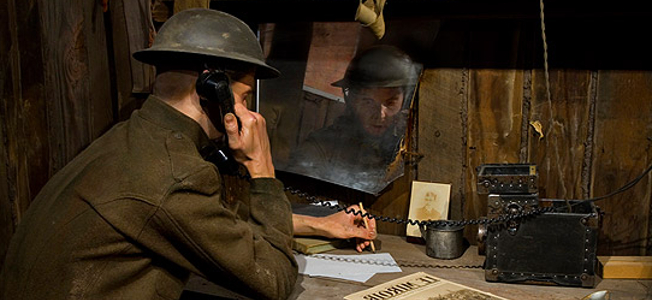
World War I Was A Revolutionary Time for Communications
Often called the “first modern war,” World War I introduced a great many technological developments as the world carried itself further into the industrial age. Read more
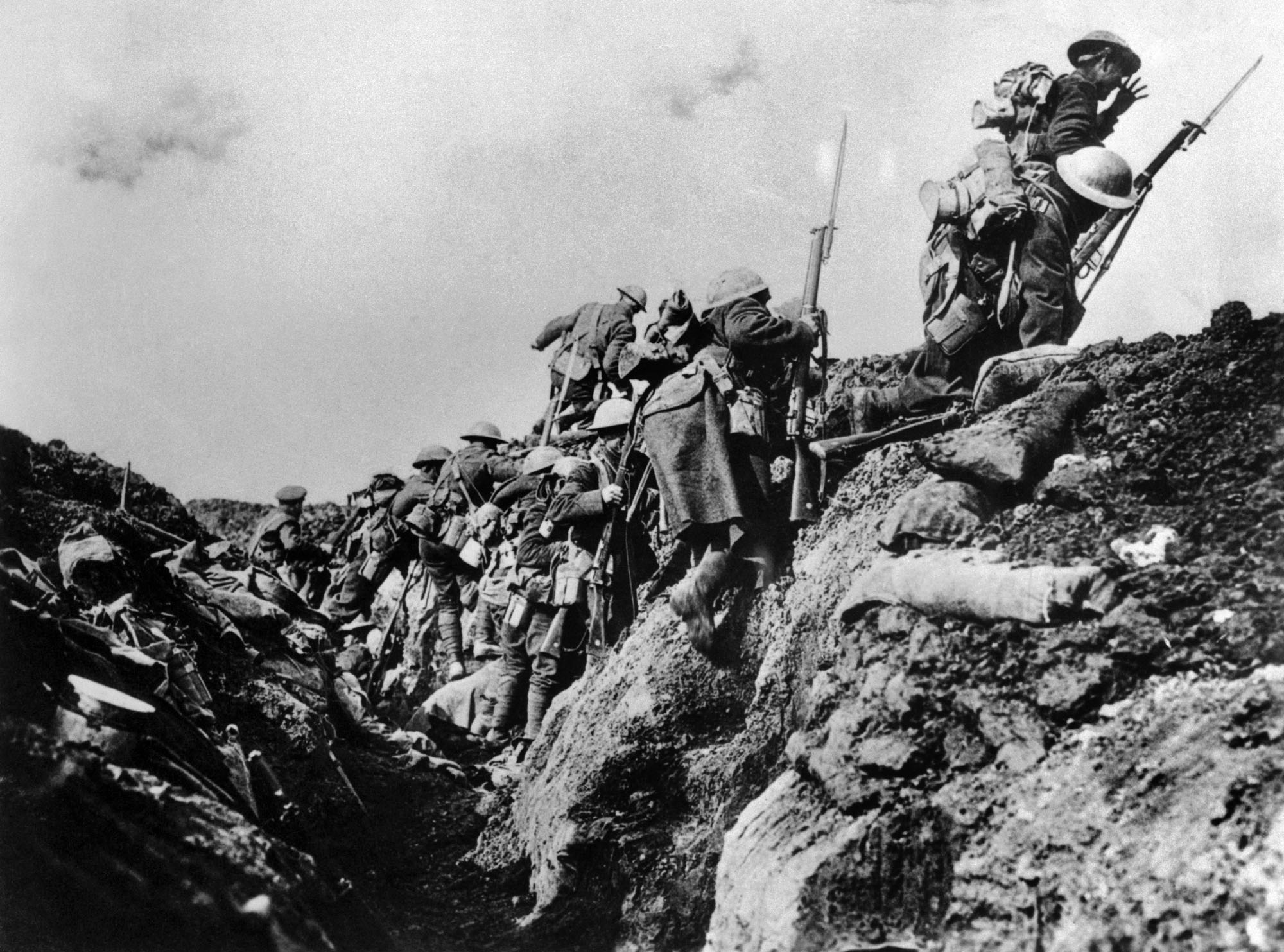
World War I was a global conflict of the early 20th century from 1914-1918, between the Central Powers, Germany, Austria-Hungary, the Ottoman Empire and Bulgaria, and the Allied powers, primarily Great Britain, France, Russia, and later the United States. World War I was ignited in the Balkan city of Sarajevo in June 1914 with the assassination of Archduke Franz Ferdinand, heir to the Austro-Hungarian throne, and war was declared in August. World War I was characterized by the horror of trench warfare on the Western Front and the rise of Bolshevism in the East, and millions died in the catastrophic conflict. The causes of World War I were many, including various territorial disputes, a major arms race, conflicting political ideologies, and more. World War I ended with the Treaty of Versailles; however, the agreement left many issues unresolved and heaped blame and the requirement for reparations on Germany, sowing the seeds of World War II.
World War I
Often called the “first modern war,” World War I introduced a great many technological developments as the world carried itself further into the industrial age. Read more
World War I
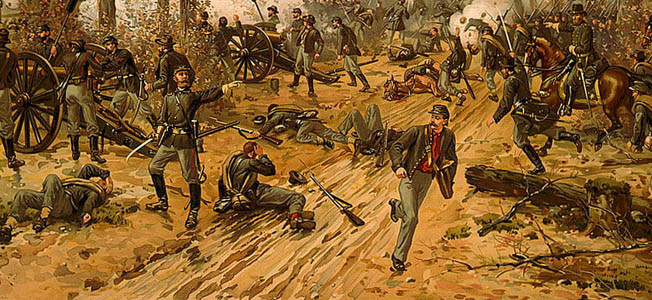
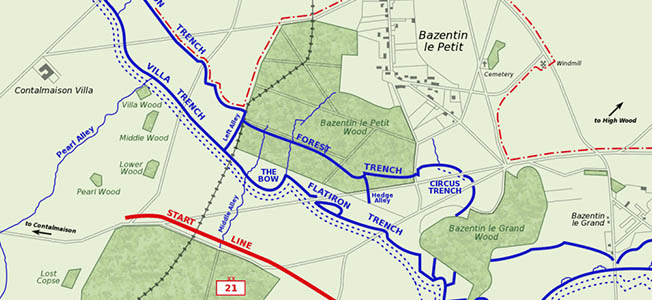
World War I’s Battle of the Somme was a grueling four-month battle involving French, British and German forces. It was one of the larger and more memorable conflicts in the war, with an estimated one million soldiers killed or wounded. Read more
World War I
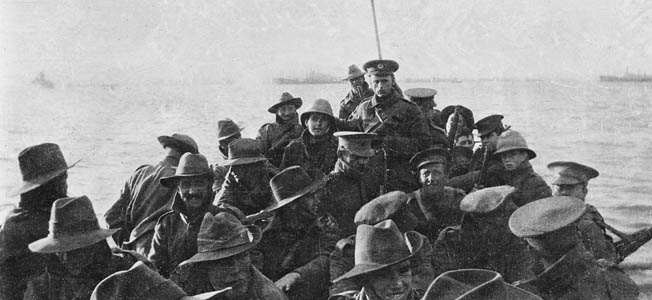
On this day in 1915, 42,000 Ottoman soldiers against 17,000 World War I ANZAC soldiers in the now famous Battle of Gallipoli. Read more
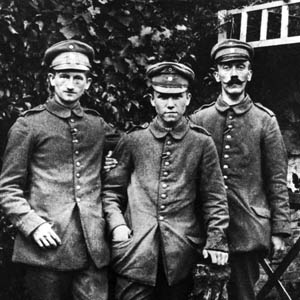
World War I
Private Henry Tandey had a clear shot at the German soldier. He was so close that he could look his enemy in the eyes. Read more
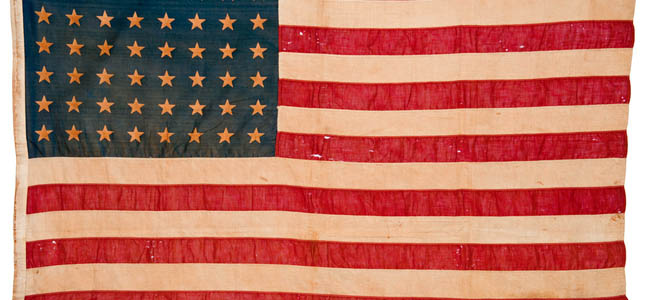
World War I
Founded in 1773, the Charleston Museum in South Carolina dubs itself “America’s First Museum.” Its new collection, “Unfurled,” is a stunning collection of historical flags from American history. Read more
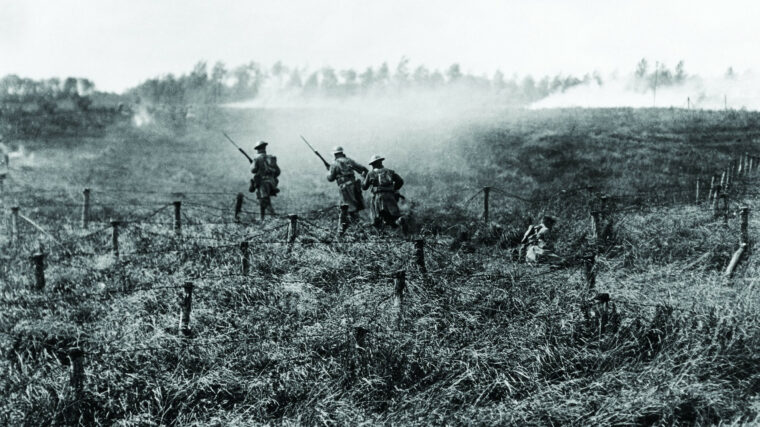
World War I
At 0100 hours on September 12, 1918, German positions in the St. Mihiel salient on the Western Front were lit up by a massive artillery barrage. Read more
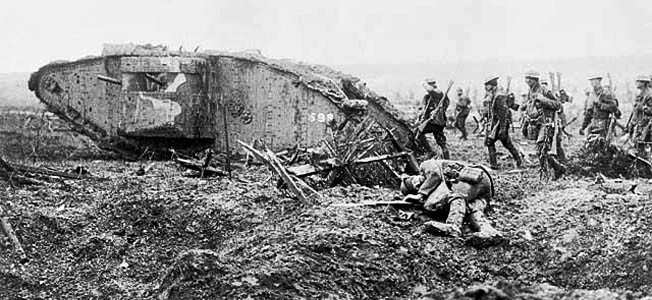
World War I
June 28, 2014 will mark a key milestone in military history: it will be the centennial anniversary of the start of World War I. Read more
World War I
by Peter Suicu
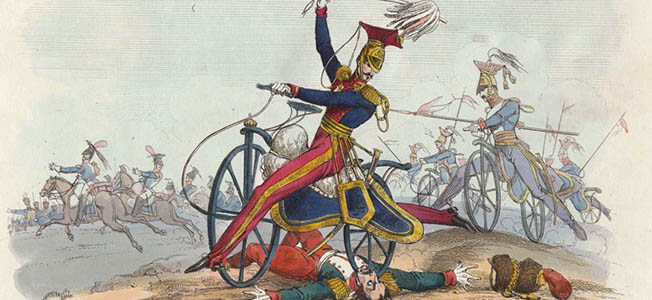
Ironically, two nations that used bikes in the greatest numbers have never actually used them in anger. Read more
World War I
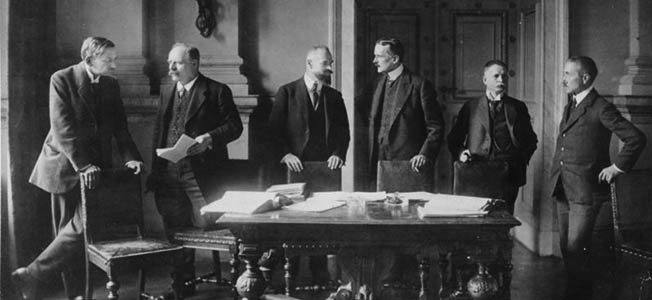
At least ostensibly, World War I ended first with the cessation of armed hostilities between the warring powers at the famed “11th hour of the 11th day of the 11th month,” that is November 11, 1918. Read more
World War I
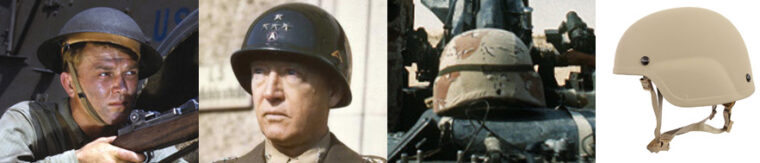
In recent years, the U.S. military has made significant announcements on the replacement of its old equipment, much of it dating back to the Cold War. Read more
World War I
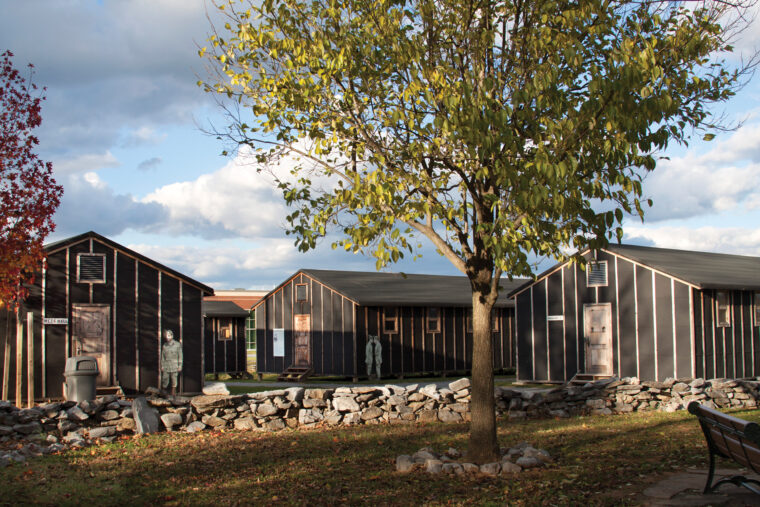
In the heart of Pennsylvania, not far from the Civil War battlefields of Gettysburg, stands the U.S. Read more
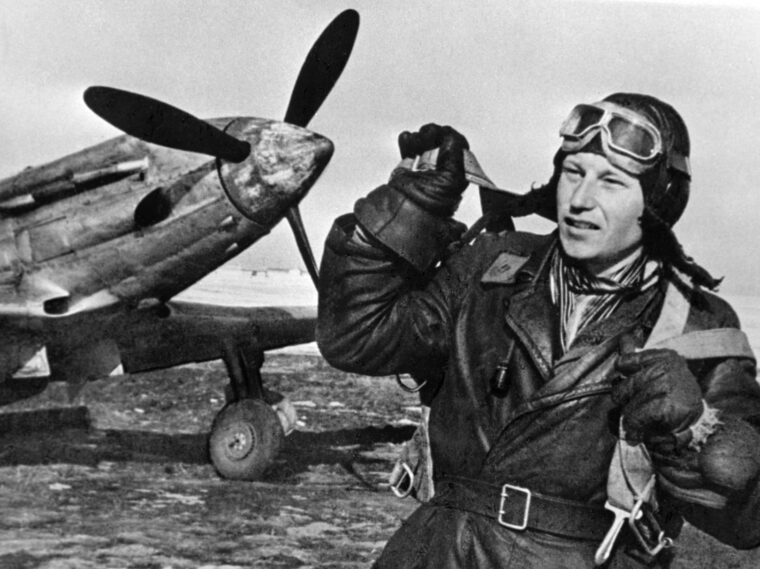
World War I
According to contemporary Soviet news sources, fighter Ace Alexander Pokryshkin was the most famous pilot in the Red Air Force during World War II. Read more
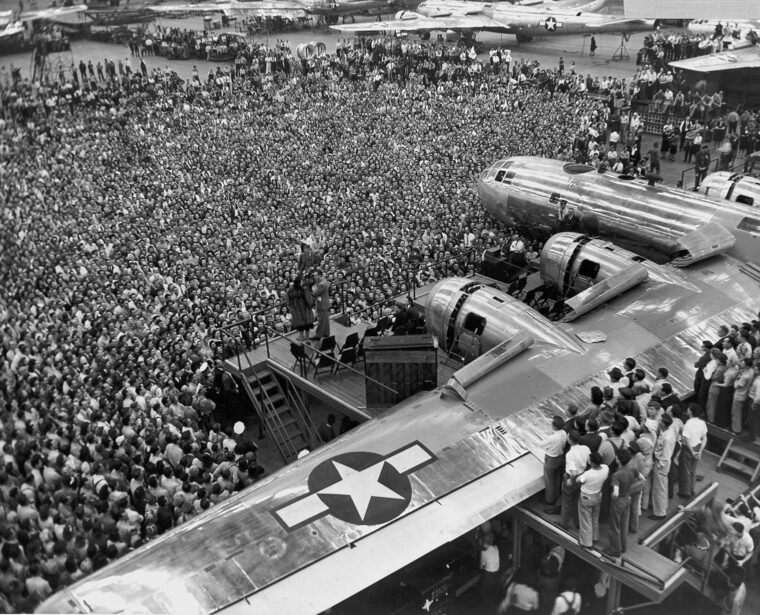
World War I
When Maj. Gen. Curtis Lemay, the hard-driving commander of the Twentieth U.S. Air Force based in Guam, decided to change tactics in early 1945 to boost the effectiveness of the B-29 Superfortress, it was the Bell Aircraft plant in Marietta, Georgia, that ultimately provided him with the stripped-down bombers that played such a key role in ending the war in the Pacific. Read more
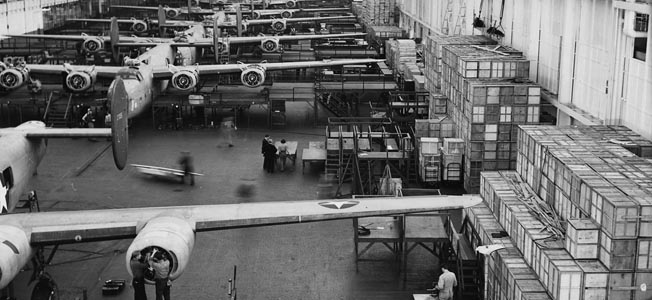
World War I
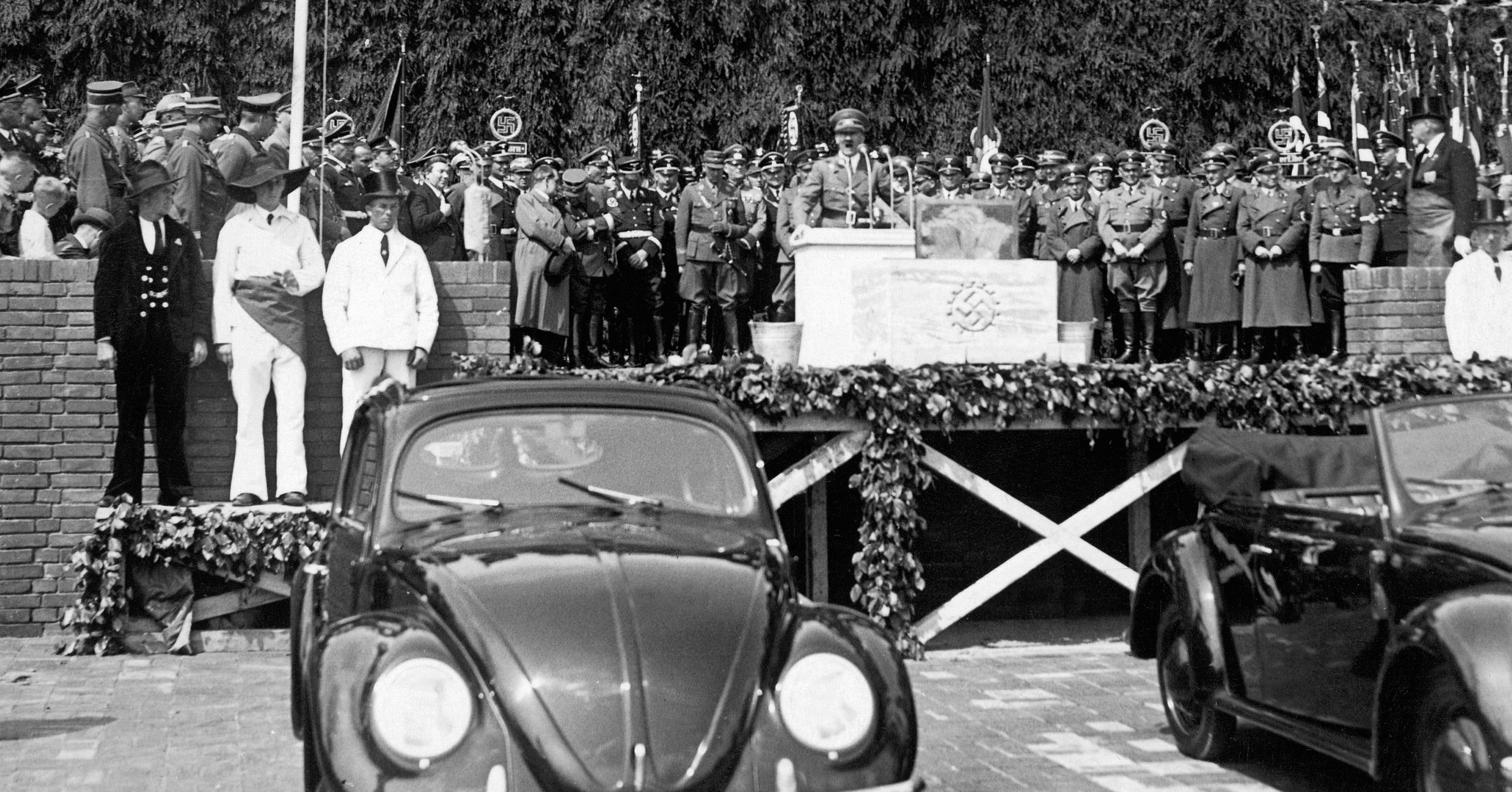
They said it couldn’t be done. Doubters chided Henry Ford for declaring that his Willow Run Bomber Plant could turn out a B-24 Liberator heavy bomber every hour. Read more
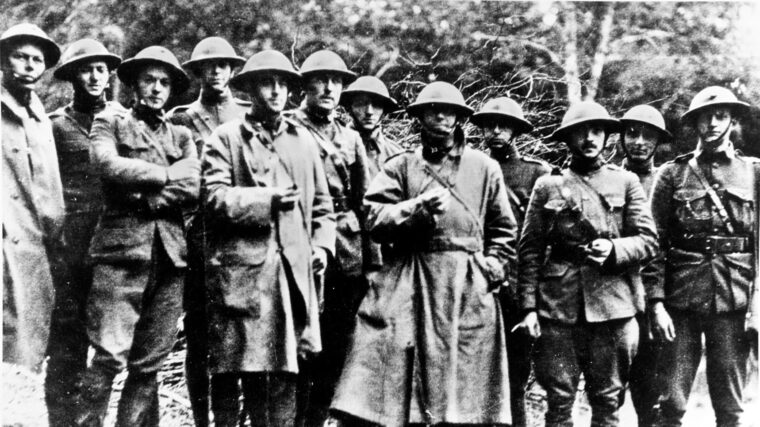
World War I
The sun shone brightly overhead as the thin line of U.S. Marines lay in a beet field in France. Read more
World War I
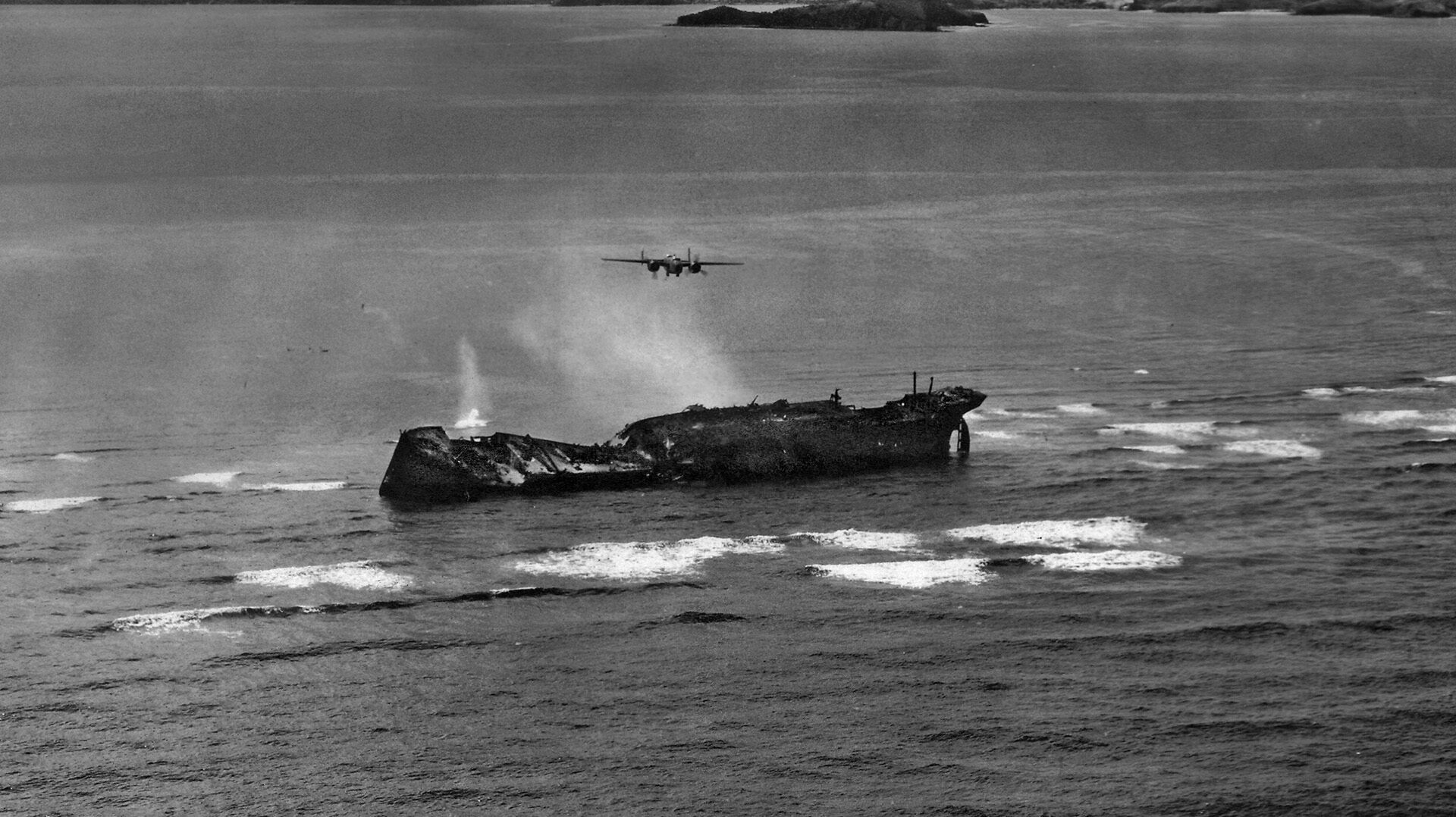
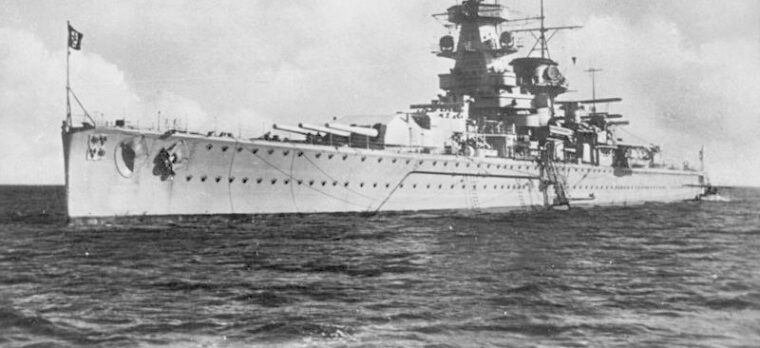
As soon as the British radio operator started batting out the distress signal on December 2, 1939, the German pocket battleship opened up with a 37mm gun. Read more
World War I
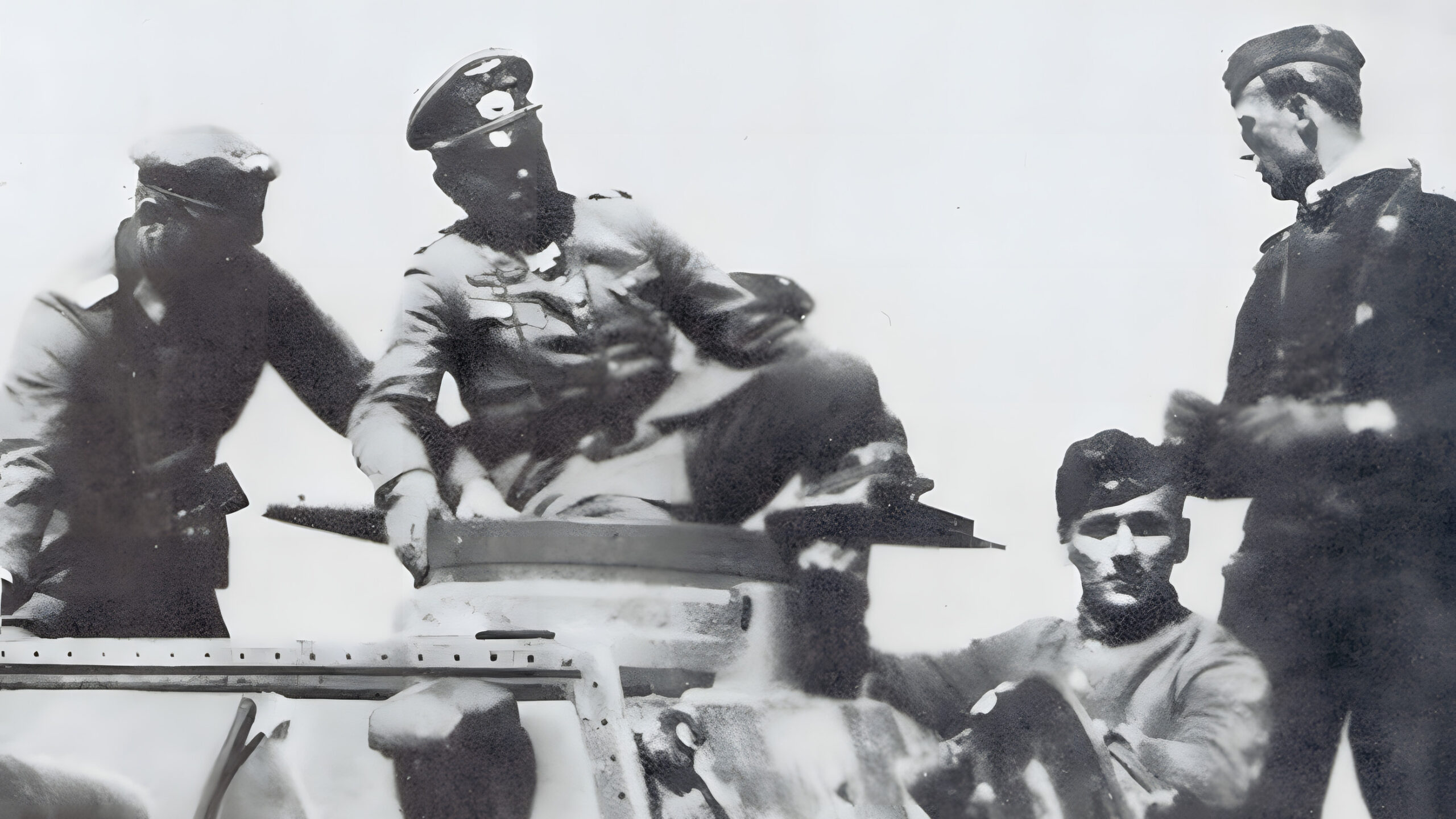
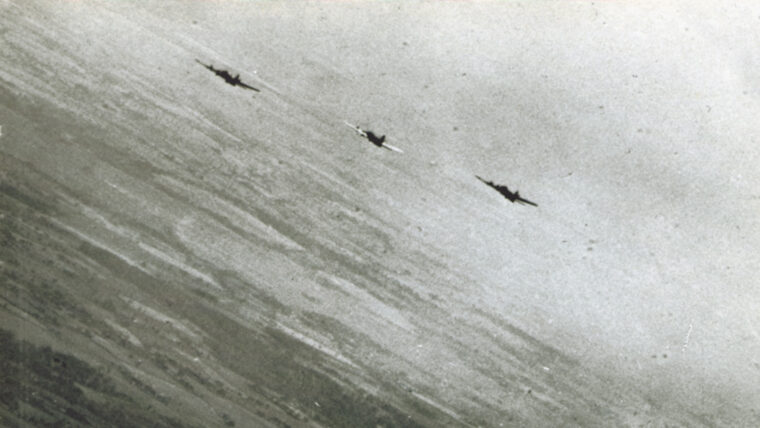
When it came to advanced military technology in World War II, arguably no one was better at it than Nazi Germany, whose scientists Adolf Hitler keep busy trying to invent the ultimate “super weapon” capable of defeating his enemies. Read more
World War I
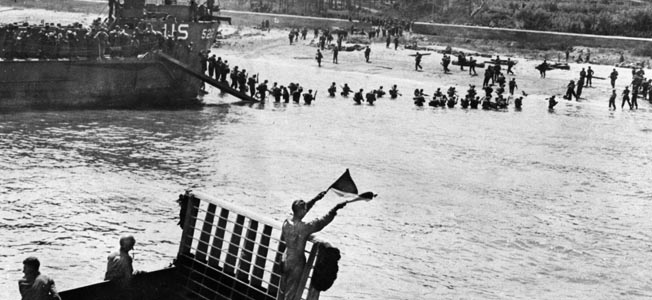
Early in 1944, German Field Marshal Erwin Rommel, the defeated hero of North Africa and now head of Army Group B in France, was tasked with strengthening the Atlantic Wall defenses against Allied invasion. Read more
World War I
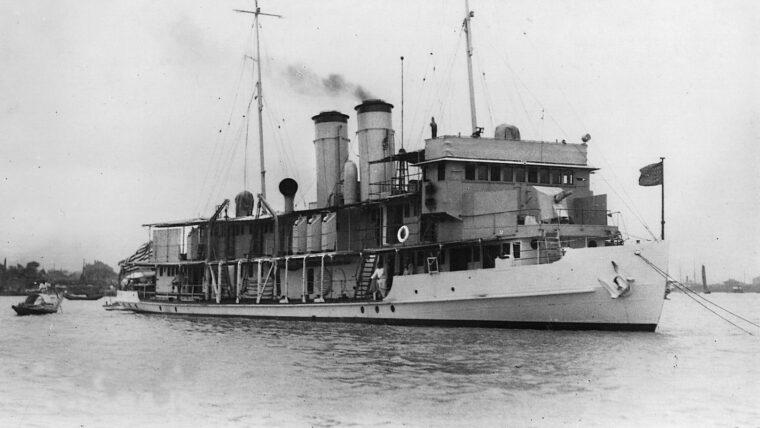
For some Americans, World War II started early. In December 1937, four years before the Japanese attack on Pearl Harbor propelled the United States into the war, Japanese planes attacked an American gunboat, the USS Panay, on China’s Yangtze River, strafing and bombing the boat, sinking it, killing three American crew members, and the wounding 45 others. Read more
World War I
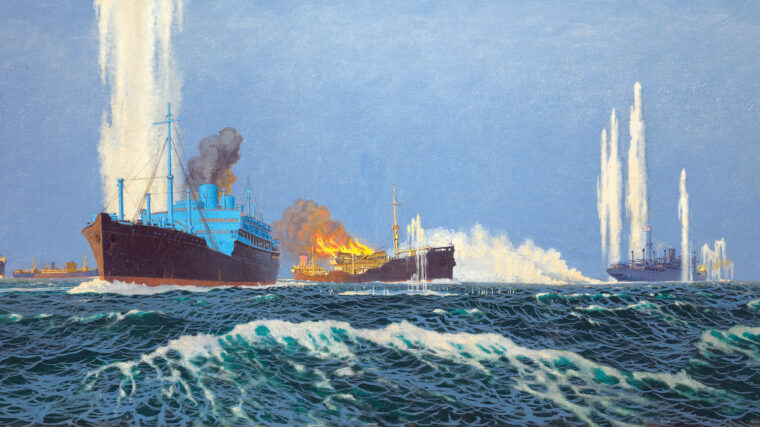
Able Seaman John Jeffcott, 27, of the HMS Jervis Bay was apprehensive in October 1940 as his ship sailed from Hailfax, Nova Scotia. Read more