World War I
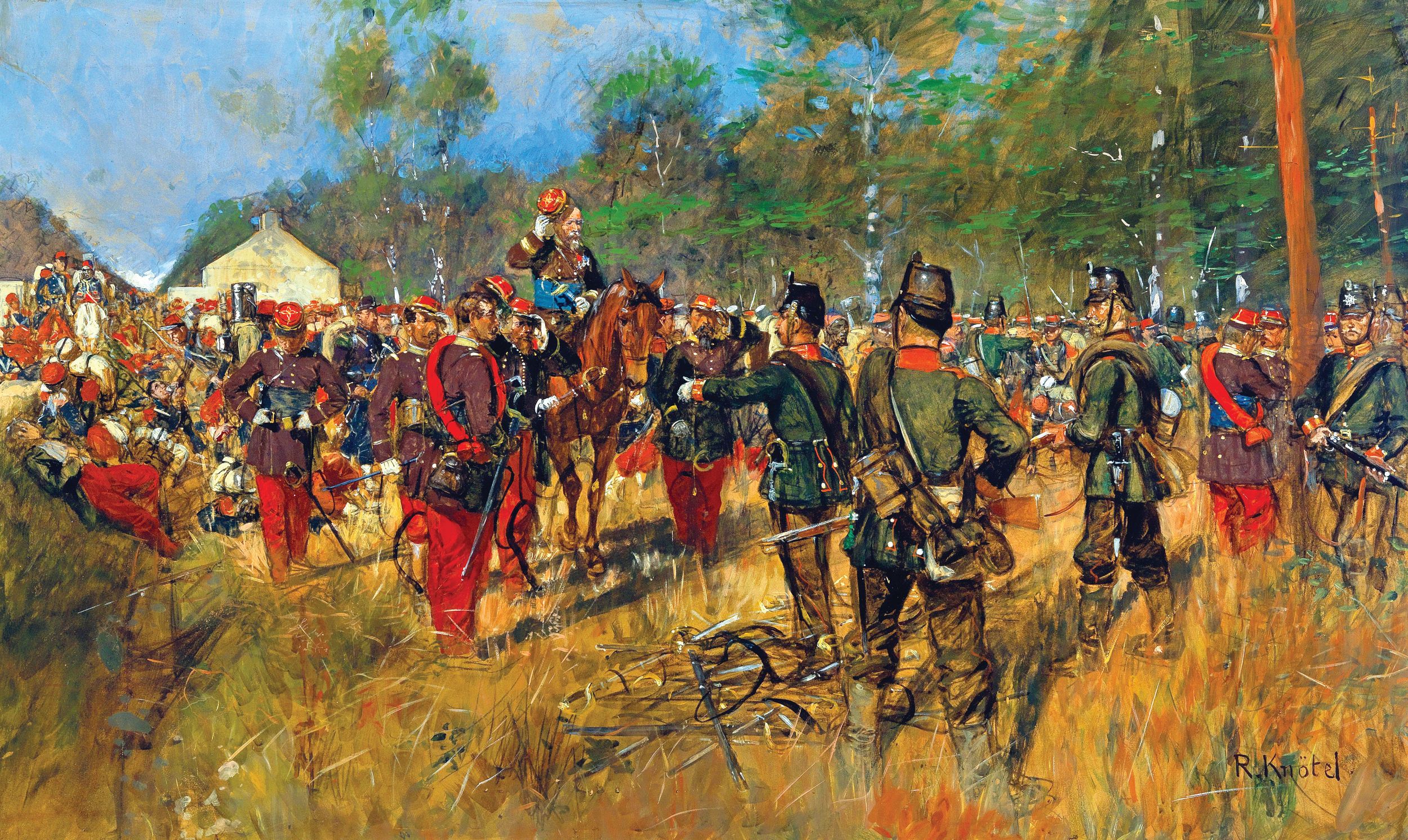
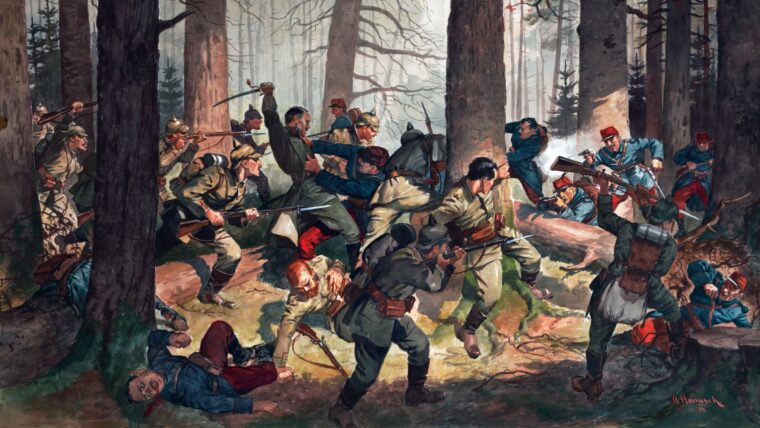
French Revenge at the First Battle of the Marne
By Joshua ShepherdIn the early morning hours of September 10, 1914, long lines of gray-clad German infantry formed up in a steady rain that only seemed to dampen spirits. Read more
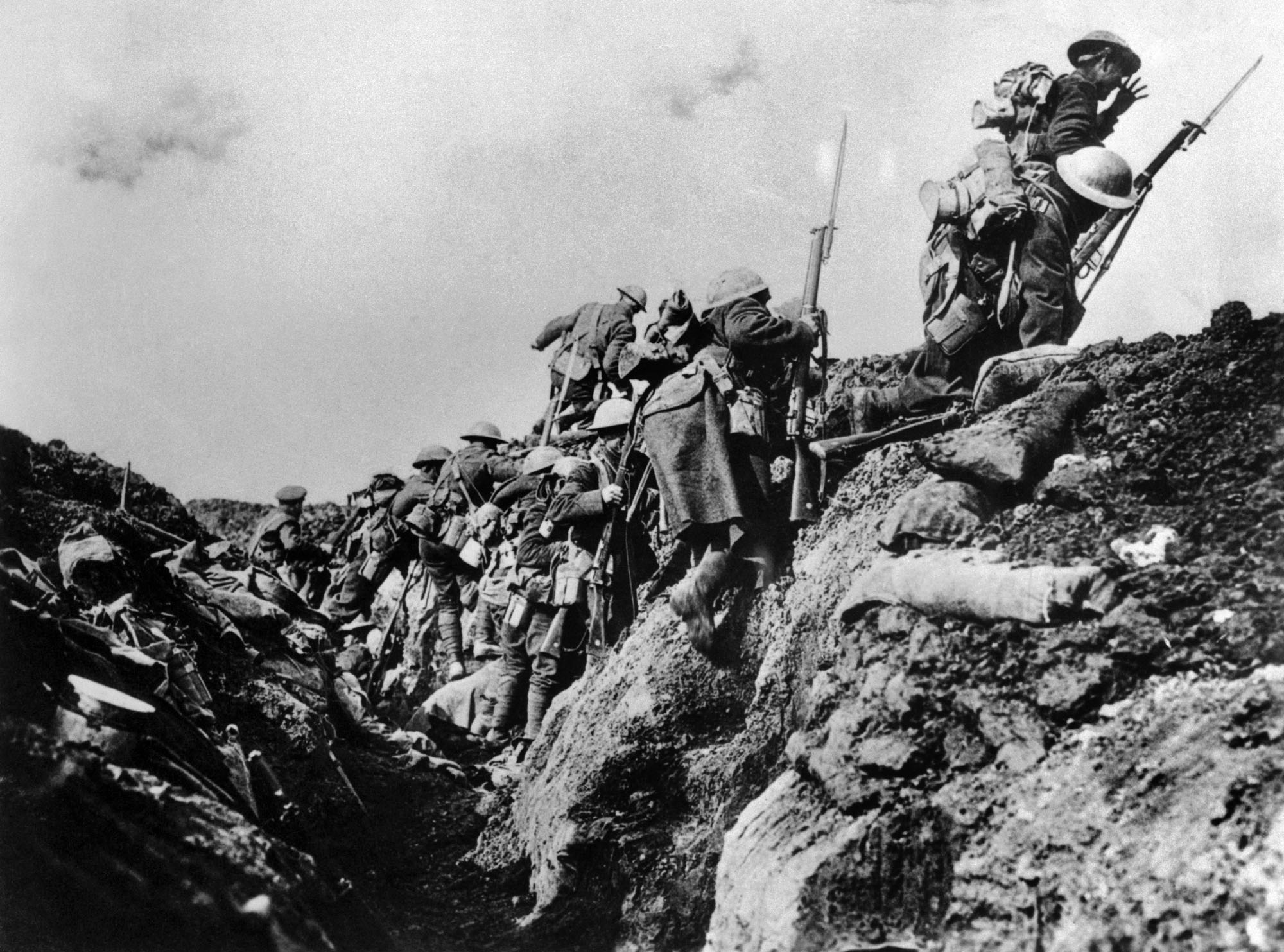
World War I was a global conflict of the early 20th century from 1914-1918, between the Central Powers, Germany, Austria-Hungary, the Ottoman Empire and Bulgaria, and the Allied powers, primarily Great Britain, France, Russia, and later the United States. World War I was ignited in the Balkan city of Sarajevo in June 1914 with the assassination of Archduke Franz Ferdinand, heir to the Austro-Hungarian throne, and war was declared in August. World War I was characterized by the horror of trench warfare on the Western Front and the rise of Bolshevism in the East, and millions died in the catastrophic conflict. The causes of World War I were many, including various territorial disputes, a major arms race, conflicting political ideologies, and more. World War I ended with the Treaty of Versailles; however, the agreement left many issues unresolved and heaped blame and the requirement for reparations on Germany, sowing the seeds of World War II.
World War I
In the early morning hours of September 10, 1914, long lines of gray-clad German infantry formed up in a steady rain that only seemed to dampen spirits. Read more
World War I
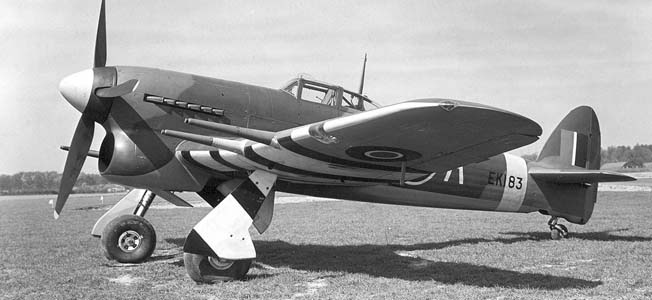
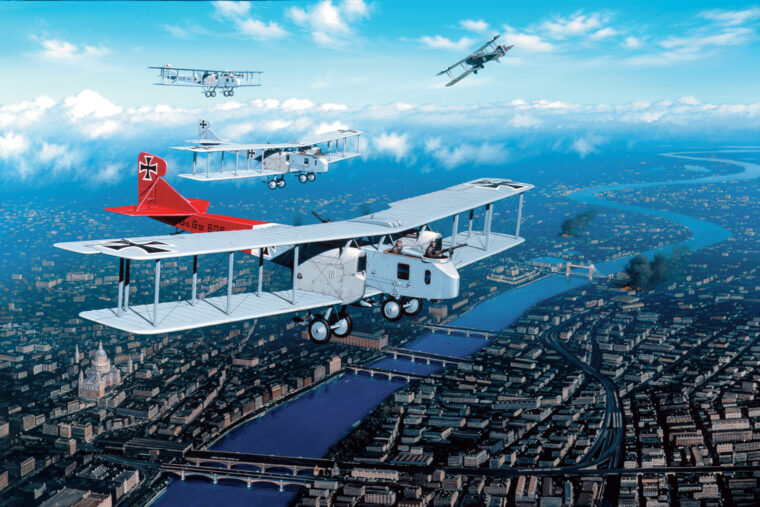
On May 25, 1917, a fleet of 21 bombers lumbered in a line at 12,000 feet over the English coast. Read more
World War I
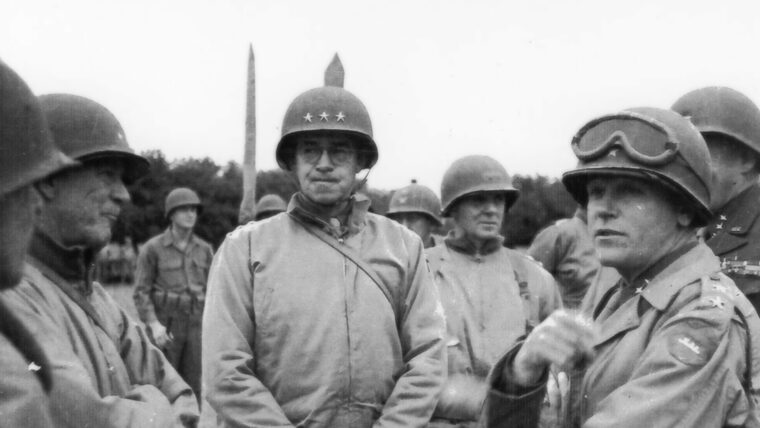
General George S. Patton, Jr., once said, “An army is like a piece of cooked spaghetti. You can’t push it, you have to pull it after you.” Read more
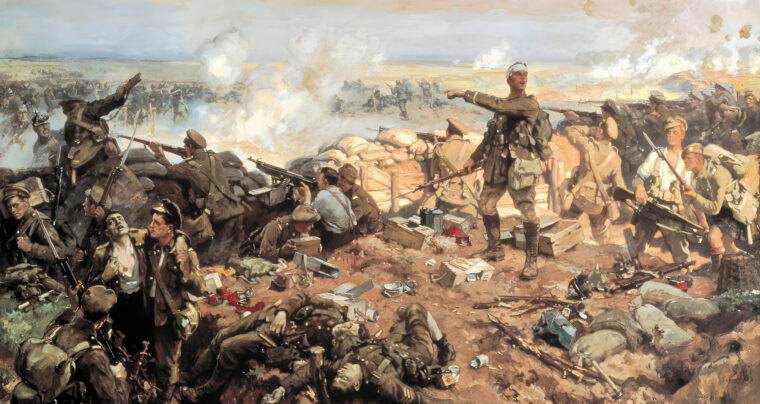
World War I
Despite the incessant German shelling that had been hammering away at the French lines to their immediate left near the rubble-strewn city of Ypres in northwestern Belgium, the largely untested soldiers of the Canadian 1st Division found the early spring day of April 22, 1915, surprisingly warm and pleasant. Read more
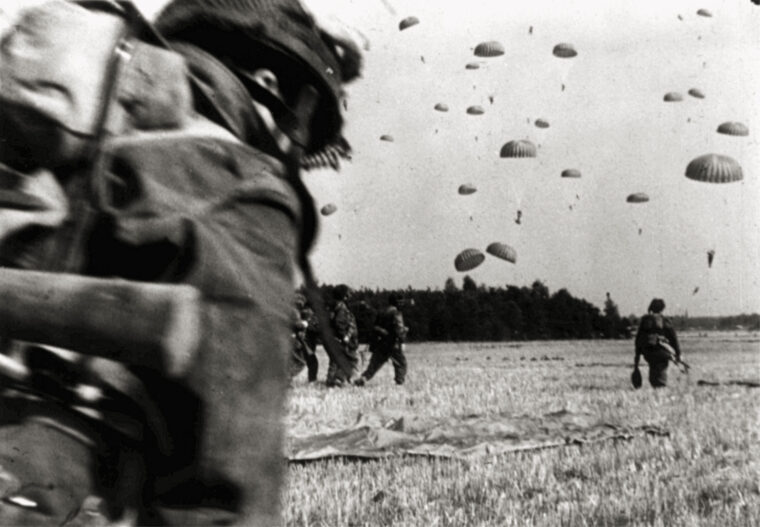
World War I
Two men were seated on either side of a paper-strewn table inside an office of MI5, the British intelligence service, in the Royal Victoria Patriotic School at Clapham, London, shortly after the fall of France in the spring of 1940. Read more
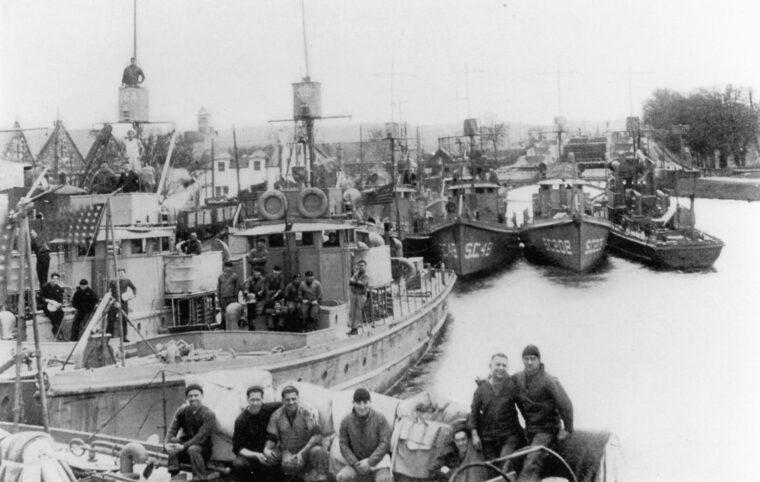
World War I
When the United States entered World War I in April 1917, the nation’s Navy was shockingly short of combat ships—particularly the submarine chasers that would be vital to combating the German U-boat menace. Read more
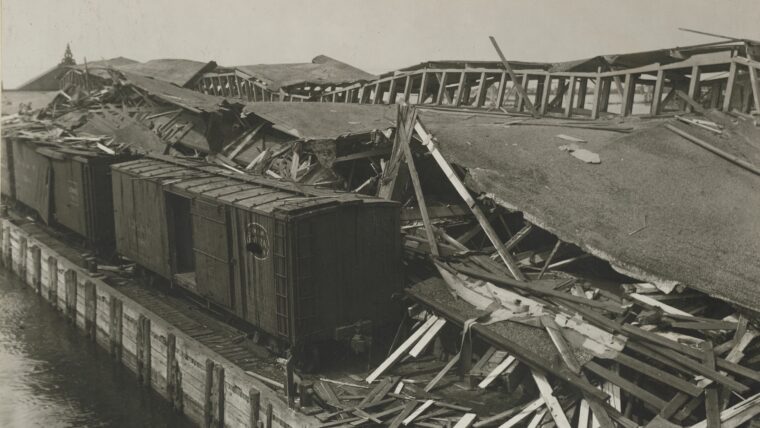
World War I
In the summer of 1916, America was an island of peace in an ocean of war. The guns of August 1914 had been blazing away in Europe for nearly two years now, primed by a booming American munitions industry that found itself growing rich on the long-distance suffering of others. Read more
World War I
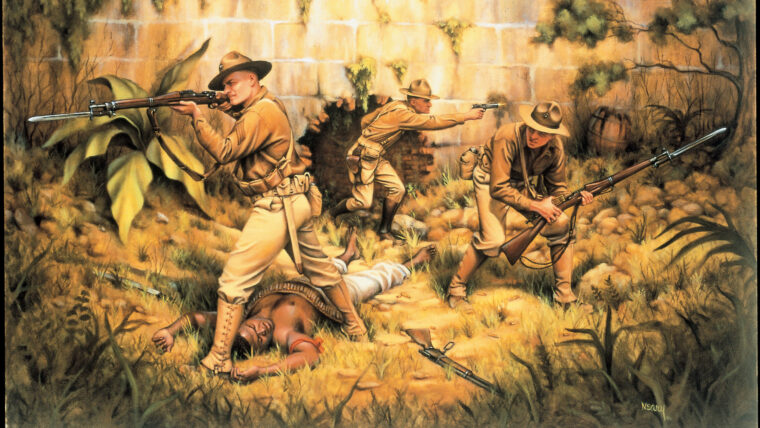
The annals of the United States Marine Corps are filled with the names of mavericks known not only for their fighting skills, but for their offbeat personalities as well. Read more
World War I
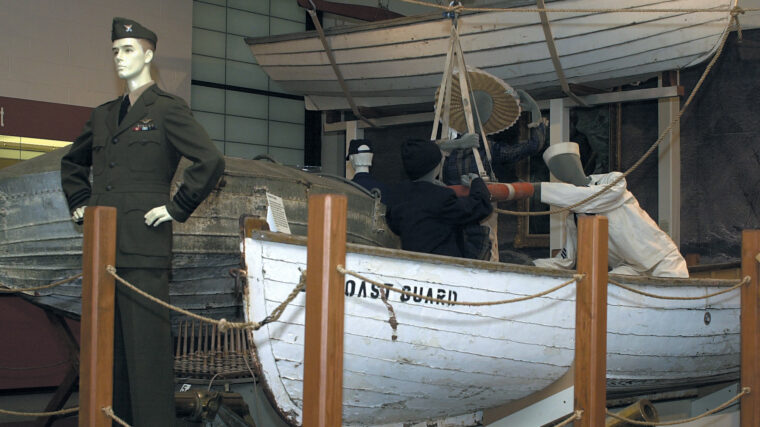
On August 4, 1790, at the urging of Secretary of the Treasury Alexander Hamilton, the United States Congress authorized the construction of 10 armed revenue cutters. Read more

World War I
On the morning of February 23, 1945, on the tiny Pacific island of Iwo Jima, a 40-man patrol gathered at the 5th Marine Division headquarters for their final briefing with battalion commander Lt. Read more
World War I
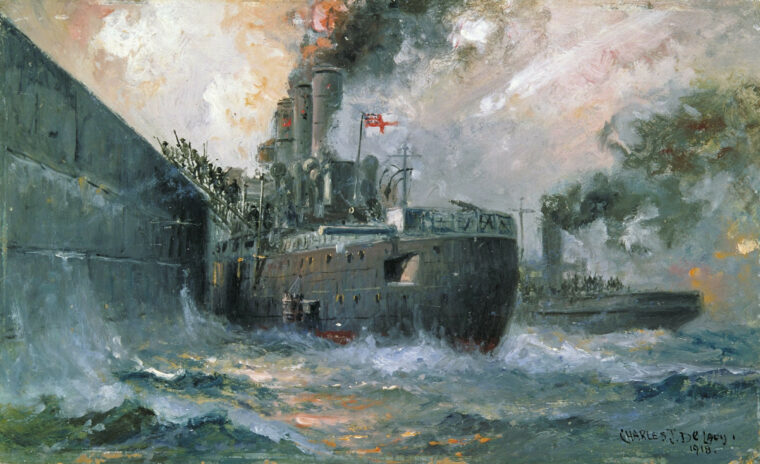
In the spring of 1918, World War I was well into its fourth year, and still the armies struggled and died in the glutinous mud of Flanders. Read more
World War I
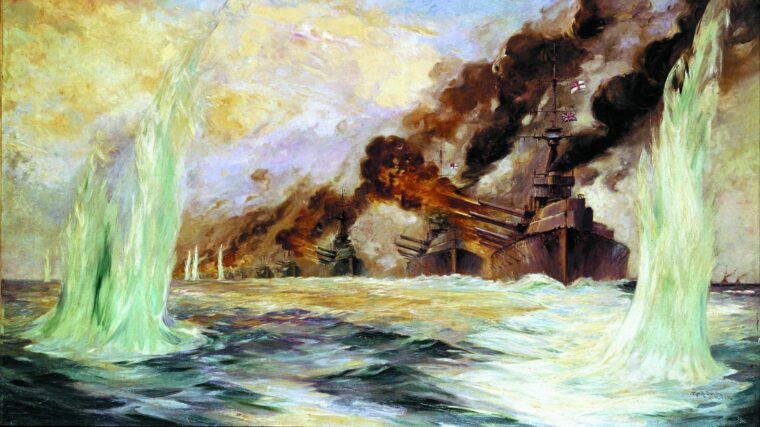
In the spring of 1916, as the result of intense international pressure, Vice Admiral Reinhard Scheer called in all his submarines after Germany announced an end to unrestricted underwater attacks on transatlantic merchant ships. Read more
World War I
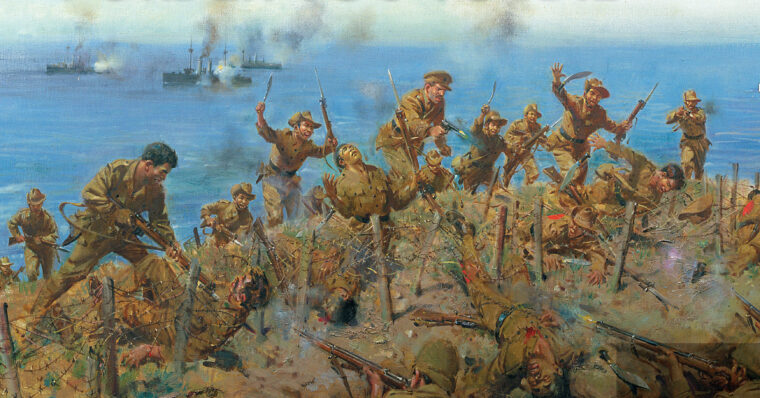
In the English-speaking world, most students of military history would be hard-pressed to identify the time, place, or antagonists of the Canakkale Campaign. Read more
World War I
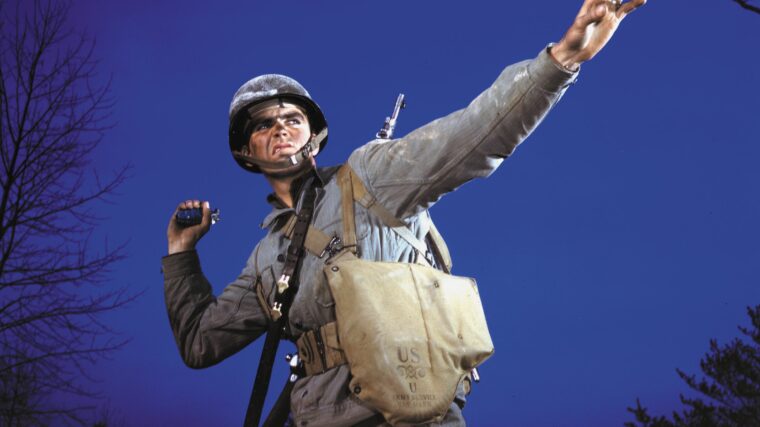
When did humanity begin throwing explosive devices? What are the origins of the modern grenade, and how did explosives evolve? Read more
World War I
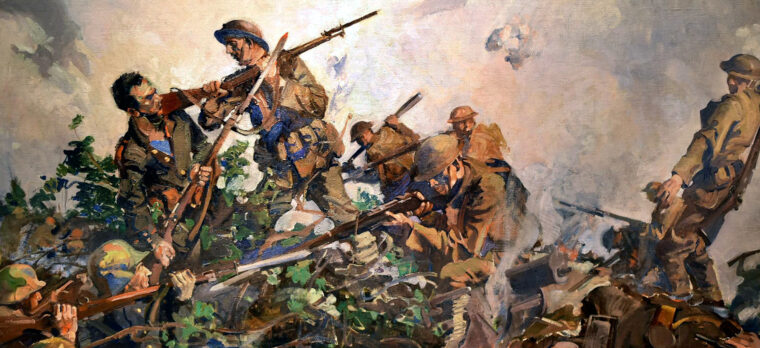
Chicago native Private John J. Kelly of the 78th Company of the 6th Marine Regiment and another soldier requested permission from First Lieutenant James M. Read more
World War I
Coming upon the enemy’s rear guard outside the western Kentucky village of Sacramento, four days after Christmas 1861, Confederate Colonel Nathan Bedford Forrest ordered his cavalry to advance. Read more
World War I
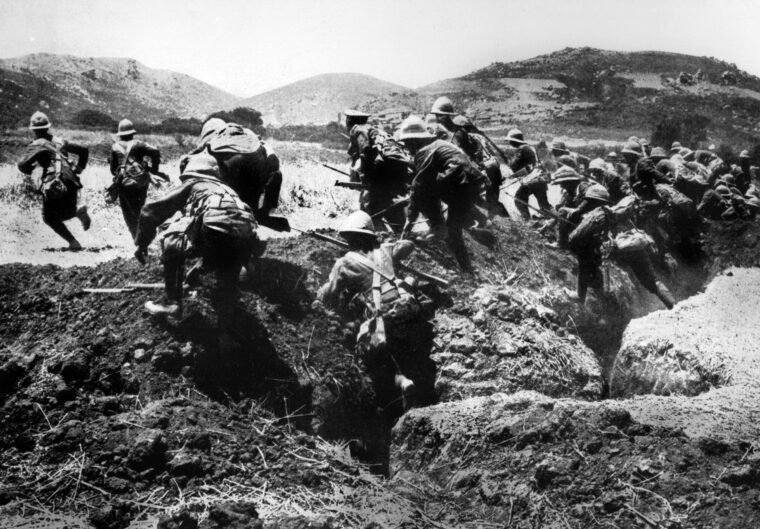
The crash of the heavy guns from a dozen British and French capital ships, one of which was the super-dreadnought the HMS Queen Elizabeth, reverberated against the shoreline of the Dardanelles on February 19, 1915. Read more
World War I
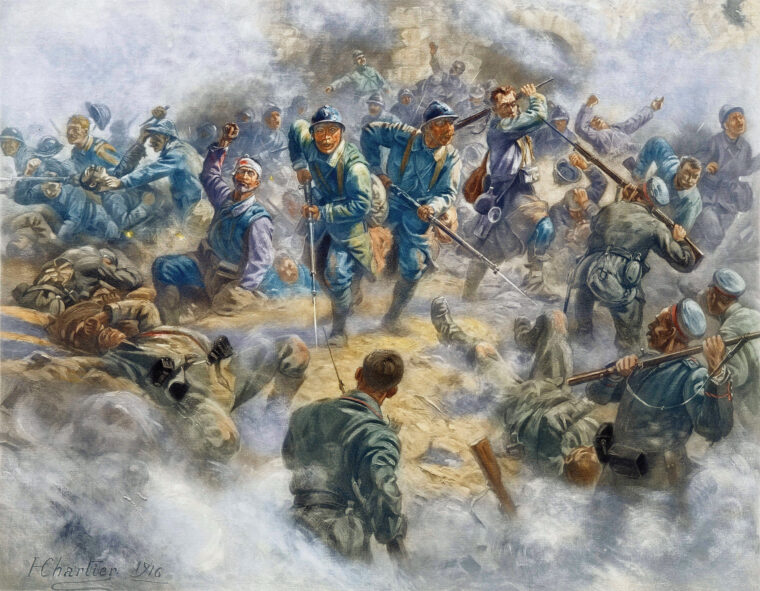
The morning of June 23, 1916, dawned over the broad crenellated valley of the Meuse River in northeastern France. Read more
World War I
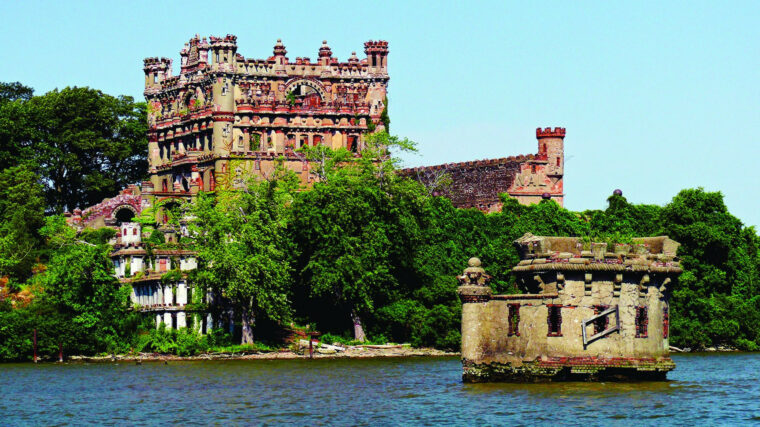
In central New York, 50 miles north of New York City on the Hudson River, is a small spit of land known as Bannerman Island. Read more
World War I
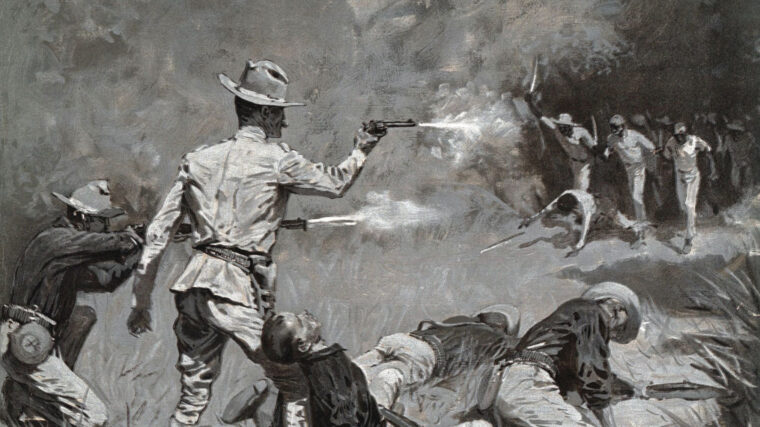
In the 1939 movie The Real Glory, elite U.S. Army officers arrive in the southern Philippines to mold the Filipinos into a military force to defend their villages against marauding Moro tribesmen. Read more