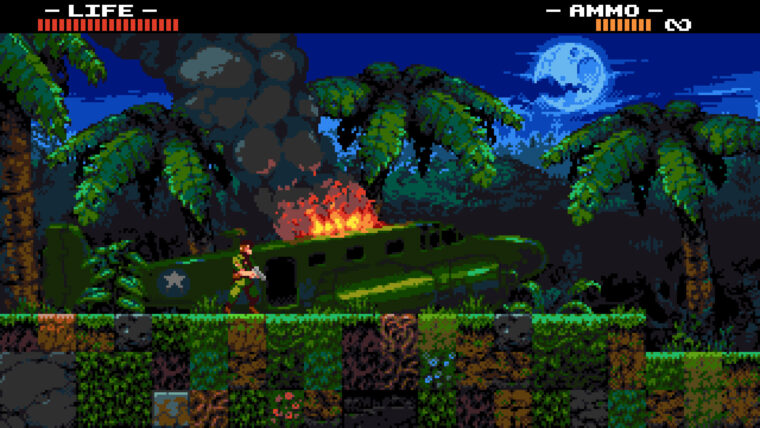
Wolfhound
By Joseph LusterThere are plenty of alt-history World War II games to choose from out there, but few hit quite as hard as WOLFHOUND, the latest from Chasm developer Bit Kid. Read more
There are plenty of alt-history World War II games to choose from out there, but few hit quite as hard as WOLFHOUND, the latest from Chasm developer Bit Kid. Read more
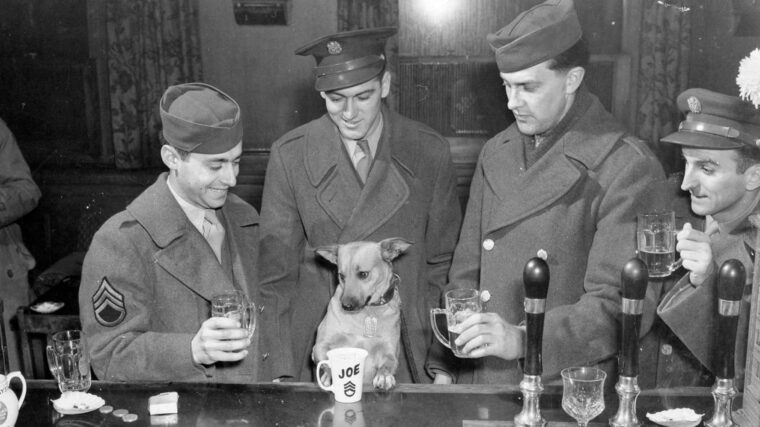
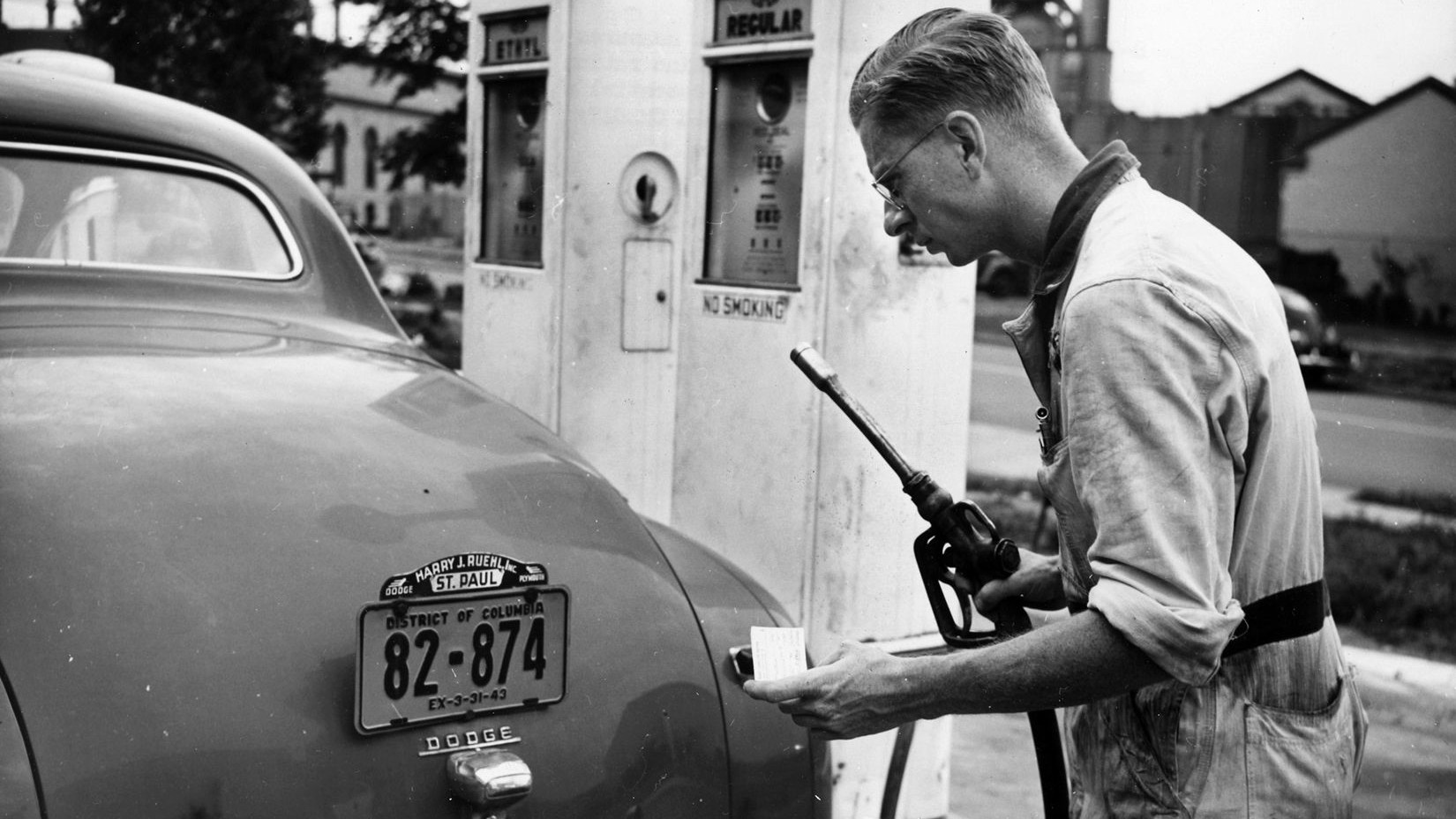
American men left behind a great deal when they left home to fight a world war. They lost their identities, their families, and almost all their worldly goods, but they improvised. Read more
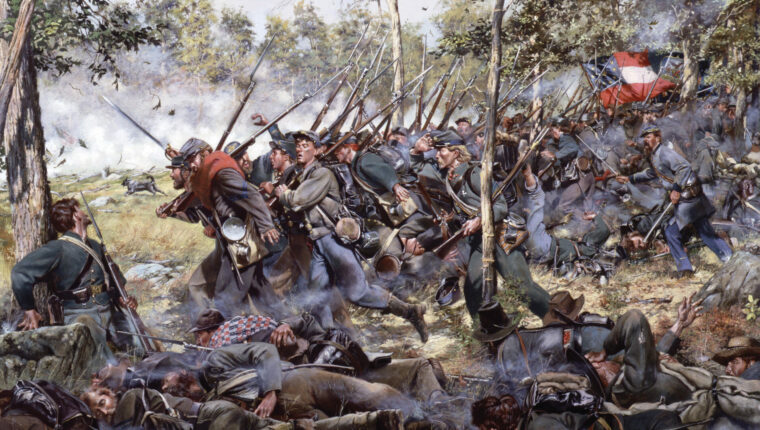
Rifle flashes erupted at intervals on the base of the slope. The flashes gave away the location of the confederate troops advancing in large numbers in the darkness of the night of July 2, 1863, on the eastern side of Culp’s Hill southeast of the town of Gettysburg. Read more
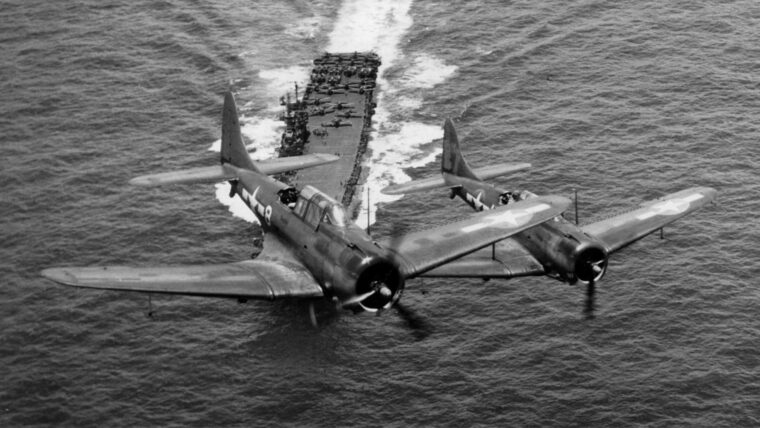
Many people have heard of the six American Curtiss P-40 Tomahawk fighters that actually got off the ground and contested the Japanese attack on Pearl Harbor, December 7, 1941. Read more
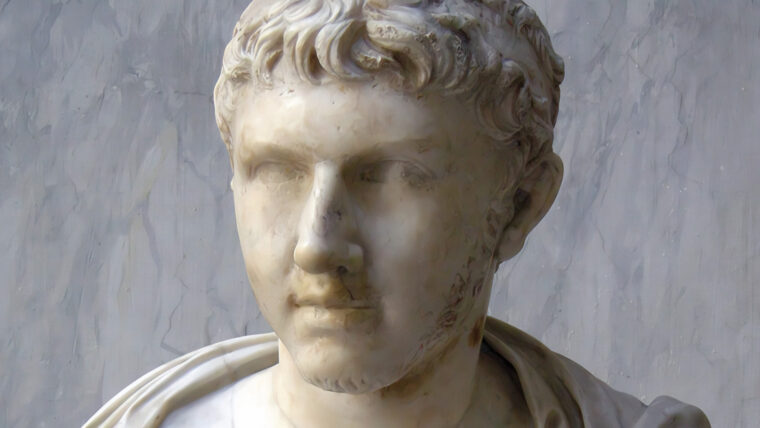
Tacfarinas, a former soldier of Rome’s Numidian cavalry, reined in his steed at the edge of the cliff with the ease of one born in the saddle. Read more
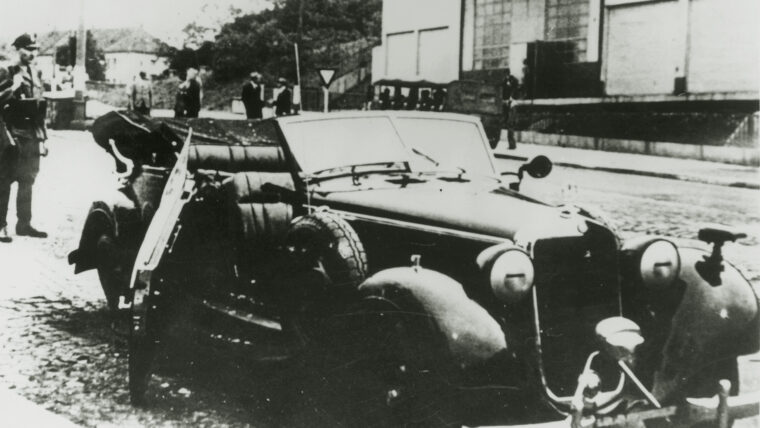
The morning sun caressed the hills of the Czech capital of Prague, coaxing a slight haze from the ancient city. Read more

Along with the news of the American battleship Maine’s suspicious sinking in Havana harbor in February 1898 came the unmistakable scent of war. Read more
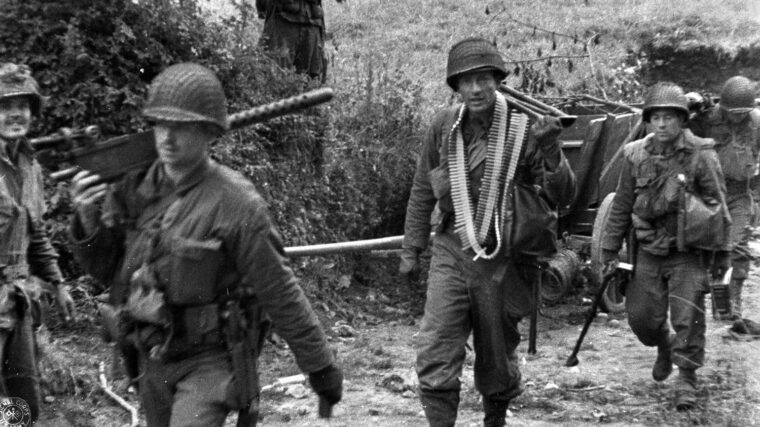
The mission was simple: “There’s fire along that hedgerow there. Take care of it.”
The order went to First Lieutenant Richard “Dick” Winters, the acting commander of Easy Company, 2nd Battalion, 506th Parachute Infantry Regiment, 101st Airborne Division. Read more

In 1864, the Civil War was raging across the United States. At the epicenter of the seemingly stalemated conflict was the vital Confederate stronghold at Petersburg, Va. Read more
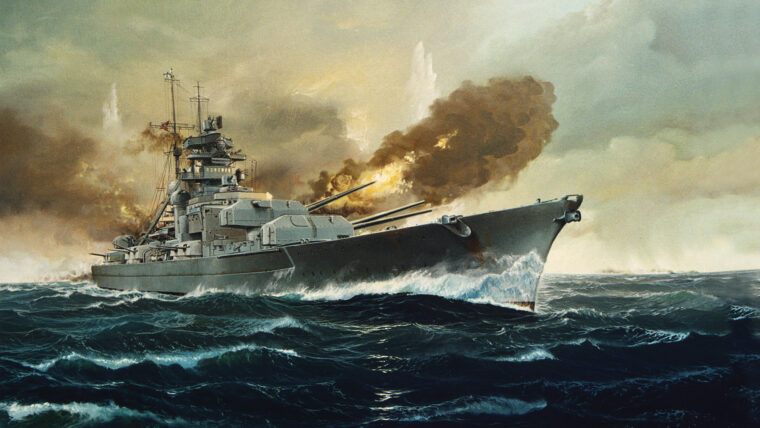
Baron Burkhard von Mullenheim-Rechberg’s life was in danger. An officer aboard the German battleship Bismarck, Mullenheim-Rechberg was at his station as his ship was trading salvos with several British warships. Read more

In the late 1970s, it became clear to the international community that Iraq, under the despotic leadership of Saddam Hussein, was attempting to acquire nuclear weapons through the guise of buying nuclear reactors for power generators. Read more
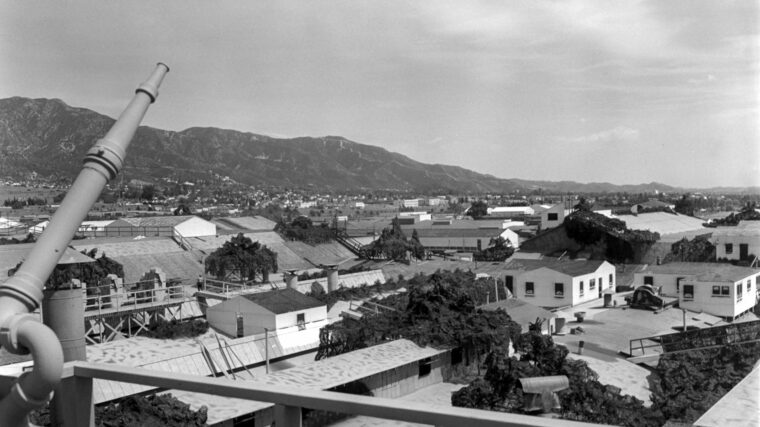
When I was a young boy in Seattle, my father told me about a fake town that had been built on top of Boeing’s Plant 2 during the war. Read more
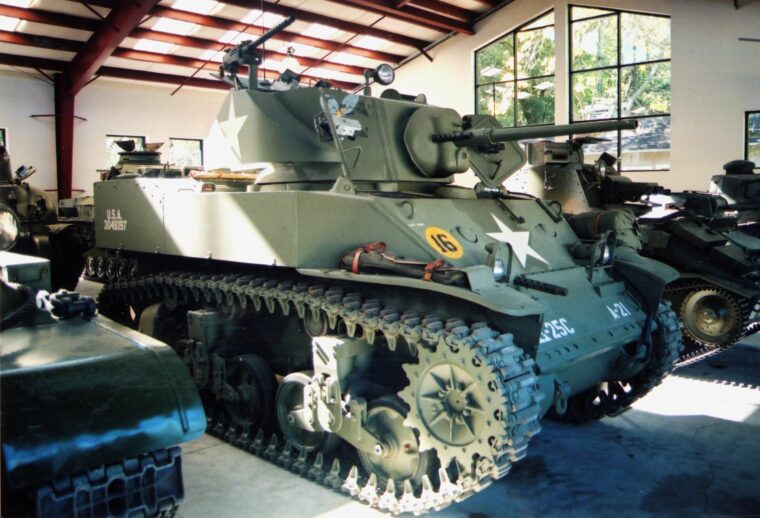
What may be the world’s largest collection of tanks and half-tracks, as well as other treaded vehicles and related artifacts, is not in the hands of any government branch or army office. Read more
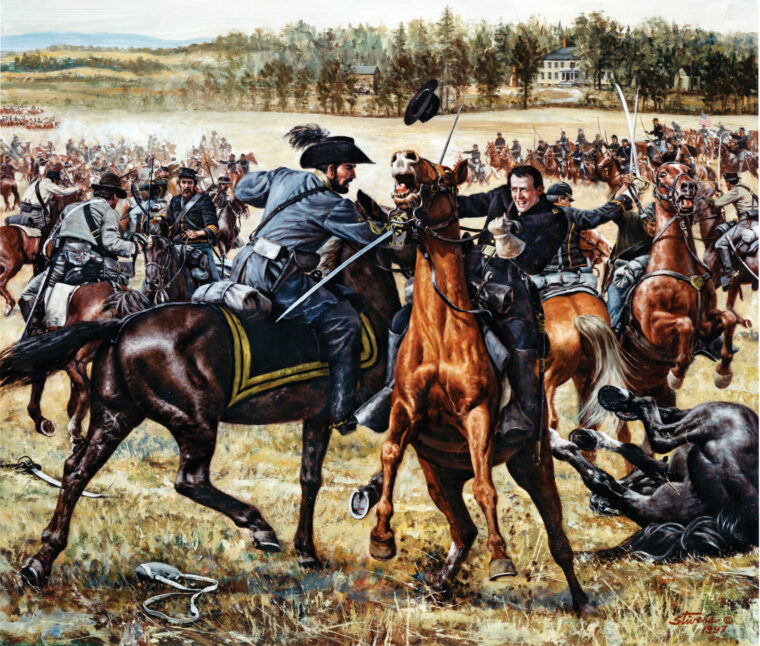
Major General James Ewell Brown Stuart was in all his glory. It was June 8, 1863, and the Confederate cavalry commander was putting on a grand review of his horse soldiers on a plain west of the Rappahannock River near Brandy Station, Virginia, for none other than General Robert E. Read more
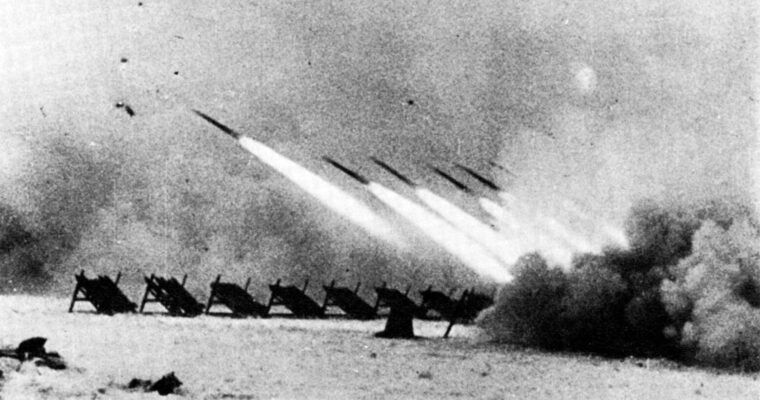
In the fall of 1942, in a prelude to the now-famous Operation Uranus, the Red Army had its back to the wall once again. Read more

We can never know what frantic thoughts raced through George Armstrong Custer’s mind in the last hour of his life. Read more
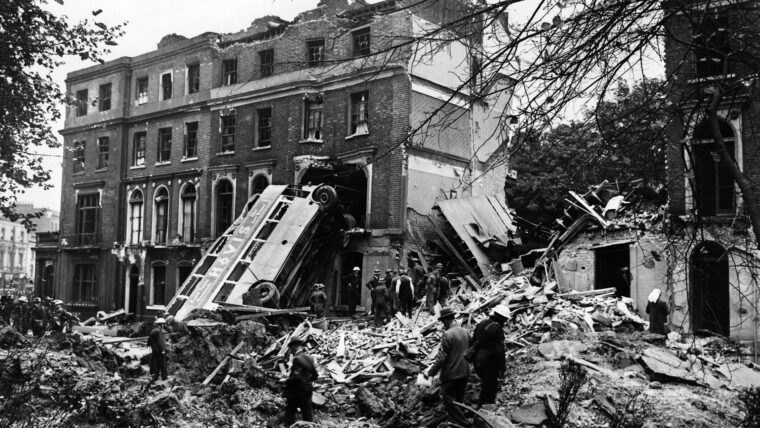
Most of the action during the Battle of Britain in the late summer of 1940 took place over southern England where Royal Air Force Spitfires and Hurricanes began to dominate dogfights against their German rivals. Read more
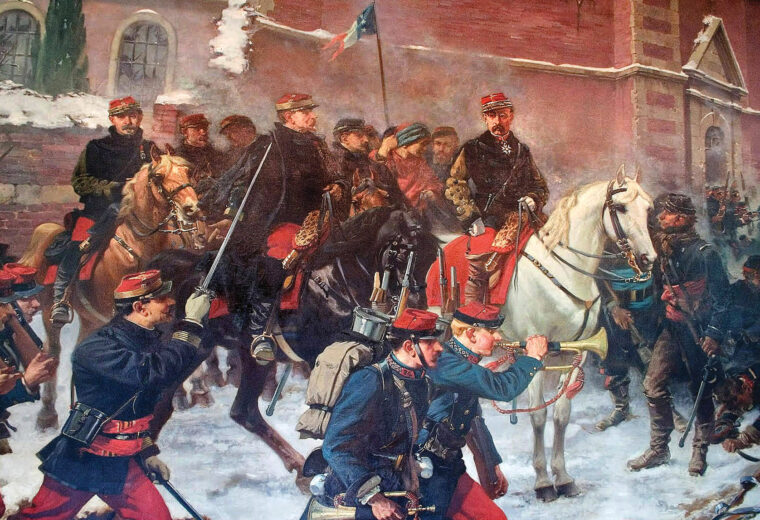
Miniature wargames have been played by hobbyists for decades, both for pure entertainment and as part of legitimate research. Read more
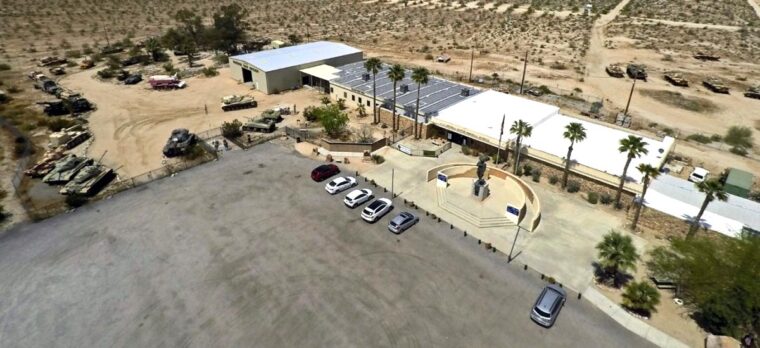
Thirty miles east of Indio, California, is the General Patton Memorial Museum, a special museum dedicated to General George S. Read more
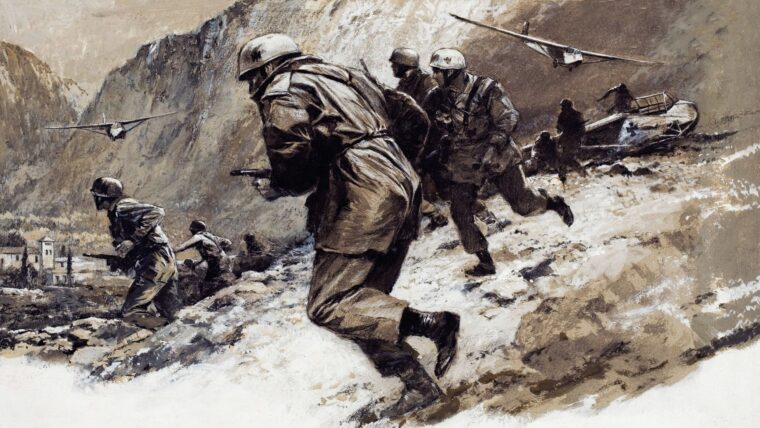
The flimsy canvas flapped loudly as it buckled in the wind. More bothersome for the nine German commandos crammed inside the narrow fuselage was the constant motion—sinking, then sharply rising, as the DFS-230 glider ploughed and pitched through the towing aircraft’s turbulent wake. Read more