WWII
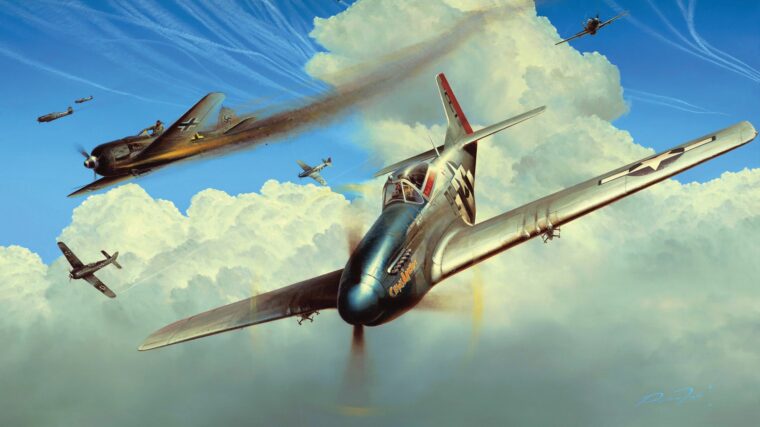
George Preddy, Jr.: The USAAF’s Greatest P-51 Ace
By Kelly BellDarwin, Australia, was hot even though it was mid-winter. On the afternoon of July 12, 1942, four newly deployed pilots of the U.S. Read more

WWII
Darwin, Australia, was hot even though it was mid-winter. On the afternoon of July 12, 1942, four newly deployed pilots of the U.S. Read more
WWII
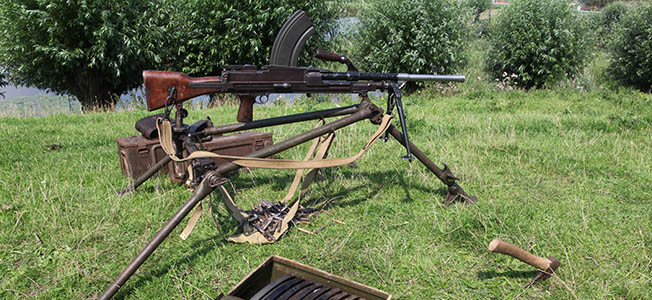
While all the combatant nations engaged in World War I fielded machine guns during the conflict, the British Army’s Vickers was arguably the best medium machine gun of the war, while their Lewis gun—an American design but perfected by the English—was the most effective light machine gun. Read more
WWII
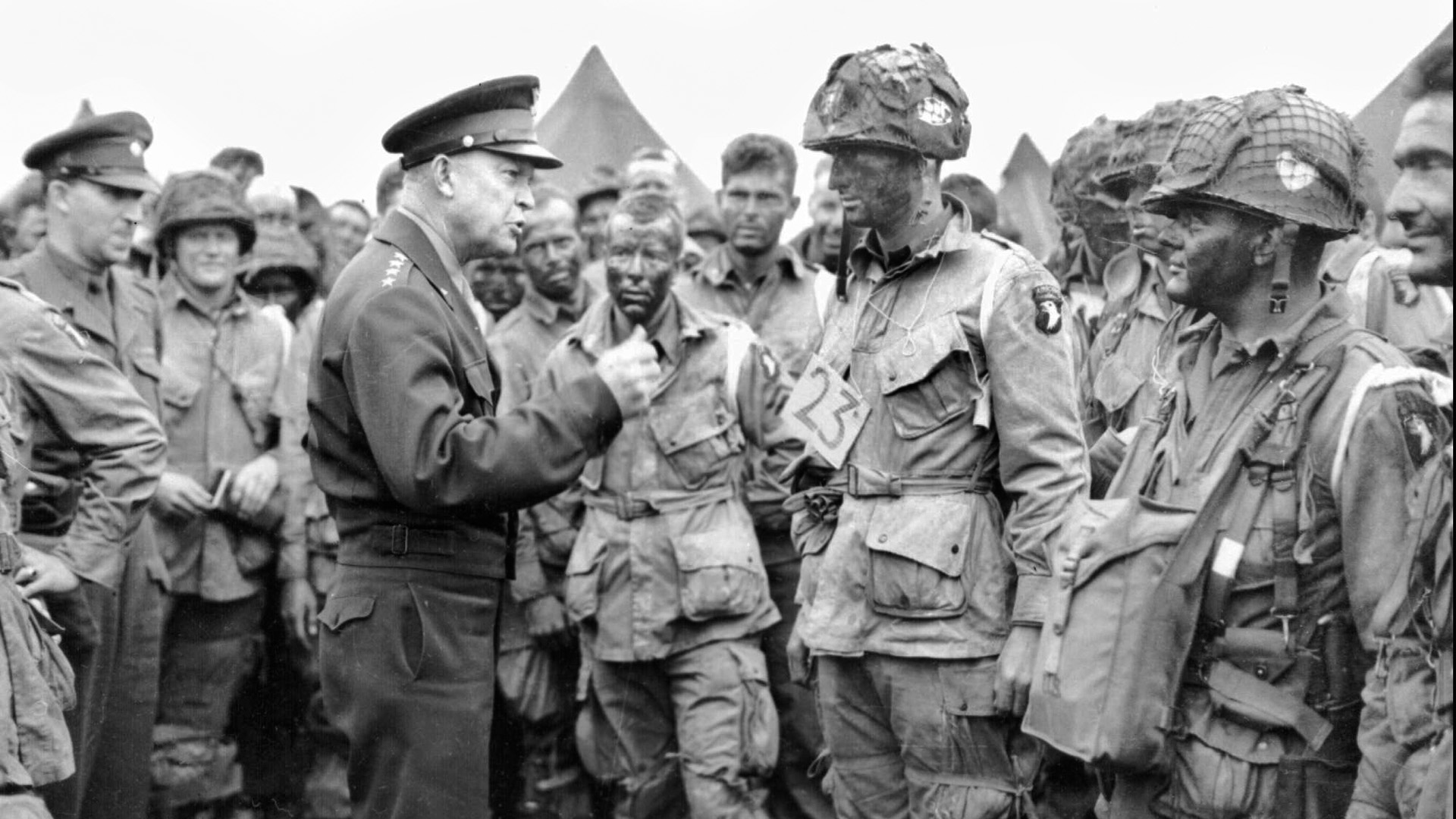
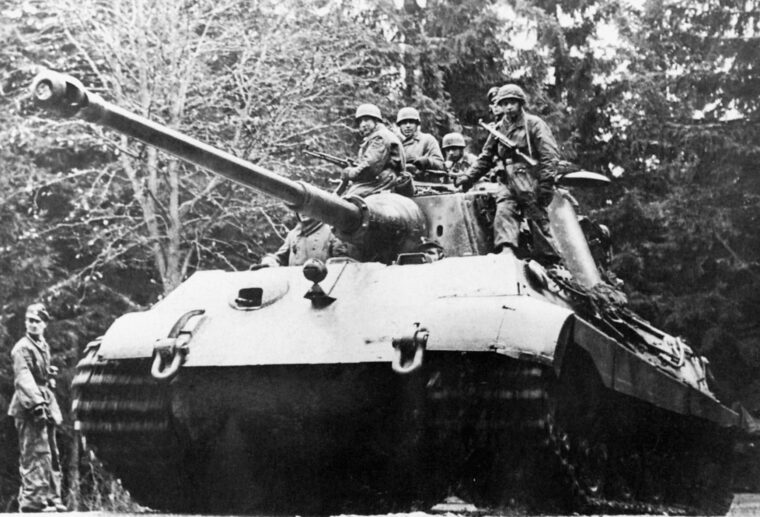
When American soldiers landed in France in June 1944 as part of the great Allied crusade to liberate Europe, they were well trained, fully equipped, and brimming with confidence. Read more
WWII
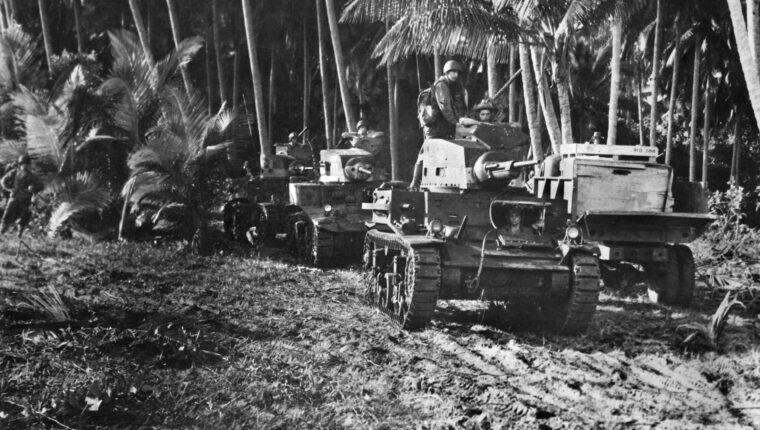
At about 2:30 on the morning of August 21, 1942, U.S. Marine units east of Henderson Field on the embattled island of Guadalcanal were awakened by several bursts of machinegun fire. Read more
WWII
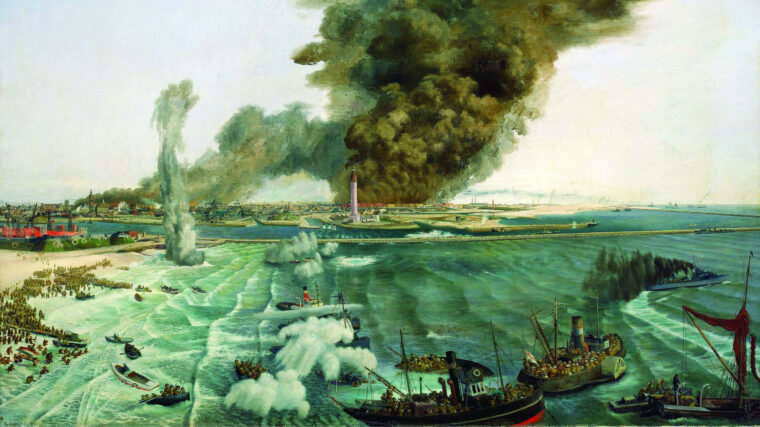
Following the 76th anniversary of the evacuation of the British Expeditionary Force (BEF) from the beaches and harbor of Dunkirk, one is amazed at the number of articles and volumes written about the subject. Read more
WWII
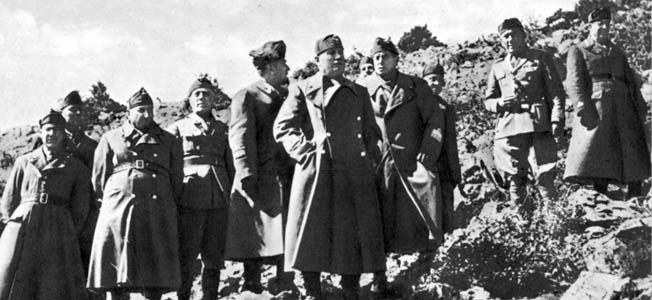
Twenty-four hours earlier, Grazzi had hosted a gala reception for Metaxas and Greece’s figurehead king, George II, at the Italian consulate following a performance of Giacomo Puccini’s opera, Madame Butterfly. Read more
WWII
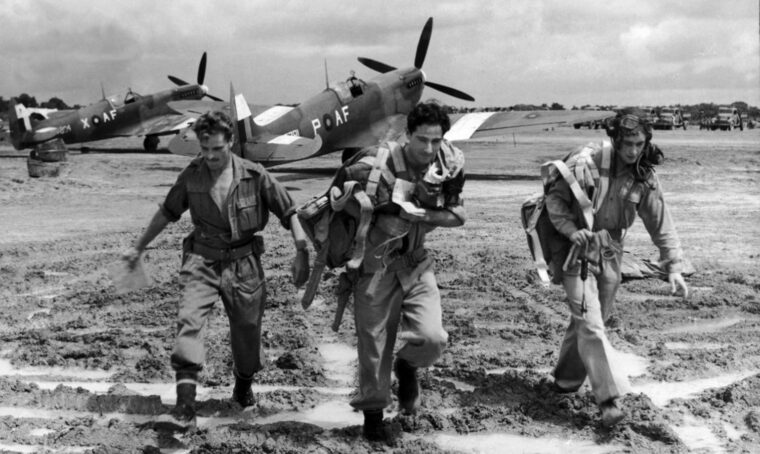
On March 5, 1936, the new Supermarine Type 300 took off from Southampton, England. The plane would soon be called the Spitfire, and along with the Hawker Hurricane it would become Great Britain’s first line of defense. Read more
WWII
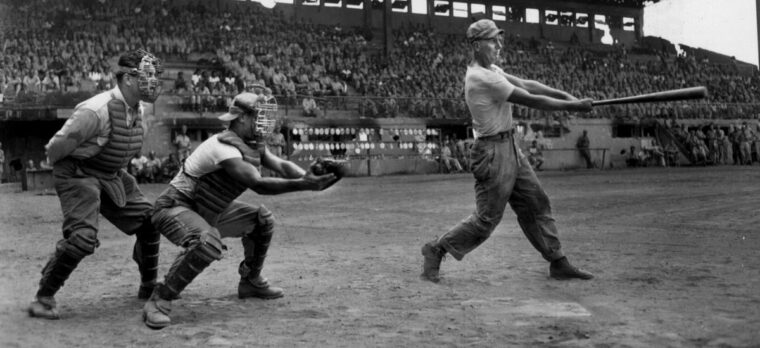
In the 1940s, war disrupted the lives of millions of people around the globe: fuel rationing, food rationing, shortages of all kinds, and, of course, the death and destruction that was visited on cities, nations, and whole populations. Read more
WWII
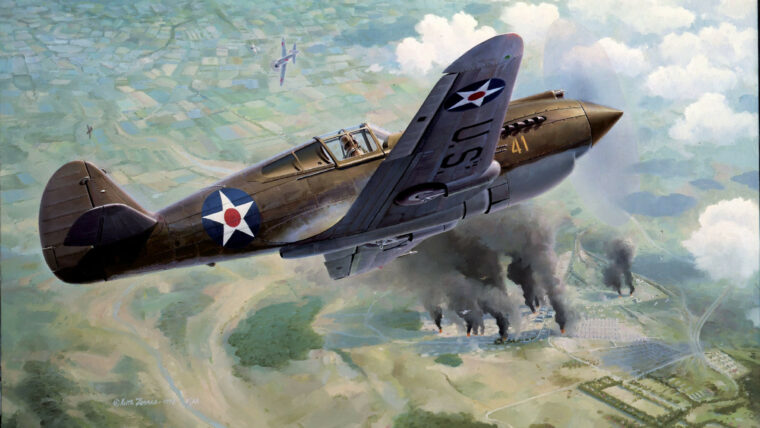
Lieutenant Colonel William Edwin Dyess, a U.S. Army Air Corps pilot and squadron commander, was considered a hero by men who served under him in the Philippines and who felt they owed their own lives to Ed’s sacrifice. Read more
WWII
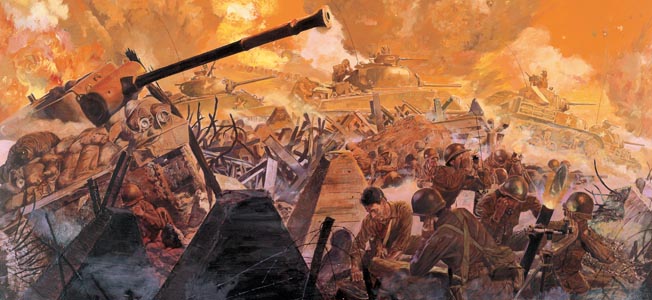
The road to Fort Driant began for the United States Third Army when it landed on Utah Beach at 3 pm on August 5, 1944. Read more
WWII
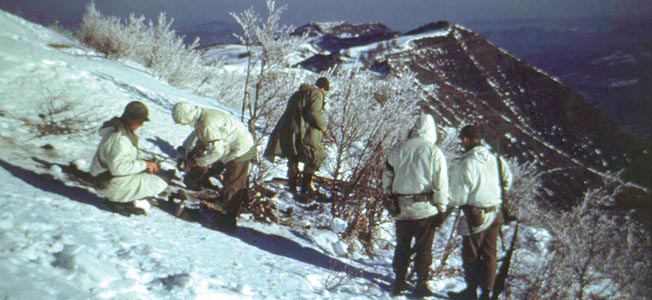
It was early in 1945 when the Battle of Po Valley officially began: from their hiding places in the valley below, the soldiers looked up at the wall of shale looming more than 3,000 feet above them. Read more
WWII
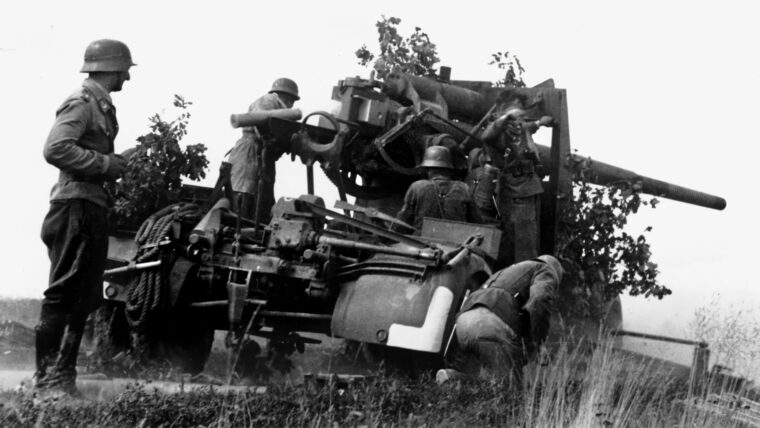
The November 21, 1944, daylight flight of Teddy’s Rough Riders was anything but routine for American pilot Werner G. Read more
WWII
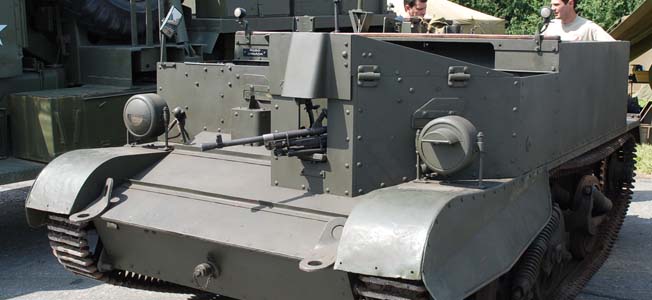
The origins of the Universal Bren Gun Carrier can be traced to the Ford T-powered Carden-Loyd machines developed in Great Britain in the mid-1920s, specifically the Mark VI model of 1927. Read more
WWII
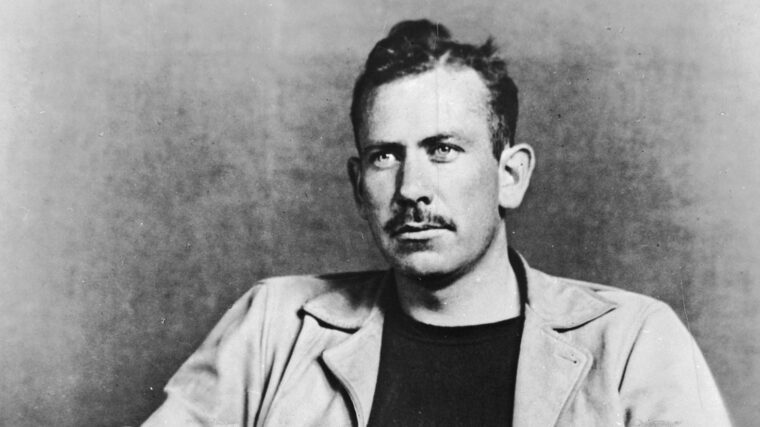
A fuming John Steinbeck vented his frustration over World War II to a friend on March 15, 1943. Read more
WWII
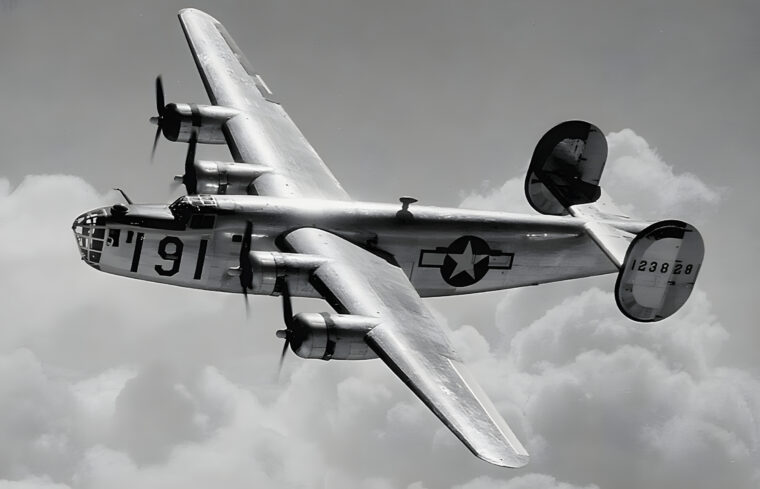
One of the most frequently discussed arguments to come out of World War II is which was the “better” bomber, the Boeing B-17 Flying Fortress or the Consolidated B-24 Liberator? Read more
WWII
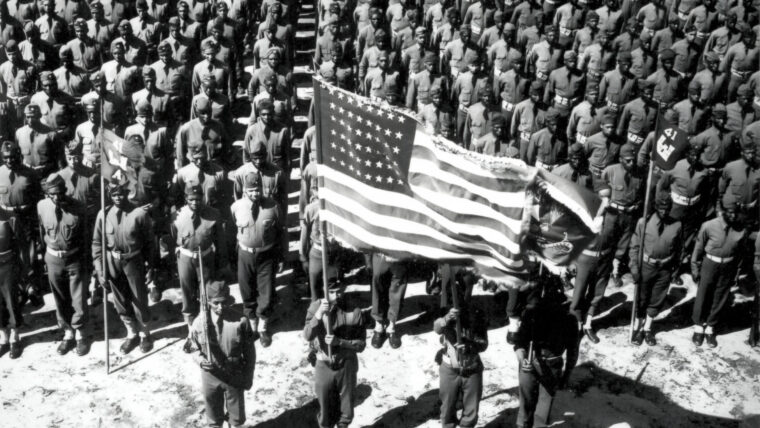
U.S. involvement in WWII grew to be about 16,000,000 military personnel by the war’s end: approximately 11,200,000 in the Army, 4,200,000 in the Navy, and 660,000 in the Marine Corps. Read more
WWII
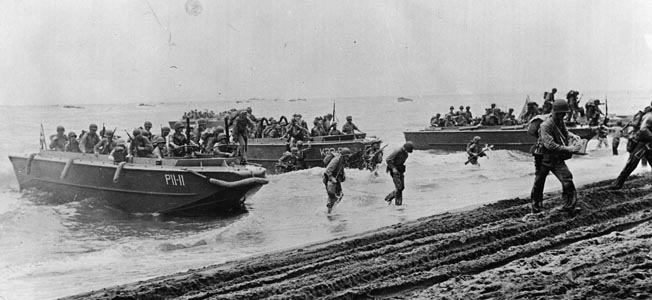
As the light of a sickly green flare shot skyward, three Marines from the 11th Machine Gun Squad, H Company, 2nd Battalion, 1st Marine Regiment crouched in the hole awaiting the Japanese onslaught on Guadalcanal. Read more
WWII
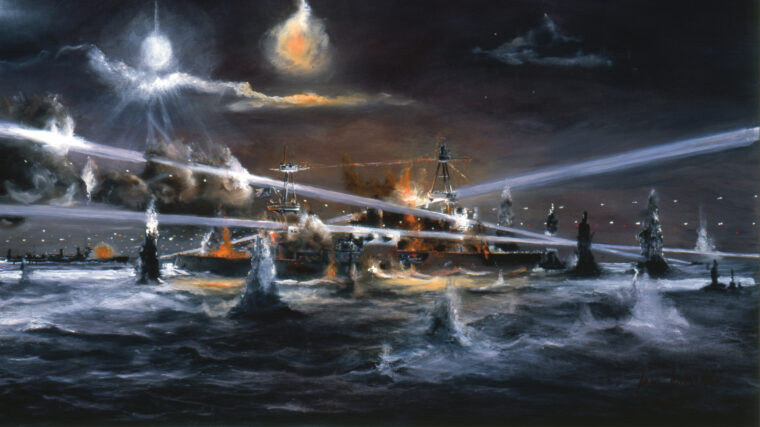
The heavy cruiser USS Houston ventured into the Sunda Strait off the coast of Java on the dark night of February 28, 1942, and was never heard from again. Read more
WWII
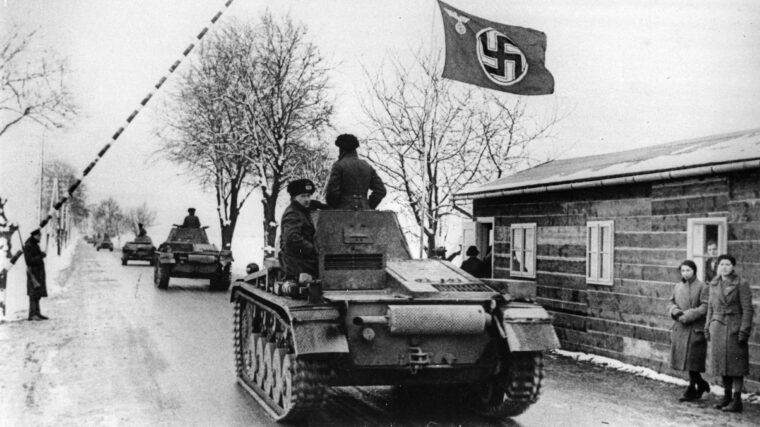
Many accounts have been written about the peace mission flight of Deputy Führer Rudolf Hess and his parachute landing in a farm field in Scotland in May 1941 to discuss with the Duke of Hamilton a proposal to end hostilities. Read more
WWII
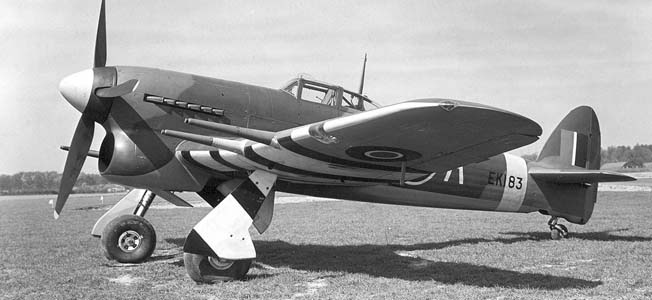
In 1934 the British War office accepted a new aircraft design eventually designated the Hawker Hurricane Mark 1. Read more