WWII
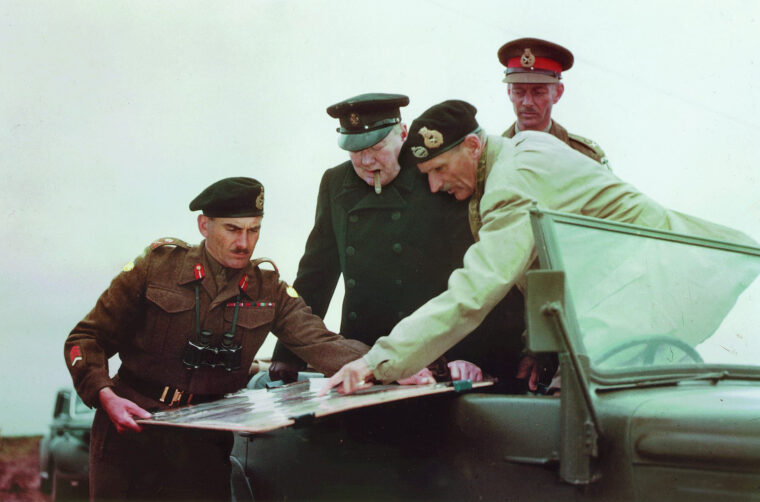
Montgomery’s Manpower Crisis at Caen
By William WeidnerIn an August 14, 1944, General Bernard L. Montgomery was facing a manpower crisis, unable to drive the Germans out of Caen. Read more

WWII
In an August 14, 1944, General Bernard L. Montgomery was facing a manpower crisis, unable to drive the Germans out of Caen. Read more
WWII
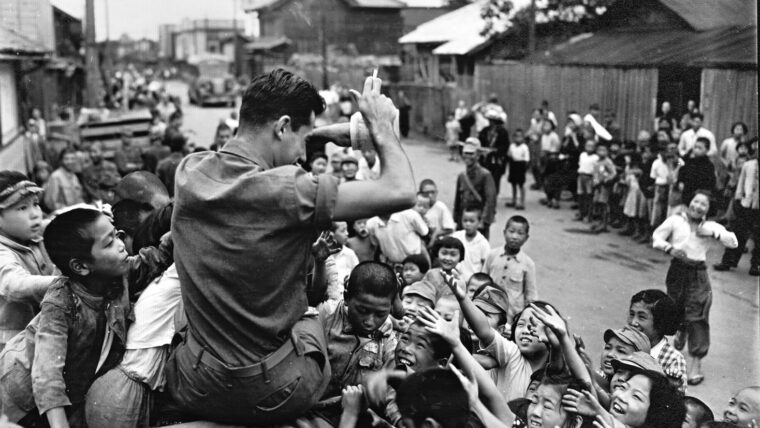
As the months of 1945 passed at an agonizingly slow pace, Allied forces in the Pacific struggled unwaveringly toward Japan. Read more
WWII
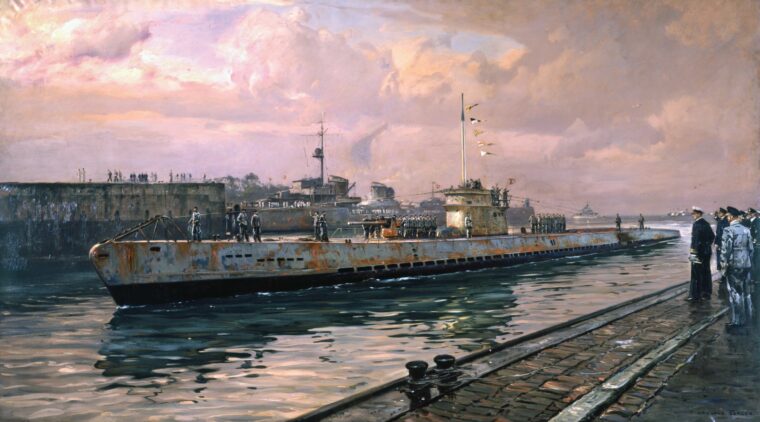
On December 9, 1941, Grand Admiral Erich Raeder, the commander of the Kriegsmarine, lifted all restrictions on German naval attacks against American vessels by his surface and submarine fleets. Read more
WWII
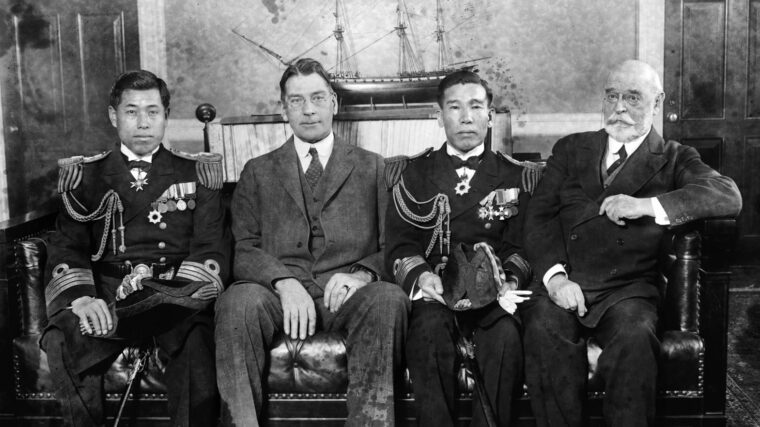
Brave, urbane, and complex, Admiral Isoroku Yamamoto was Japan’s greatest naval strategist and the architect of one of the most stunning achievements in the history of modern warfare. Read more
WWII
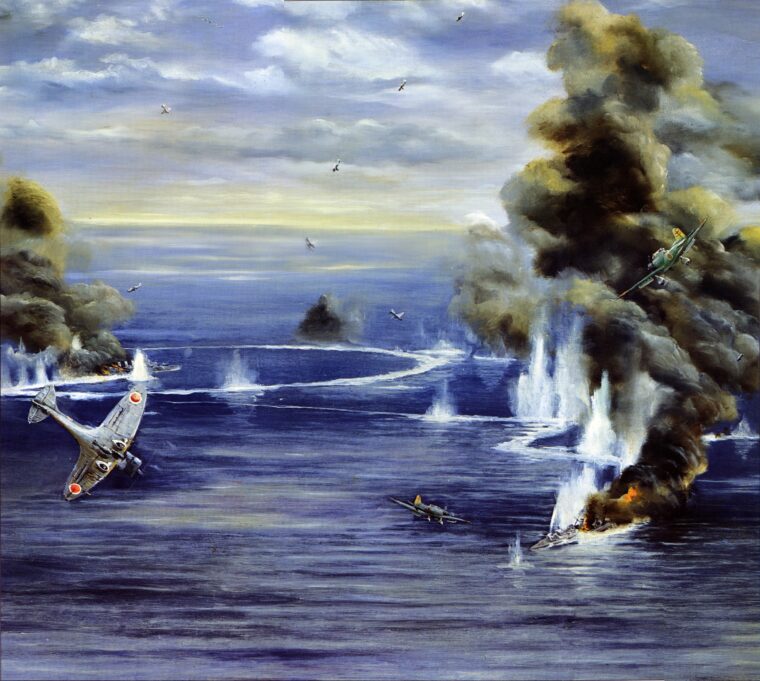
“So this is the Eastern Fleet,” ran Vice Admiral Sir James Fownes Somerville’s signal. “Never mind. Many a good tune is played on an old fiddle.” Read more
WWII
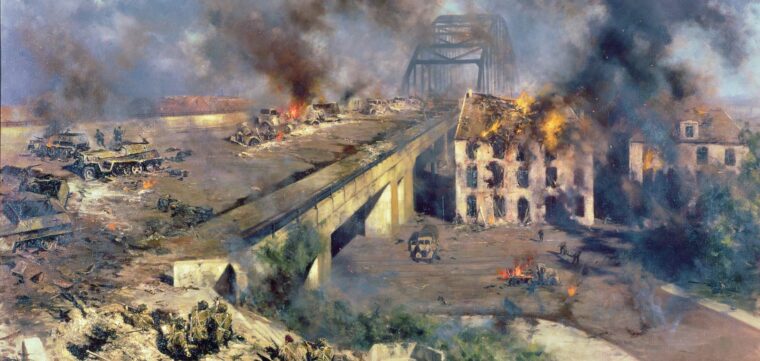
It was getting dark when they reached Arnhem bridge, but there it was, still intact.
Lieutenant Jack Grayburn’s No. Read more
WWII
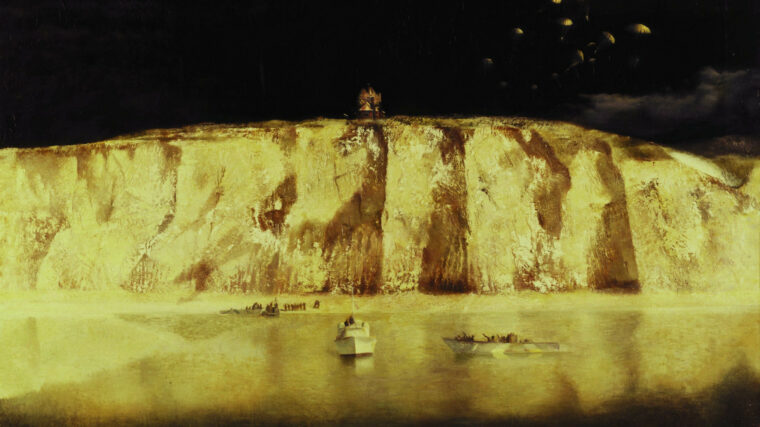
The parachute of aptly named Major J.D. Frost cracked open in the freezing air high above the French Channel coast at 12:45 am, and he commenced drifting down through the moonlit gloom. Read more
WWII
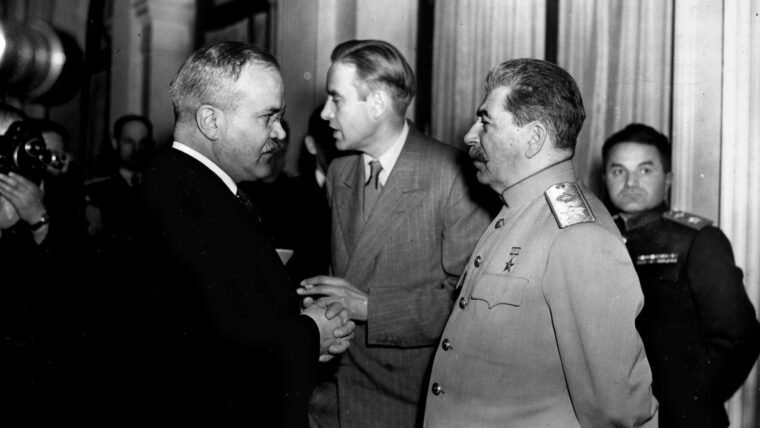
The arrival of Vyacheslav M. Molotov, the People’s Commissar for Foreign Affairs of the Soviet Union, in Berlin on a rainy November 12, 1940, was a solemn, strained occasion. Read more
WWII
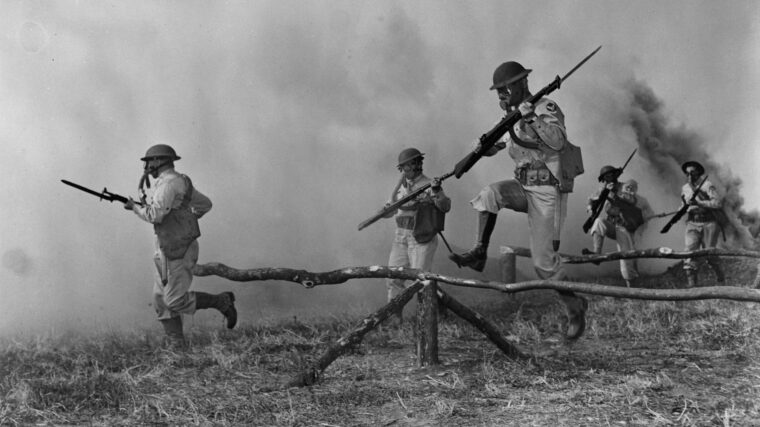
On July 17, 1941, United States Army Chief of Staff General George C. Marshall sat before the Senate Military Affairs Committee. Read more
WWII
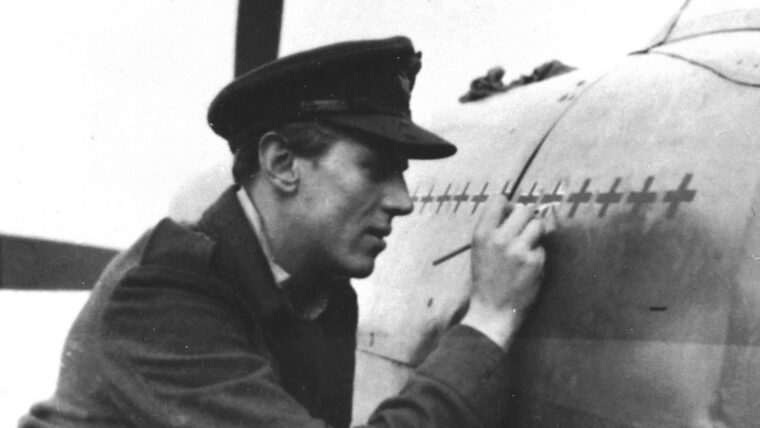
In September 1943, Canada’s top air ace, the “Falcon of Malta,” Flying Officer George Beurling, was faced with two problems. Read more
WWII
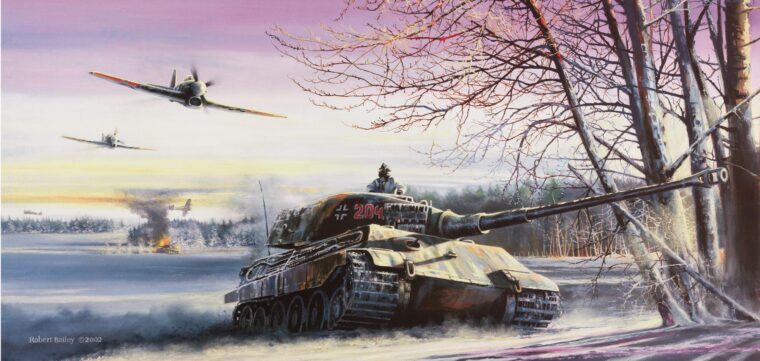
“This is the shortest day,” General Dwight D. Eisenhower, supreme commander of Allied forces in Western Europe, wrote in his diary for December 21, 1944. Read more
WWII
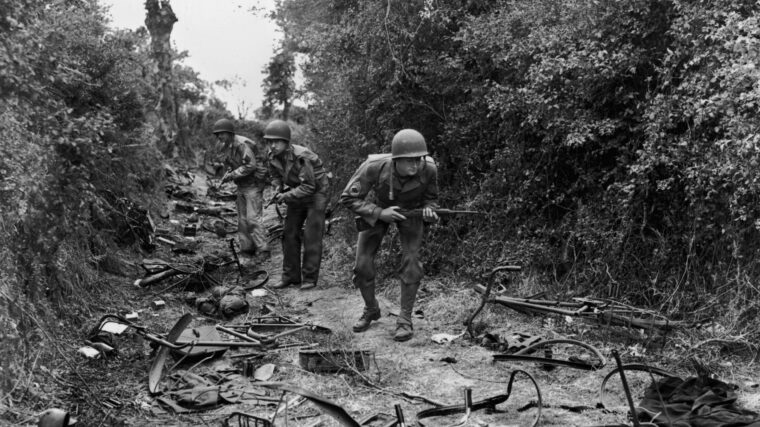
It was the storm that forced the battle. On June 19, 1944, a massive gale hit the English Channel, sweeping in from the west, hitting the gigantic artificial harbors the Allies had built on their D-Day invasion beaches. Read more
WWII
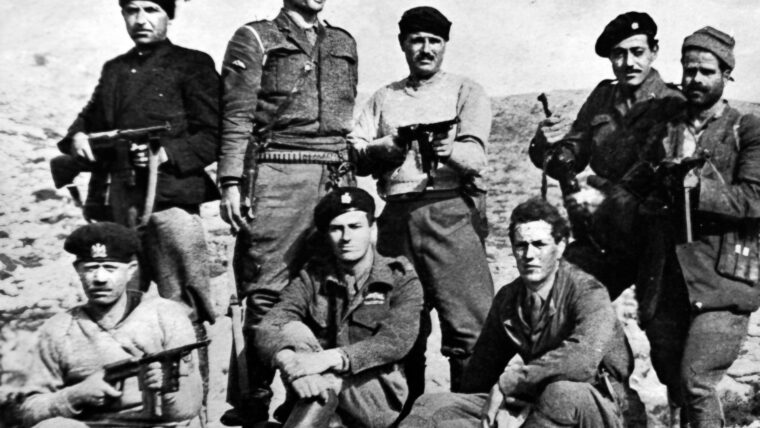
Several Allied operations targeted a single enemy commander: the unsuccessful raid on General Erwin Rommel’s headquarters in North Africa to kill the Desert Fox; the assassination of the Butcher of Prague, SS Reichsprotektor of Bohemia and Moravia Reinhard Heydrich; and the shooting down of Admiral Isoroku Yamamoto’s plane in the sky above Rabaul in 1943. Read more
WWII
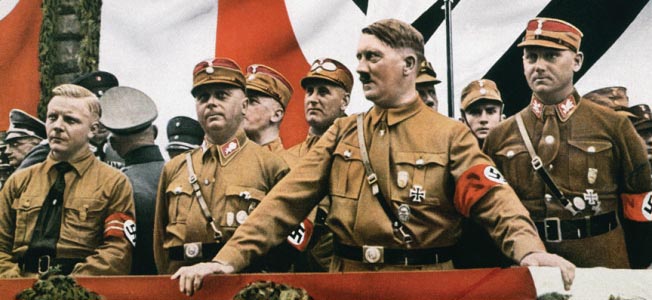
Nearly three-quarters of a century distant from the end of World War II and the defeat of Nazi Germany, one may conclude with confidence that few images of mankind’s violent history stir greater revulsion and, yes, lingering fear than that of a glowering Adolf Hitler—steely eyes gazing outward from a page or the glow of a computer screen. Read more
WWII
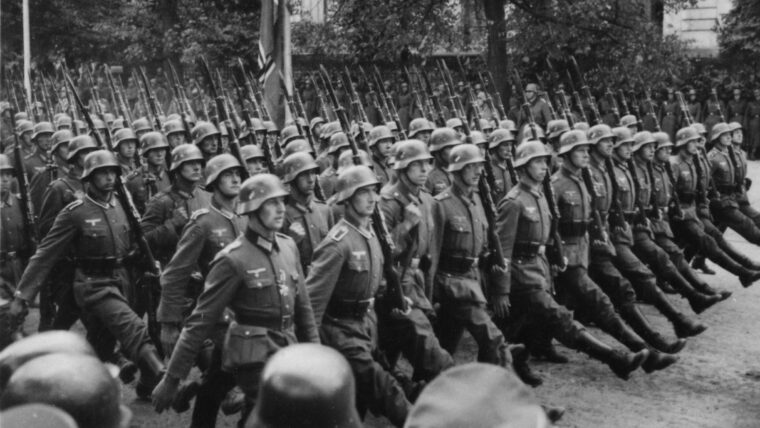
Just after midnight on September 3, 1939, a stylish young former socialite from Boston, Massachusetts, made her way toward London aboard the Harwich boat train after crossing the English Channel. Read more
WWII
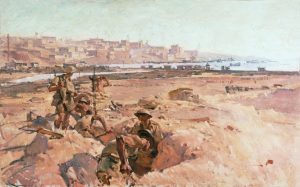
In April 1941, things were going quite well for the German armed forces. In a series of earlier campaigns, they had conquered Poland, the Low Countries, Norway, and France. Read more
WWII
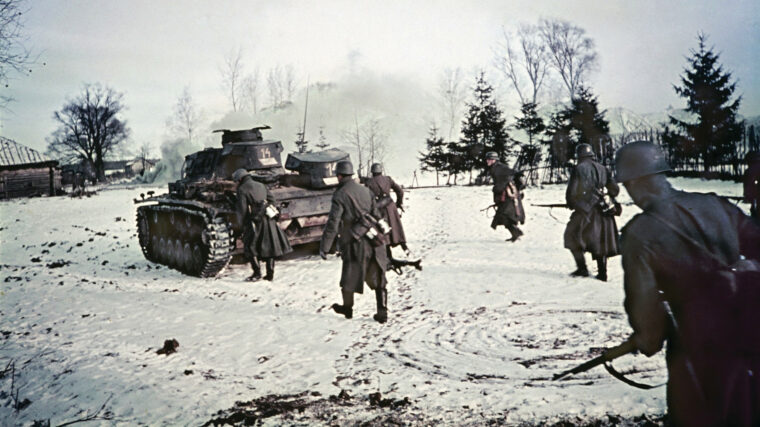
In 1976, the Soviet city of Tula joined an elite group of nine other Soviet communities designated as “Hero Cities.” Read more
WWII
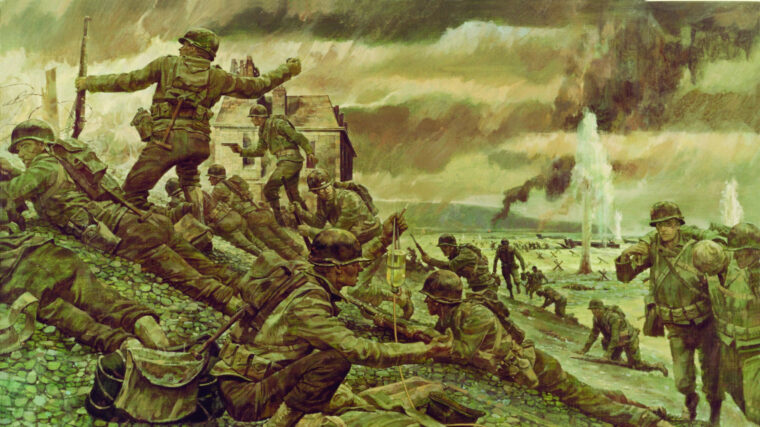
The U.S. 29th Infantry Division was formed in July 1917, three months after America entered World War I. Read more
WWII
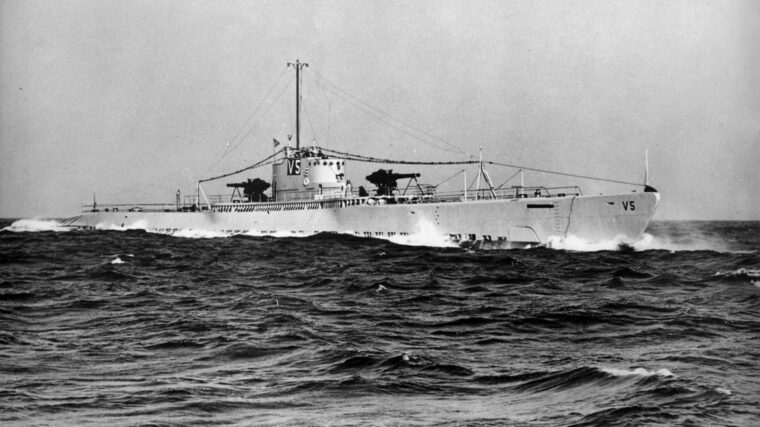
Sunsets over Manila Bay are nothing less than spectacular. Once the sun dips below the horizon there is a lingering illumination known as “blue hour” as the sky gradually shifts from pale azure to deep indigo before fading completely into the black tropical night. Read more
WWII
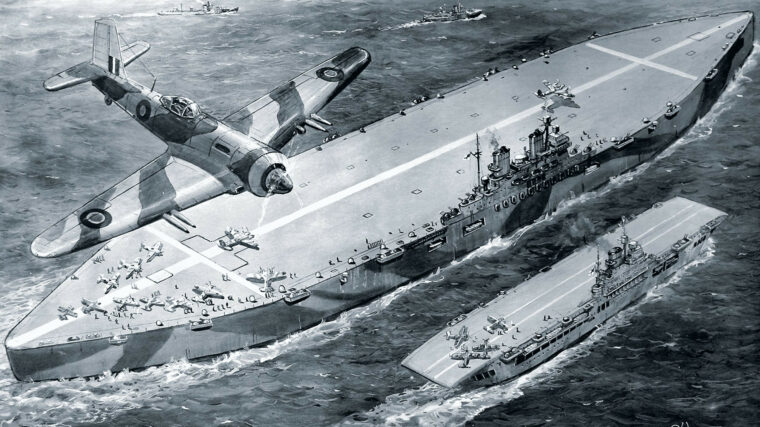
During World War II British and American aircraft carriers, serviced and ready for naval combat, averaged 20,000 to 30,000 tons. Read more