Military History
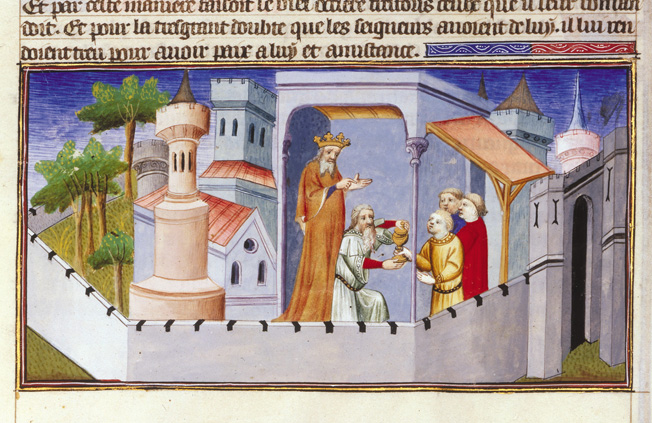
How Assassins Got Their Name
by Mark S. LongoHow the Nizari Ismailis came to be known as the Assassins is still the subject of much debate. Read more
Military History
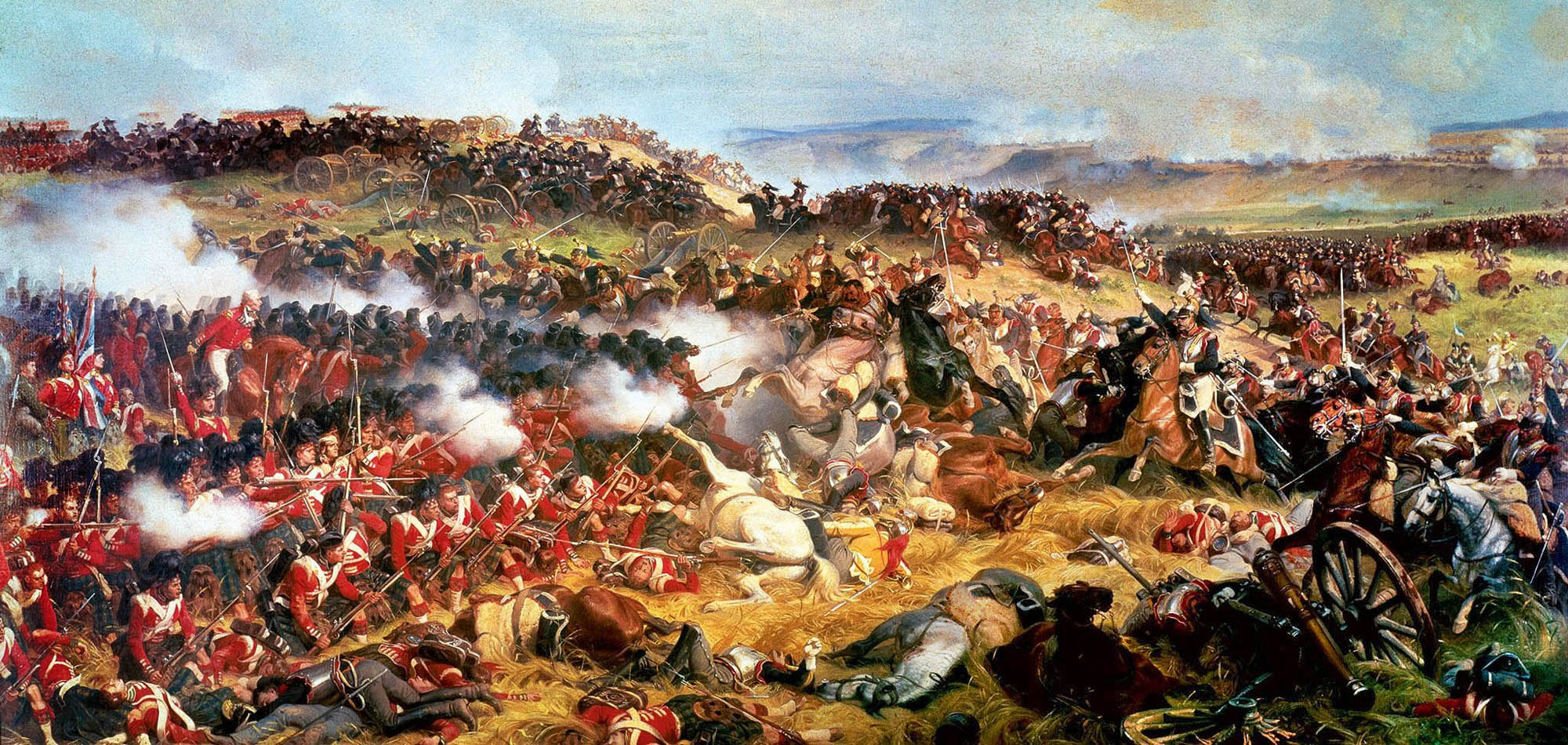
How the Nizari Ismailis came to be known as the Assassins is still the subject of much debate. Read more
Military History
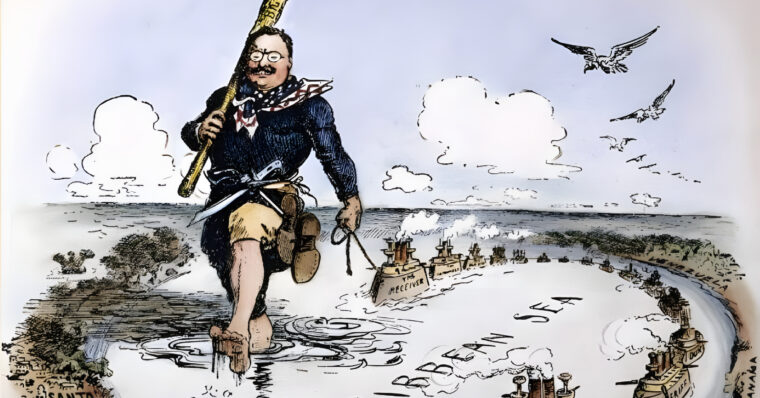
Never was Theodore Roosevelt’s famous dictum, “Speak softly and carry a big stick,” used to greater effect than in the high-stakes standoff between the American president and prickly, pugnacious Kaiser Wilhelm II of Germany over the debt crisis in Venezuela in December 1902. Read more

Military History
The kapu kulu, made up of the regularly paid troops, provided the backbone of the Ottoman Empire army. Read more
Military History
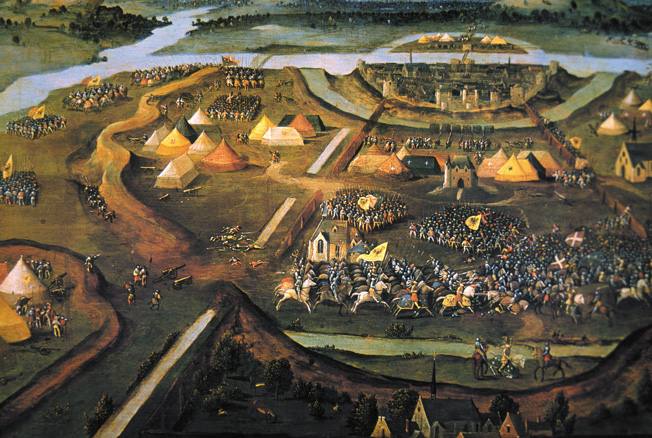
Although Charles de Lannoy, the viceroy of Naples, was the nominal commander of the Imperial forces in the battle, Fernando de Avolos, Marquis of Pescara, controlled the army’s real muscle, its arquebusiers. Read more

Military History
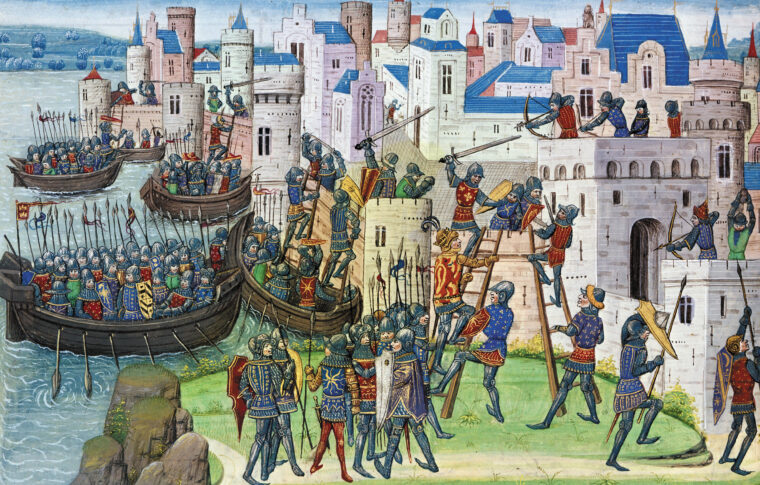
For the last eight centuries, the Chateau de Castelnaud has stood sentinel on a great limestone outcropping 525 feet above the Dordogne River in southwestern France. Read more
Military History
As a writer and editor, it’s been my privilege to spend a great deal of time in the company of my betters: ordinary men and women engaged in the often heartbreaking act of making history. Read more
Military History
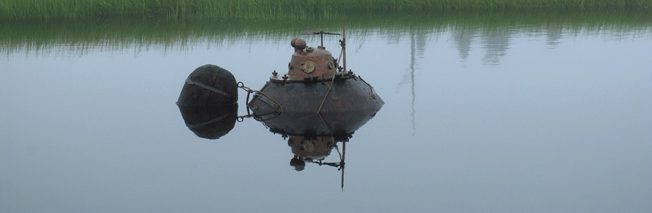
After locating and analyzing original letters and written accounts from the American Revolution, and investigating period technologies and materials, they began reconstructing the Turtle as late 18th-century craftsmen might have. Read more
Military History
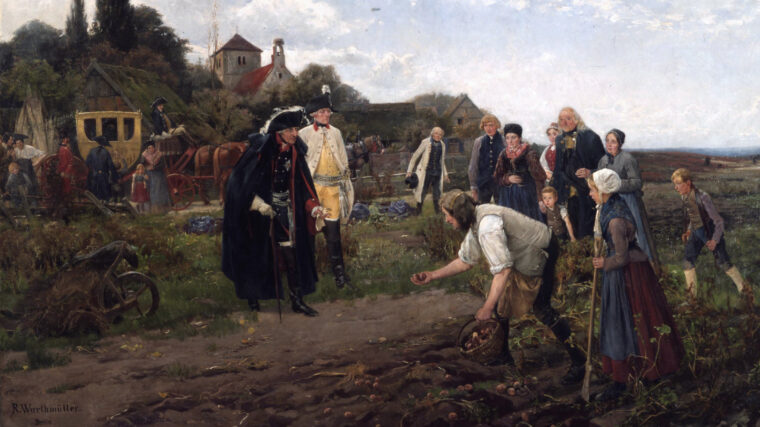
Befitting his grandiose nickname, Frederick the Great was a living embodiment of the old axiom that some people are born great, some achieve greatness, and some have greatness thrust upon them. Read more
Military History
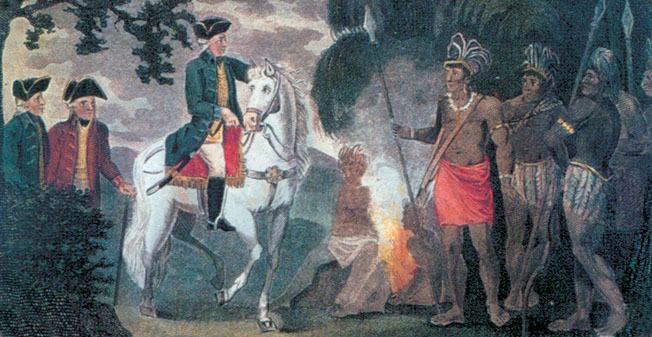
Born in Connecticut in 1747, Justus Sherwood moved west into the rugged New Hampshire Grants (later to become the state of Vermont) in 1766 where he took up trading, surveying and making potash. Read more
Military History
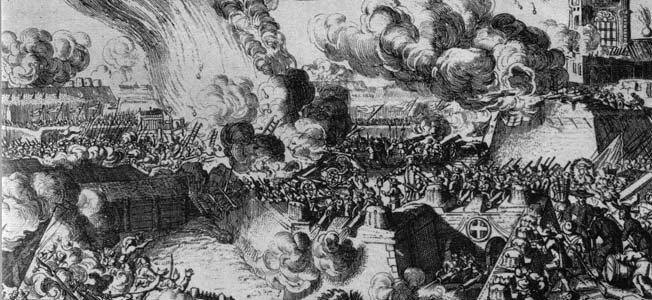
by Ludwig Heinrich Dyck
Ever since Constantinople fell to the Ottoman Turks in 1453 they became the relentless terror of Christendom. Read more
Military History
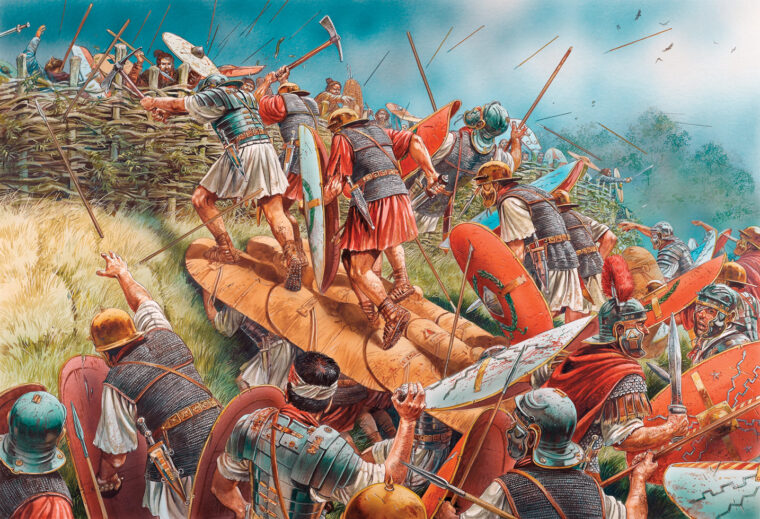
With their proclivity for feats of engineering, the Romans methodically advanced their frontiers. The glory-seeking Roman generals saw a wide river, mountain chain, or expansive swath of desert as a challenge. Read more

Military History
After successfully concluding the First Anglo-Dutch War, English strongman Oliver Cromwell turned his severe Puritan attentions to Spain or, more accurately, to Spain’s far-flung possessions in the New World. Read more
Military History
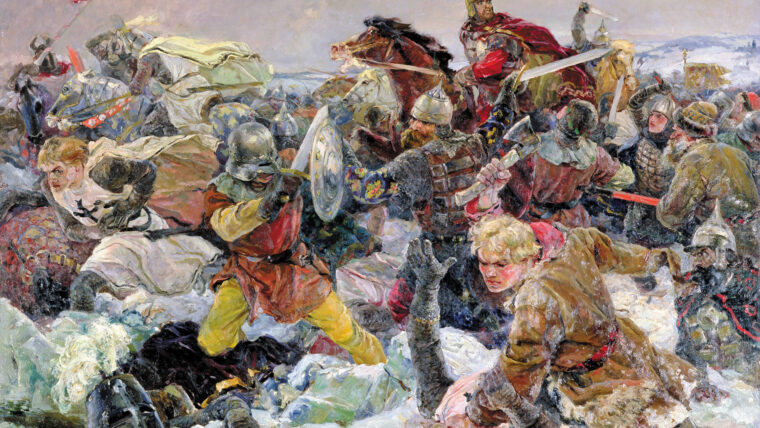
In the early 13th century, the Baltic frontier in central Europe remained a hostile and uninviting place. Pagan Europeans far outnumbered Christians, and the area was a focal point for constant conflict between mutually exploitive neighbors slavering to carve out new territorial holdings at the expense of anyone who stood in their way. Read more
Military History
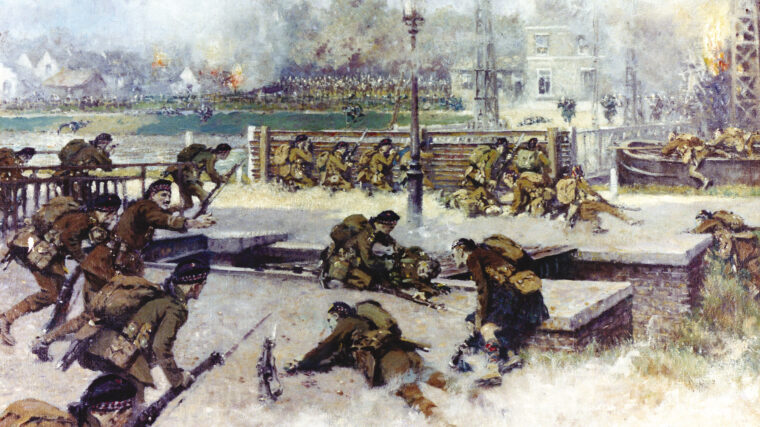
Some Tommies swore it had been St. George, the warrior saint of England. Others said the “Angels of Mons” might have been St. Read more
Military History
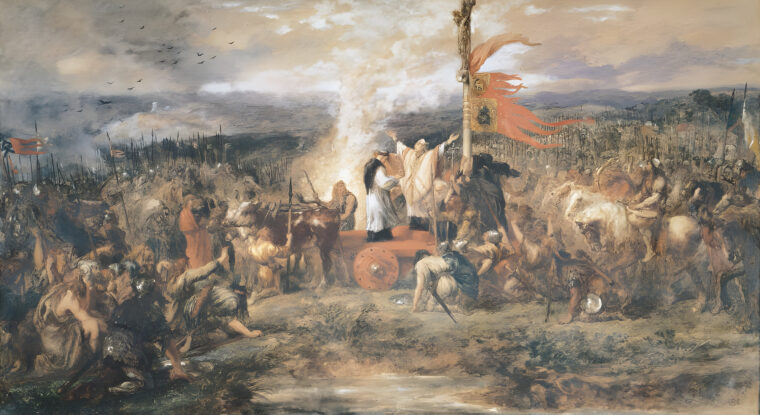
The English commander, William de Aumale, heard the roar of the Scots army even before it appeared out of the early morning mists. Read more
Military History
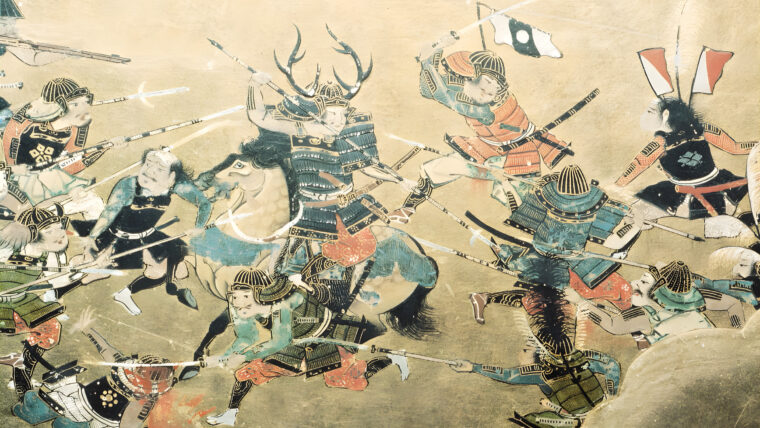
In 1611 Tokugawa Ieyasu had every reason to be pleased with himself. His son Hidetada was Shogun, supreme warlord of Japan, but in truth it was Ieyasu who ruled the country behind the scenes. Read more
Military History
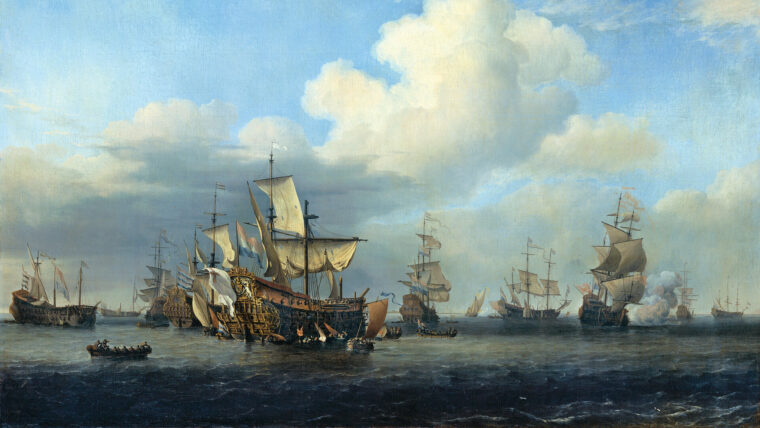
Admiral General George Monck, first Duke of Albemarle, walked into the great cabin of his flagship Royal Charles with a calm and determined air, tersely greeting his assembled captains before they all sat down at a large table. Read more
Military History
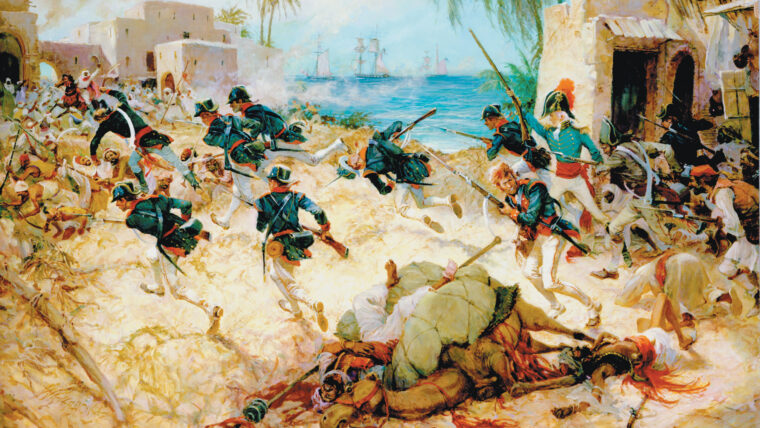
Most Americans can recite the second line of the immortal “Marine Hymn” by memory, but few actually know what it means. Read more
Military History
Dashing hussars in beautifully braided dolmans and fur-lined pelisses; chasseurs in their brilliant green uniforms; the heavy cavalry of cuirassiers in their glistening breastplates, mounted on magnificent chargers; and the dragoons, wearing brass Grecian helmets with long, flowing manes of black horsehair—all magnificent in their martial and fashionable airs. Read more
Military History
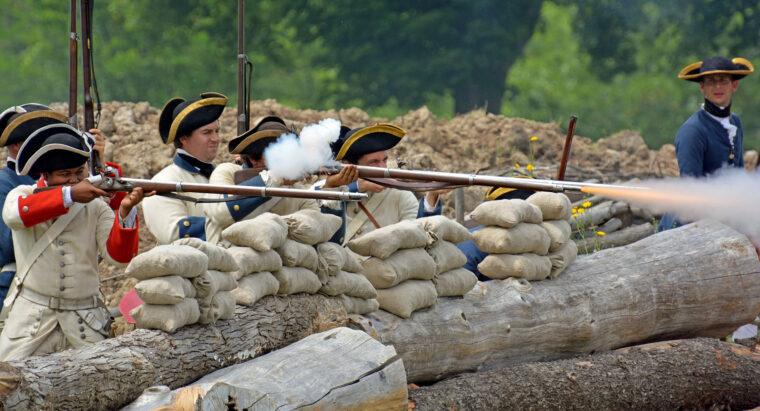
On the morning of July 8, 1758, the largest field army yet gathered by the British Empire in North America stood a mile from a French stone fort in the forests of what was then the colony of New York. Read more