Military History
The Oseberg Viking Ship
by Michael HaskewWithout the use of their fine longships that carried the Vikings along narrow rivers and across the open seas, the era of Norse expansion could not have occurred. Read more
Military History
Without the use of their fine longships that carried the Vikings along narrow rivers and across the open seas, the era of Norse expansion could not have occurred. Read more
Military History
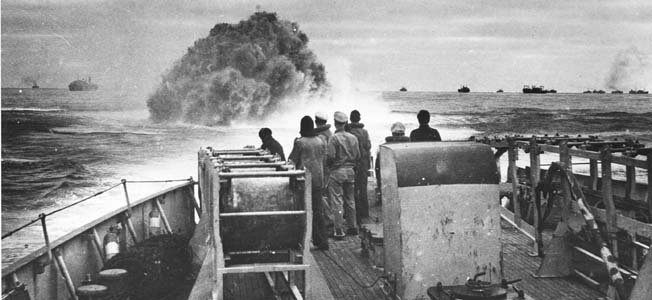
The German invasion of Denmark and Norway, known as Operation Weseruebung, heralded a new stage in warfare in which cooperation of air, land, and sea forces was essential for successful offensive operations. Read more
Military History
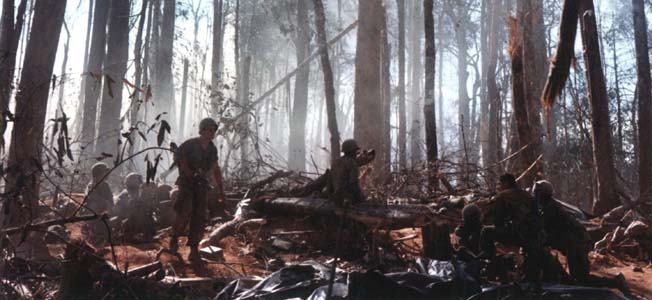
The helicopter came of age during the Vietnam War, performing a variety of tasks from troop transportation and deployment to the evacuation of wounded personnel, the delivery of supplies, offensive firepower, and observation. Read more
Military History
On an early autumn day along Snake Creek in the Montana Territory Nez Perce children played with sticks and mud balls. Read more
Military History
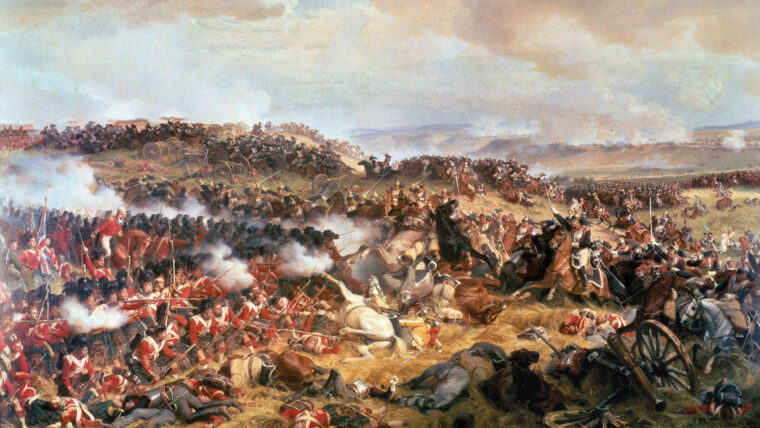
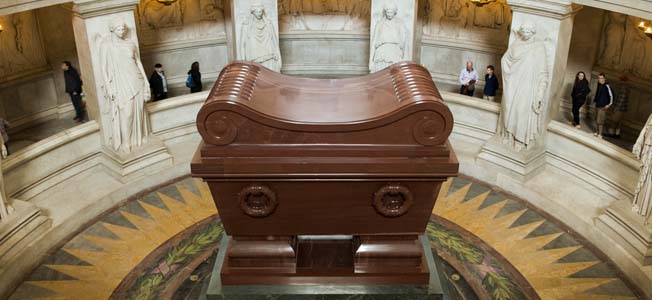
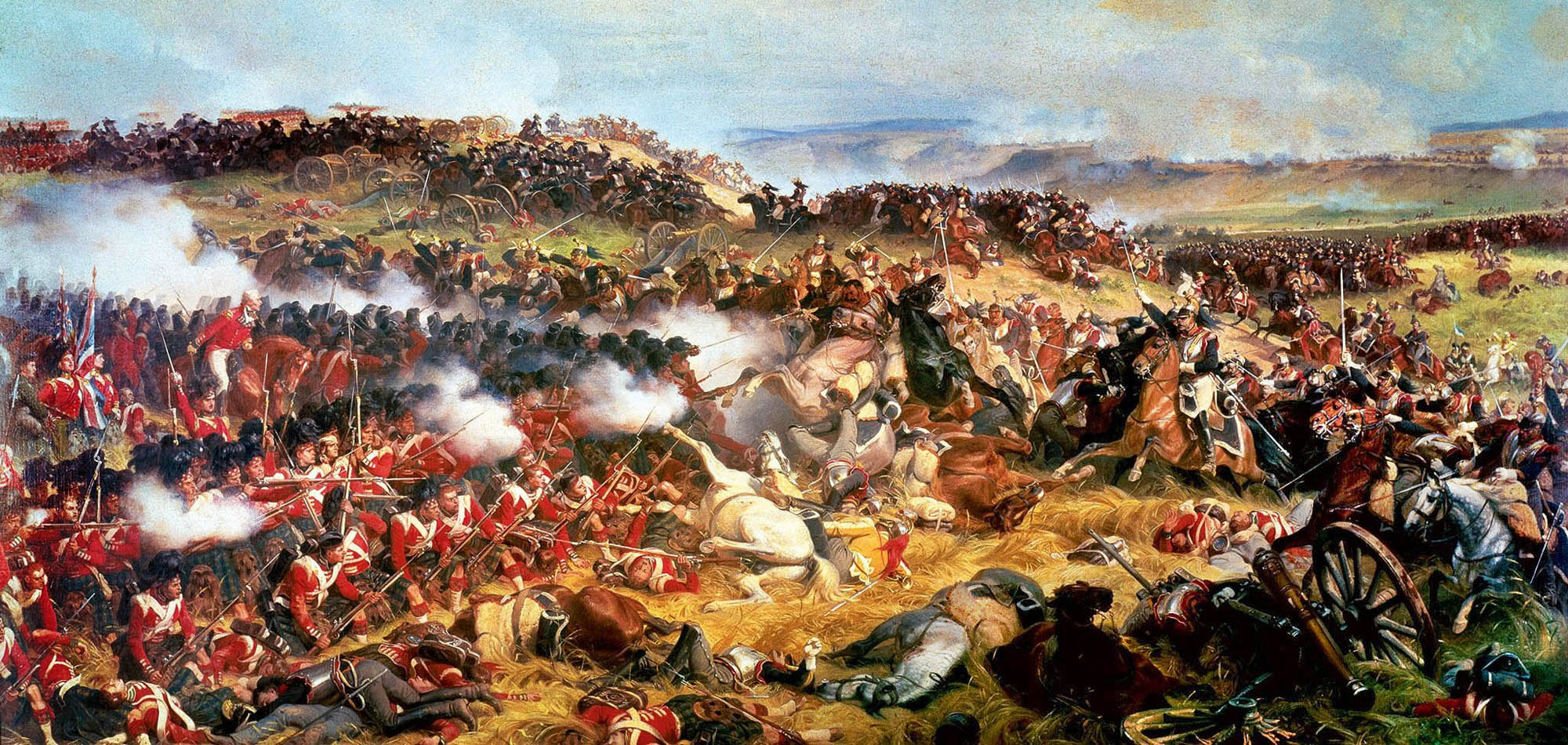
Two centuries after his catastrophic defeat, historians may well point to Napoleon Bonaparte’s supreme self-confidence as his worst enemy at the Battle of Waterloo, fought June 18, 1815. Read more
Military History
Known as the “bravest of the brave” to the soldiers of the French Army, Marshal Ney was one of the original 18 Marshals of the French Empire. Read more
Military History
A master of the tactical defensive posture, the Duke of Wellington, later known as the “Iron Duke” for his military prowess, chose his ground well at Waterloo. Read more
Military History
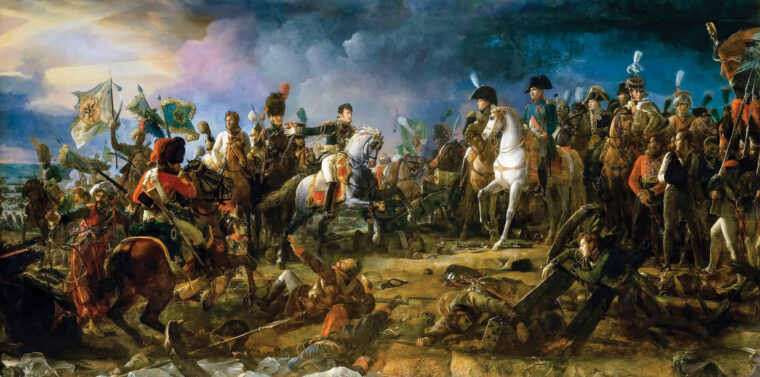
An artillery officer early in his military career, Napoleon Bonaparte understood the potential for big guns to influence the outcome of a major battle. Read more
Military History
While the Battle of Waterloo is remembered as one of the most pivotal in history and its date of June 18, 1815, is well known, the actual hour it began is strangely uncertain. Read more
Military History
As the afternoon of June 18, 1815, waned at Waterloo, thousands of men and horses lay dead and dying. Read more
Military History
In the July 5, 1922, edition of the New York Tribune, the poem “Unconvinced” by James J. Montague was published. Read more
Military History
Few mortals commanded such intense devotion from their troops as did French Emperor Napoleon I, and fewer soldiers still can claim to have had a direct hand in helping to save the life of their commander. Read more
Military History
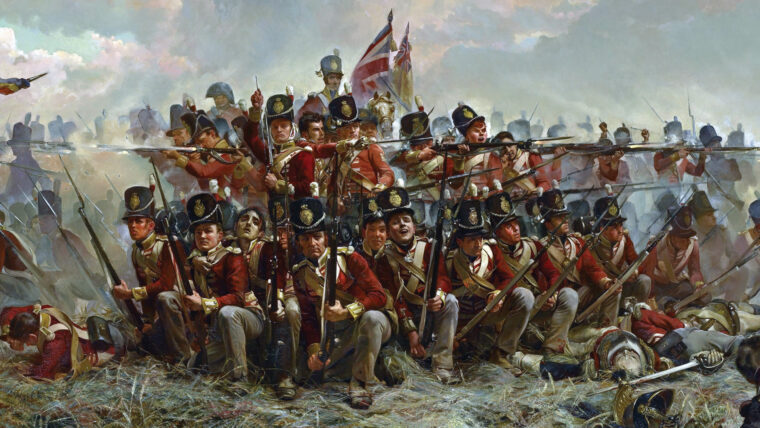
Political unrest in France and public disenchantment with King Louis XVIII prompted exiled emperor Napoleon Bonaparte to return to his country from the island of Elba in the spring of 1815. Read more
Military History
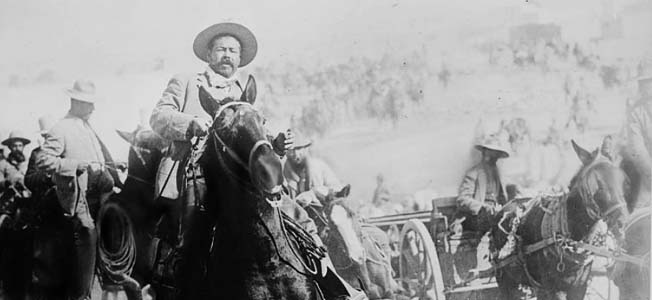
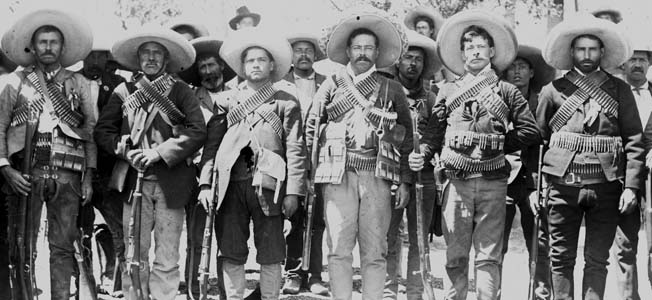
Like so many other prominent leaders in history, Doroteo Arango Arambula was born in obscurity, the son of a poor sharecropper in San Juan del Rio in the state of Durango, Mexico. Read more
Military History
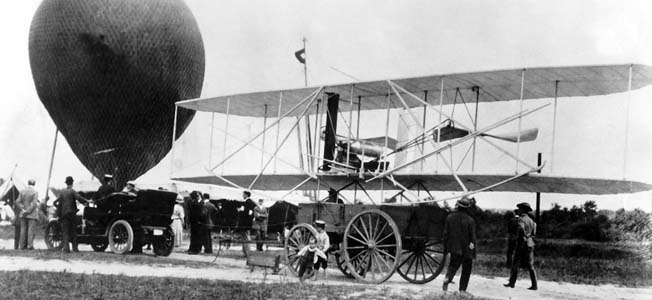
On March 25, 1898, Assistant Secretary of the Navy Theodore Roosevelt recommended that two officers “of scientific attainment and practical ability” be appointed to investigate the Samuel P. Read more
Military History
In 1898, Samuel P. Langley’s first flying prototype sparked interest from the U.S. Navy, which immediately began looking for military applications. Read more
Military History
As American involvement in Vietnam escalated throughout the 1960s, American military commanders struggled to justify their strategy of attrition and prove that an end to the war was in sight. Read more
Military History
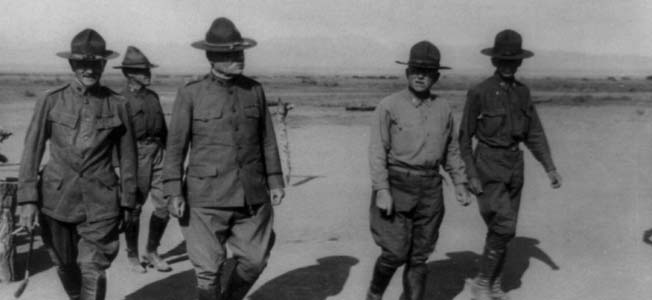
Five days after the March 9, 1916, raid on Columbus, New Mexico, in which at least 17 Americans were killed, President Woodrow Wilson instructed General John J. Read more
Military History
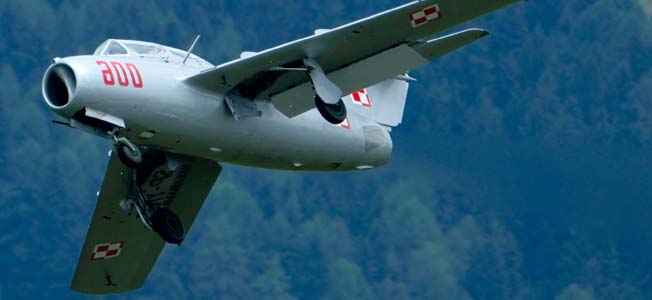
The Korean War was not only a landmark conflict under the guidance of the United Nations, but it was also the first serious testing ground for jet-to-jet combat. Read more
Military History
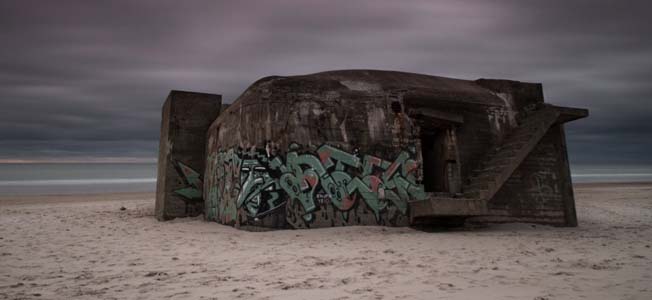
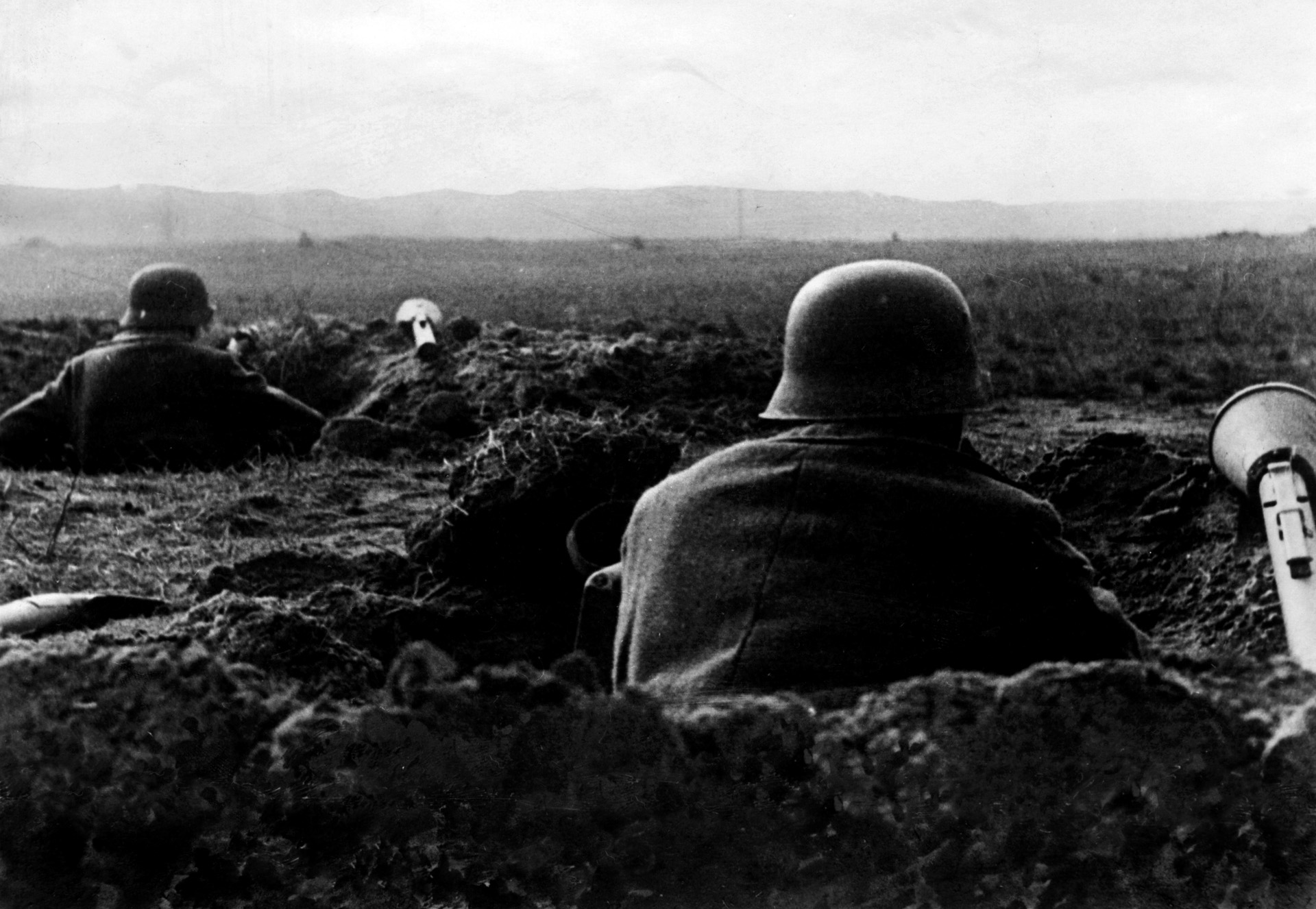
It was built by forced laborers and designed to defend over 2,000 miles of coastline from the Allies. Read more