Civil War
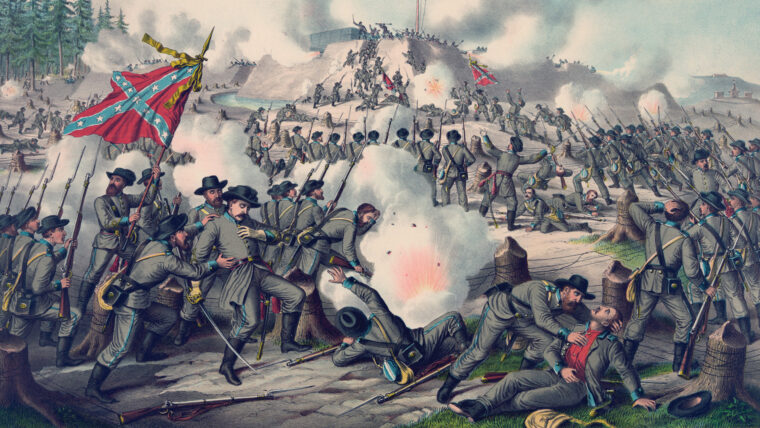
The Knoxville Campaign: Battle of Fort Sanders
By Arnold BlumbergAfter the crushing Union defeat at the Battle of Fredericksburg on December 13, 1862, President Abraham Lincoln relieved Maj. Read more

Civil War
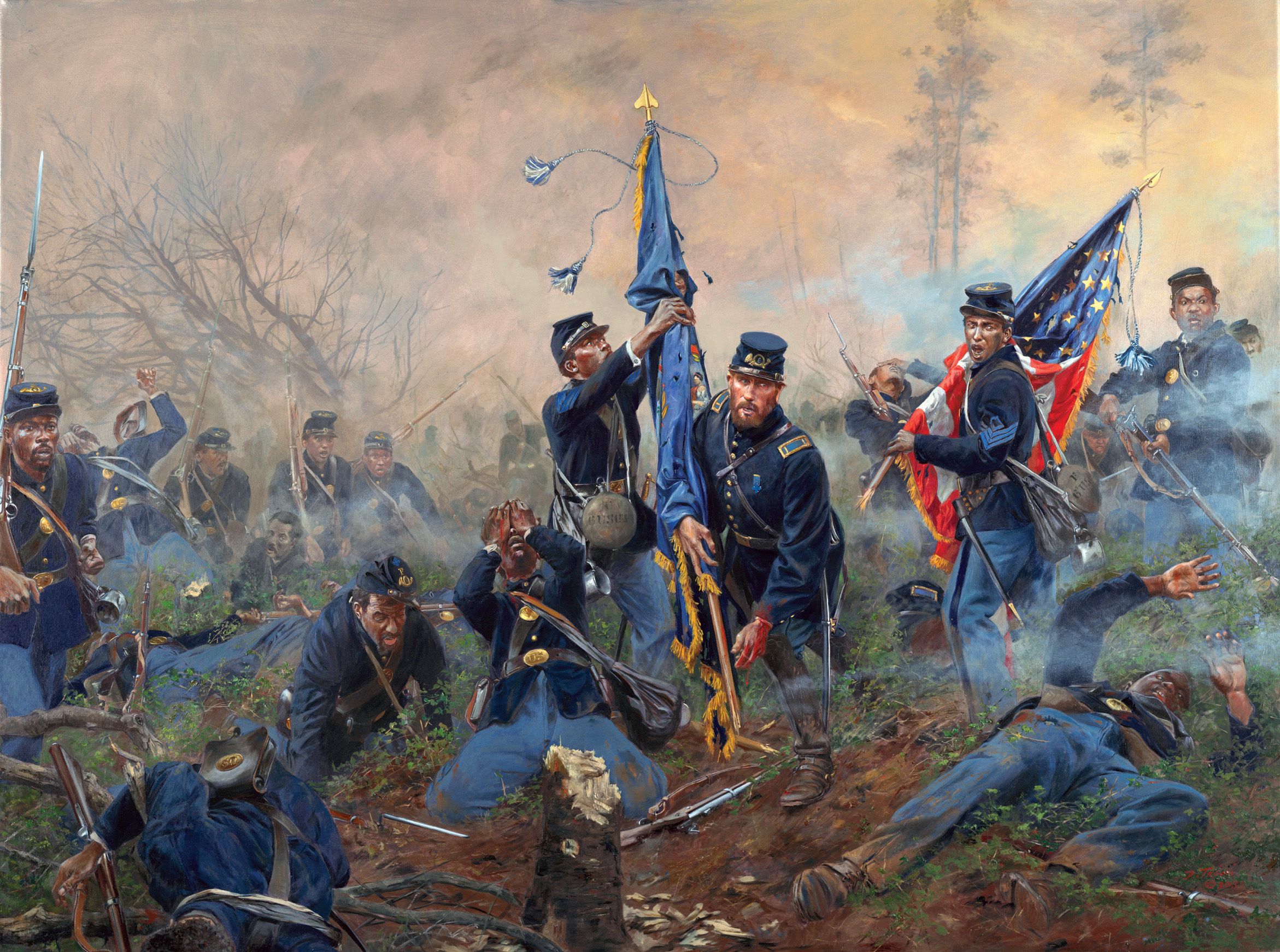
After the crushing Union defeat at the Battle of Fredericksburg on December 13, 1862, President Abraham Lincoln relieved Maj. Read more
Civil War
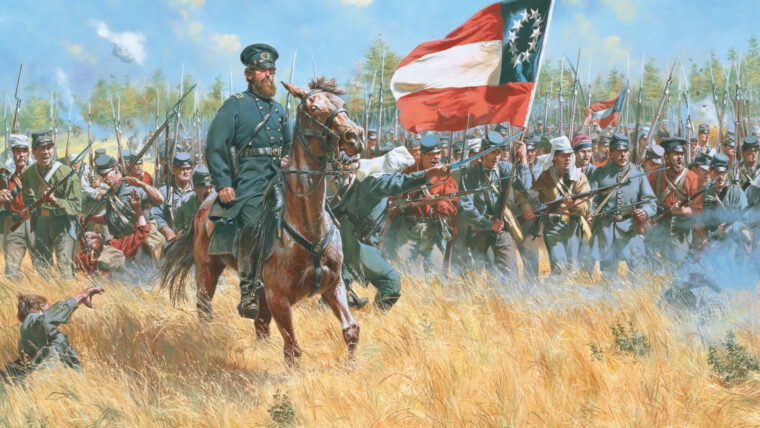
On March 4, 1861, with war clouds threatening the land, Abraham Lincoln was inaugurated the 16th president of the United States. Read more
Civil War
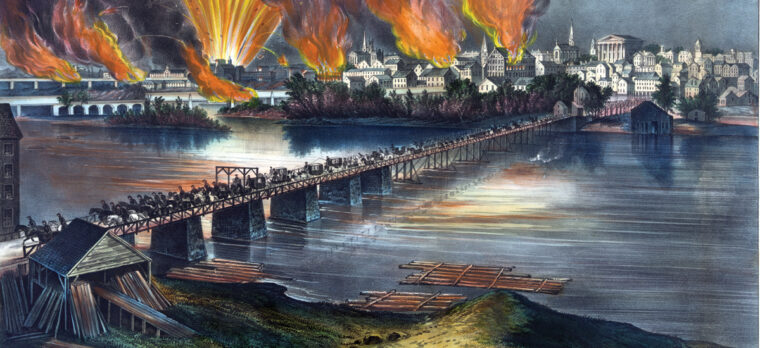
When the end came, on April 2, 1865, Confederate President Jefferson Davis was sitting in his customary pew at St. Read more
Civil War
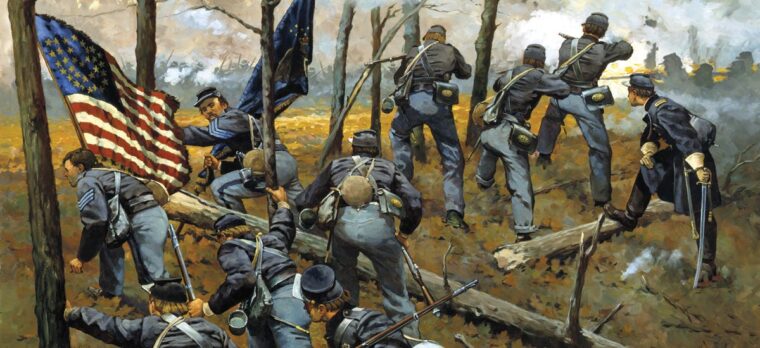
It was raining heavily, a deluge of almost Biblical proportions that hammered down on the exhausted men of the Union’s Army of the Tennessee. Read more
Civil War
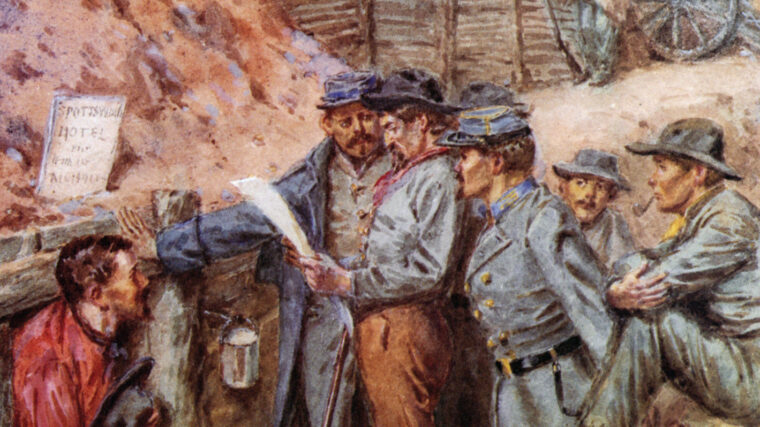
“For sugar the government often got sand; for coffee, rye; for leather, something no better than brown paper; for sound horses and mules, spavined beasts and dying donkeys; and for serviceable muskets and pistols, the experimental failures of sanguine inventors, or the refuse of shops and foreign armories.” Read more
Civil War
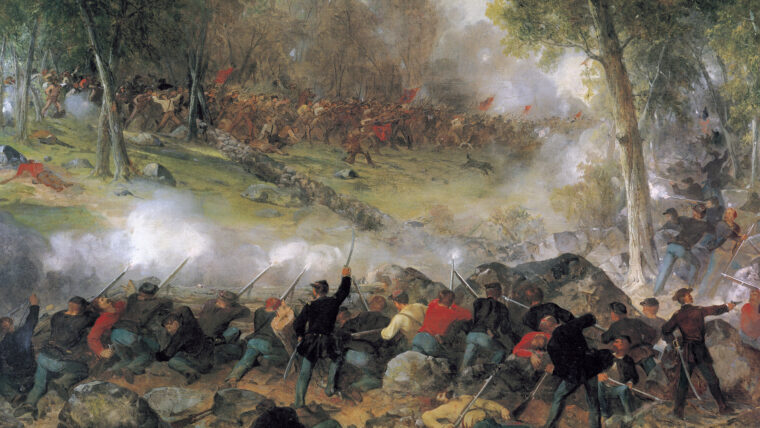
As they formed ranks on the Hanover Road one mile east of Gettysburg, Pennsylvania, on the afternoon of July 2, 1863, the men in the II Corps of the Army of Northern Virginia stared anxiously at the giant boulders and towering oak trees dotting the humpbacked prominence known as Culp’s Hill, three quarters of a mile southeast of town. Read more
Civil War
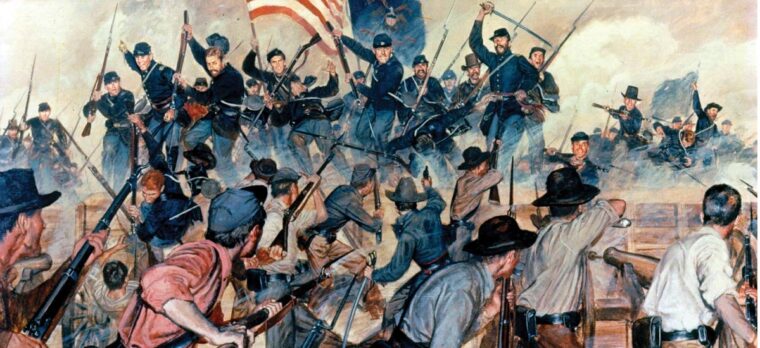
By Frank Jastrzembki
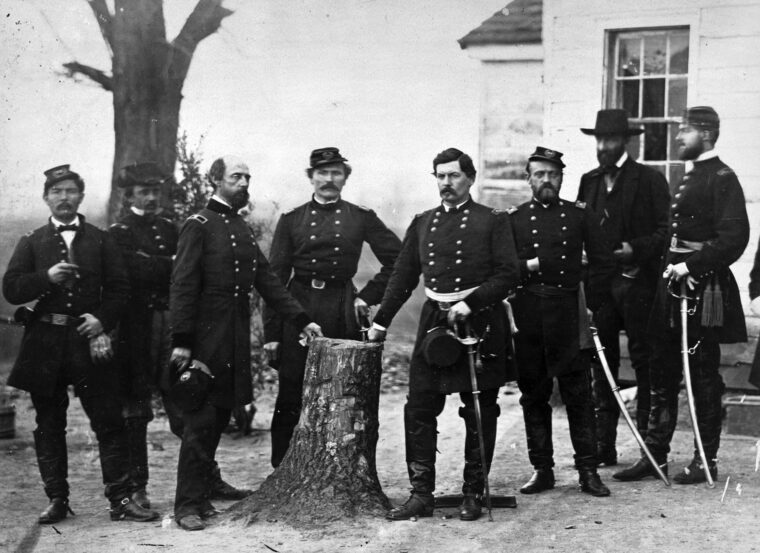
Five busts of his greatest lieutenants during the Civil War watch over the sarcophagus of Lt. Gen. Ulysses S. Read more
Civil War
After an almost uninterrupted, four-month-long string of Union successes beginning in early 1862, followed by the advance of a 100,000-man enemy army to the eastern outskirts of its capital at Richmond, Virginia, the Confederacy suddenly found itself in a life-or-death struggle for its very survival. Read more
Civil War
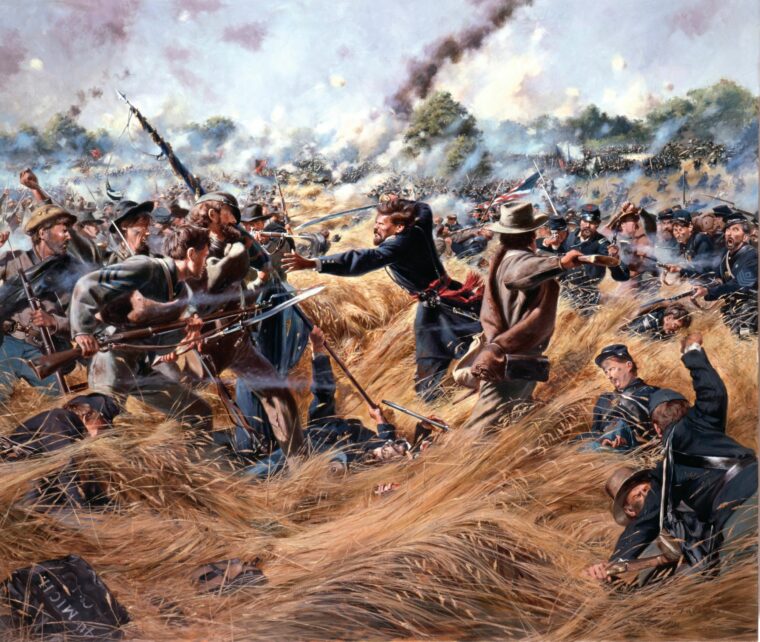
It was about four o’clock in the afternoon of July 2, 1863, when Colonel Ira Coray Abbott ordered his regiment to halt on a low rise called “Stony Hill,” near Gettysburg, a small town in southern Pennsylvania. Read more
Civil War
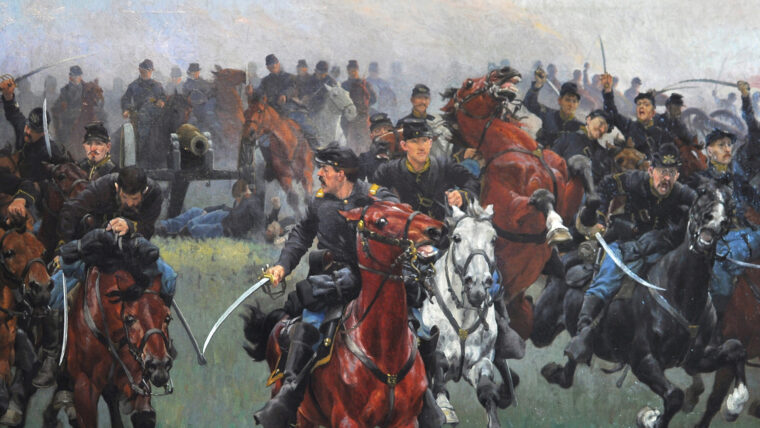
The celebrated 2nd U.S. Cavalry, like its brother regiment the 1st U.S. Cavalry, was formally created by an act of Congress in March 1855. Read more
Civil War
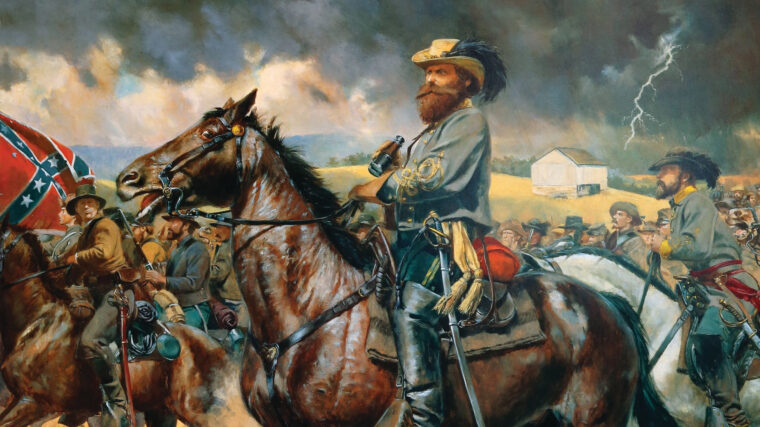
Late in the evening of July 3, 1863, Major General James Ewell Brown “Jeb” Stuart was summoned to the headquarters of Robert E. Read more
Civil War
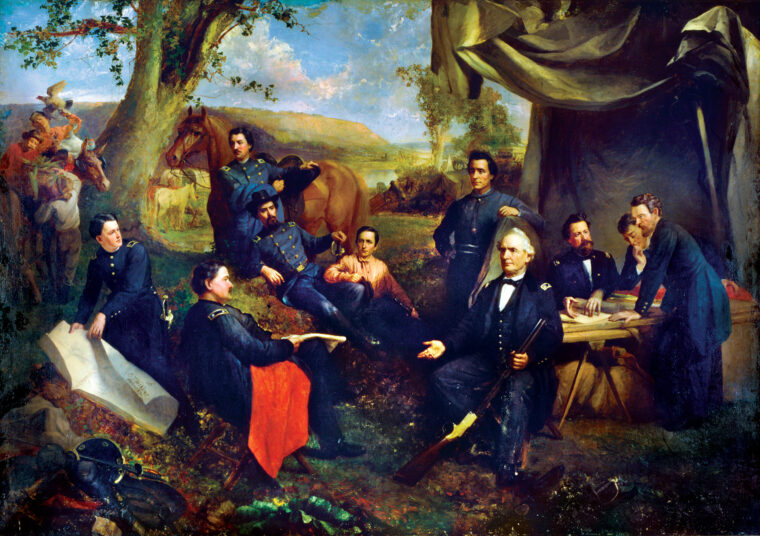
When the Civil War erupted, so many of Lisbon, Ohio-born Robert McCook’s large extended family joined the Union Army that the clan became known as the “Fighting McCooks.” Read more
Civil War
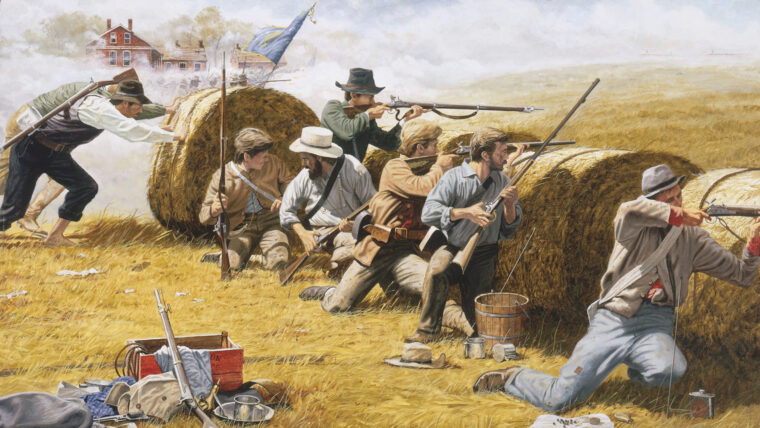
Brigadier General James S. Rains’s Confederate cavalry rode confidently toward the prosperous little town of Lexington, Missouri. Dressed in Missouri homespun, Rains’s men hardly looked the part of a flying military column, but most of the hard-riding horsemen had known only victory during their short service. Read more
Civil War
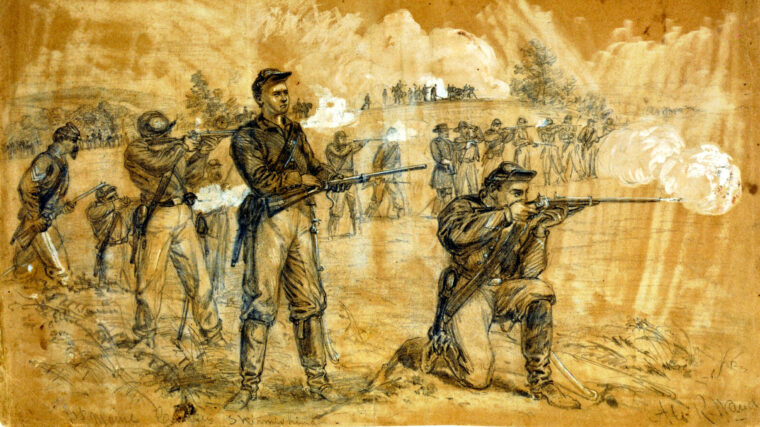
For the Federal government at Washington, D.C., the news from Tennessee was grim in late September 1863. The Union Army of the Cumberland, under Maj. Read more
Civil War
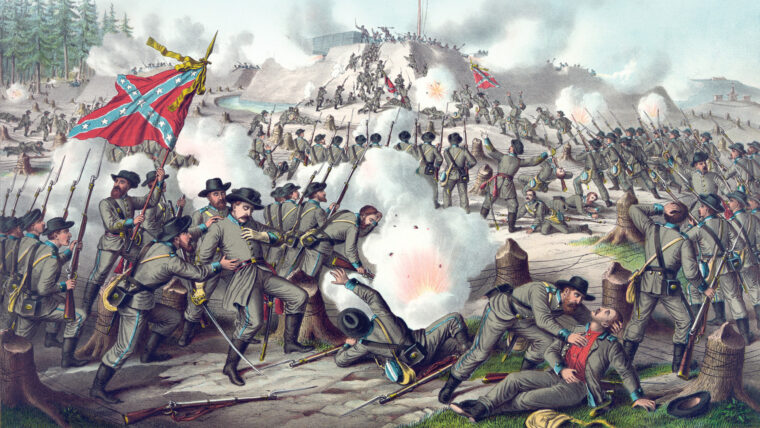
At midnight on November 13, 1863, two companies of the Palmetto (South Carolina) Sharpshooters Regiment led by Captain Alfred Foster slipped down to the south bank of the Tennessee River at Huff’s Ferry. Read more
Civil War
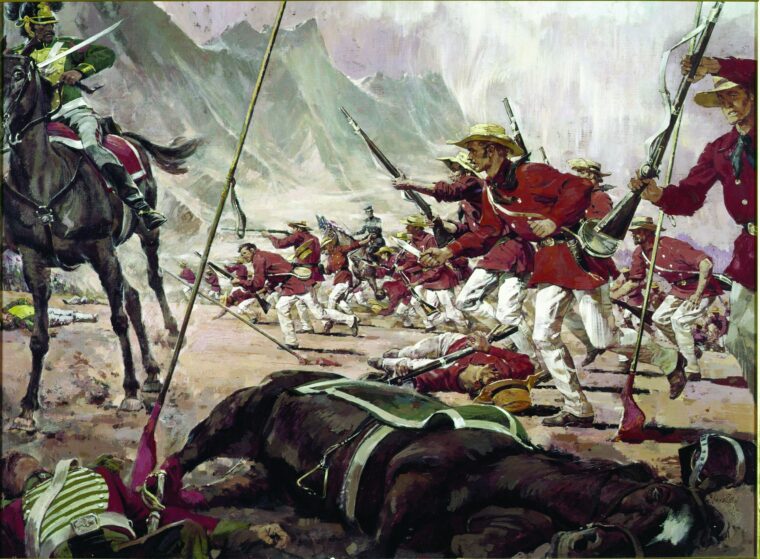
On September 20, 1846, Colonel Jefferson Davis and a regiment of untested Mississippi volunteers stood before the fortress of La Teneria at Monterrey in northern Mexico. Read more
Civil War
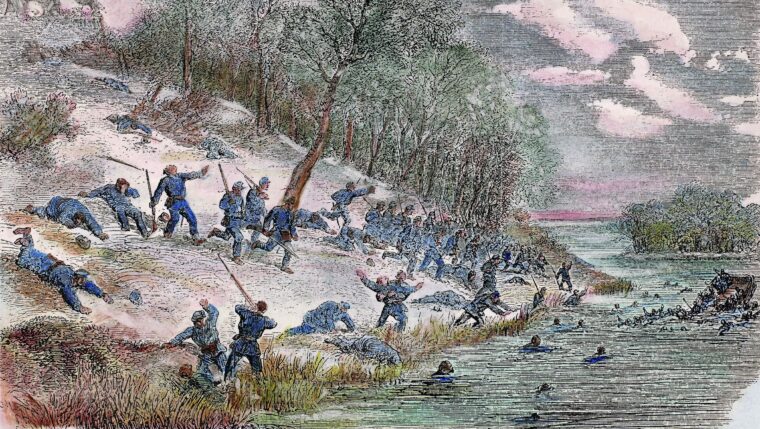
For all his great political skills, Abraham Lincoln was a man who made few close personal friends. He was both too private and too ambitious to court a large number of intimate acquaintances. Read more
Civil War
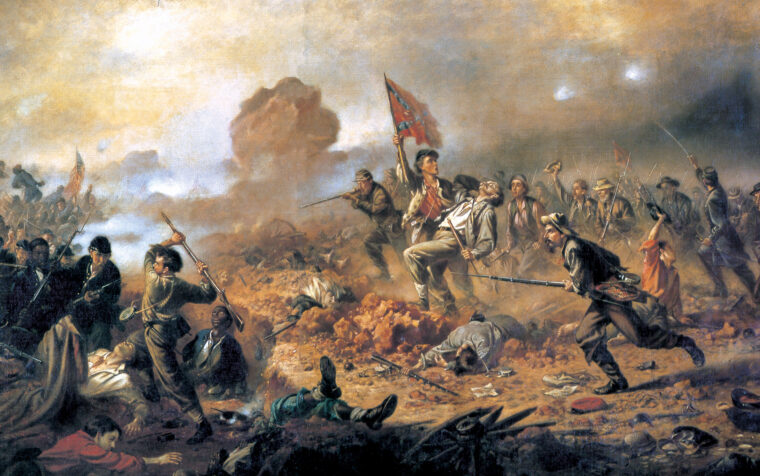
It was just after 3 am on Saturday, July 30, 1864. A month of relative quiet along a two-mile stretch of Union and Confederate trench lines immediately east of Petersburg, Virginia, was about to come to an explosive end. Read more
Civil War
By Eric Niderost
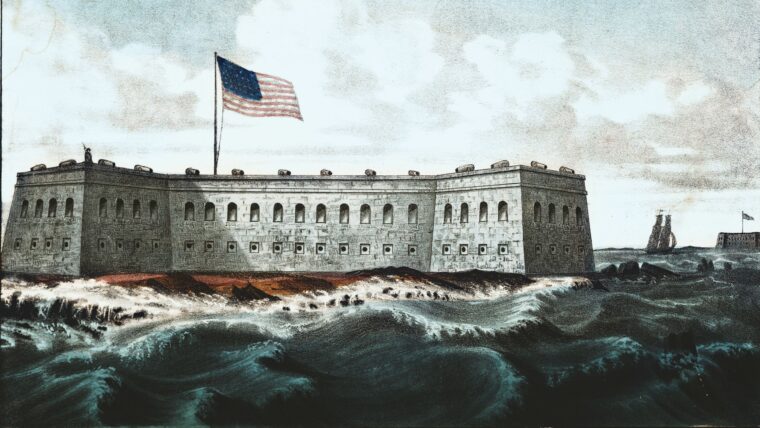
The election of Abraham Lincoln as president in November 1860 caused a national crisis of unprecedented scope. For years, Southern firebrands had defended slavery and exalted the principle of states’ rights. Read more
Civil War
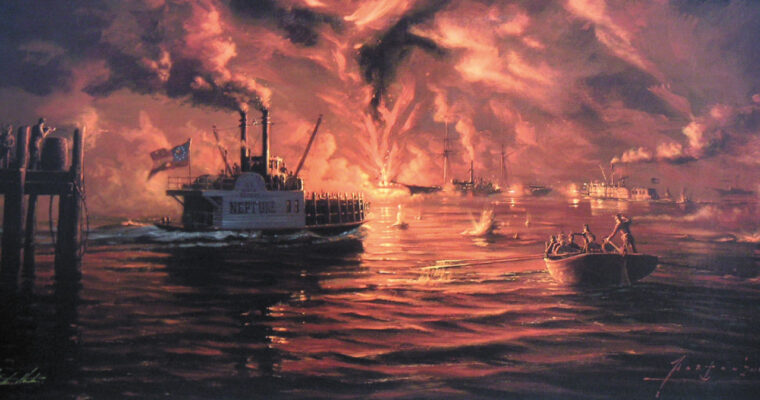
When Texas seceded from the Union on February 1, 1861, it did not take long for the new Confederate government to realize that the state’s 385-mile coastline was extremely vulnerable to enemy assaults. Read more