Civil War
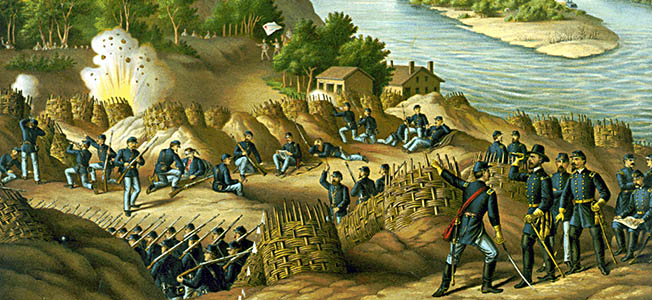
The Battle of Vicksburg & The Hardships of Military Siege
By William E. WelshThe defenders of Vicksburg, clad in tattered uniforms, stood drenched in sweat at their posts on the morning of May 22, 1863. Read more

Civil War
The defenders of Vicksburg, clad in tattered uniforms, stood drenched in sweat at their posts on the morning of May 22, 1863. Read more
Civil War
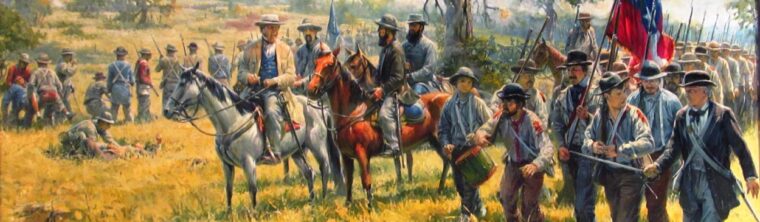
The morning of August 10, 1861, dawned damp and hot. A steady drizzle fell on the large Confederate encampment on the still waters of Wilson’s Creek. Read more
Civil War
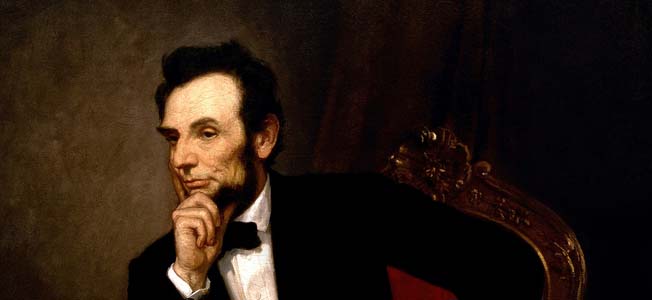
The 16th President of the United States, Abraham Lincoln was elected to the highest office in the land in November 1860, and the event prompted the secession of numerous southern states beginning with South Carolina the following month. Read more
Civil War
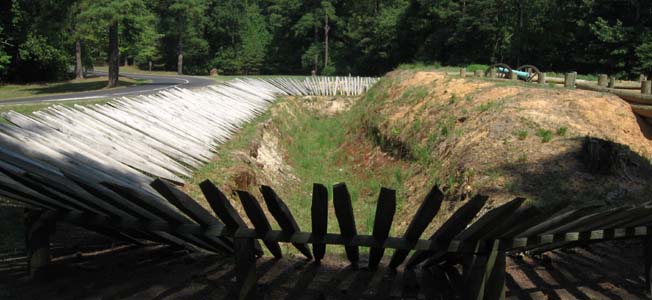
When you mention the Petersburg campaign to someone familiar with Civil War battles, chances are the discussion will turn to the Battle of the Crater. Read more
Civil War
General George McClellan was a key figure in the prosecution of the American Civil War, particularly during 1862, when he led the Union Army of the Potomac during the Peninsula Campaign, a failed offensive to capture the Confederate capital of Richmond in the spring, and the Battle of Antietam, the bloodiest single day in American history, on September 17, 1862. Read more
Civil War
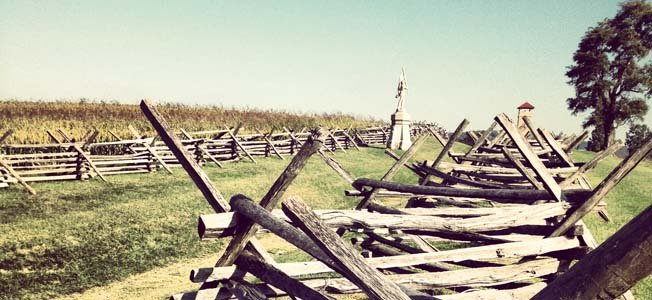
The harvest of death in the farm fields of western Maryland was a heavy one on September 17, 1862. Read more
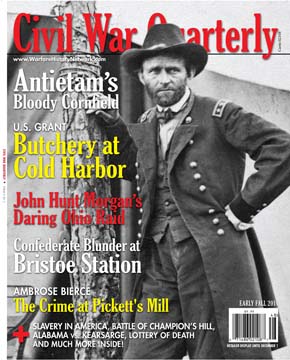
Civil War
Newly promoted Captain Raphael Semmes of the Confederate States Navy called his crew—largely English—to the quarterdeck of his new command. Read more
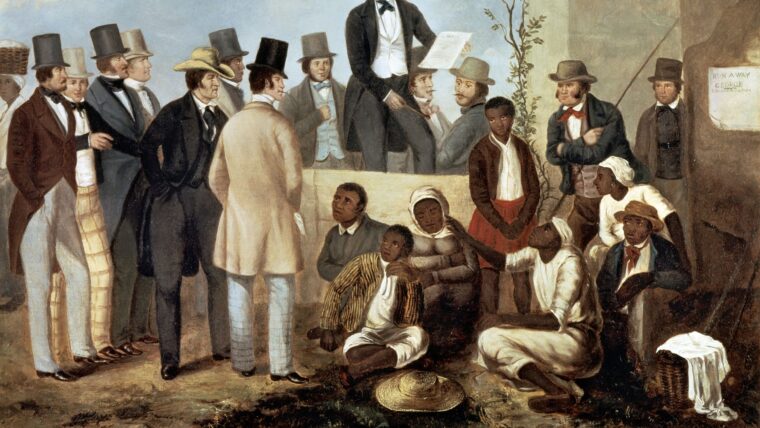
Civil War
For nearly two centuries, the “peculiar institution” of slavery dominated Southern social and economic life in America, infecting the nation’s politics with an unresolvable moral conflict that led finally to civil war. Read more
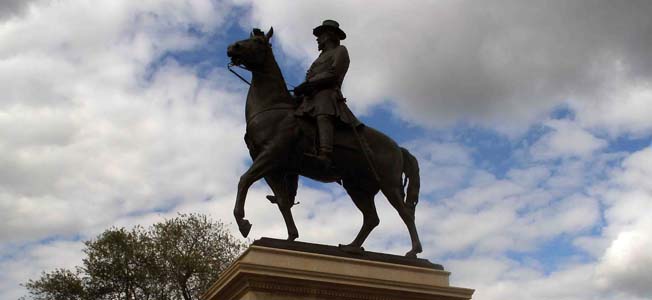
Civil War
On Friday, June 5, 1896, Brevet Brig. Gen. Henry Bingham stood before a crowd of Union veterans and citizens gathered on East Cemetery Hill at Gettysburg. Read more
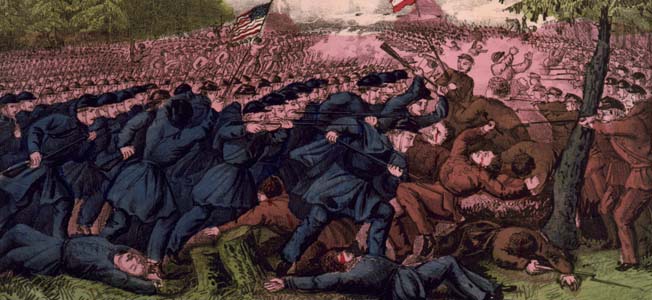
Civil War
In 1862, Confederate forces in Virginia were enjoying a number of campaign successes, but the decisive advantage in naval power enjoyed by the Union enabled it to advance down the Mississippi, capture river forts, and conduct many coastal attacks. Read more
Civil War
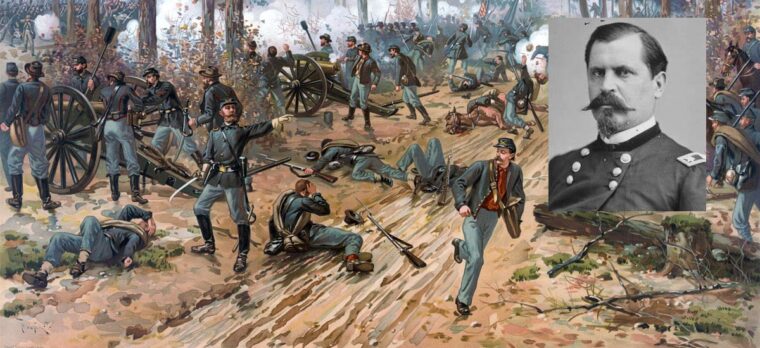
In the course of his 30-year military career, Hazen managed to quarrel with various superior officers, up to and including the president of the United States. Read more
Civil War
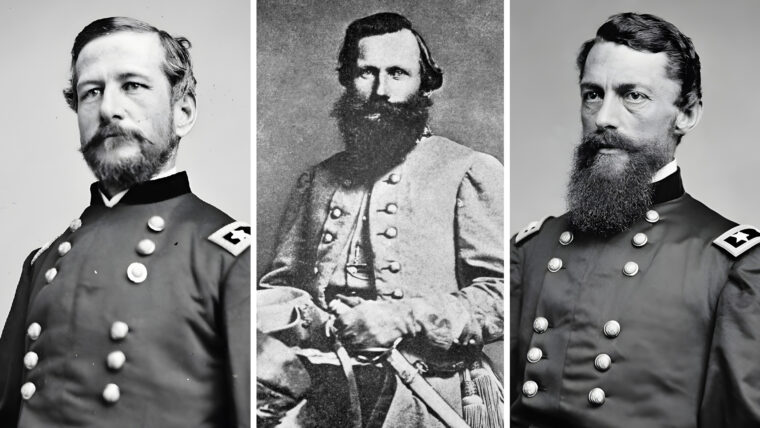
Brigadier General Alfred Pleasonton’s outward appearance was that of a well-groomed man. He kept his beard and moustache neatly trimmed, parted his wavy hair on the side, and wore a wide-brimmed hat like a dandy. Read more
Civil War
With this issue, Civil War Quarterly joins the roster of other regularly published Sovereign Media publications. Our new issue, appropriately enough, contains a heavy dose of Gettysburg on the eve of the battle’s 150th anniversary. Read more
Civil War
No one expected this—not the fiercest “fire-eater” in South Carolina or the flintiest abolitionist in New England. By the time the guns fell silent at Shiloh on the night of April 7, 1862, soldiers on both sides of the battlefield realized that they had endured something never before seen in American history. Read more
Civil War
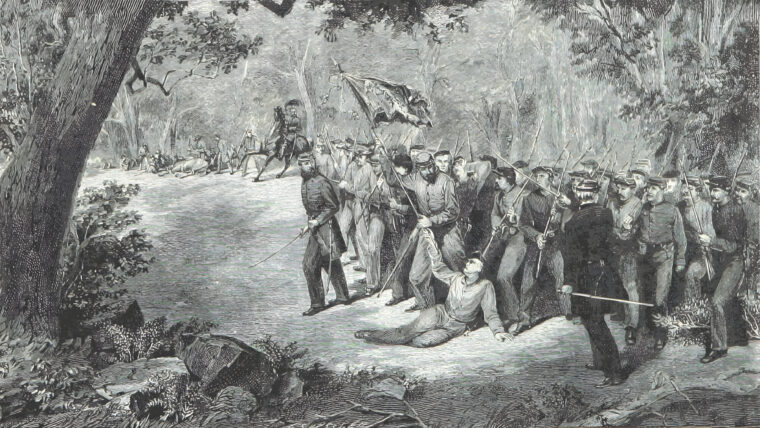
Even in an army not lacking for larger-than-life figures, Confederate cavalry leader Turner Ashby stood out from the crowd. Although not particularly tall—about five feet, 10 inches—there was something about Ashby that commanded attention. Read more
Civil War
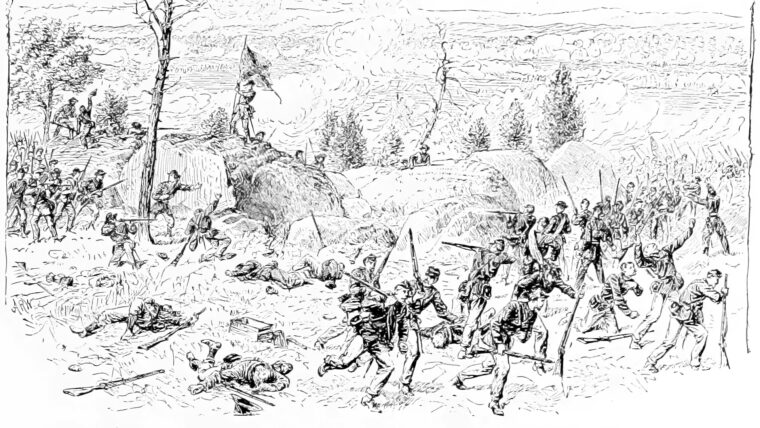
While newly minted Brig. Gen. George Armstrong Custer was leading his Michigan cavalry brigade to glory at Gettysburg, fellow brigadier Elon Farnsworth, himself a native Wolverine, confronted a very different fate. Read more

Civil War
By the 1860s, photography itself was little more than 30 years old. Photographic techniques had progressed somewhat in three decades, but the process was still lengthy and the equipment was cumbersome. Read more

Civil War
Unlike most civil wars, the American Civil War took place primarily in one section of the country—the South. Read more
Civil War
As author Lee Chambers’s new book on Fort Abraham Lincoln (reviewed in this issue) illustrates, the reading public, both in the United States and abroad, remains fascinated by life in the West following the Civil War. Read more
Civil War
Don Williams’ story on the Devil’s Den allows me an opening to write about the Battle of Gettysburg. To the myriad words on the conflict, I add the following. Read more
European Theater