Civil War
The U.S. Civil War’s Female Combatants
By Carole ButcherOn a warm morning in July 1861, the Union Army marched forth with bands playing and regimental flags flying. Read more
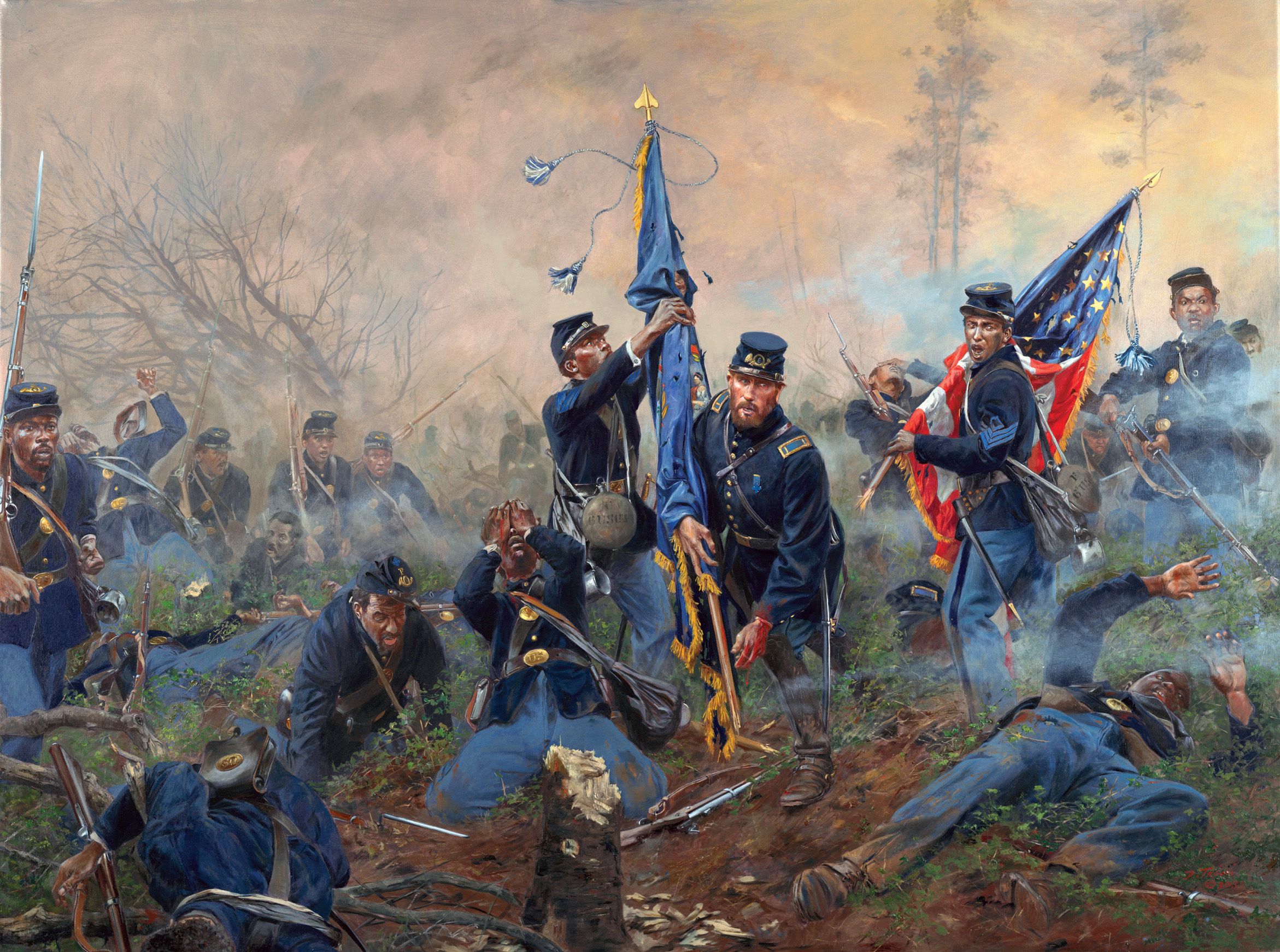

Civil War
On a warm morning in July 1861, the Union Army marched forth with bands playing and regimental flags flying. Read more
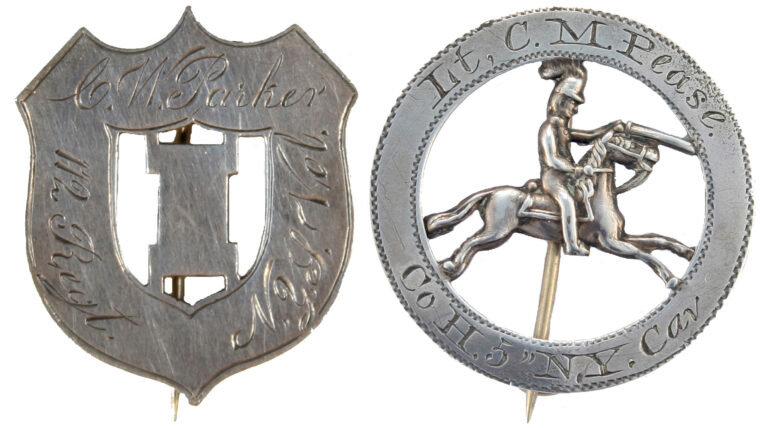
Civil War
The American Civil War may well have been the first major conflict in which soldiers felt the need to wear some sort of a personal identification badge in the event that they were killed or wounded in battle. Read more
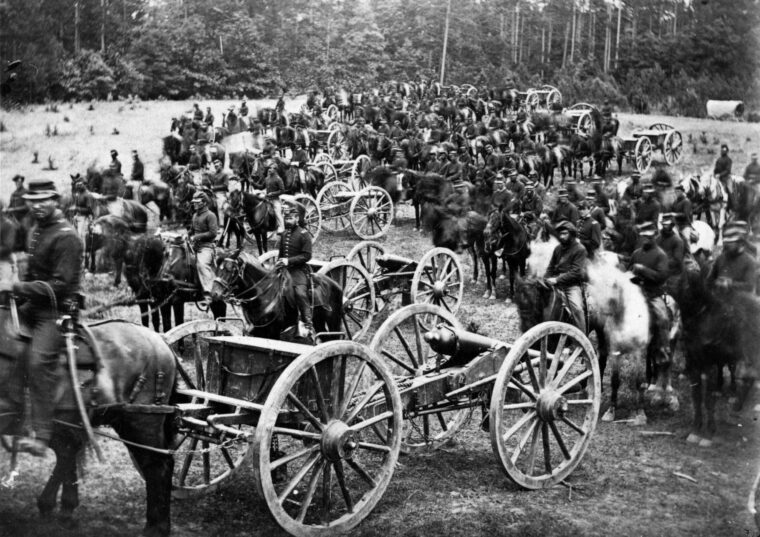
Civil War
The Civil War came at a crossroads moment in world history. New weapons made possible by industrialization were putting paid to old techniques of warfare that had endured since the Napoleonic Era. Read more
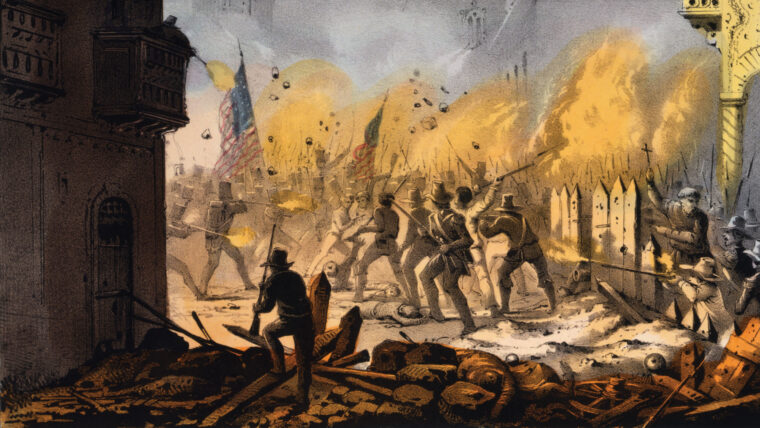
Civil War
For more than 45 years, Joseph Mansfield prepared himself for the ultimate test of a soldier—high command in time of war. Read more
Civil War
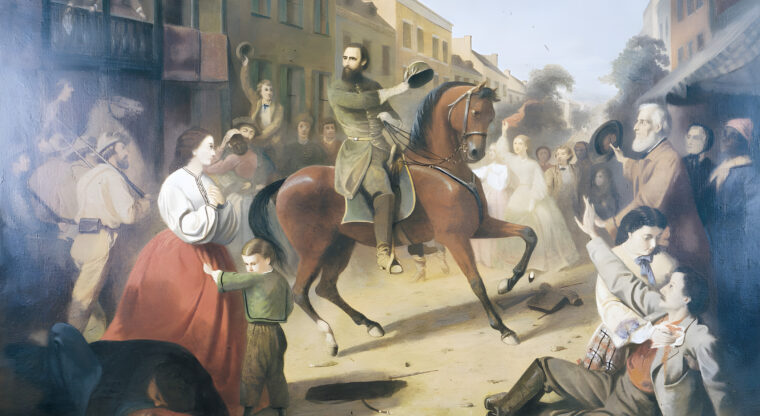
Arguably the most celebrated campaign feat of arms of the American Civil War is that of Stonewall Jackson in the Shenandoah Valley in May and early June 1862. Read more
Civil War
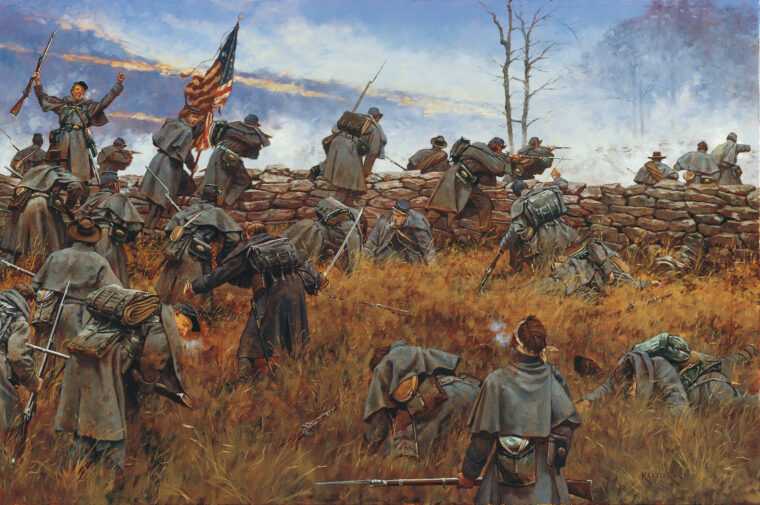
Sunday morning, March 23, 1862, was sunny and warm in Virginia’s Shenandoah Valley. Confederate general Thomas J. “Stonewall” Jackson, a devout Christian, did not like to fight on the Lord’s Day. Read more
Civil War
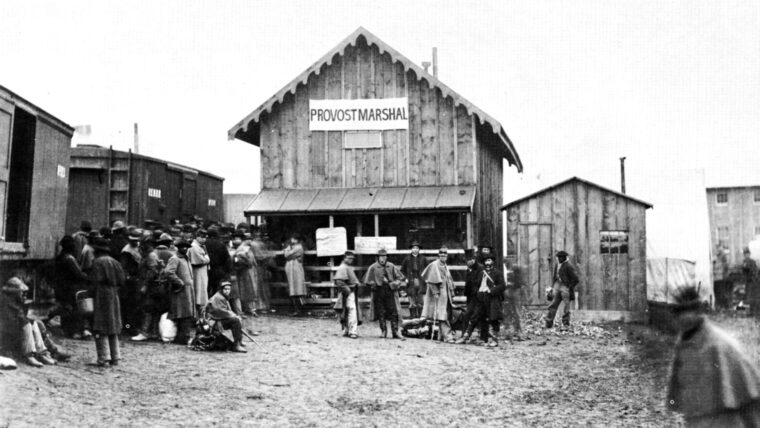
With the bombardment of Fort Sumter in April 1861, the Civil War began in earnest. The first recruits, on both sides, were completely uninitiated in the ways of military life. Read more
Civil War
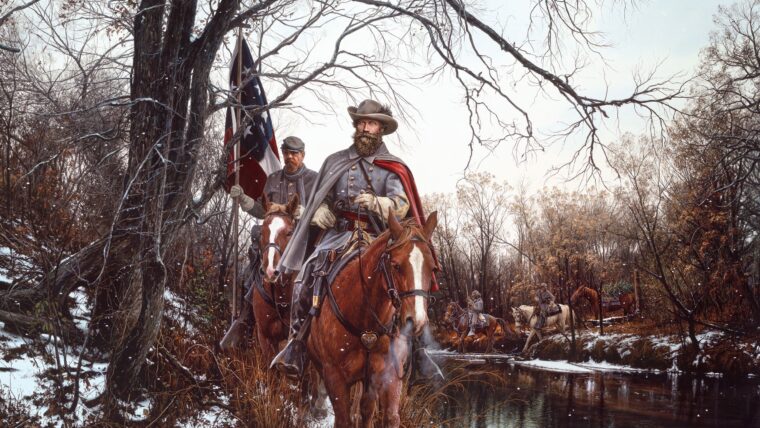
When his pickets reported Federal troops up ahead in the small crossroads of Dranesville, Virginia, Brig. Gen. J.E.B. Read more
Civil War
Cap: French chasseur-style gray kepi with blue band.
Coat: Military-style butternut colored greatcoat with brass buttons.
Backpack: Box hardpack knapsack, tarred canvas and leather with wood frame. Read more
Civil War
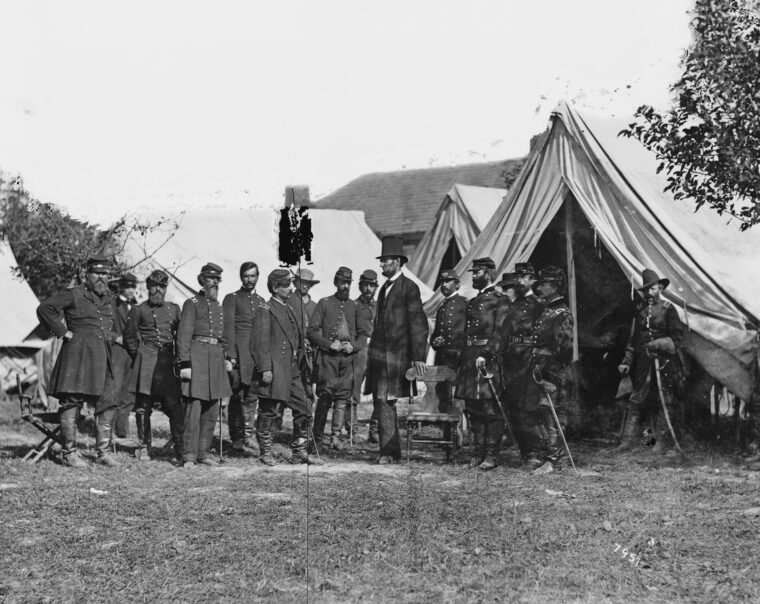
Two days after the unparalleled bloodletting at Antietam, a bushy-bearded Scottish photographer and his pudgy, clean-shaven assistant rolled onto the battlefield with their bulky stereoscopic cameras and portable darkroom. Read more
Civil War
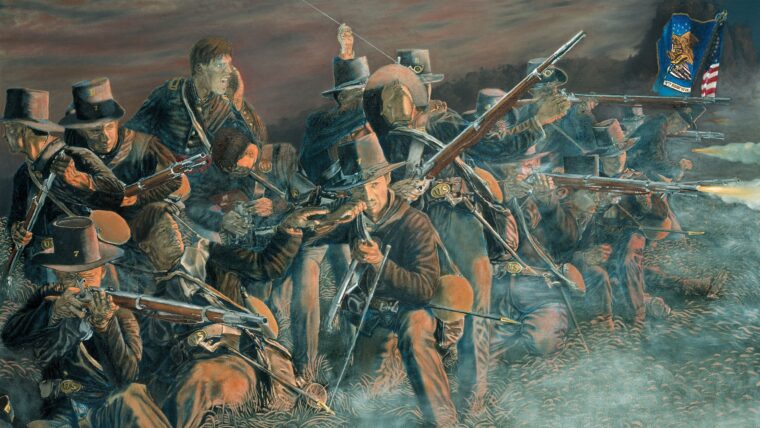
The ground around Manassas, Virginia, was not auspicious for Union Army forces in the first two years of the Civil War. Read more
Civil War
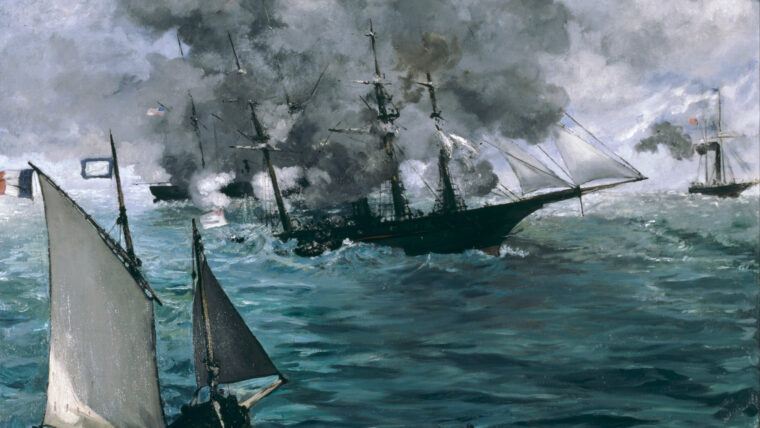
The CSS Alabama went to her watery grave on June 19, 1864, off the coast of France, but the lingering effects of her wartime successes made naval history: she continued to haunt the American and British governments for years to come, embroiling the two English-speaking nations in a legal test of wills that would last well into the next decade. Read more
Civil War
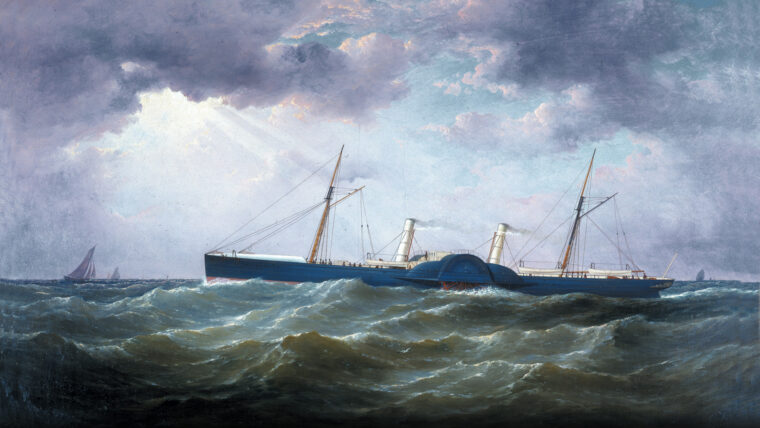
Despite the increasing effectiveness of the Union naval blockade, more and more steamers plied the waters between the few remaining Confederate ports and Nassau, St. Read more
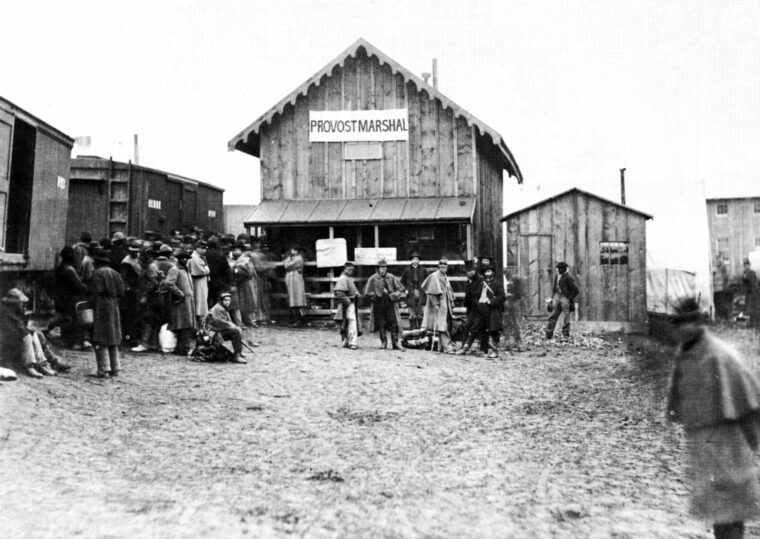
Civil War
With the bombardment of Fort Sumter in April 1861, the Civil War began in earnest. The first recruits, on both sides, were completely uninitiated in the ways of military life. Read more
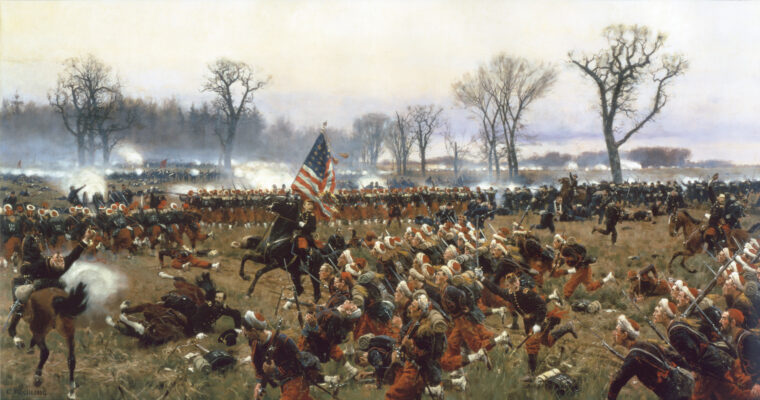
Civil War
Word spread like wildfire through the camps of the Army of the Potomac during the second week of November 1862: “Little Mac” was out, “Old Burn” was in. Read more
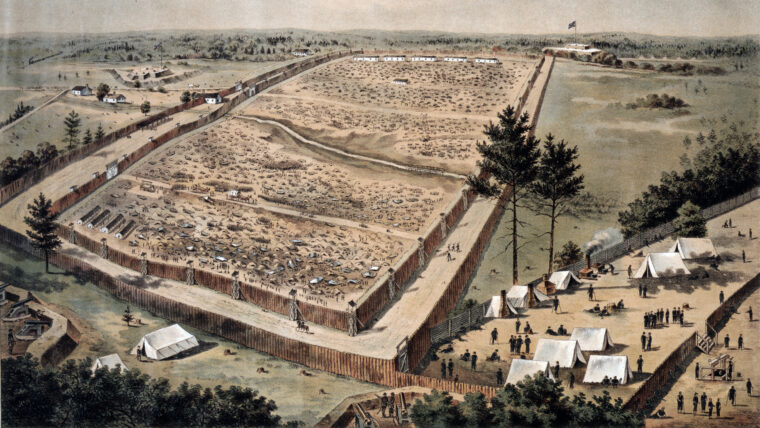
Civil War
The June 19, 1861, editorial in the Charleston Mercury newspaper warned: “War is bloody reality, not butterfly sporting. Read more
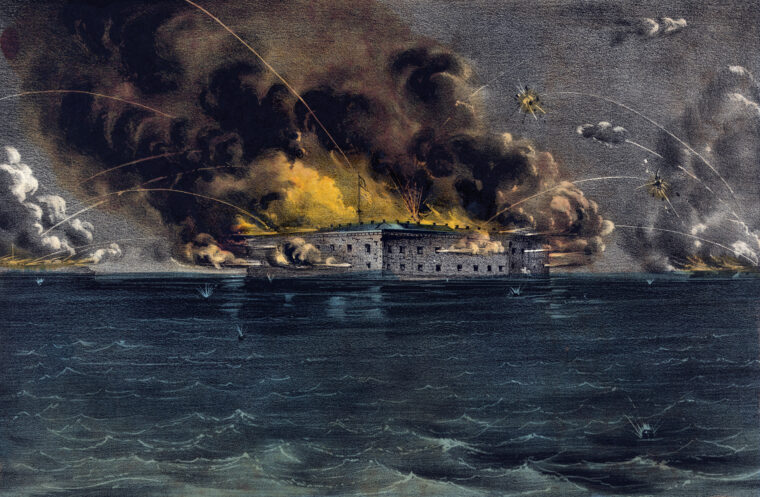
Civil War
Shortly after midnight on the morning of April 12, 1861, four men in a rowboat made their way across the pitch-black harbor at Charleston, South Carolina, toward an unfinished and architecturally insignificant masonry fort three miles out from the city where the harbor meets the Atlantic Ocean. Read more

Civil War
Ever since Julius Caesar’s legions conquered Gaul, opposing armies have built temporary fortifications, or fieldworks, during campaigns in the open countryside. Read more
Civil War
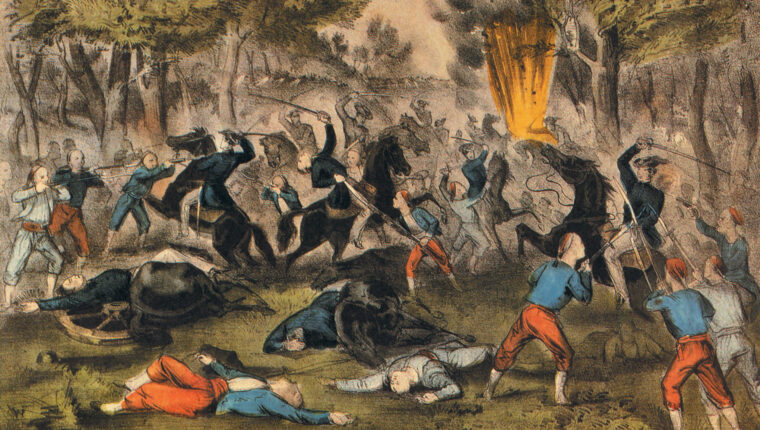
“But for you, there would have been no Battle of Bull Run.” When Confederate President Jefferson Davis made that blanket statement in the summer of 1862, he was not addressing Pierre G.T. Read more

Civil War
By Eric Niderost
July 3, 1863, dawned clear and bright, the warm sun promising even greater heat to come. By noon, temperatures were already in the low 90s, a typically hot and humid summer day in southern Pennsylvania. Read more