Civil War
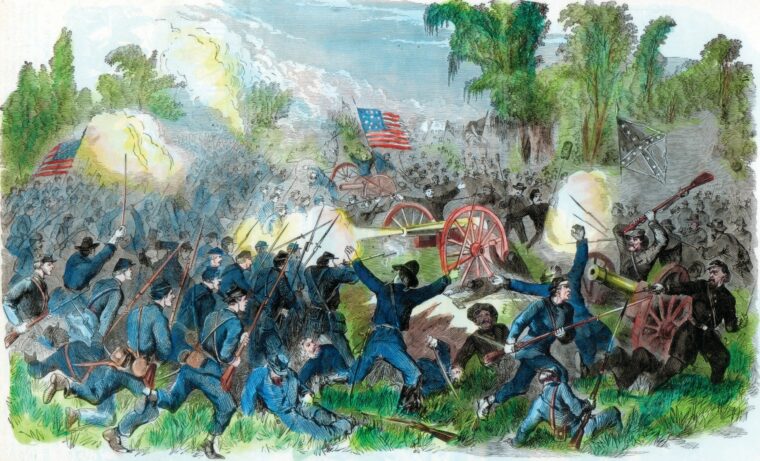
Savage Encounter at Champion’s Hill
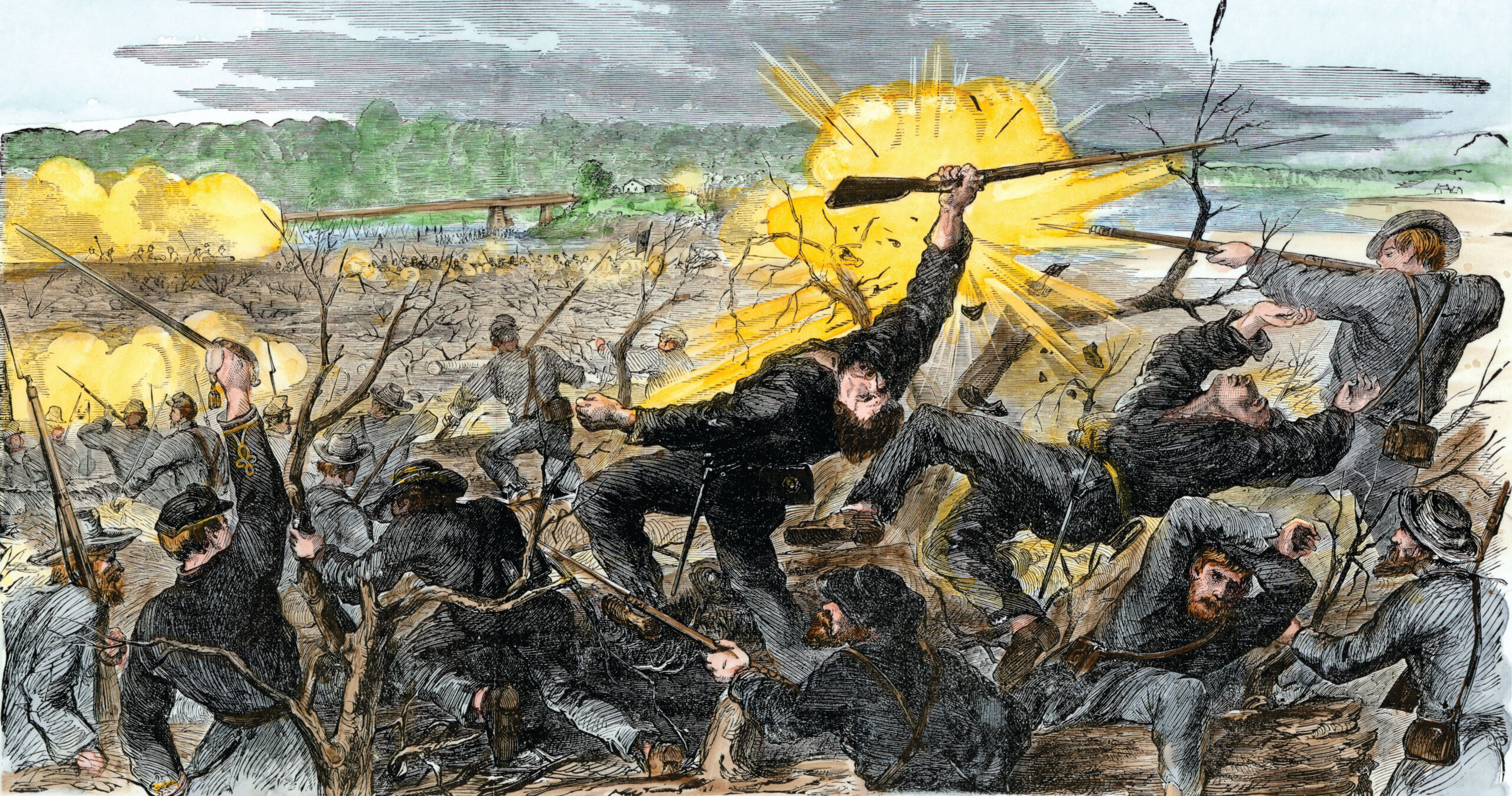
By Robert L. DurhamThe barren summit of Champion’s Hill presented an ideal site for Lt. Gen. John C. Pemberton’s Confederate army to deploy artillery batteries on the morning of May 16, 1863. Read more
Civil War
The barren summit of Champion’s Hill presented an ideal site for Lt. Gen. John C. Pemberton’s Confederate army to deploy artillery batteries on the morning of May 16, 1863. Read more
Civil War
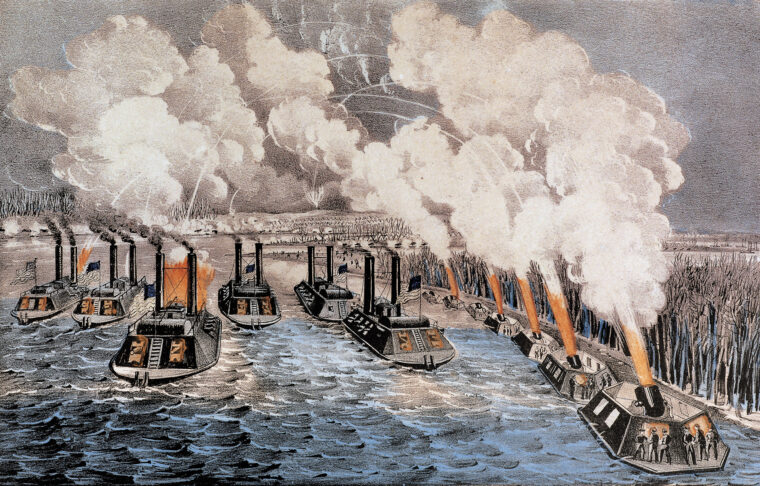
With its whistle blaring, the Confederate gunboat Grampus steamed into Madrid Bend, where Missouri, Kentucky, Tennessee, and Arkansas come together on the Mississippi River. Read more
Civil War
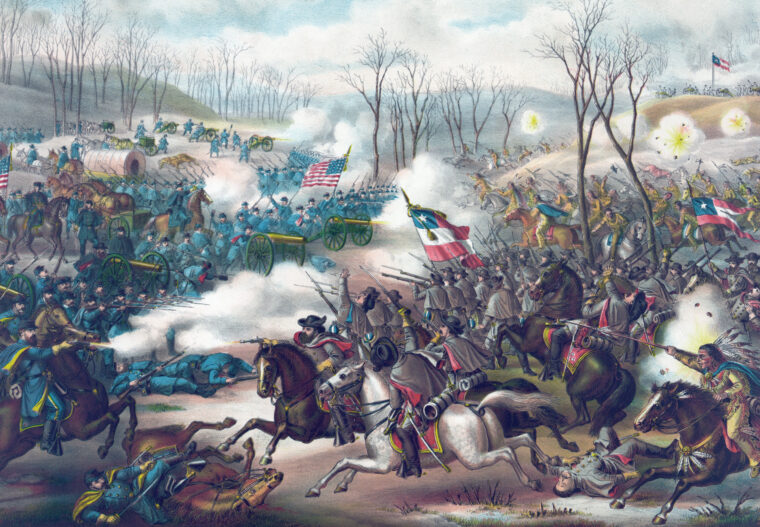
For three weeks in February 1862, Union Brig. Gen. Samuel Curtis led his Army of the Southwest on a 200-mile advance southward across the Ozark plateau in Missouri and into northern Arkansas. Read more
Civil War
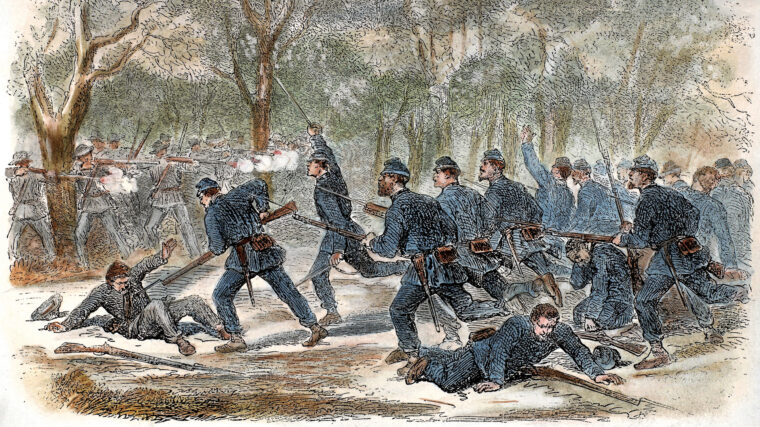
It was almost dark when Captain Chase Philbrick led a reconnaissance party of 20 volunteers from Company H of the 15th Massachusetts Infantry across to Harrison’s Island situated in the middle of the Potomac River. Read more
Civil War
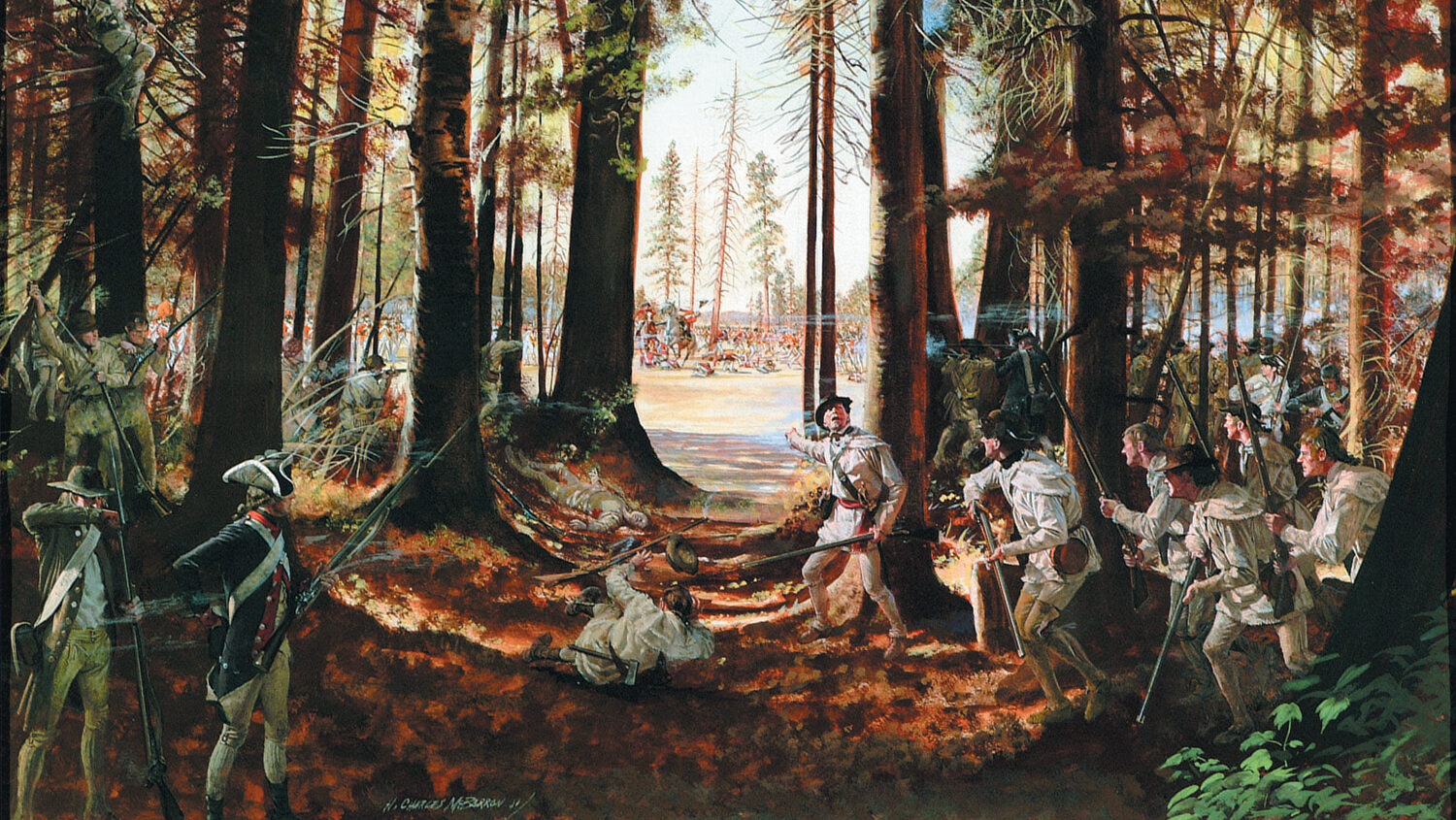
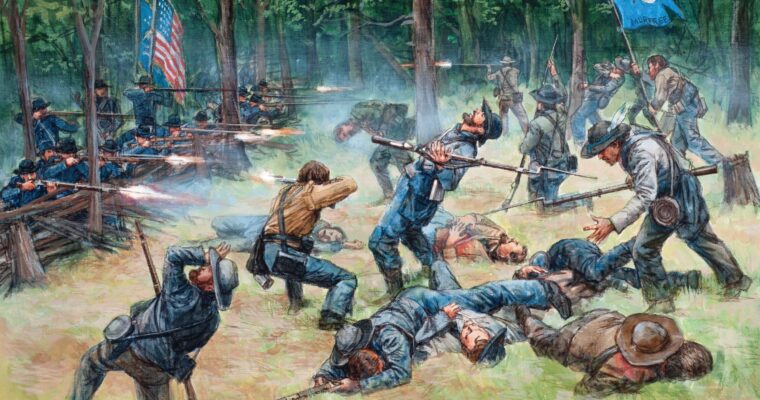
Convinced that a major fight was in the offing, 33-year-old Colonel John T. Wilder clambered up the branches of a nearby tree as the sun dipped below the horizon. Read more
Civil War
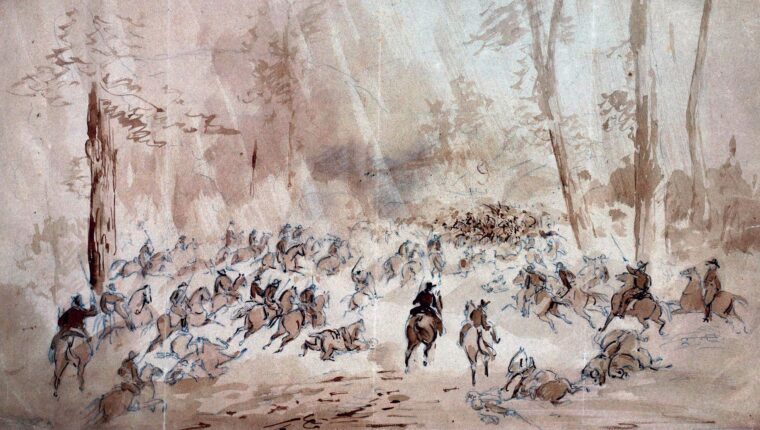
Every war will astonish you,” American General Dwight D. Eisenhower said after World War II. As the leader of the Allied forces that successfully landed on D-Day and marched into Berlin 11 months later, Eisenhower obviously knew what he was talking about. Read more
Civil War
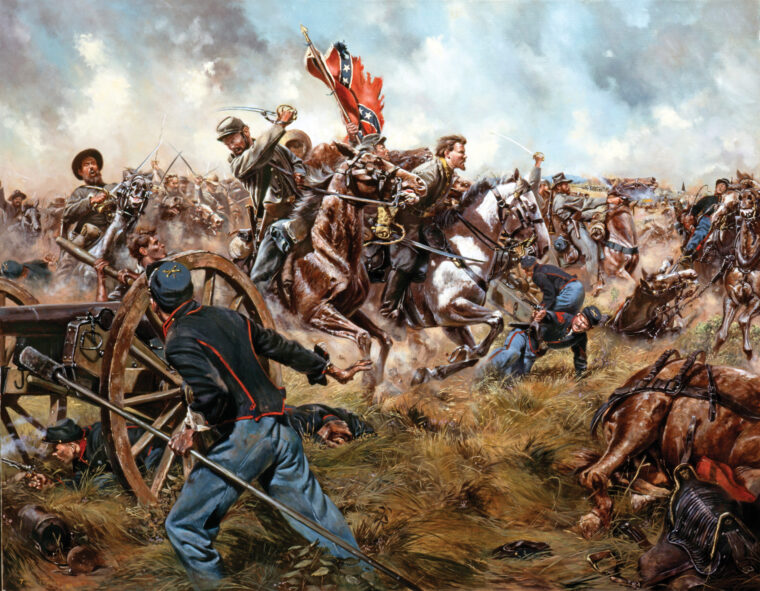
Major Henry B. McClellan should have had a quiet afternoon. At dawn on June 9, 1863, Union cavalry had launched a surprise attack on Maj. Read more
Civil War
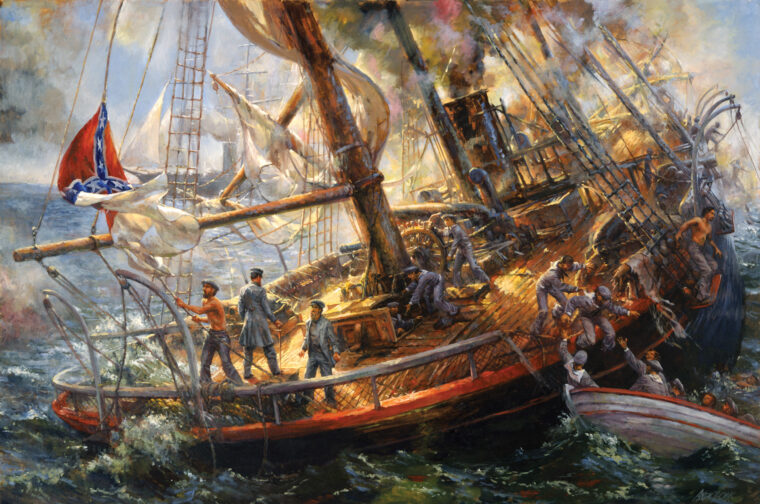
On August 24, 1862, newly promoted Captain Raphael Semmes of the Confederate States Navy called his largely English crew to the quarterdeck of his new command, the 220-foot battle cruiser Alabama, lying off the coast of Terceira in the Azores. Read more
Civil War
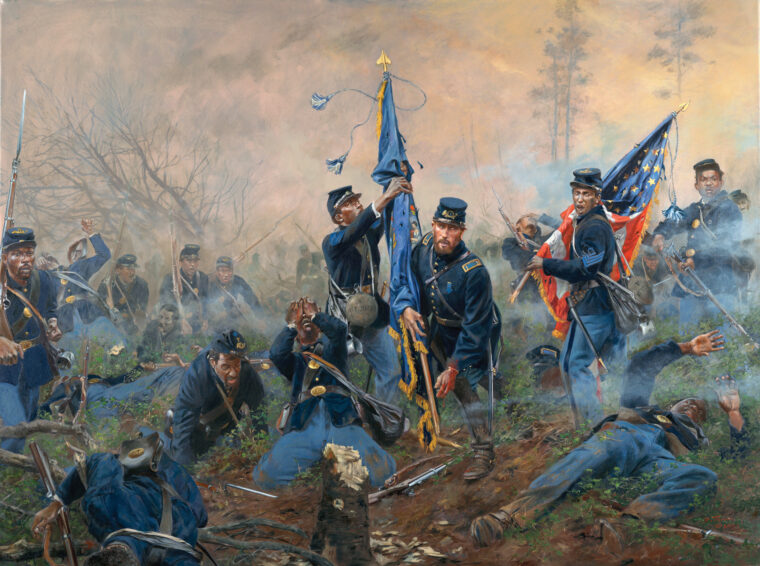
Reports of a massive enemy force crossing the James River to assail the paper-thin Confederate lines defending Richmond reached Lt. Read more
Civil War
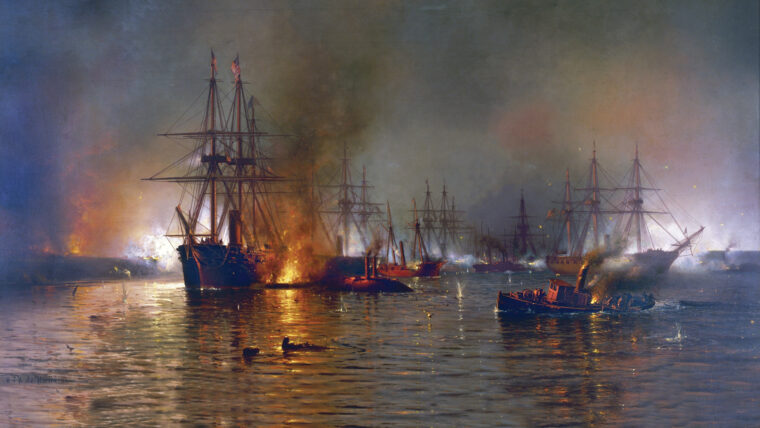
The victory at Manassas on July 21, 1861, had made the Rebels overconfident bordering on lethargic. As one observer noted, “It created a paralysis of enterprise that was more damaging than disaster was for the North.” Read more
Civil War
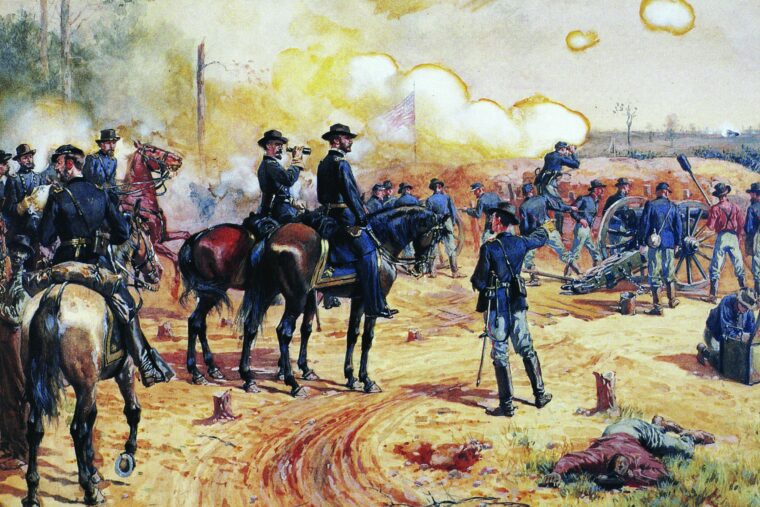
During the early afternoon of July 9, 1864, the 103rd Ohio Volunteer Infantry Regiment of Maj. Gen. John M. Read more
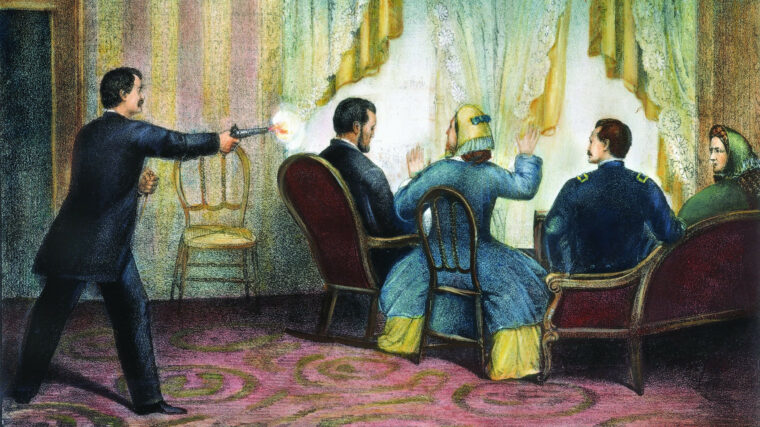
Civil War
In the late hours of April 14, 1865, Secretary of War Edwin Stanton sat at a small table in the Petersen House across the street from Ford’s Theater in Washington, D.C. Read more
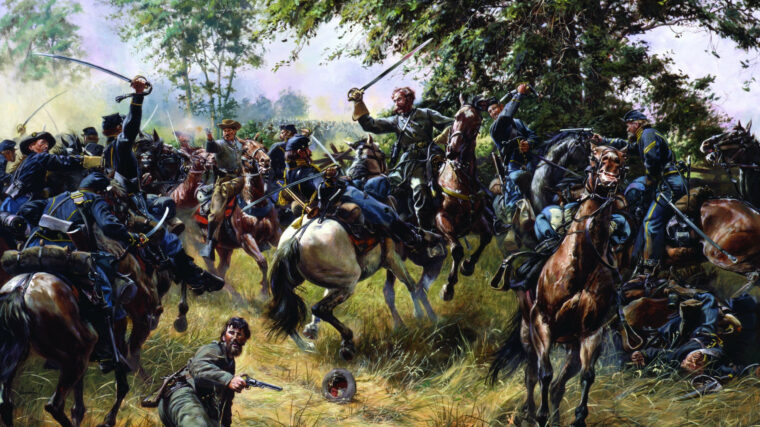
Civil War
An angry gloom hung like dust over the 6,000 Confederate cavalrymen trooping up the York Turnpike in the early dawn of July 3, 1863. Read more
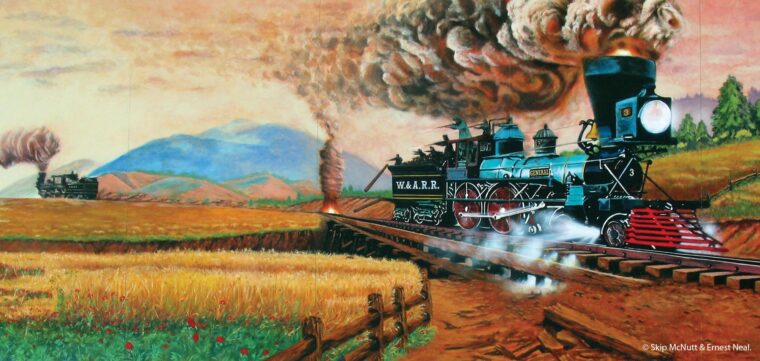
Civil War
By early April 1862, the Civil War was already closing in on the South, but the trains still ran on time. Read more
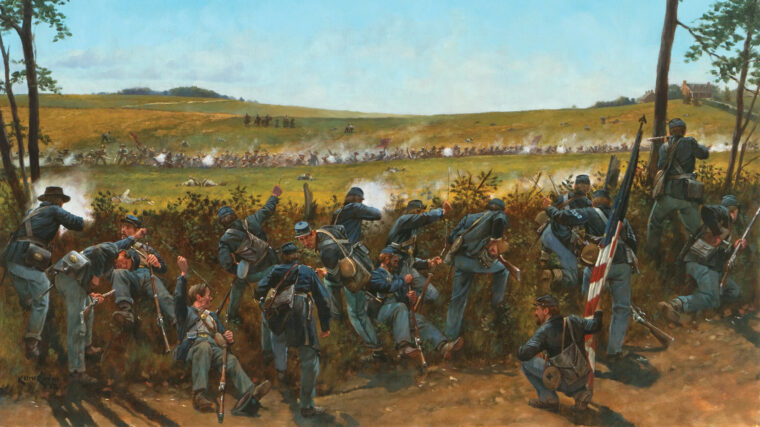
Civil War
Major General John Brown Gordon guided his horse past fields where stalks of waist-high corn glistened in the sun. Read more
Civil War
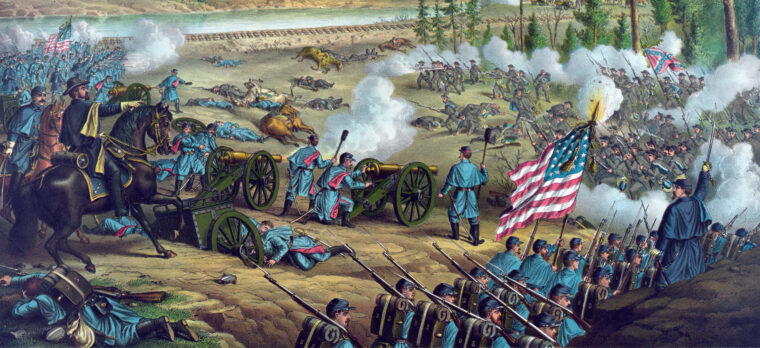
One of the most hard-fighting divisions in the Army of the Cumberland, the one led by Maj. Read more
Civil War
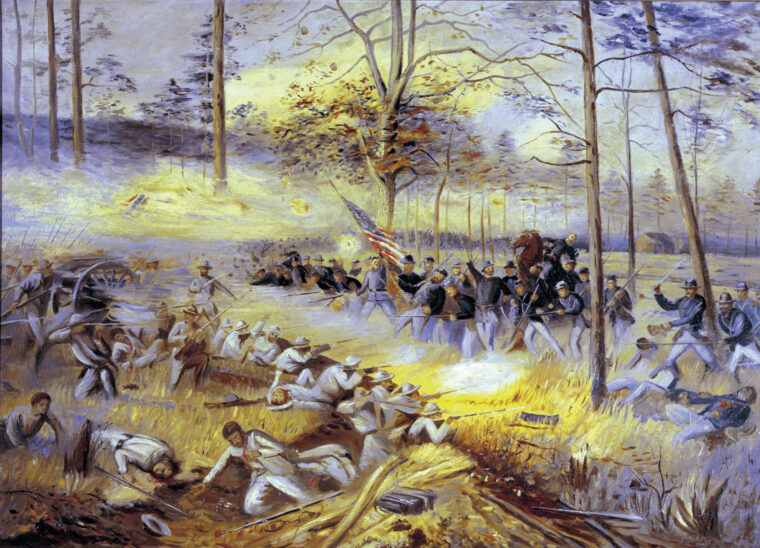
It had been a little over six months since Major General William S. Rosecrans and his Army of the Cumberland had checked the Confederates at the Battle of Stones River (December 31,1862–January 2,1863). Read more
Civil War
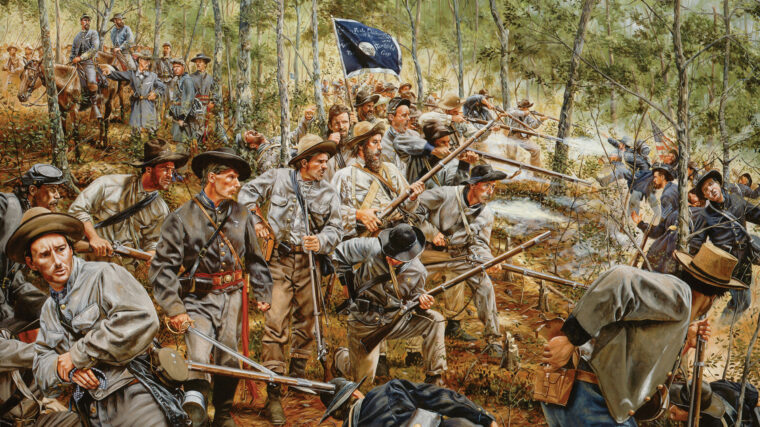
Peering through the thick underbrush west of Little Pumpkin Vine Creek, 30 miles northwest of Atlanta, on the afternoon of May 27, 1864, Ambrose Bierce had a bad feeling. Read more
Civil War
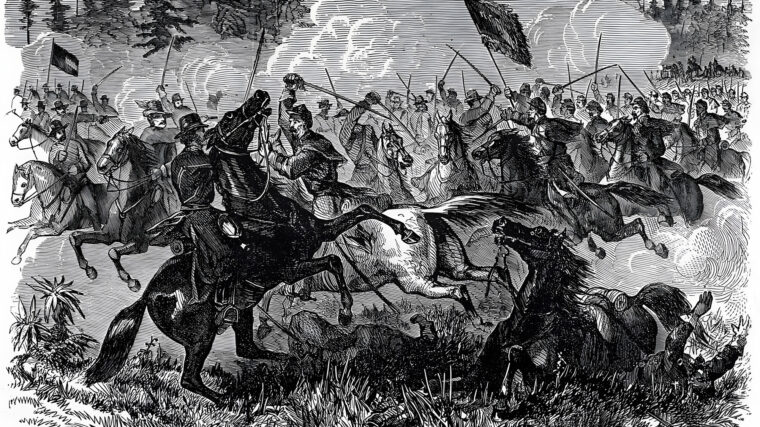
Napoleon Alexandre Duffie was born on May 1, 1833, in Paris, France. His father, Jean August Duffie, was a prosperous sugar refiner and mayor of the village of La Ferte-sous-Jouarre. Read more
Civil War
Abraham Lincoln peered out of a west-facing window of the White House, scanning the distant Potomac River with his telescope. Read more