Civil War
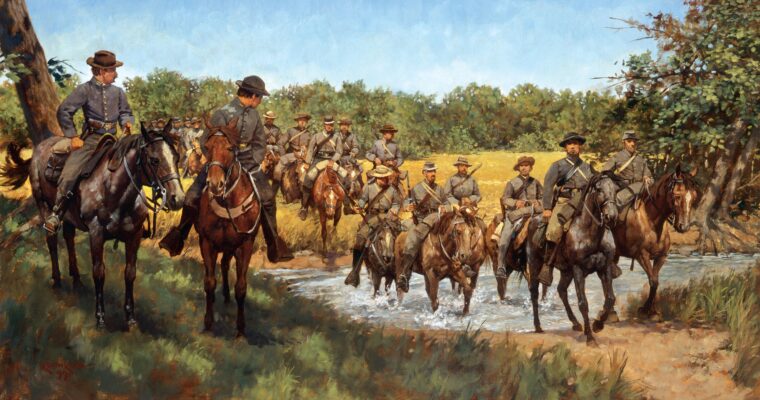
Confederate Raid Panics Washington
By Eric NiderostAbraham Lincoln peered out of a west-facing window of the White House, scanning the distant Potomac River with his telescope. Read more

Civil War
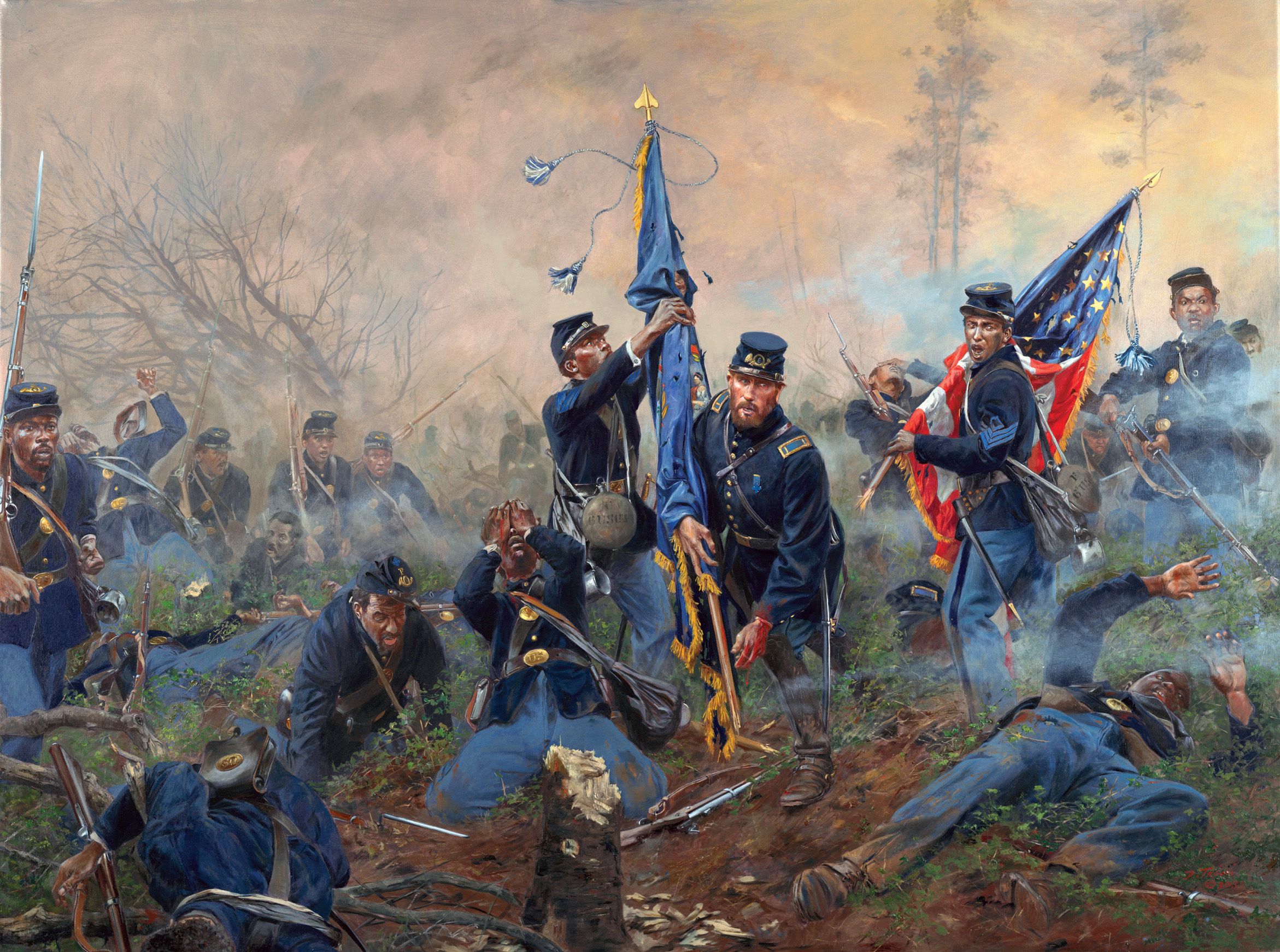
Abraham Lincoln peered out of a west-facing window of the White House, scanning the distant Potomac River with his telescope. Read more
Civil War
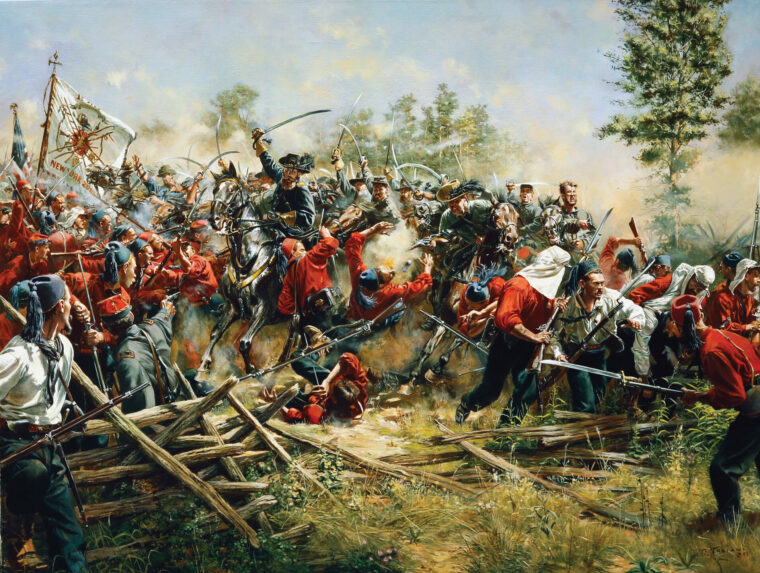
After just one month of training, the men of the 27th New York Infantry nervously sensed they would be in the middle of a real fight within minutes. Read more
Civil War
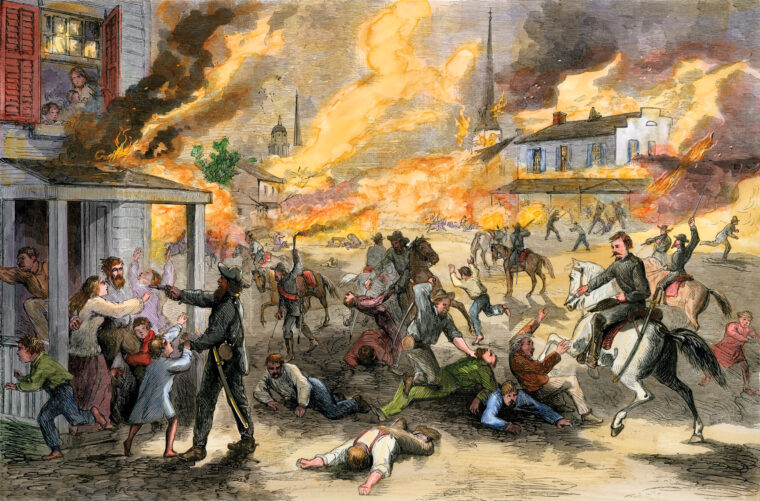
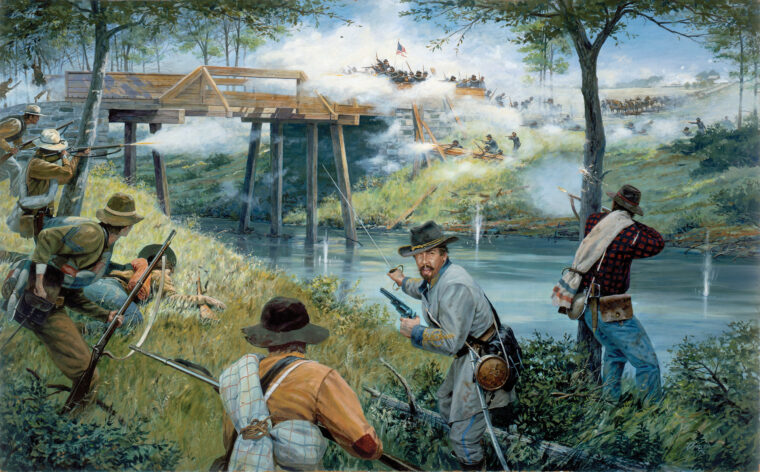
At dawn on August 21, 1863, 450 Confederate Irregulars under William C. Quantrill descended on the town of Lawrence, Kansas. Read more
Civil War
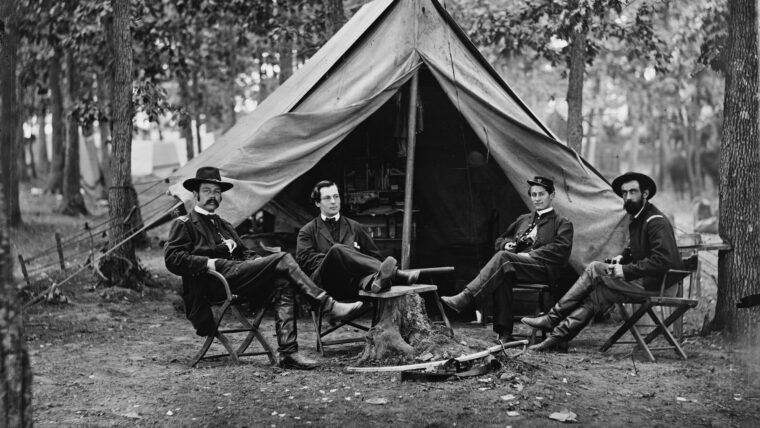
On Saturday, September 26, 1863, six days after the Battle of Chickamauga, Lt. Gen. James Longstreet wrote Confederate Secretary of War James A. Read more
Civil War
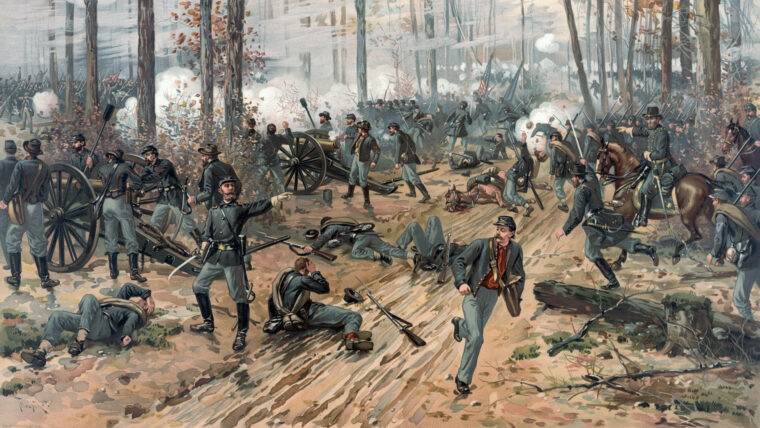
The Union officer saw it quite clearly across the Rappahannock River: a hand-painted sign held up by a Rebel soldier that read, “Burnside and his pontoons stuck in the mud. Read more
Civil War
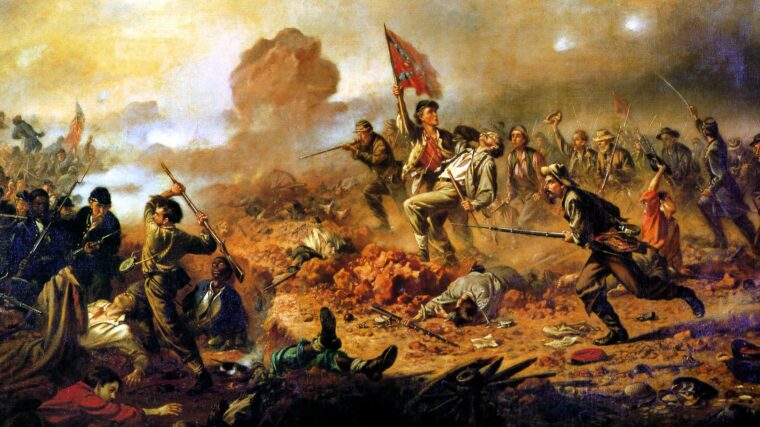
By the end of the winter campaign of 1861-1862, Union Maj. Gen. Ulysses S. Grant had shattered the Confederate defenses in northwest Tennessee with a combined land and water attack on Forts Henry and Donelson, forcing General Albert Sidney Johnston to abandon his bastion at Nashville and retreat southward. Read more
Civil War
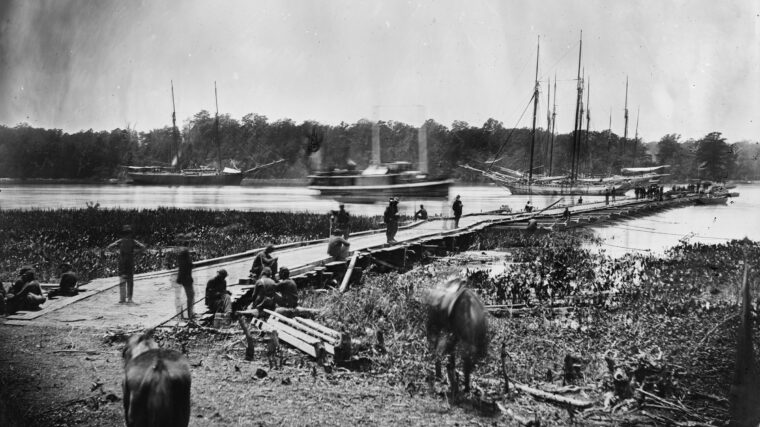
In the summer of 1864, after six weeks of virtually constant combat in the Wilderness area of northern Virginia, the Union and Confederate armies of Ulysses S. Read more

Civil War
By David A. Norris
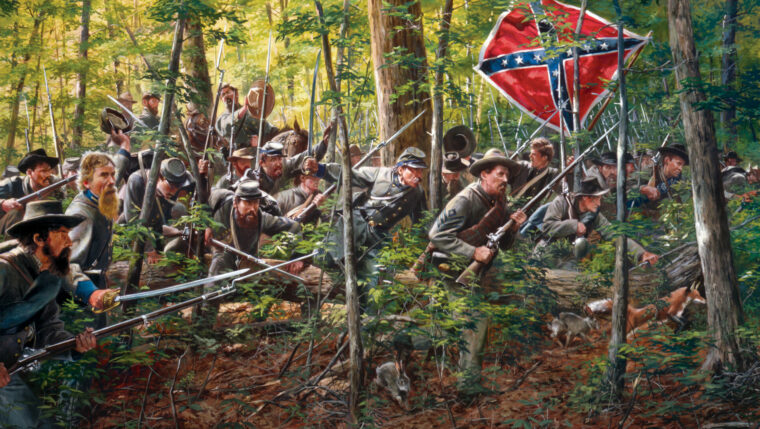
Brig. Gen. George Gordon Meade’s division spent three hours bombarded by Confederate guns on December 13, 1862. Read more
Civil War
The two Union generals faced each other on the afternoon of May 1, 1863, at the large house by the Orange Turnpike that had been chosen as the headquarters of the Army of the Potomac. Read more
Civil War
The Union Army’s ambitious Overland Campaign began on May 4, 1864. It was the fourth year of the Civil War, and Lt. Read more
Civil War
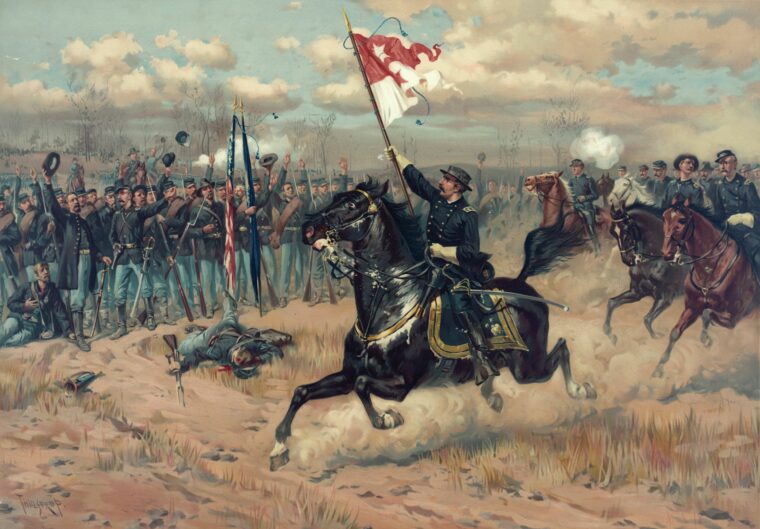
Phil Sheridan had a bad feeling. The bantam-sized Union general always trusted his instincts, and now, in mid-October 1864, those instincts were telling him that trouble was brewing back at the front, where his Army of the Shenandoah was encamped near Cedar Creek, Virginia, resting and relaxing after a busy few weeks burning civilian farms and slaughtering thousands of head of livestock from Staunton north to Woodstock. Read more
Civil War
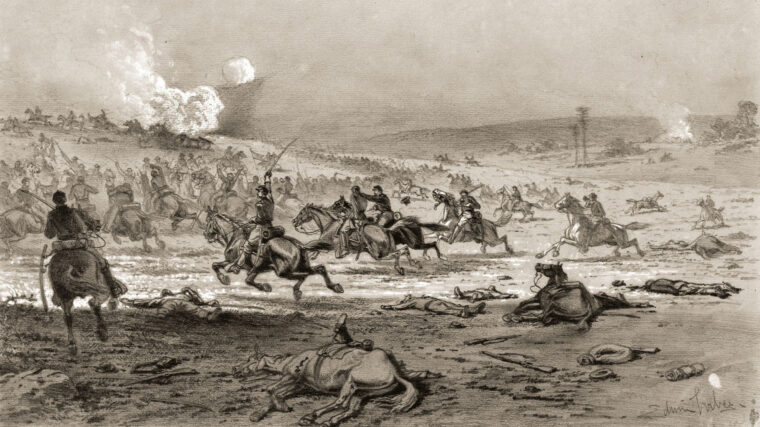
“We have been badly used up,” a sergeant in the 5th New York Volunteer Cavalry Regiment complained in a letter to his wife on May 8, 1864, four days before J.E.B. Read more
Civil War
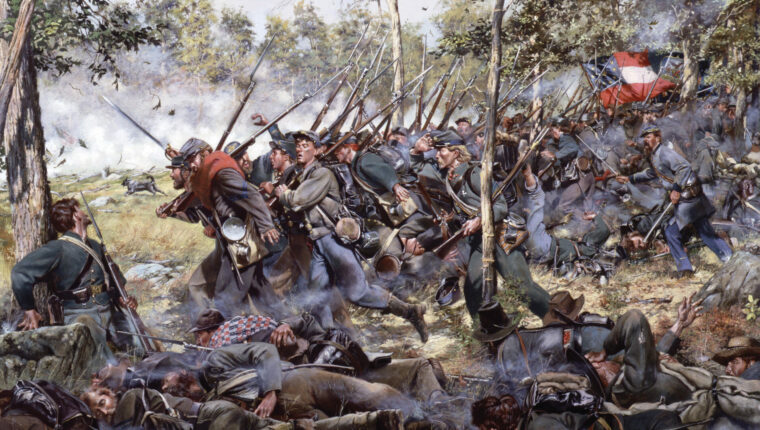
Rifle flashes erupted at intervals on the base of the slope. The flashes gave away the location of the confederate troops advancing in large numbers in the darkness of the night of July 2, 1863, on the eastern side of Culp’s Hill southeast of the town of Gettysburg. Read more

Civil War
In 1864, the Civil War was raging across the United States. At the epicenter of the seemingly stalemated conflict was the vital Confederate stronghold at Petersburg, Va. Read more
Civil War
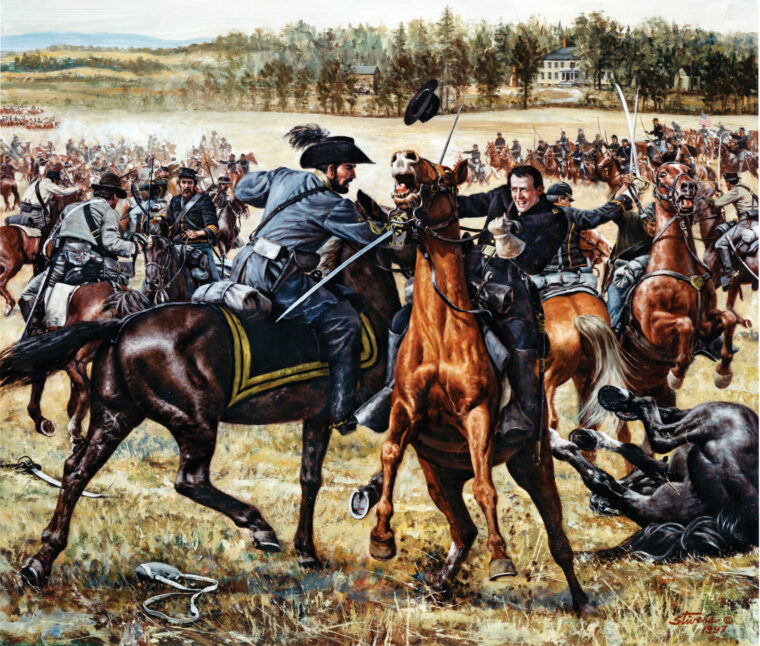
Major General James Ewell Brown Stuart was in all his glory. It was June 8, 1863, and the Confederate cavalry commander was putting on a grand review of his horse soldiers on a plain west of the Rappahannock River near Brandy Station, Virginia, for none other than General Robert E. Read more
Civil War
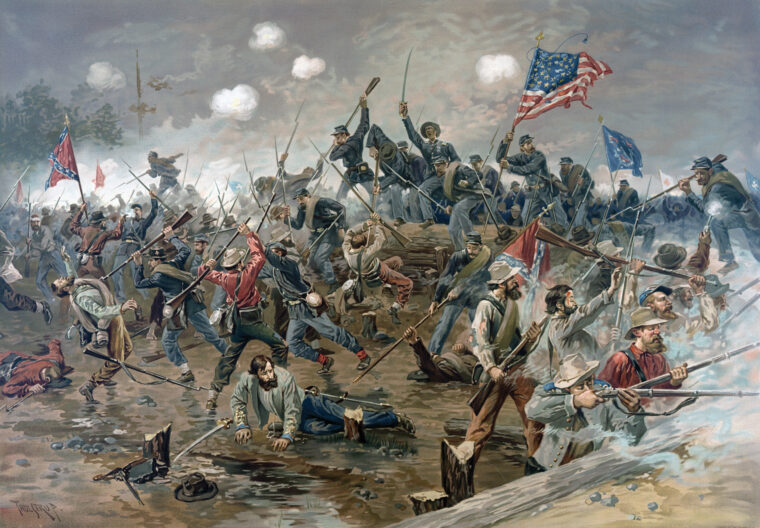
Everyone in Washington, D.C., knew the reason Maj. Gen. Ulysses Grant was in town. He had a hard time moving around without people applauding him everywhere he went. Read more
Civil War
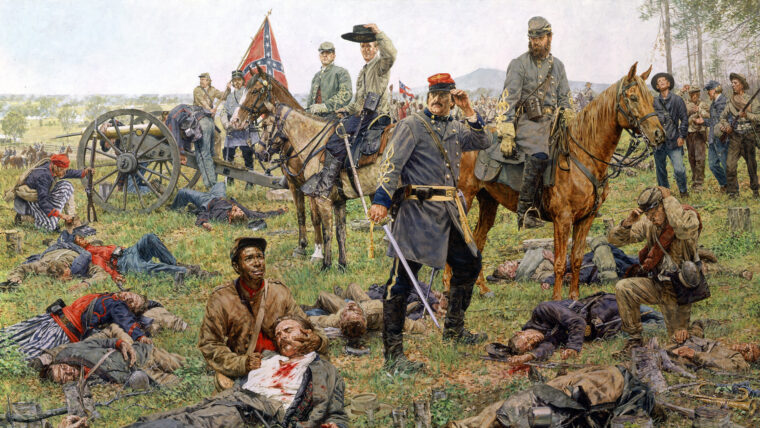
The regiment of Yankees, which was largely composed of German immigrants, advanced through a field of clover in the Shenandoah Valley in search of the Rebel line to its front on June 8, 1862. Read more
Civil War
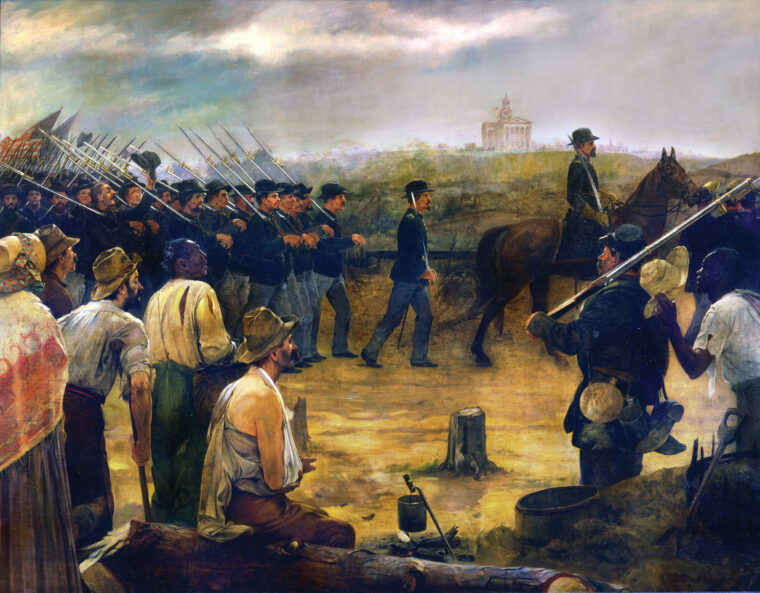
The citizens of Vicksburg would scarcely remember a more beautiful evening. The sky on April 16, 1863, was cloudless, and as the ruddy glow of twilight faded, the vast expanse was speckled with stars. Read more
Civil War
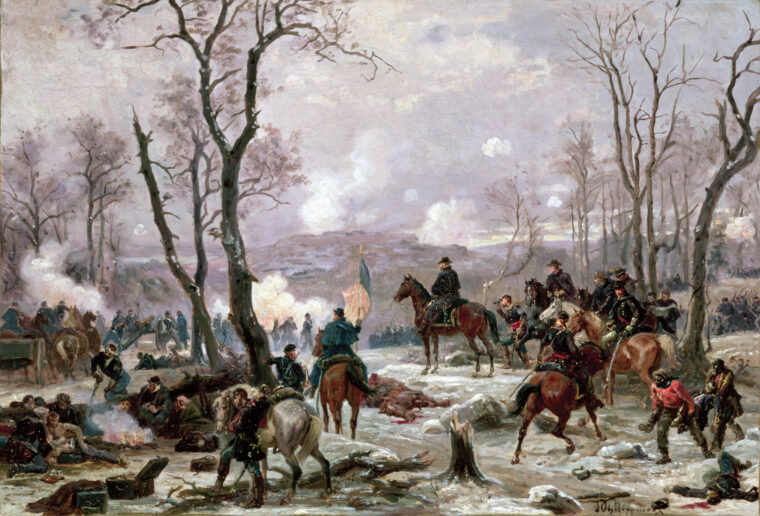
A signal rocket set off by Confederate pickets streaked skyward in the damp early morning of February 4, 1862. Read more
Civil War
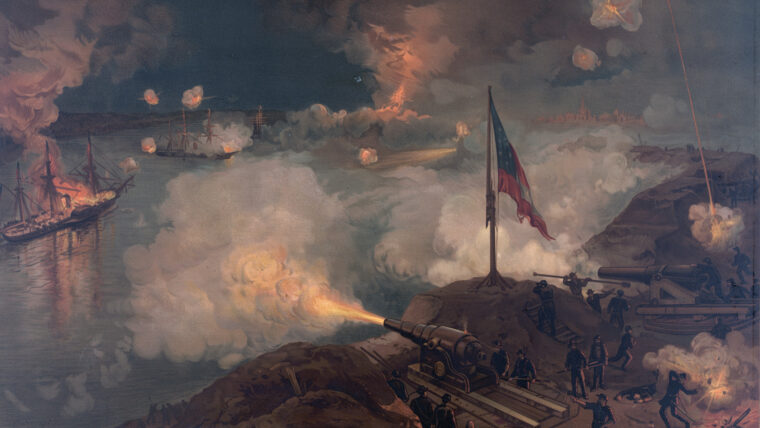
Not long after Union Flag Officer David Farragut of the West Gulf Blockading Squadron received the surrender of New Orleans on April 29, 1862, he began pondering his next move. Read more