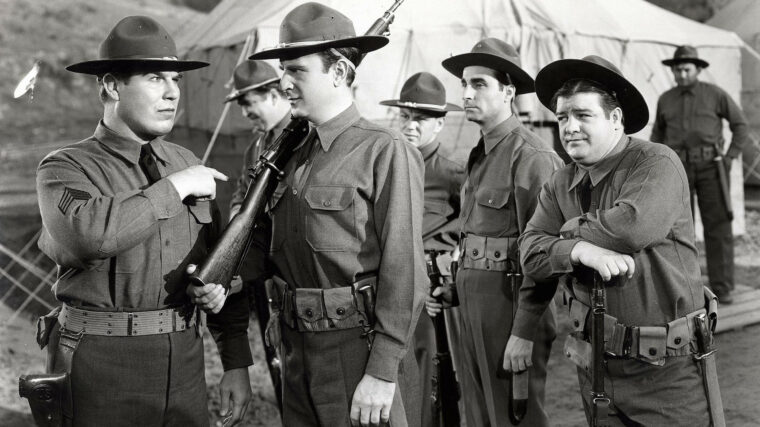
Hollywood’s Dream Factory During World War II
By Herb KugelWorld War II came to the Hollywood motion picture studios, the “Dream Factories” as they were sometimes called, the day after Pearl Harbor. Read more
World War II came to the Hollywood motion picture studios, the “Dream Factories” as they were sometimes called, the day after Pearl Harbor. Read more
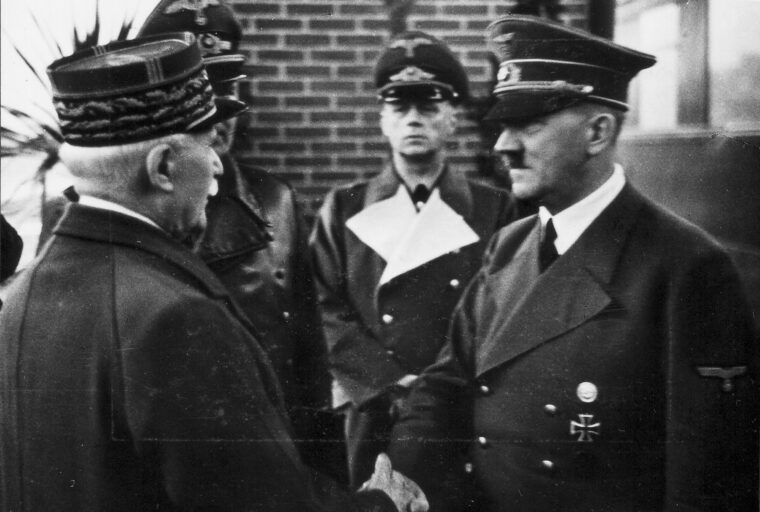
He was, in the truest sense, a national hero. Philippe Pétain, Marshal of France, the hero of Verdun, is, however, best remembered in the modern world as a traitor, a collaborationist who sacrificed the honor of France to make a deal with Hitler and the Nazis. Read more
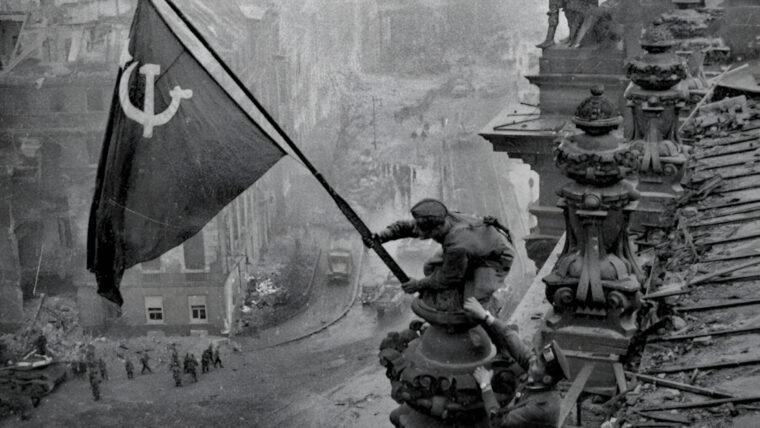
The image of Red Army soldiers hoisting their hammer and sickle emblazoned banner atop the Reichstag, the seat of the German parliament, is a classic photo of World War II, an image that told the world Nazi Germany was at last finished. Read more
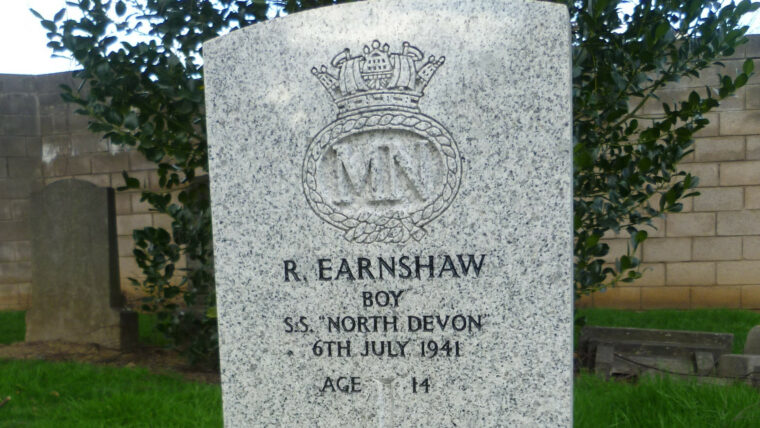
Duty in the British Merchant Navy was hazardous during World War II. Braving the stormy Atlantic, the expanse of the Pacific, and the daily rigors of life aboard ship were challenging enough during peacetime; however, during the dark days of the war a determined enemy, bent on bringing the island nation and its far-flung empire to their knees, unleashed a vicious campaign against Britain’s merchant lifeline. Read more
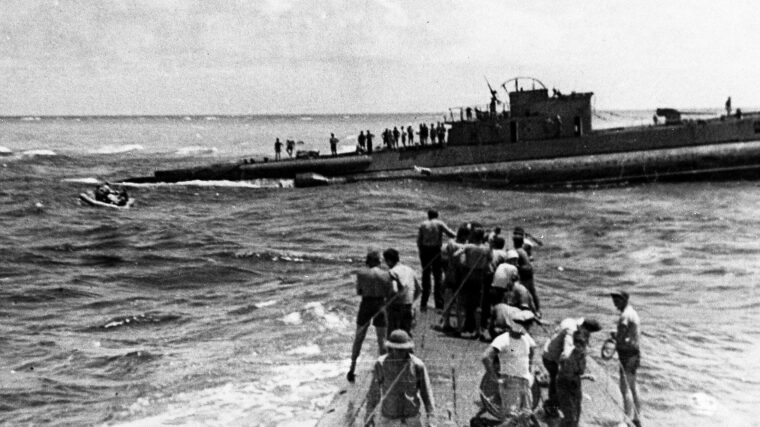
As the submarine USS Cod left Apra harbor, Guam, on the afternoon of June 26, 1945, for her seventh war patrol, her crew of 97 officers and enlisted men were all but certain that their new assignment was to be junk hunting—a thankless and dangerous job that in the words of one Cod crewman saw “Uncle Sam risk a seven million dollar submarine and crew to sink a leaky sailboat not worth more than $20,000!” Read more
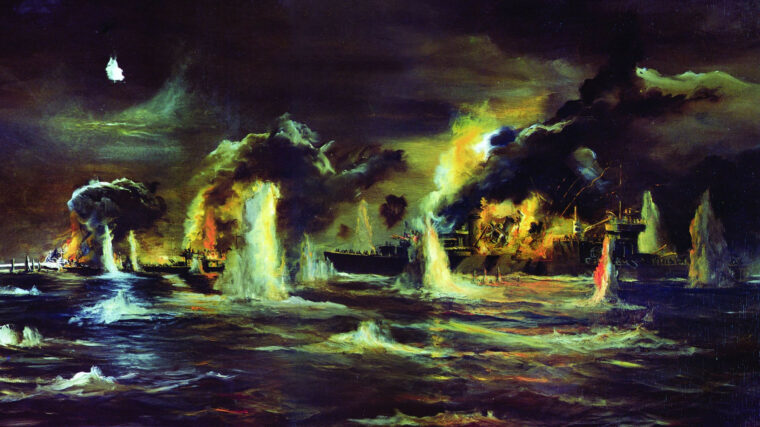
Admiral Ernest King could not believe what he was reading. The graying 63-year-old chief of U.S. naval operations had been awoken from his sleep. Read more
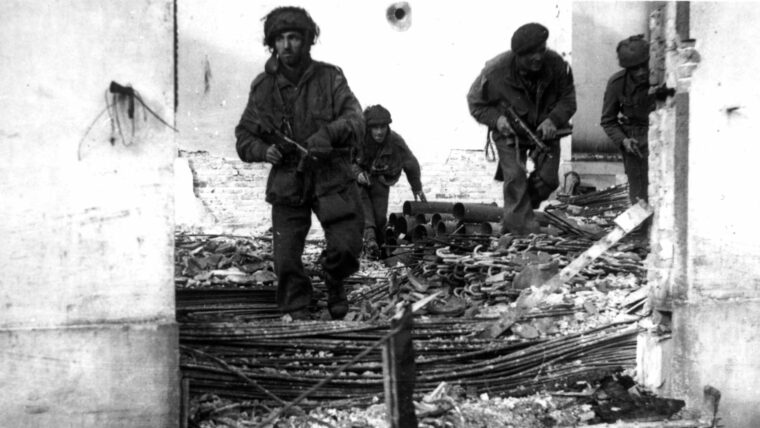
The Hollywood military film devotee will remember the beginning of the epic, A Bridge Too Far, when a young British airborne officer named Fuller informs Lt. Read more
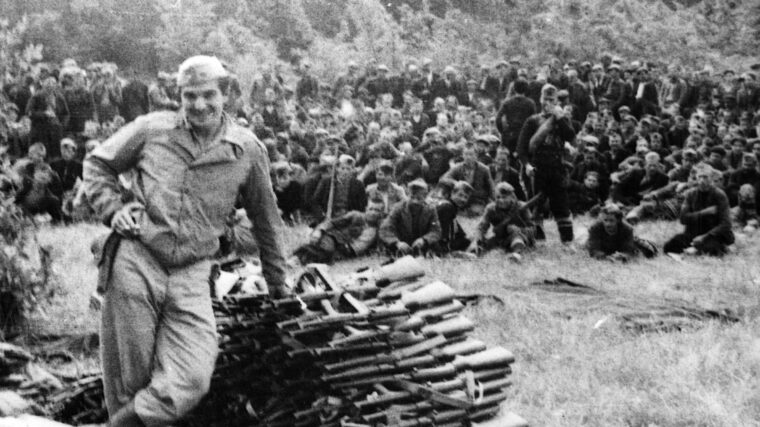
In April 1941, German troops swarmed into Greece from Bulgaria. Despite a valiant defense by the Greek Army and support from the British, the Nazis smashed their battle lines and controlled Greece within weeks. Read more
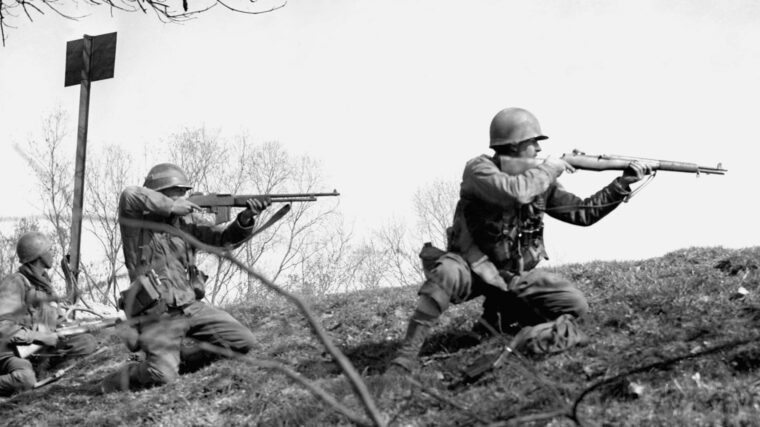
By early 1945, less than a year before General George S. Patton’s mysterious death, Adolf Hitler’s armies were almost exhausted. Read more
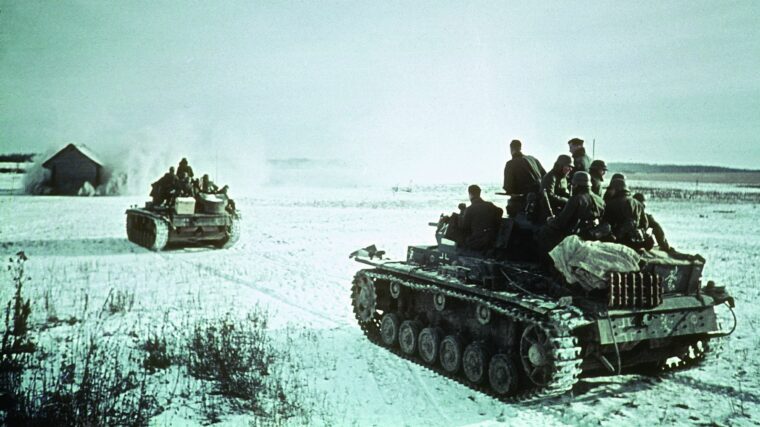
The war map gave Adolf Hitler every reason to be confident. Operation Barbarossa, Germany’s invasion of the Soviet Union begun on June 22, 1941, had succeeded spectacularly on nearly every front. Read more
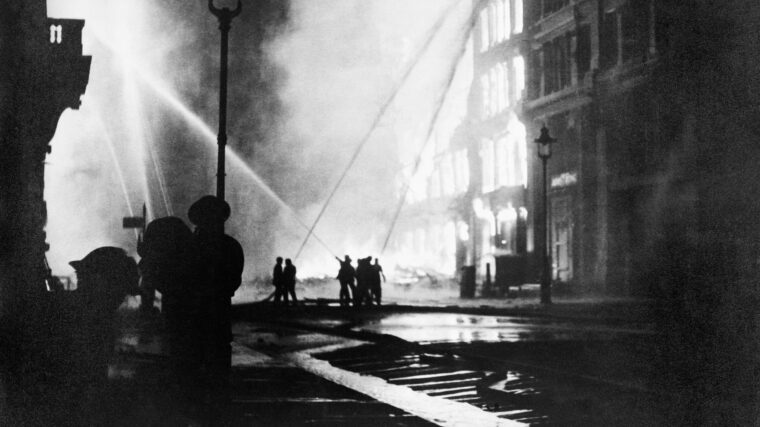
First, there was a faint drone, with black specks visible in the sunny sky. Then the drone grew into a thunder, and hundreds of bombers appeared over London. Read more

We previously covered an upcoming virtual reality first-person shooter called World War Toons, which, as you might have guessed from the title, is a more cartoonish take on the WWII shooter genre. Read more

We’ve had plenty of strategy games in the past that have given players looming, distant control of military units, from land-based vehicles to those in the air and sea. Read more

EA is trying something different with the Battlefield series, and oddly enough that involves dialing events back further than ever before. Read more
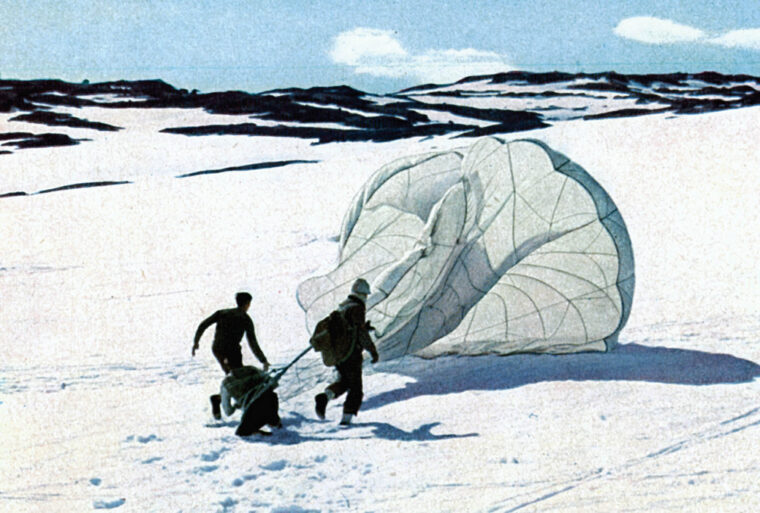
The Polish Campaign in 1939 demonstrated the awesome effectiveness of aircraft as weapons platforms for close ground support. Read more
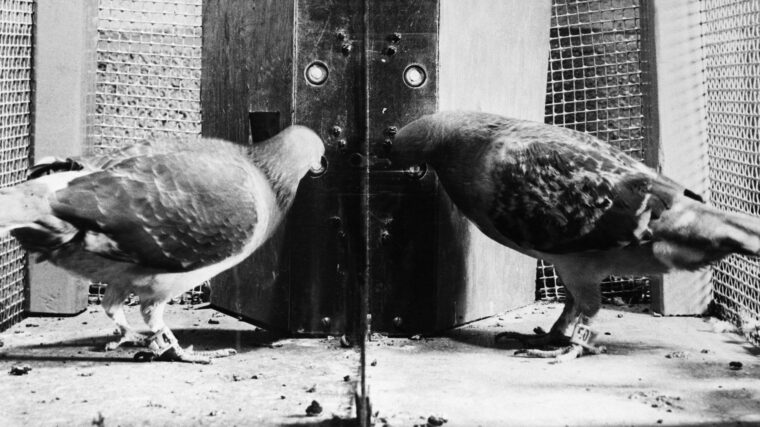
The army brass argued at length; the scheme proposed by behavioral psychologist B.F. Skinner was mad, foolhardy, but also ingenious. Read more
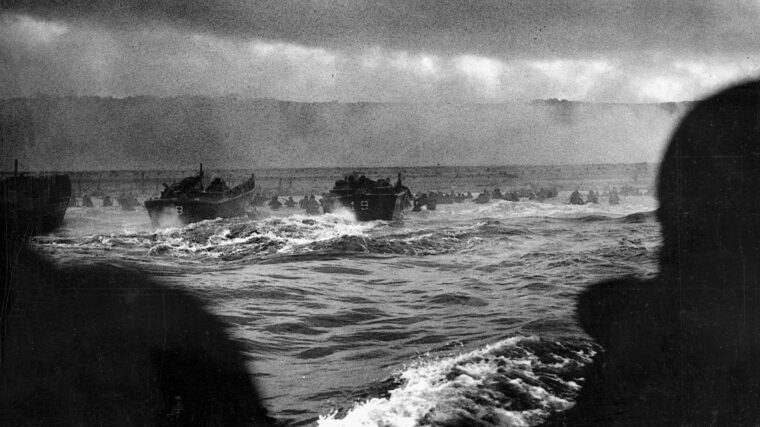
Operation Overlord, the cross-Channel attack that hit the Nazi-occupied beaches of Normandy in 1944, was the culmination of a grand strategy adopted early in the war, followed sporadically during the years of conflict, and aimed at defeating Hitler’s Reich by striking directly at Germany by invasion. Read more
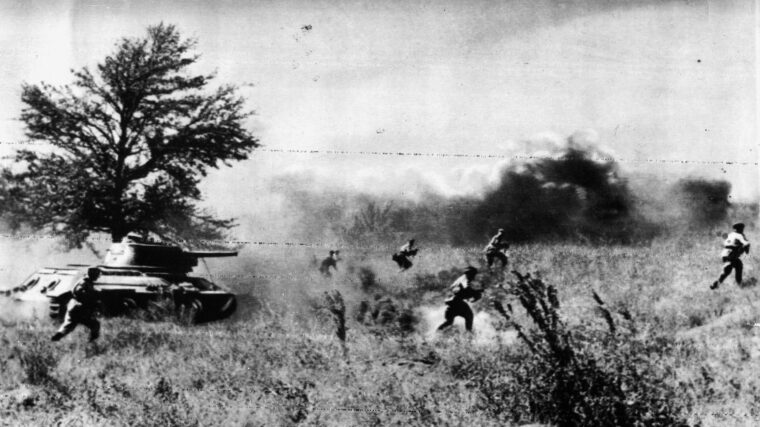
In August 1943, immediately after the Battle of Kursk, the Red Army launched a series of follow up operations, resulting in the liberation of a large swath of Nazi-occupied Soviet territory. Read more
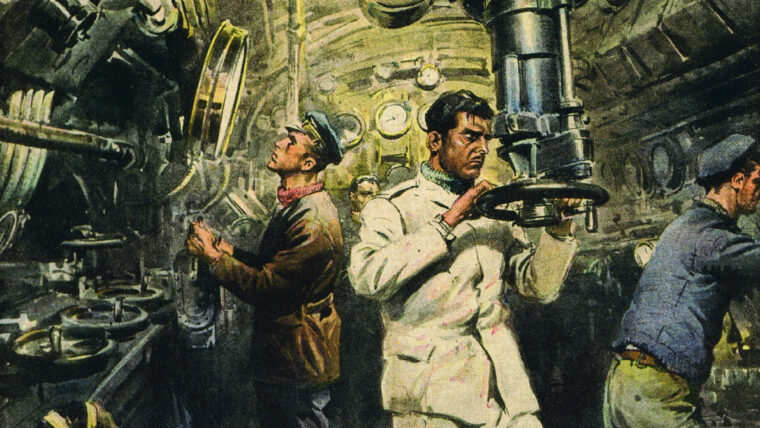
On May 9, 1936, four days after Italian troops entered Ethiopia’s capital, Addis Ababa, Mussolini appeared on a balcony of Rome’s Palazzo Venezia to proclaim Victor Emmanuel emperor of the newly created Italian East Africa. Read more
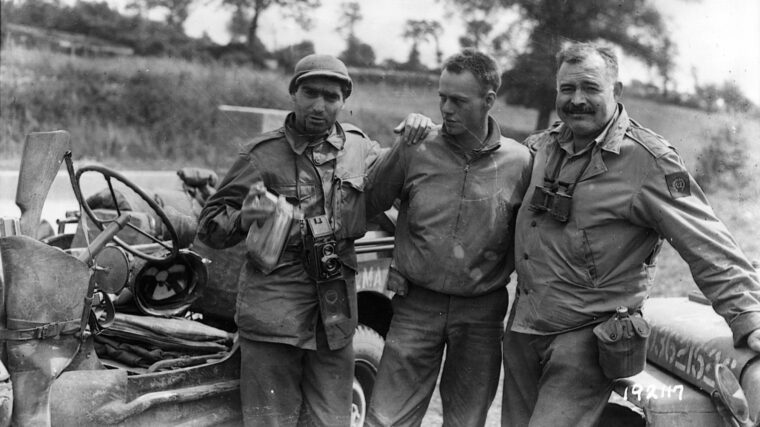
“We are going to have Christ’s own bitter time to win it, if, when, and ever,” commented Ernest Hemingway to his friend and editor, Charles Scribner, at the start of World War II. Read more