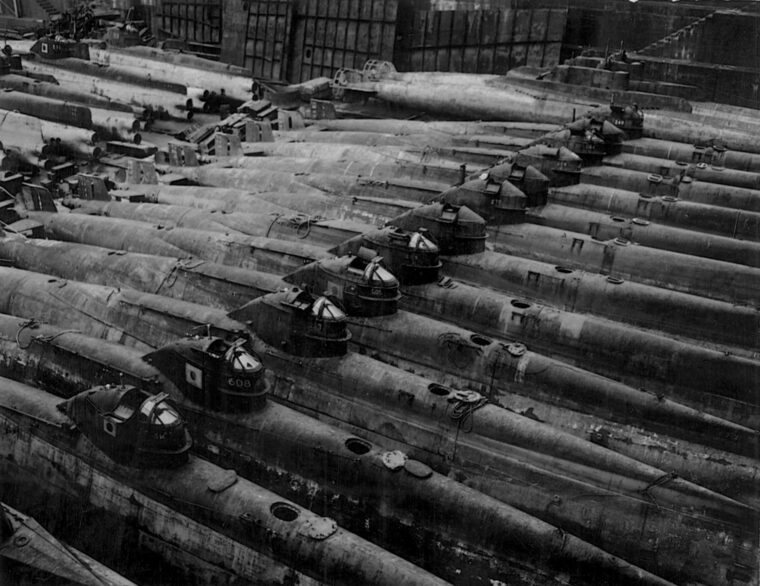
Ensign Kazuo Sakamaki: Underwater Peril at Pearl Harbor
By John PerryDuring the early hours of December 7, 1941, five midget submarinesof the Imperial Japanese Navy waited to enter Pearl Harbor, the anchorage of the U.S. Read more
During the early hours of December 7, 1941, five midget submarinesof the Imperial Japanese Navy waited to enter Pearl Harbor, the anchorage of the U.S. Read more
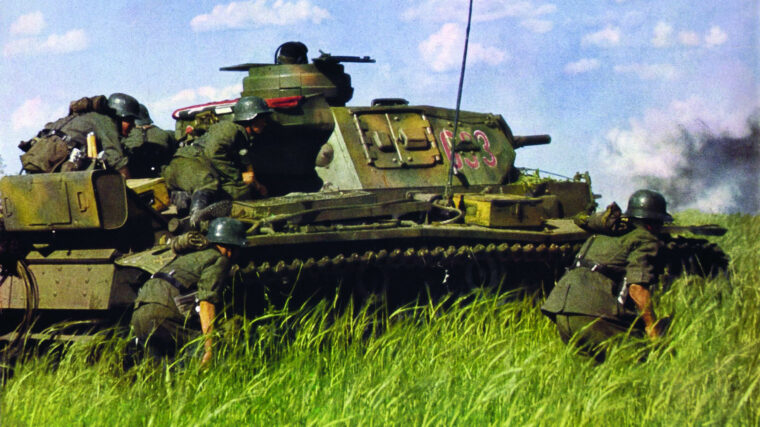
After crushing the first-line Soviet armies in brutal three-week cauldron battles at the border, the steamroller of German Army Group Center continued deeper into Soviet territory during the opening days of Operation Barbarossa, the invasion of the Soviet Union, which began on June 22, 1941. Read more
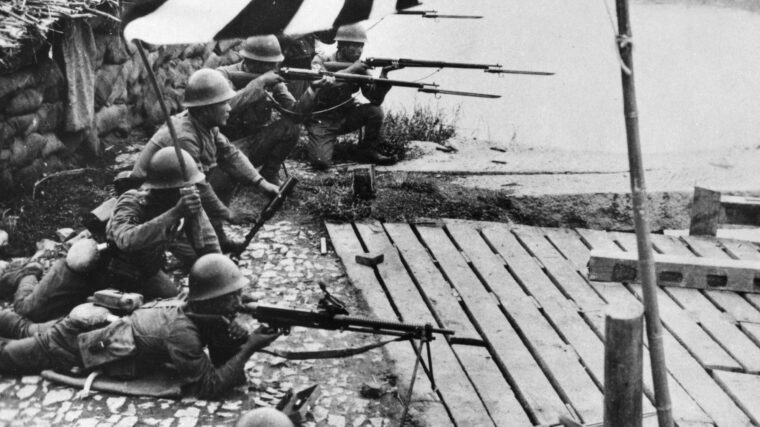
Around 10 o’clock on the morning of December 13, 1937, New York Times correspondent Hallett Abend received an unexpected visitor: Rear Admiral Tadao Honda of the Imperial Japanese Navy. Read more
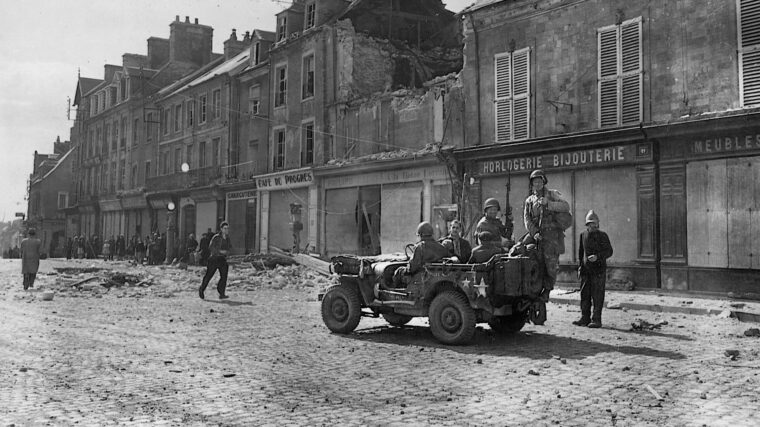
Thanks to the late historian Stephen Ambrose, his book Band of Brothers, and the HBO series of the same title, the legendary, extraordinary exploits of Easy Company, 506th Parachute Infantry Regiment (PIR), 101st Airborne Division, have become well known to a whole new generation. Read more
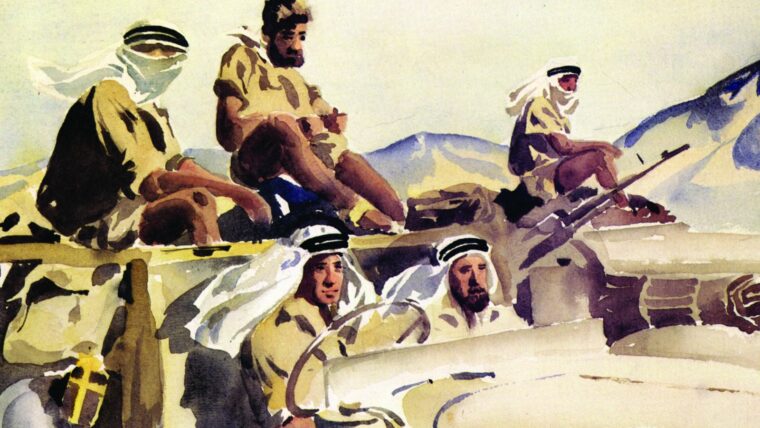
“The problem,” a member said, “is to make yourself so much master over the appalling difficulties of nature—heat, thirst, cold, rain, fatigue—that, overcoming these you yet have physical energy and mental resilience to deal with the greater object, the winning of the war.” Read more
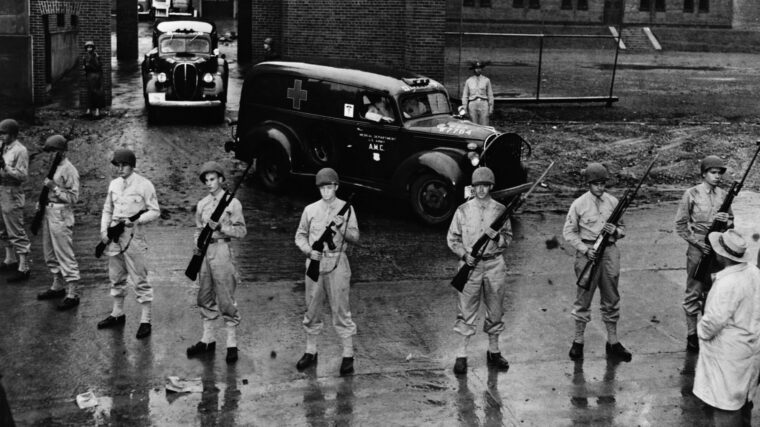
It was just about midnight on June 12, 1942, and the Abwehr (Nazi Germany’s intelligence agency) hoped that Dasch and his three men, along with another four-man group to be put ashore on the coast of Florida, would be able to destroy factories of the Aluminium Company of America (ALCOA) located in the United States. Read more
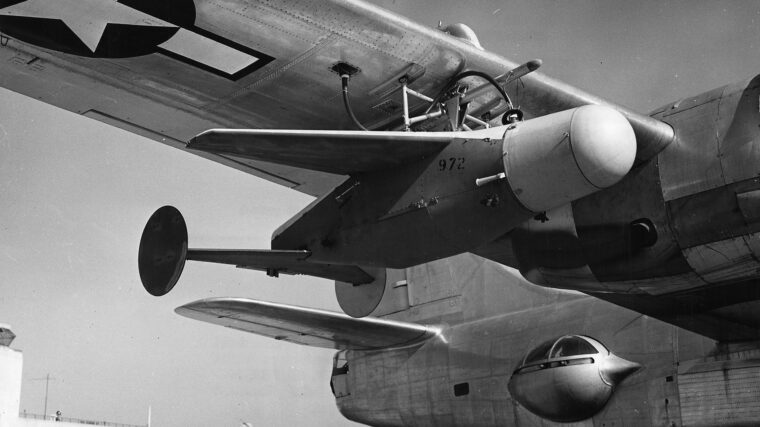
On May 27, 1945, U.S. Naval Reserve Lieutenant Leo Kennedy was patrolling from his station at Yonton Field in Okinawa. Read more
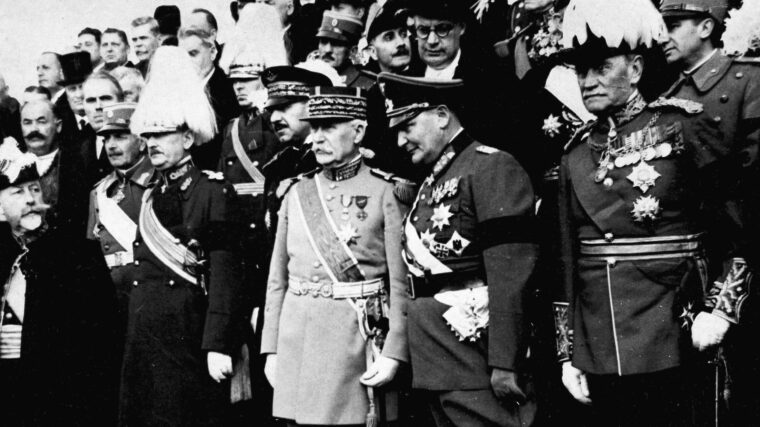
“I’ve been old in all my ranks,” said Henri Philippe Pétain, created Marshal of France on December 8, 1918, at age 62. Read more
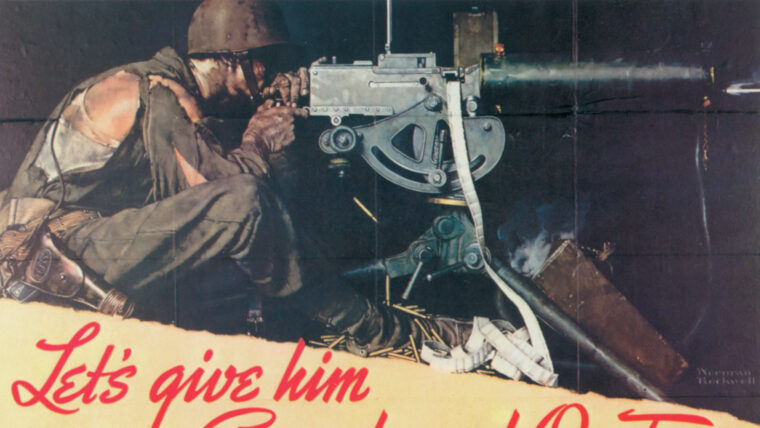
Military posters played a crucial role in motivating Americans to do their best and make sacrifices—of all kinds—during World War II. Read more
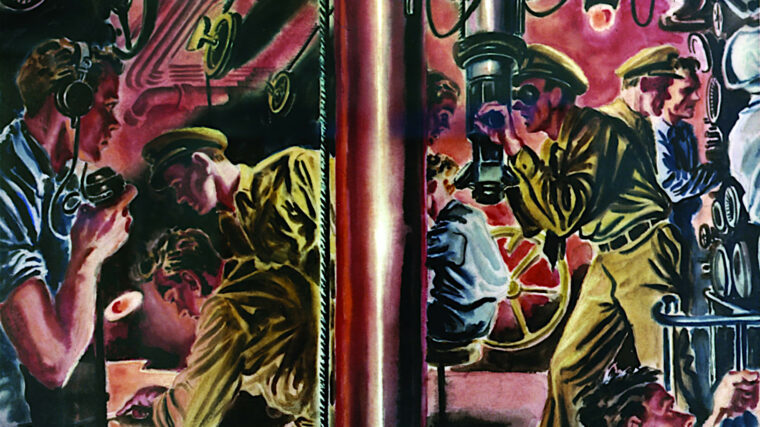
At 12:30 am, October 9, 1943, Commander Edward S. Hutchinson spotted his first targets as a submarine commander. Read more
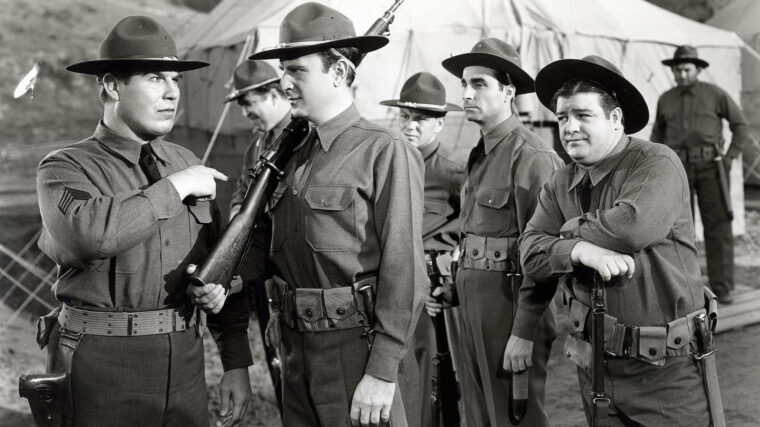
World War II came to the Hollywood motion picture studios, the “Dream Factories” as they were sometimes called, the day after Pearl Harbor. Read more
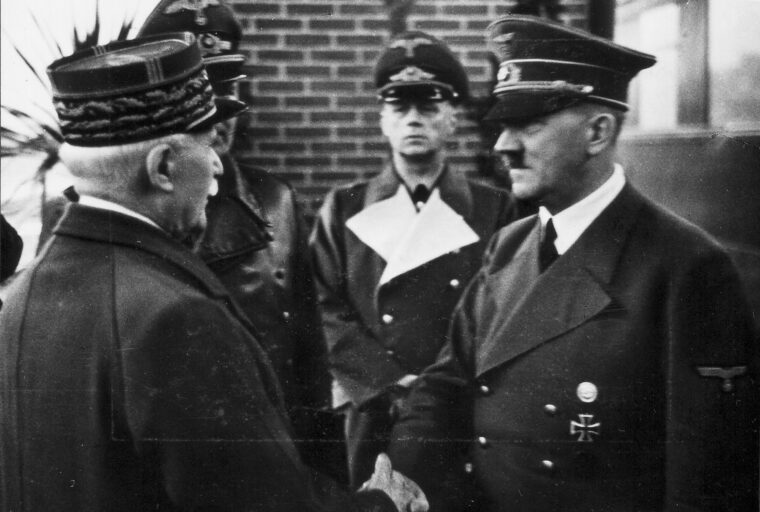
He was, in the truest sense, a national hero. Philippe Pétain, Marshal of France, the hero of Verdun, is, however, best remembered in the modern world as a traitor, a collaborationist who sacrificed the honor of France to make a deal with Hitler and the Nazis. Read more
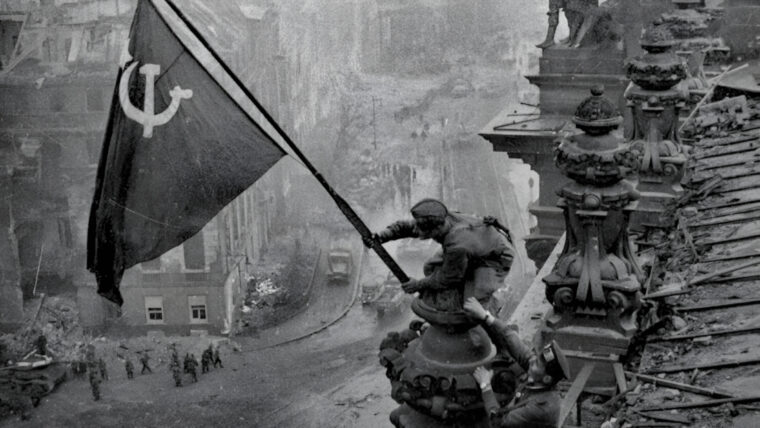
The image of Red Army soldiers hoisting their hammer and sickle emblazoned banner atop the Reichstag, the seat of the German parliament, is a classic photo of World War II, an image that told the world Nazi Germany was at last finished. Read more
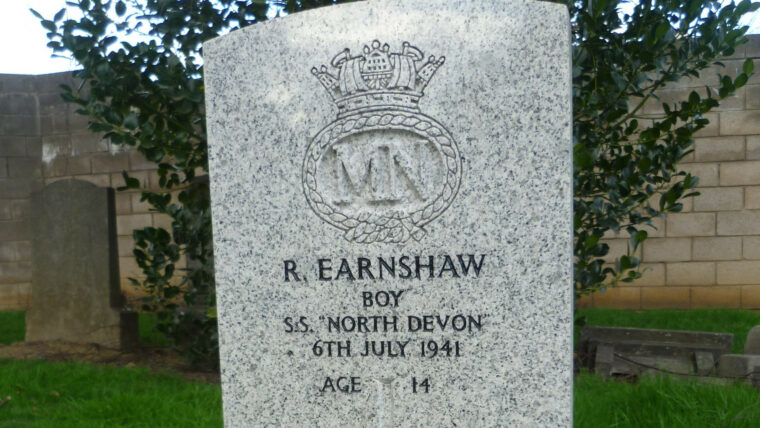
Duty in the British Merchant Navy was hazardous during World War II. Braving the stormy Atlantic, the expanse of the Pacific, and the daily rigors of life aboard ship were challenging enough during peacetime; however, during the dark days of the war a determined enemy, bent on bringing the island nation and its far-flung empire to their knees, unleashed a vicious campaign against Britain’s merchant lifeline. Read more
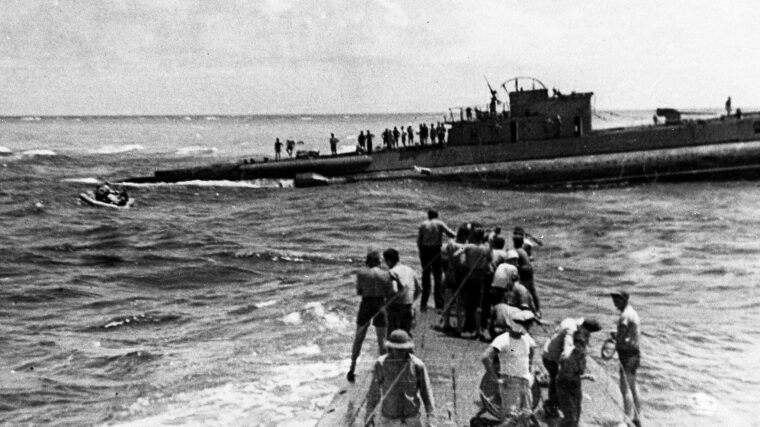
As the submarine USS Cod left Apra harbor, Guam, on the afternoon of June 26, 1945, for her seventh war patrol, her crew of 97 officers and enlisted men were all but certain that their new assignment was to be junk hunting—a thankless and dangerous job that in the words of one Cod crewman saw “Uncle Sam risk a seven million dollar submarine and crew to sink a leaky sailboat not worth more than $20,000!” Read more
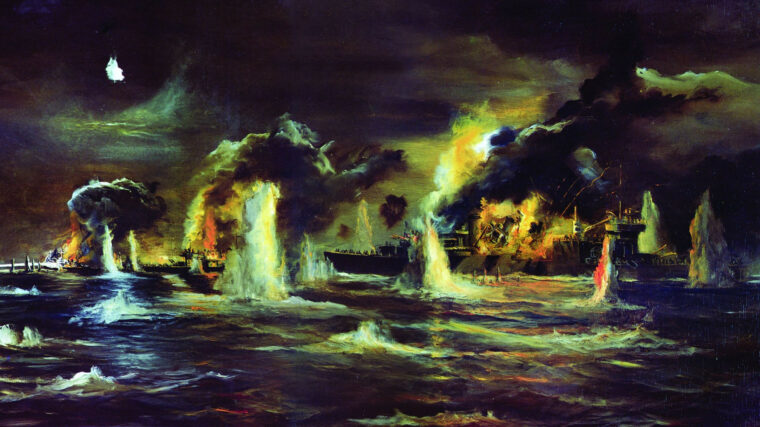
Admiral Ernest King could not believe what he was reading. The graying 63-year-old chief of U.S. naval operations had been awoken from his sleep. Read more
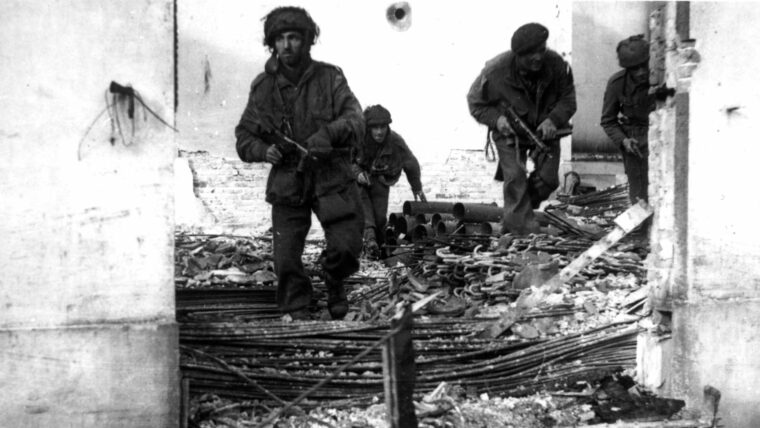
The Hollywood military film devotee will remember the beginning of the epic, A Bridge Too Far, when a young British airborne officer named Fuller informs Lt. Read more
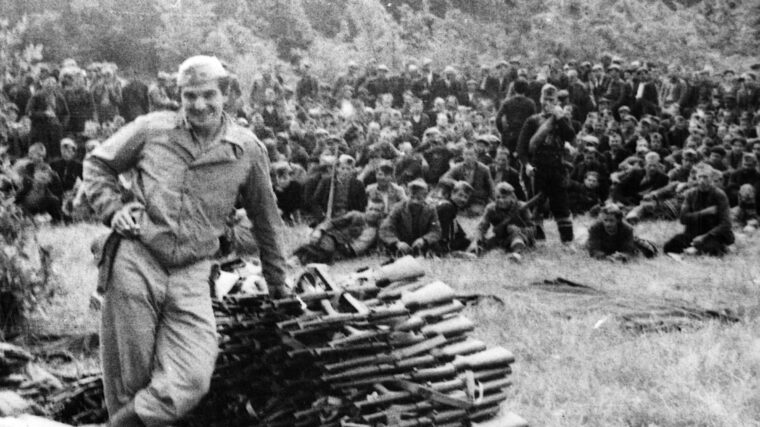
In April 1941, German troops swarmed into Greece from Bulgaria. Despite a valiant defense by the Greek Army and support from the British, the Nazis smashed their battle lines and controlled Greece within weeks. Read more
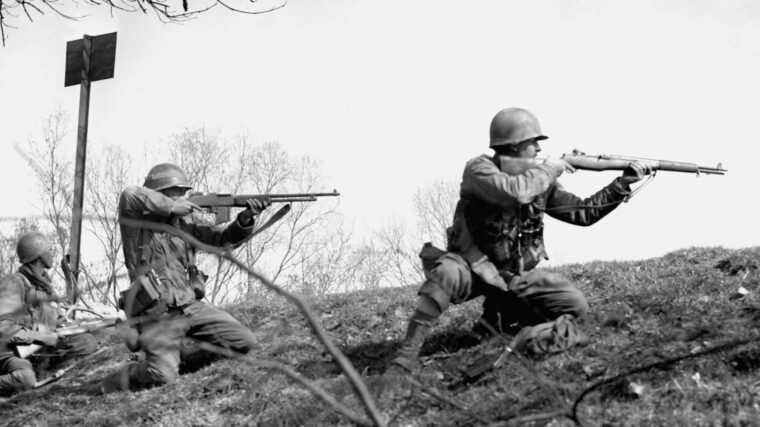
By early 1945, less than a year before General George S. Patton’s mysterious death, Adolf Hitler’s armies were almost exhausted. Read more
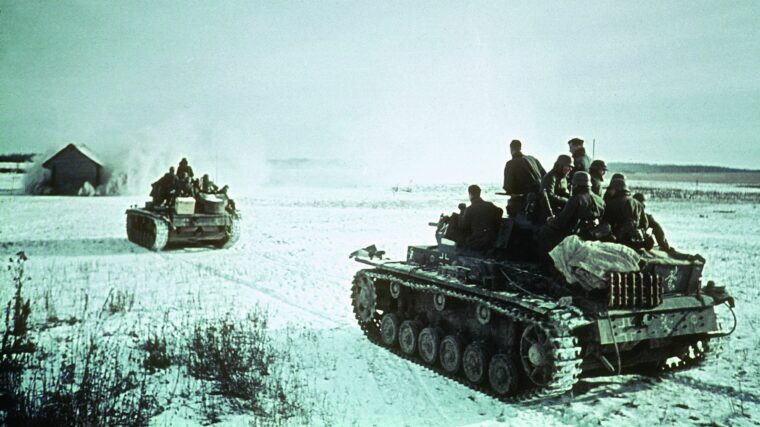
The war map gave Adolf Hitler every reason to be confident. Operation Barbarossa, Germany’s invasion of the Soviet Union begun on June 22, 1941, had succeeded spectacularly on nearly every front. Read more