North Sea Duel at Camperdown
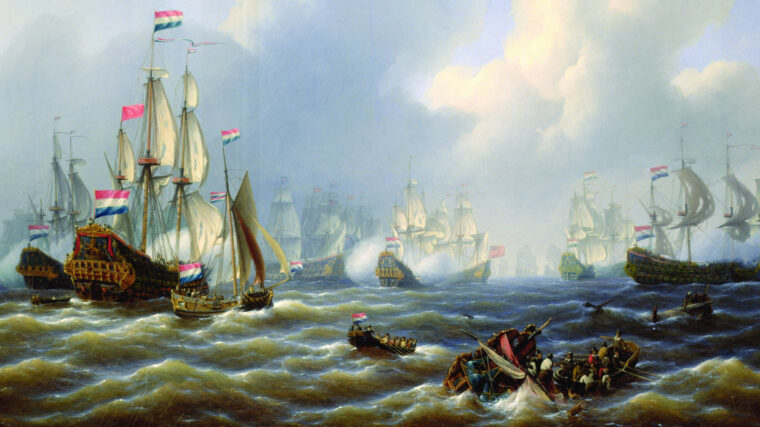
By Michael E. HaskewBy the autumn of 1797, revolutionary France had been at war with the combined forces of the First Coalition for four long years. Read more
By the autumn of 1797, revolutionary France had been at war with the combined forces of the First Coalition for four long years. Read more
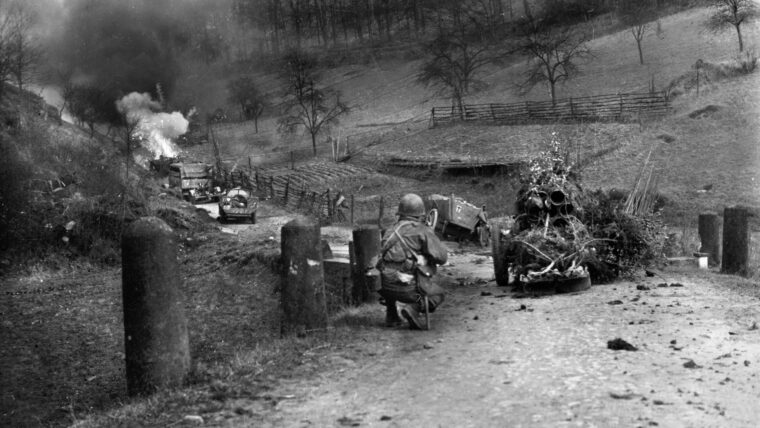
On September 5, 1944, American intelligence estimates of German forces in the sector of the 80th Infantry Division, between Nancy and Metz in northeastern France, described scattered units and limited defenses along the east bank of the Moselle River. Read more
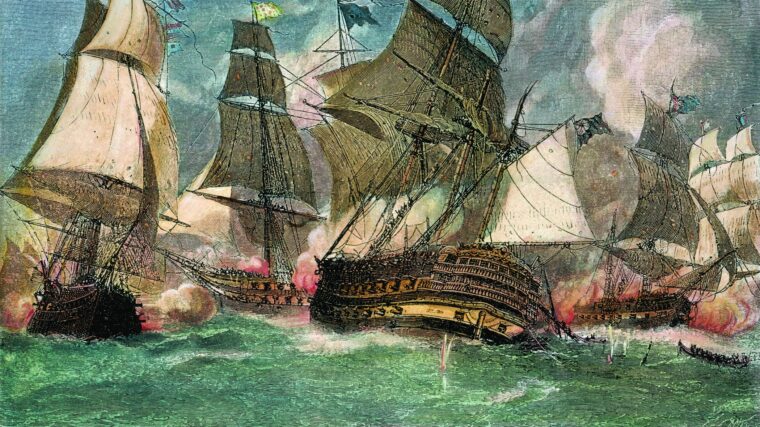
When most Americans think of the triumphant ending of the Revolutionary War, they almost exclusively credit George Washington for the miraculous outcome, forgetting that the war was part of a much larger worldwide contest of which the revolution in the colonies was only a part. Read more
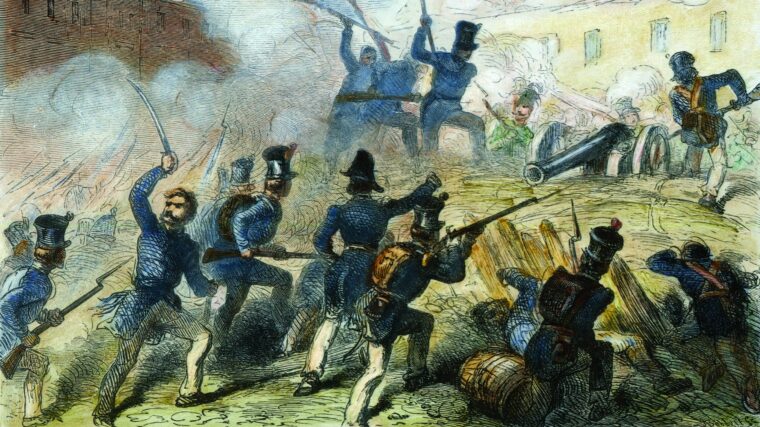
On the morning of September 19, 1846, General Zachary Taylor and his advance party could see little through the mist that shrouded the city of Monterrey, Mexico, Taylor’s next objective in his ongoing northern campaign. Read more
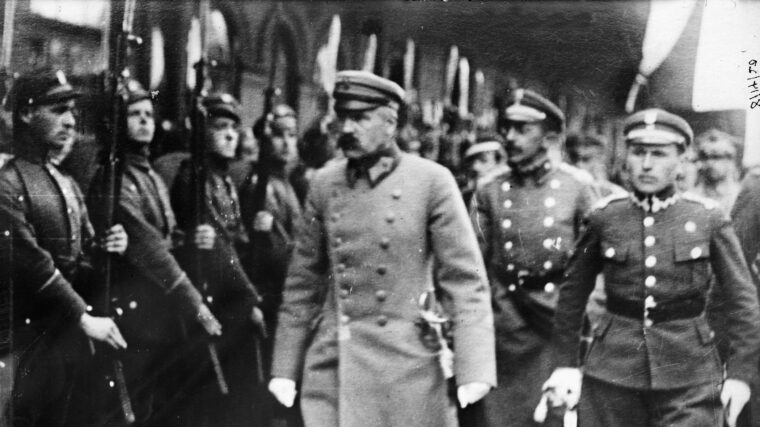
”The subject of Poland is by far the most complex of all the problems to be considered,” the American delegation to the Paris Peace Conference at Versailles was told in 1919, as it was preparing to sort out the incredible mess in European affairs following the end of World War I. Read more
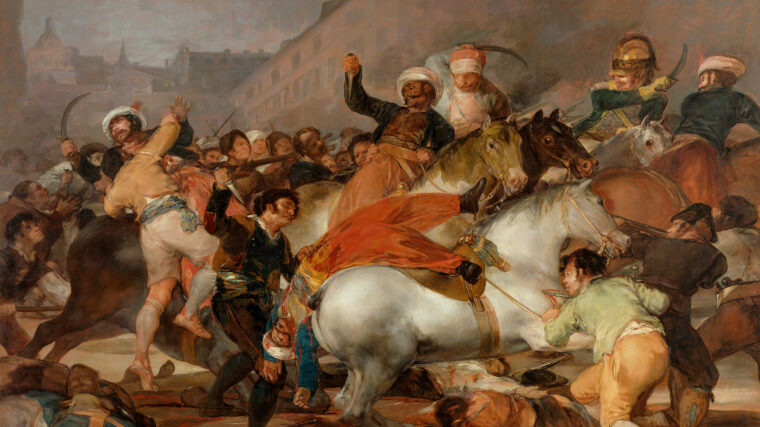
When French troops invaded Spain in the spring of 1808, one of the most captivated onlookers was neither a soldier nor a diplomat, but a painter—albeit, one of surpassing genius. Read more
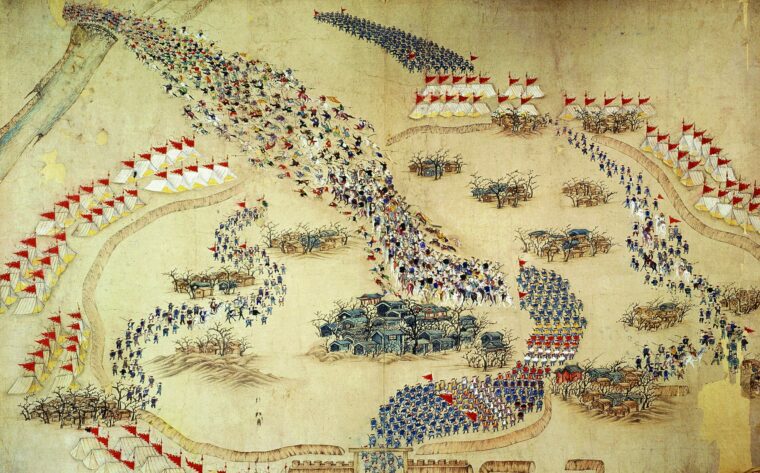
Wu Hsu was having trouble sleeping. As the taotai, or mayor, of Shanghai, Wu was charged with the ultimate welfare of China’s greatest cosmopolitan city. Read more
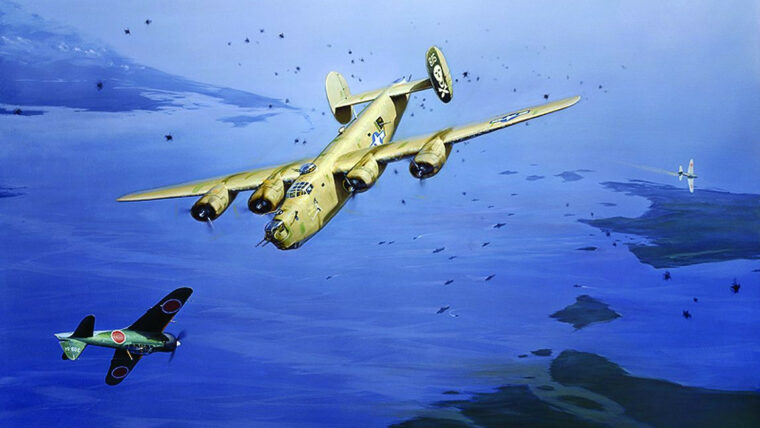
The 90th Heavy Bombardment Group, known as the Jolly Rogers, was an element of the Fifth Air Force headquartered in Brisbane, Australia. Read more
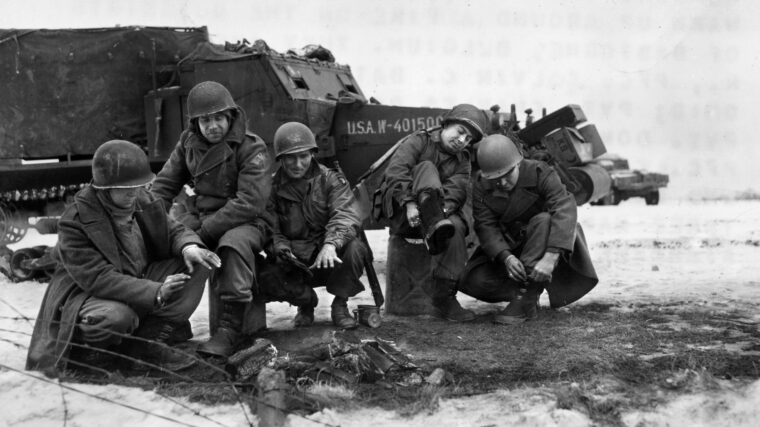
Next to sleep, warmth was the most sought after commodity of the frontline soldiers who froze in their foxholes, stomping their feet or puffing on cigarettes to keep warm. Read more

Considering the fact that grand strategy game Hearts of Iron III came out back in 2009, the wait for the proper numbered sequel has been a long one. Read more
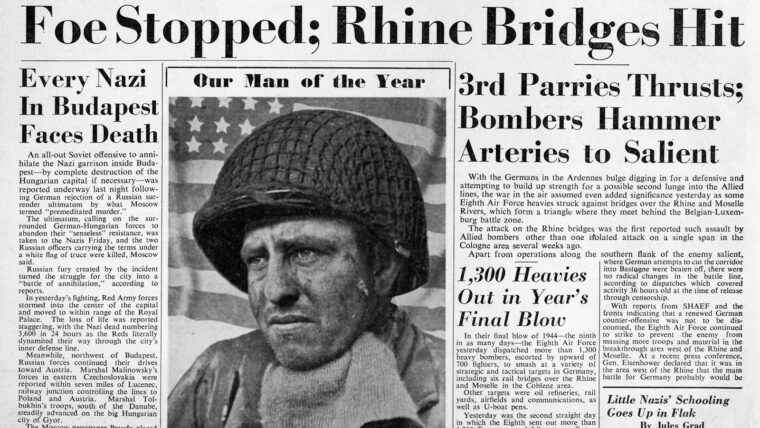
During the closing days of 1944, editors at the London edition of Stars and Stripes decided to select a frontline GI as “Our Man of the Year.” Read more
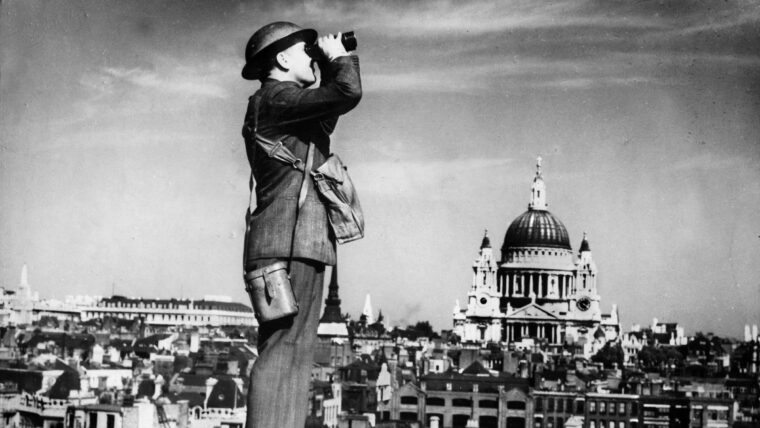
Within hours of the entry of Great Britain and France into World War II on September 3, 1939, the British liner SS Athenia was sunk by a German U-boat off the northwestern coast of Ireland, with the loss of 112 dead, including 28 American citizens. Read more
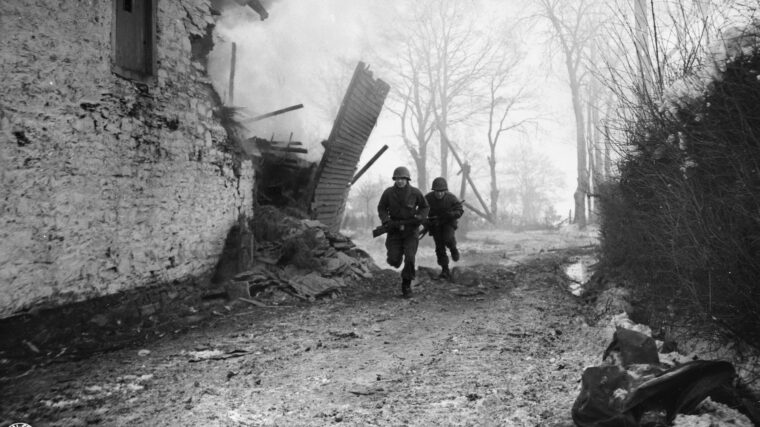
Marvie is a quiet town nestled in the Ardennes region of southern Belgium. A farming village with a population of several hundred people, history has almost forgotten the town, but on one day in December 1944, Marvie lay astride a road that led to another town—Bastogne. Read more

Hitler’s Germany was known for its organization and efficiency, as well as its deprivations, terror, and cruelty. This was exemplified in its security forces. Read more
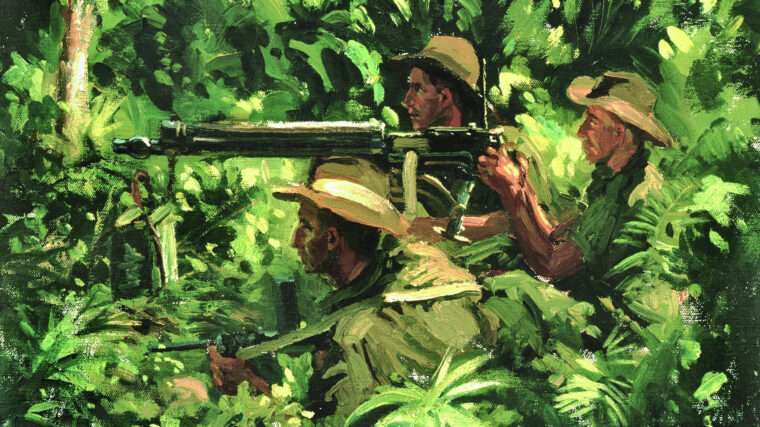
In June 1943, with the war on the island of New Guinea in its last stages, a proposal was under discussion in Washington that the huge Japanese base at Rabaul on New Britain be bypassed and “left to wither on the vine.” Read more
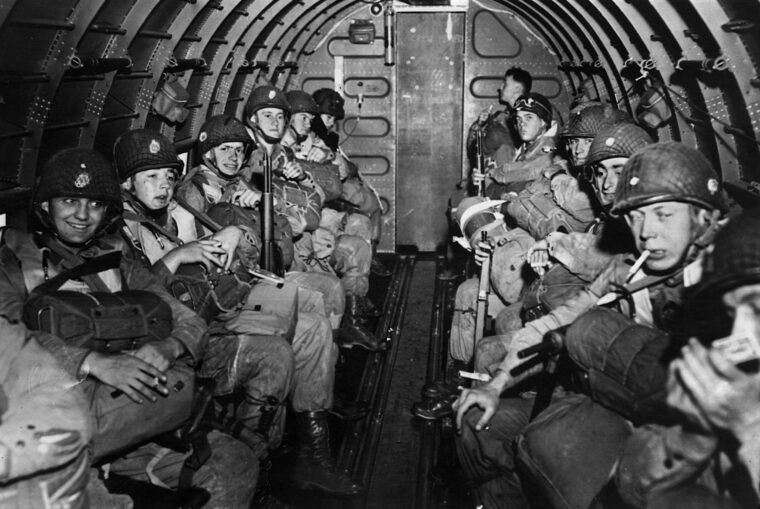
Reginald Alexander was born in Gardnerville, Nevada, in 1924 to Scottish émigré parents who were originally from Westcolvin, Scotland. Read more
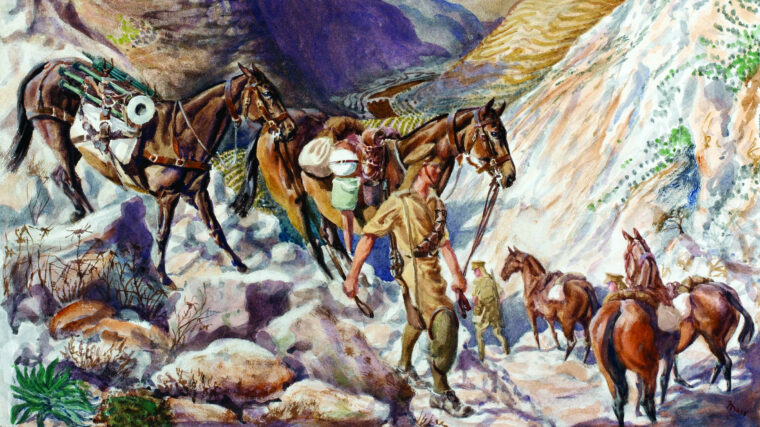
Not all World War II heroes were men or women. Some were four-legged, hoofed, or winged. They included horses and mules, elephants, and dogs as well as more exotic animals such as bats, camels, reindeer, and pigeons. Read more
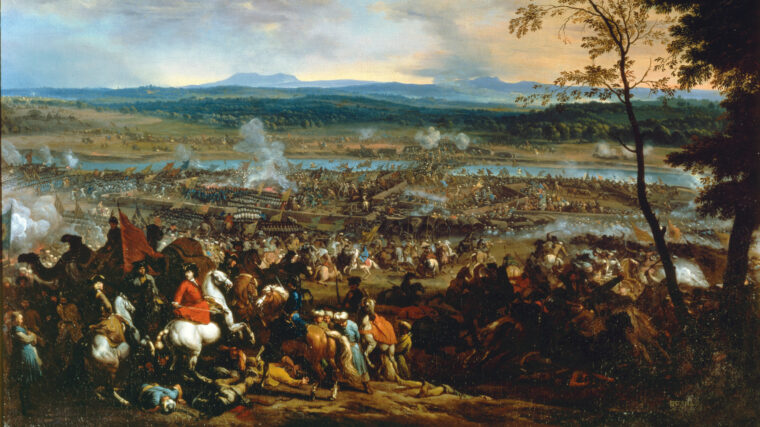
Peering out over the horizon, Austrian commander Prince Eugene of Savoy could see an army of Turks, the dreaded masters of southeastern Europe for the past three centuries, crossing the Tisza River near the town of Zenta on their way to pillage Transylvania. Read more

Around noon on September 25, 1846, Brig. Gen. Stephen Watts Kearny mounted his bay horse and raised a hand in salute. Read more
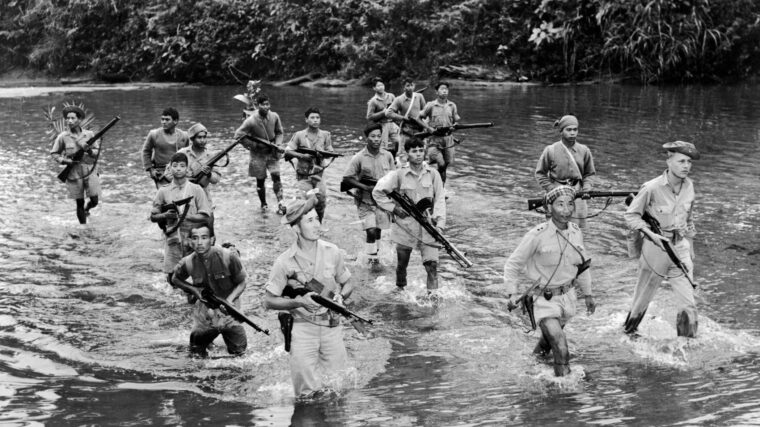
When the United States entered World War II in December 1941, Joseph Stilwell was already a highly regarded officer. Read more