Nazi Germany
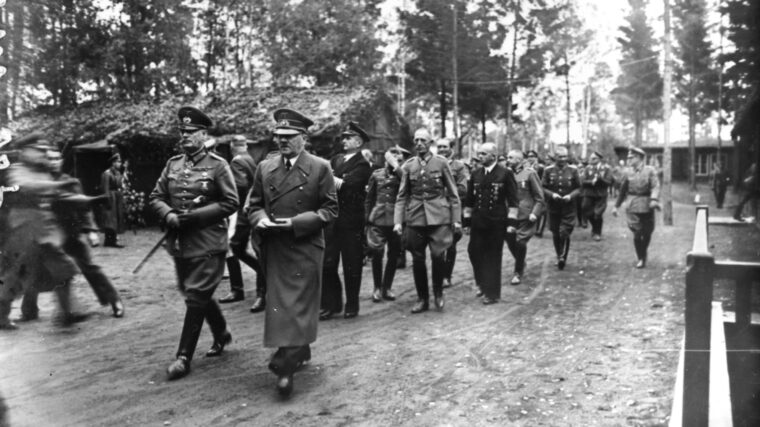
Nazi War Machine: Why the WWII German Army Was So Strong
By Michael E. HaskewWith the end of World War I, the German Army had not been defeated in the field. Read more
Nazi Germany
With the end of World War I, the German Army had not been defeated in the field. Read more
Nazi Germany
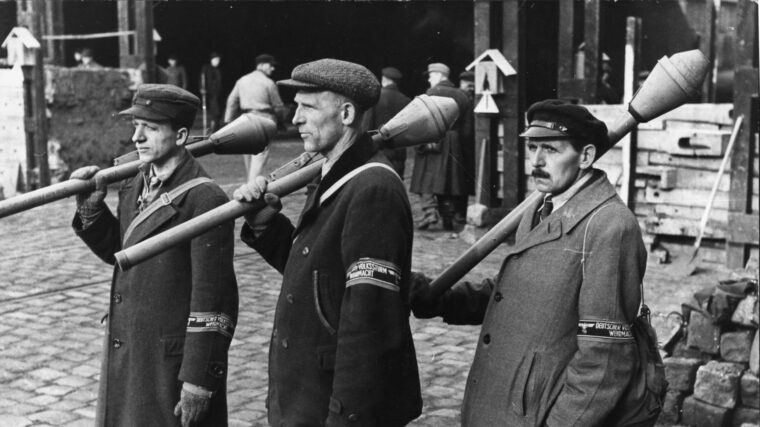
On October 18, 1944—the 131st anniversary of the Battle of the Nations’ victory over Napoleon in 1813—Reichsführer-SS (National Leader) Heinrich Himmler stepped up to a microphone to make a national radio address announcing the formation of the Nazi Party-controlled Volkssturm, or People’s Militia. Read more
Nazi Germany
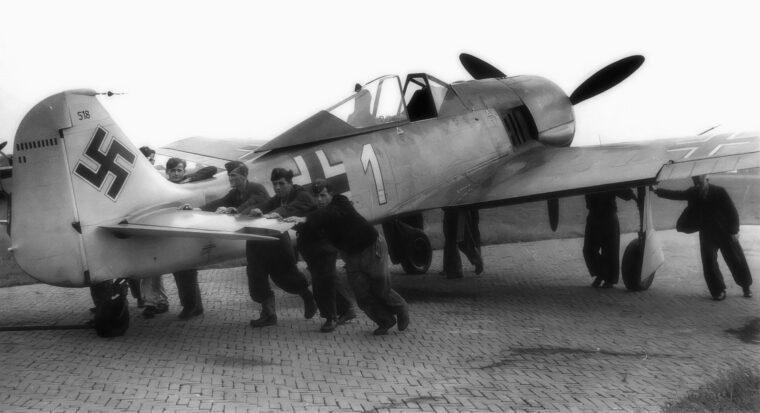
It was November 1, 1944. I, Feldwebel (Technical Sergeant) Gustav Jack Lothar Carl Herbert Julius Hans Jergen Hildebrandt von Lengerke (aka “Jack” Hildebrandt), had just completed a successful strafing run against British General Bernard “Monty” Montgomery’s advancing army along the southern end of the Dutch-Belgian border. Read more
Nazi Germany
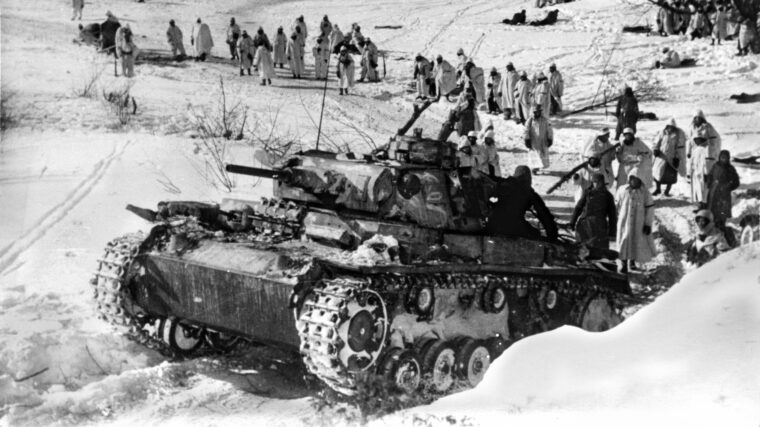
On the surface it may seem odd that men of conquered nations would eagerly sign up to fight for their masters, but that is exactly what happened in Scandinavia in the 1940s. Read more
Nazi Germany
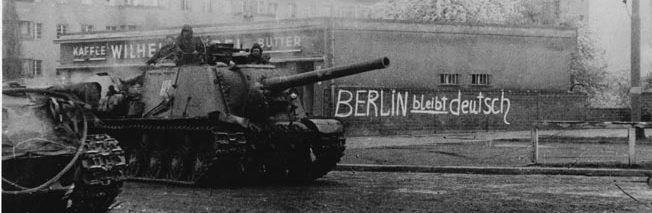
Almost from the beginning, the fractious alliance that defeated Nazi Germany was in peril. The United States and Great Britain had long distrusted the communist regime of the Soviet Union, and the feeling was strongly mutual. Read more
Nazi Germany
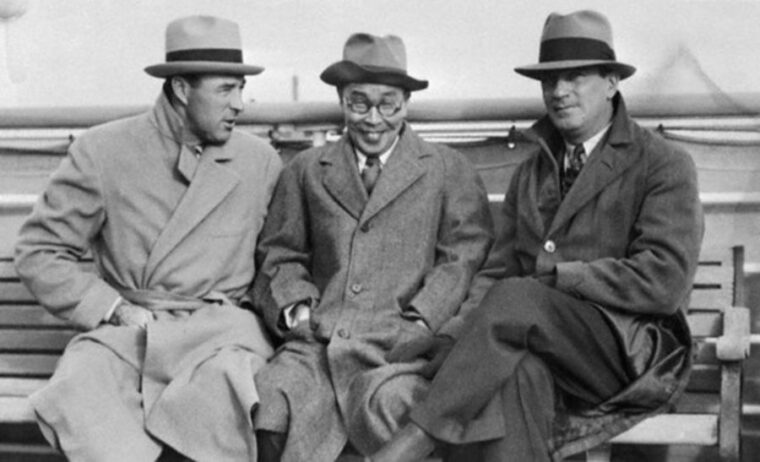
In 1920, a young, handsome Jewish boy from New Jersey took the train from Grand Central Station to Princeton, New Jersey, where he would enroll that fall. Read more
Nazi Germany
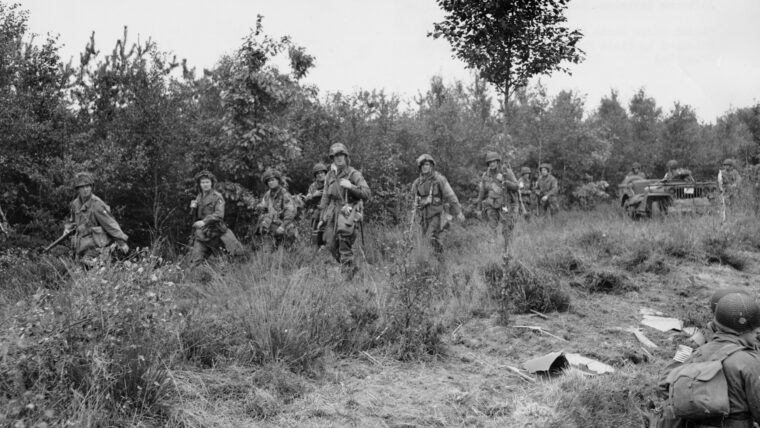
On the veranda of his temporary headquarters in a Dutch country house outside Veghel, Holland, renowned Luftwaffe General Kurt Student played lunch host to an old comrade, the chief of staff of the German Seventh Army. Read more
Nazi Germany
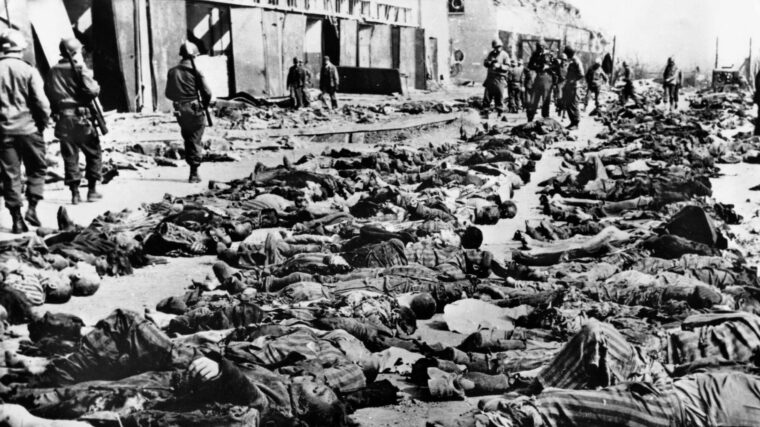
Down in the basement of my father’s medical office a Nazi helmet stood guard. It sat on top of the pea-green Army trunk, CAPT R LEVINSON stenciled in white letters under a beaten-up leather handle. Read more
Nazi Germany
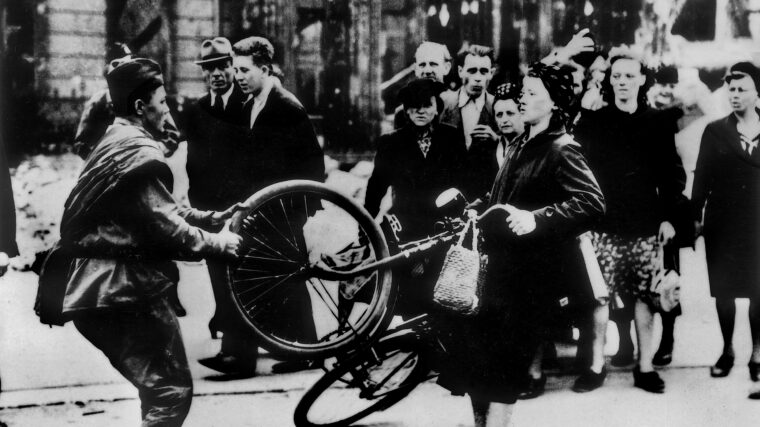
The vast Soviet War Memorial in Berlin’s Treptower Park commemorates 5,000 Red Army soldiers who fell in battle in the city in April and May 1945. Read more
Nazi Germany
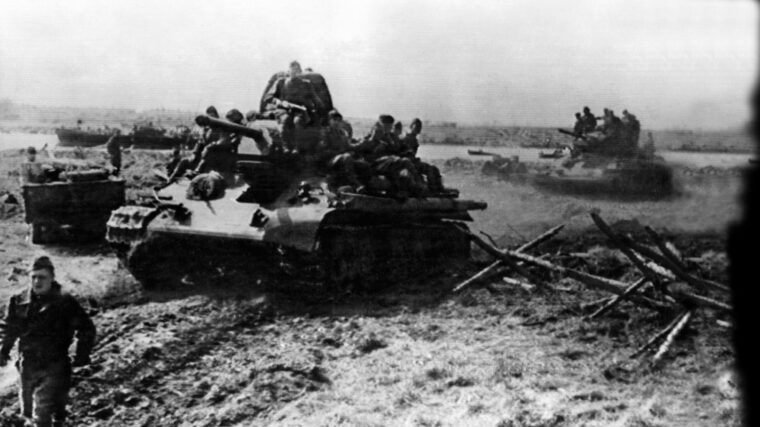
In 1941, Finland joined Nazi Germany in its attack on the Soviet Union, resulting in the third war with its giant eastern neighbor in 23 years. Read more
Nazi Germany
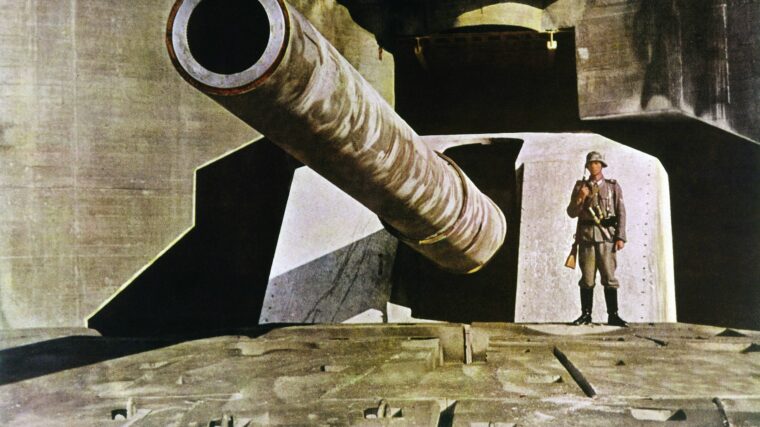
The popular image of Hitler’s Atlantic Wall (Atlantikwall) is one of massive bunkers and huge artillery pieces recessed in concrete casemates stretching the length of the Reich’s coastline. Read more
Nazi Germany
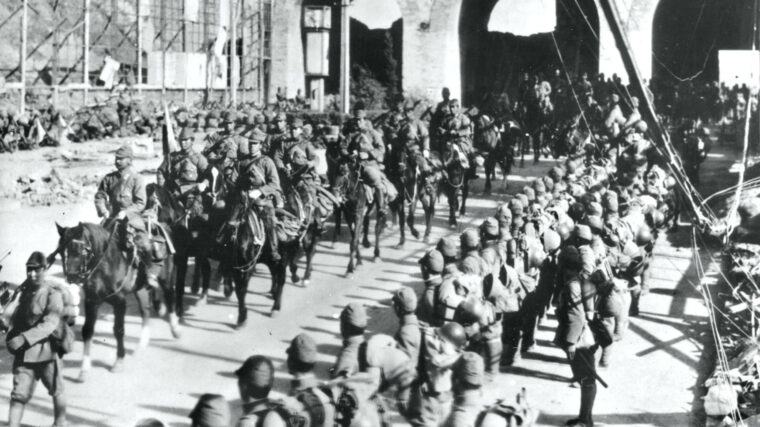
On August 15, 1937, the Japanese Imperial Army bombed Nanking, the capital of China. These raids were unrelenting until December 13, when Japanese troops entered the conquered city. Read more
Nazi Germany
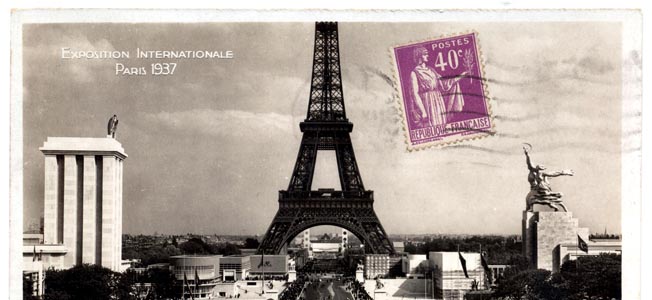
The 1937 Paris International Exposition once again centered world attention on the French capital that had previously been the stage for five world’s fairs, including the famous 1889 Paris Exhibition and the raison d’être for the construction of the Eiffel Tower, at 984 feet then the tallest structure in the world. Read more
Nazi Germany
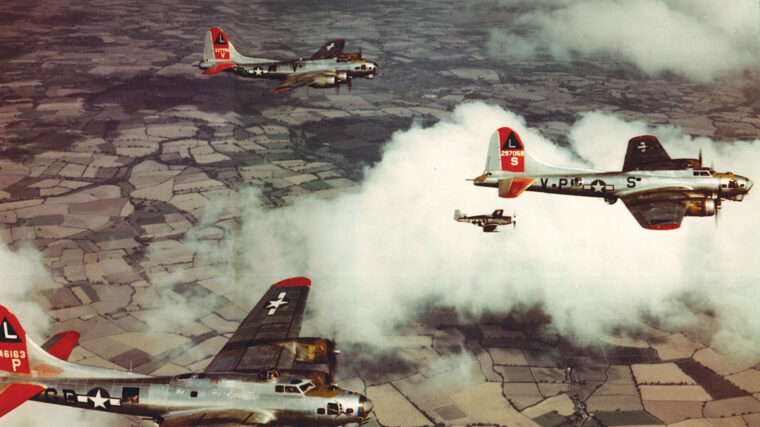
The Eighth Air Force—the “Mighty Eighth”—became the stuff of U.S. Air Force legend when its fleets of unprotected Boeing B-17 “Flying Fortress” heavy bombers flew massive air raids against the heavily guarded German industrial heartland during the period between the end of January through the middle of October 1943. Read more
Nazi Germany
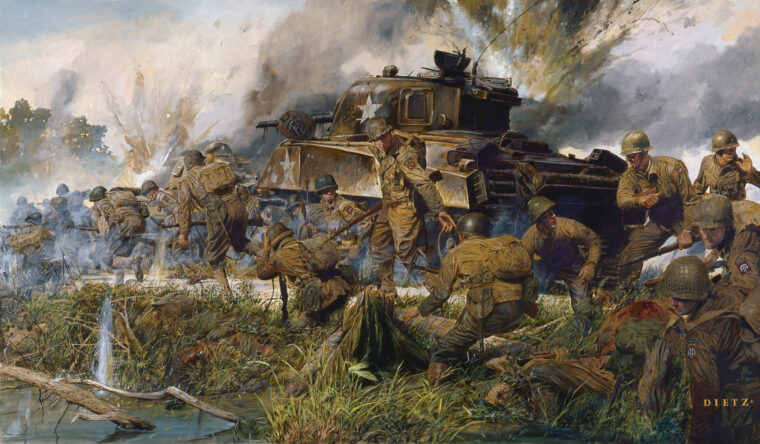
The night of June 5, 1944, and the morning of June 6 were without a doubt some of the most pivotal hours in the history of the 20th century. Read more
Nazi Germany
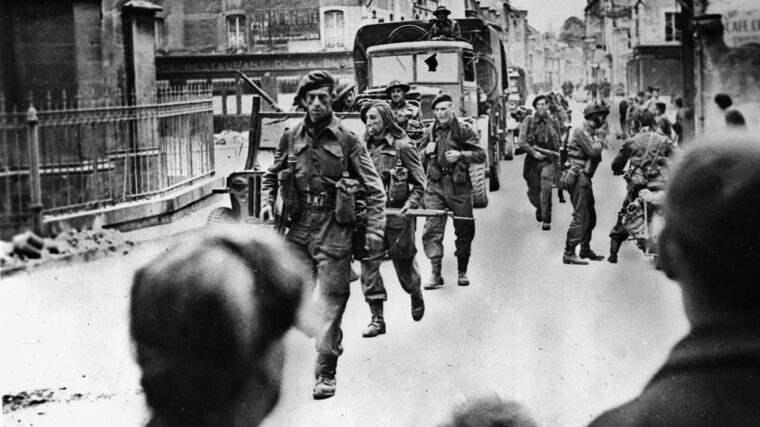
“The big day came and we moved off to our positions. Shortly a huge bombing raid commenced on the town of Wesel, followed by an artillery barrage which virtually shook the very ground under us. Read more
Nazi Germany
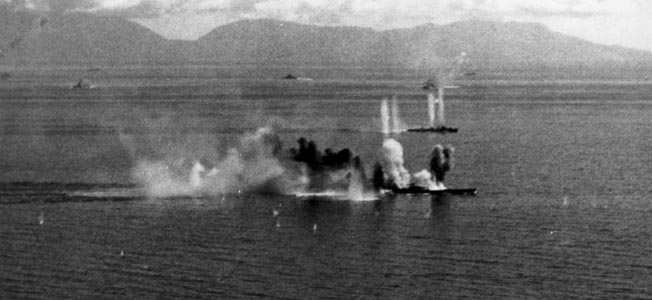
The Japanese superbattleship Musashi was steaming east along with a fleet of other battleships, cruisers, and destroyers on their way toward what was expected to be a climactic battle at Leyte Gulf. Read more
Nazi Germany
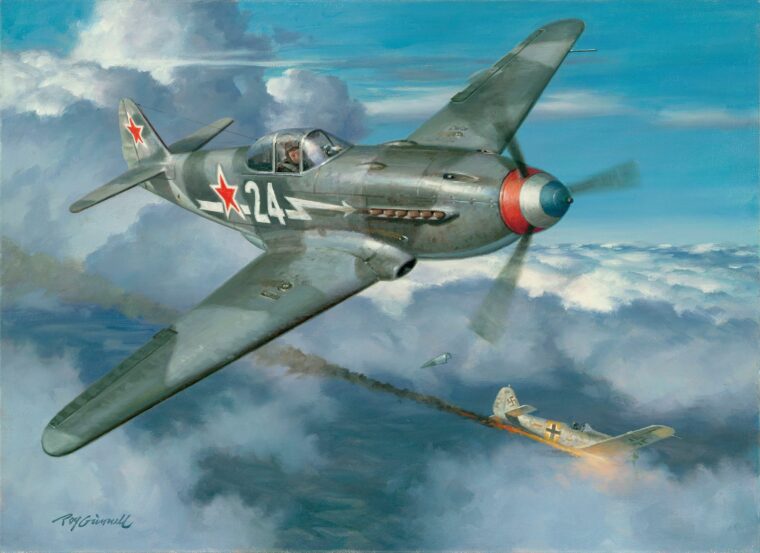
The world was understandably shocked when France capitulated to Nazi Germany in June 1940, but not all Frenchmen accepted their country’s humiliation. Read more
Nazi Germany
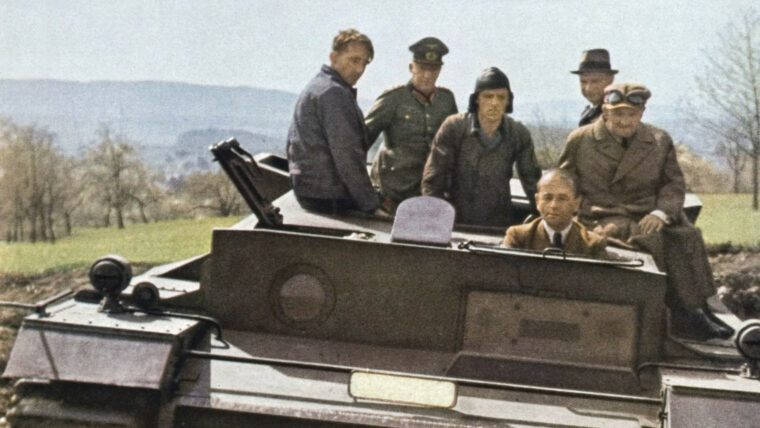
On October 6, 1943, Dr. Albert Speer, Reich minister of armaments and war production for the Third Reich, gave a 50-minute address to the assembled top officials of Nazi Germany at Posen Castle in occupied Poland’s Reich Gau (Region) of Wartheland on the critical state of World War II at that point. Read more

Nazi Germany
The Ninth Air Force began life on August 21, 1941, as the 5th Air Support Command at Bowman Field, Kentucky, and was activated on September 1, 1941. Read more