Nazi Germany
How Capitalism Won WWII: This Is Capitalism and Expert Rob Citino Explain
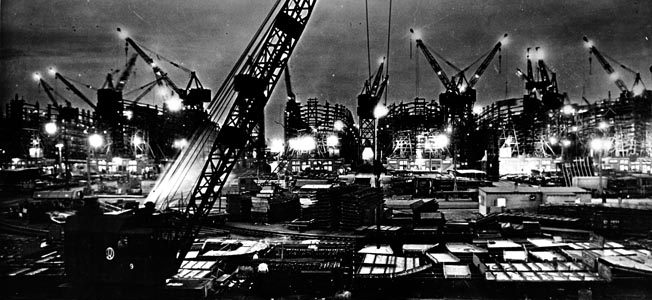
By Nicholas Varangis“We won because we smothered the enemy in an avalanche of production, the like of which he had never seen, nor dreamed possible.” Read more
Nazi Germany
“We won because we smothered the enemy in an avalanche of production, the like of which he had never seen, nor dreamed possible.” Read more
Nazi Germany
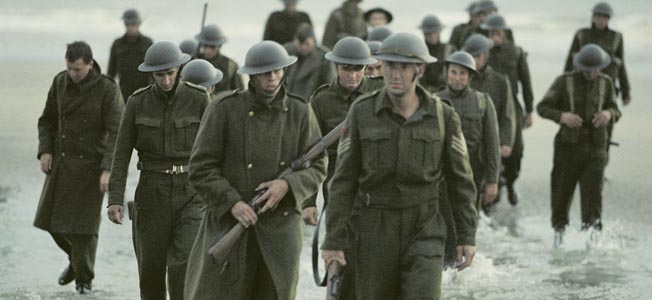
This week, two Dunkirks will make their debut. The first is the much-anticipated Christopher Nolan film, a two-hour long Hollywood blockbuster set to take theaters by storm as a new take on the war epic genre. Read more
Nazi Germany
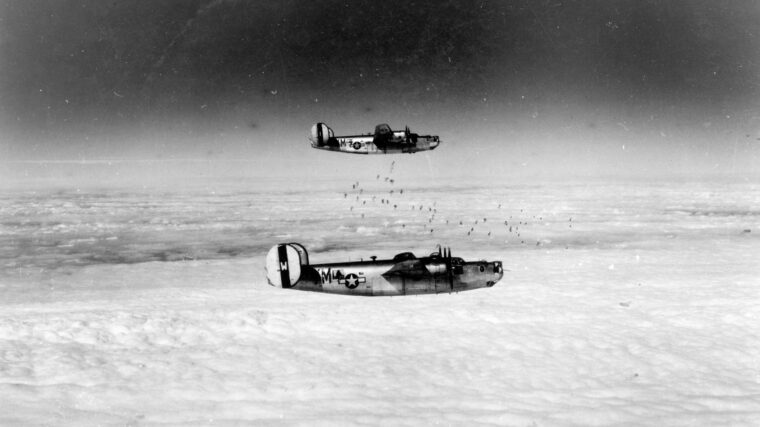
Every February 11, Rouxmesnil-Bouteilles, a tiny town in Upper Normandy situated north of the Seine River a short distance inland from the coastal city of Dieppe and some two hours from the D-Day invasion beaches, pays homage to 10 American airmen who crashed into the town center, narrowly missing the local children assembled in their schoolhouse just a few yards away. Read more
Nazi Germany
Guest Post By History on the Net
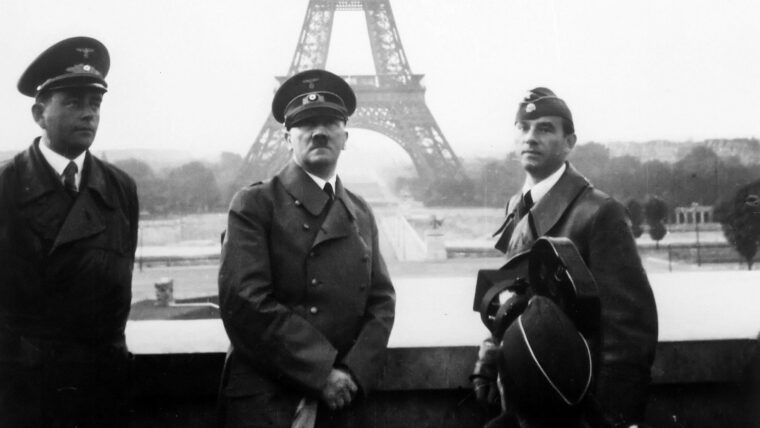
No matter how little you know about history, you know something about Adolf Hitler. Read more
Nazi Germany
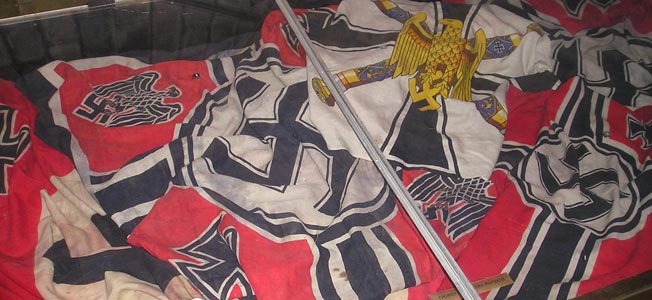
Enter into this suburban home outside Buenos Aires and you perhaps wouldn’t imagine it held the largest cache of Nazi artifacts in Argentinian history. Read more
Nazi Germany
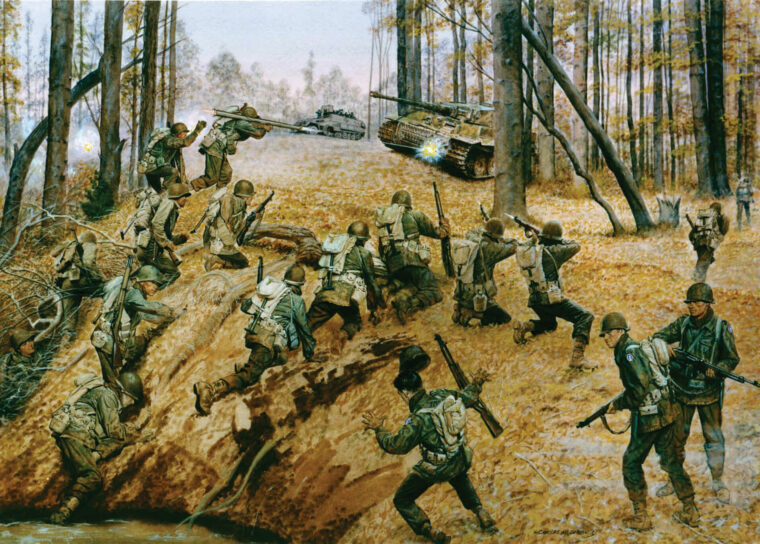
(Scott McGaugh, Da Capo Press, Boston, 2016, 257 pp., Read more
Nazi Germany
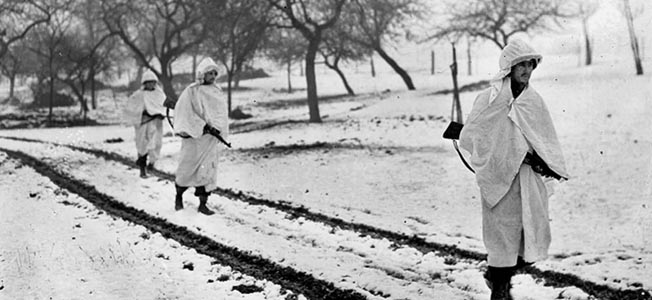
By James G. Bilder
Described in one U.S. Army report as “the quiet paradise for weary troops,” the tiny nation of Luxembourg was viewed by American commanders in late 1944 much like Belgium—liberated, safe, and an ideal location for combat-worn troops to rest and for untested replacements to get exposed to outdoor living and military routine before being exposed to combat. Read more
Nazi Germany
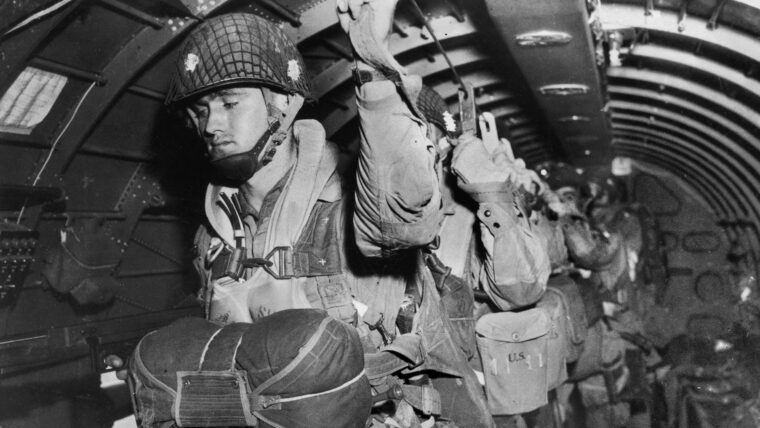
Some 16 million Americans served during World War II, and tens of thousands of sons of the State of Louisiana served in every branch of the U.S. Read more
Nazi Germany
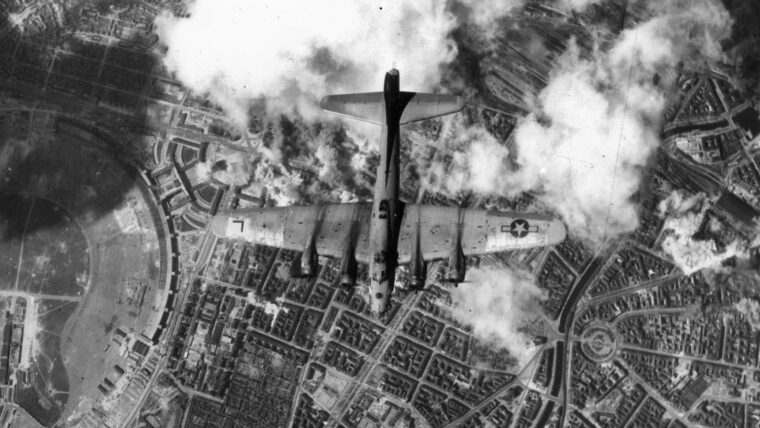
He was widely regarded as America’s best pilot, he was already a recipient of the Medal of Honor, he was commander of the Eighth Air Force caught up in 1,000-plane bombing missions deep into the Third Reich, and he was mad as hell. Read more
Nazi Germany
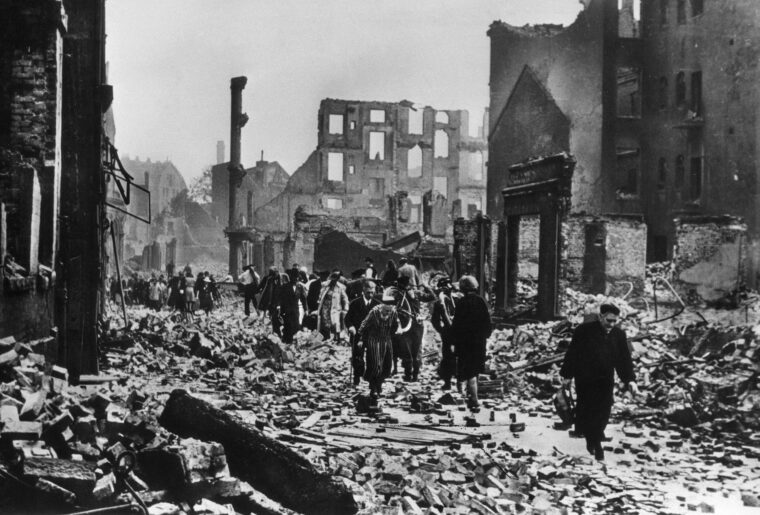
World War II affected nearly every area of the world. It was the deadliest conflict in all of human history. Read more
Nazi Germany
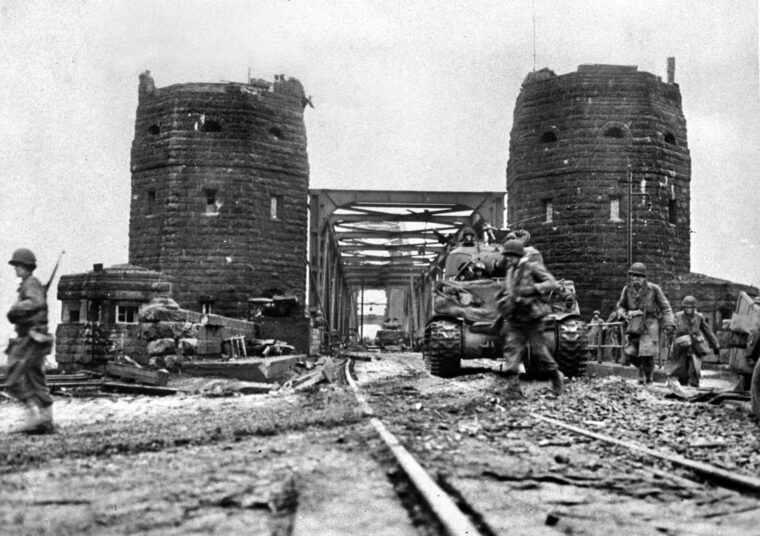
On a cold March evening in the Goldenrod Café in West Point, Nebraska, Mary Timmermann, a waitress there, picked up the telephone receiver when her boss told her it was Omaha calling long distance for her. Read more
Nazi Germany
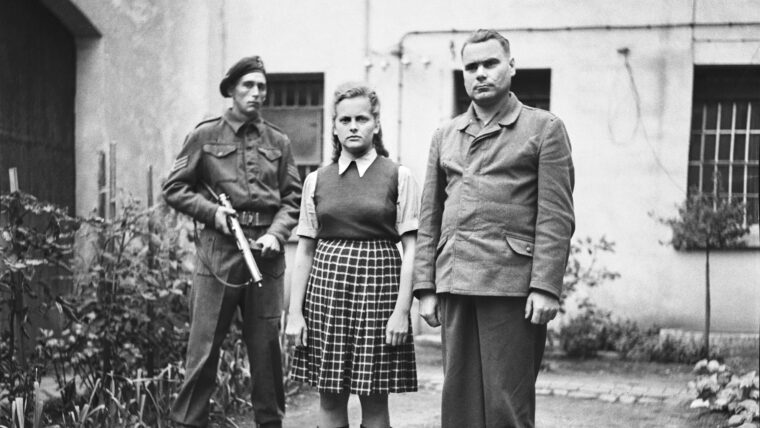
“She was one of the most beautiful women I have ever seen. Her body was perfect in every line, her face clear and angelic, and her blue eyes the gayest, the most innocent eyes one can imagine. Read more
Nazi Germany
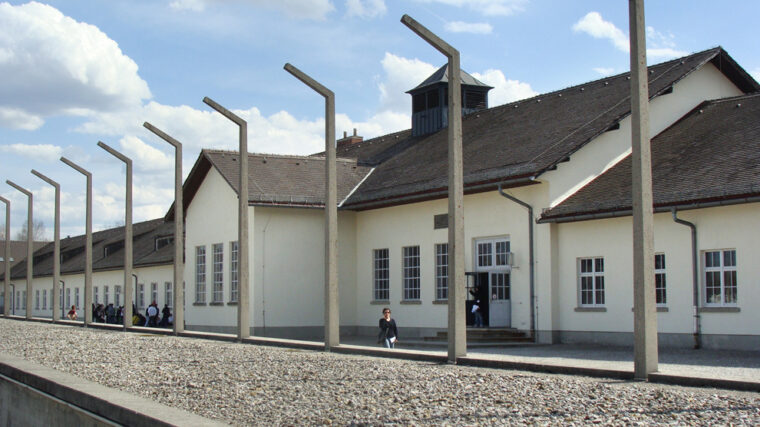
The Nazi regime in Germany has become synonymous with inhuman cruelty. Hitler incarcerated millions in his concentration camps and inflicted on his victims the harshest forms of torture and deprivation imaginable. Read more

Nazi Germany
During Germany’s early string of victories between 1939 and 1941, Hitler informed the members of the nation’s aerospace industry that he had decided to impose new restrictions on aircraft research and development. Read more
Nazi Germany
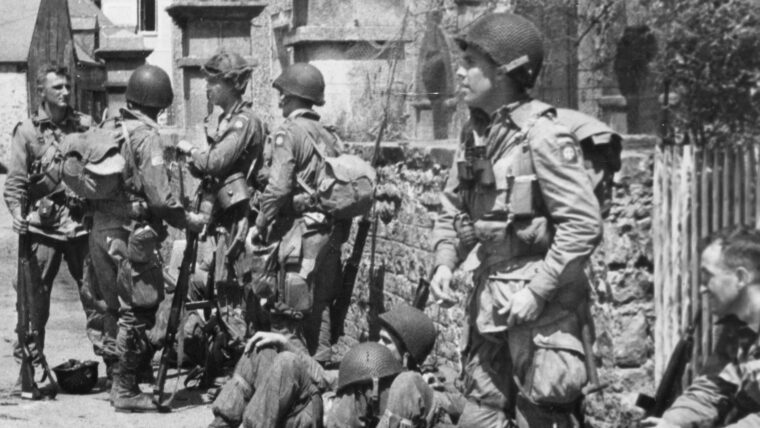
“The lieutenant said for everyone to lay your arms down,” a fellow paratrooper told Pfc. Bob Nobles, who had been fighting for six grueling days in the hedgerows following his unit’s jump into Normandy. Read more
Nazi Germany
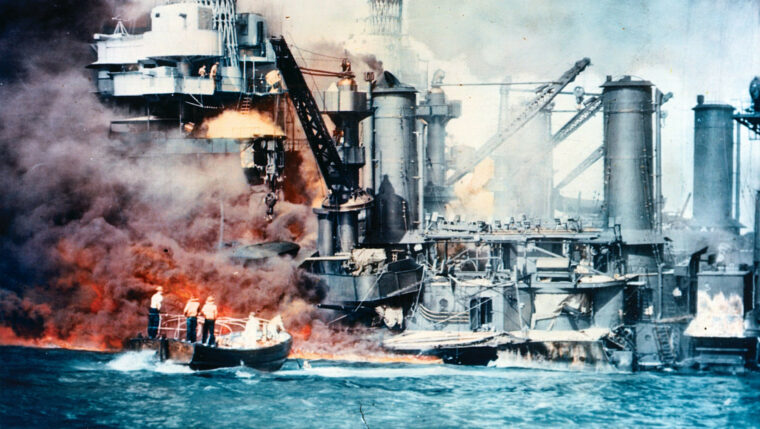
It was, as the phrase goes, another perfect day in paradise. As the sun rose above the Pacific in the clear, cloudless sky east of the Hawaiian Islands, on December 7, 1941, the giant U.S. Read more
Nazi Germany
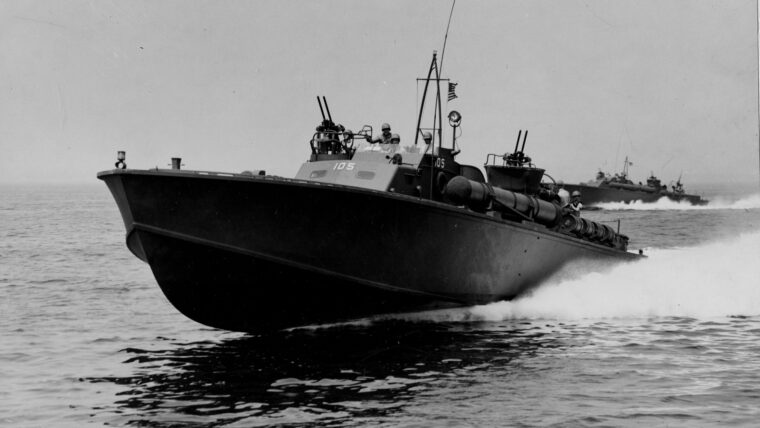
When the four members of the Japanese surrender delegation climbed aboard the deck of PT-375 on September 8, 1945, the boat’s skipper, Lieutenant Henry “Hank” Blake, directed the men to an open area on the forward deck where the Japanese could be closely watched for any signs of treachery. Read more
Nazi Germany
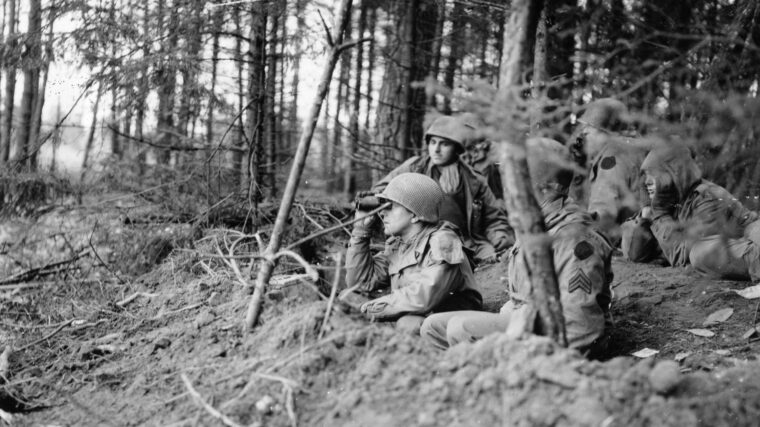
By mid-January 1945, the famous Battle of the Bulge, a massive and fatal failure for the Third Reich, was virtually over. Read more
Nazi Germany
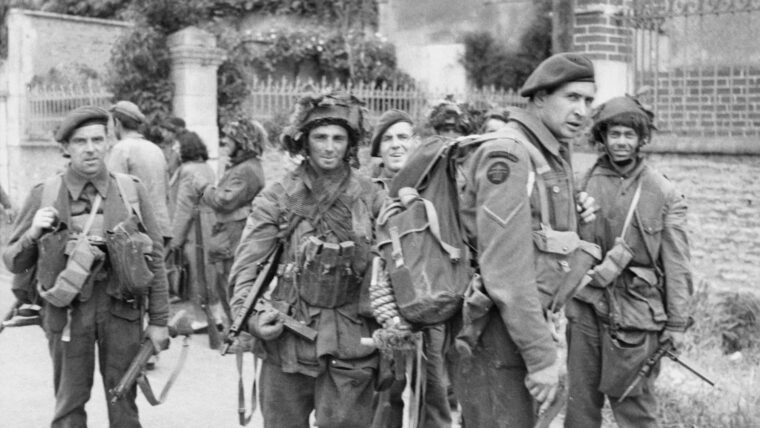
After successfully fighting seasickness during the crossing of the English Channel, Lance-Corporal Ted Brooks of Number 48 (Royal Marine) Commando arrived on Nan Red Beach—which formed the left flank of Juno Beach—on the morning of June 6, 1944. Read more
Nazi Germany
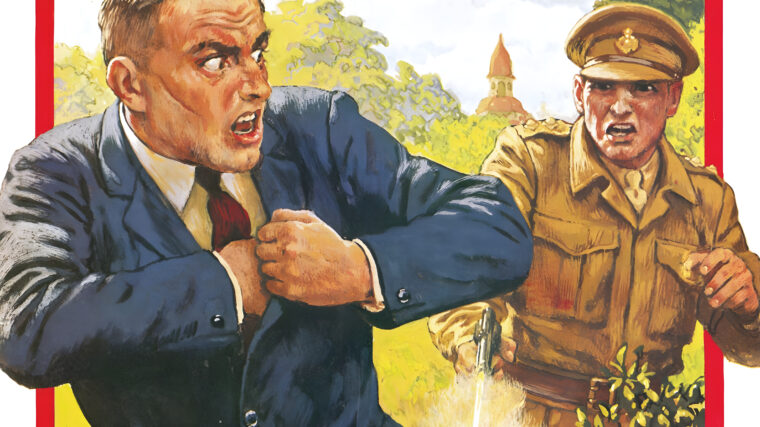
Mildred “Midge” Gillars was born in Portland, Maine, took drama lessons in New York City, appeared in vaudeville, worked as an artist’s model in Paris and a dressmaker’s assistant in Algiers, and taught English at the Berlitz School in Berlin before—motivated by love and fear—she became the notorious “Axis Sally,” one of the Nazis’ leading radio propagandists. Read more