Nazi Germany
Revolts in the Death Camps
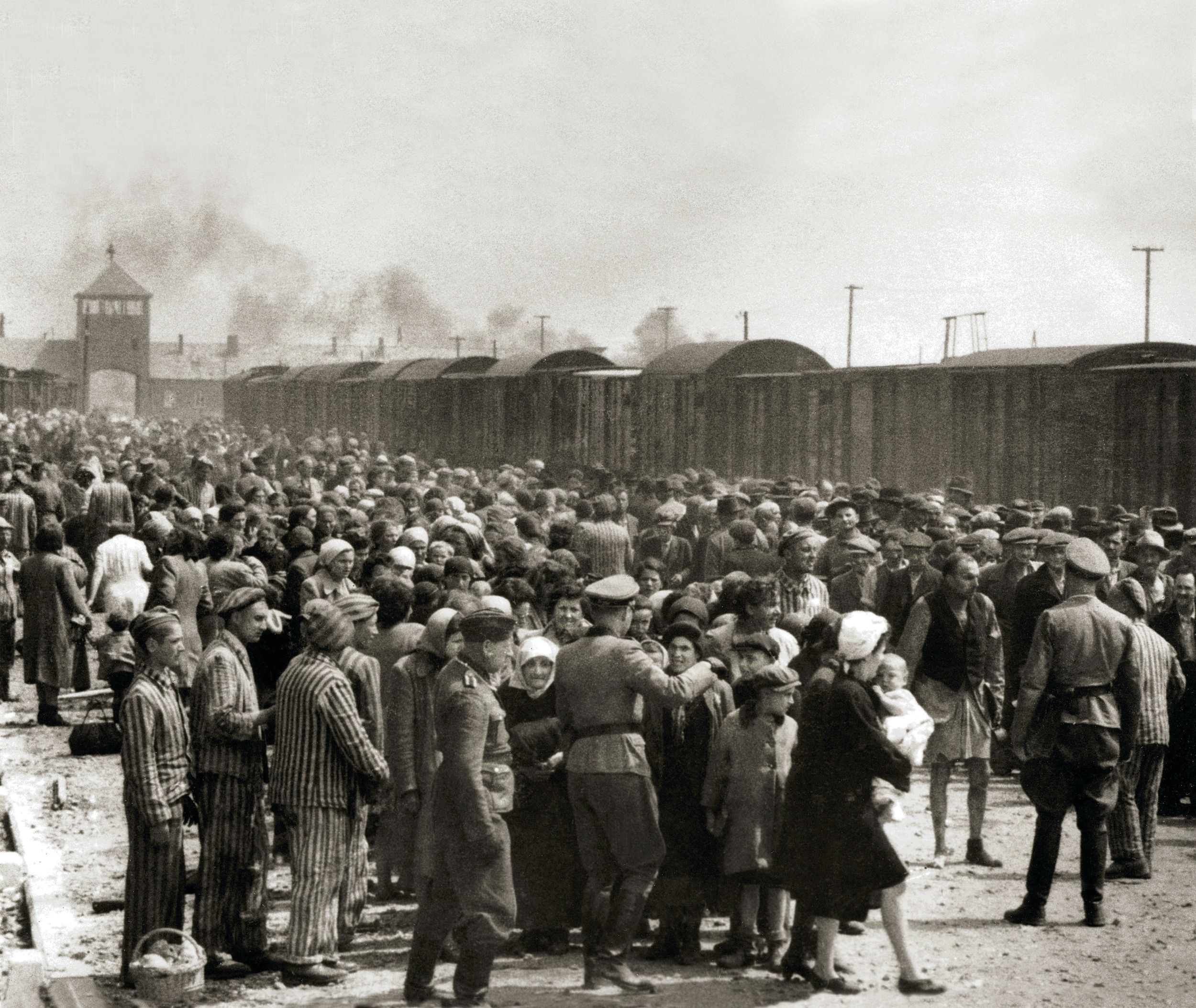
By Jonathan F. KeilerBy the spring of 1943, the Nazi deaths camps in eastern Poland—Sobibor, Belzac, and Treblinka—were running out of victims. Read more
Nazi Germany
By the spring of 1943, the Nazi deaths camps in eastern Poland—Sobibor, Belzac, and Treblinka—were running out of victims. Read more
Nazi Germany
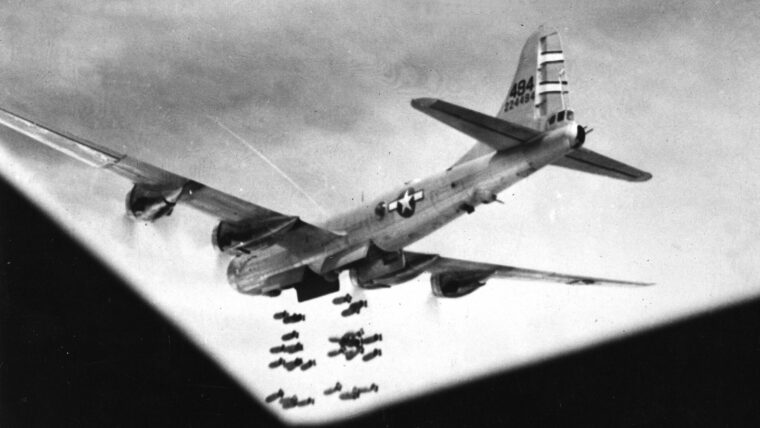
As the Japanese delegation stood on the deck of the battleship USS Missouri on September 2, 1945, preparing to sign the documents that ended World War II, a large formation of Boeing B-29 Superfortress heavy bombers swooped low over Tokyo Bay as a reminder of the terrible destruction that had befallen their nation and turned Japan’s cities into ruins. Read more
Nazi Germany
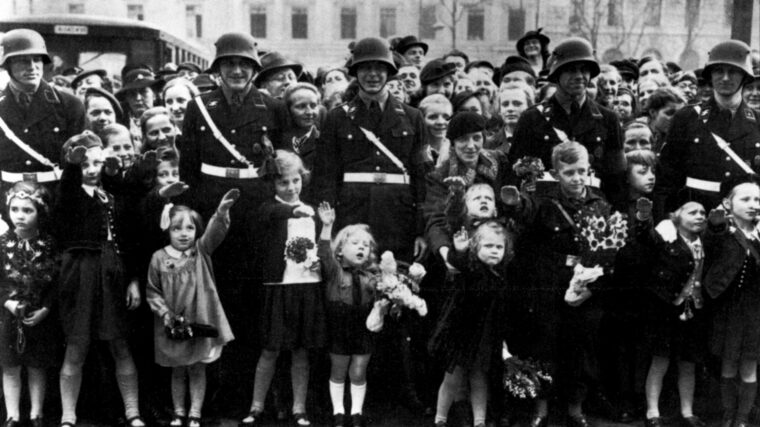
Adolf Hitler loved children. Before the war consumed all his energies he entertained children at his holiday home on the “mountain” all the time. Read more
Nazi Germany
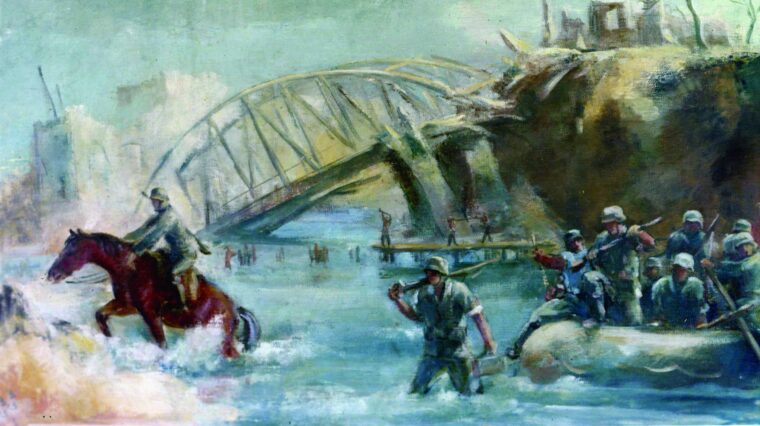
As Adolf Hitler’s vaunted Sixth Army lay in its death throes in the ruins of Stalingrad, German forces to the west of the city faced their own kind of hell. Read more
Nazi Germany
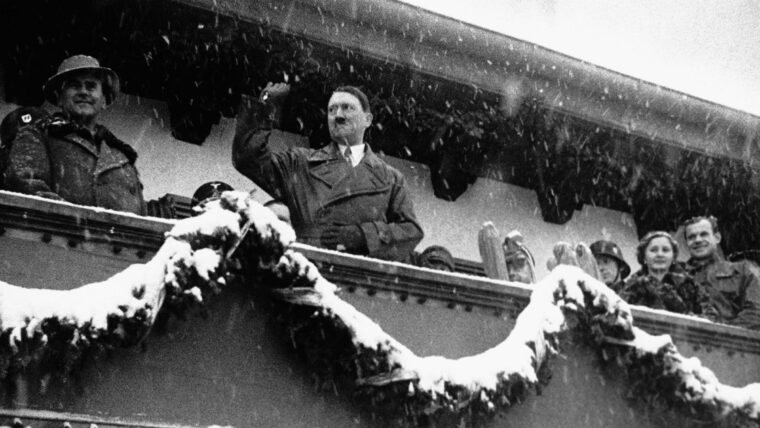
Shortly before Pearl Harbor, an attractive Danish journalist arrived in the United States to pursue a writing career. Read more
Nazi Germany
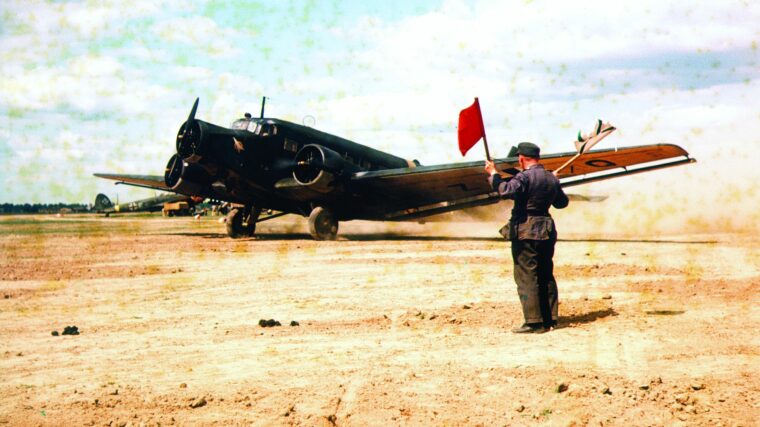
Shortly before dawn on May 20, 1941, a flight of 500 transport planes took off from seven airstrips on mainland Greece. Read more
Nazi Germany
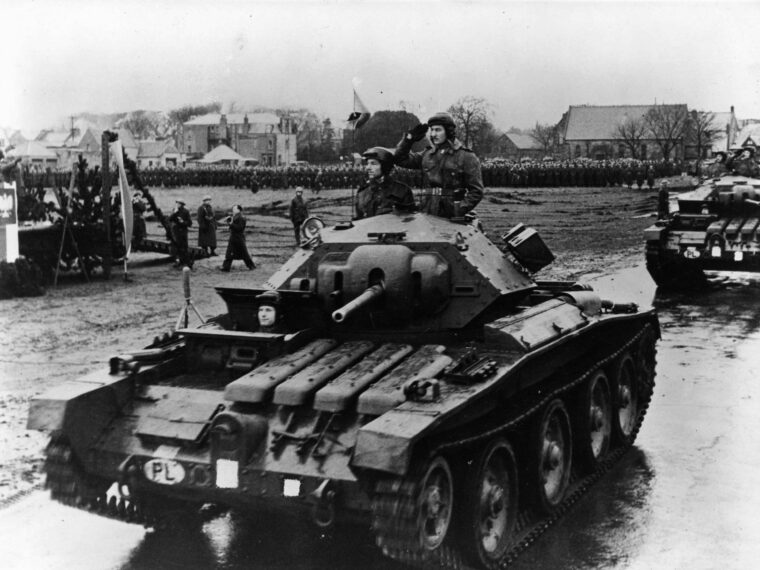
The dismemberment of Poland by the German and Soviet armies in September and early October 1939 saw the temporary destruction of the Polish armed forces. Read more
Nazi Germany
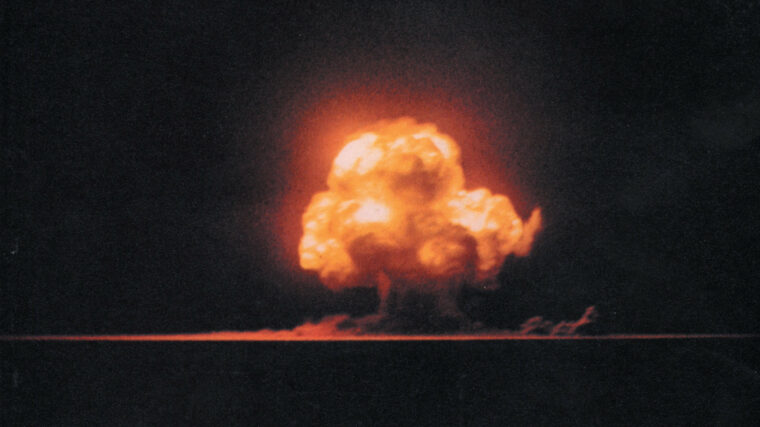
The most controversial decision of the 20th century—probably in all of history—was the one reportedly made by President Harry S. Read more
Nazi Germany
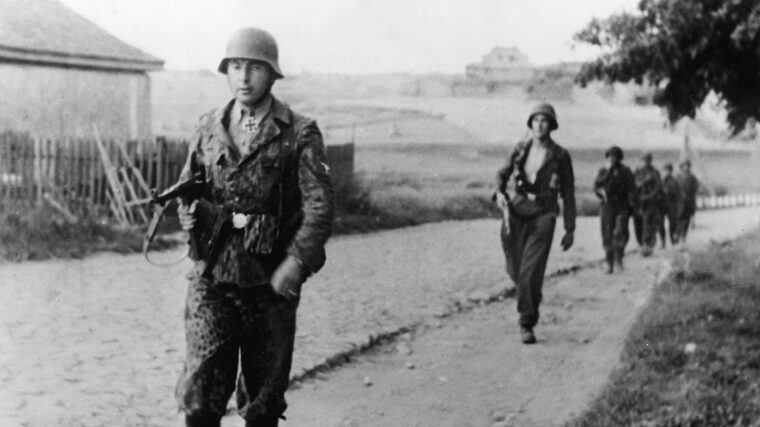
Leon Degrelle was born in 1906 in Belgium to a prosperous family in the French-speaking region of Wallonia. Read more
Nazi Germany
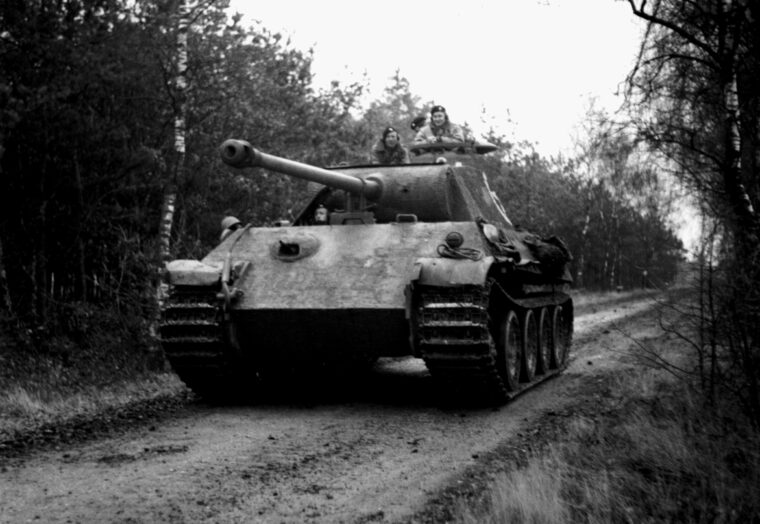
Geijsteren Castle sits north of the Dutch town of Venlo on the banks of the Meuse River. In late 1944, the castle was a strongpoint in the local German defenses and under attack by elements of the British Sixth Guards Tank Brigade. Read more
Nazi Germany
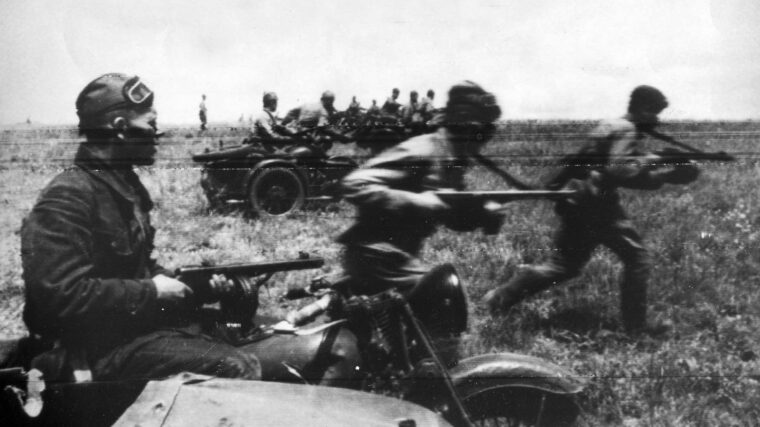
The men of Field Marshal Wilhelm Ritter von Leeb’s Heeresgruppe Nord (Army Group North) had little sleep during the night of June 21, 1941. Read more
Nazi Germany
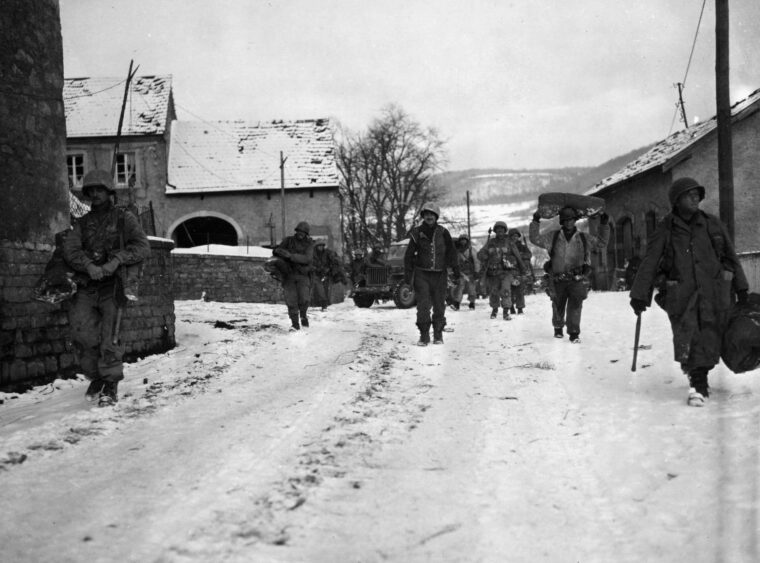
During the second week of July 1944 a young, sharp Lieutenant Goldstein of the 4th Infantry Division’s 22nd Infantry Regiment was told by his boss, Colonel Buck Lanhan, “Expect a special civilian, a big war correspondent is coming to visit us. Read more
Nazi Germany
The call of a nation on its civilian population either to create a military force or to augment a standing army is virtually as old as civilization itself. Read more
Nazi Germany
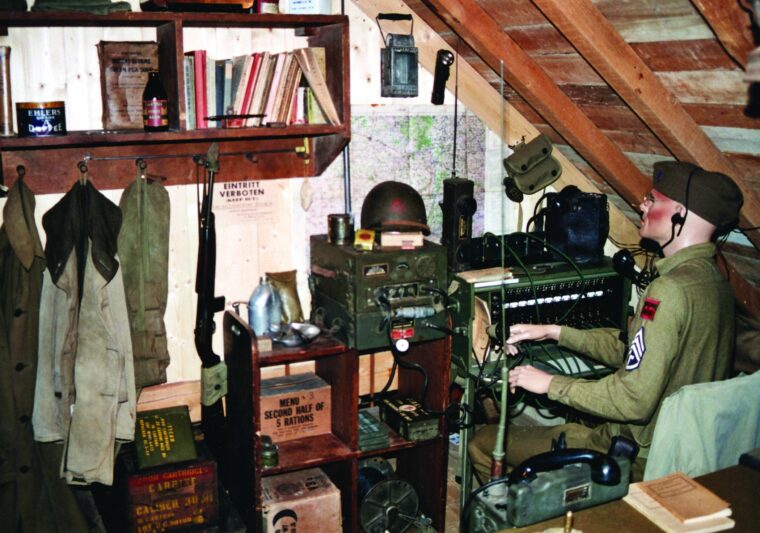
You won’t find the familiar little triangular signs, “Warnung Minen!” hanging on barbed wire today in Western Europe, with one exception. Read more
Nazi Germany
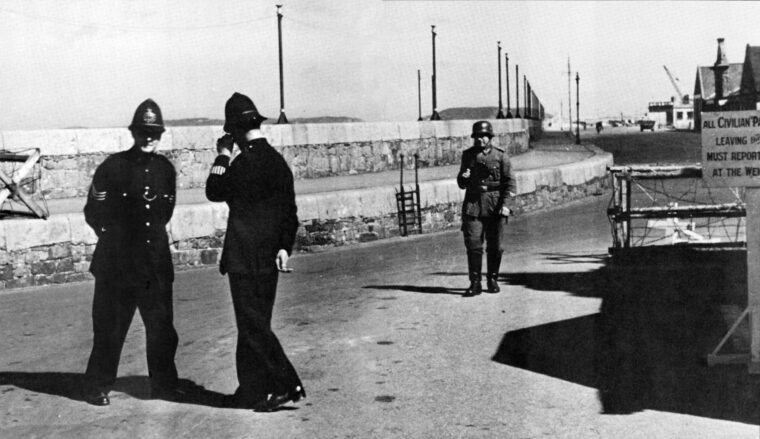
Nations have often pressed unsavory characters and criminals into service during wartime, rationalizing that such action is in the best interest of the country during extraordinary times. Read more
Nazi Germany
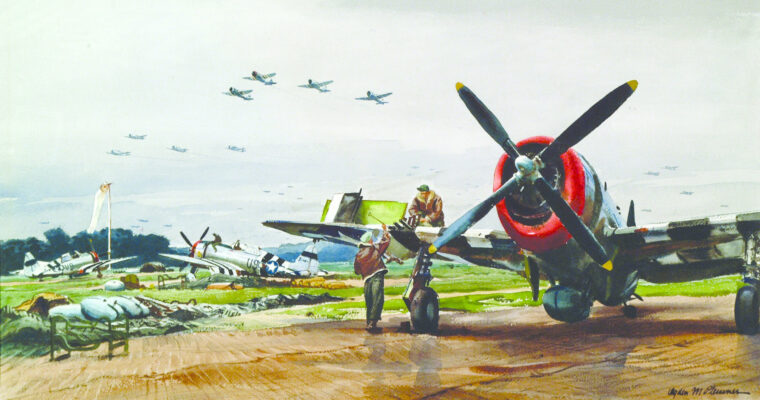
Since the end of World War II, the aviation press has made the North American P-51 Mustang into the superstar Allied fighter of the war. Read more
Nazi Germany
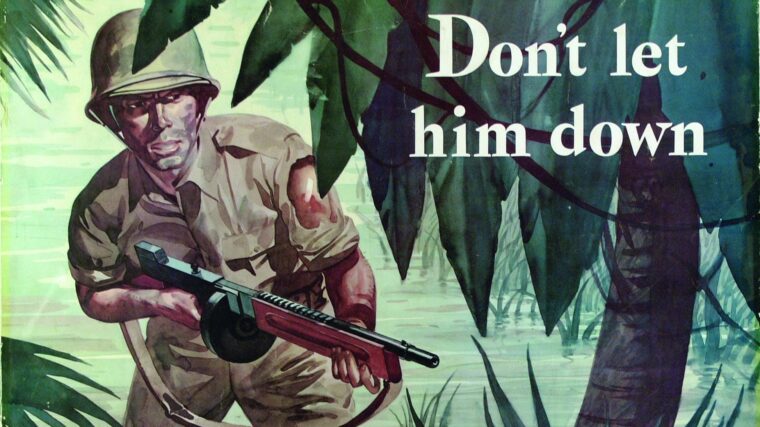
One of the most unusual baseball games ever played was a three- way game in New York City between the New York Yankees, the New York Giants, and the Brooklyn Dodgers. Read more
Nazi Germany
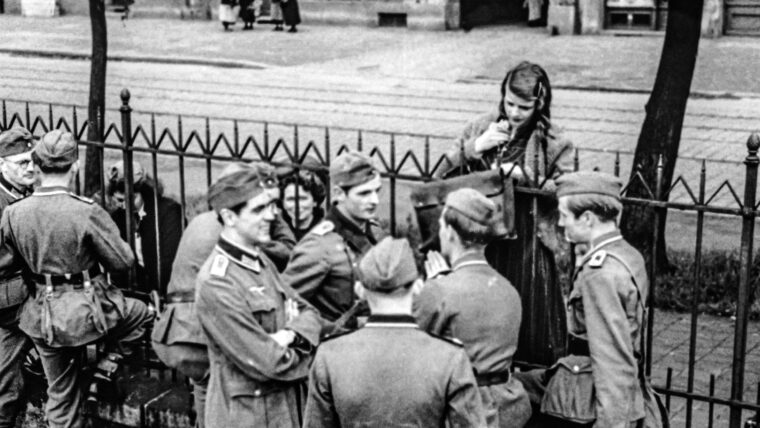
For anyone in Germany who openly opposed Adolf Hitler or the policies of the Nazi party there were three likely outcomes—prison, concentration camp, or execution. Read more
Nazi Germany
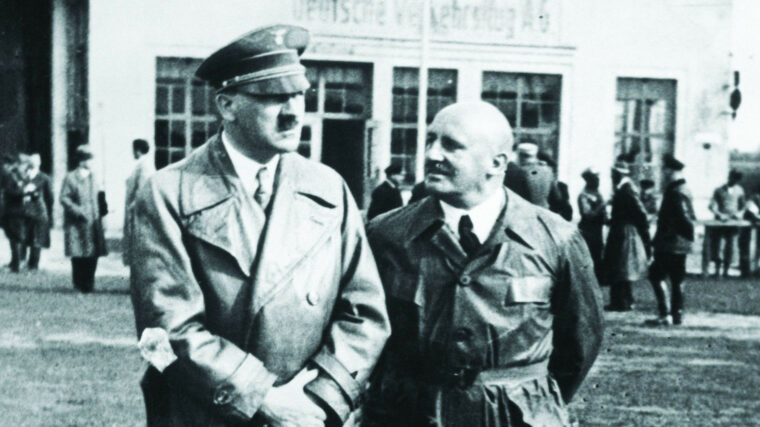
It was May 23, 1945, roughly a year before the execution of Julius Streicher, founder and publisher of the vilest anti-Semitic Nazi propaganda of the war. Read more
Nazi Germany
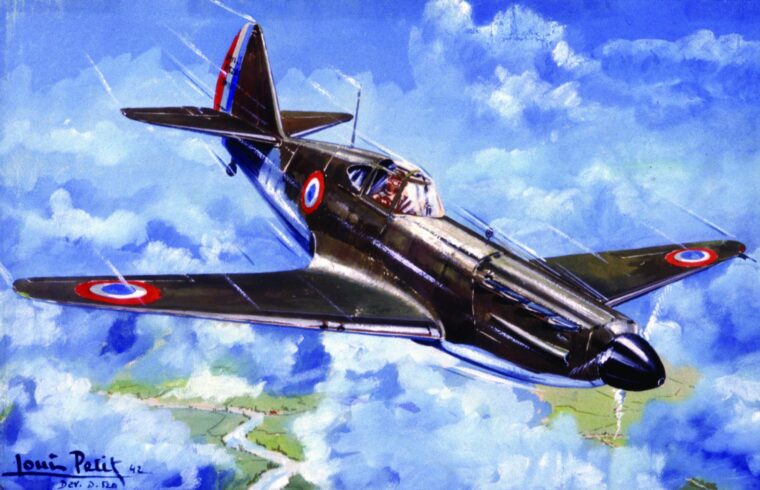
In the annals of World War II, one of the most famous airplanes is the British-developed Supermarine Spitfire, an agile, elliptical-wing fighter that has become synonymous with the Royal Air Force victory in the Battle of Britain. Read more