Nazi Germany
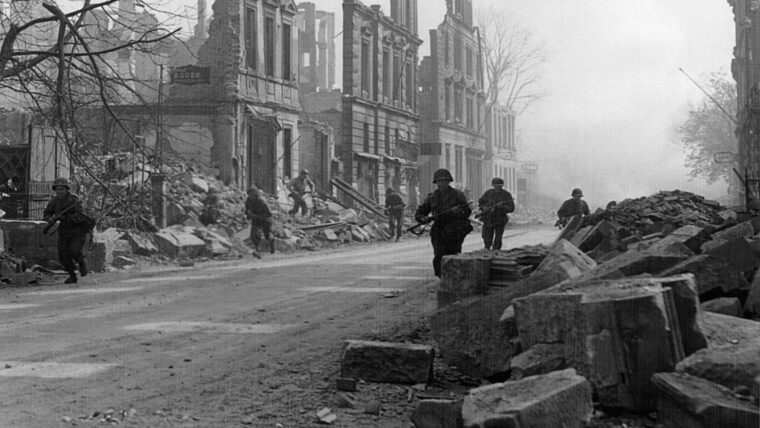
Heilbronn: Fighting House to House in World War II
By Allyn VannoyFollowing its swift advance to the Rhine, the American 100th (Century) Infantry Division resumed its pursuit of retreating German forces. Read more
Nazi Germany
Following its swift advance to the Rhine, the American 100th (Century) Infantry Division resumed its pursuit of retreating German forces. Read more
Nazi Germany
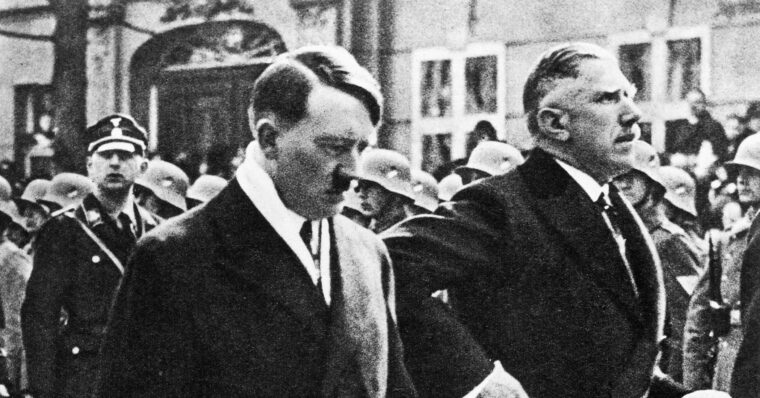
On May 31, 1932, Franz von Papen achieved the pinnacle of a long career serving his country when, in a surprising move, the aging President Paul von Hindenburg named him Chancellor of Germany. Read more
Nazi Germany
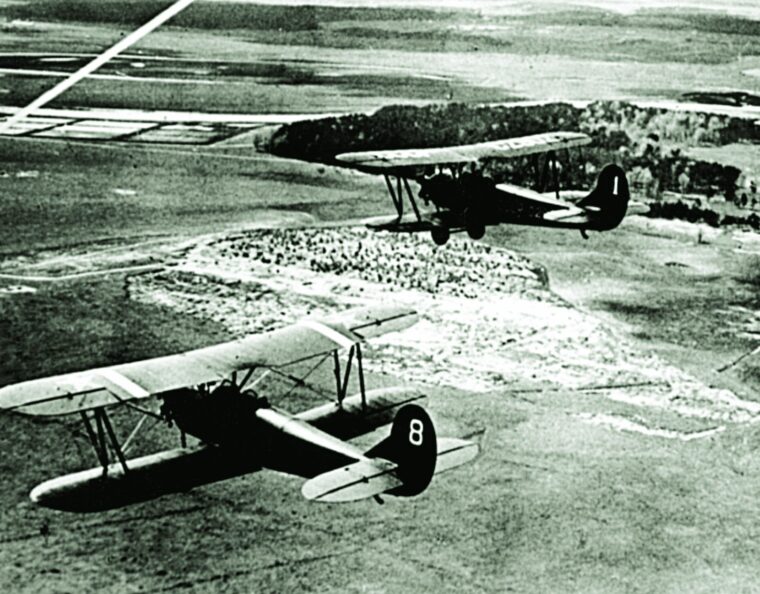
Ignoring a nonaggression pact between Hitler and Stalin, Nazi Germany launched Operation Barbarossa, an invasion of the Soviet Union, on June 22, 1941. Read more
Nazi Germany
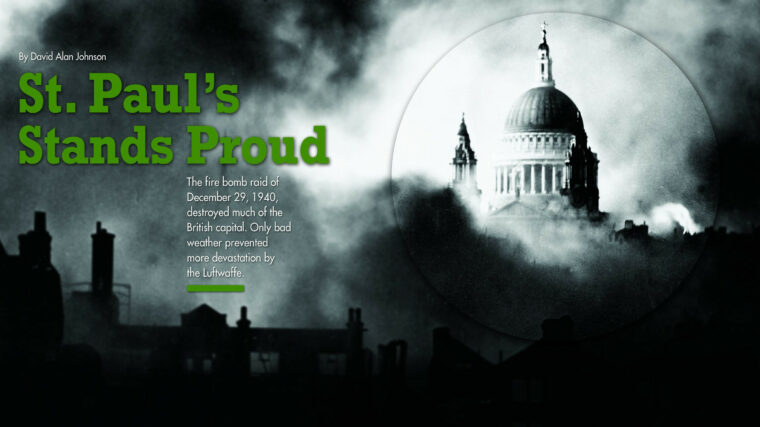
At St. Paul’s Cathedral, the rooftop lookout telephoned the cathedral control center at 6 pm to report that air raid sirens were sounding off to the southwest. Read more
Nazi Germany
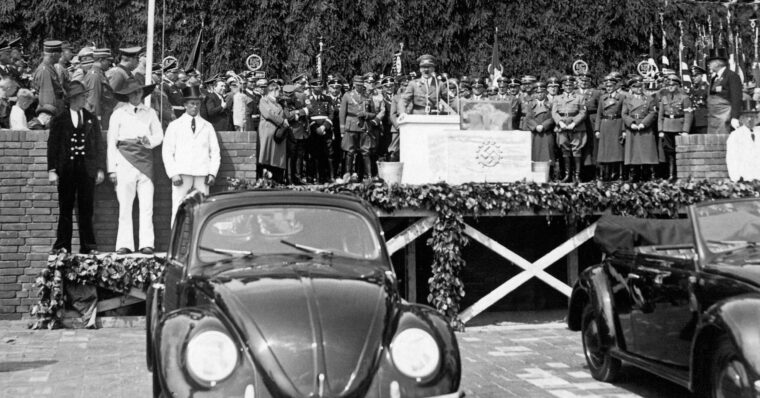
The Volkswagen, or “People’s Car,” that so many millions have known for more than half a century had its genesis in Nazi Germany. Read more
Nazi Germany
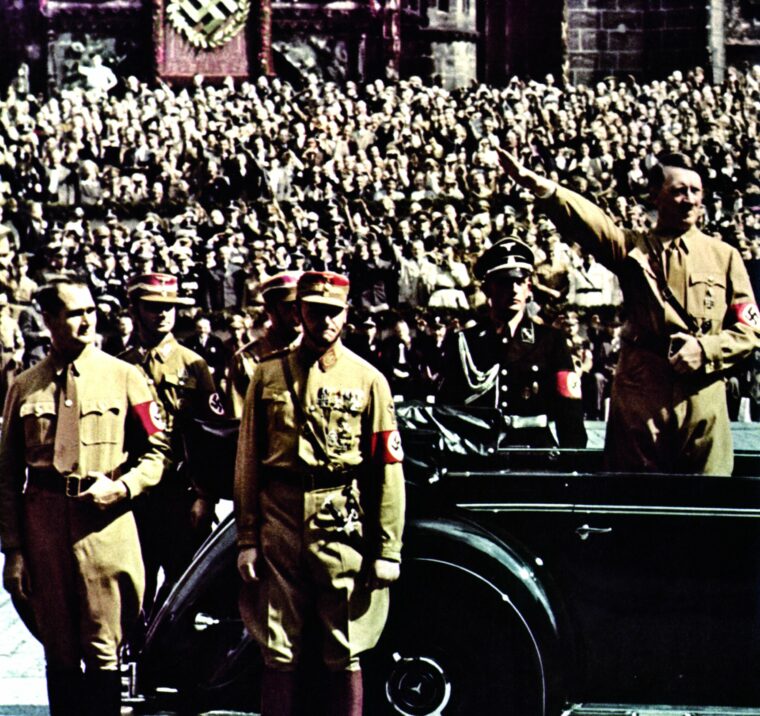
Throughout the reign of the Nazi Party in Germany during the 1930s and 1940s, Adolf Hitler’s inner circle comprised a diverse group of men from many walks of life. Read more
Nazi Germany
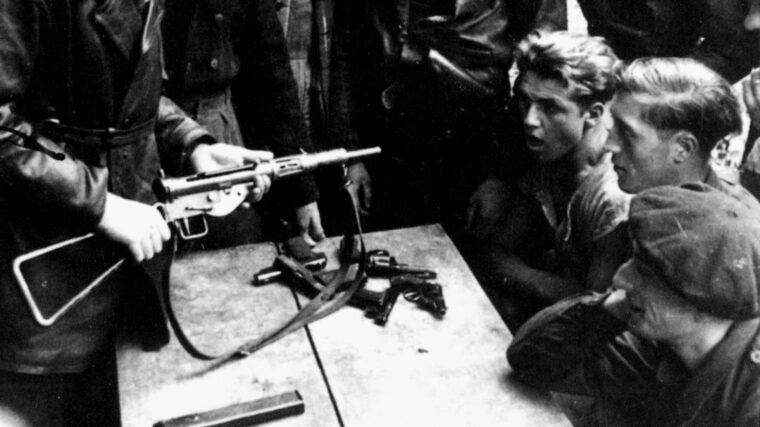
On June 6, 1944, hundreds of thousands of Allied troops, planes, and ships departed from their bases in England bound for the shores of France in what was to be the greatest invasion of all time. Read more
Nazi Germany
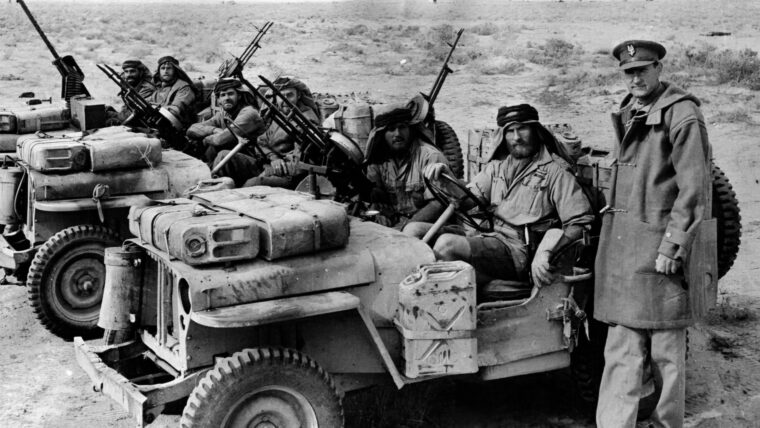
The night of December 14, 1941, was bitterly cold in the North African desert. Midway between El Agheila and Tripoli, Libya, was the German and Italian air base outside the town of Tamet. Read more
Nazi Germany
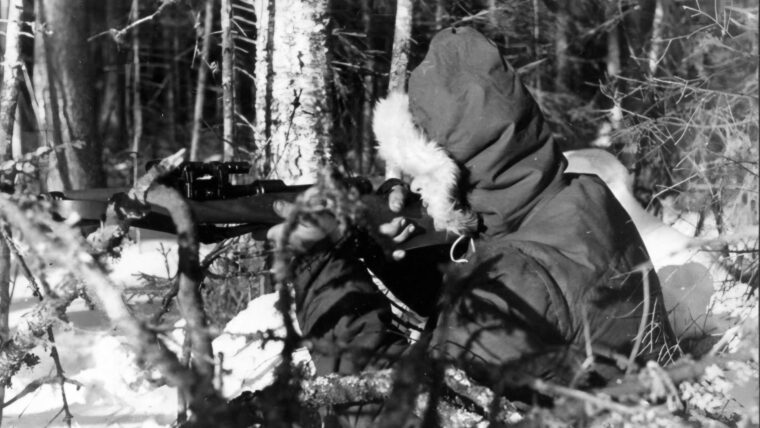
The art of sniping developed from the sharpshooting practiced during earlier conflicts. During the 19th century, the steadily improving technology of the rifle led to the use of sharpshooters during the American Civil War and the Boer War. Read more
Nazi Germany
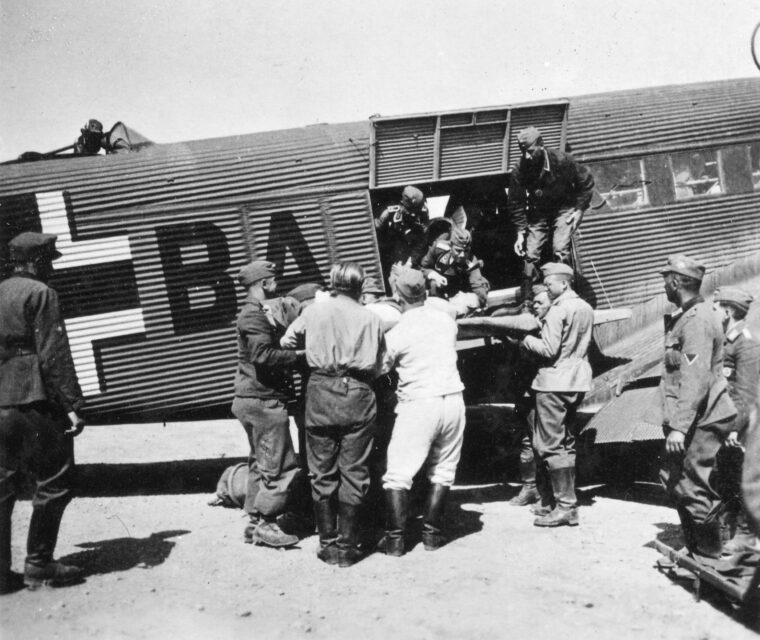
Sixty-five years ago, Reichsmarschall Hermann Göring’s Luftwaffe showcased its aerial triumphs in a 1942 commemorative book of photographs entitled Fliegen und Siegen (“Flying and Victory”). Read more
Nazi Germany
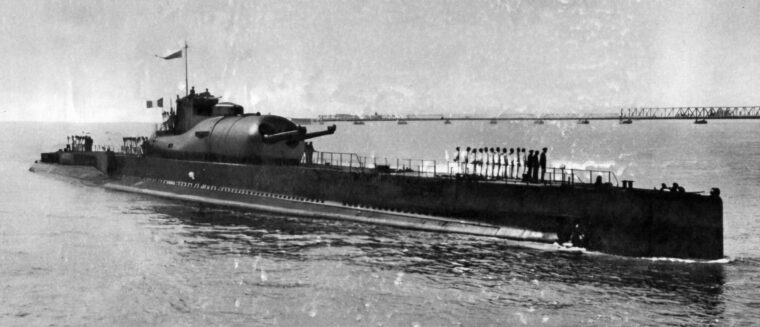
The legendary Flying Dutchman of maritime lore was a spectral ship of disastrous portent that haunted the high seas and endangered anyone who came into contact with it. Read more
Nazi Germany
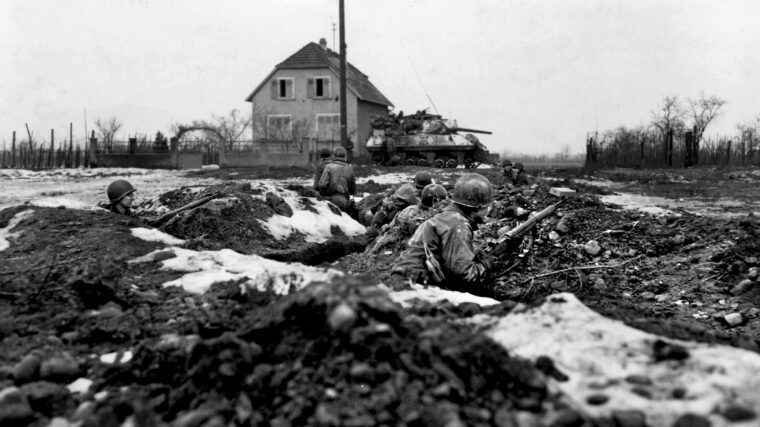
On a cold, dark December morning in 1944, B Company, 1st Battalion, 15th Regiment began the slow ascent up Hill 351. Read more
Nazi Germany
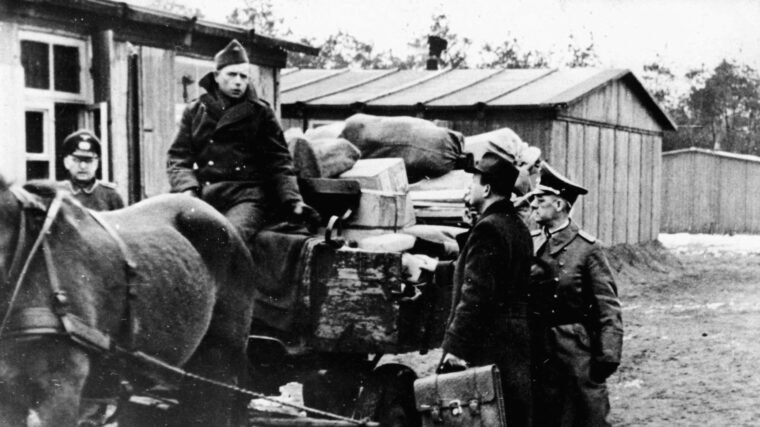
By 1945, the war in Europe was nearing its conclusion. Having suffered a severe defeat at the hands of the Allies in the Battle of the Bulge, Adolf Hitler’s seemingly indestructible Third Reich was quickly crumbling under the Allied juggernaut. Read more
Nazi Germany
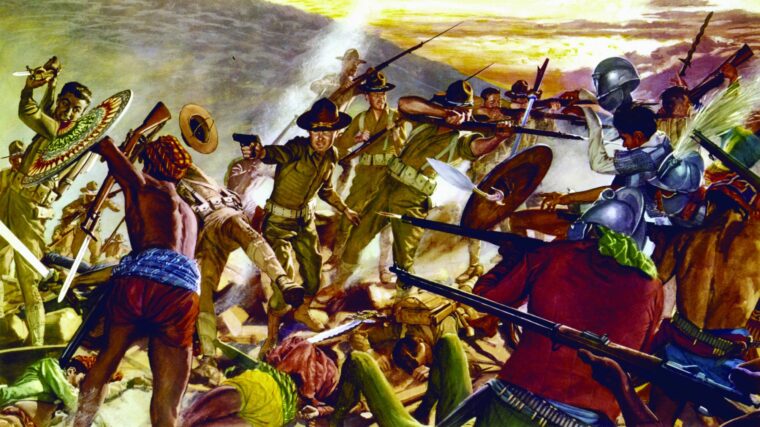
During the era in which the Krag Jorgensen rifle came into its own, an arms race was in effect among the nations of Europe. Read more
Nazi Germany
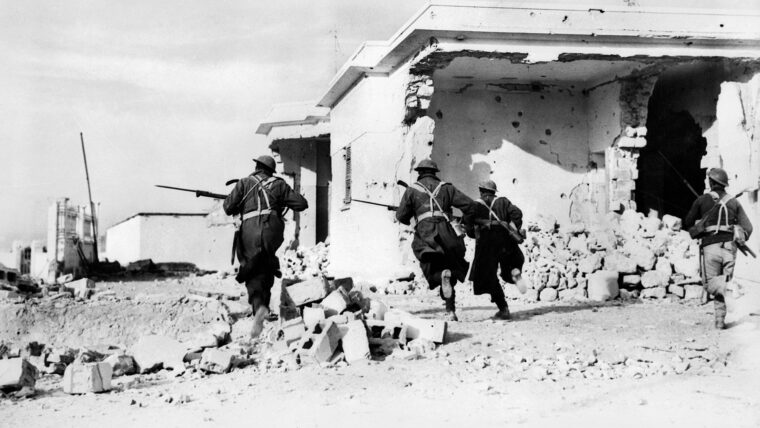
The desert sky lit up like a summer lightning storm on the night of December 31, 1941. The distant thunder of hundreds of guns rolled across the sandy, stony ground. Read more
Nazi Germany
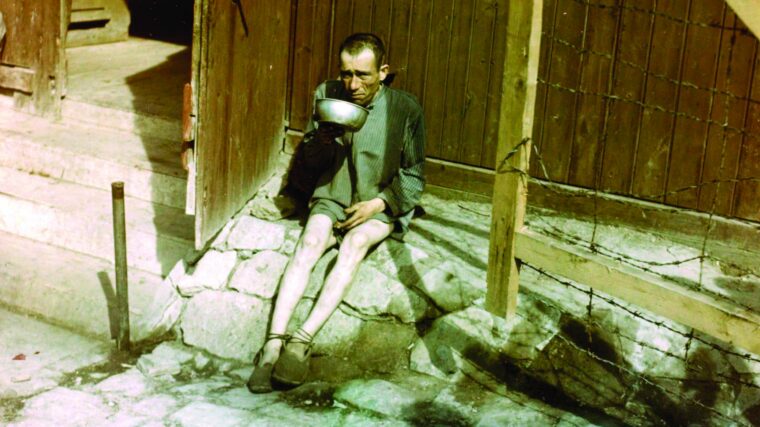
When Adolf Hitler became chancellor of Germany on January 30, 1933, the world changed forever.
Not only was Hitler determined to pay back Germany’s enemies for his country’s defeat during the Great War, but he was also determined to rid Germany and the rest of Europe of persons whom his twisted Aryan ideology believed were “inferior” or “subhuman.” Read more
Nazi Germany
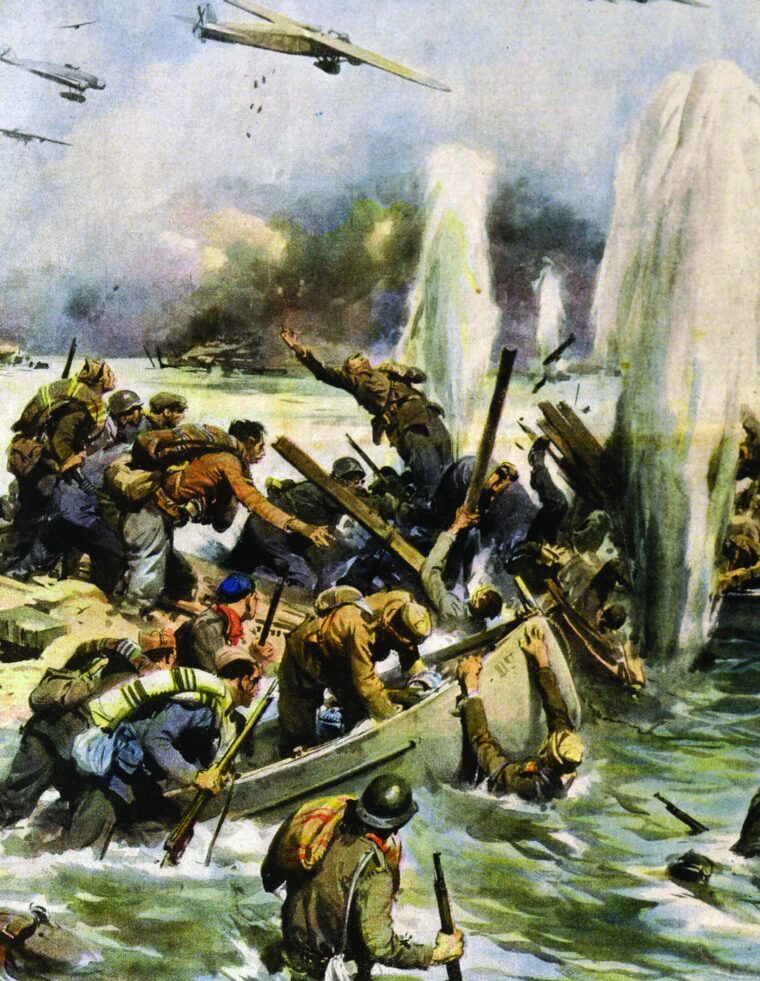
After years of social upheaval, political unrest, and violence, Spain erupted into all-out civil war on July 18, 1936, when General Francisco Franco led a junta of right-wing army officers in a revolt against the democratically elected government of the Spanish Republic. Read more
Nazi Germany
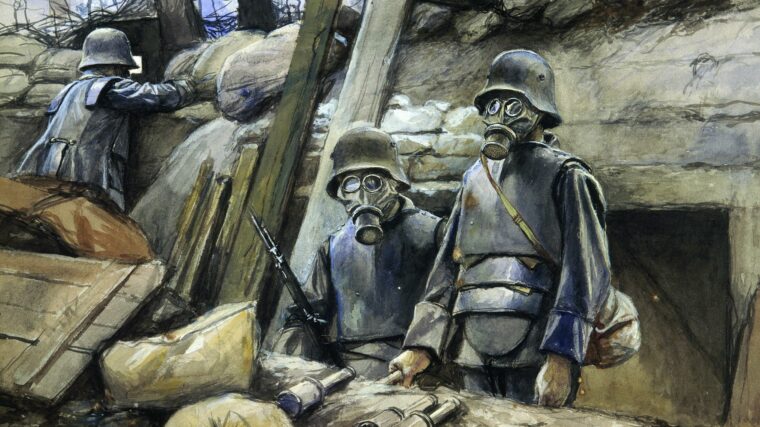
In the months before the outbreak of World War I, 25-year-old Adolf Hitler was living the starving artist’s life in the Bavarian city of Munich, selling his paintings door-to-door and in the city’s numerous beer halls. Read more
Nazi Germany
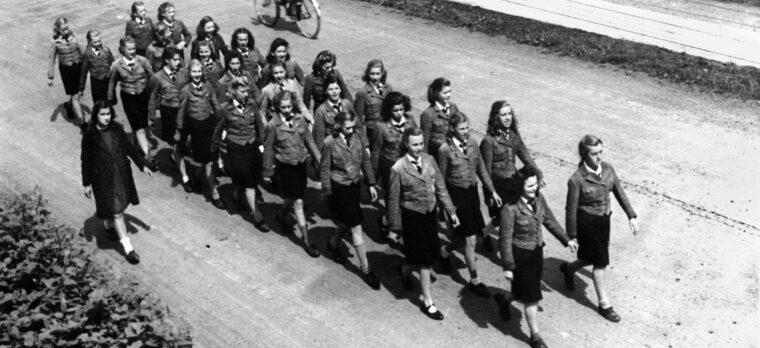
During the 12 years of the highly militarized society of the Third Reich, some 20 million Germans—men and women as well as children—donned a uniform of one kind or another. Read more
Nazi Germany
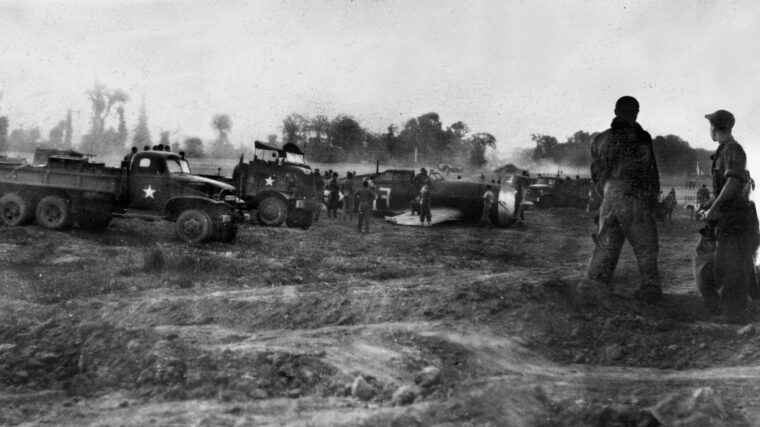
When most people think of the U.S. Army Air Forces in World War II, the first image that usually comes to mind is that of the heavy bombers, the B-17s and B-24s, that ravaged targets in Europe and the B-29s that wreaked havoc on Japanese cities in the Pacific. Read more