WWII
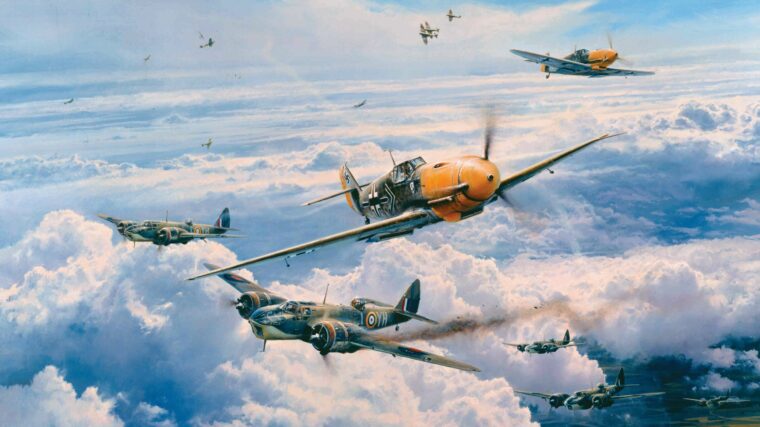
Adolf Galland: Winged Knight of the Luftwaffe
By Michael D. HullOn a bright spring day in 1944, a Luftwaffe Focke-Wulf 190 fighter encountered a formation of U.S. Read more

WWII
On a bright spring day in 1944, a Luftwaffe Focke-Wulf 190 fighter encountered a formation of U.S. Read more
WWII
There was a time, in January 1944, when everyone in America had heard of Captain Henry T. Waskow from Belton, Texas. Read more
WWII
In the late 18th century, the French established Catholic missions in Indochina, and until the 1820s they enjoyed local protection, but after that persecution began and increased steadily, particularly under Emperor Tu-Duc, who reigned from 1847 to 1883 and wanted to stamp out Christianity. Read more
WWII
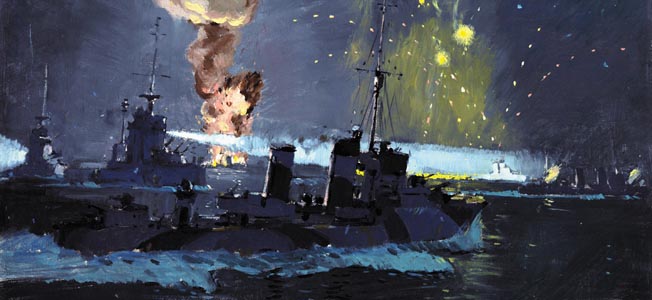
No class of ship in World War II saw more service than the destroyers of the Royal Navy. Read more
WWII
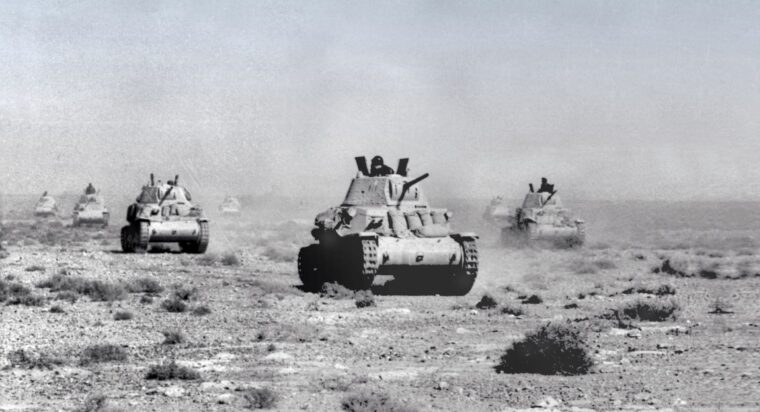
February 1941 saw the fortunes of war favor the British in the North African wasteland of Cyrenaica (modern Libya). Read more
WWII
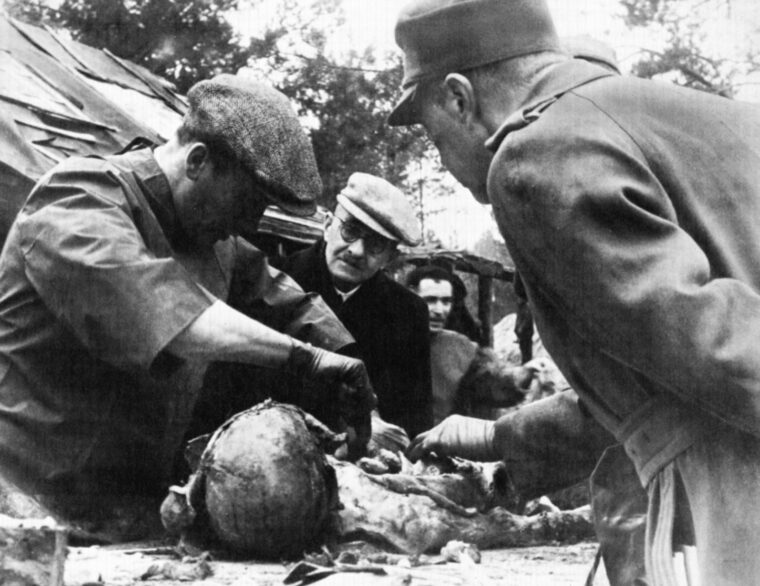
The enemy of my enemy is my friend, so an old saying goes. Perhaps it was the grandest exercise in political pragmatism and expediency that the world has ever known. Read more
WWII
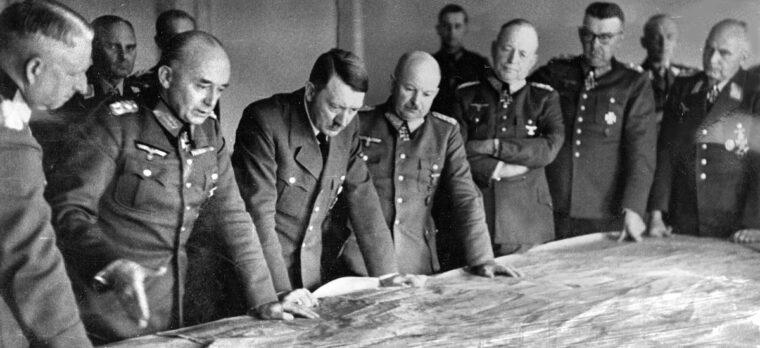
By early autumn, he was taking 60 pills a day. They ranged from “speed” to the poison strychnine. Read more
WWII
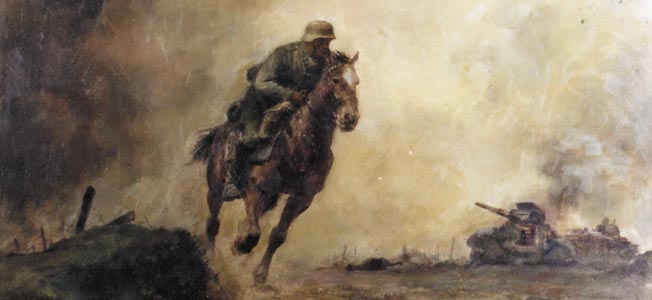
By 1939 the German Reich possessed 3,800,000 horses to be used in WWII German cavalry while 885,000 were initially called to the Wehrmacht as saddle, draft, and pack animals. Read more
WWII
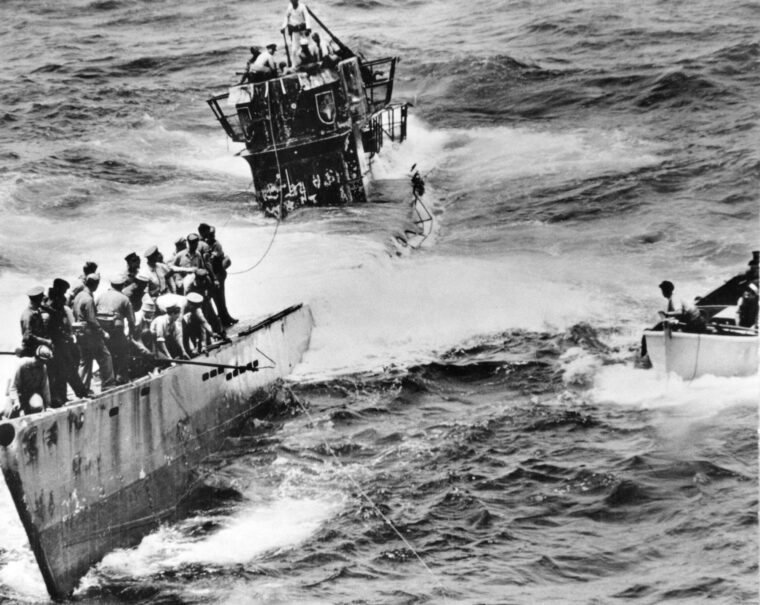
“Frenchy to Blue Jay—I have a possible sound contact,” squawked from USS Guadalcanal’s bridge intercom at 1110 hours. Read more
WWII
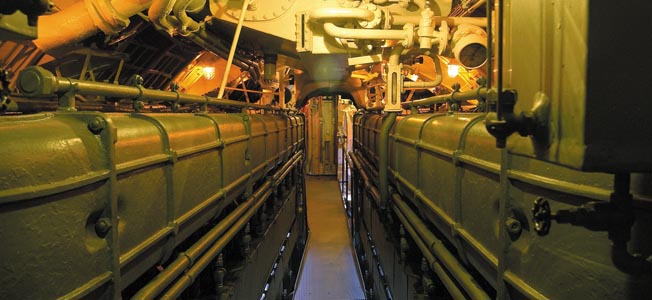
After its capture, U-505 became USS Nemo and was manned by a U.S. Navy crew. The submarine’s main duty was to sell war bonds, and the former enemy vessel visited seaports up and down the Atlantic coast during her bond tour. Read more
WWII
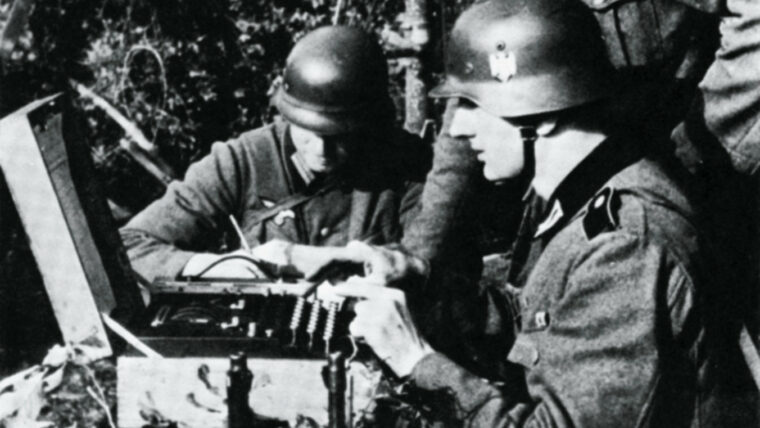
In the modern era, the majority of those accused of spying have done so for monetary purposes—the quick acquisition of wealth as opposed to ideological or philosophical reasons. Read more

WWII
“I jammed the throttle wide open and, attacking the Me-109 from the port quarter, fired one burst of four seconds and three bursts of two seconds each,” Pilot Officer William R. Read more

WWII
During the first year of American participation in World War II, the Curtiss P-40 Warhawk (Kittyhawk or Tomahawk to the British) came to symbolize the United States Army Air Corps as it fought a desperate war to hold the Japanese in check. Read more
WWII
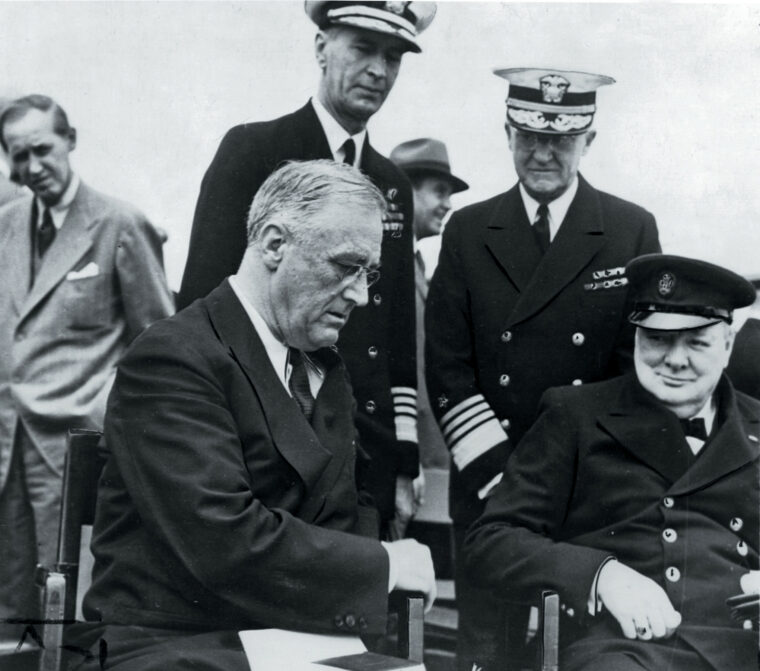
A British battleship and an American cruiser converged secretly in a remote bay on the Newfoundland coast early in August 1941. Read more
WWII
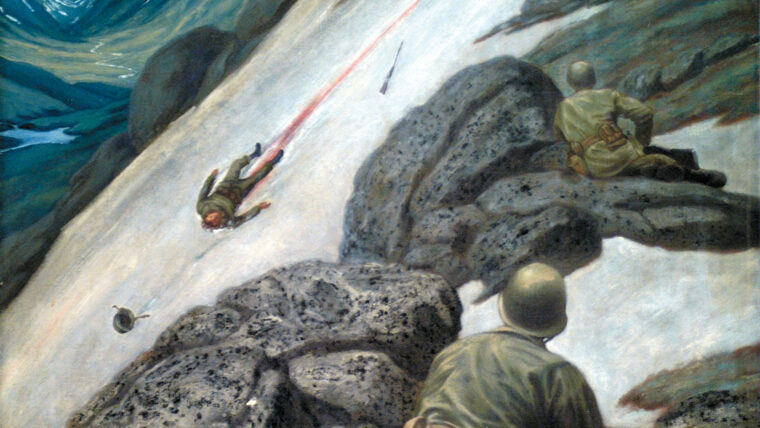
In the early morning hours of May 11, 1943, the silhouettes of two subamarines silently rose to the surface in the icy cold waters off the coast of Attu, an island in the Aleutian chain. Read more
WWII
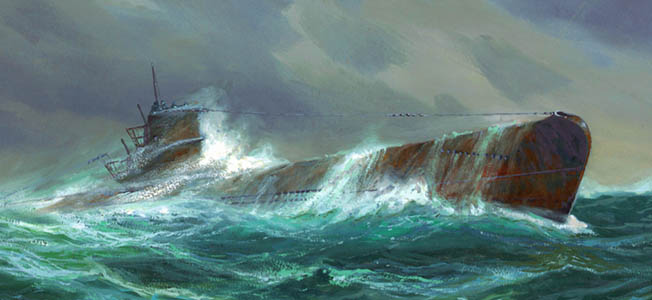
When most people think of World War II battle sites, North America seldom comes to mind. But finding a German U-boat 30 miles off Cape Hatteras on the Carolina coast serves as a reminder of the naval combat that took place just off the shores of the United States. Read more

WWII
Pauline Hayton was 52 years old before her father, Norman Wickman, talked about his life in the British Army, and what happened in Dunkirk as he saw it. Read more
WWII
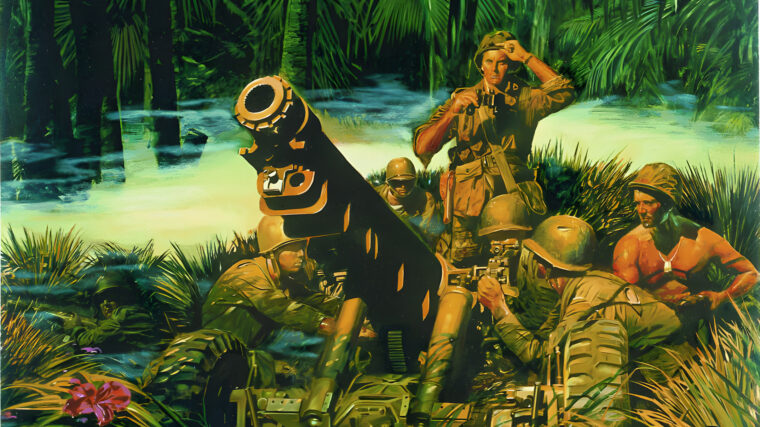
Scanning over the maps unfolded before him in the division operations room, Colonel Gerald C. Thomas, 1st Marine Division G-3 officer, turned and muttered: “They’re coming.” Read more
WWII
During the last weekend of September 1938, the attention of the world’s capitals was transfixed by the diplomatic pas de deux Adolf Hitler and Neville Chamberlain were enacting to determine the fate of Czechoslovakia and ultimately the world. Read more
WWII
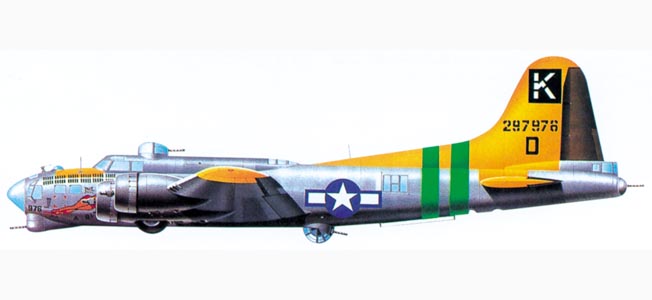
The B-17 Flying Fortress was the most celebrated four-engine strategic bomber of World War II, but like many other aircraft that achieved lasting fame, it barely made it into production. Read more