WWII
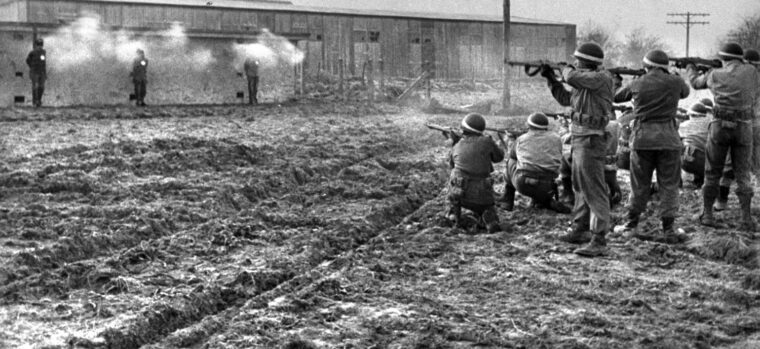
Operation Greif and Otto “Scarface” Skorzeny
By Don HollwayWith a quarter of a million German troops pouring through the Ardennes Forest, three Americans fleeing in a jeep should have raised no alarm. Read more

WWII
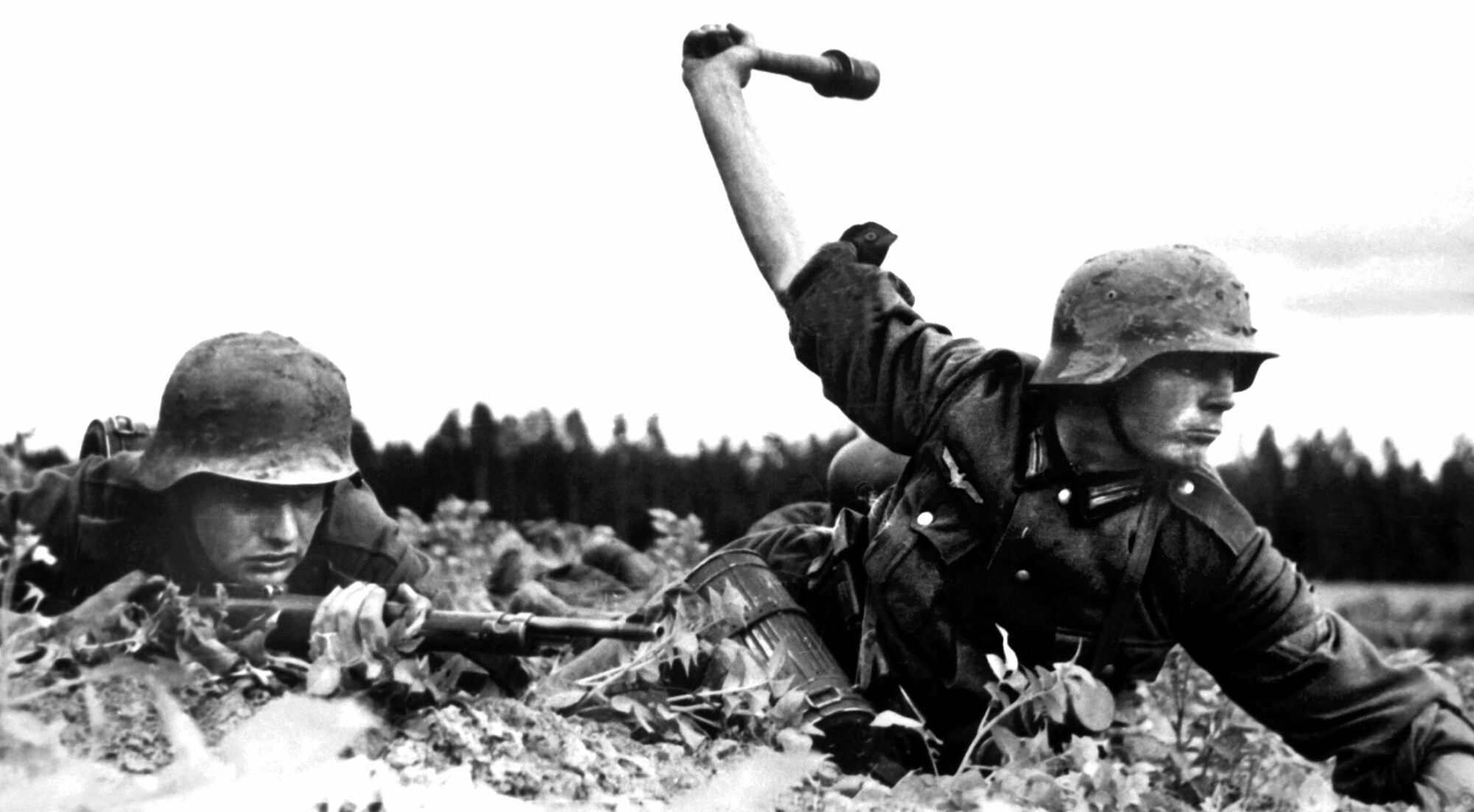
With a quarter of a million German troops pouring through the Ardennes Forest, three Americans fleeing in a jeep should have raised no alarm. Read more
WWII
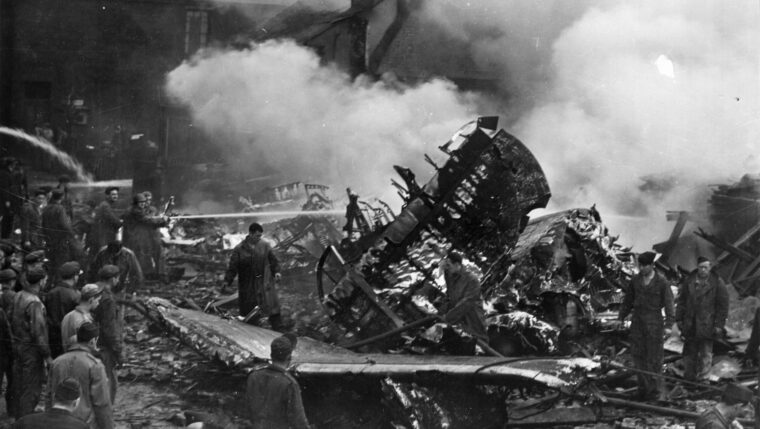
Wednesday, August 23, 1944, was a day of triumph for the Allies in their struggle against the Axis powers. Read more
WWII
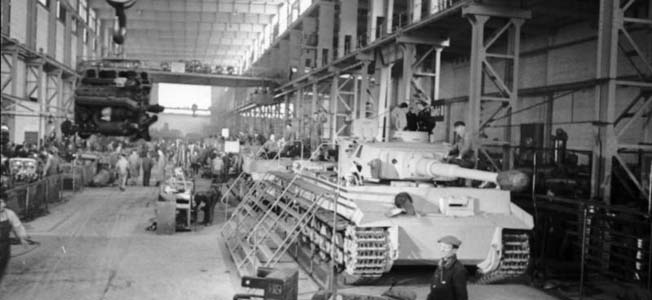
“Hitler’s generals, raised on the dogma of Clausewitz and Moltke, could not understand that war is won in the factory.” Read more
WWII
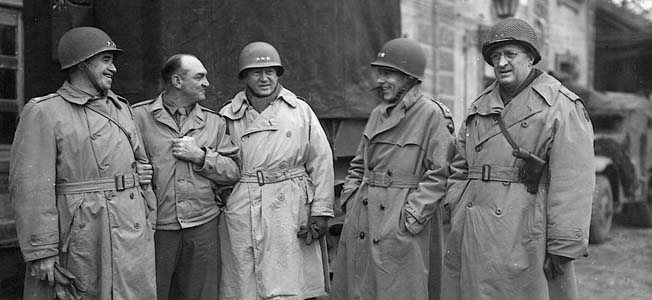
When Adolf Hitler’s last major World War II offensive burst through the chill Ardennes Forest early on December 16, 1944, it scattered American frontline units and caused many anxious hours in the Allied high command. Read more
WWII
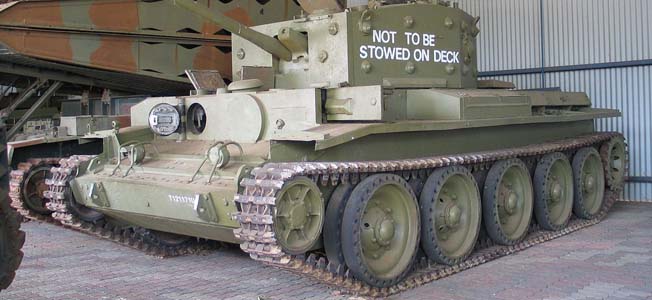
At the outbreak of World War II, the British War Office assumed that conditions on the Western Front in France would be the same as those experienced in the Great War of 1914-1918. Read more
WWII
One of the main reasons for the success of the battleships West Virginia, Tennessee, and California at Surigao Strait was their Mk 8 fire control radar, which was used in conjunction with the Mk 8 rangekeeper computer. Read more
WWII
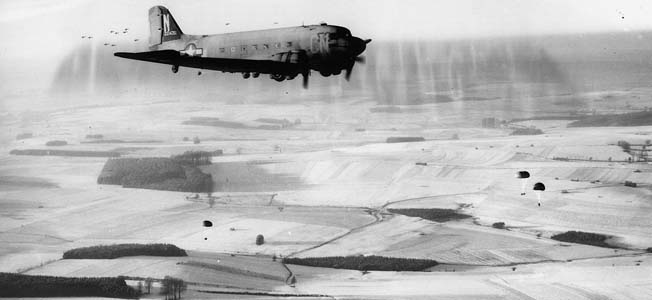
At daybreak on December 16, 1944, three senior officers in the Army Air Corps and a Royal Air Force air vice marshal arrived at an elegant chateau near the town of Spa in southeastern Belgium that was the headquarters of Lt. Read more
WWII
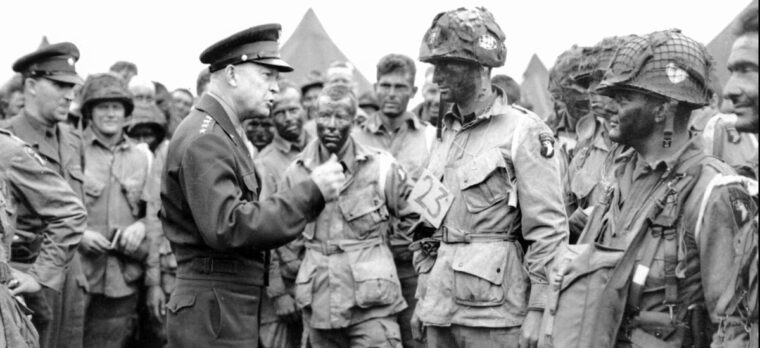
Made popular by the Band of Brothers portrayal of Easy Company, the U.S. paratrooper “cricket” was in fact used to identify each other in the predawn hours of the D-Day invasion. Read more
WWII
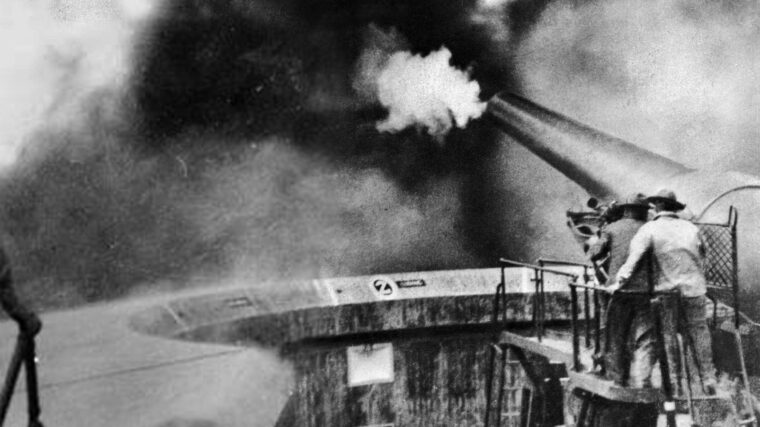
On April 12, 1942, thunder sounded across the waters surrounding the island of Corregidor. It was not a natural storm, however, but a conflagration of steel. Read more
WWII
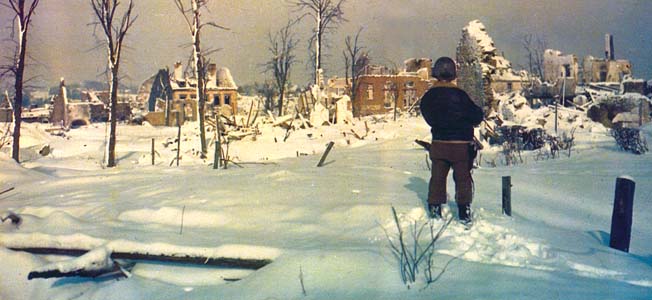
The 7th Armored Division fought a running battle out of St. Vith on December 23, 1944. After the destruction of the 106th Infantry Division in the first days of the Battle of the Bulge, the 7th tried to hold, but could not withstand the pressure of six German divisions bearing down on it. Read more
WWII
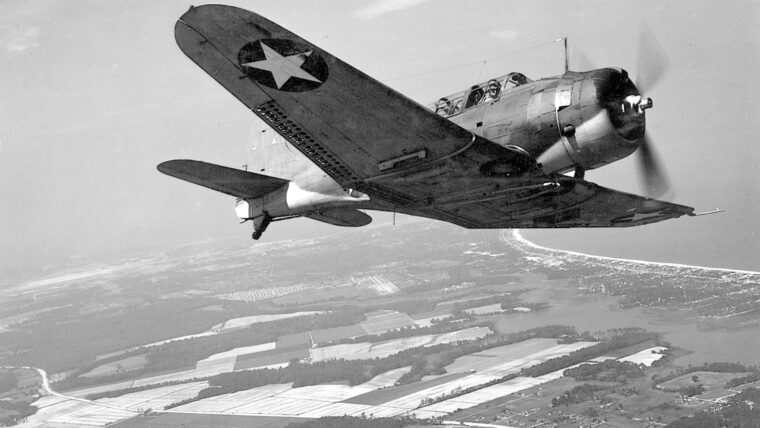
World War II gave us many stories of aerial warfare, men and their machines fighting their way to victory and glory in the name of humanity. Read more
WWII
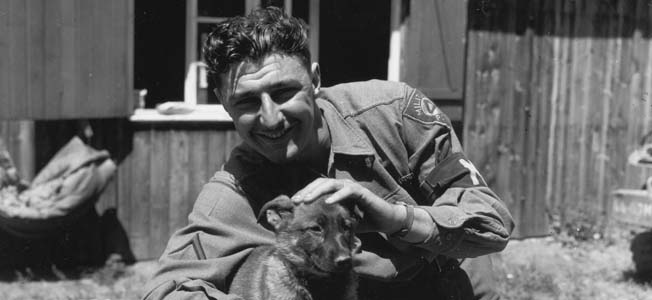
American men left behind a great deal when they left home to fight in World War 2. Read more
WWII
Three Months after the United States was plunged into World War II with the Japanese attack on Pearl Harbor, the nation was on edge. Read more
WWII
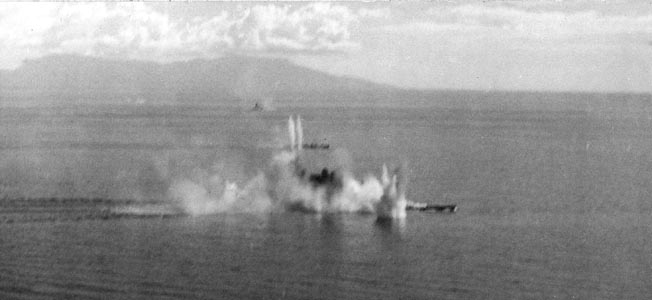
When she went to the bottom of the sea at the height of the greatest naval battle in history, the USS Gambier Bay (CVE 73) became a legend for heroism and as the only U.S. Read more
WWII
As a dive-bomber pilot from the Essex, Lieutenant John D. Bridgers participated in the action against Kurita in the Sibuyan Sea. Read more
WWII
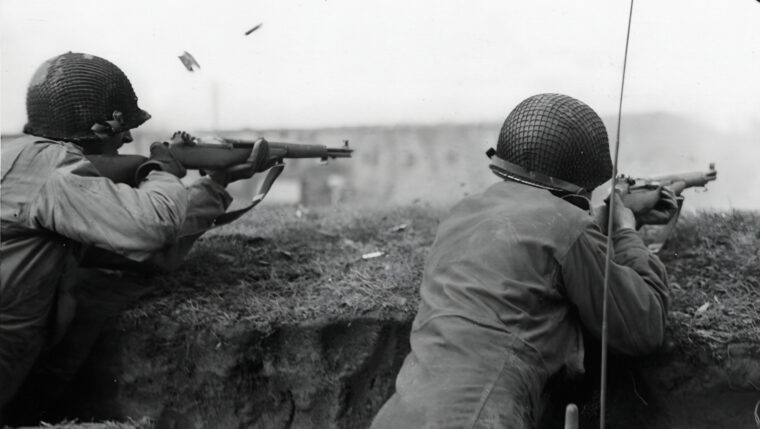
Now that Uden was secured, Easy Company and the remainder of the 101st Airborne Division received orders to move to the “Island,” a long narrow area north of Nijmegen between the Lower Rhine and the Waal Rivers. Read more
WWII
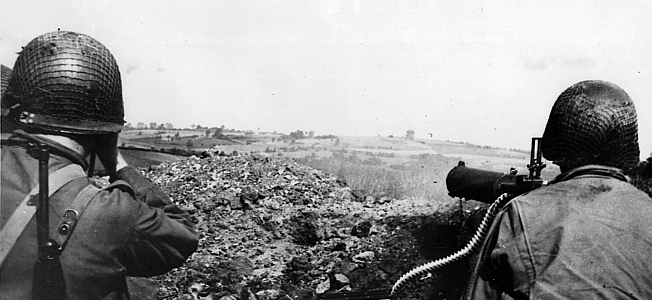
Airborne divisions were designed as light troops, relying on the shock value of landing to the enemy’s rear, and giving the Allies a third dimension of attack. Read more
WWII
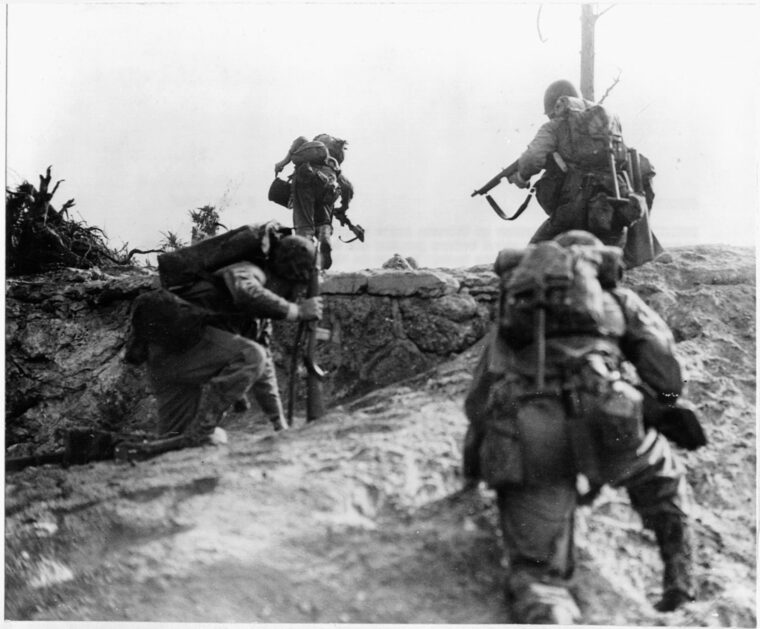
Because of the severe conditions at Sugar Loaf and elsewhere on Okinawa, the fighting produced an alarmingly high number of battle fatigue cases. Read more
WWII
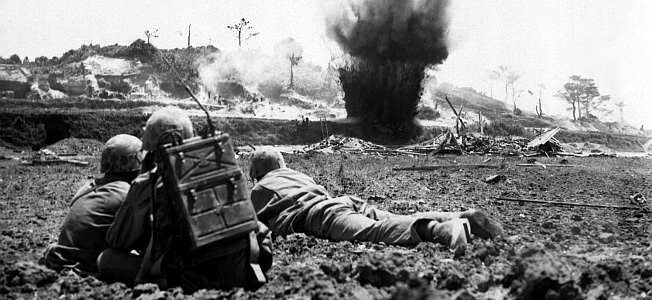
Lieutenant General Ushijima heavily depended upon two staff officers who, although differing in temperament, formed along with the general as effective a commanding trio as the Marines faced in the Pacific. Read more
WWII
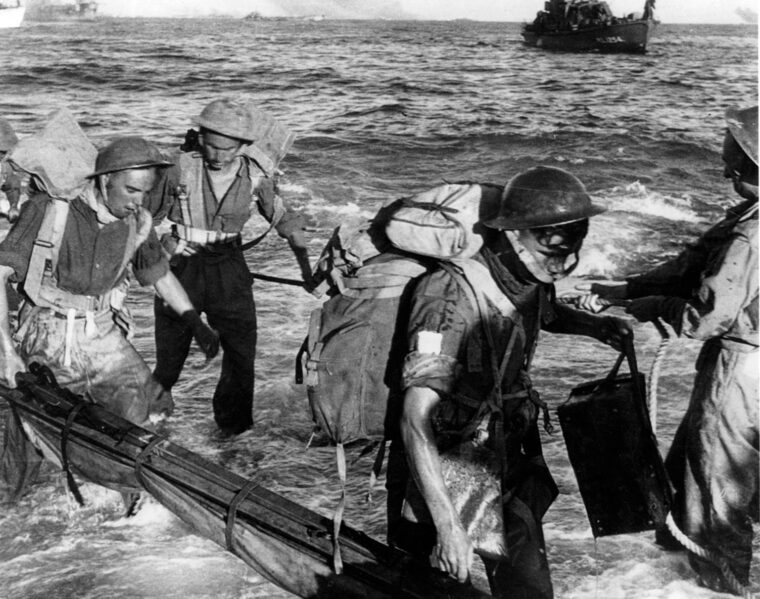
Operation Husky, the invasion of Sicily, was the only operation in World War II in which generals Bernard Montgomery and George S. Read more