WWII
Bringing Them Home: Operation Magic Carpet
by Michael Haskew
When World War II in Europe came to an end, General Dwight D. Eisenhower, Supreme Commander Allied Expeditionary Force, published a victory message to the troops. Read more
WWII
by Michael Haskew
When World War II in Europe came to an end, General Dwight D. Eisenhower, Supreme Commander Allied Expeditionary Force, published a victory message to the troops. Read more
WWII
At 8:30 on the evening of September 7, 1943, an Italian military ambulance entered Rome carrying two American prisoners of war. Read more

WWII
If there is a group of men whose mention evokes thoughts of heroism, it is those who were surrendered to the Japanese on Bataan and subsequently became part of the “Death March” up that peninsula in the Philippines to POW camps in central Luzon. Read more
WWII
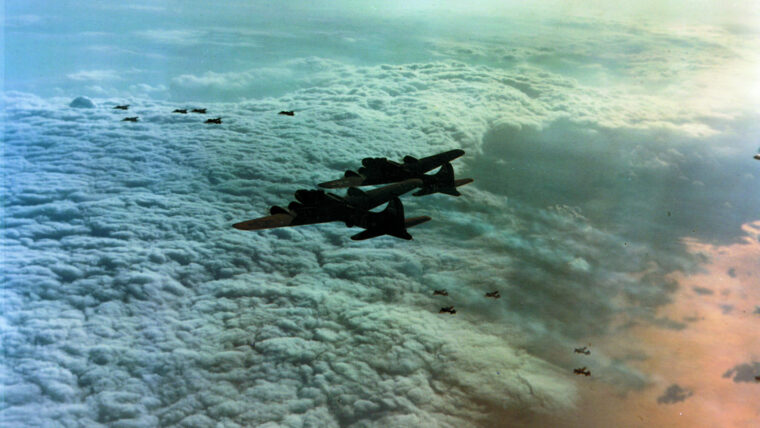
When the call came that morning, it was not unlike the 25 times previously when they had flown, or all those other times when weather intervened and postponement was ordered. Read more
WWII
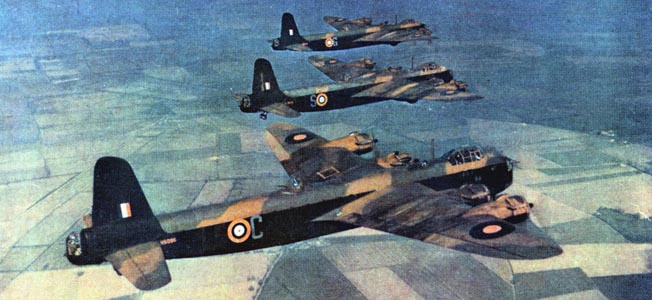
Racing his Bentley at breakneck speed between his High Wycombe headquarters and the Air Ministry during World War II, Air Marshal Arthur Travers Harris was the bane of motorcycle policemen on the London road. Read more
WWII
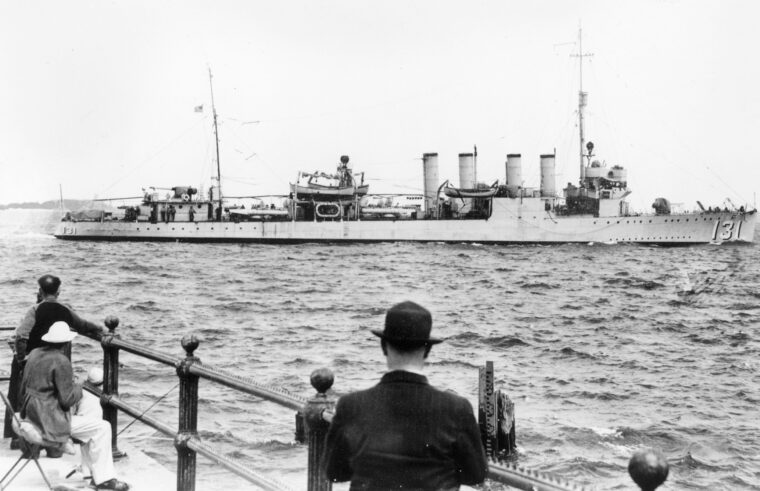
In early September 1940, the world was in turmoil. The battle of Britain was nearing its climax, and elsewhere global tensions ran high. Read more

WWII
In the latter part of 1944, the OSS, the Office of Strategic Services, mounted a plan called Operation Chrysler in Italy to “act as a liaison with partisan commanders, attempt to guide and control developments in northern Italy, and create a unified partisan command under the direction of the supreme allied commander.” Read more
WWII
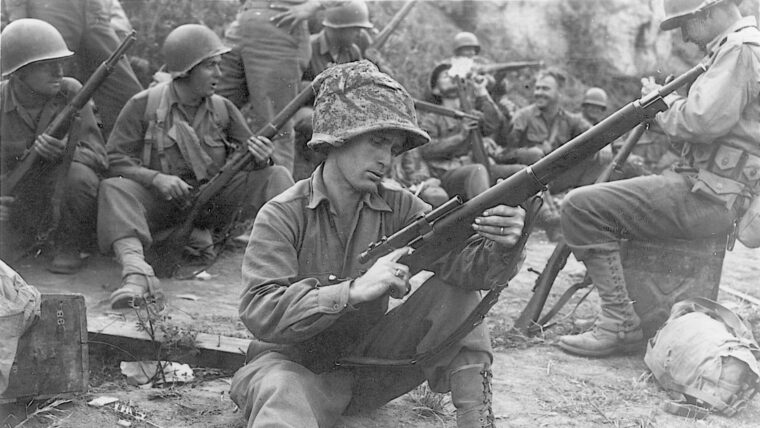
The attempted crossing of the Rapido River in Italy by two infantry regiments of the U.S. 36th Division in January 1944 was one of the costliest failed attacks made by American forces during World War II. Read more
WWII
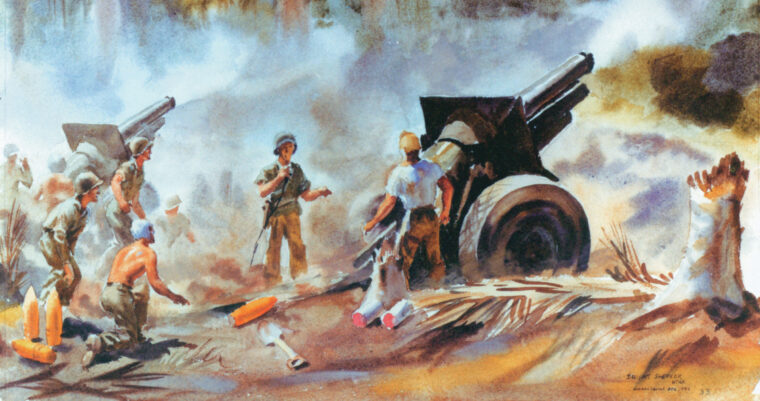
Crouched in their foxholes along Edson’s Ridge on Guadalcanal in the Solomon Islands, the Marines formed a critical but thin defense line between strategic Henderson Field and seasoned Japanese infantry lurking in the jungle. Read more
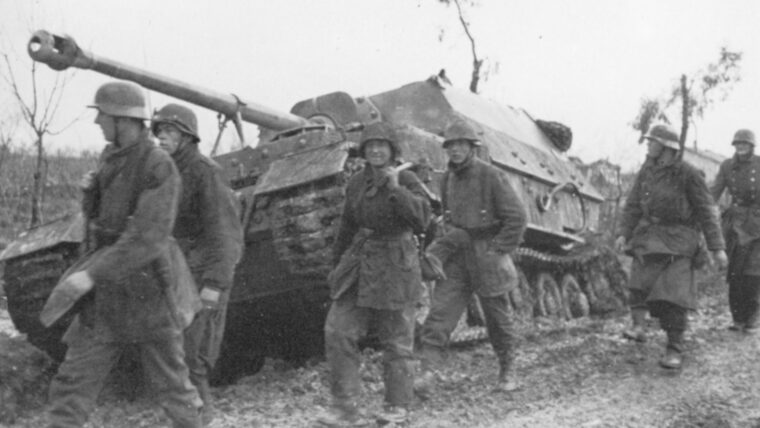
WWII
World War II tanks usually had aggressive- or ferocious-sounding names, such as Hellcat, Panther, or Tiger. Yet the tendency was not universal, as with British Cruisers or the American M-3 Honey. Read more
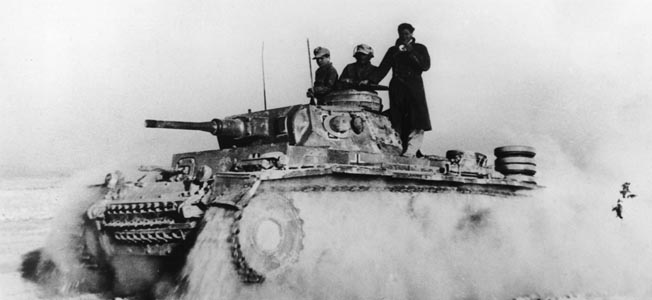
WWII
On April 15, 1942, Generaloberst (Colonel General) Erwin Rommel summoned his subordinate commanders of the Panzerarmee Afrika to a conference to outline his plans for the coming offensive against the British Eighth Army. Read more
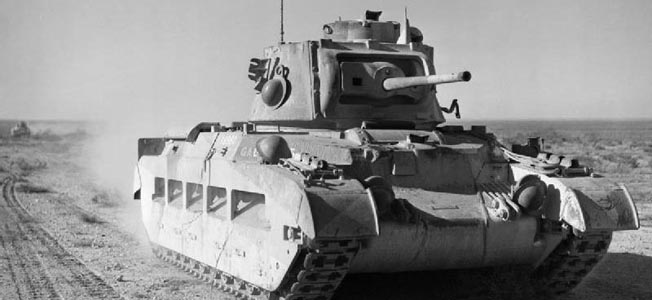
WWII
The North African campaign has been aptly described as a “tactician’s paradise and quartermaster’s hell.” The contested area was large, stretching some 1,400 miles from Tripoli in the west to Alexandria in the east, a vast expanse of waterless desert wastes. Read more
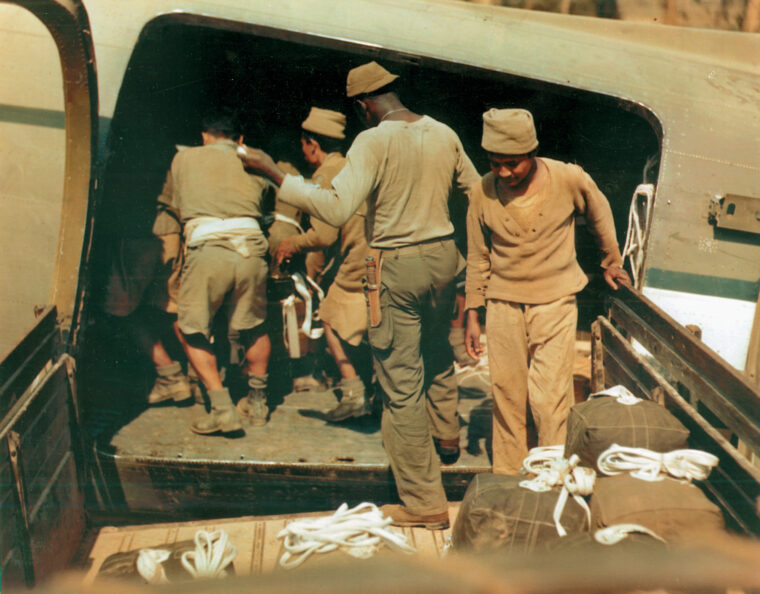
WWII
Short, wiry, and with baleful blue eyes and an Old Testament beard, Maj. Gen. Orde Charles Wingate was unorthodox in thought and action. Read more
WWII
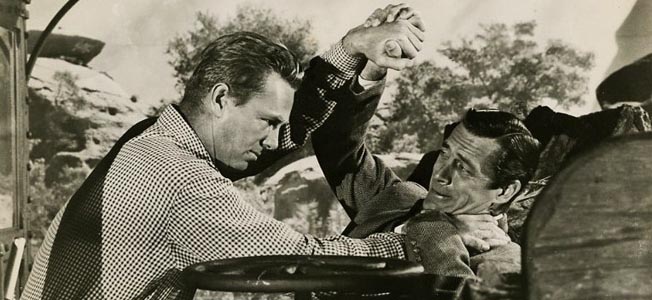
He stood six foot five in his leather jumping boots and weighed close to two hundred and thirty pounds,” wrote the actor Sterling Hayden in his 1963 autobiography Wanderer. Read more
WWII
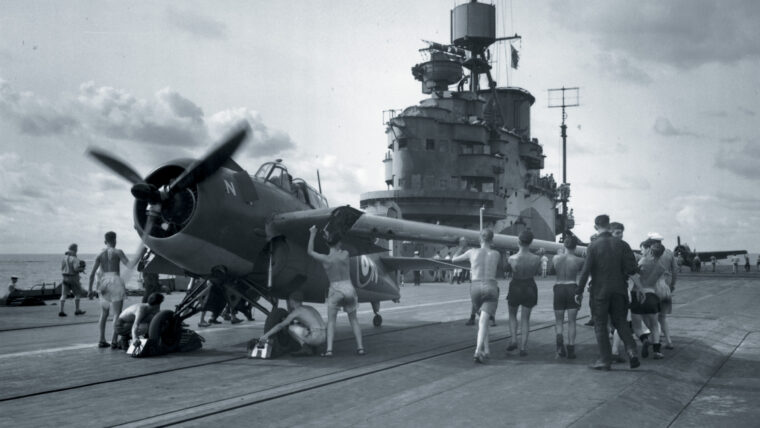
When one thinks of carrier warfare in World War II, the Japanese and U.S. navies usually come to mind. Read more
WWII
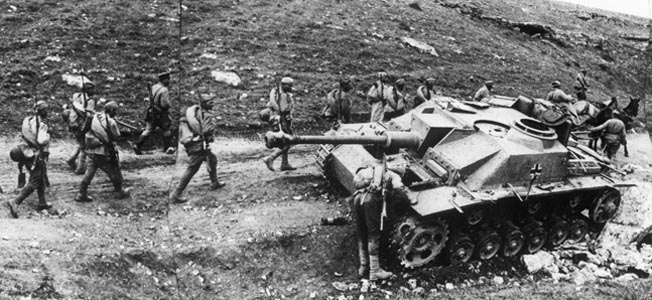
On July 4, 1942, the men of newly promoted Field Marshal Erich von Manstein’s Eleventh Army celebrated the capture of the last Soviet bastion in the Crimea. Read more
WWII
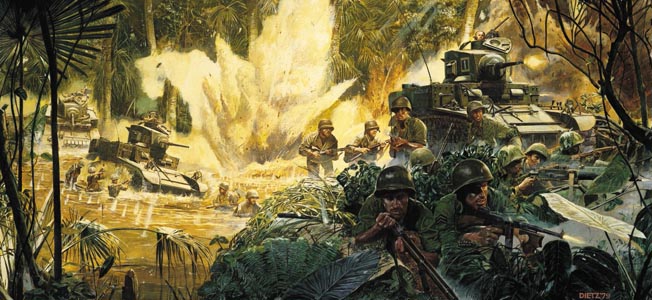
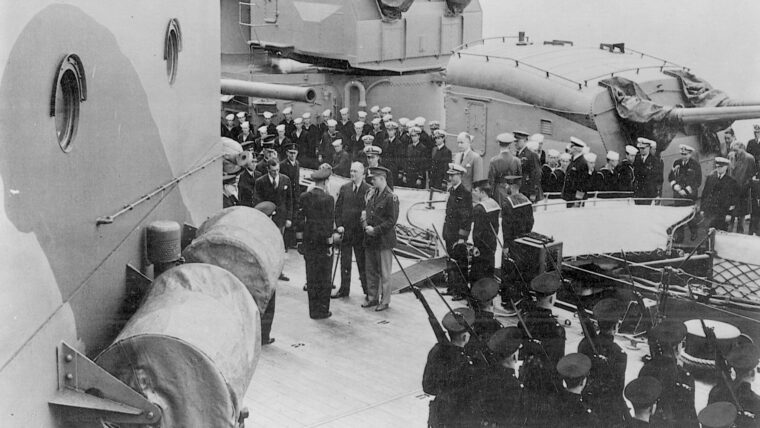
In March 1942, General Douglas MacArthur was ordered out of the doomed Philippines by President Franklin D. Roosevelt to organize the defense of Australia. Read more
WWII
Still stunned by the sneak Japanese onslaught on the Pacific Fleet at Pearl Harbor, American families tried to summon up their Christmas spirit in December 1941. Read more
WWII
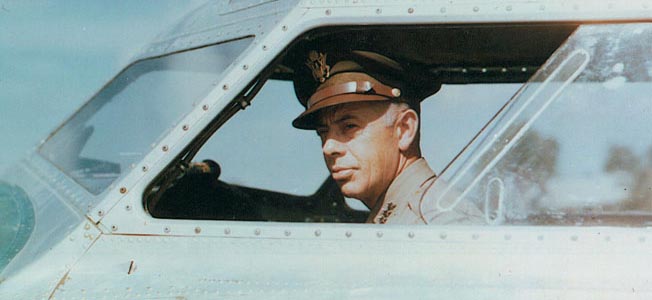
Although the Japanese attack on Pearl Harbor was the event that served to galvanize America to fight World War II, President Franklin Roosevelt and his military advisers had pervasively decided that defeating the Japanese would be secondary to destroying the Nazi war machine in Europe. Read more
WWII
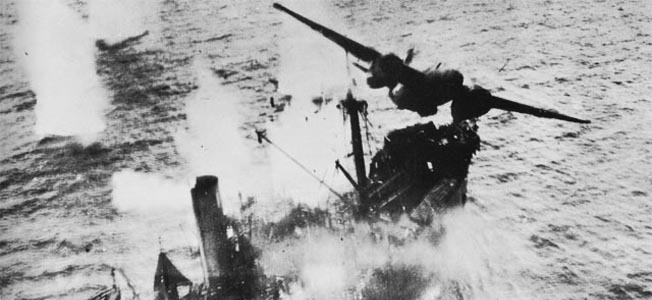
One of the successful strategies used by airmen in the Southwest Pacific Area of Operations was skip- bombing, a method of aerial attack in which a bomber approached an enemy ship at wave-top height, then released a bomb with a delayed-action fuse from some distance away. Read more