Civil War

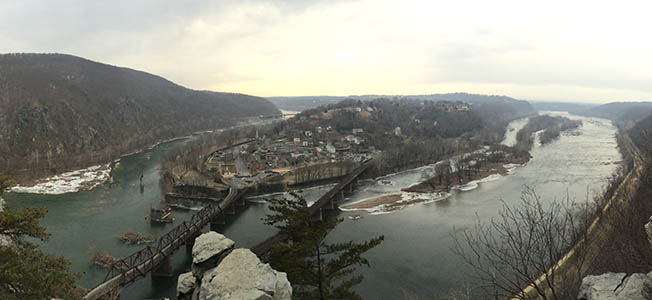
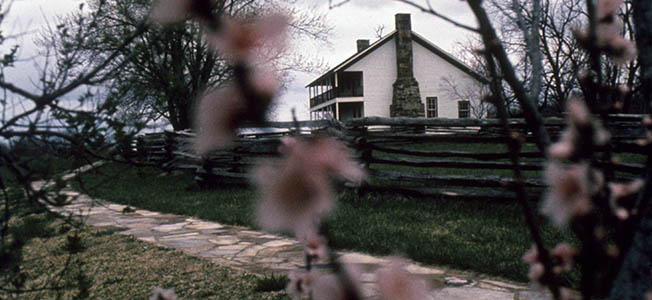
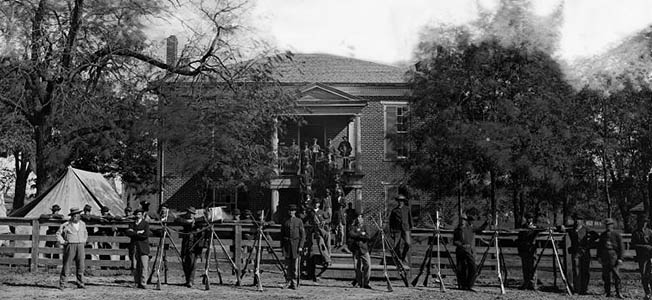
William Welsh walks us through the steps of Robert E. Lee and Ulysses S. Grant at the Battle of Appomattox Court House National Historical Park.

Civil War

Civil War’s End: The Battle of Appomattox Court House

by William E. Welsh

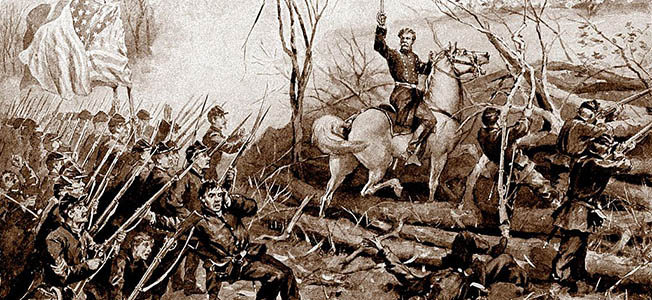
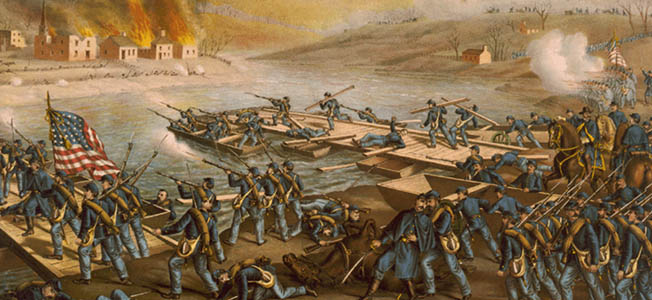
When Confederate General Robert E. Lee learned on the morning of April 9, 1865, that Union infantry was both in front and behind of his meager army of 12,500 effectives as it approached Appomattox Court House in central Virginia, he resigned himself to the sad task before him. Read more
Civil War

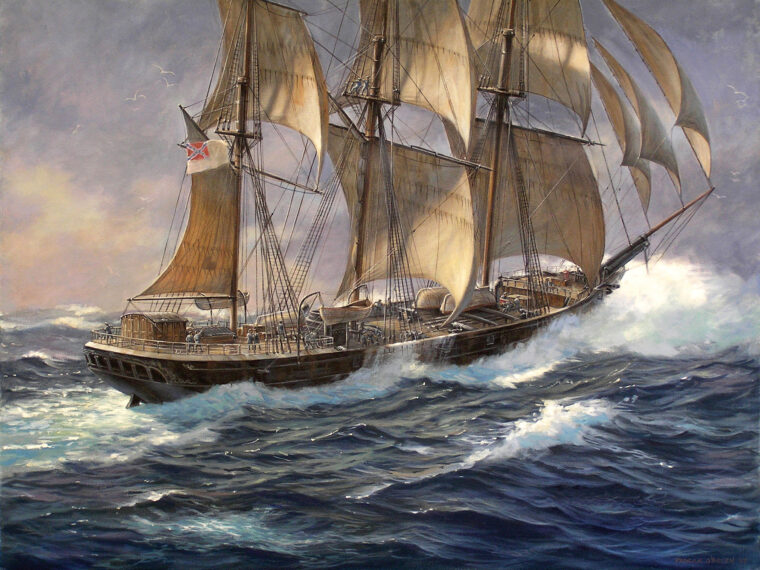
Swan Song for the CSS Shenandoah

By Mark Simmons

The River Mersey was fog shrouded on the morning of November 6, 1865, and the city of Liverpool was scarcely visible from the deck of the CSS Shenandoah. Read more

Civil War

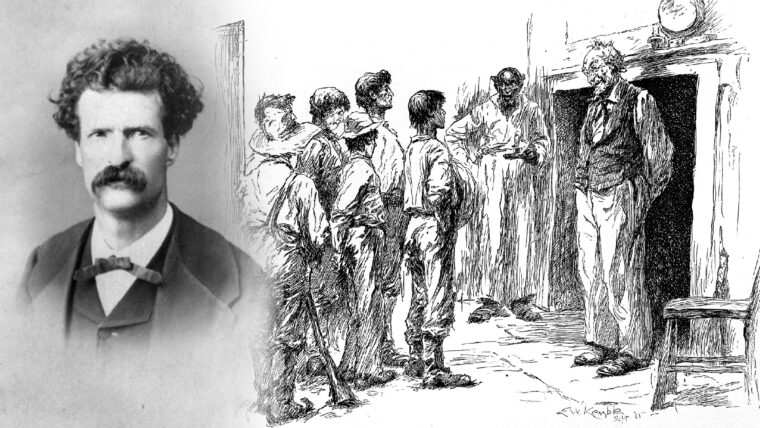
Mark Twain Joins the Marion Rangers

By Roy Morris, Jr.

Twenty-five-year-old Mississippi River pilot Samuel Clemens (not yet known by his famous pen name, Mark Twain) was in his home port of New Orleans in late January 1861 when word reached the city that Louisiana had seceded from the Union. Read more

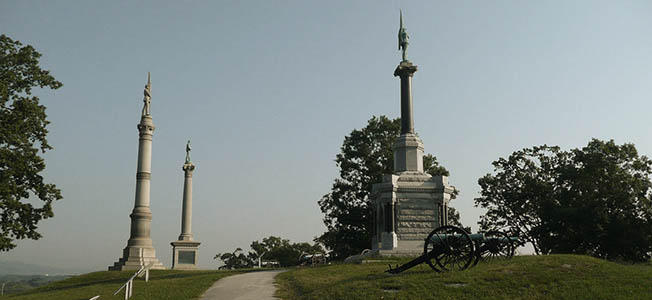
Locals still live with reminders of the Chattanooga Campaign and its aftermath 150 years after the American Civil War.

Civil War

The Chattanooga Campaign: Then and Now

by Roy Morris, Jr.

Living in Chattanooga is a little like living inside a museum. American Civil War reminders are all around: many of us remember going as students on field trips to Point Park and Chickamauga Battlefield and spending long Sunday afternoons driving with our families along the winding, monument-strewn Crest Road on Missionary Ridge. Read more

A large group of “contraband” slaves rests at a plantation near Pamunkey Run, Virginia, after escaping captivity.

Civil War

Lincoln vs. Frémont

By Lawrence Weber

As the early days of the Civil War were unfolding and the destiny of the republic was beginning to be contested on the battlefield, Abraham Lincoln was engaged in a no less perilous type of battle. Read more

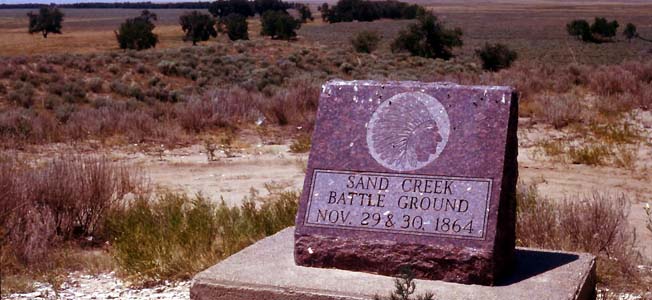
For his part in the Sand Creek Massacre and his lust for power, John Chivington is often regarded as one of America's worst leaders in history.

Civil War

The Worst Leaders in History: John Chivington

By Brad Reynolds

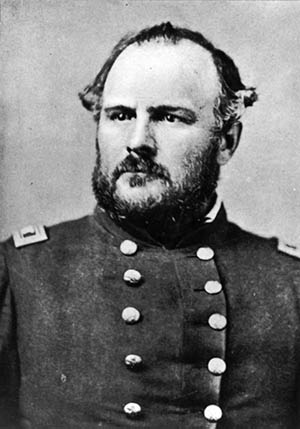
John M. Chivington was a prominent military commander during the American Civil War in the West. Initially an ordained Methodist Minister, Chivington would abuse his position as a military commander, leading the federal government to condemn his actions as an officer of the United States Military. Read more

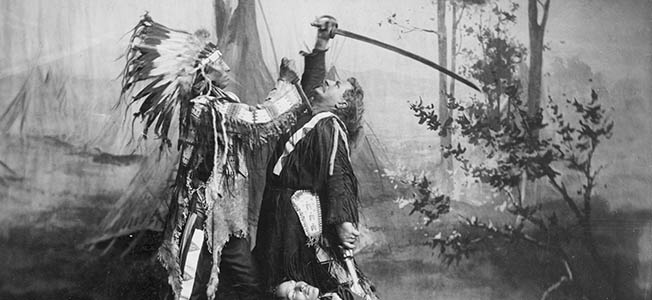
Mark Twain was not the only famous American writer to avoid fighting—and possibly dying—in the American Civil War.

Civil War

American Writers Who Avoided the Civil War

by Roy Morris, Jr.

When Mark Twain “lit out for the territory” in July 1861 from his erstwhile role as the world’s worst Confederate ranger, he joined a small but distinguished list of future American literary greats who similarly decided, as had Twain, that they were “not rightly equipped for this awful business.” Read more

Civil War

Michigan’s Ottawa Indians in the American Civil War

By Roy Morris Jr.

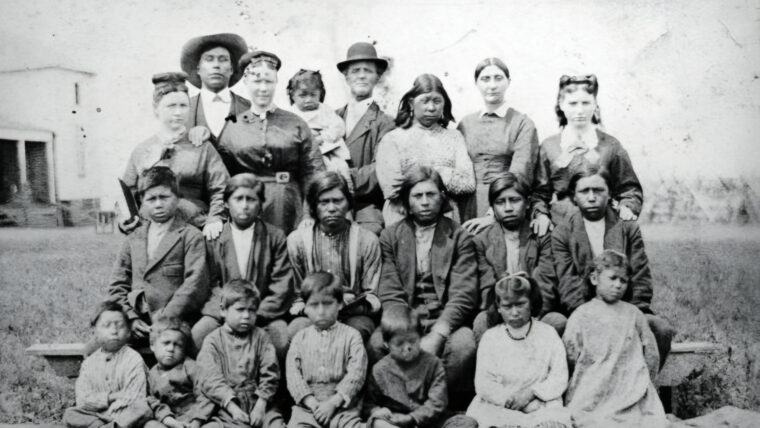
While many Cherokee, Choctaw, and Chickasaw Indians threw in their lot with the Confederacy, fighting alongside southern troops at the Battle of Pea Ridge in March 1862, a more northern-based tribe—the Ottawa—chose to remain loyal to the Union, in the forlorn hope that its willingness to fight for the white men’s country would help preserve its increasingly imperiled way of life. Read more