Civil War
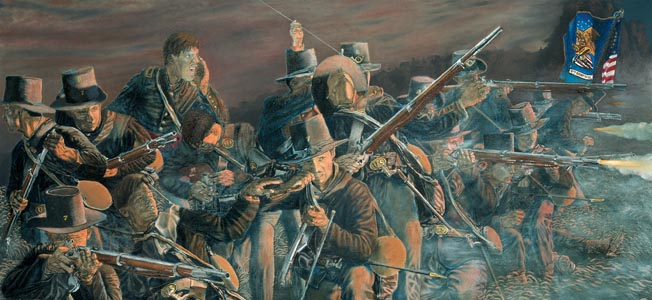
Brawl at Brawner’s Farm: Jackson’s Bloody Stalemate at Second Manassas
By John WalkerThe ground around Manassas, Virginia, was not auspicious for Union Army forces in the first two years of the Civil War. Read more

Civil War
The ground around Manassas, Virginia, was not auspicious for Union Army forces in the first two years of the Civil War. Read more
Civil War
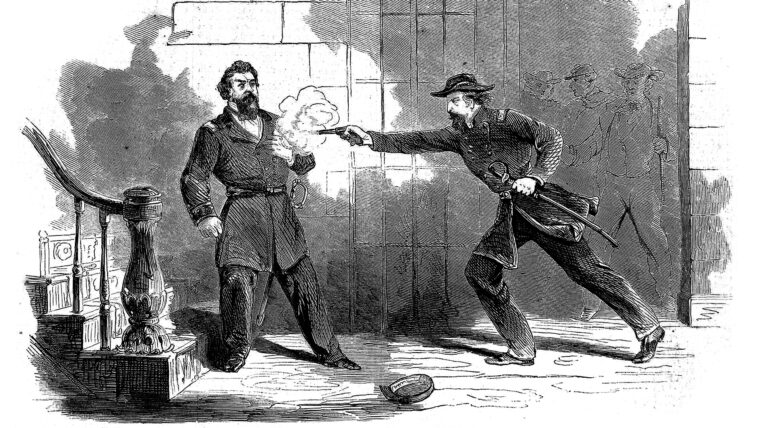
Few Civil War officers, in either army, were as polarizing as Union Maj. Gen. William “Bull” Nelson. Read more
Civil War
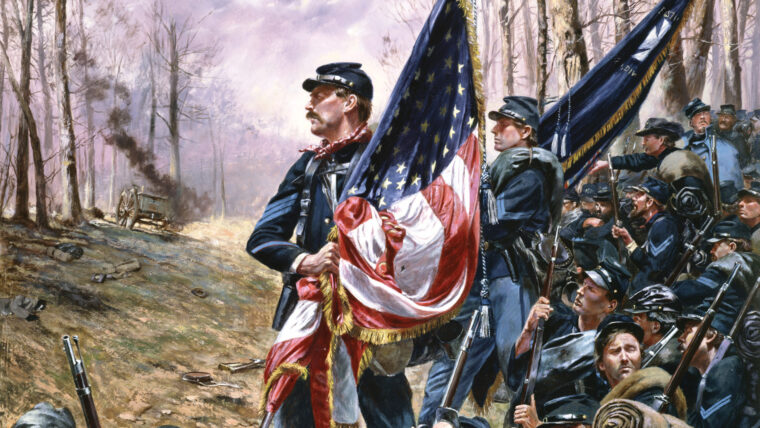
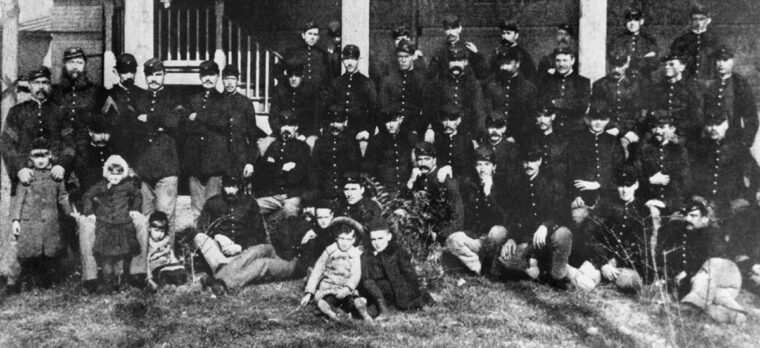
When the Civil War erupted in April 1861, the 10 companies of the 4th U.S. Read more
Civil War
By Christopher Miskimon
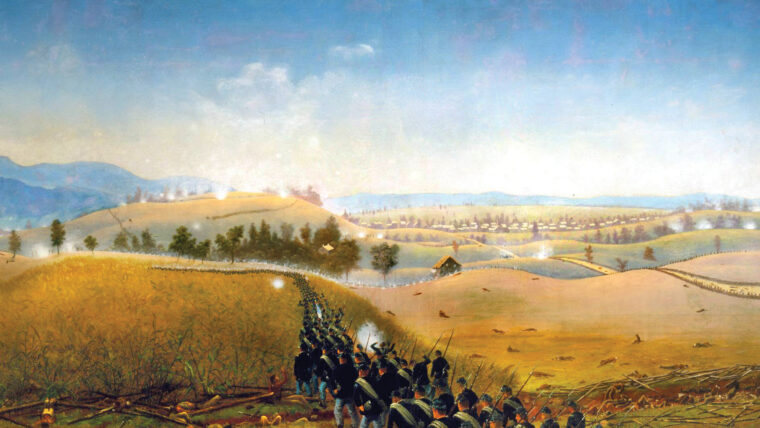
In the late afternoon of September 17, 1862 the 7th Maine Regiment received new orders. The Battle of Antietam had raged throughout the day. Read more
Civil War
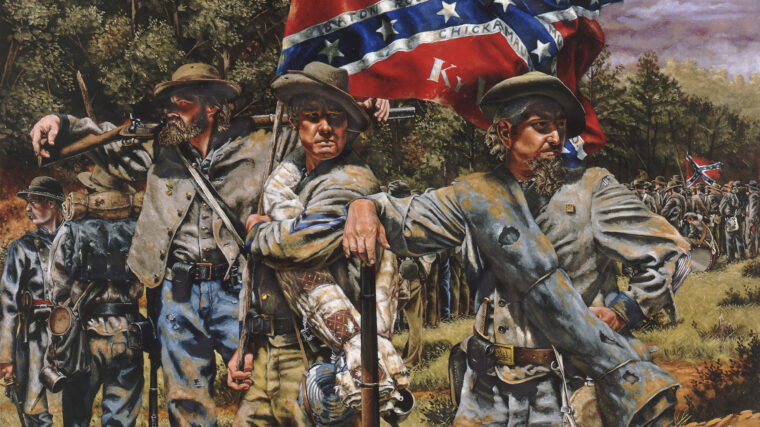
On April 15, 1861, three days after the bombardment of Fort Sumter, President Abraham Lincoln issued a call for 75,000 volunteer troops. Read more
Civil War
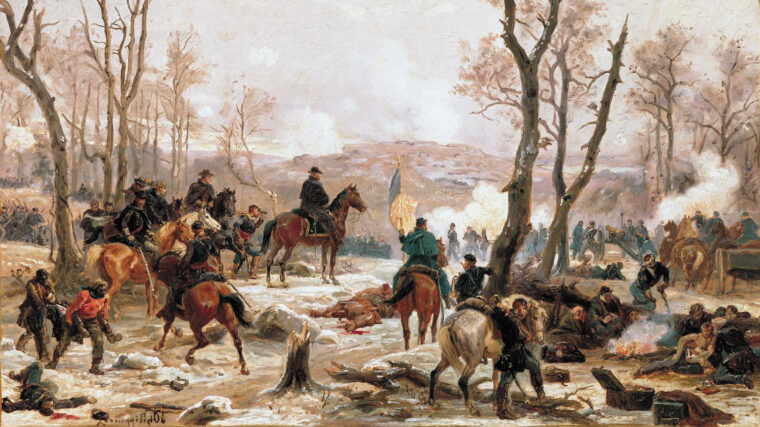
One evening around Christmas of 1861 Union Maj. Gen. Henry “Old Brains” Halleck, commanding the Department of Missouri, dined with his chief of staff, Brig. Read more
Civil War
On May 15, 1862, a five-ship Union Navy squadron that included the ironclad USS Galena, gunboats Aroostook, Port Royal, Naugatuck, and the famous Monitor neared a bend in the James River known as Drewry’s Bluff, where Confederate Fort Darling commanded the passage. Read more
Civil War
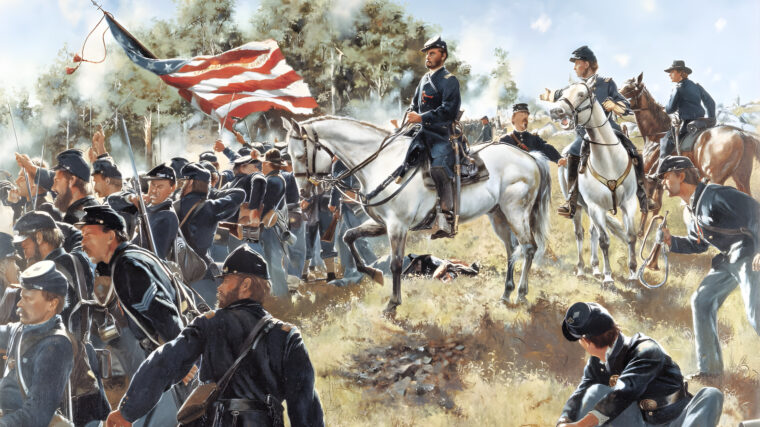
The struggle for the Devil’s Den at Gettysburg occurred on July 2, 1863, under a hot and cloudless afternoon. Read more
Civil War
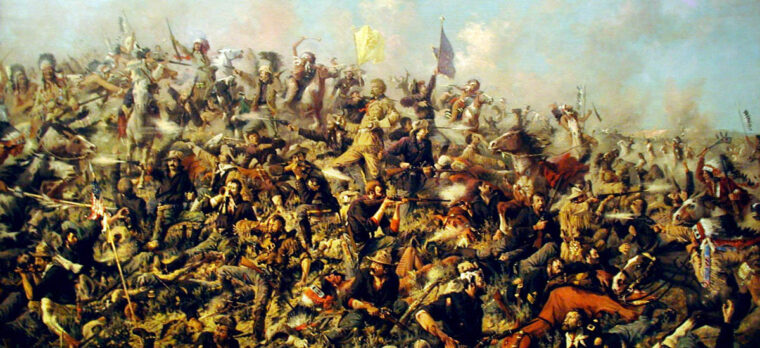
Practically all students of military history know of George Armstrong Custer the cavalry officer, Civil War hero, and dashing, controversial Indian fighter ultimately killed at the Battle of the Little Big Horn in 1876. Read more
Civil War
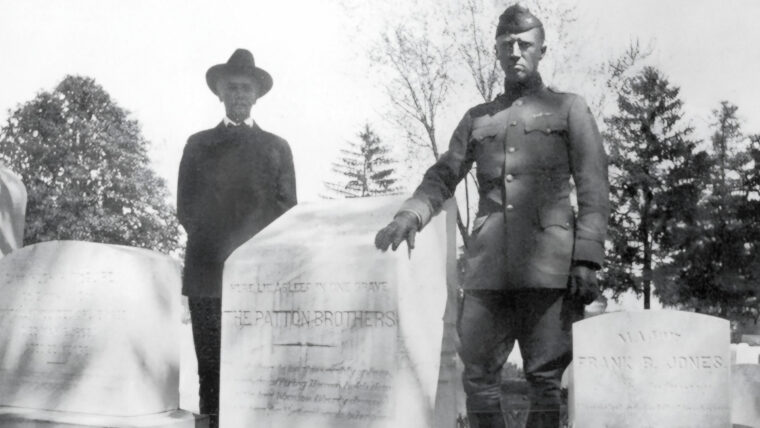
The famed general of World War II, George S. Patton III, often spoke with pride of the military deeds of his forefathers. Read more
Civil War
If the Confederacy had taken a poll of the most hated Union general, New Hampshire native Benjamin Butler would have taken the laurels hand down. Read more
Civil War
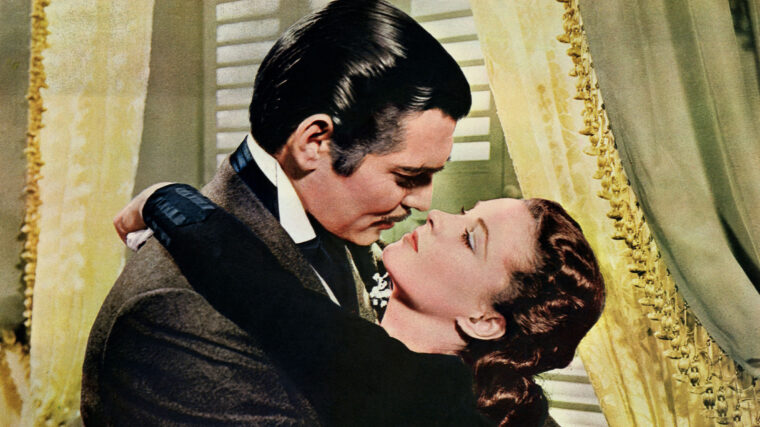
World War II, America’s last “good war,” has always been a fruitful source for homegrown moviemakers. Beginning with the wartime movies that shamelessly if sincerely promoted American efforts to rally against the fascist evils of Germany, Italy, and Japan, the silver screen gave audiences stirring depictions of brave GIs risking and sacrificing their lives for the greater good. Read more
Civil War
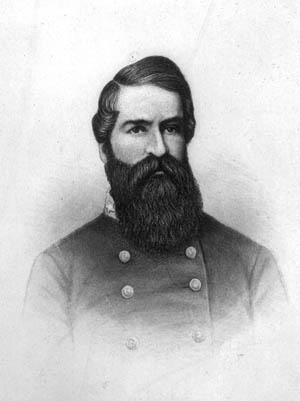
Even in an army not lacking for larger-than-life figures, Confederate cavalry leader Turner Ashby stood out from the crowd. Read more
Civil War
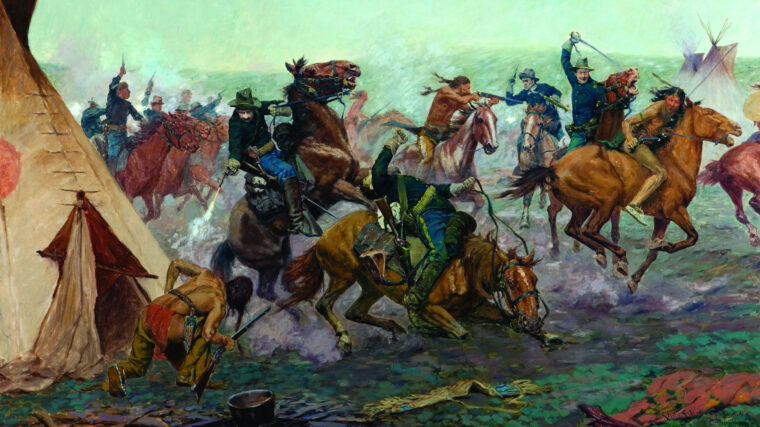
The conclusion of the Civil War saw the painfully reunited nation resume its westward surge. Complicating that surge was the Indian question: how best to remove the Native American peoples from the paths of white expansion. Read more
Civil War
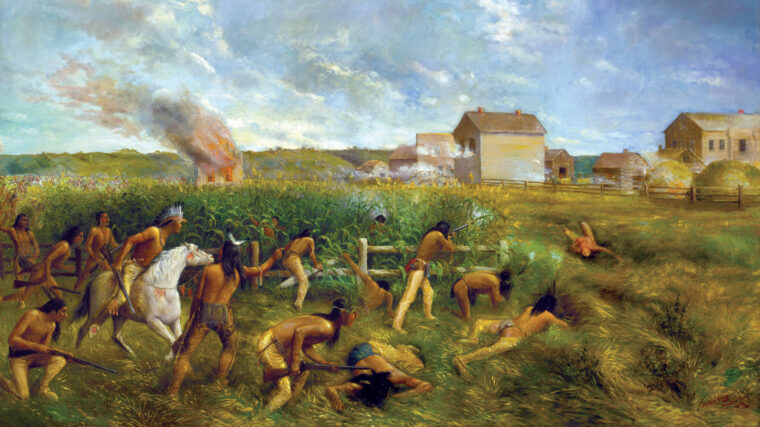
Shortly after midnight on the morning of Monday, August 18, 1862, an uneasy group of Santee Sioux warriors arrived at the simple frame home of Taoyateduta, known to the whites as Little Crow. Read more
Civil War
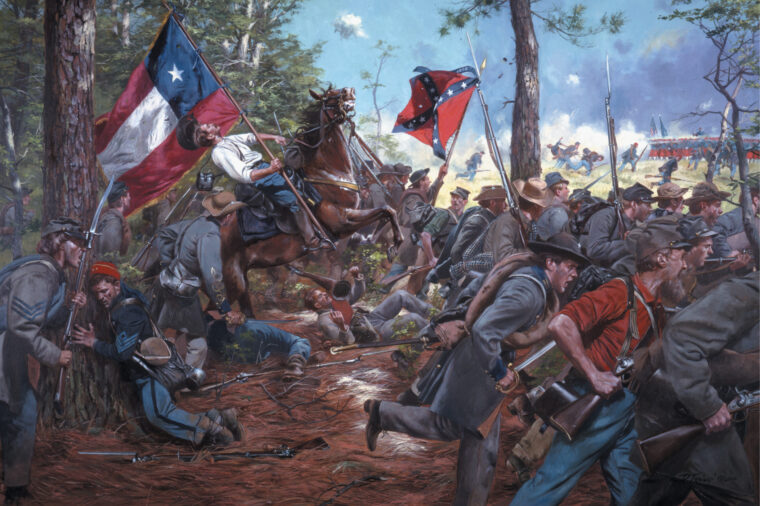
Sent into north-central Virginia to threaten Richmond on a second front, McDowell had managed to get lost in the woods near Gainesville and lost touch with his command for 12 full hours. Read more
Civil War
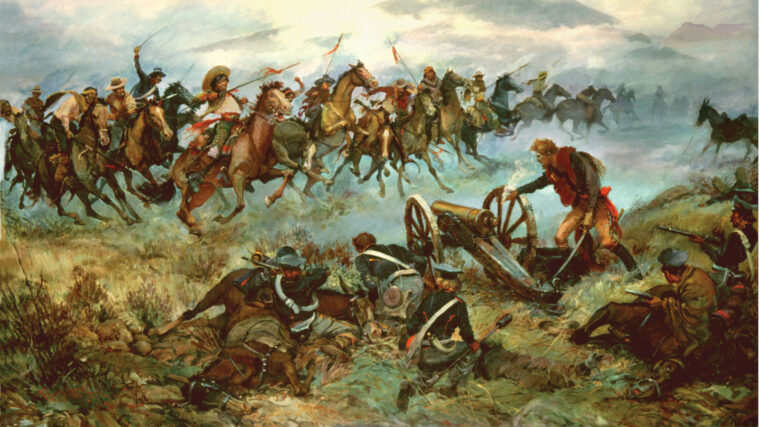
The two Indian scouts ignored the gawking soldiers as they rode into where the bluecoated troops had bivouacked for the night at Mule Springs in the Texas Panhandle on November 24, 1864. Read more
Civil War
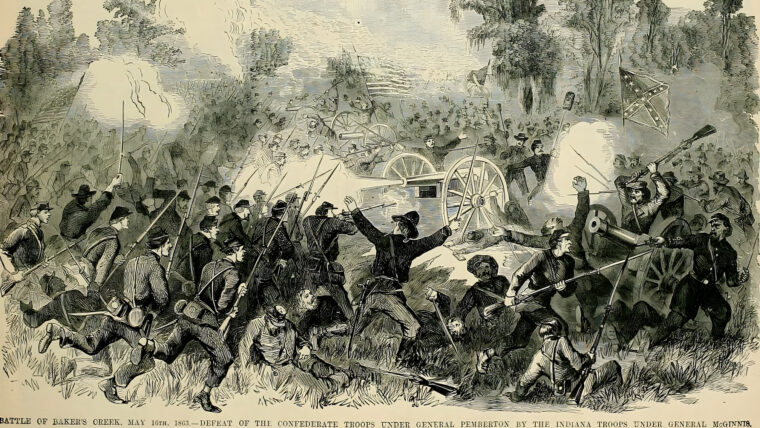
When Confederate general John Bell Hood assumed command of the embattled Army of Tennessee at Atlanta in mid-July 1864, he was already grievously wounded in both body and spirit. Read more
Civil War
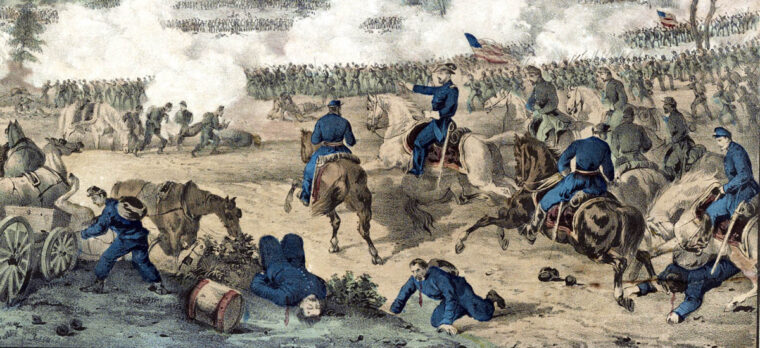
The year 1864 was shaping up to be a critical one in the three-year-long Civil War. During the previous year, Federal armies had gained control of the Mississippi River and consolidated their grip on Tennessee. Read more
Civil War
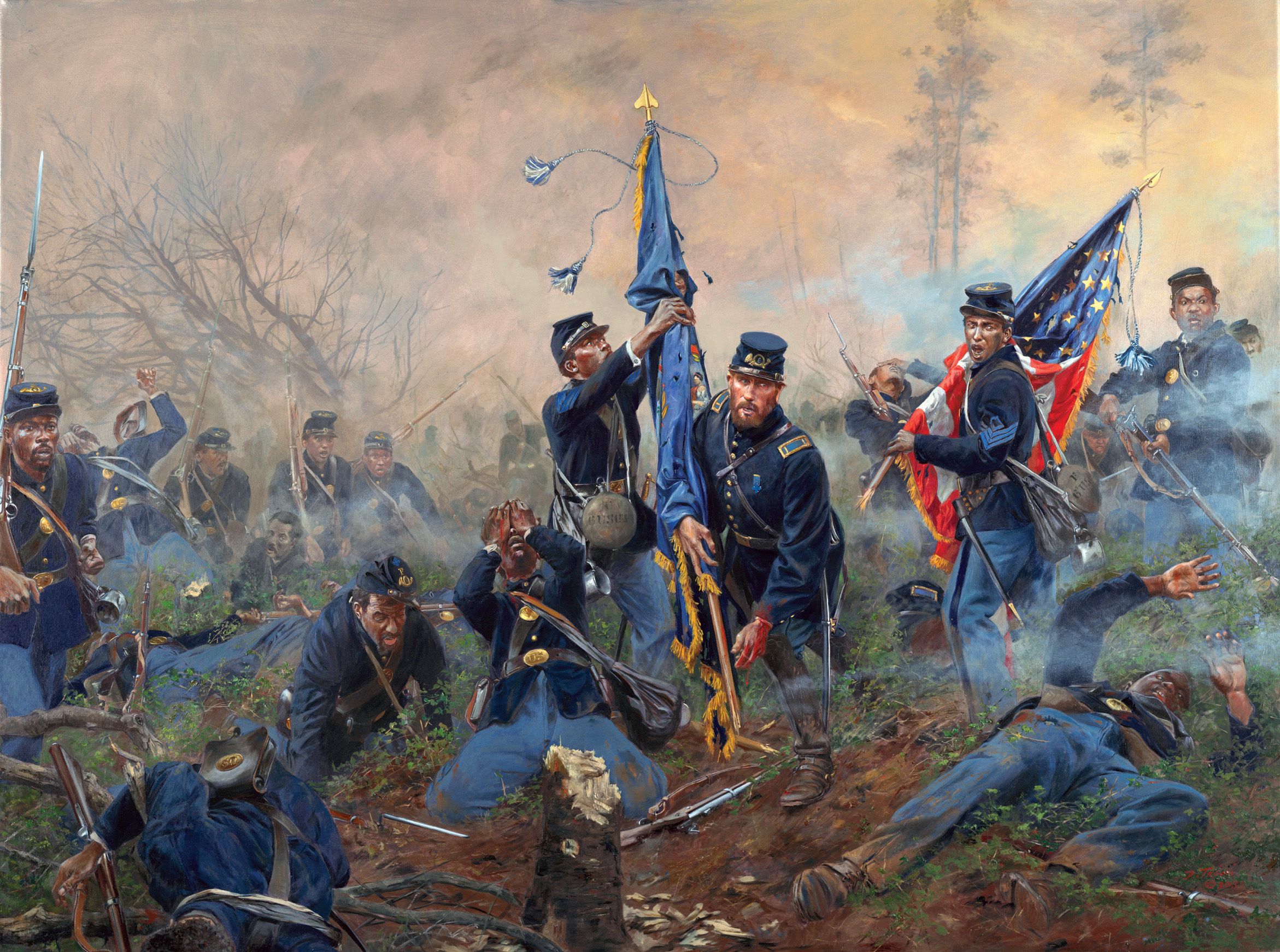
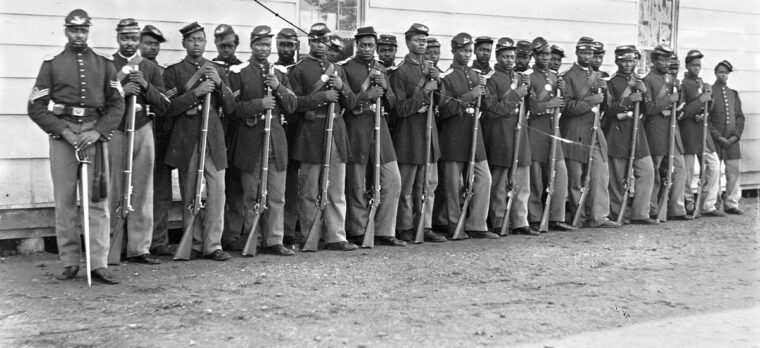
Although several overzealous Union Army field commanders organized African Americans into ad hoc militia units early in 1862 and several black regiments were mustered into service later that year, it wasn’t until after President Abraham Lincoln’s Emancipation Proclamation took effect on January 1, 1863, that the federal government began actively recruiting and enlisting black soldiers and sailors. Read more