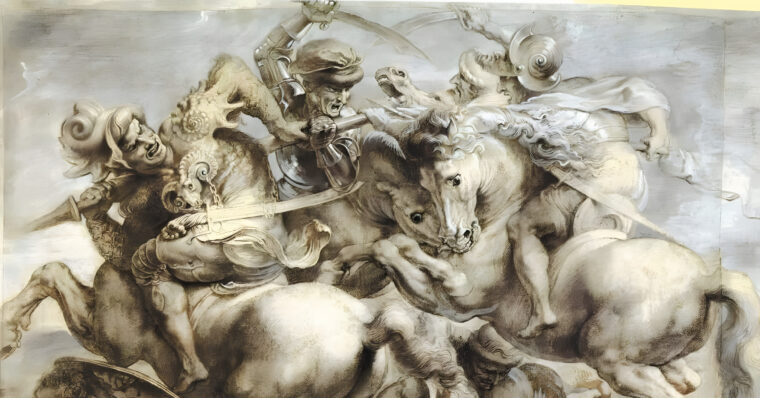
The History of the Sword
By William J. McPeakPerhaps no other weapon in human history has lent itself so well to so many combat adaptations as the sword. Read more
Perhaps no other weapon in human history has lent itself so well to so many combat adaptations as the sword. Read more

On February 23, 1942, Red Army Day, the People’s Commissar of Defense, Josef Stalin, issued Order No. 55. Read more
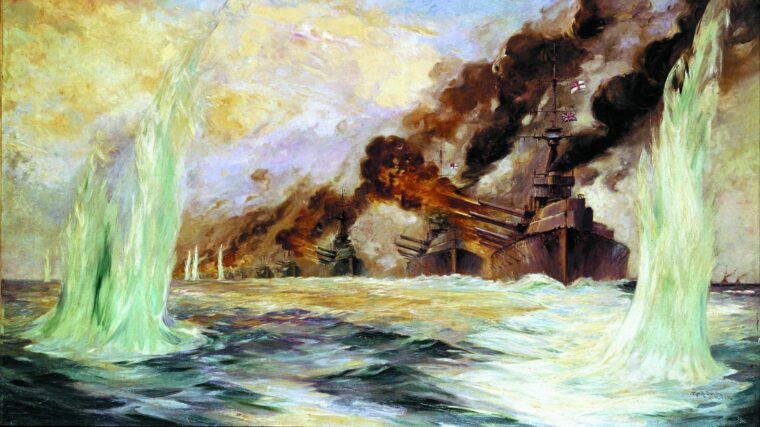
In the spring of 1916, as the result of intense international pressure, Vice Admiral Reinhard Scheer called in all his submarines after Germany announced an end to unrestricted underwater attacks on transatlantic merchant ships. Read more

The year 1883 was one of horror for the people of northern Africa. Grim tidings made their way down the Nile from the benighted wastes of the Sudan, ghastly tales of rebellion and massacre in the holy name of God. Read more

After almost two months of bloody and desperate fighting, the Allies had failed to break through the German defenses that had been limiting their hold on Normandy since D-Day. Read more

After his disastrous invasion of Russia in 1812, French emperor Napoleon Bonaparte desperately needed to reassert his military dominance over Europe. Read more

It will not come as a surprise to American readers that when the Japanese emperor delivered his surrender message on August 15, 1945, Allied forces led by the United States had thoroughly defeated Japan’s naval and air power in the Pacific. Read more

In the latter part of the 19th century, Germany’s young Kaiser, Wilhelm II, was anxious to play Weltpolitik (global politics) and expand his country’s influence beyond the borders of Europe, where Germany was already an acknowledged power player. Read more
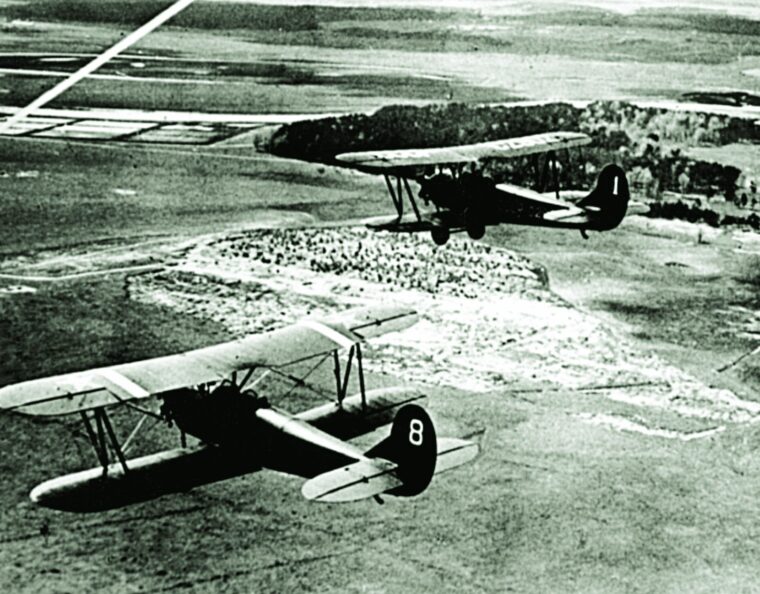
Ignoring a nonaggression pact between Hitler and Stalin, Nazi Germany launched Operation Barbarossa, an invasion of the Soviet Union, on June 22, 1941. Read more
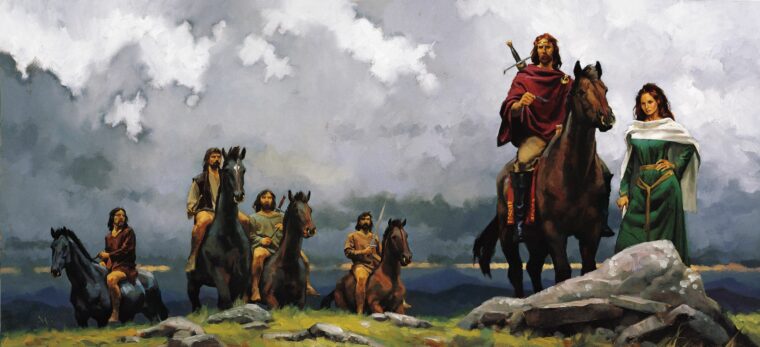
In 941 ad, in the fortress of Kincora overlooking the River Shannon just south of Lake Derg, Queen Be Bhionn gave birth to a son, Brian Mac Cennétig. Read more
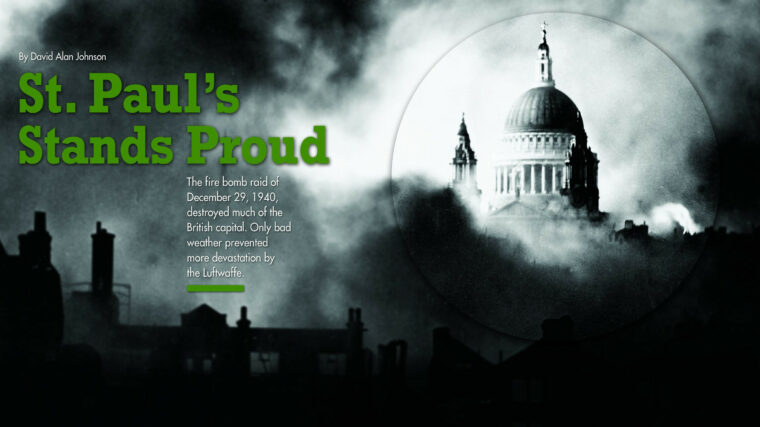
At St. Paul’s Cathedral, the rooftop lookout telephoned the cathedral control center at 6 pm to report that air raid sirens were sounding off to the southwest. Read more
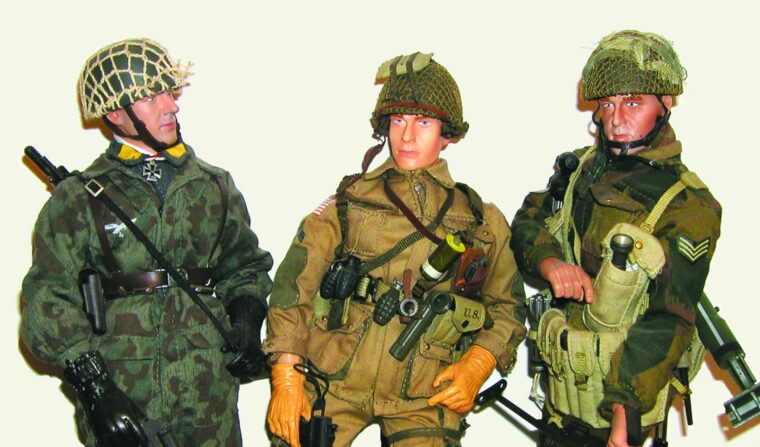
For centuries, battalions of enthralled boys—and not a few grown men—have enjoyed playing with toy soldiers. By the end of the Victorian era, these toys included highly detailed three-dimensional soldiers made of lead and accurately painted in the colors of the various armies that would soon engage each other in a European War that engulfed the entire world. Read more
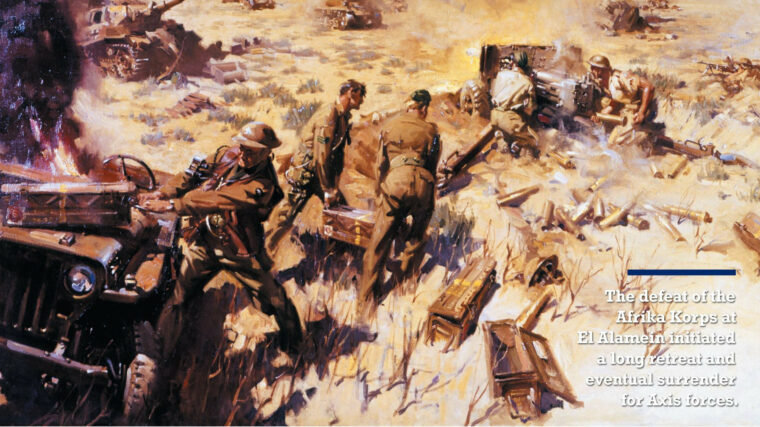
Tobruk, the vital Libyan seaport on the coast of Cyrenaica, fell to General Erwin Rommel and his victorious Afrika Korps in less than 24 hours after an unexpected and devastating air, armor, and infantry attack on June 21, 1942. Read more
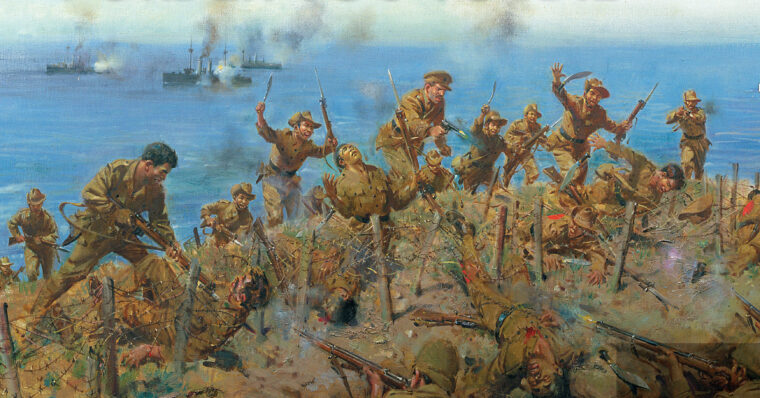
In the English-speaking world, most students of military history would be hard-pressed to identify the time, place, or antagonists of the Canakkale Campaign. Read more
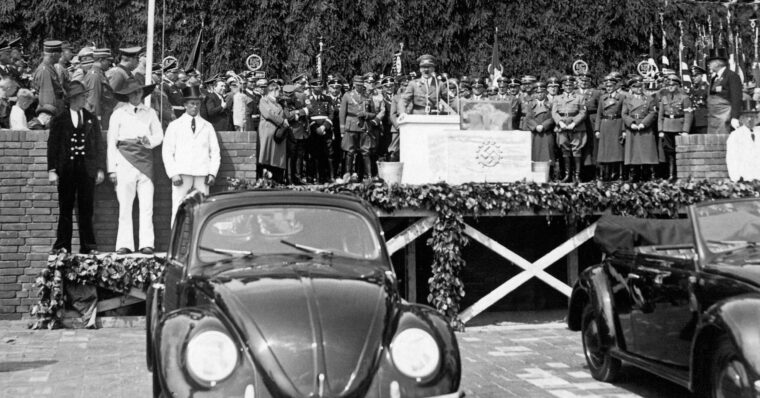
The Volkswagen, or “People’s Car,” that so many millions have known for more than half a century had its genesis in Nazi Germany. Read more

Peering intently through a telescope, General Lemuel C. Shepherd, the commandant of the Marine Corps, scanned the shell-pocked Korean terrain in front of his position. Read more

Devizes in southern England had had a quiet war. It had not suffered any bombing as most English cities had. Read more

The German crewmen occupied the various stations in their tank as they approached the American roadblock ahead. It was 2100 hours on Christmas Eve, 1944, just outside the town of Manhay, Luxembourg, which was occupied by elements three different U.S. Read more
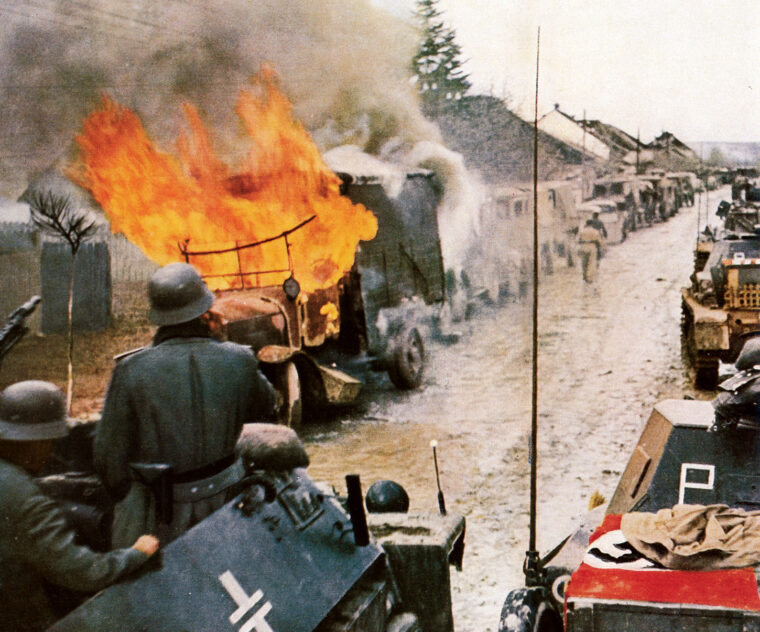
World War II German Army Field Marshal Erich von Manstein was considered by many to have been “Hitler’s most brilliant general” and “the ablest commander in their Army.” Read more
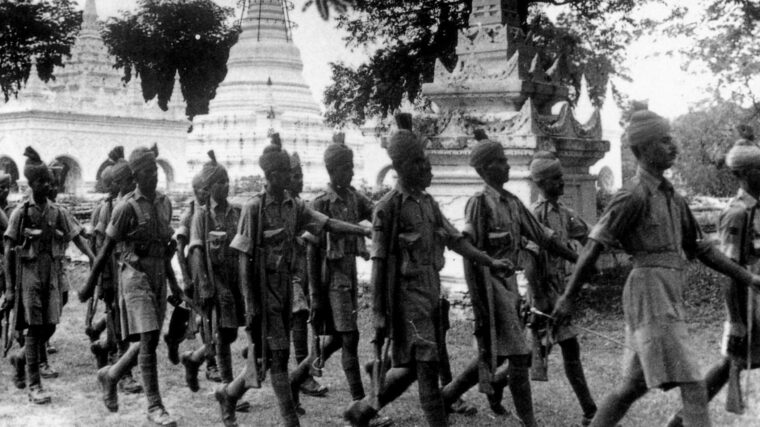
The Japanese looked unstoppable. Two divisions of the 15th Army had crossed from Thailand into Burma in mid-January 1942, bent on capturing Rangoon before the British could land reinforcements and block the seizing of the Burma Road. Read more