The Korean War’s Counterfire Platoons
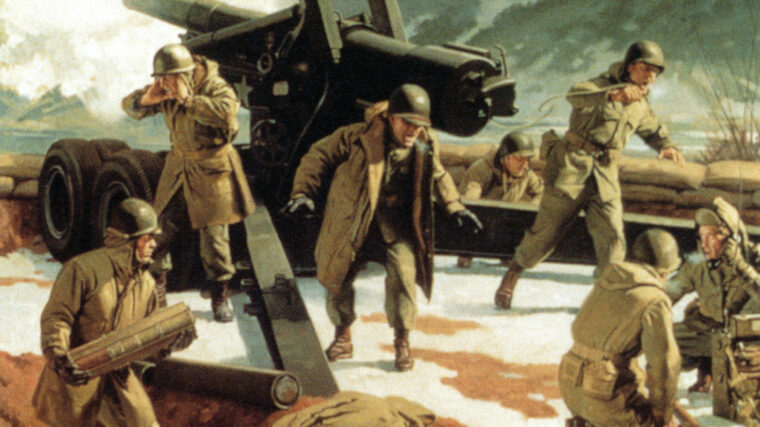
By Richard E. EckerIn March 1953, a battle-scarred United Nations outpost called “Old Baldy” was attacked by elements of the Chinese Army and captured from the Colombian soldiers occupying it. Read more
In March 1953, a battle-scarred United Nations outpost called “Old Baldy” was attacked by elements of the Chinese Army and captured from the Colombian soldiers occupying it. Read more
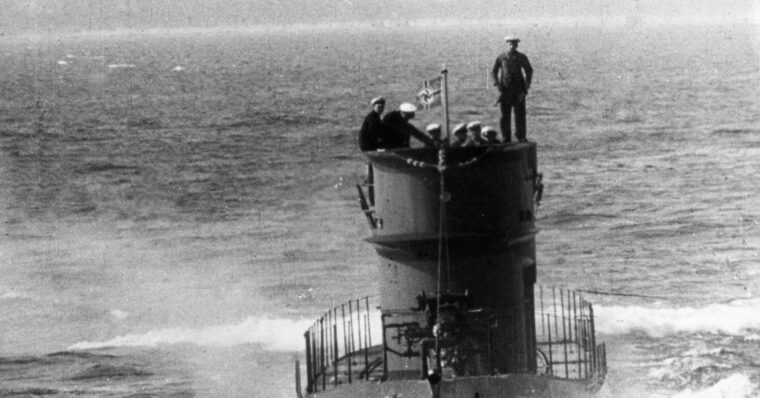
World War II had been in progress for six weeks when on the evening of October 12, 1939, the German submarine U-47 surfaced off the Orkney Islands at the northern tip of Scotland. Read more
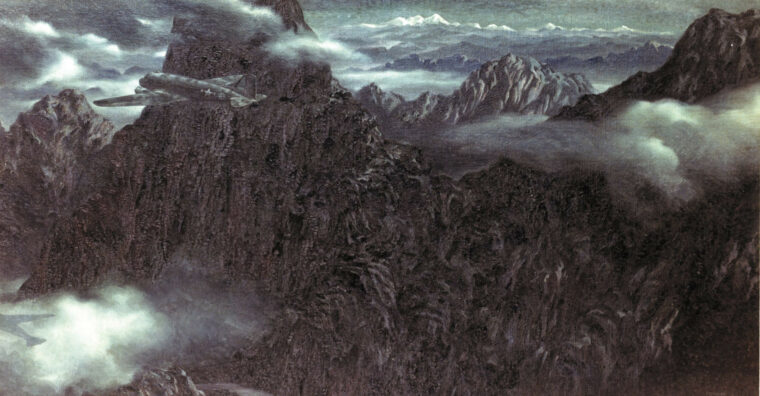
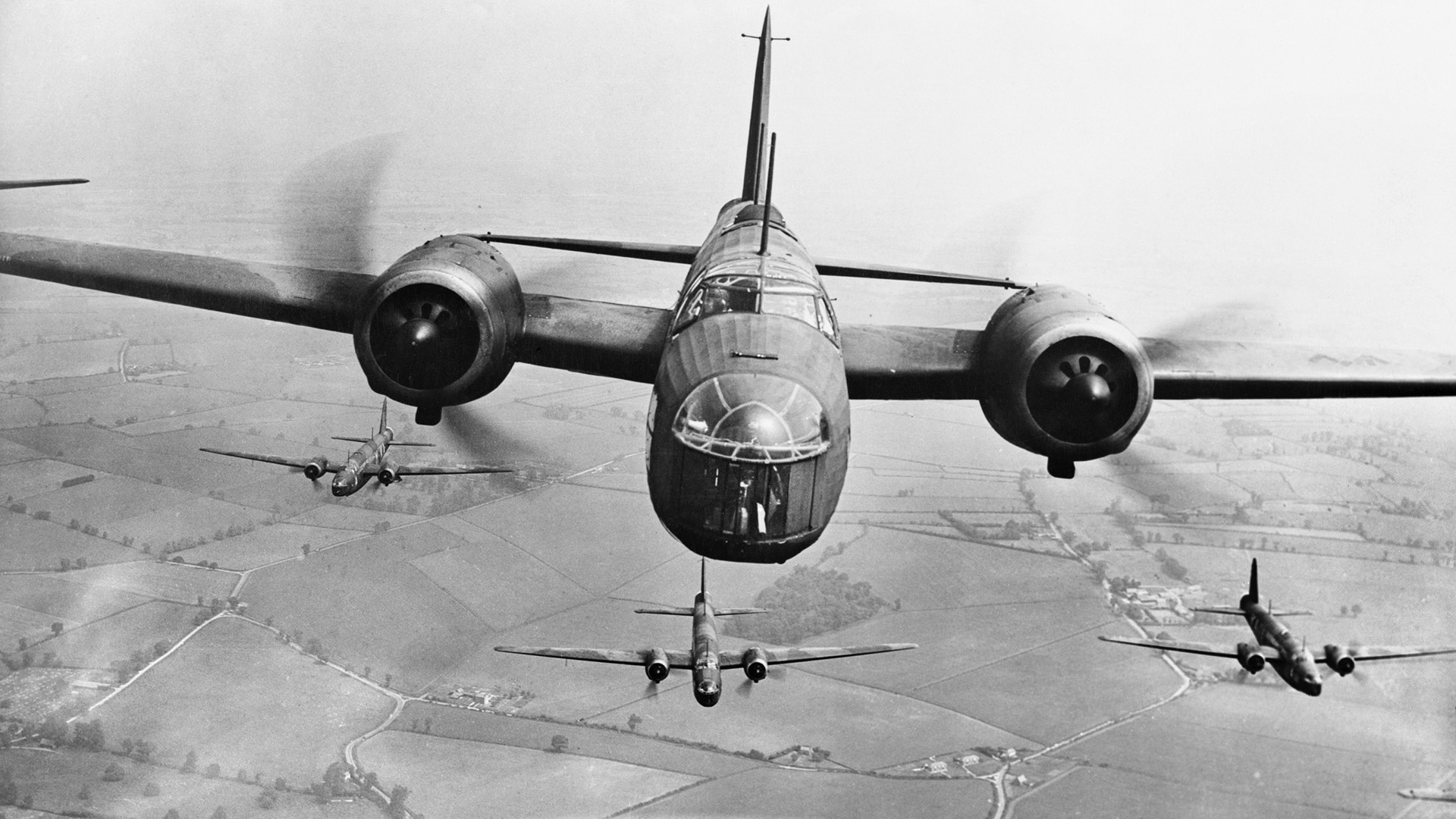
In truth, it really was not a combat operation. For every airplane lost to enemy action, a hundred were destroyed in accidents. Read more
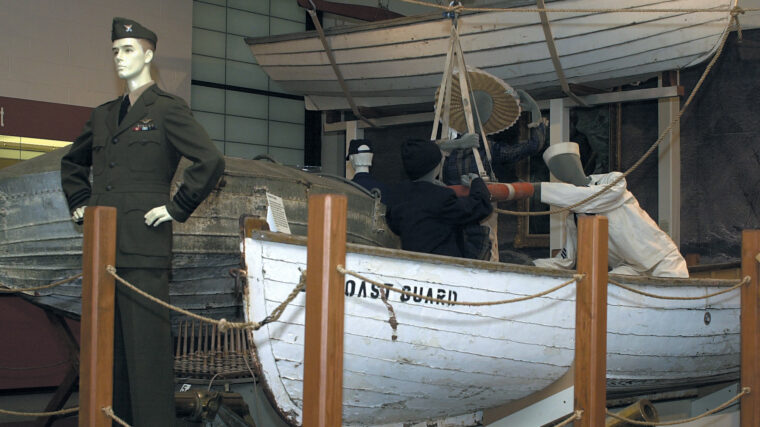
On August 4, 1790, at the urging of Secretary of the Treasury Alexander Hamilton, the United States Congress authorized the construction of 10 armed revenue cutters. Read more
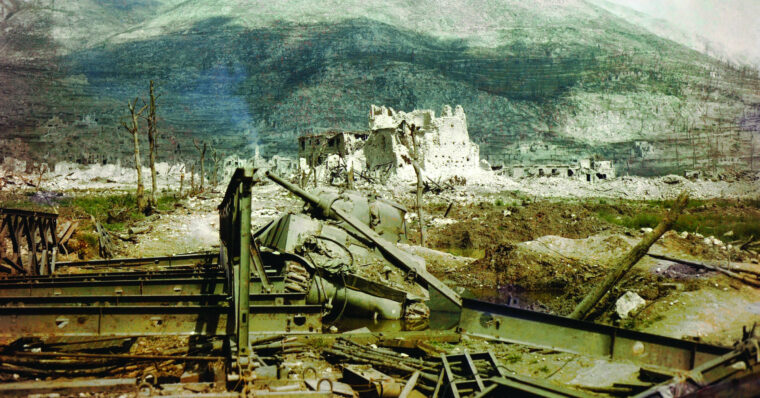
By December 1943, the phrase “sunny Italy” had evolved from being a travel agent’s selling point to becoming an ugly joke for the British and American troops of the Allied Fifth Army, advancing north from Naples to Rome. Read more
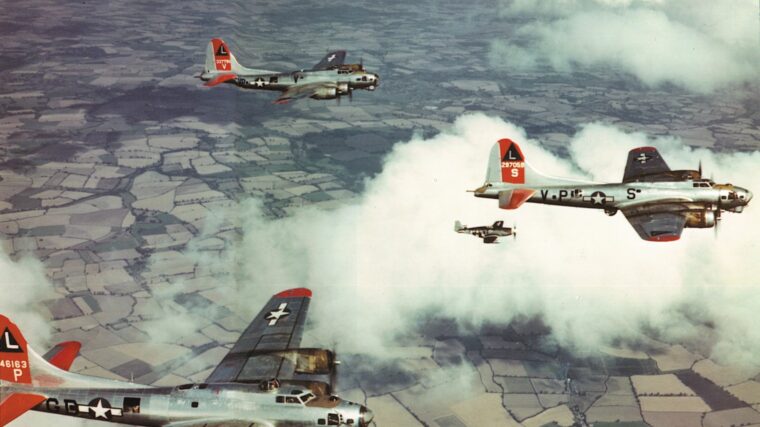
A hard-hitting novel that inspired a classic war film, 12 O’Clock High was a very personal project for co-authors Beirne Lay, Jr., Read more
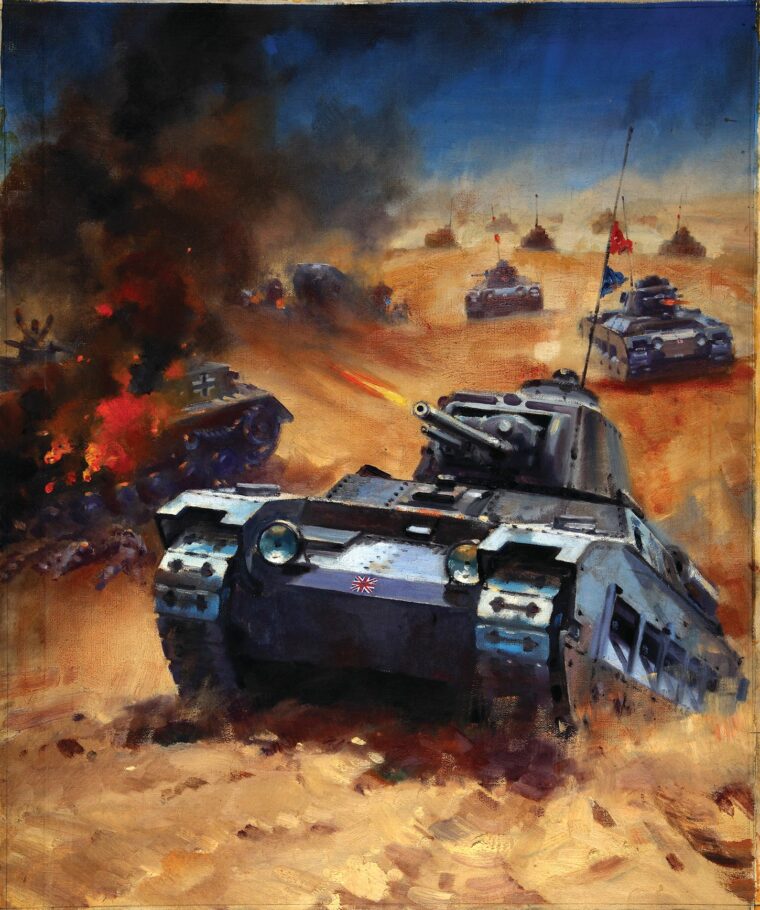
Benito Mussolini dreamed of a new Roman Empire centered around the modern nation of Italy. “The Mediterranean will be turned into an Italian lake,” he said. Read more
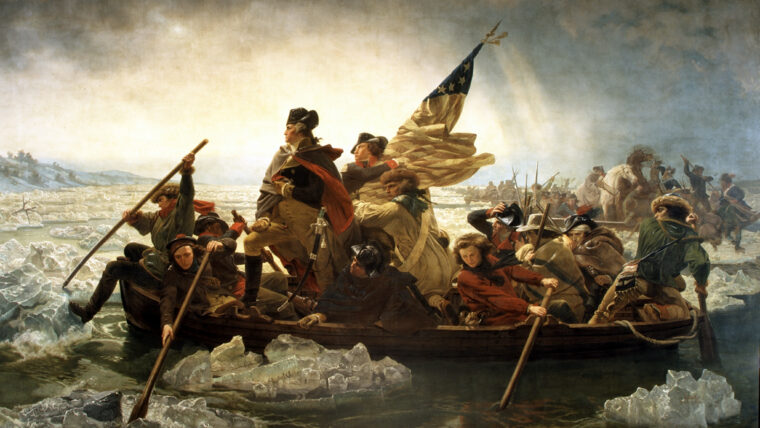
In late 1776, the Continental Army was in a desperate position. In August, they retreated from Long Island to Manhattan; in November they withdrew into New Jersey and soon after into Pennsylvania. Read more
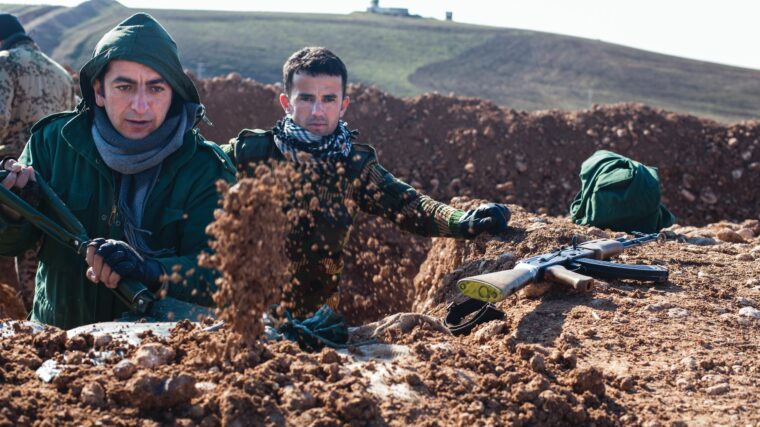
Dr. Till Paasche and Shaun Murray were from different countries, but they came together in Syria. Shaun was just a child when the 9/11 attacks occurred, and by the time he was old enough to serve, the war in Iraq was winding down. Read more
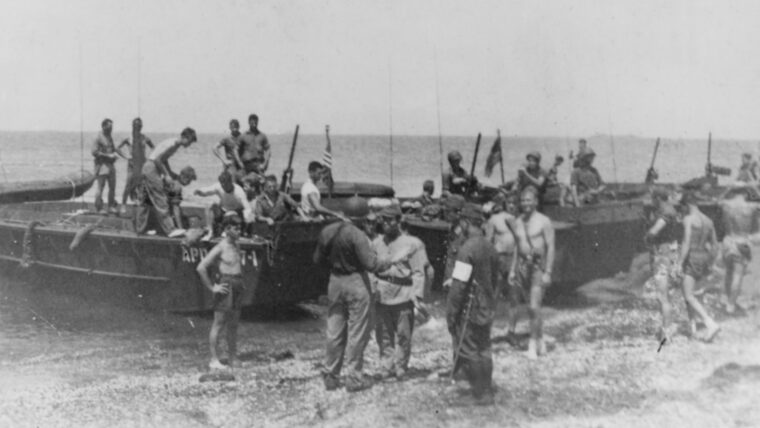
A group of Israeli divers quietly came ashore at an Egyptian-held island at the south entrance of the Suez Canal in 1969. Read more
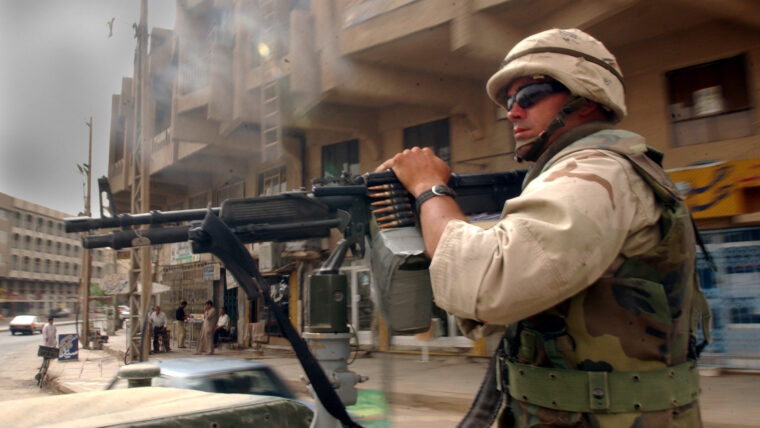
The American patrol had spent hours dismounted from their armored Humvees, walking along fields, canals and roads. They found two Improvised Explosive Devices (IEDs), defused them and then decided to use their vehicles to get to the final patrol location. Read more

By February 1945, the green Allied formations that landed on D-Day had become hard professional armies. Army, corps, and division commands had been shaken down and were operating efficiently. Read more
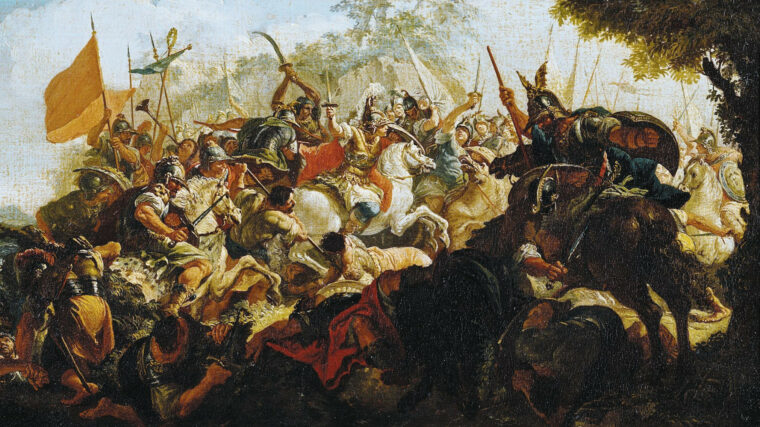
A major dilemma confronted Alexander the Great and his 35,000-man Macedonian army in the summer of 334 bc, as they moved to secure the northwestern corner of Asia Minor. Read more

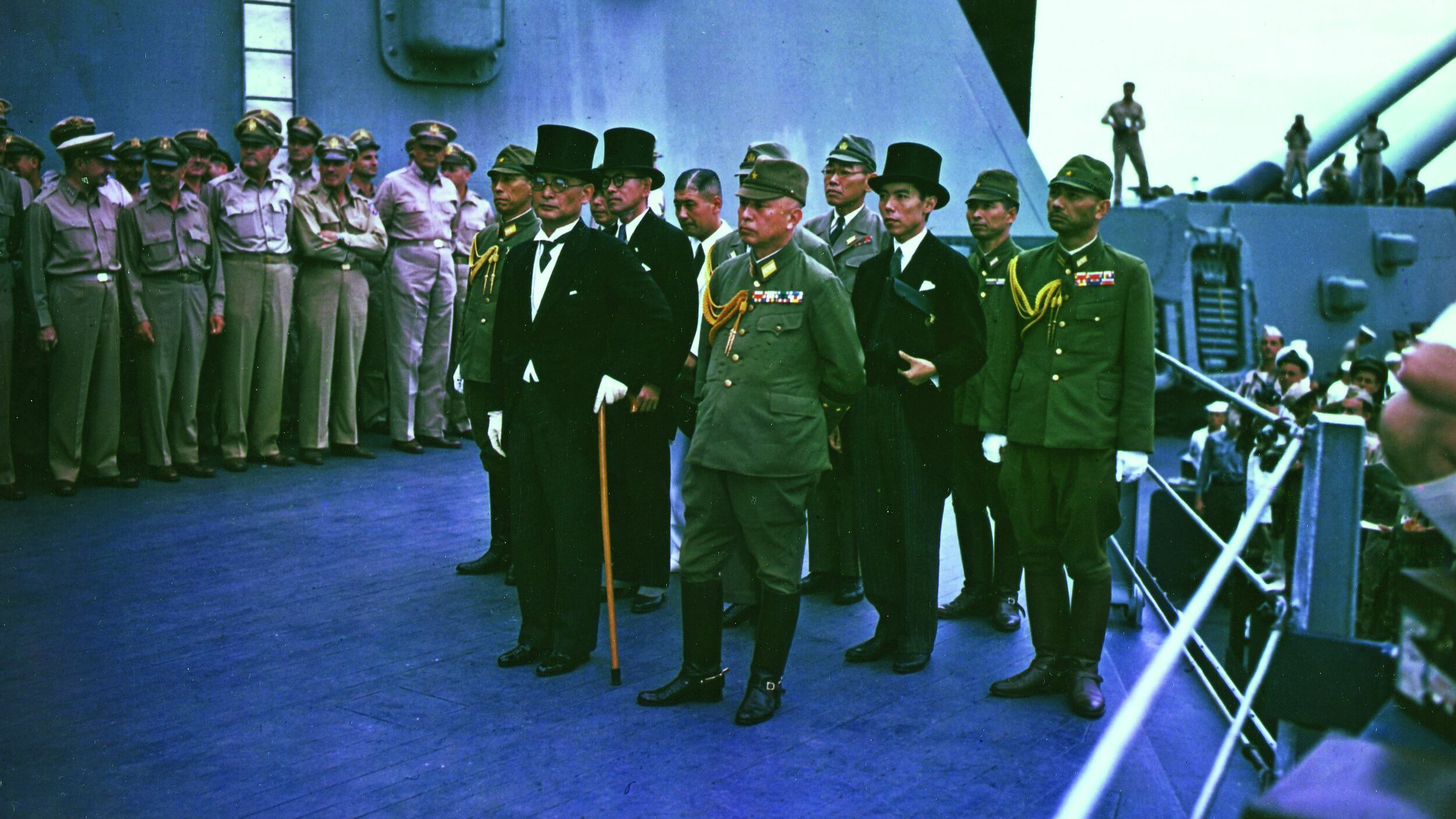
On the night of November 13, 1941, the British submarine Torbay, accompanied by the Talisman, broke the surface of the Mediterranean off the Cyrenaican coast of Libya and rolled violently in the running seas. Read more
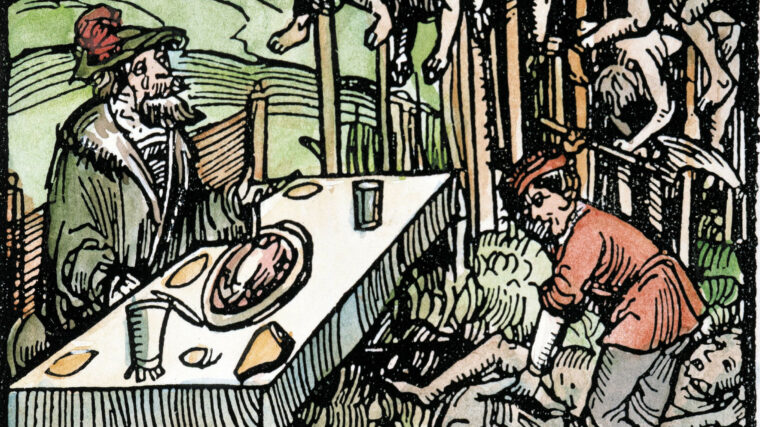
To millions of people, the name Dracula is synonymous with horror. The mere mention of Dracula invokes terrifying images of bats, Gothic castles and, of course, vampires. Read more
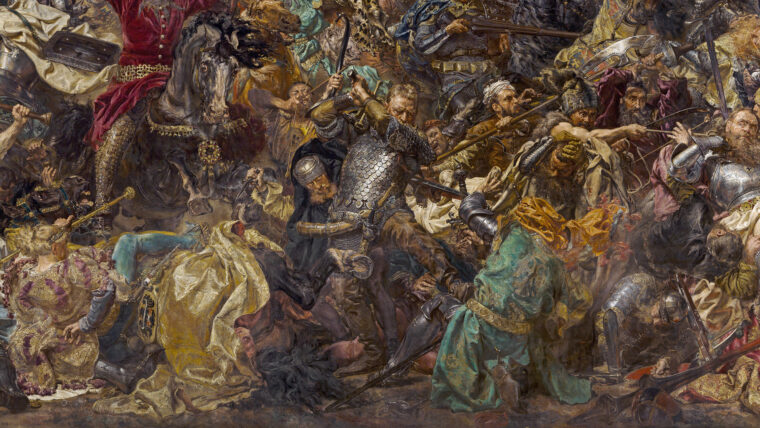
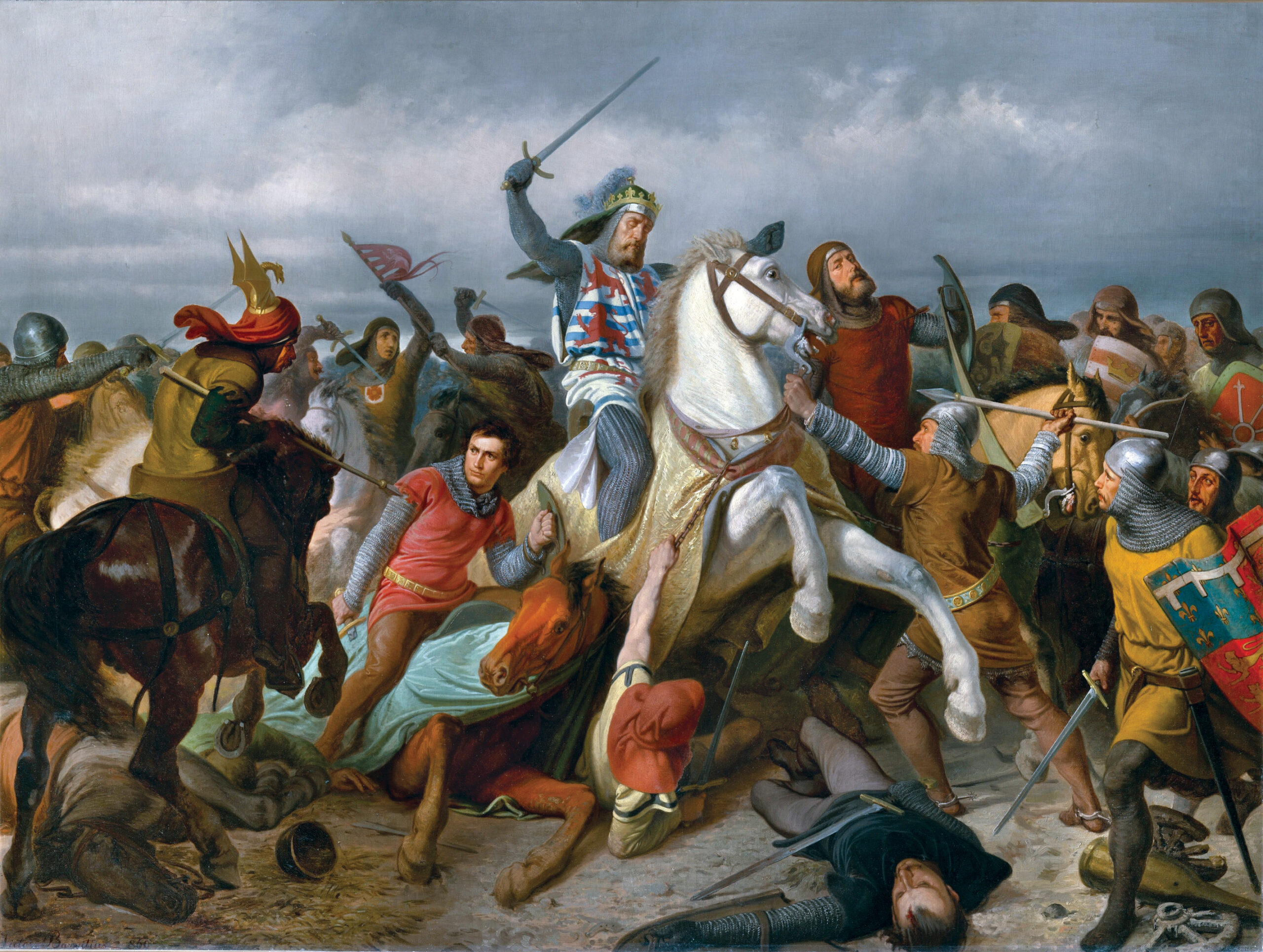
The Teutonic Knights were a military order dedicated to spreading Christendom into Russia and the Baltic region. Over time, they spread their span of control across the area–until they encountered the Grand Duchy of Lithuania, a cohesive nation able to effectively resist the Teutonic Order. Read more
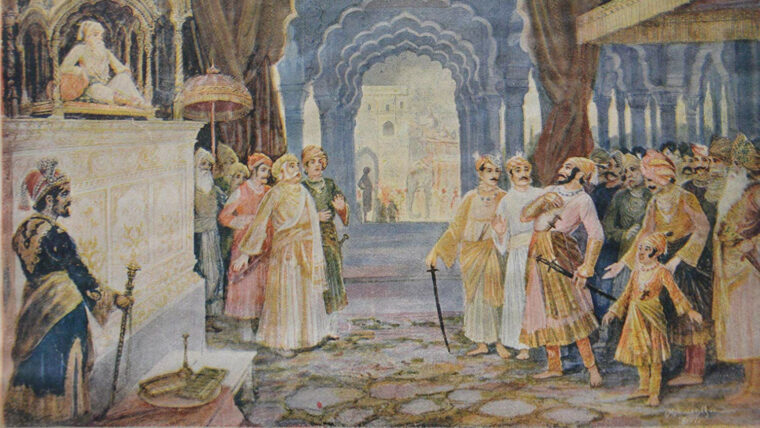
Shivaji Bhonsle “The Great” was a warrior-lord of the Bhonsle Clan. Descended from a line of nobles, he founded the Maratha Empire in 1674. Read more
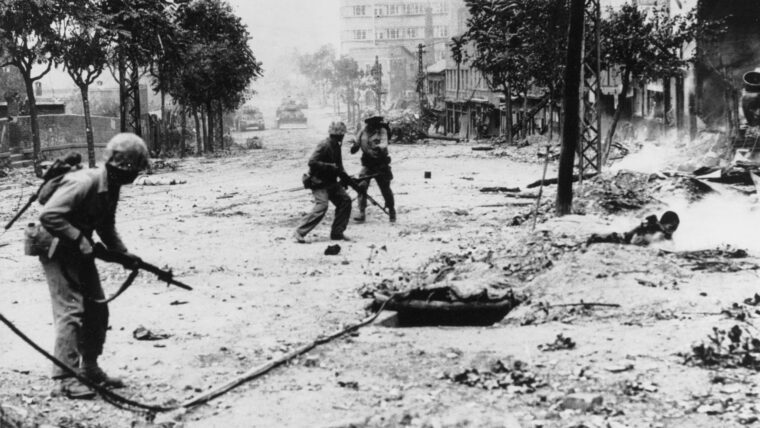
The entry of Chinese troops into the Korean War took UN forces by surprise. Hundreds of thousands of Chinese soldiers attacked American units, pushing them back and in some cases encircling them. Read more
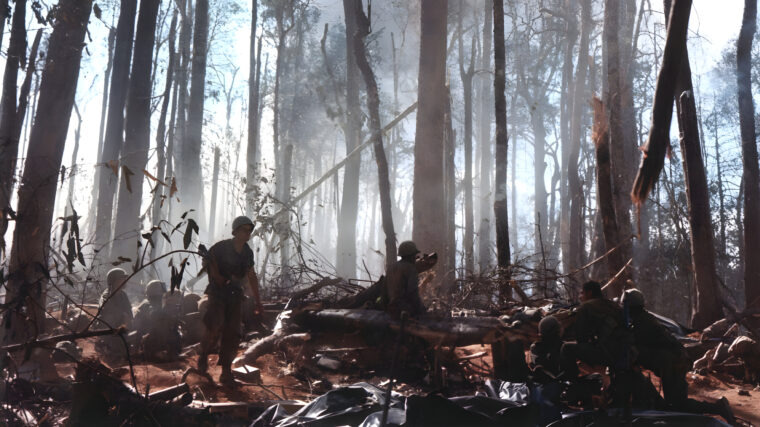
A battalion of North Vietnamese troops attacked the Marines of 1st Platoon, Company A, 1/9 Marines in their section of the Khe Sanh defenses on February 8, 1968. Read more
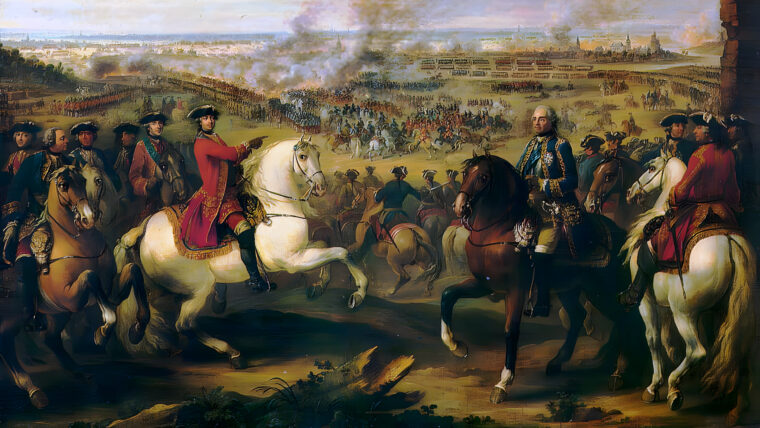
On May 11, 1745, 15,000 British troops marched into battle at Fontenot in two lines and reportedly in perfect order. Read more