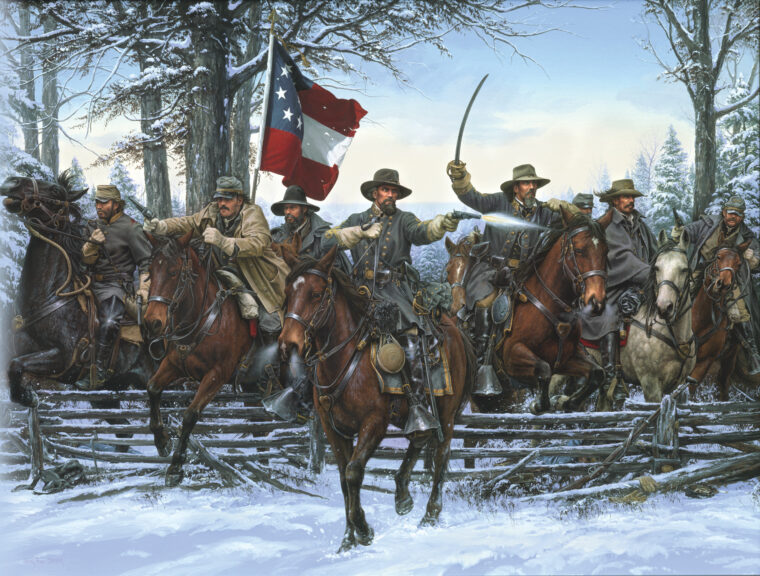
Union Disaster: The Battle of Thompson’s Station
By Robert L. DurhamThe winter of 1863 was a time of general inactivity for the exhausted armies in middle Tennessee. Read more
The winter of 1863 was a time of general inactivity for the exhausted armies in middle Tennessee. Read more
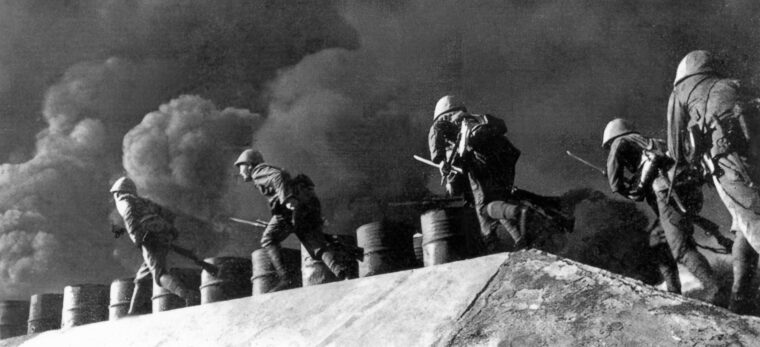
By the 1930s the security Hong Kong had enjoyed since its acquisition by the British Empire in 1842 was a memory. Read more
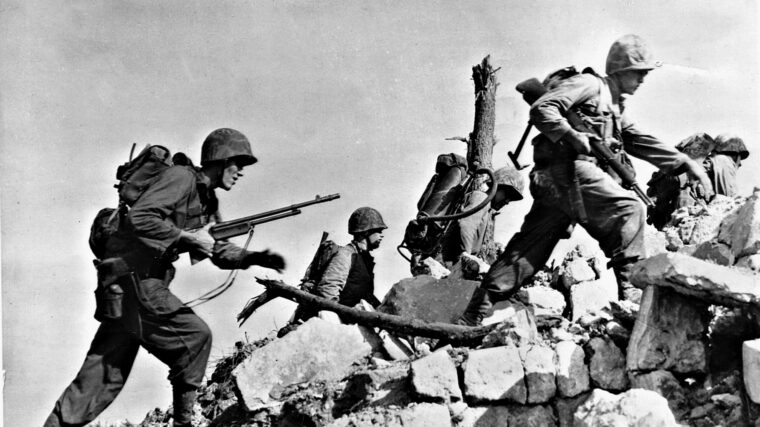
On Easter morning, April 1, 1945, the Pacific island of Okinawa trembled beneath an earthshaking bombardment from American combat aircraft overhead and ships steaming offshore in preparation for an amphibious landing of unprecedented magnitude. Read more

Imagine thousands of bats—silent, gray-furred, vigilant—huddled in the rafters of your home or office, each carrying a tiny device no larger than a thimble. Read more
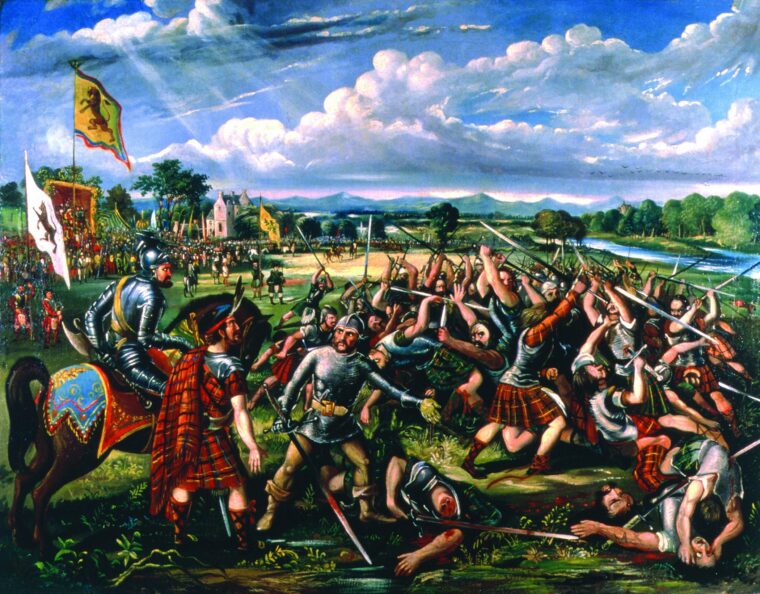
The 14th-century Scottish highlands region was an isolated and undeveloped region of great forests, deep cold lakes, and rocky peaks uncrossed by any road. Read more
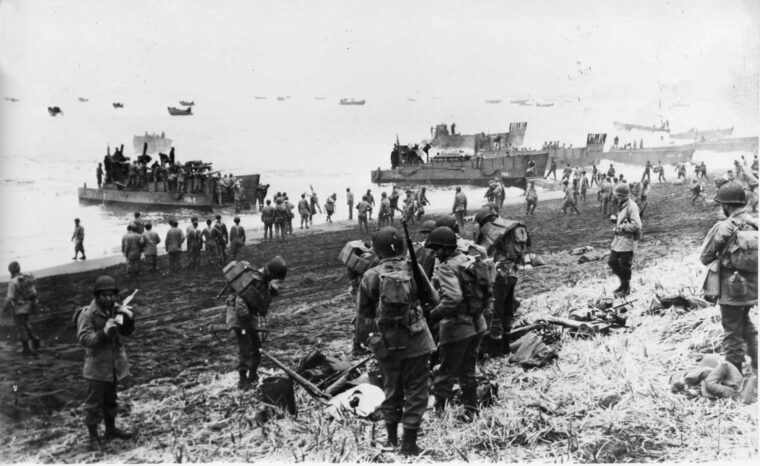
For decades Americans have been spoiled by the instant coverage of war in the media. Read more
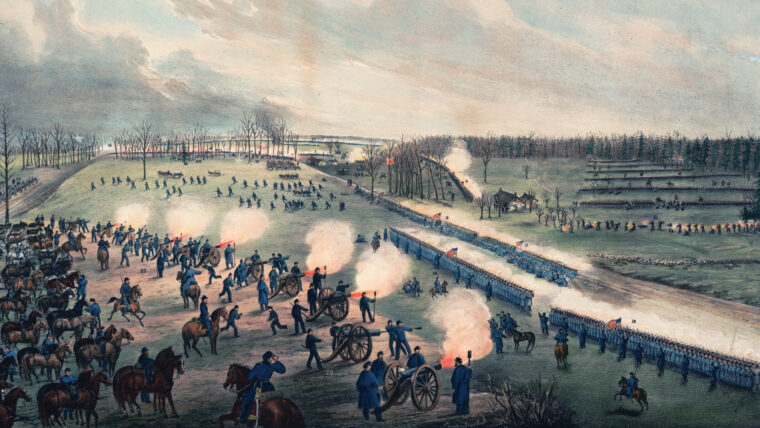
For weeks, Maj. Gen. William Rosecrans had been hearing increased grumblings from Washington about how he should move his army out of Nashville and strike General Braxton Bragg’s Confederate forces 30 miles away in Murfreesboro. Read more
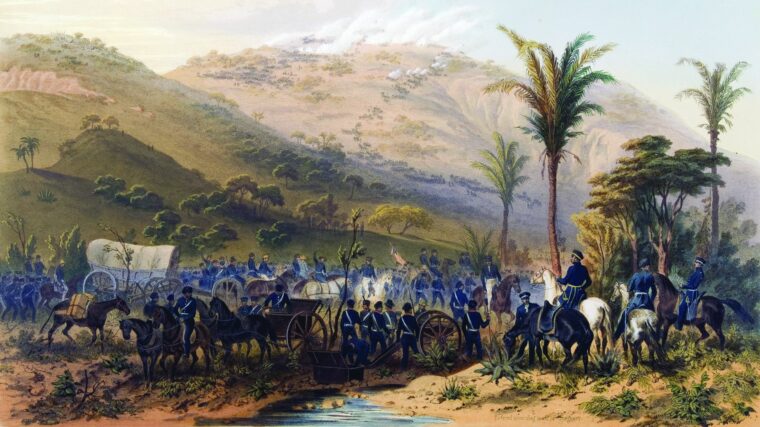
American Maj. Gen. Winfield Scott captured the port city of Vera Cruz on March 27, 1847, and immediately prepared to leave it behind. Read more
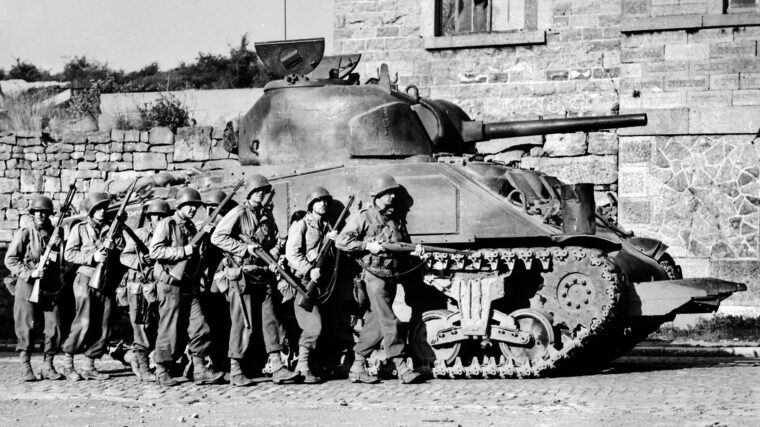
At a Washington, D.C., reunion of the 9th Infantry “Octofoil” Division, on Saturday, July 19, 1980, President Jimmy Carter presented the nation’s highest decoration for valor to Lt. Read more
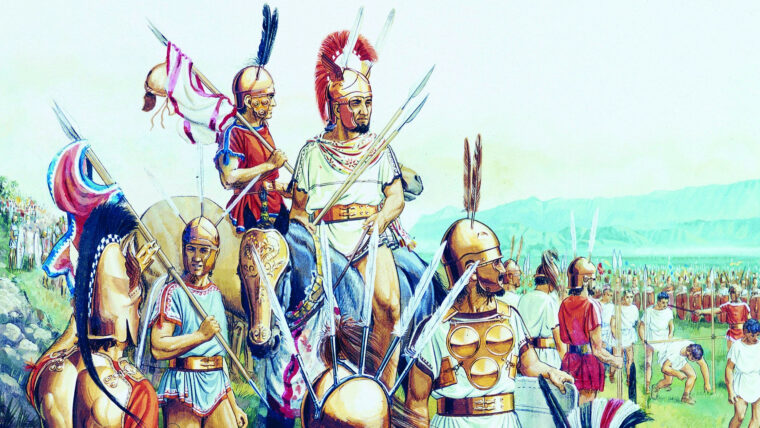
Centuries before the Romans came to dominate the Mediterranean basin, they fought a series of wars against neighboring peoples to establish their hegemony over the Italian peninsula. Read more
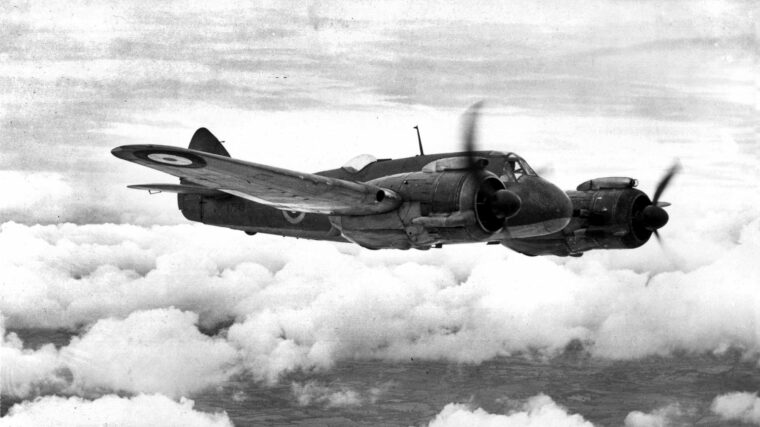
There is no disputing that radar played a major role in the Allied victory in World War II. Read more
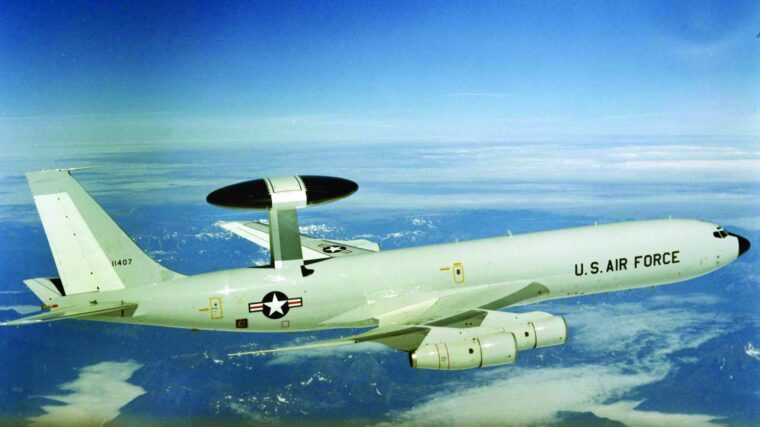
The year 2007 marked the 30th anniversary of the E-3 Sentry’s Airborne Warning and Control System (AWACS) service to the United States Air Force. Read more
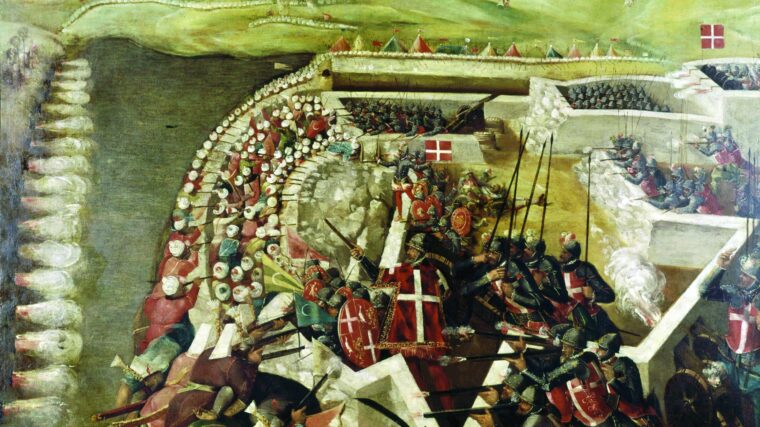
At dawn on May 18, 1565, one of the largest armadas ever assembled appeared off the Mediterranean island of Malta. Read more
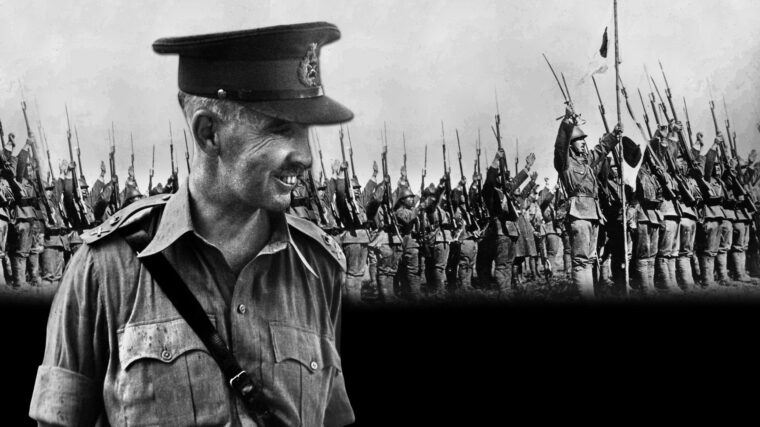
To those that met him, Lieutenant General Arthur Percival was uninspiring and gloomy, seeing difficulties rather than opportunities; one who was weak and hesitant when a decision was needed. Read more
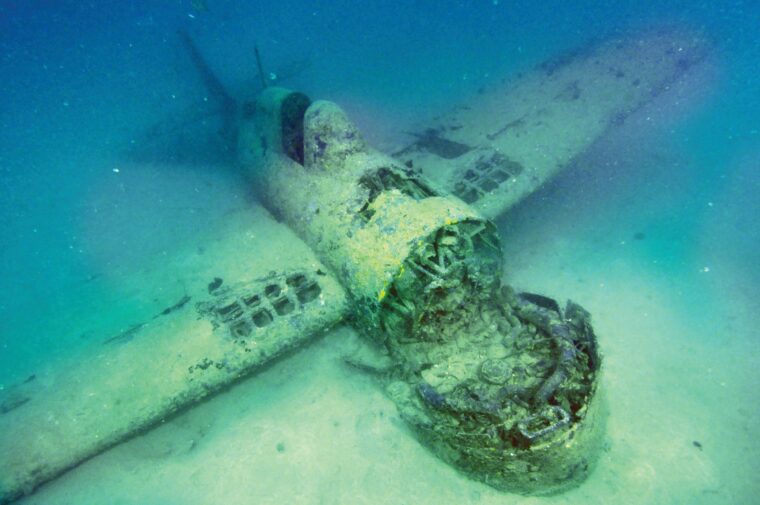
On November 3, 2011, at 0945, the hydrographic ship HMNZS Resolution discovered what appeared to be an aircraft in the waters near Gavutu Island in the Solomon Island group. Read more
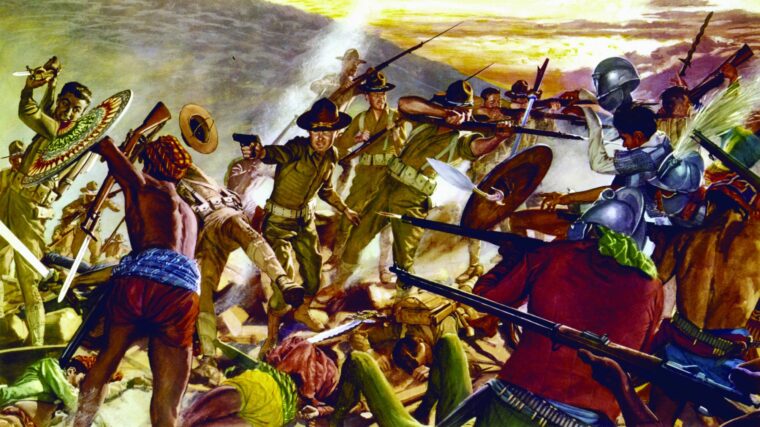
During the era in which the Krag Jorgensen rifle came into its own, an arms race was in effect among the nations of Europe. Read more
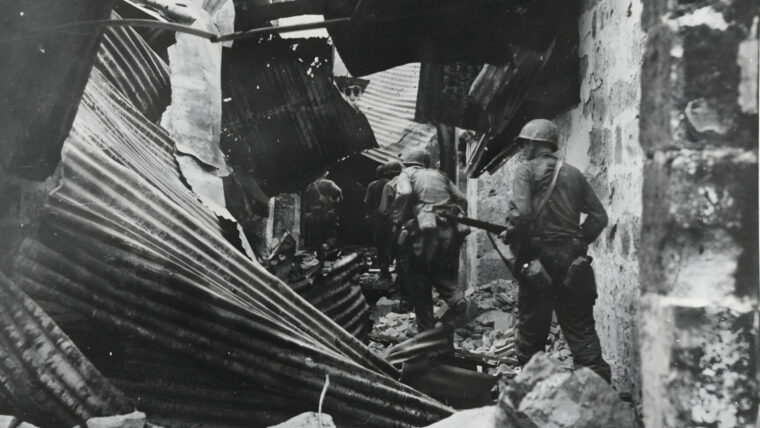
By Christopher Miskimon
Full ReviewsTo the End of the Earth: The US Army and the Downfall of Japan, 1945 (John C. Read more
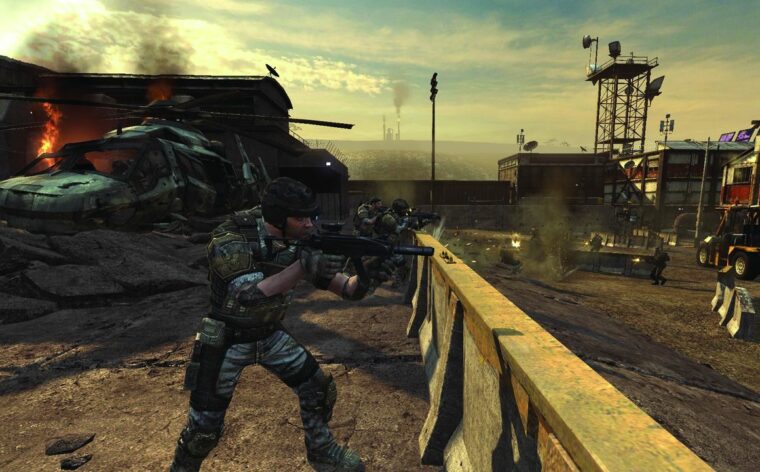
This month the games are mostly in the near present and they are mostly fighting down the barrel of a gun. Read more
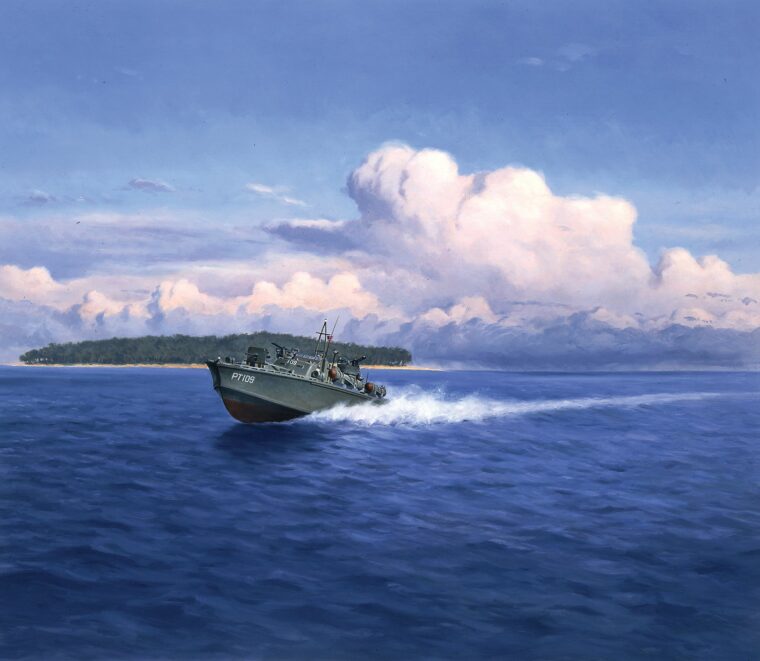
The celebrated life of President John F. Kennedy has been recounted many times in the decades since he assumed the highest office in the land. Read more
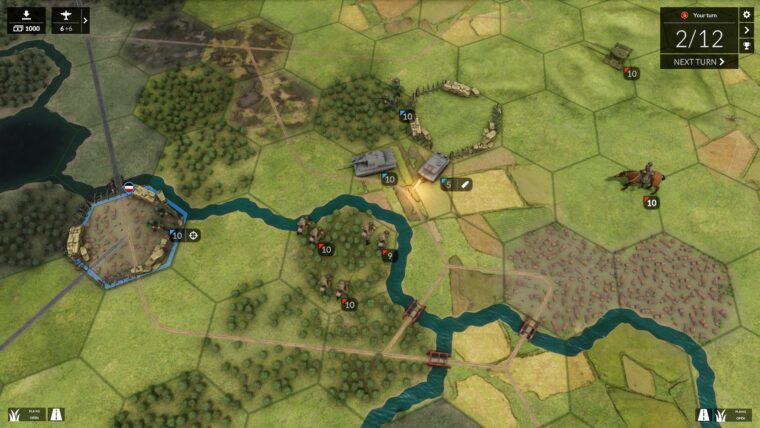
Many World War II games have you donning your best virtual general garb, but not all of them let you take on the role of actual historical generals. Read more