Abraham Lincoln
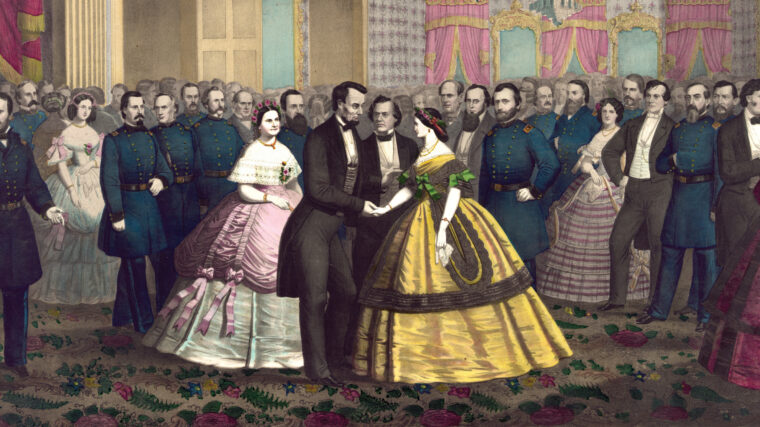
Grant Takes D.C.
By Arnold BlumbergOn March 8, 1864, a rainy Tuesday, President and Mrs. Lincoln held a reception at the White House in Washington. Read more
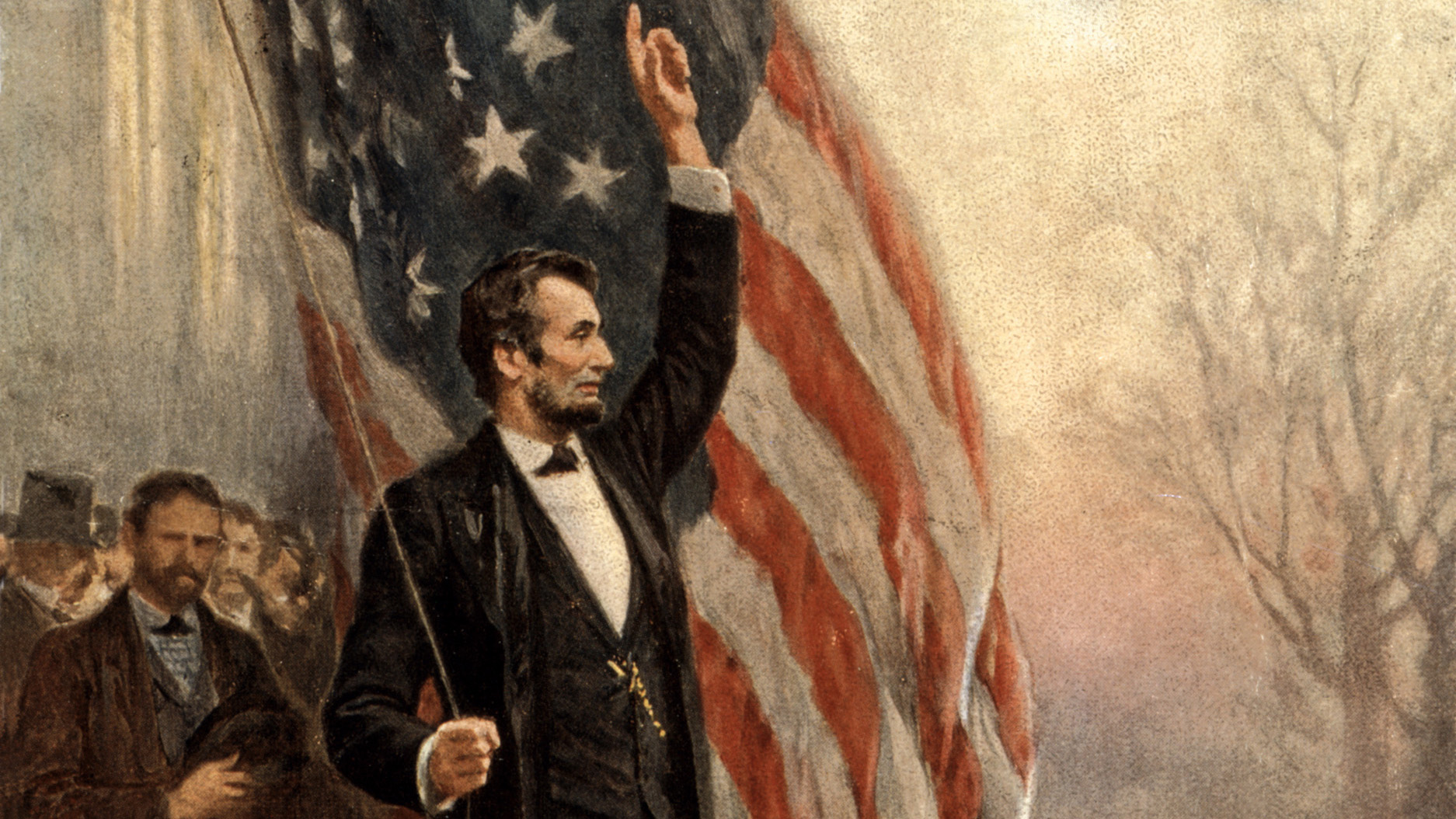
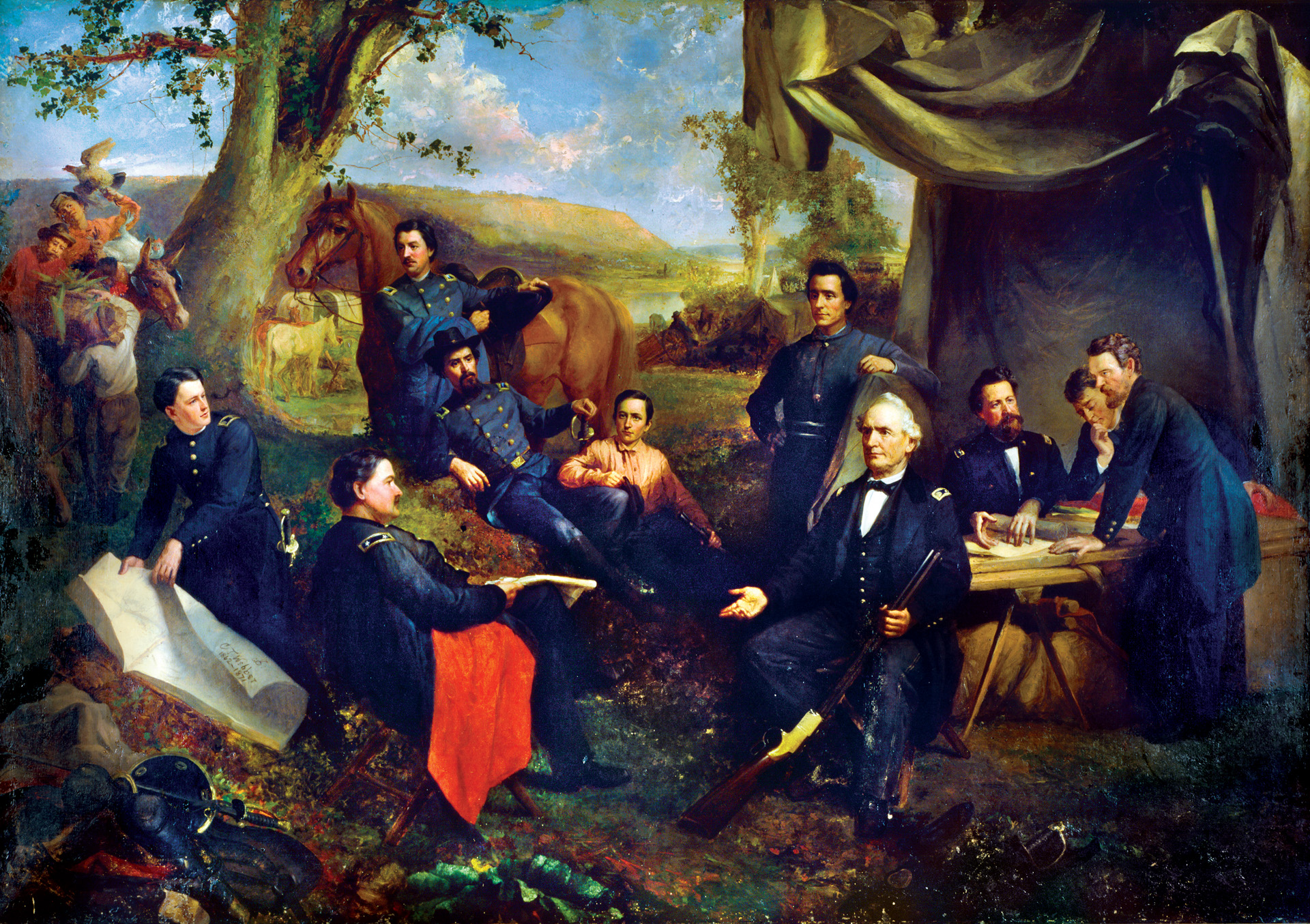
Abraham Lincoln served as the 16th President of the United States during the American Civil War. Abraham Lincoln was in office during perhaps the most critical time in the nation’s history and provided exceptional leadership. Lincoln is remembered as a man of wit and strategic vision. Abraham Lincoln’s Gettysburg Address is among the nation’s most treasured documents of freedom along with his Emancipation Proclamation, effective January 1, 1863, which freed slaves in territories in revolt against the United States. Abraham Lincoln was mortally wounded by assassin John Wilkes Booth on April 14, 1865, and died the following morning at the age of 56.
Abraham Lincoln
On March 8, 1864, a rainy Tuesday, President and Mrs. Lincoln held a reception at the White House in Washington. Read more
Abraham Lincoln
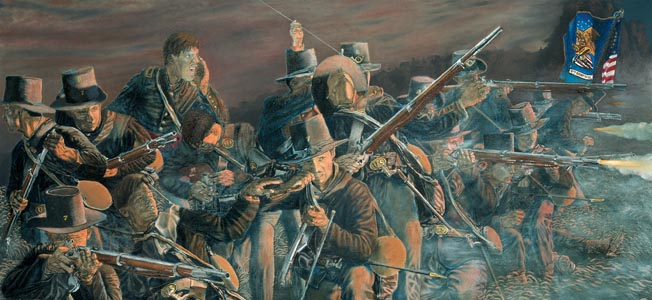
The ground around Manassas, Virginia, was not auspicious for Union Army forces in the first two years of the Civil War. Read more
Abraham Lincoln
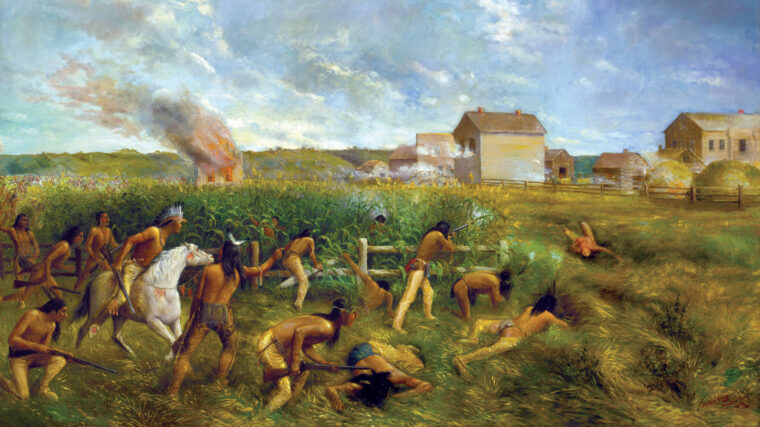
Shortly after midnight on the morning of Monday, August 18, 1862, an uneasy group of Santee Sioux warriors arrived at the simple frame home of Taoyateduta, known to the whites as Little Crow. Read more
Abraham Lincoln
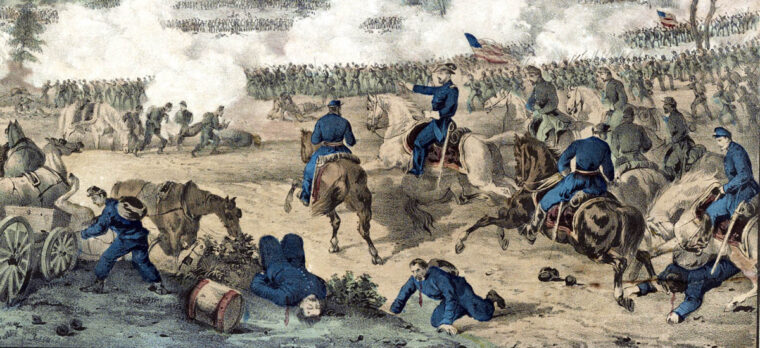
The year 1864 was shaping up to be a critical one in the three-year-long Civil War. During the previous year, Federal armies had gained control of the Mississippi River and consolidated their grip on Tennessee. Read more
Abraham Lincoln
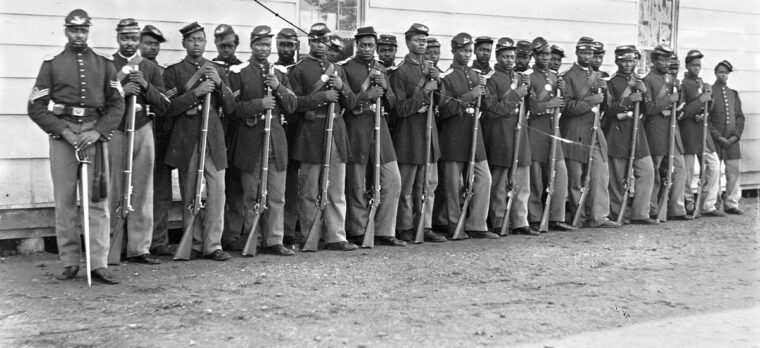
Although several overzealous Union Army field commanders organized African Americans into ad hoc militia units early in 1862 and several black regiments were mustered into service later that year, it wasn’t until after President Abraham Lincoln’s Emancipation Proclamation took effect on January 1, 1863, that the federal government began actively recruiting and enlisting black soldiers and sailors. Read more
Abraham Lincoln
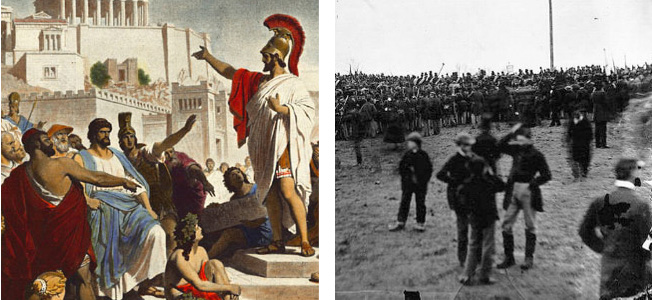
At a time long ago, and in a place far away, a man stood up before his countrymen to console them if he could for the loss of their sons in battle for a righteous cause. Read more
Abraham Lincoln
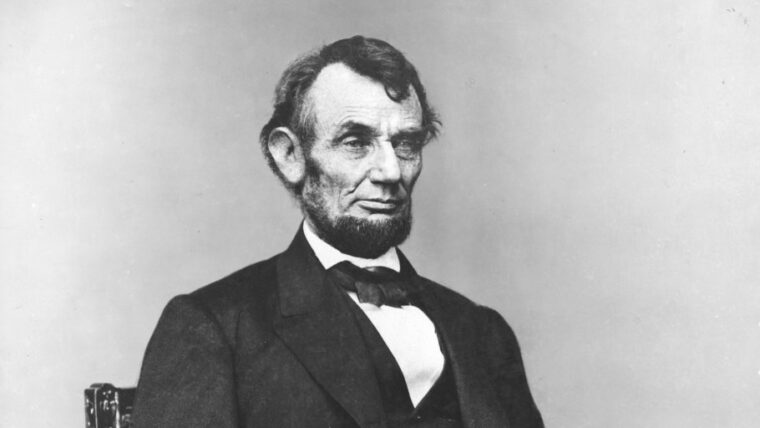
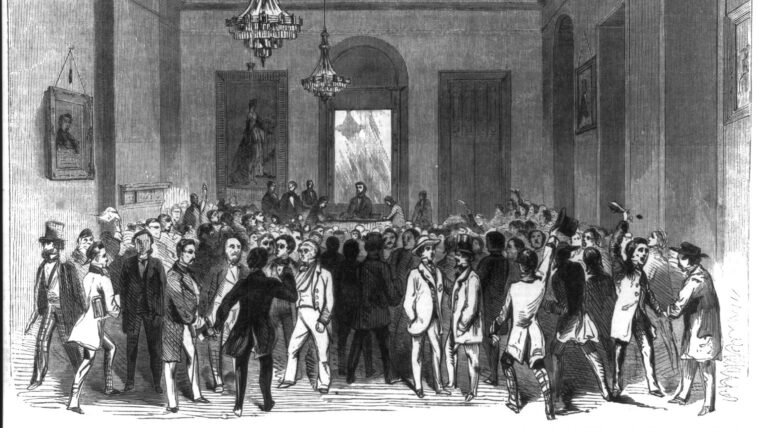
When Abraham Lincoln signed into law the first conscription act in American history in March 1863, one of the most unpopular parts of the widely unpopular act was the provision allowing draft-eligible males to hire substitutes to take their place in the army. Read more
Abraham Lincoln
“Every war will astonish you,” American general Dwight D. Eisenhower said after World War II. As the leader of the Allied forces that successfully landed on D-Day and marched into Berlin 11 months later, Eisenhower obviously knew what he was talking about. Read more
Abraham Lincoln
Spying is a dangerous game.
Even the best spies sometimes get caught, as Confederate raider John Yates Beall, “the Mosby of the Chesapeake,” learned the hard way in 1865, and the consequences are never pretty to contemplate. Read more
Abraham Lincoln
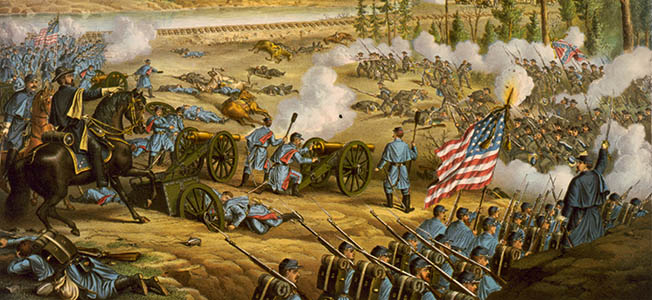
Confederate offensives into two border states, Maryland and Kentucky, formed the key highlights of the second half of 1862 for the Confederacy. Read more
Abraham Lincoln
John Pope’s second campaign as an army commander went considerably better than his first. Not that it did his reputation—or Abraham Lincoln’s, for that matter—any particular good. Read more
Abraham Lincoln
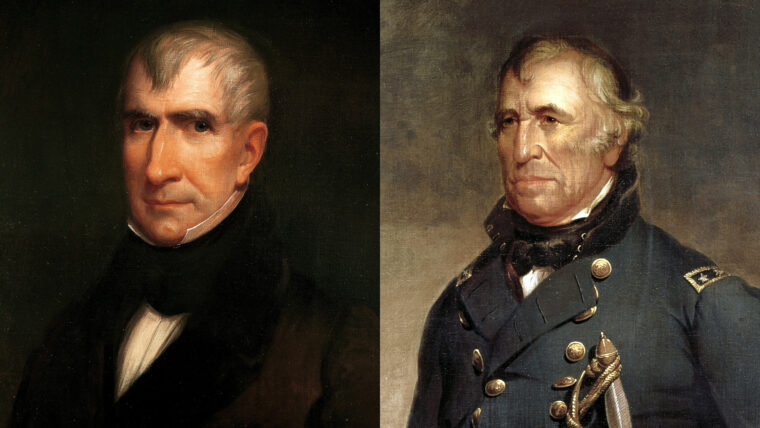
The short-lived Whig Party had a fair degree of success electing candidates for president, winning two of the five presidential elections in which it fielded a candidate. Read more
Abraham Lincoln
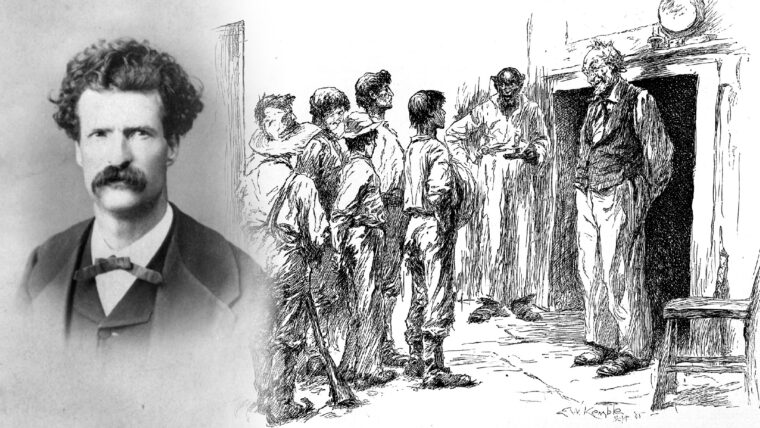
Twenty-five-year-old Mississippi River pilot Samuel Clemens (not yet known by his famous pen name, Mark Twain) was in his home port of New Orleans in late January 1861 when word reached the city that Louisiana had seceded from the Union. Read more
Abraham Lincoln
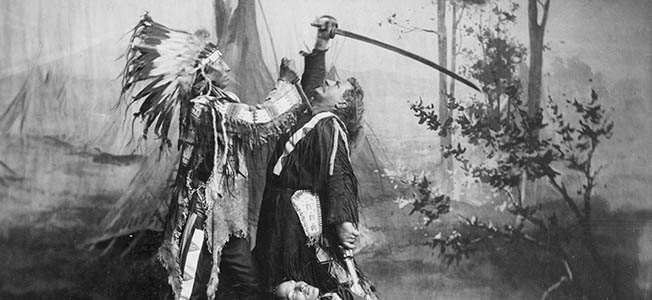
A single cavalryman burst from the copse in mid-afternoon on June 25, 1876, riding hell-bent for the swift flowing river. Read more
Abraham Lincoln
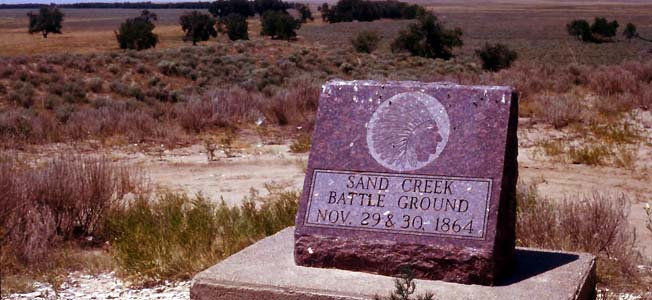
Major John M. Chivington, Colorado’s “fighting parson,” played a large role in the Union victory at Glorieta Pass, New Mexico, in 1862. Read more
Abraham Lincoln
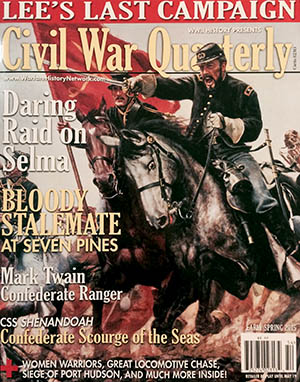
When Mark Twain “lit out for the territory” in July 1861 from his erstwhile role as the world’s worst Confederate ranger, he joined a small but distinguished list of future American literary greats who similarly decided, as had Twain, that they were “not rightly equipped for this awful business.” Read more
Abraham Lincoln
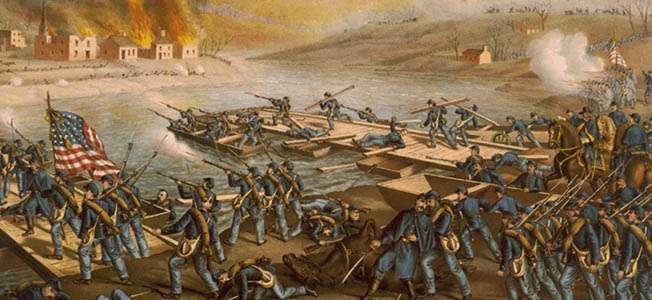
Union Maj. Gen. Ambrose Burnside was prone to dithering. The vanguard of his 120,000-strong Union Army had arrived in Falmouth on the north bank of the Rappahannock River opposite Fredericksburg on November 14, 1862. Read more
Abraham Lincoln
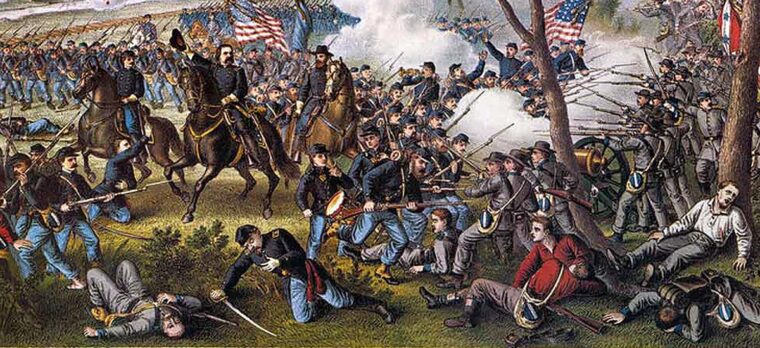
The Battle of Champion’s Hill was a pivotal event in the American Civil War. Ulysses S. Grant would pursue the retreating Confederate army to an area 20 miles east of Vicksburg, bringing about the Siege of Vicksburg and the Confederates’ surrender. Read more
Abraham Lincoln
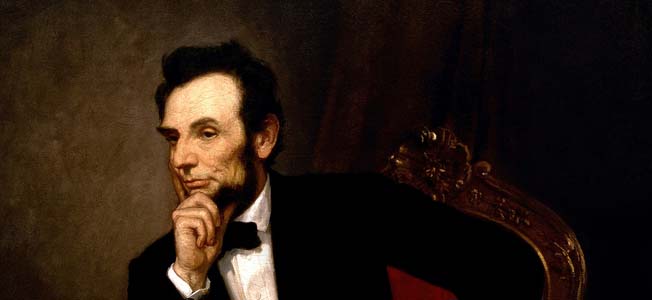
The 16th President of the United States, Abraham Lincoln was elected to the highest office in the land in November 1860, and the event prompted the secession of numerous southern states beginning with South Carolina the following month. Read more
Abraham Lincoln
General George McClellan was a key figure in the prosecution of the American Civil War, particularly during 1862, when he led the Union Army of the Potomac during the Peninsula Campaign, a failed offensive to capture the Confederate capital of Richmond in the spring, and the Battle of Antietam, the bloodiest single day in American history, on September 17, 1862. Read more