Abraham Lincoln
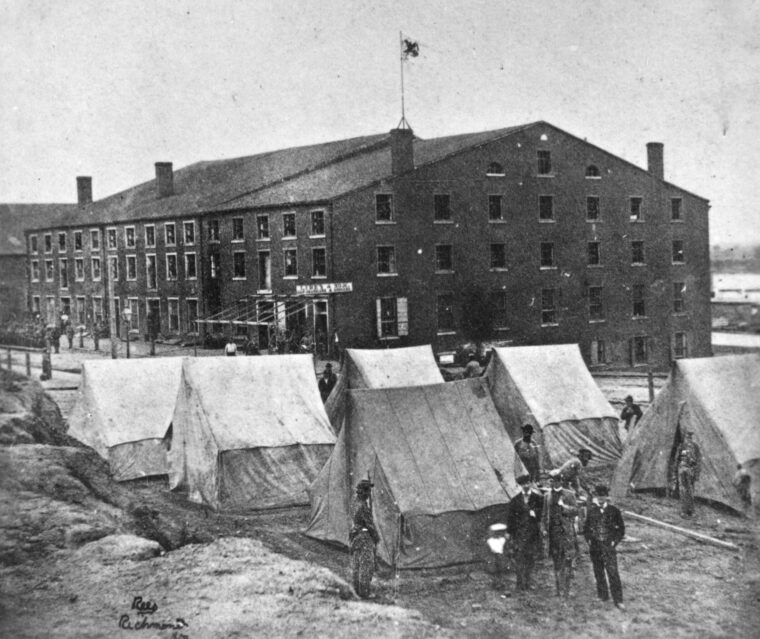
Civil War Stories: Libby Prison’s ‘Lottery of Death’
By James M. PowelsOne of the primary reasons given for the Union defeat at the First Battle of Bull Run was the lack of adequate cavalry. Read more
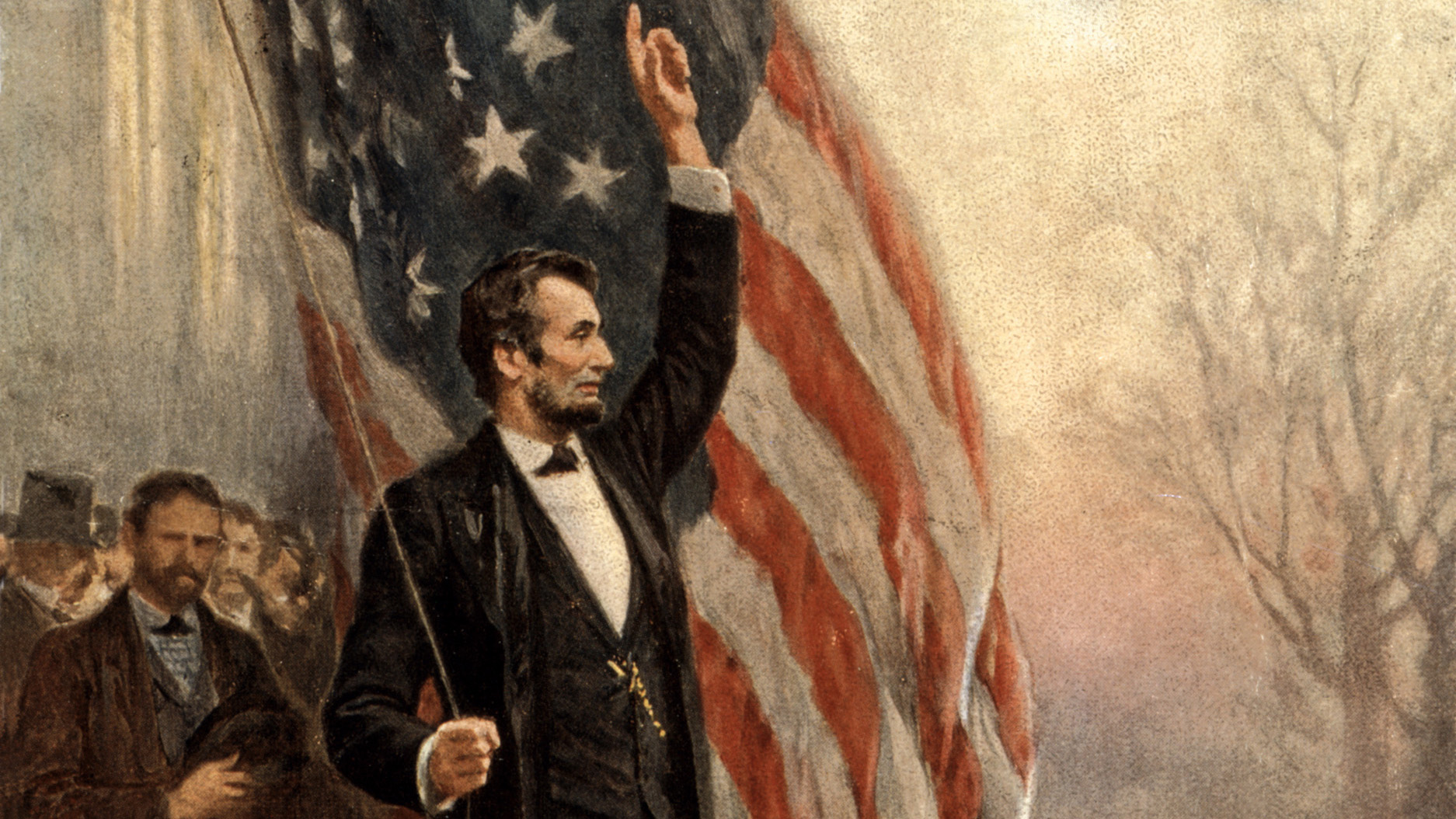
Abraham Lincoln served as the 16th President of the United States during the American Civil War. Abraham Lincoln was in office during perhaps the most critical time in the nation’s history and provided exceptional leadership. Lincoln is remembered as a man of wit and strategic vision. Abraham Lincoln’s Gettysburg Address is among the nation’s most treasured documents of freedom along with his Emancipation Proclamation, effective January 1, 1863, which freed slaves in territories in revolt against the United States. Abraham Lincoln was mortally wounded by assassin John Wilkes Booth on April 14, 1865, and died the following morning at the age of 56.
Abraham Lincoln
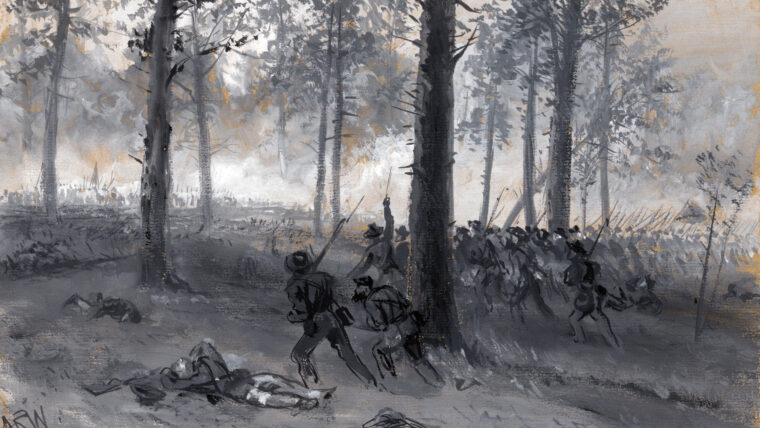
One of the primary reasons given for the Union defeat at the First Battle of Bull Run was the lack of adequate cavalry. Read more
Abraham Lincoln
Seemingly from birth, William Haines Lytle was bound for glory. As the last surviving male offspring of one of Cincinnati’s leading pioneer families, Lytle was the prototypical golden boy. Read more
Abraham Lincoln
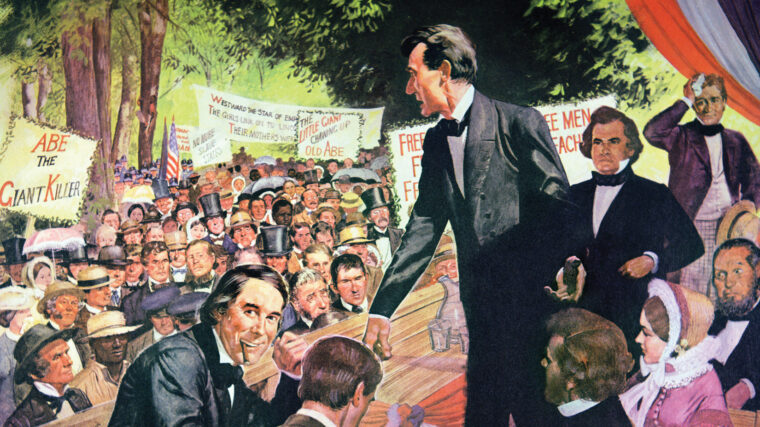
The two men facing each other across the debate stage at Ottawa, Illinois, on the afternoon of August 21, 1858, were no strangers to one another. Read more
Abraham Lincoln
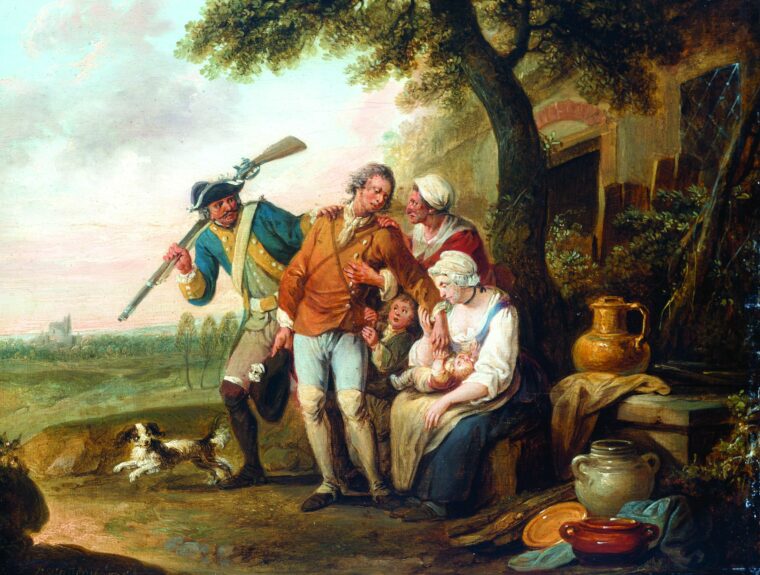
The call of a nation on its civilian population either to create a military force or to augment a standing army is virtually as old as civilization itself. Read more
Abraham Lincoln
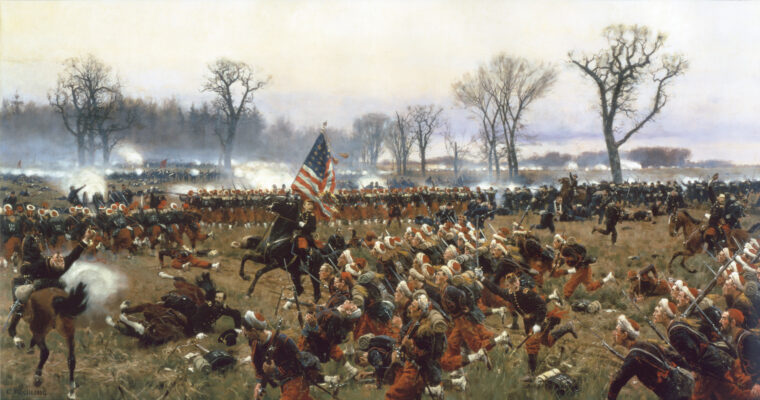
Word spread like wildfire through the camps of the Army of the Potomac during the second week of November 1862: “Little Mac” was out, “Old Burn” was in. Read more
Abraham Lincoln
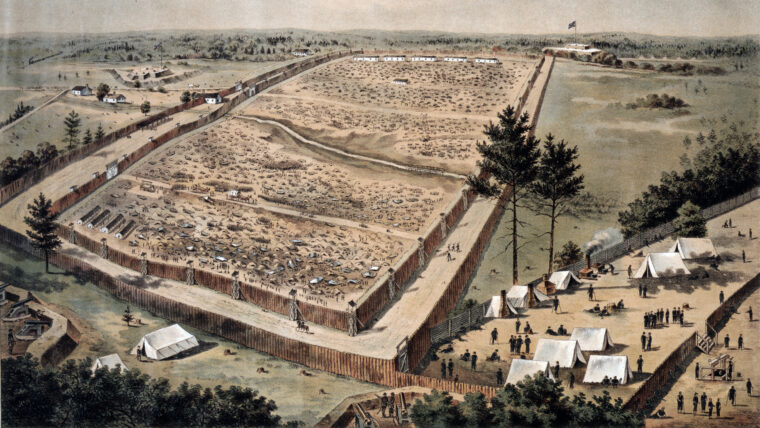
The June 19, 1861, editorial in the Charleston Mercury newspaper warned: “War is bloody reality, not butterfly sporting. Read more
Abraham Lincoln
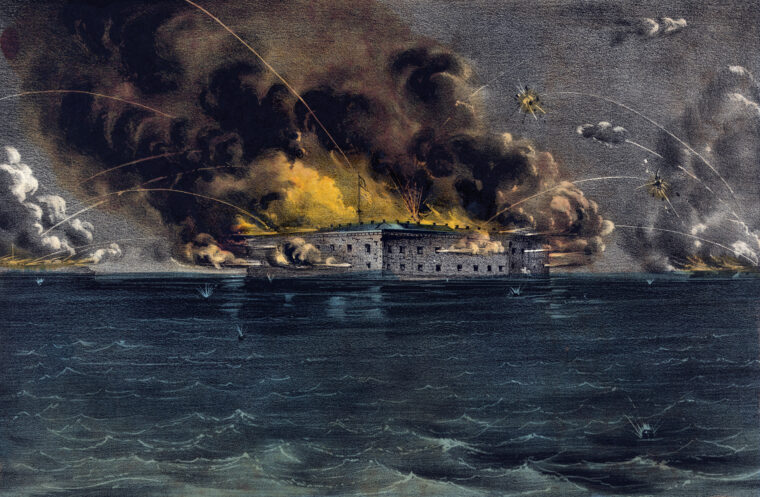
Shortly after midnight on the morning of April 12, 1861, four men in a rowboat made their way across the pitch-black harbor at Charleston, South Carolina, toward an unfinished and architecturally insignificant masonry fort three miles out from the city where the harbor meets the Atlantic Ocean. Read more
Abraham Lincoln
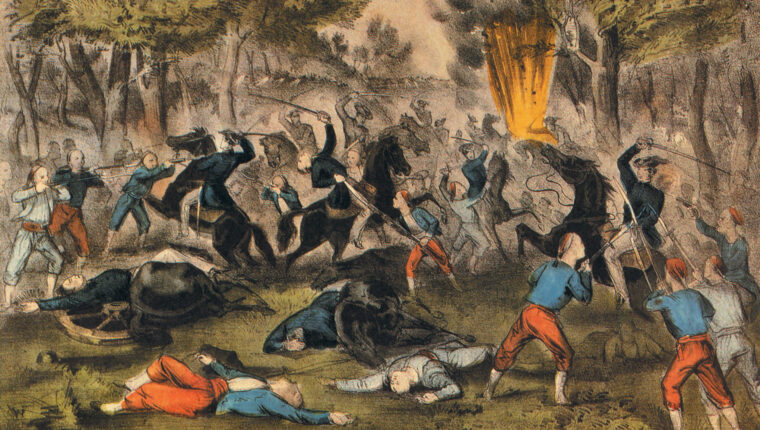
“But for you, there would have been no Battle of Bull Run.” When Confederate President Jefferson Davis made that blanket statement in the summer of 1862, he was not addressing Pierre G.T. Read more
Abraham Lincoln
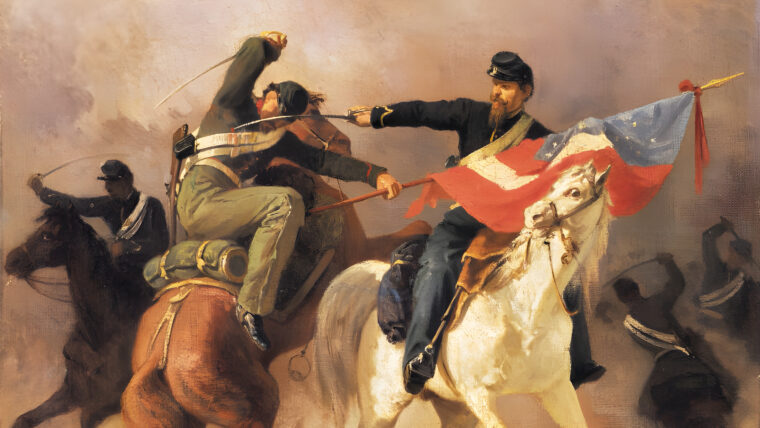
During the Civil War western Virginia was crucial to the Union. The region that lay west of the Shenandoah Valley and north of the Kanawha River held nearly a quarter of Virginia’s nonslave population when the war began in 1861. Read more
Abraham Lincoln
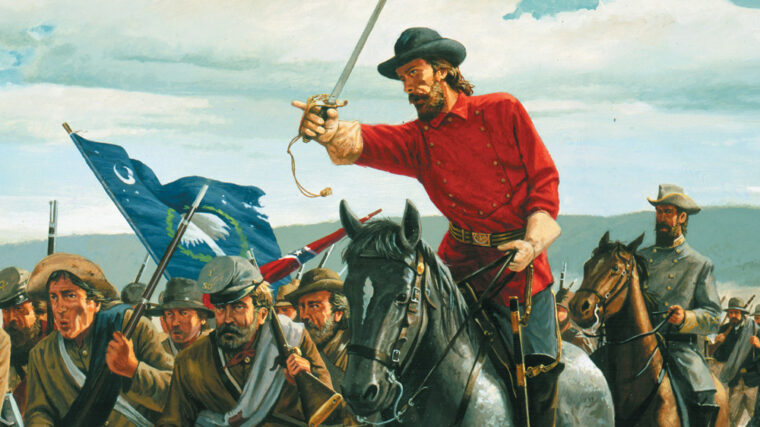
By mid-afternoon on September 17, 1862, the Army of the Potomac and the Army of Northern Virginia were locked in mortal combat on the rolling hills overlooking the sluggish waters of Antietam Creek in northwestern Maryland. Read more

Abraham Lincoln
On the morning of February 23, 1945, on the tiny Pacific island of Iwo Jima, a 40-man patrol gathered at the 5th Marine Division headquarters for their final briefing with battalion commander Lt. Read more
Abraham Lincoln
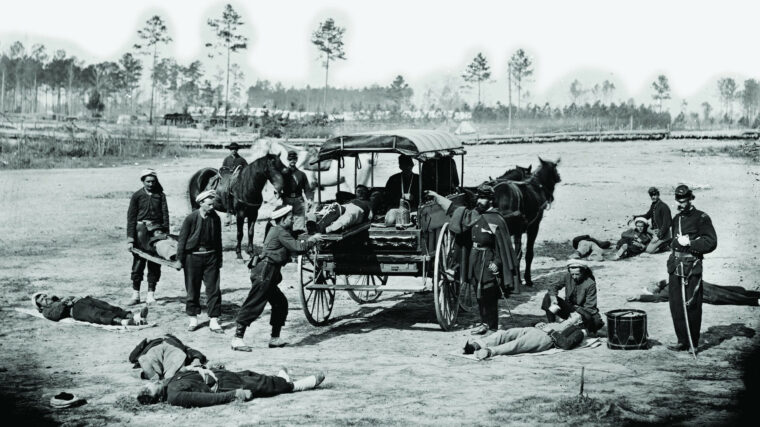
In the spring of 1861, a group of influential northern men and women, led by Unitarian minister Henry Whitney Bellows and social reformer Dorothea Dix, met in New York City to discuss the formation of a sanitary commission, modeled after the British Sanitary Commission established during the Crimean War, to provide relief to sick and wounded soldiers in the Union Army. Read more
Abraham Lincoln
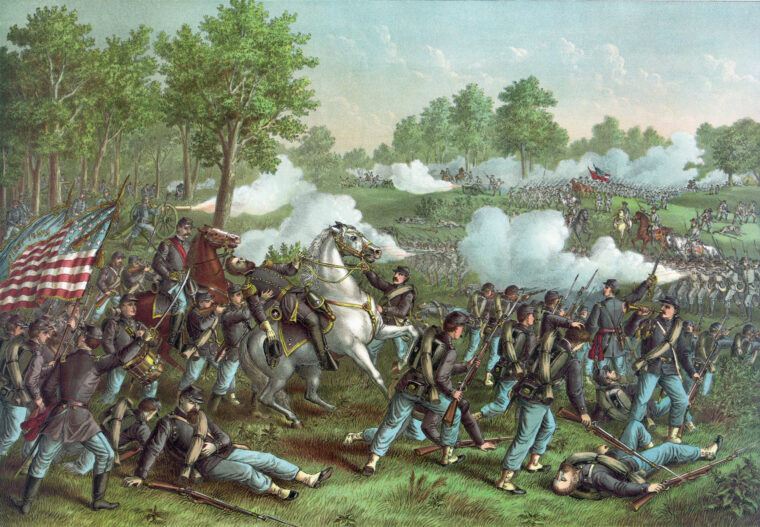
At the beginning of 1861, Missouri was in turmoil. A slave state since its inception in 1820, Missouri had grown increasingly tied to urban industry. Read more
Abraham Lincoln
Mr. Morris is the author of seven well-received books on 19th Century American history and literature. He has served as a consultant for A&E, the History Channel, and edited a three-book series for Purdue University Press on American Civil War and post-Civil War history, journalism and literature. Read more
Abraham Lincoln
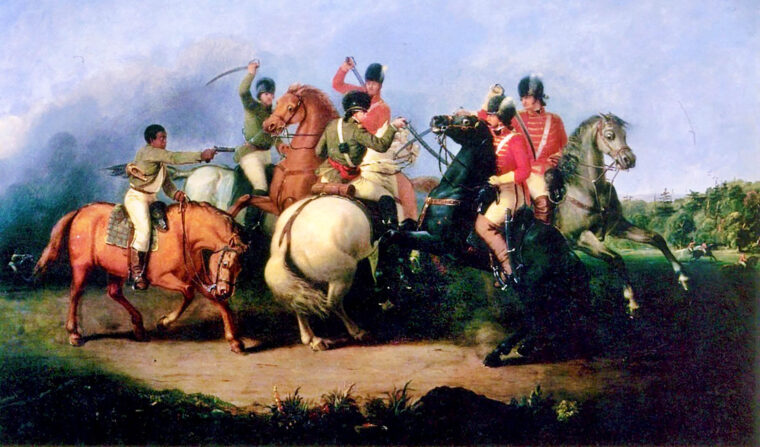
At last, students of American military history have recently been accorded some measure of respect to the tactical genius of Daniel Morgan. Read more
Abraham Lincoln
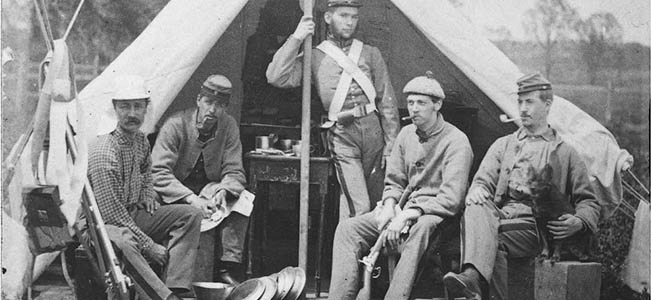
U.S. President Abraham Lincoln had no military experience and discarded most of Lt. Gen. Winfield Scott’s so-called Anaconda Plan, which critics deemed too conservative. Read more
Abraham Lincoln
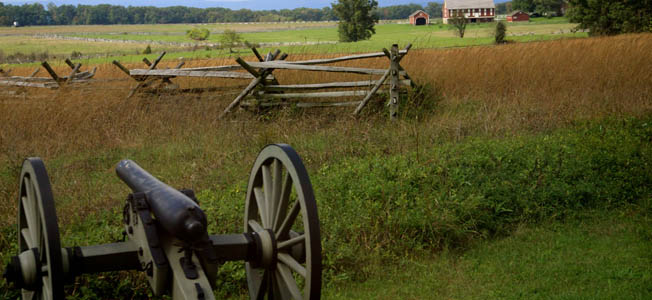
The American Civil War was the tragic culmination of divergent perspectives on the proper conduct of the government of the United States and socio-economic issues that had been frequently at the forefront of American political life for decades. Read more
Abraham Lincoln
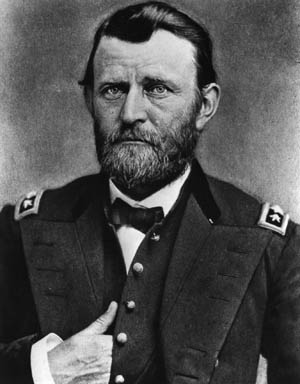
Born in Ohio in 1822, Ulysses S. Grant graduated from the United States Military Academy at West Point in 1843. Read more
Abraham Lincoln
As the early days of the American Civil War were unfolding and the destiny of the republic was being contested on the battlefield, President Abraham Lincoln was engaged in a no less perilous type of battle. Read more
Abraham Lincoln
When the sun set on the Confederacy, the stars began to rise and shine, none more brightly for Northerners than that of Abraham Lincoln, and for Southerners than those of Robert E. Read more