Abraham Lincoln
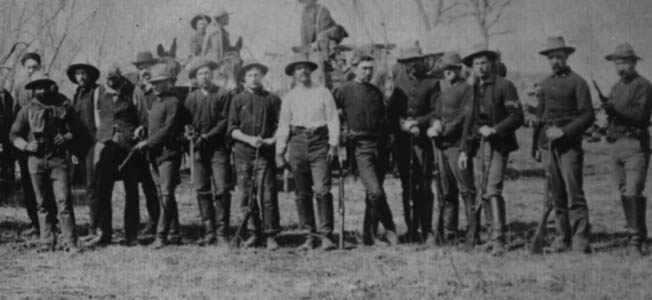
The Post-Civil War Frontier American Army
By Eric NiderostIn 1864-1865 the U.S. Army had some 1,045,000 men in uniform; within a year after Appomattox, the number stood at 57,000. Read more
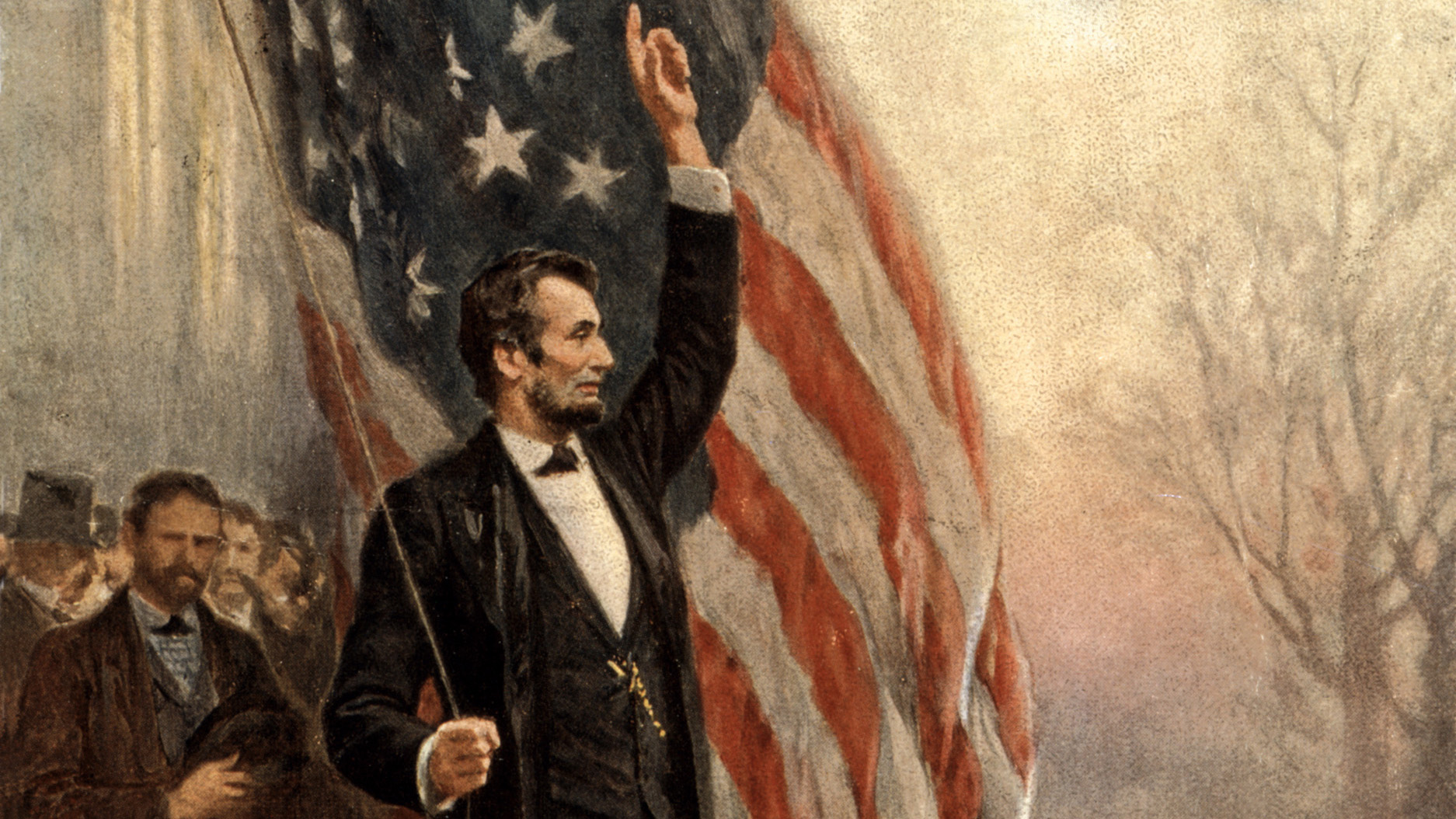
Abraham Lincoln served as the 16th President of the United States during the American Civil War. Abraham Lincoln was in office during perhaps the most critical time in the nation’s history and provided exceptional leadership. Lincoln is remembered as a man of wit and strategic vision. Abraham Lincoln’s Gettysburg Address is among the nation’s most treasured documents of freedom along with his Emancipation Proclamation, effective January 1, 1863, which freed slaves in territories in revolt against the United States. Abraham Lincoln was mortally wounded by assassin John Wilkes Booth on April 14, 1865, and died the following morning at the age of 56.
Abraham Lincoln
In 1864-1865 the U.S. Army had some 1,045,000 men in uniform; within a year after Appomattox, the number stood at 57,000. Read more
Abraham Lincoln
When the American Civil War erupted in April 1861, the 10 companies of the 4th U.S. Infantry were spread along the West Coast from Puget Sound to the Gulf of California in various small, far-flung garrisons. Read more
Abraham Lincoln
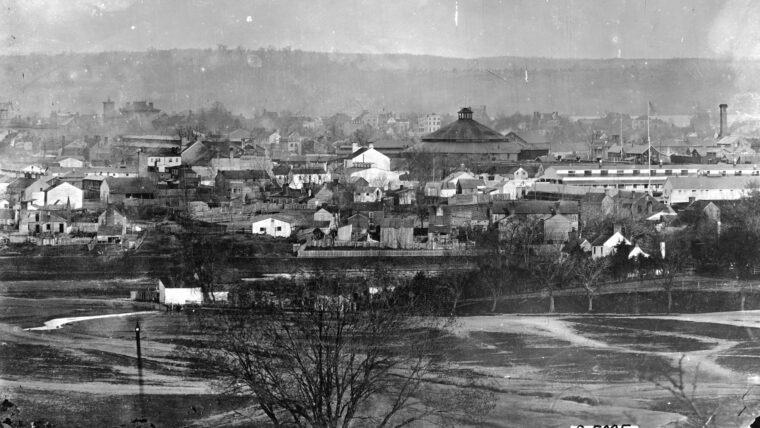
Under bright moonlight, Union troops marched into Alexandria, Virginia, on May 24, 1861, one day after Virginia seceded from the Union. Read more
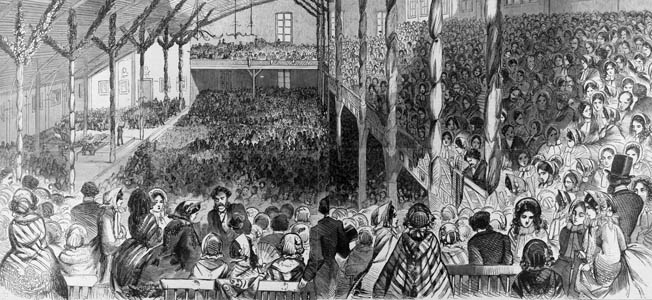
Abraham Lincoln
The sudden wreck of the Whig Party in the 1850s led to the development of a new political party to contend with Stephen Douglas and the Democrats. Read more
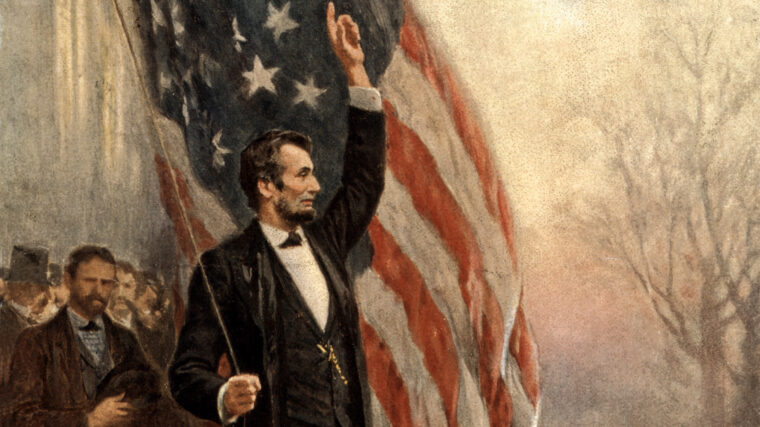
Abraham Lincoln
It was unseasonably warm in Charleston when the Democratic National Convention opened for business at noon on April 23, 1860. Read more
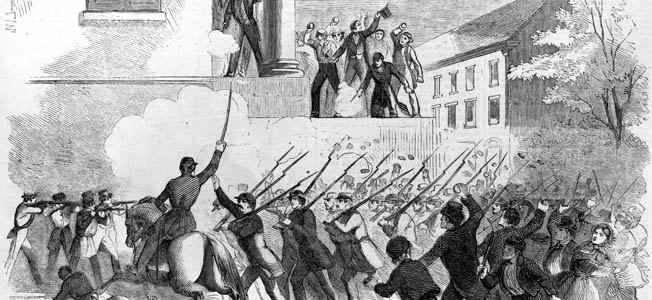
Abraham Lincoln
At the beginning of 1861, Missouri was in turmoil. A slave state since its inception in 1820, Missouri had grown increasingly tied to urban industry. Read more
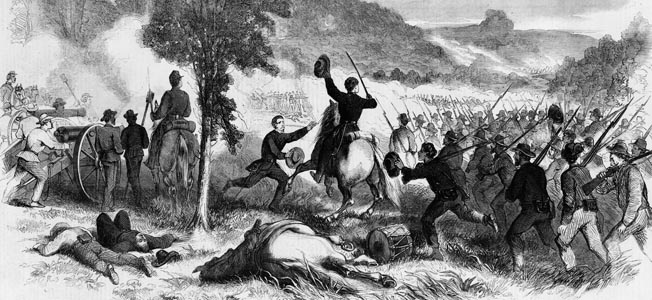
Abraham Lincoln
As the early days of the Civil War were unfolding and the destiny of the republic was beginning to be contested on the battlefield, Abraham Lincoln was engaged in a no less perilous type of battle. Read more
Abraham Lincoln
The year 1864 was shaping up to be a critical one in the American Civil War. During the previous year, Federal armies had gained control of the Mississippi River and consolidated their grip on Tennessee. Read more
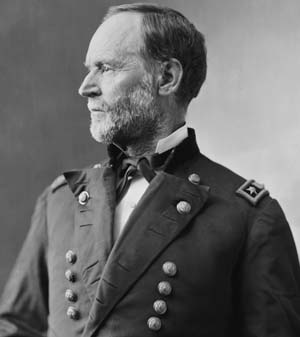
Abraham Lincoln
By Mike Haskew
Union General William T. Sherman was a friend and trusted subordinate of General Ulysses S. Grant, commander of all Union armies in the field during the Civil War. Read more
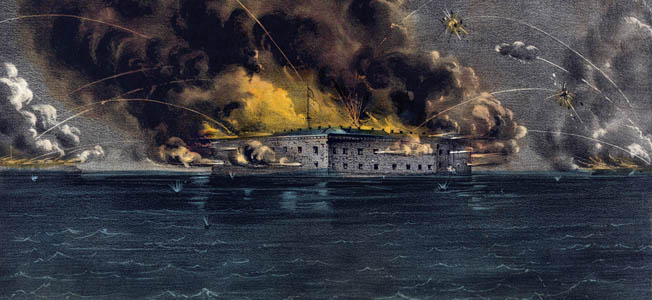
Abraham Lincoln
One of the catalysts for a major rebellion in the United States were irregular warfare in “Bleeding Kansas” from 1854 to 1861 between anti-slavery Free Staters and pro-slavery border ruffians. Read more
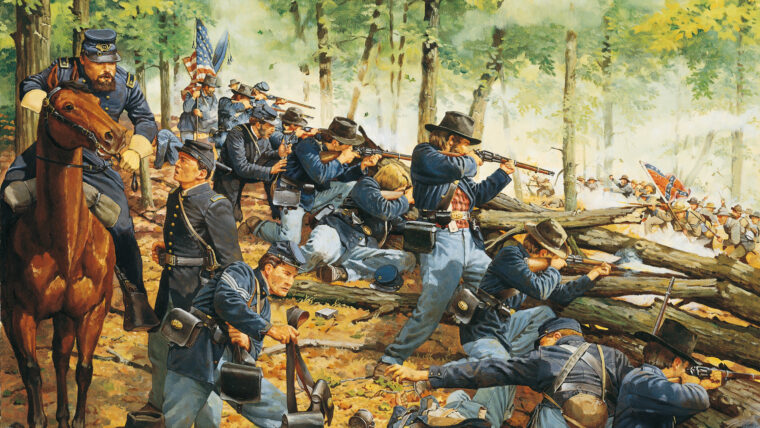
Abraham Lincoln
It was nearly 11 on the morning of September 20, 1863, and the woods around slow-moving Chickamauga Creek in northwest Georgia were ominously quiet. Read more
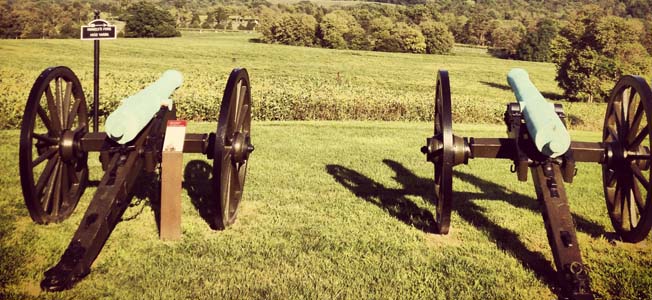
Abraham Lincoln
President Donald Trump has kept true to his pledge to donate his presidential income while in office, with the President’s first paycheck going, in full, to fund projects to maintain and restore the Antietam National Battlefield. Read more
Abraham Lincoln
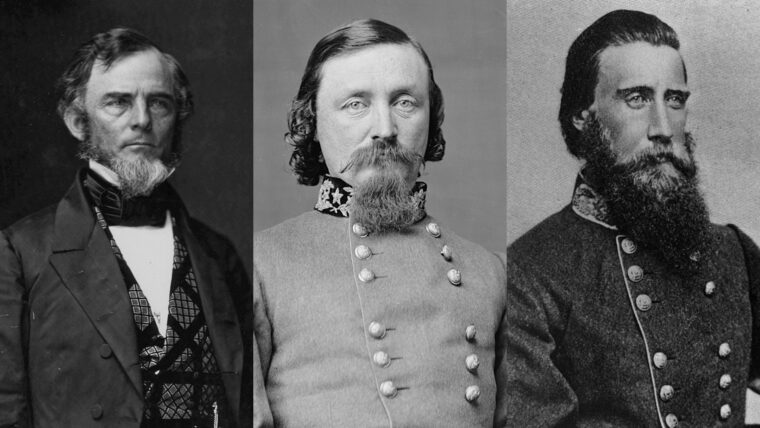
Confederate Maj. Gen. Gideon Pillow. After gaining ground trying to cut an escape path for the Confederates during the February 1862 siege of Fort Donelson by Union forces led Brig. Read more
Abraham Lincoln
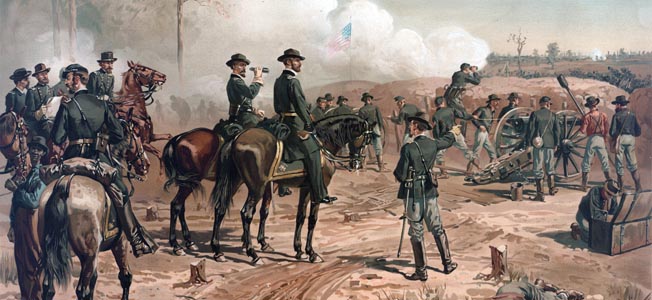
On September 3, 1864, a triumphant Maj. Gen. William Tecumseh Sherman telegraphed Washington, “Atlanta is ours and fairly won.” Read more
Abraham Lincoln
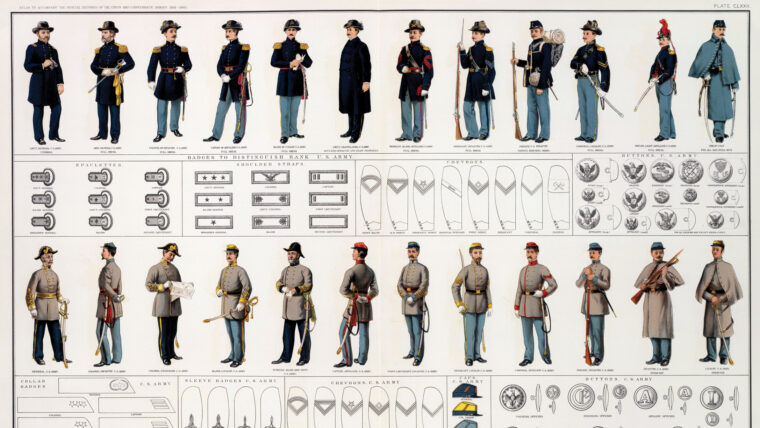
The title of the 128-book, 138,579-page work was a suitably large mouthful: The War of the Rebellion: A Compilation of the Official Records of the Union and Confederate Armies. Read more
Abraham Lincoln
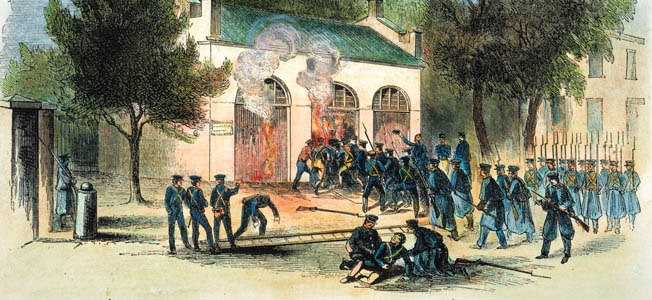
On the morning of October 17, 1859, an aide to Secretary of War John B. Floyd hurried off with an urgent message for Colonel Robert E. Read more
Abraham Lincoln
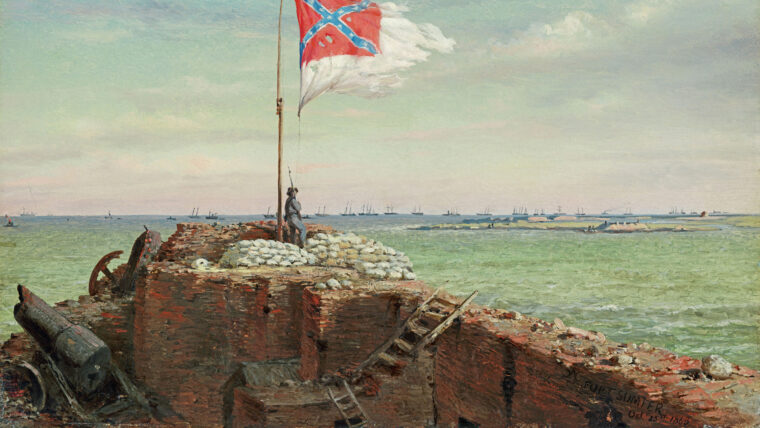
The Union bid to capture Charleston, South Carolina, in April 1863 was set in motion seven months earlier, in the autumn of 1862. Read more
Abraham Lincoln
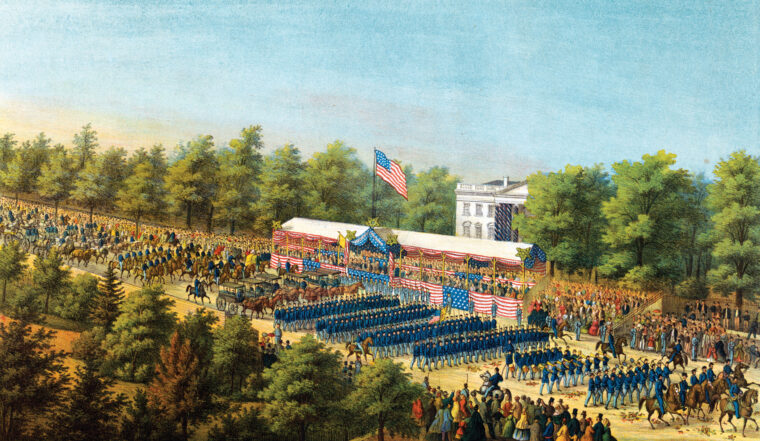
Robert E. Lee’s surrender at Appomattox, presaging the subsequent surrender of other Confederate forces in the West and the capture of Southern President Jefferson Davis a few weeks later, marked the triumphant end of the nation’s great sundering. Read more
Abraham Lincoln
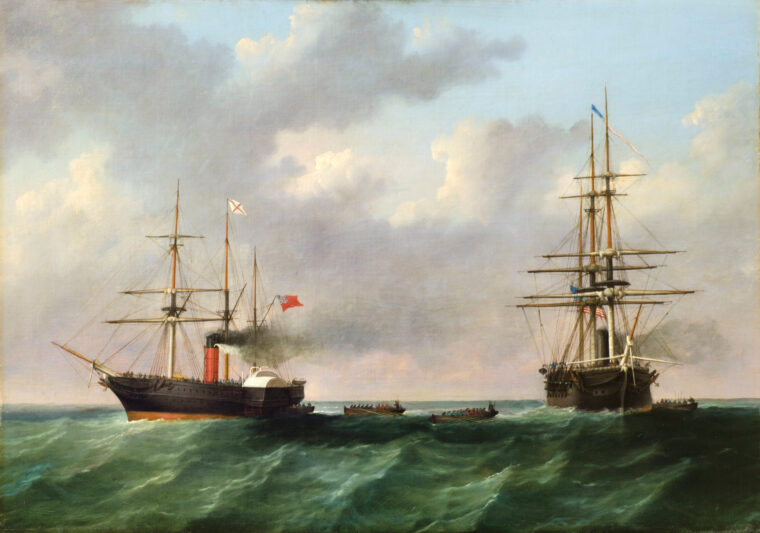
In November 1861, word swept through London that an American warship, James Adger, in port at Southampton, was planning to put to sea and intercept a British ship bringing Confederate emissaries to Europe. Read more
Abraham Lincoln
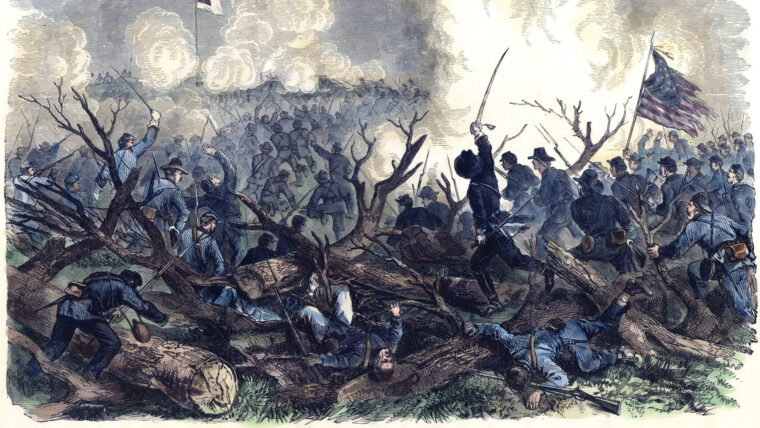
Nathaniel Banks was a political creature, and with his country in the throes of civil war, he now held the politically obtained rank of major general in the Union Army. Read more