North Africa
The Irish Brigade in WWII
By Tim NewarkIt was a letter in the London Times that caught the attention of British wartime Prime Minister Winston Churchill. Read more
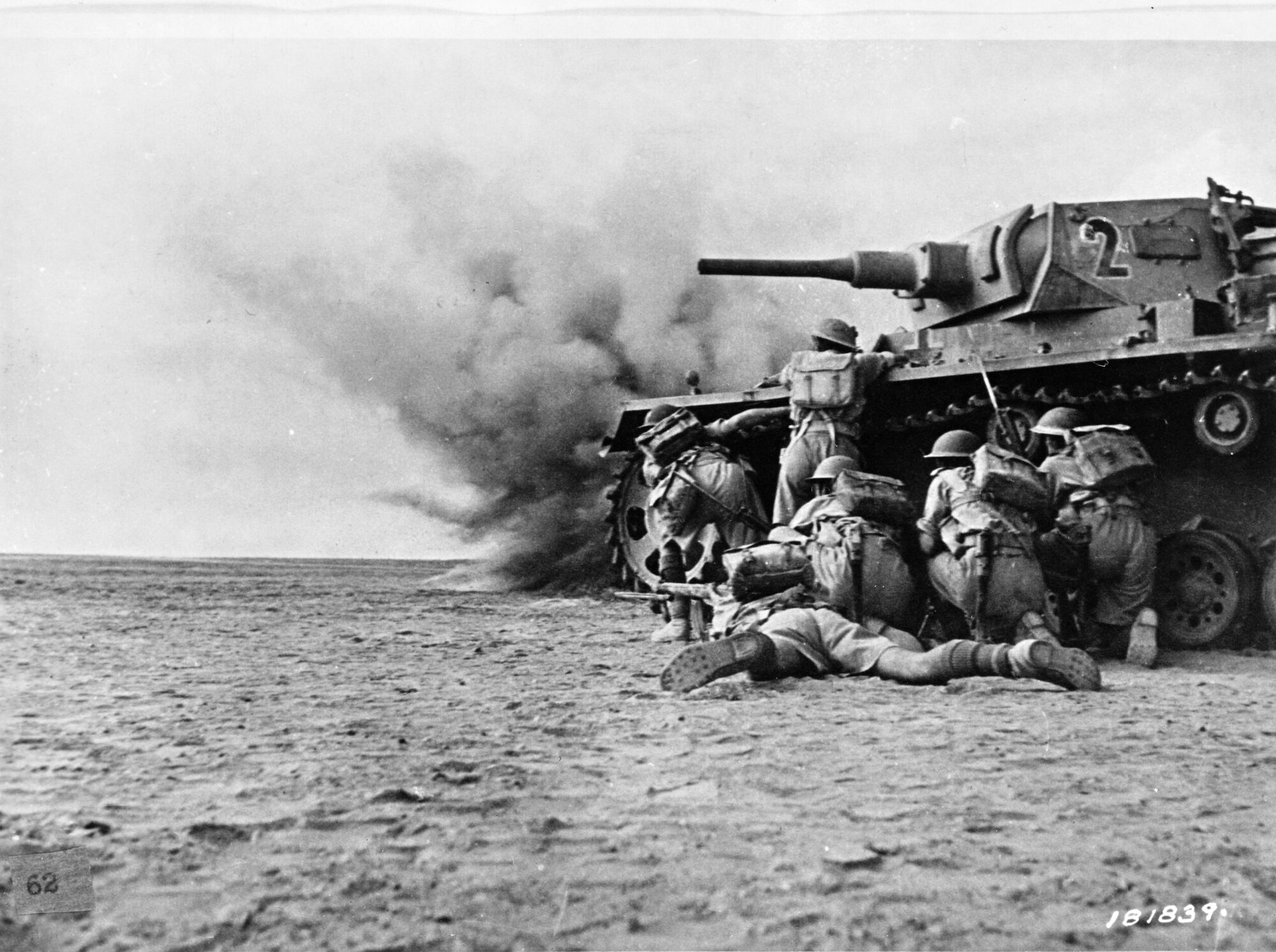
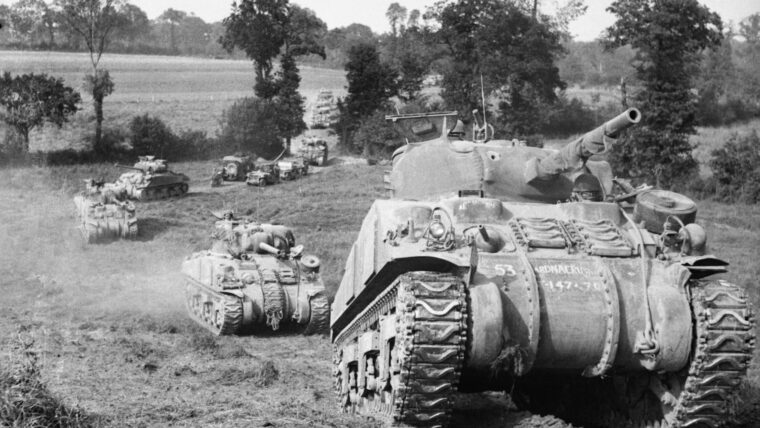
The North Africa campaign during World War II included major operations from early 1940 through the spring of 1943 as Allied forces fought Axis armies of Fascist Italy and Nazi Germany. For the Allies, victory in North Africa was critical for control of the Mediterranean Sea and future offensive operations in Italy. Axis forces hoped to dominate the Mediterranean and seize British-held Egypt, the Suez Canal, and potentially the oil fields of the Middle East. The Allies were victorious in North Africa campaign, and the defeat of Axis forces at the Battle of El Alamein was a turning point during World War II.
North Africa
It was a letter in the London Times that caught the attention of British wartime Prime Minister Winston Churchill. Read more

North Africa
The Ninth Air Force began life on August 21, 1941, as the 5th Air Support Command at Bowman Field, Kentucky, and was activated on September 1, 1941. Read more
North Africa
With such award-winning films as Stagecoach, Young Mr. Lincoln, Drums Along the Mohawk, The Grapes of Wrath, The Long Voyage Home, and How Green Was My Valley behind him, John Ford was one of Hollywood’s most respected directors by the time World War II broke out in 1939. Read more
North Africa
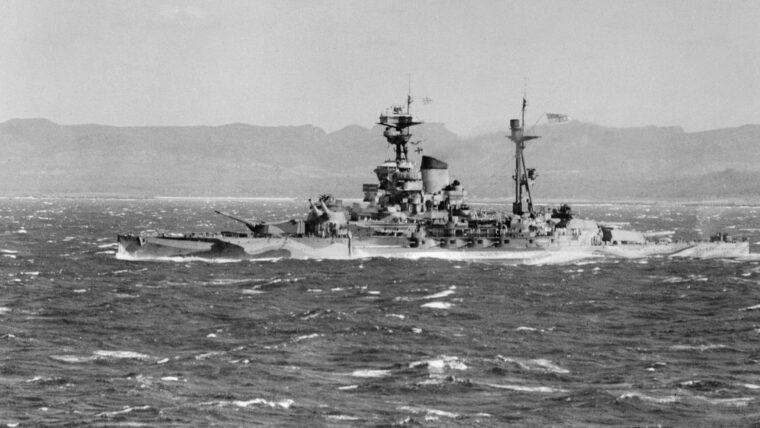
In early 1942 things could have hardly looked bleaker for the Allies. In Europe, Hitler’s war machine had steamrolled across the entire continent and was now battling before the gates of Moscow. Read more
North Africa
American General George S. Patton, Jr., and German Field Marshal Erwin Rommel both demonstrated the masterful employment of armored forces in many World War II military campaigns. Read more
North Africa
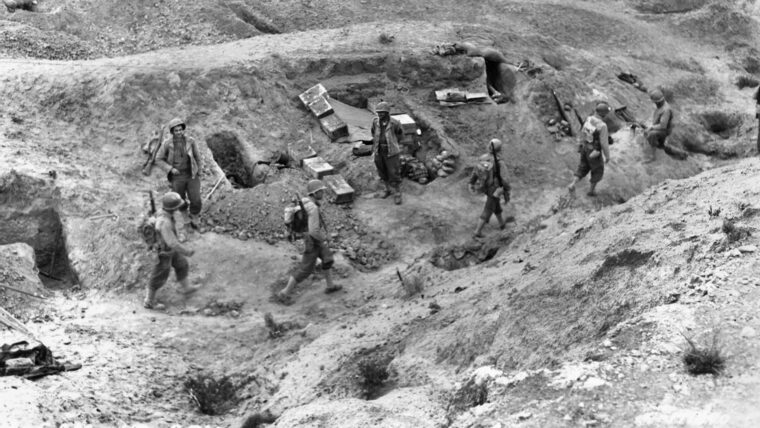
During World War II, Terry de la Mesa Allen and Theodore Roosevelt, Jr.,were ”relieved” during a victorious campaign. Read more
North Africa
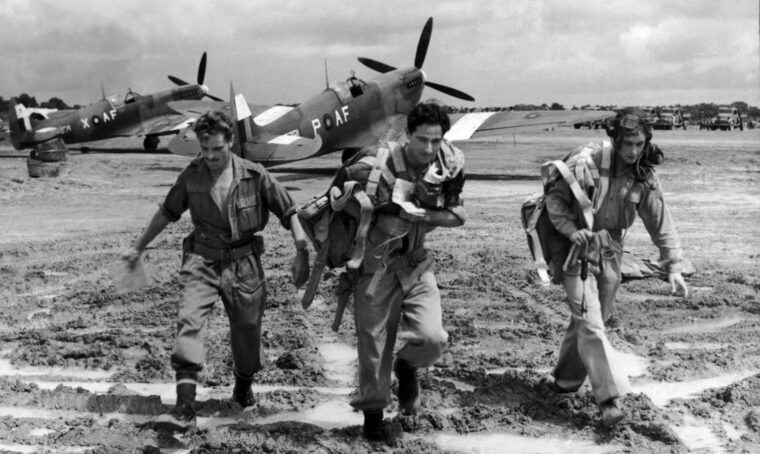
On March 5, 1936, the new Supermarine Type 300 took off from Southampton, England. The plane would soon be called the Spitfire, and along with the Hawker Hurricane it would become Great Britain’s first line of defense. Read more
North Africa
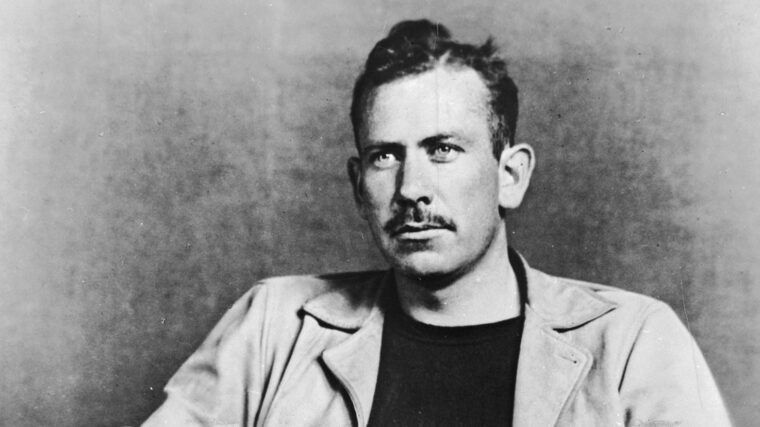
A fuming John Steinbeck vented his frustration over World War II to a friend on March 15, 1943. Read more
North Africa
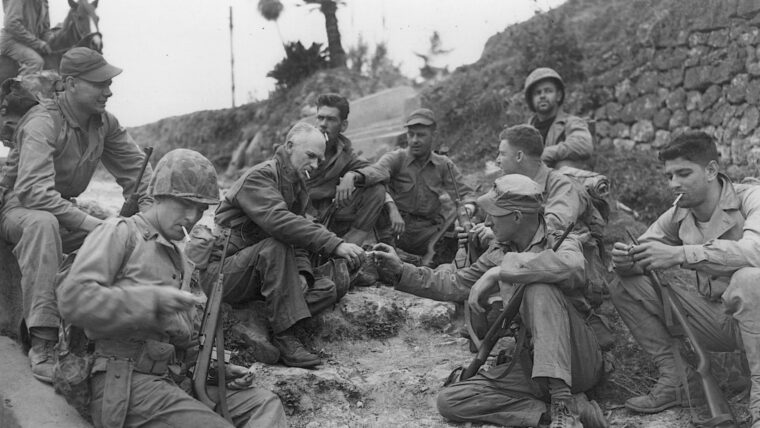
Ernest Taylor Pyle was born August 3, 1900, in Dana, Indiana. He came from a farm family. Read more
North Africa
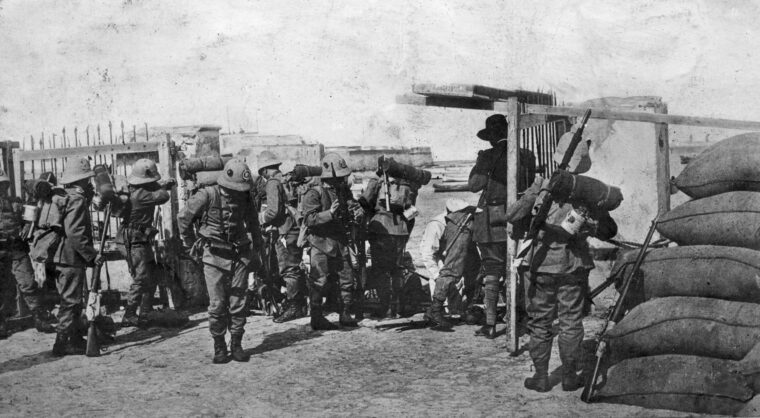
The Italian sailors sang “Tripoli Will Be Italian” at the rumble of the cannon as ships of the Italian naval squadron left port and sailed south to the shores of North Africa in late September 1911. Read more
North Africa
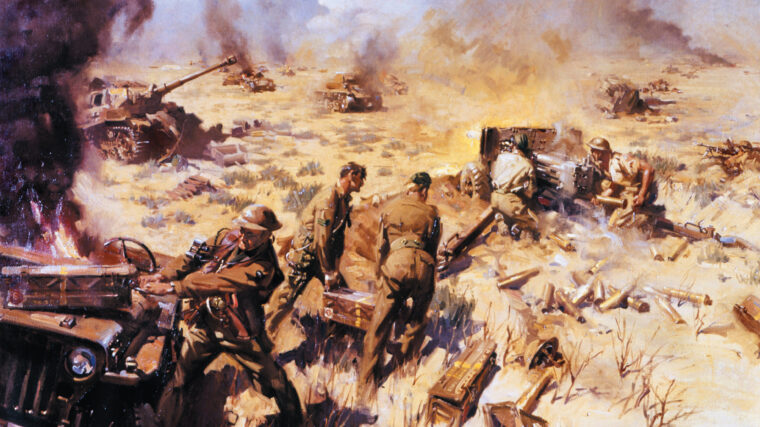
An old cliché admonishes, “Bad things always come in threes.” Whether it was thought of as a law of nature or merely coincidence, a rapid succession of events in North Africa during the summer of 1942 seemed to confirm this widely held notion among the officers and men of the British Eighth Army. Read more
North Africa
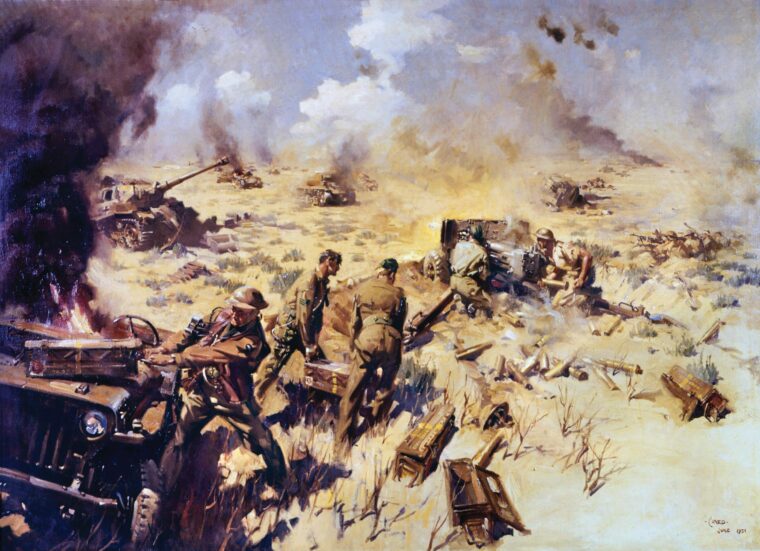
The war in North Africa flung vast armies across the arid deserts of Libya and Egypt for two long years, beginning with the Italian invasion of Egypt in September 1940. Read more
North Africa
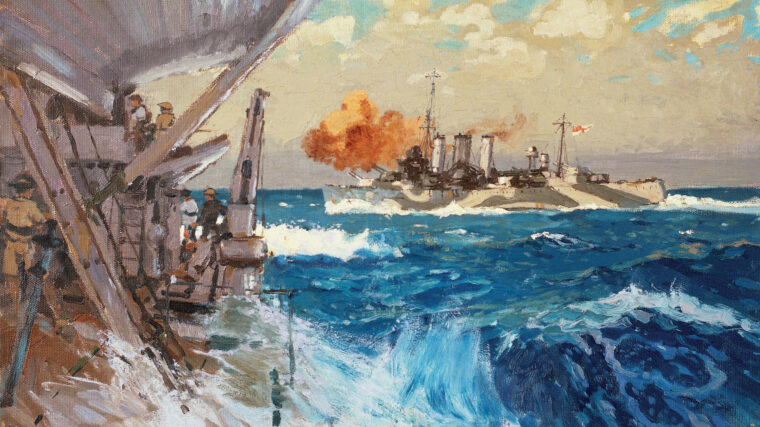
The director flicked his finger, and General Charles de Gaulle began reading his address into the British Broadcasting Corporation’s microphone, speaking from London to his defeated countrymen across the English Channel, calling upon them to continue resistance in the face of overwhelming German supremacy. Read more
North Africa
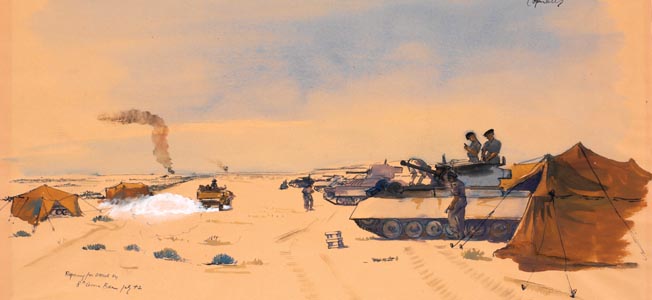
When one gazes upon the bookshelves in the Military History section of a well-endowed library, one cannot help but notice the number of volumes dedicated to the battles for North Africa during World War II and particularly to the Battle of El Alamein in October 1942. Read more
North Africa
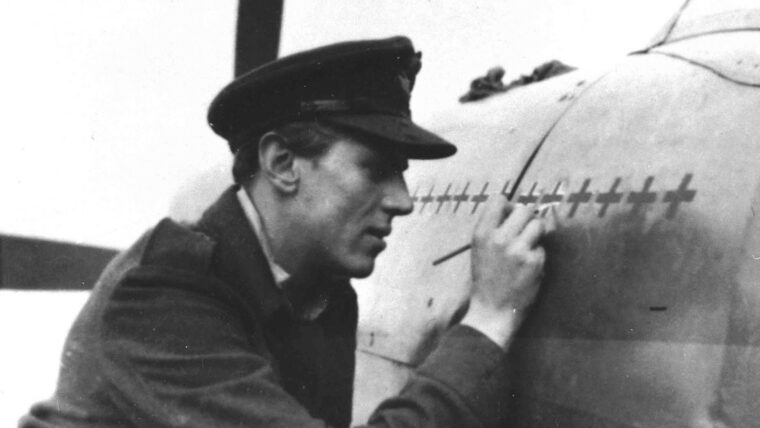
In September 1943, Canada’s top air ace, the “Falcon of Malta,” Flying Officer George Beurling, was faced with two problems. Read more
North Africa
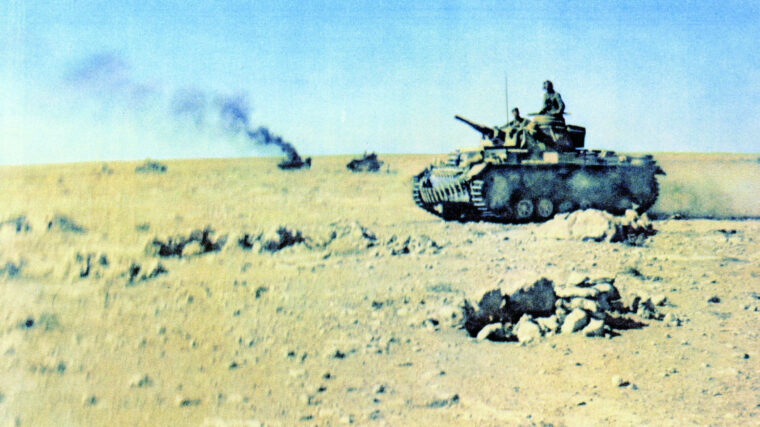
The U.S. Army entered the war in North Africa in November 1942, eager to engage the German and Italian armies and prove itself their equal. Read more

North Africa
The often see-saw action across the North African littoral from 1940-1942 was fostered in part by both the British and Axis forces racing to innovate and implement novel tactics and upgraded weaponry. Read more
North Africa
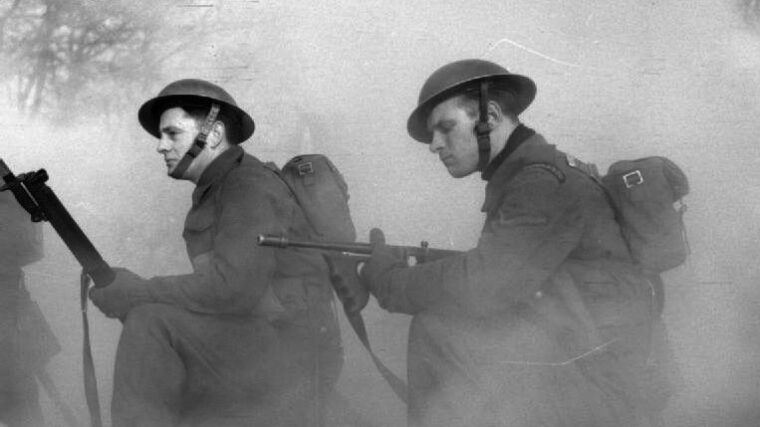
By early April 1941, Lt. Gen. Erwin Rommel’s German Afrika Korps, combined with Italian units, had cleared the British from Libya except for the seaport of Tobruk. Read more
North Africa
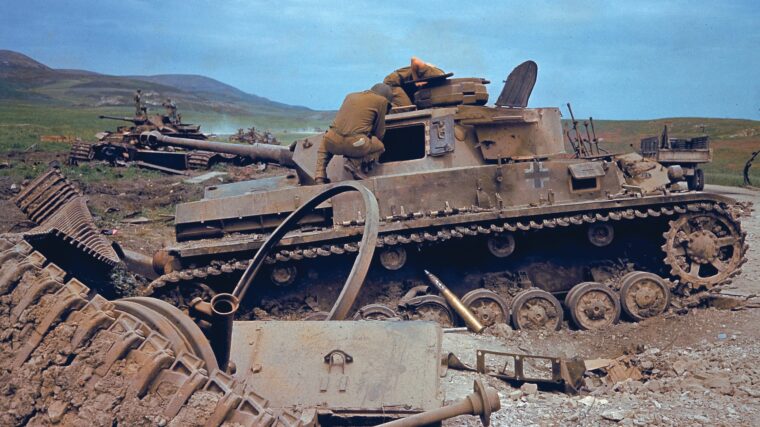
In the early morning hours of March 23, 1943, the U.S. 1st Infantry Division was preparing to attack. Read more
North Africa
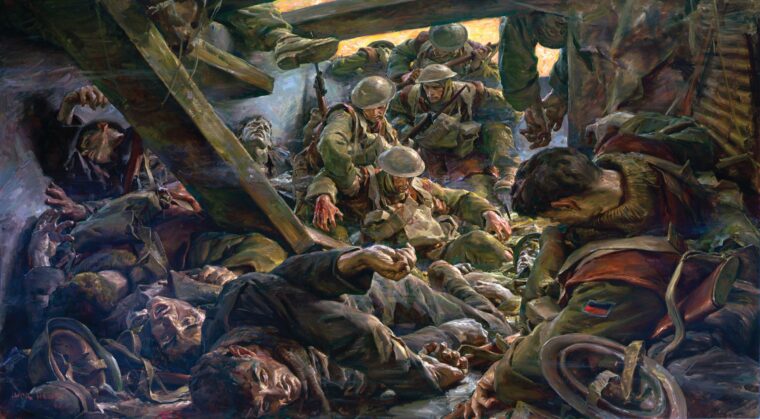
Established in the summer of 1939, Field Marshal Sir Archibald Wavell’s Middle East Command encompassed nine countries and parts of two continents, an area of 1,700 miles by 2,000 miles. Read more