North Africa
Operation Crusader: Erwin Rommel Learns His Lesson
By Robert HaymesBy the time of the Crusader battles in late 1941, the German panzer forces in North Africa had developed a sophisticated combined-arms doctrine. Read more
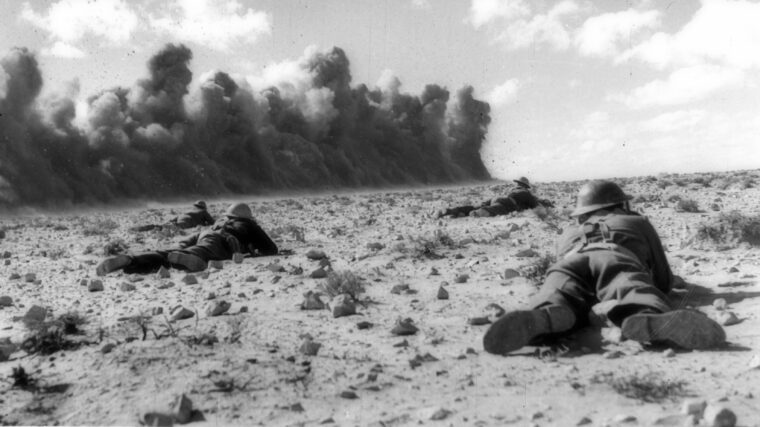
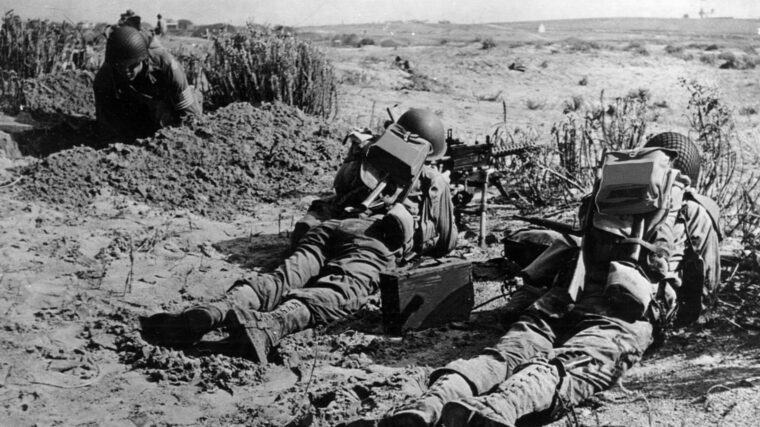
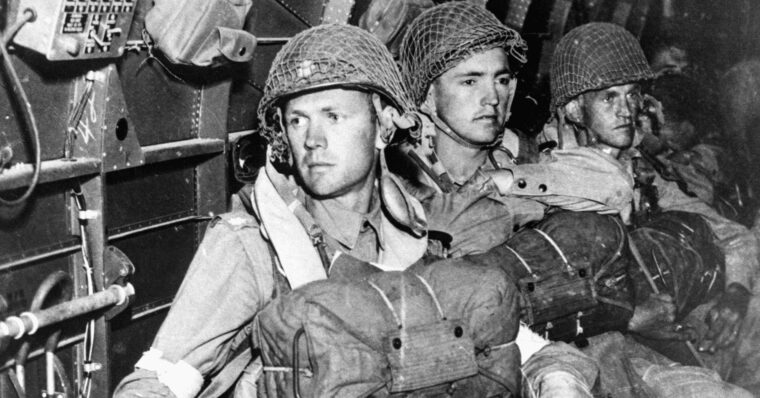
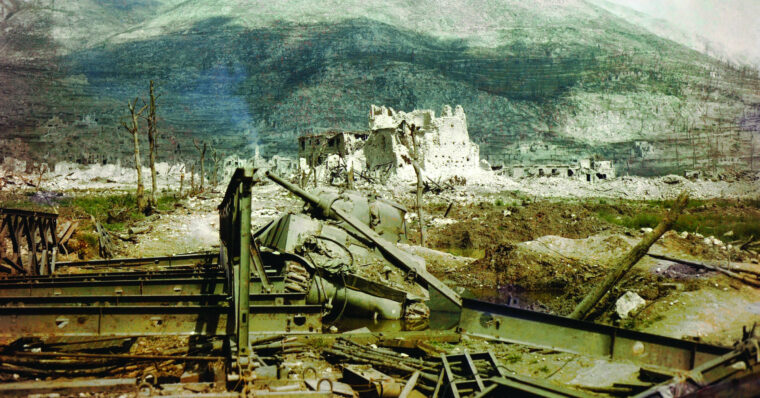
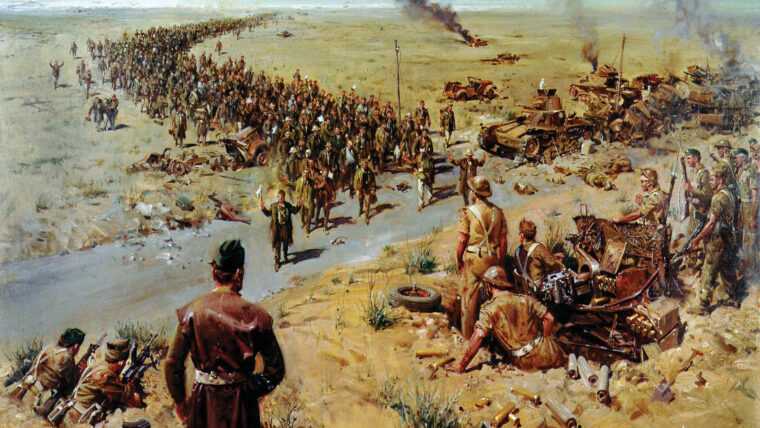
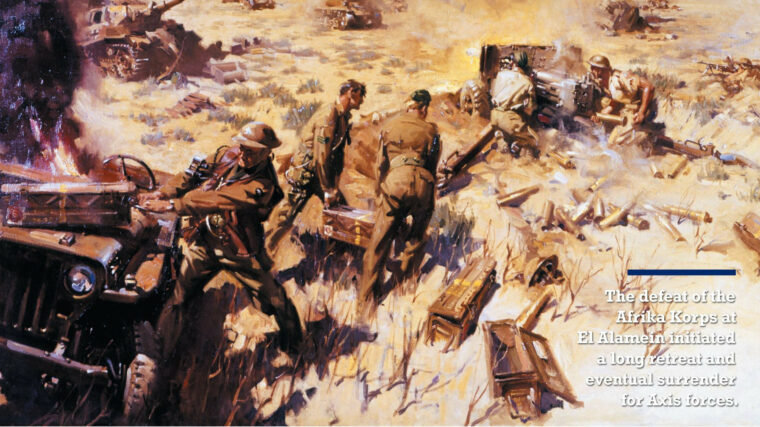
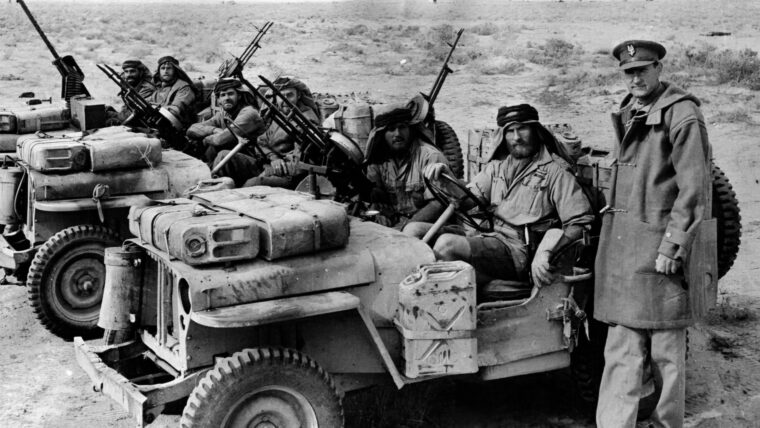
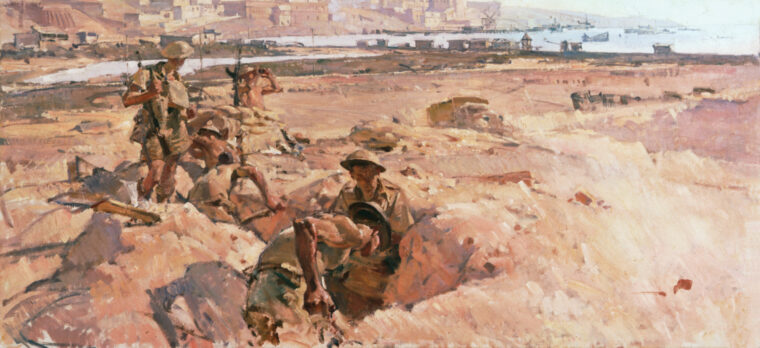
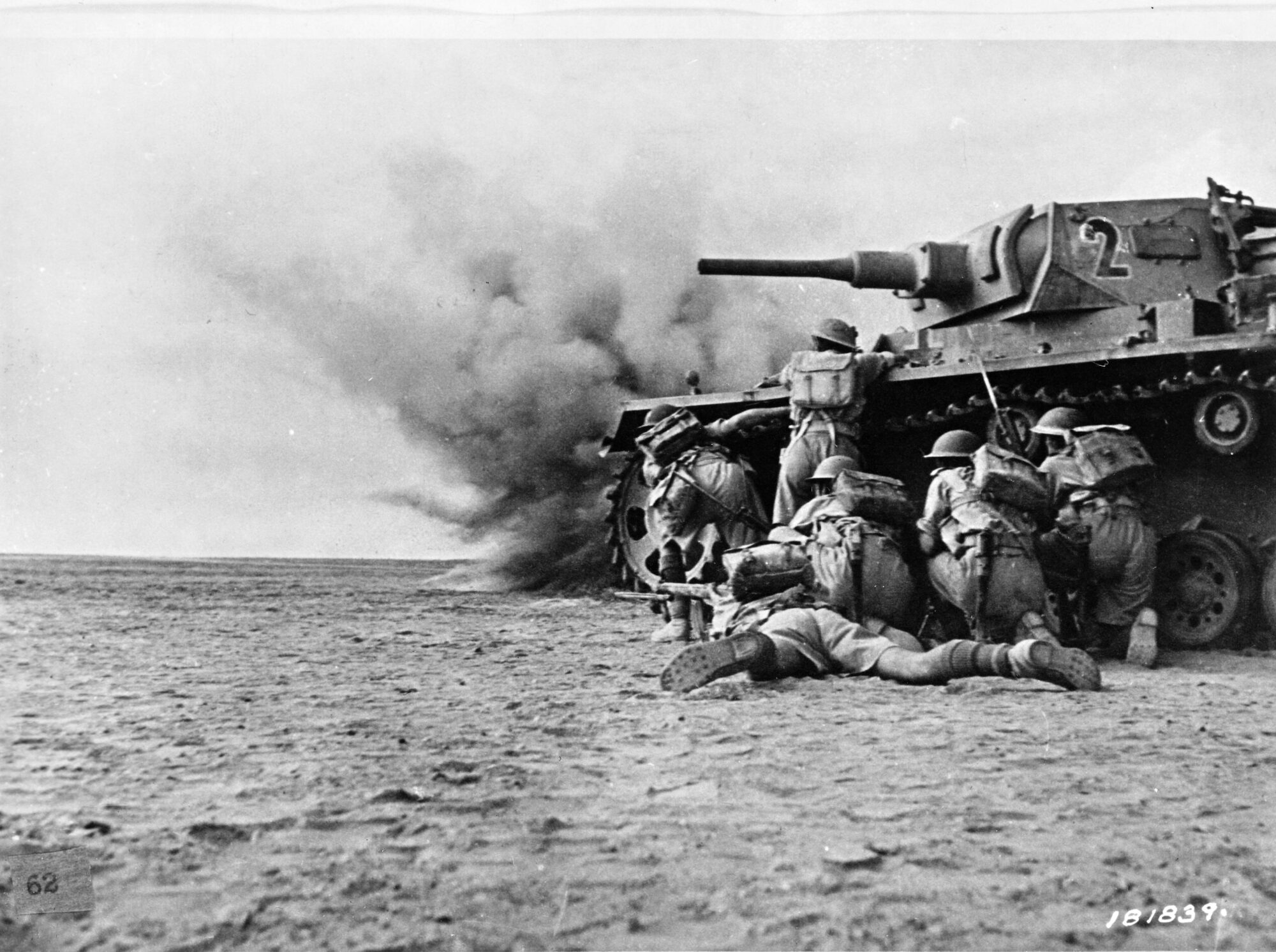
The North Africa campaign during World War II included major operations from early 1940 through the spring of 1943 as Allied forces fought Axis armies of Fascist Italy and Nazi Germany. For the Allies, victory in North Africa was critical for control of the Mediterranean Sea and future offensive operations in Italy. Axis forces hoped to dominate the Mediterranean and seize British-held Egypt, the Suez Canal, and potentially the oil fields of the Middle East. The Allies were victorious in North Africa campaign, and the defeat of Axis forces at the Battle of El Alamein was a turning point during World War II.
North Africa
By the time of the Crusader battles in late 1941, the German panzer forces in North Africa had developed a sophisticated combined-arms doctrine. Read more
North Africa
World War II spanned six long years from 1939 to 1945. The Allied powers, principally The United States, Great Britain, and the Soviet Union, defeated the Axis powers, led by Nazi Germany, Imperial Japan, and Fascist Italy. Read more
North Africa
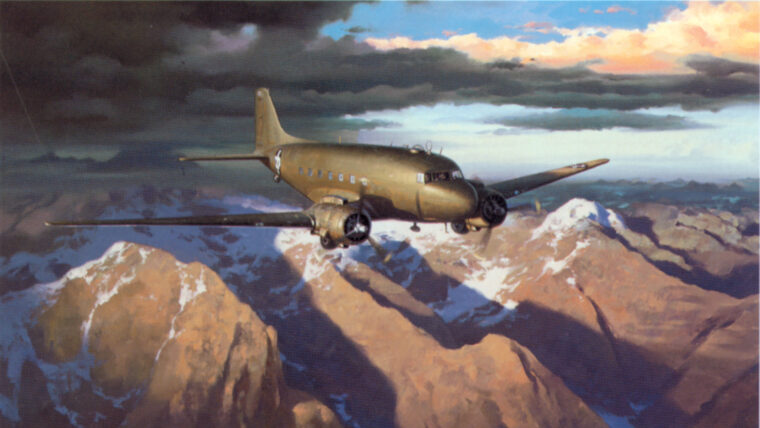
To Colonel Edson Raff, jumping out of a plane was “like getting out of the bed in the morning.” Read more
North Africa
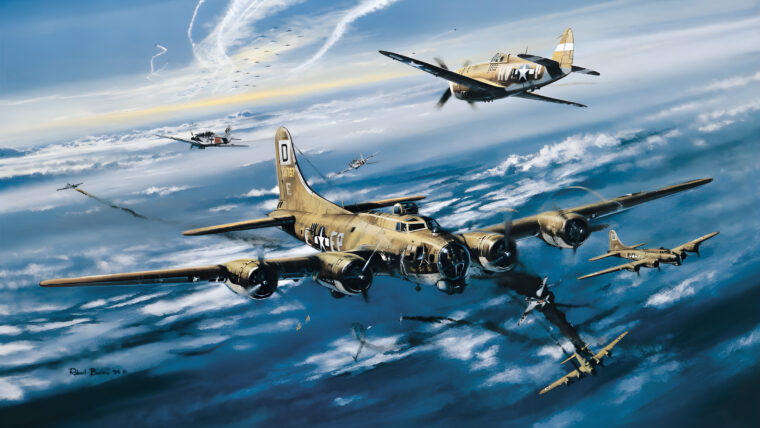
The Ninth Air Force began life on August 21, 1941, as the 5th Air Support Command at Bowman Field, Kentucky, and was activated on September 1, 1941. Read more
North Africa
American General George S. Patton, Jr., and German Field Marshal Erwin Rommel both demonstrated the masterful employment of armored forces in many World War II military campaigns. Read more
North Africa
On March 5, 1936, the new Supermarine Type 300 took off from Southampton, England. The plane would soon be called the Spitfire, and along with the Hawker Hurricane it would become Great Britain’s first line of defense. Read more
North Africa
When one gazes upon the bookshelves in the Military History section of a well-endowed library, one cannot help but notice the number of volumes dedicated to the battles for North Africa during World War II and particularly to the Battle of El Alamein in October 1942. Read more
North Africa
The definitive combat unit of comparable strength among the forces of the world during the 20th century was the division. Read more
North Africa
Eugene Sledge knew a thing or two about combat fatigue. It was September 15, 1944, on a tiny spit of land called Peleliu: the Japanese opened up with heavy mortar fire just as the Marines moved off the beach and started inland. Read more
North Africa
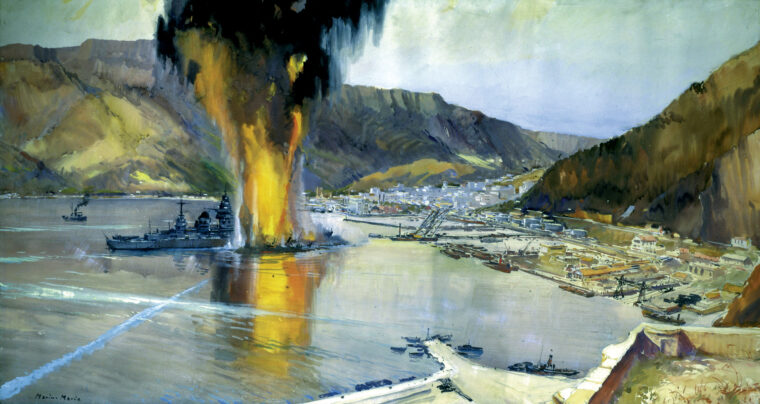
When the armistice between France and Germany was put into force on June 25, 1940, the fate of the powerful French Navy—the fourth largest in the world—was of critical importance to the British. Read more
North Africa
At the outbreak of World War II, the British War Office assumed that conditions on the Western Front in France would be the same as those experienced in the Great War of 1914-1918. Read more
North Africa
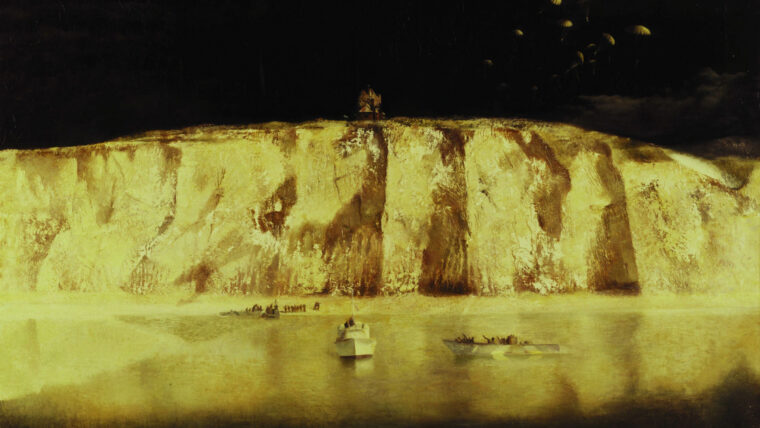
Made popular by the Band of Brothers portrayal of Easy Company, the U.S. paratrooper “cricket” was in fact used to identify each other in the predawn hours of the D-Day invasion. Read more
North Africa
The U.S. 36th Infantry Division, known as the “Texas” Division, was inducted into federal service on November 25, 1940, at Camp Bowie, Tex., Read more
North Africa
The Allied invasion of Nazi-occupied Europe was inevitable as the tide of World War II turned against Germany. Read more
North Africa
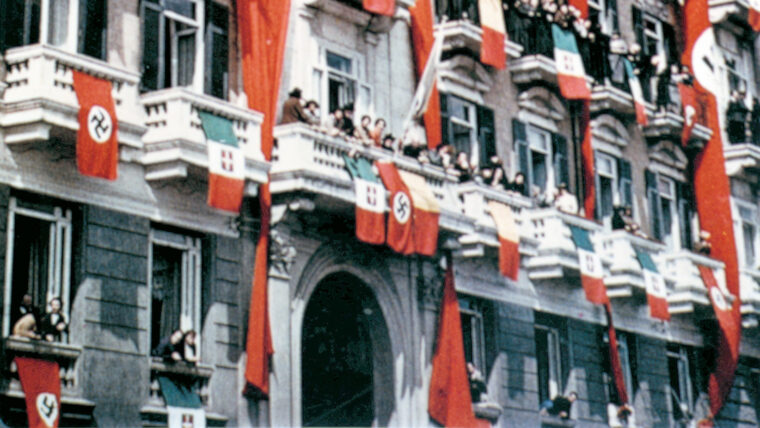
When the Triple Alliance was concluded between Germany, Austria-Hungary, and Italy in the spring of 1882, Italy was, like Germany, a young nation recently unified after years of military conflicts and occupation by various European powers. Read more
North Africa
Two of America’s most famous senior commanders to emerge from World War II were Eisenhower and MacArthur. These officers were largely responsible for command decisions that resulted in Allied victories in the South Pacific and in Europe. Read more
North Africa
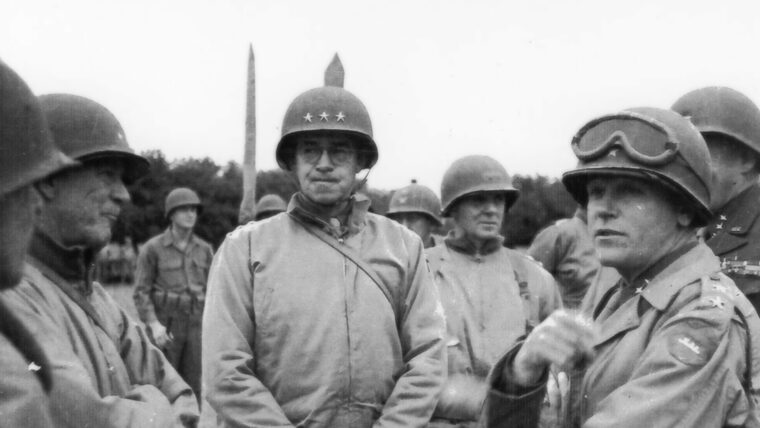
The most contentious of command rivalries during World War II involved General George S. Patton, Jr., of the U.S. Read more
North Africa
On April 15, 1942, Generaloberst (Colonel General) Erwin Rommel summoned his subordinate commanders of the Panzerarmee Afrika to a conference to outline his plans for the coming offensive against the British Eighth Army. Read more
North Africa
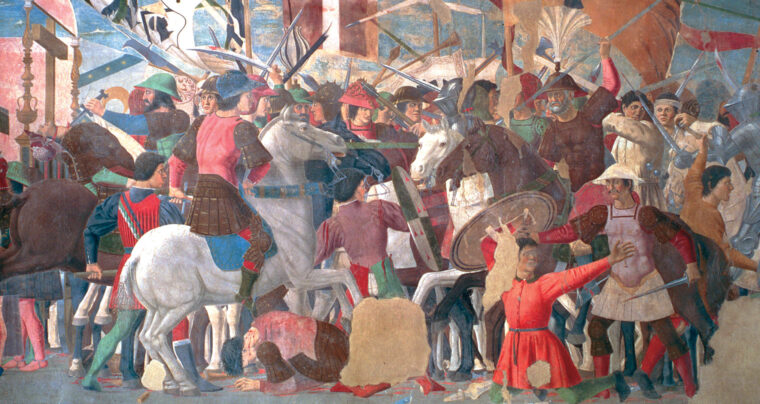
The Saracen host commanded by Saladin—Sultan of Egypt and Damascus—crossed the Jordan River south of Lake Tiberius (the “Sea of Galilee”). Read more
North Africa
The North African campaign has been aptly described as a “tactician’s paradise and quartermaster’s hell.” The contested area was large, stretching some 1,400 miles from Tripoli in the west to Alexandria in the east, a vast expanse of waterless desert wastes. Read more