Military Heritage

June 2000

Volume 1, No. 6

COVER: British soldiers of the 24th Regiment make their last stand against Zulu warriors at the battle of Isandlewana.

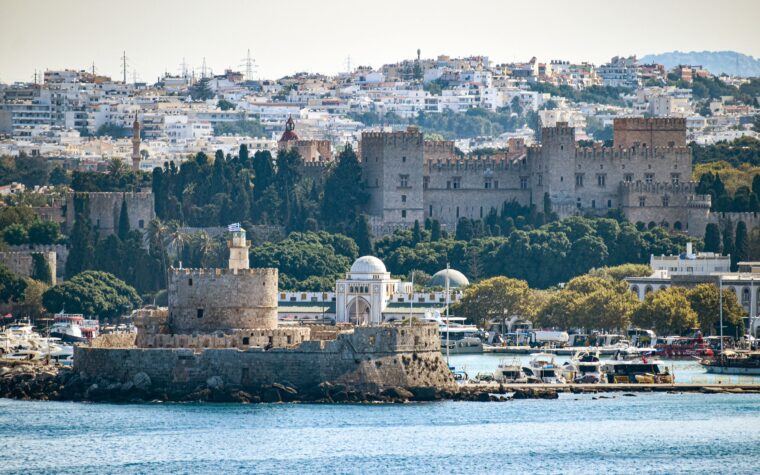
The medieval Palace of the Grand Master of the Knights of Rhodes, now a UNESCO World Heritage Site, overlooks Mandraki harbor, the military port of ancient Rhodes whose entrance could once be closed with massive chains.

June 2000

Military Heritage, Editorial

Castles: The Military Mind in Stone

By Brooke Stoddard

The history of our civilization is largely the history of military campaigns. We are who we are and think what we think owing to the outcome of battles long ago—and not so long ago. Read more
June 2000

Military Heritage, Soldiers

Nathanael Greene

By William Stroock

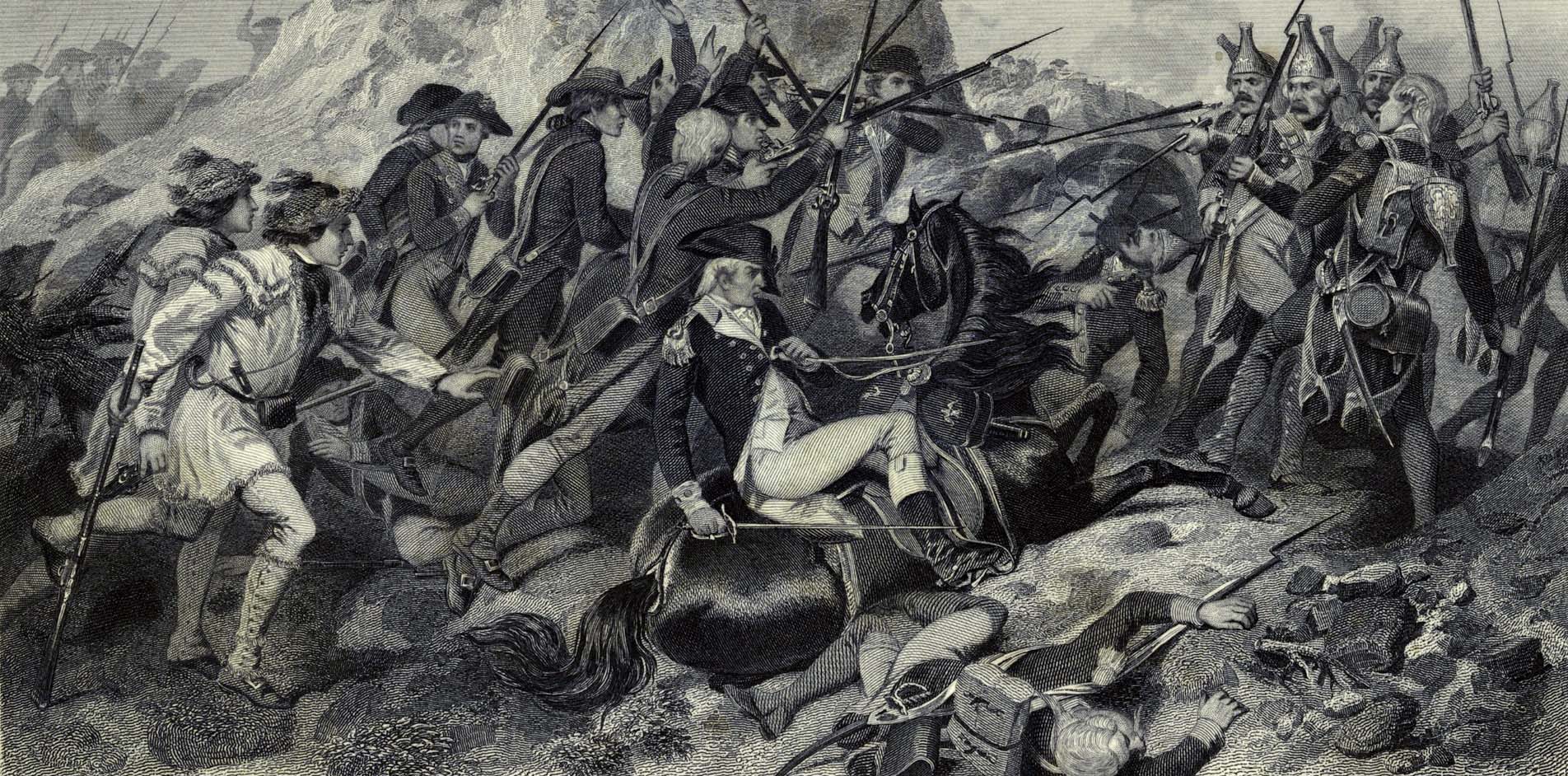
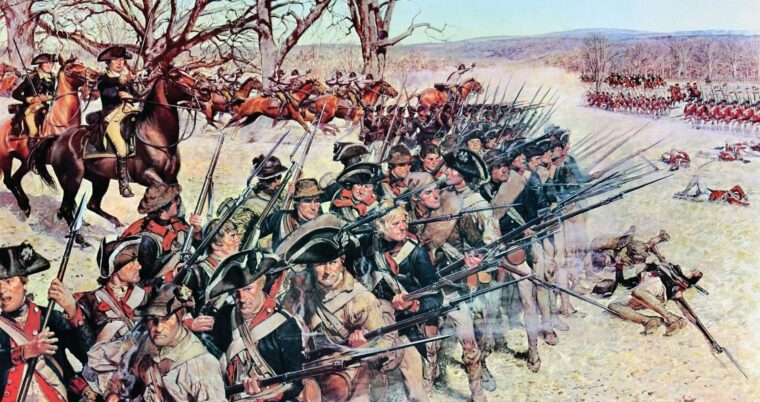
After George Washington, Major General Nathanael Greene was the best officer in the Continental Army. When Washington needed a general to rescue the desperate southern situation, he chose the already battle-hardened Quaker from Rhode Island—whose southern campaign was brilliant. Read more

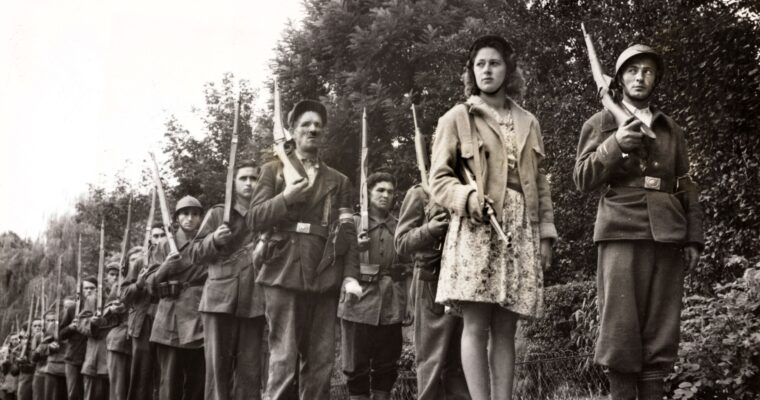
French Maquis resistance fighters during the liberation of France (1944–1945). Operating from rural strongholds, these guerrillas played a vital role in sabotaging German lines of communication and aiding the Allied advance.

June 2000

Military Heritage, Valor

Nancy Wake

By Kevin Seabrooke

On the eve of Operation Overlord, members of the French Resistance cut dozens of major long-distance and underground cables the Germans had installed during their occupation of France—forcing them to use radios vulnerable to interception by Allied intelligence—just as they faced the largest amphibious assault in history. Read more

June 2000

Military Heritage, Weapons

Greek Fire

By Robert Heege

The year was ad 678, 46 years after the death of the prophet Mohammed. Now the Mohammedans, determined to bring the light of Islam to Arabia and beyond, were streaking across the whole of the Middle East like a comet. Read more

June 2000

Military Heritage, Simulation Gaming

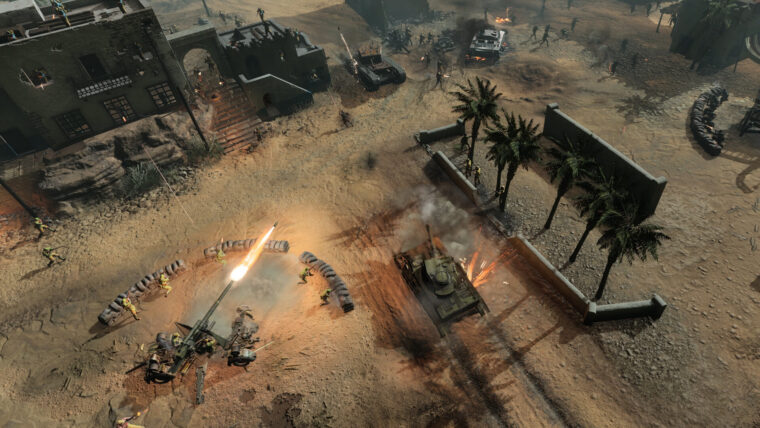
Company of Heroes 3: Final Stand

By Joseph Luster

Real-time strategy game Company of Heroes has been celebrating quite the milestone lately, with a full two decades under its belt. Read more

June 2000

Military Heritage, Simulation Gaming

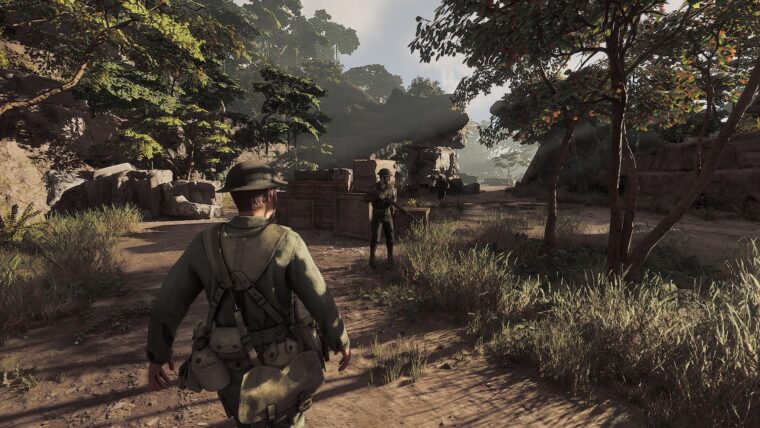
Medic: Pacific War

By Joseph Luster

As bombs rain from the skies and your fellow soldiers both fight and fall to either side, for once it’s not up to you to take the fight back to the enemy. Read more

June 2000

Military Heritage

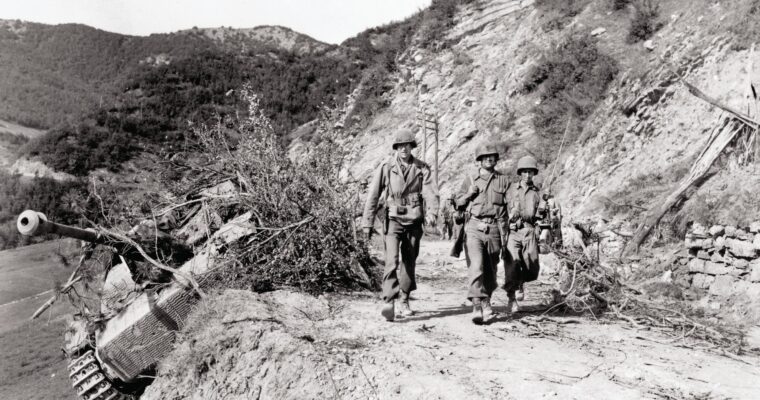
Breaching the Gothic Line

By Michael E. Haskew

A last line of defense in Italy was necessary, but for senior German commanders it was unthinkable that it could ever be contested by Allied forces. Read more

June 2000

Military Heritage

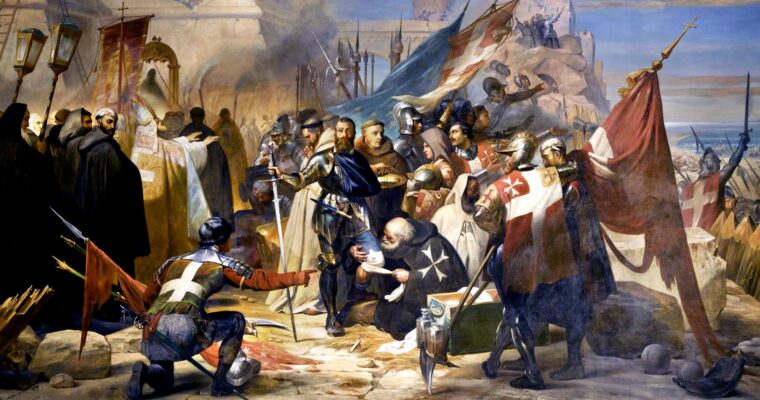
The Sieges of Rhodes

By Justin D. Lyons

Following the trade route between Alexandria and Istanbul, the heavily-laden merchantman hoped to run the straits between the islands dotting the sea off the coast of Anatolia. Read more

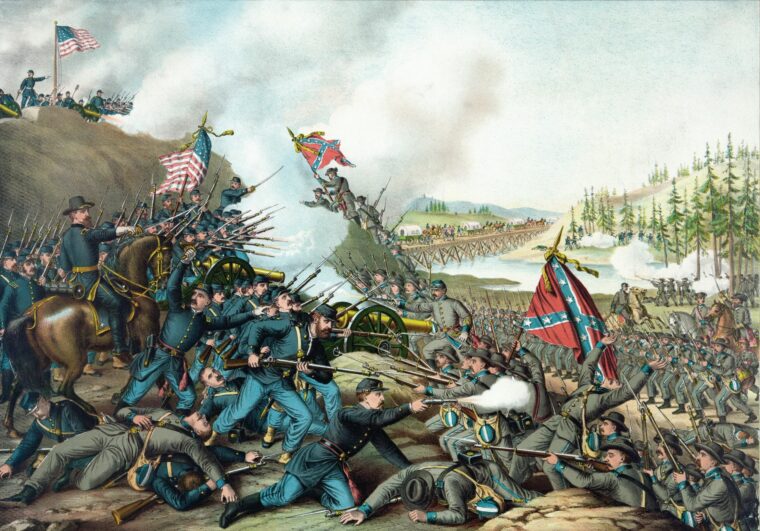
The Battle of Franklin is depicted in a chromolithograph. Hailed as the “Stonewall Jackson of the West,” Cleburne is remembered as a hard fighter, strict disciplinarian, and fearless leader who was beloved by his men.

June 2000

Military Heritage

“Picket’s Charge of the West”

By M. Foster Farley

After defeating the Confederates at Chattanooga, Union Gen. William T. Sherman, in May 1864, with an army of approximately 100,000 men, and using the Western and Atlantic Railroad as his line of supply, began his march to Atlanta. Read more

June 2000

Military Heritage

‘So They Are NOT Against Us’

By Colonel Bernd Horn, Canadian Army (ret.)

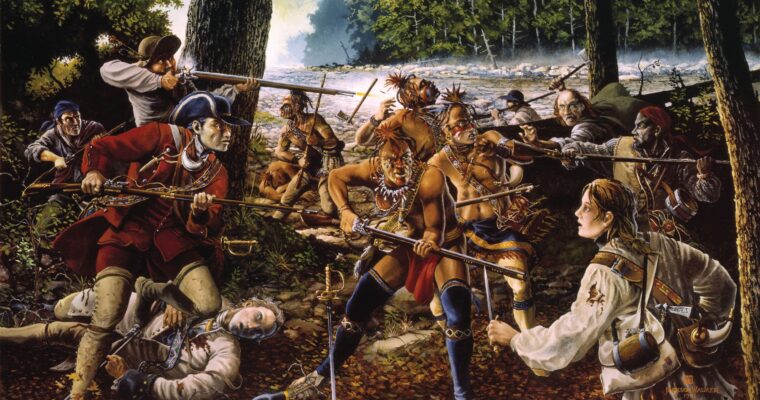
The mid-afternoon stillness of the Pennsylvania wilderness was suddenly shattered by a crashing volley of musket fire. Read more

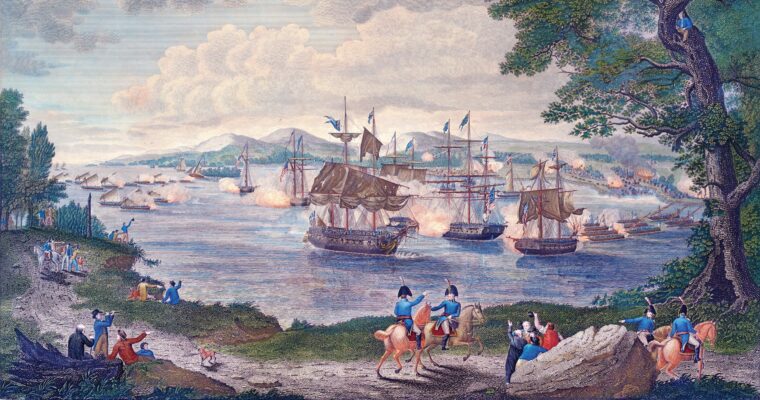
This 1816 engraving by Benjamin Tanner after Hugh Reinagle of Master Commandant Thomas Macdonough’s victory on Lake Champlain lays out the tactical geometry of the bloody, point-blank grapple on September 11, 1814. To nullify the Royal Navy’s overwhelming long-range firepower, Macdonough anchored his ships in a rigid, north-to-south defensive line across the bay, forcing the British to round Cumberland Head into a headwind, allowing the American guns to rake them before they could form their line of battle. The American line included: 1-Saratoga, Macdonough’s 26-gun flagship; 2-Eagle, a 20-gun brig; 3-Ticonderoga, a converted merchant steamer; 4-Preble, a 7-gun sloop; 5-American galleys, fast-rowing gunboats interspersed throughout the defensive line to fill gaps and repel boarding parties. The British Squadron included: 9-Confiance, 37-gun British flagship; 10-Linnet, 16-gun brig; 11-Chubb, captured former American sloop (Growler); 12-Finch, re-captured American sloop (Eagle); 13-British galleys.

June 2000

Military Heritage

The Savior of Cumberland Bay

By Chuck Lyons

Four British warships and a dozen gunboats entered the northern end of Lake Champlain in September 1814, sailing down to the generally peaceful Cumberland Bay, where they clashed with American vessels under the command of 30-year-old Master Commandant Thomas Macdonough. Read more