By Kevin Seabrooke
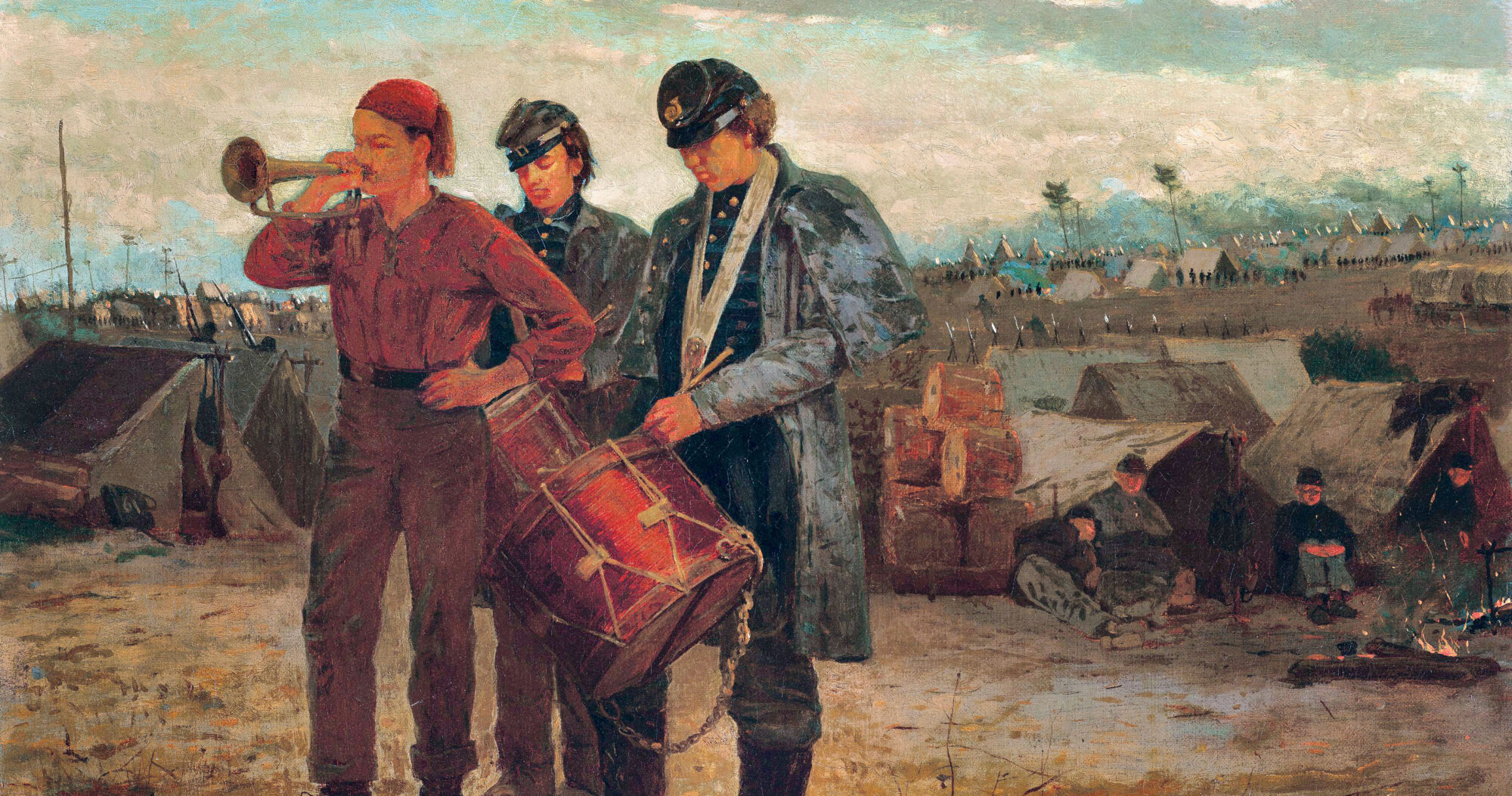
Confederate Private Edwin Francis Jemison sits resolutely, arms resting in his lap, his uniform jacket buttoned neatly to the collar, and his kepi perched squarely on his head. But the uniform cannot hide that he is a boy playing a man’s deadly game. Jemison enlisted in the Confederate Army in 1861 at the age of 16 and served in the 2nd Louisiana Regiment under General J.B. Magruder during the Peninsula Campaign. In July 1862, amidst the devastating artillery barrages of the Battle of Malvern Hill, the young private was killed in action.
That photograph of Jemison remains one of the most iconic and haunting portraits of the American Civil War. But he was far from an anomaly. Between 1861 and 1865, the ranks of the Union and Confederate armies were filled with boys too young to shave, whose voices had not yet deepened. It is estimated that between 100,000 and 250,000 young men under 21—perhaps as high as 420,000 by some historical estimates—served in the conflict. These figures represented anywhere from 10 to 20 percent of all Union and Confederate forces combined. Boys under 18 constituted roughly 1.5–5 percent of both armies.
Discussions of “valor” typically focus on seasoned veterans leading desperate charges or holding the line against impossible odds. But it could easily be argued that for a child to simply step onto a 19th-century battlefield—a nightmarish landscape of deafening cannons, blinding black-powder smoke, and shattered bodies—was an inherently brave act in itself.
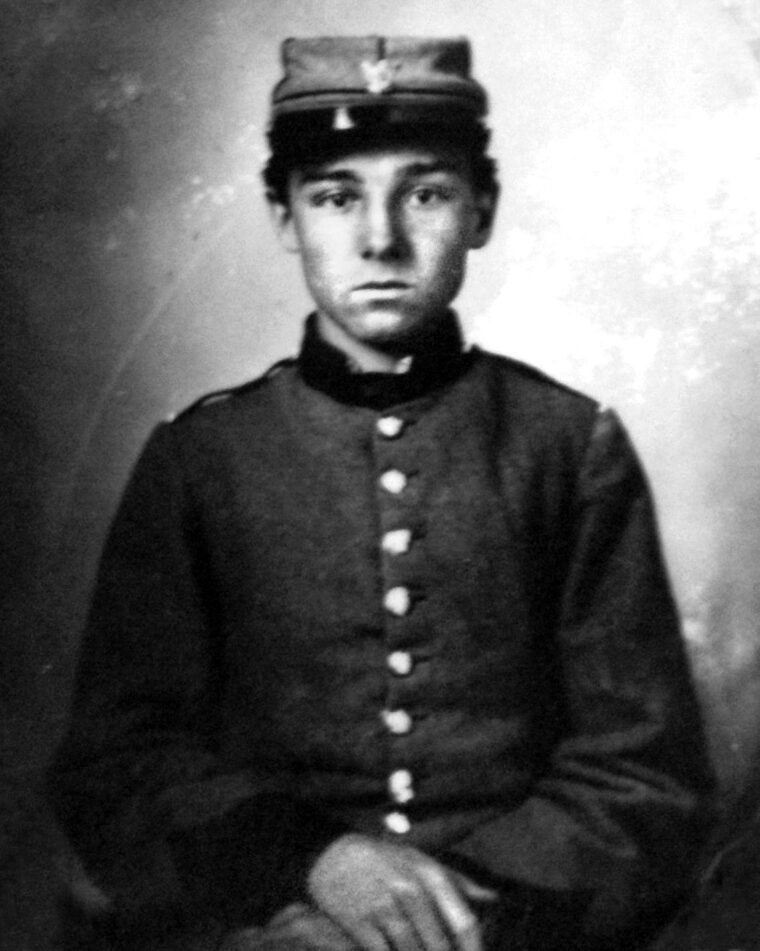
Underscoring that youthful courage, the youngest person in U.S. history to receive the nation’s highest award for military valor, the Medal of Honor, was barely a teenager.
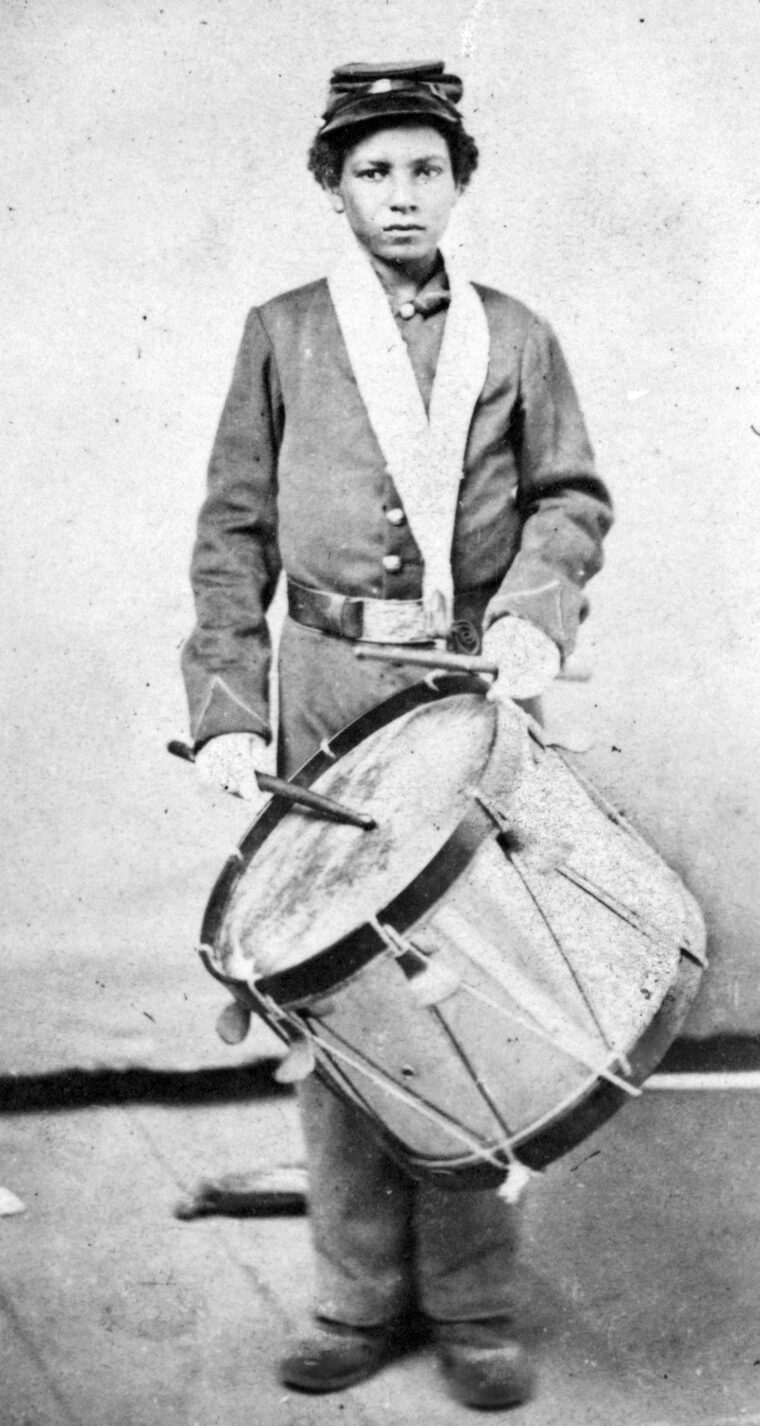
When his father enlisted in the Union Army from Vermont in 1861, 11-year-old Willie Johnston begged to join him. In a testament to the loose regulations of the time, the commanding officer agreed. Johnston was officially mustered into the ranks, joining the other Army musicians in Company D of the 3rd Vermont Volunteer Infantry Regiment.
Johnston’s defining moment of valor came the following summer, during the Seven Days Battles (June 25–July 1, 1862). These engagements were part of Union Maj. Gen. George B. McClellan’s Peninsula Campaign, an ambitious attempt by the Army of the Potomac to capture the Confederate capital of Richmond, Virginia. Instead, the Union forces met the aggressive counterattacks of Confederate Gen. Robert E. Lee, whose troops drove McClellan’s men back, forcing a chaotic and grueling retreat down the Virginia Peninsula.
The conditions of the retreat were a nightmare of mud, exhaustion, and constant enemy harassment. As the Union soldiers fled to safety, discipline eroded. Many men dropped their heavy rifled muskets, knapsacks, and other equipment to lighten their loads. The adult musicians were not immune to the panic; most of them abandoned their bulky instruments along the road.
When the 3rd Vermont finally reached the safety of Harrison’s Landing, the exhausted troops began to regroup. It was then discovered that Johnston was the only drummer in his entire division who still had his drum. Recognizing the boy’s dedication to his duty amidst the panic of grown men, commanders asked him to play his drum for the entire division as they reformed their lines.
Word of the boy’s steadfastness reached the highest levels of the government. President Abraham Lincoln, deeply moved by Johnston’s bravery, recommended him for a newly created Medal of Honor. On September 16, 1863, Johnston was presented with the medal by Secretary of War Edwin Stanton.
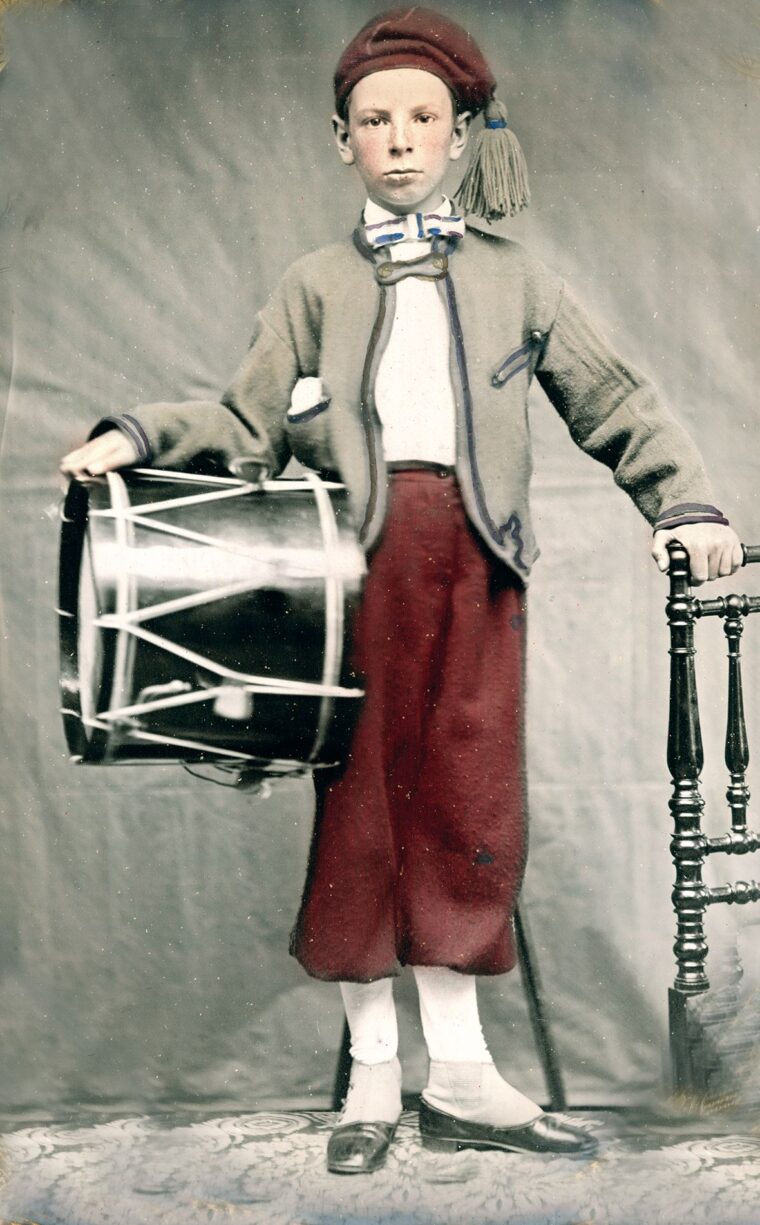
At just 13, he remains the youngest Medal of Honor recipient.
Johnston’s extraordinary service was the unintended consequence of an unprecedented national mobilization. The massive recruitment drive that ultimately pulled thousands of children into the ranks began at the very outbreak of the war. The day after Federal soldiers evacuated the surrendered installation of Fort Sumter in South Carolina, President Lincoln issued his April 15, 1861, proclamation calling for 75,000 volunteers.
Secretary of War Simon Cameron subsequently sent a communiqué to state governors designating the number of regiments they would be expected to field. The bulk of them were to come from the states of New York (17), Pennsylvania (16), and Ohio (13). Virginia was asked for three, while New Jersey, Maryland, Kentucky, and Missouri were asked for four apiece. Illinois and Indiana were to field six each. The quota for the states of Maine, New Hampshire, Vermont, Rhode Island, Connecticut, Delaware, Arkansas, Michigan, Wisconsin, Iowa, and Minnesota was one regiment each. At the time, the states of Virginia, Arkansas, North Carolina, and Tennessee had not yet seceded, and it was Lincoln’s call that directly prompted them to leave the Union.
Officially, the minimum enlistment age for both armies was 18-20 with parental permission—though Congress would eliminate that requirement in February 1862. Cameron’s message specifically stated mustering officers would not receive any “man under the rank of commissioned officer who is apparently over 45 or under 18 years, or who is not in physical strength and vigor.” However, the sheer scale of the Civil War required an insatiable intake of manpower. As casualties mounted and desperation set in, recruiters on both sides of the Mason-Dixon Line frequently found reasons to look the other way.
To bypass the legal age restrictions, many underage boys employed a clever, albeit thin, technicality. A boy would write the number “18” on a small scrap of paper and slip it inside the sole of his shoe. When standing before the recruiting officer, he could then raise his right hand and swear truthfully before God that he was “over 18.”
Others lied outright, their youthful appearances passing for older teenagers in an era where birth certificates and official identification were practically nonexistent. Still others bypassed the recruiters entirely. A common tactic was for a boy to attach himself to a passing regiment as an unofficial mascot or helper. He would march with the men, endure the camp conditions, and prove his worth until sympathetic officers handed him a uniform and musket, absorbing him quietly into the official ranks.
They were driven by the same motivations as the adult men around them: fervent patriotism, a thirst for adventure, the promise of a regular wage, or the desire to escape the crushing boredom of agrarian farm life.
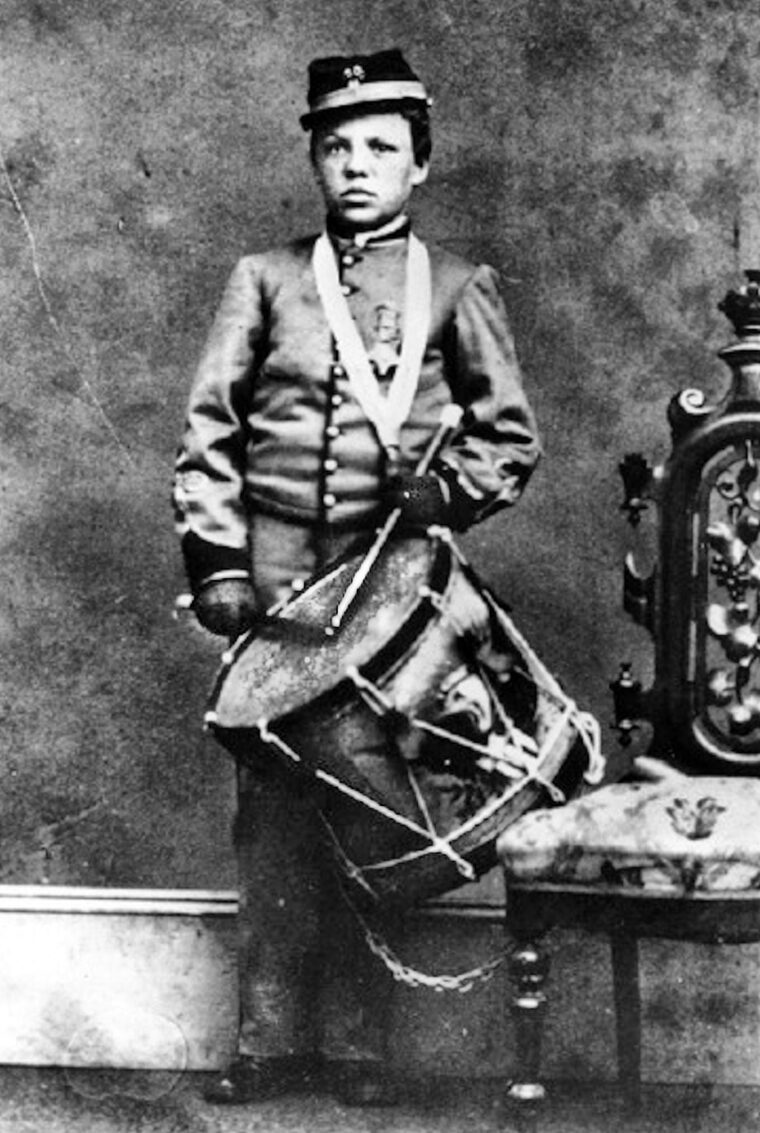
While popular history often remembers children in the Civil War exclusively as drummer boys safely tucked behind the lines, the reality was starkly different. Their roles were remarkably varied, and practically all of them placed these children directly in the line of enemy fire.
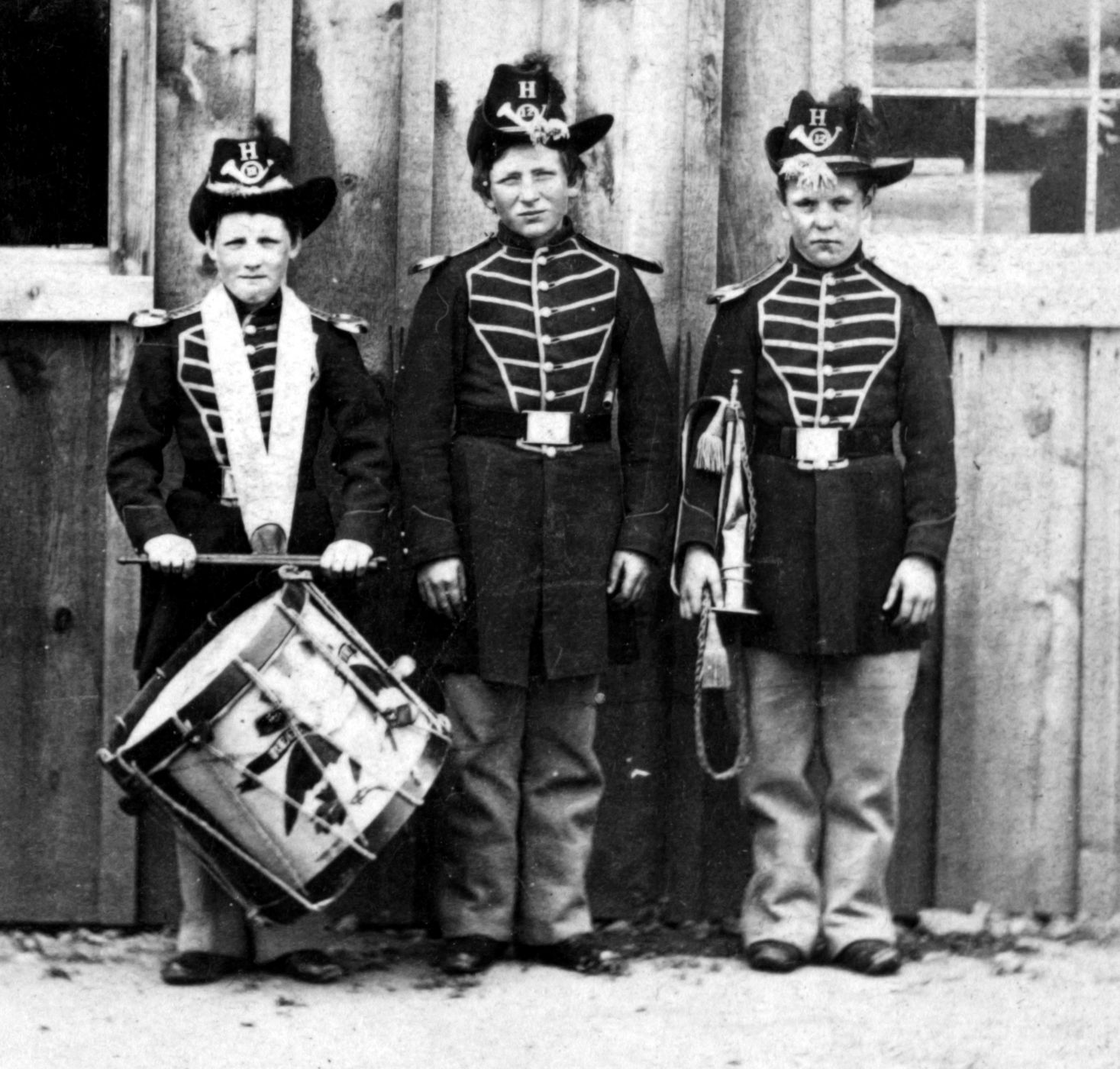
From as early as the 13th century, through the 19th century, the role of a military musician was not ceremonial; it was tactical. Amidst the deafening roar of artillery and the thick, blinding smoke of black powder, verbal commands were useless. Drums, fifes, and bugles became the primary method of communicating critical orders to the infantry. Because they needed to be near the unit commanders to relay these orders, drummers and buglers stood squarely in the line of fire, exposing them to the same artillery and rifle barrages as regular infantrymen. Some of these musicians were astonishingly young. At just eight years old, Edward Black is widely considered the youngest recorded soldier of the war, enlisting in the 21st Indiana Infantry as a drummer boy in 1861. It was around this time that the bugle largely replaced the drum, which was drowned out by sustained artillery and musketry fire. Field drummers were routinely assigned as stretcher-bearers, runners, and surgical assistants during active engagements.
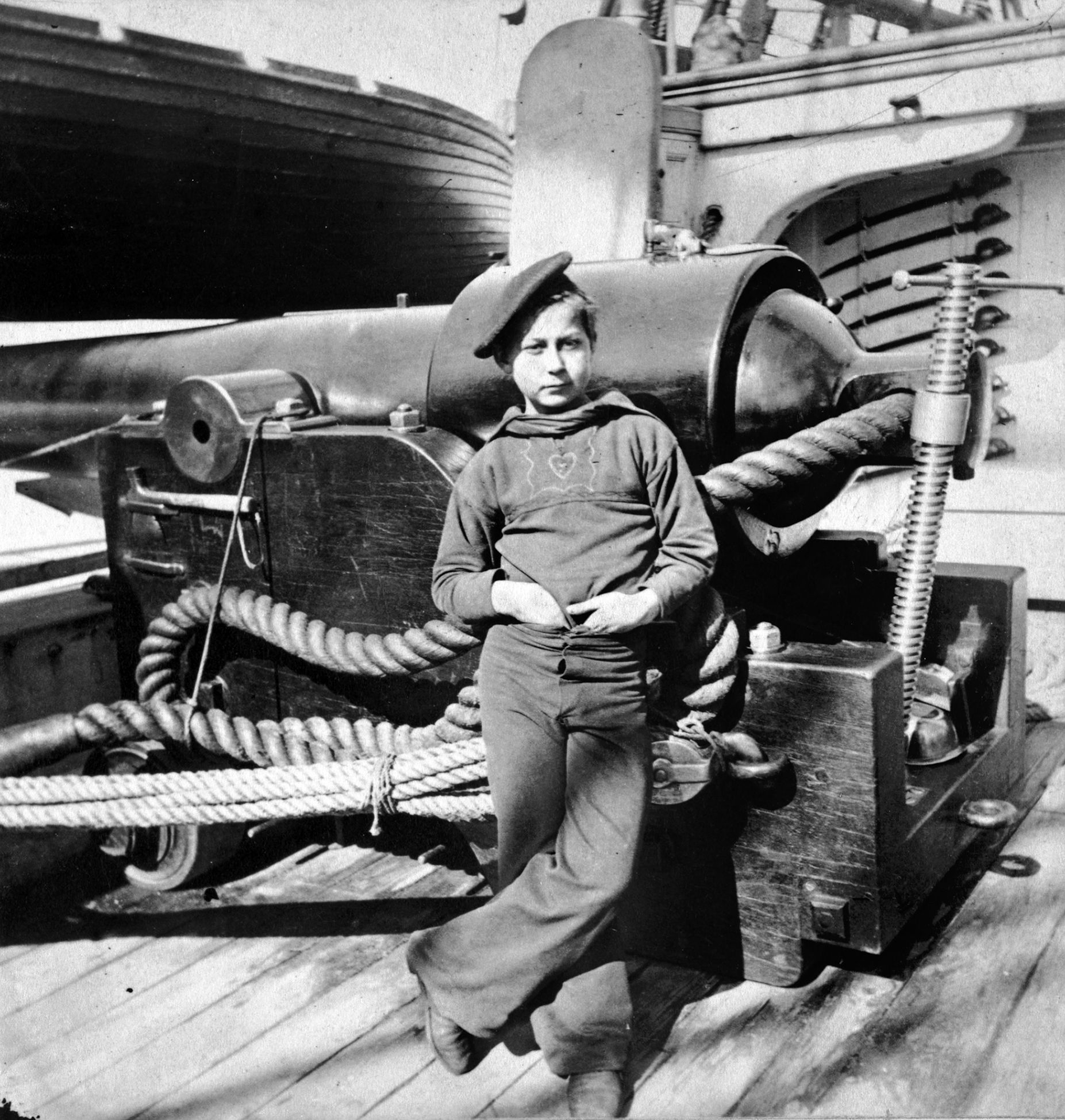
In both the Union and Confederate navies, small boys between 10 and 16 were frequently assigned the dangerous role of “powder monkeys.” Navigating the cramped, chaotic, and smoke-filled spaces, they carried heavy leather sacks of highly volatile gunpowder from the ship’s magazines below decks directly to the artillery crews operating the cannons.
The bravery required to perform this duty while the ship was being pounded by enemy shells was immense. During the Battle of Forts Jackson and St. Philip in 1862, two naval powder monkeys, Oscar Peck (age 16–17) and George Hollat (age 13–14), were serving aboard the USS Varuna. As the damaged ship sank, the two boys remained at their posts, continuing to run powder and fire naval artillery at point-blank range into the enemy vessels. Both teenagers, who survived the war and lived well into adulthood, were awarded the Medal of Honor for their courage under fire.
The harsh reality is that thousands of underage boys abandoned their drums, or bypassed the musician roles entirely, to fight directly in the ranks. As the war progressed and manpower shortages grew severe, older teenagers routinely enlisted as frontline riflemen, cavalry troopers, and artillerymen. They carried the same heavy packs, marched the same grueling miles, executed identical tactical formations, and faced the same combat conditions as adult men twice their age.
This exposure led to tragic distinctions. Charles King, who enlisted in the 49th Pennsylvania Volunteer Infantry at the age of 12 years and 5 months, is historically recognized as the youngest documented combat casualty of the war. He was 13 when he was mortally wounded in the chest during the Battle of Antietam in September 1862.
Boys too small to hold a nine-pound musket often served in vital support roles. They acted as hospital orderlies in gruesome field tents, camp cooks, frontline messengers, teamsters handling supply wagons, and assistants to officers.
Despite their youth, child soldiers were rarely, if ever, spared the harsh realities of military life. The concept of “childhood” as a protected class did not exist in the heat of battle.
The reality of service was highly lethal, and enemy bullets were only one of the threats. Far more underage soldiers died from camp diseases—such as dysentery, typhoid fever, and measles—than from battlefield injuries. The unsanitary conditions of massive military encampments ravaged the underdeveloped immune systems of young boys.
Furthermore, youth offered no protection upon surrender. Underage soldiers captured by enemy forces were sent to standard prisoner-of-war camps. Boys captured by the Confederacy found themselves starving in the notorious open-air pens of Andersonville, enduring the same disease, exposure, and brutality as the oldest veterans.
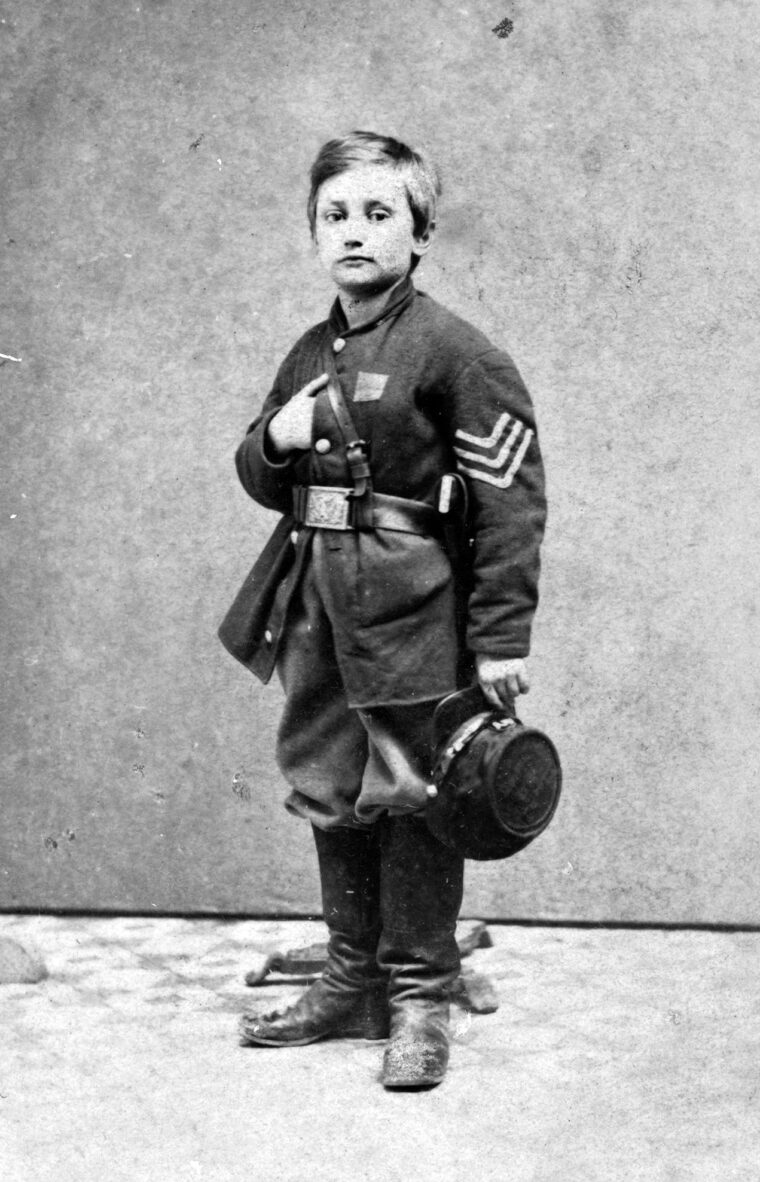
Of all the youths who took up arms, perhaps none captured the public’s imagination quite like John Joseph Klem, who reached almost legendary status.
Clem, who later changed his middle name to Lincoln and altered the spelling of his last name, has a life story that sounds like pulp fiction, yet it is rooted in historical fact. At the age of nine, Clem ran away from Newark, Ohio, determined to join the Union Army. After being rejected by several regiments due to his youth and small size, he stubbornly tagged along with the 22nd Michigan Infantry. The men of the regiment eventually adopted him as their mascot and unofficial drummer boy, chipping in to pay his monthly salary of $13 out of their own pockets until he was finally allowed to officially enlist.
Nicknamed “Johnny Shiloh” by the press (though his actual presence at the Battle of Shiloh remains a subject of historical debate), Clem’s defining moment of valor occurred in September 1863 at the Battle of Chickamauga.
Clem, now 12 and armed with a sawed-off musket, found himself cut off during the chaotic Union retreat. When a mounted Confederate colonel rode down on the boy, shouting at him to surrender, Clem shot him and made his escape.
For his actions at Chickamauga, the boy was promoted to the rank of sergeant by Maj. Gen. George H. Thomas, becoming the youngest non-commissioned officer in the history of the U.S. Army. He was later captured by Confederate cavalry and held as a prisoner of war for two months before being exchanged.
Unlike most child soldiers who returned to civilian life after the war’s conclusion, Clem made the military his lifelong career. He was appointed a second lieutenant by President Ulysses S. Grant in 1871 and served with distinction for decades.
When he finally retired in 1915 at the rank of brigadier general (he was promoted to major general the following year), Clem held the unique distinction of being the last veteran of the Civil War actively serving in the U.S. Armed Forces.
It is easy to become overwhelmed by the sheer scale of the Civil War—the grand maneuvers of Lee and Grant, the staggering casualty counts, the sweeping political consequences. But a closer look at the tintypes and glass-plate negatives of the era shows the faces of children staring back. Whether they were eight-year-old drummers relaying orders through a storm of lead, 11-year-olds clinging to their duty during a chaotic retreat, teenage powder monkeys feeding the guns on sinking ships, or 16-year-old infantrymen falling in the tall grass of Malvern Hill, these youths redefined the concept of bravery.
As weapons and ammunition became more lethal in the industrial age, they allowed for catastrophic damage to multiple human bodies in an instant, bringing death and injury on a scale never seen before. What was also different about the Civil War was that it was the world’s first major conflict to be documented and photographed on such a large scale, essentially spawning the age of modern photojournalism led by men such as Mathew Brady and Alexander Gardner.
The Civil War was not even the first time young boys went to war in North America. They participated in the French and Indian War and during the Revolutionary War, stepping into combat roles that demanded adult endurance long before the nation itself had come of age.
Fisk Durand was only 10 years old when his Revolutionary War service began. Born in Milford, Connecticut, on June 26, 1766, Durand enlisted in a Connecticut Continental regiment in 1776 alongside his 16-year-old brother, William. Serving as a drummer boy, the young recruit spent a total of 30 months bound to strict military discipline across multiple enlistments, maintaining cadence and camp routine through several of the war’s most uncertain years.
When 15-year-old Joseph Plumb Martin learned of the Battles of Lexington and Concord in 1775, he was eager to join the fight. His grandparents initially refused, relenting only after the headstrong youth threatened to run off and sign aboard an American privateer. Martin joined the Connecticut state militia in June 1776, deploying to the defense of New York City under Gen. George Washington just ahead of the British landing on Long Island. After completing his initial six-month tour, he returned home just prior to Trenton and Princeton, but found civilian life intolerable. On April 22, 1777, the 16-year-old enlisted in the Continental Army for the duration of the war, joining the 8th Connecticut Regiment in General James Varnum’s brigade.
Martin became one of the war’s most enduring chroniclers, participating in major actions at Brooklyn, White Plains, the harrowing siege of Fort Mifflin, and Monmouth, while surviving the privations of Valley Forge. Rising to corporal in the Light Infantry and later sergeant in Washington’s newly created Corps of Sappers and Miners, Martin helped dig the vital approach entrenchments under fire at Yorktown and stood witness to the execution of British spy Major John André. His vivid postwar memoir remains one of the finest accounts of combat from the perspective of an enlisted Continental soldier.
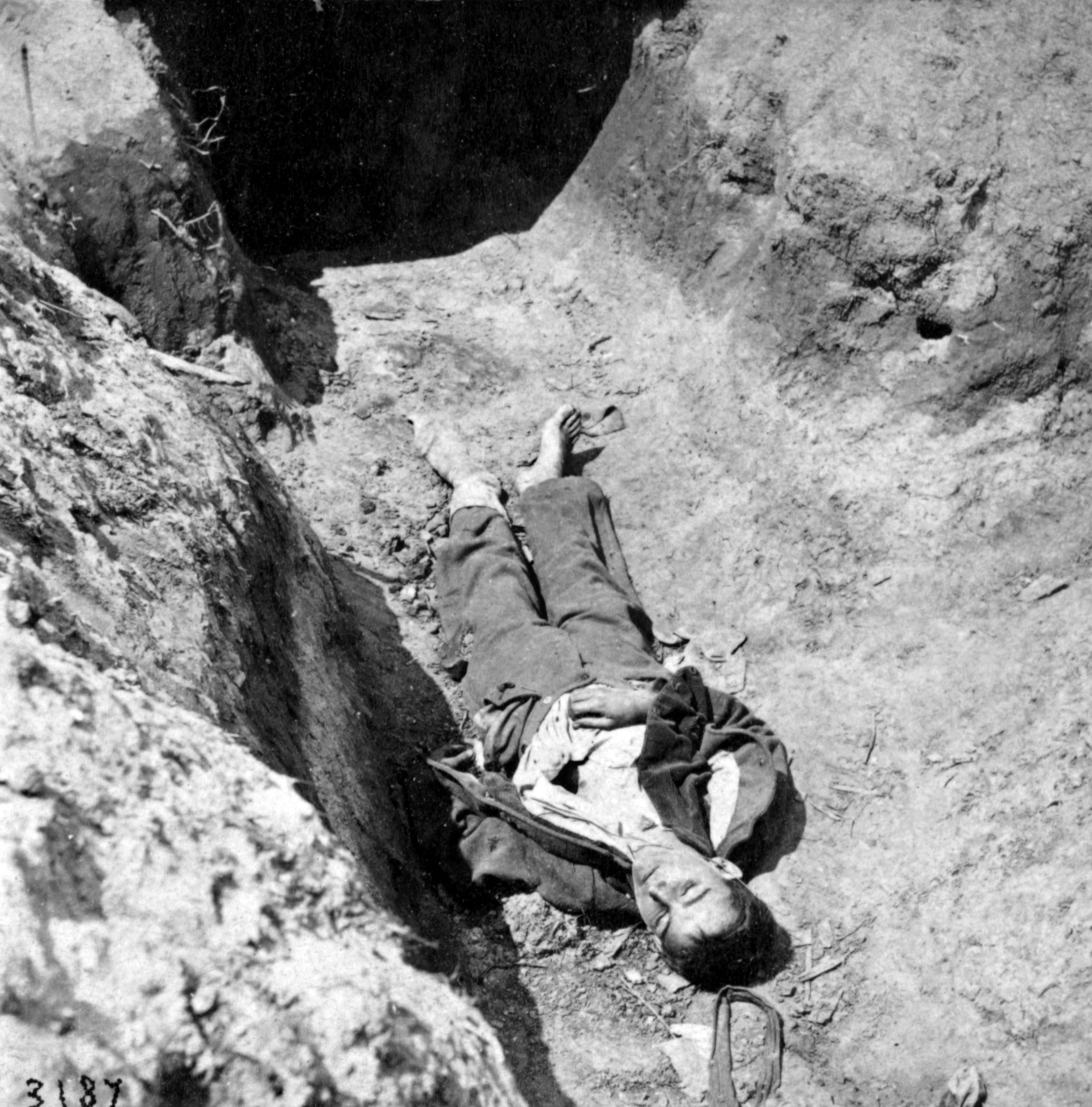
South of Virginia, 13-year-old Andrew Jackson entered the war as a courier in the Carolina backcountry. The conflict had already taken a personal toll: his eldest brother, Hugh, died of heat exhaustion following the Battle of Stono Ferry in 1779. After the brutal Waxhaws massacre in May 1780 inflamed local resistance, Jackson and his brother Robert joined the local Patriot militia, riding through partisan-held territory and witnessing combat at the Battle of Hanging Rock.
In April 1781, British troops captured the two brothers at a relative’s home. When a British officer imperiously ordered the 14-year-old Jackson to clean his boots, the boy refused. The officer slashed him with his sword, leaving permanent scars across Jackson’s head and left hand; Robert received a similar saber blow. Marched to a squalid prison camp at Camden, South Carolina, both boys contracted smallpox. Although their mother, Elizabeth, secured their release in a prisoner exchange, Robert died two days after reaching home. Once Andrew recovered, Elizabeth traveled to Charleston Harbor to nurse American captives aboard British prison ships, where she contracted ship fever and died. Orphaned at 14—and the only future American president ever held as an enemy prisoner of war—Jackson carried a lifelong hostility toward British aristocracy and privilege.
Young boys have been present in wars as camp attendants, messengers, and even in the infantry since the time of Ancient Egypt. In Ancient Greece, boys and teens often filled the roles of skirmishers, armor-bearers or charioteers. In Sparta, boys began harsh military training at age seven. The Romans recruited boys at 16 or slightly younger, though the legal age was 17.
During the First World War, an eight-year-old Serbian boy named Momčilo Gavrić survived the massacre of his entire family by Austro-Hungarian forces. Taken in by a Serbian artillery unit, he was taught to shoot and became the youngest known soldier of the Great War, surviving horrific combat and the grueling winter retreat through Albania.
In the same conflict, a 16-year-old Royal Navy sailor named Jack Cornwell remained at his artillery post aboard HMS Chester during the Battle of Jutland. Though mortally wounded and surrounded by dead and dying shipmates, Cornwell stood by his gun waiting for orders until the battle ended, posthumously earning the Victoria Cross.
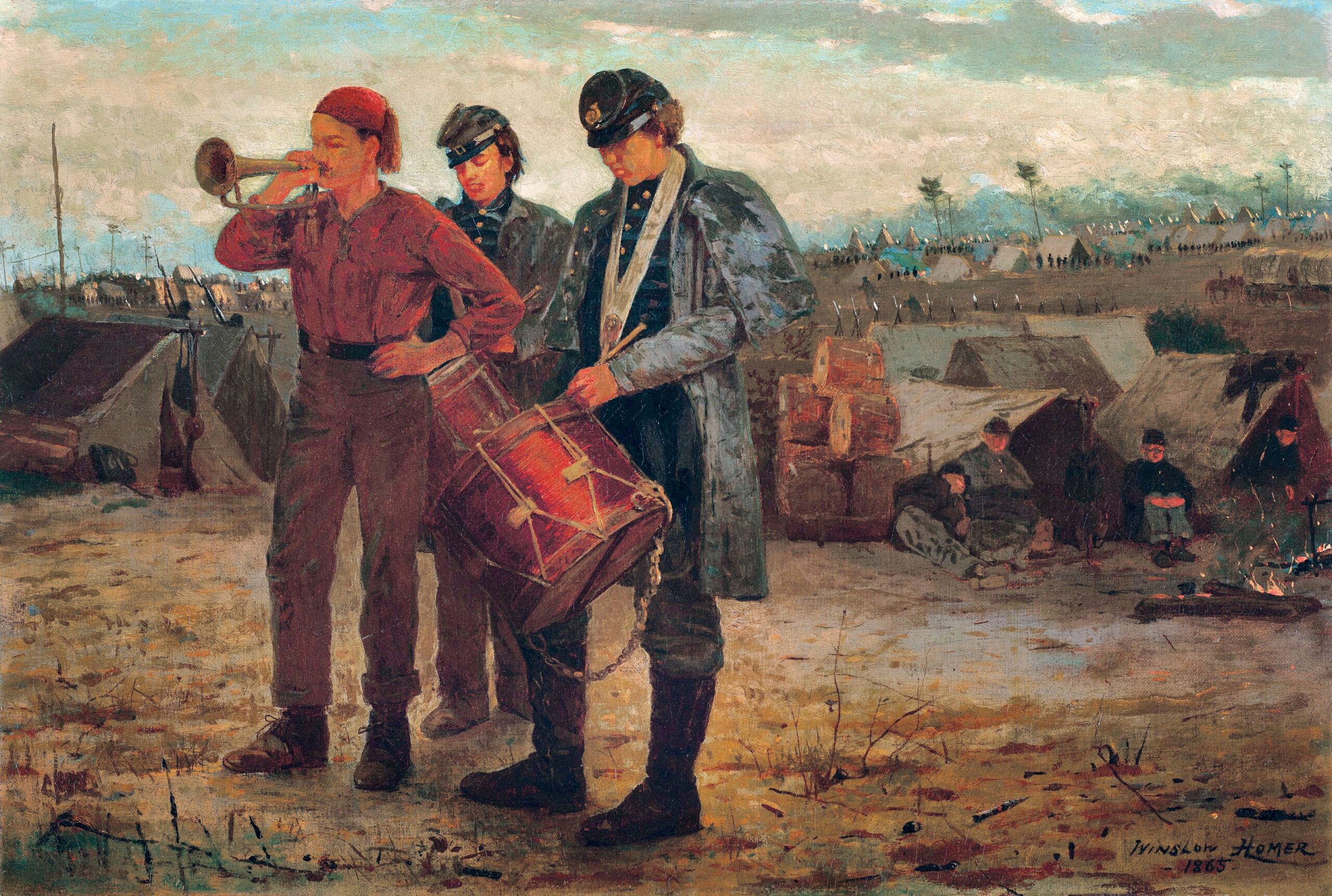
During the final, desperate days of World War II, the collapsing Nazi regime hurled thousands of indoctrinated boys from the Hitler Youth—some barely 12 years old—into the meat grinder of the Battle of Berlin, forcing them to face advancing Soviet tanks with disposable antitank rockets and misplaced fanaticism.
However, as warfare has evolved into the modern era, the narrative of the underage soldier has shifted from one of misguided patriotic valor to one of systemic, horrific exploitation.
In recent decades, the widespread proliferation of lightweight, easy-to-operate automatic weapons like the AK-47 has made children highly prized as disposable shock troops. Across modern conflict zones—particularly in Africa—militant groups and warlords have systematically abducted and weaponized hundreds of thousands of boys and girls. During the brutal civil war in Sierra Leone throughout the 1990s, the Revolutionary United Front (RUF) filled its ranks with children, often drugging them and forcing them to commit unspeakable atrocities against their own communities to sever their ties to home.
In Uganda, Joseph Kony’s Lord’s Resistance Army (LRA) notoriously sustained its decades-long insurgency almost entirely on the backs of abducted child soldiers. Similar tragedies continue to unfold in the Democratic Republic of the Congo and South Sudan, where children are used not just as frontline infantry, but as human mine detectors, spies, and suicide bombers.
The haunting photograph of Private Edwin Francis Jemison and the heroic drum of Willie Johnston show the genesis of a much larger, darker story. It is a stark reminder that while the technology and theaters of war may change, the ultimate price is inevitably paid by the innocent. Whether marching through the mud of the Virginia Peninsula in 1862 or surviving the brutal jungles of Sierra Leone in the 1990s, the true measure of a child soldier’s valor lies not in the violence they were asked to inflict, but in their endurance of a nightmare no child should ever have to witness.

Join The Conversation
Comments
View All Comments