Latest Posts
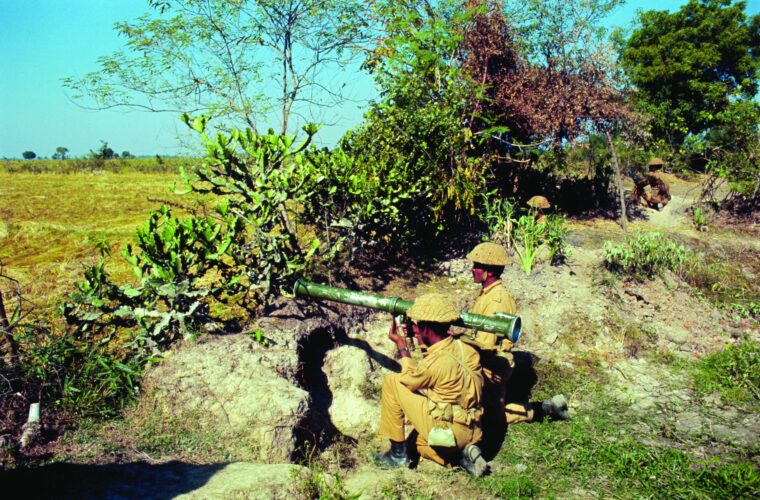
Indian Victory in Bangladesh
By William StroockAfter the British left India in 1947, abandoning the jewel in their centuries-long empire, the subcontinent was partitioned into two states, India and Pakistan. Read more

Latest Posts
After the British left India in 1947, abandoning the jewel in their centuries-long empire, the subcontinent was partitioned into two states, India and Pakistan. Read more
Latest Posts
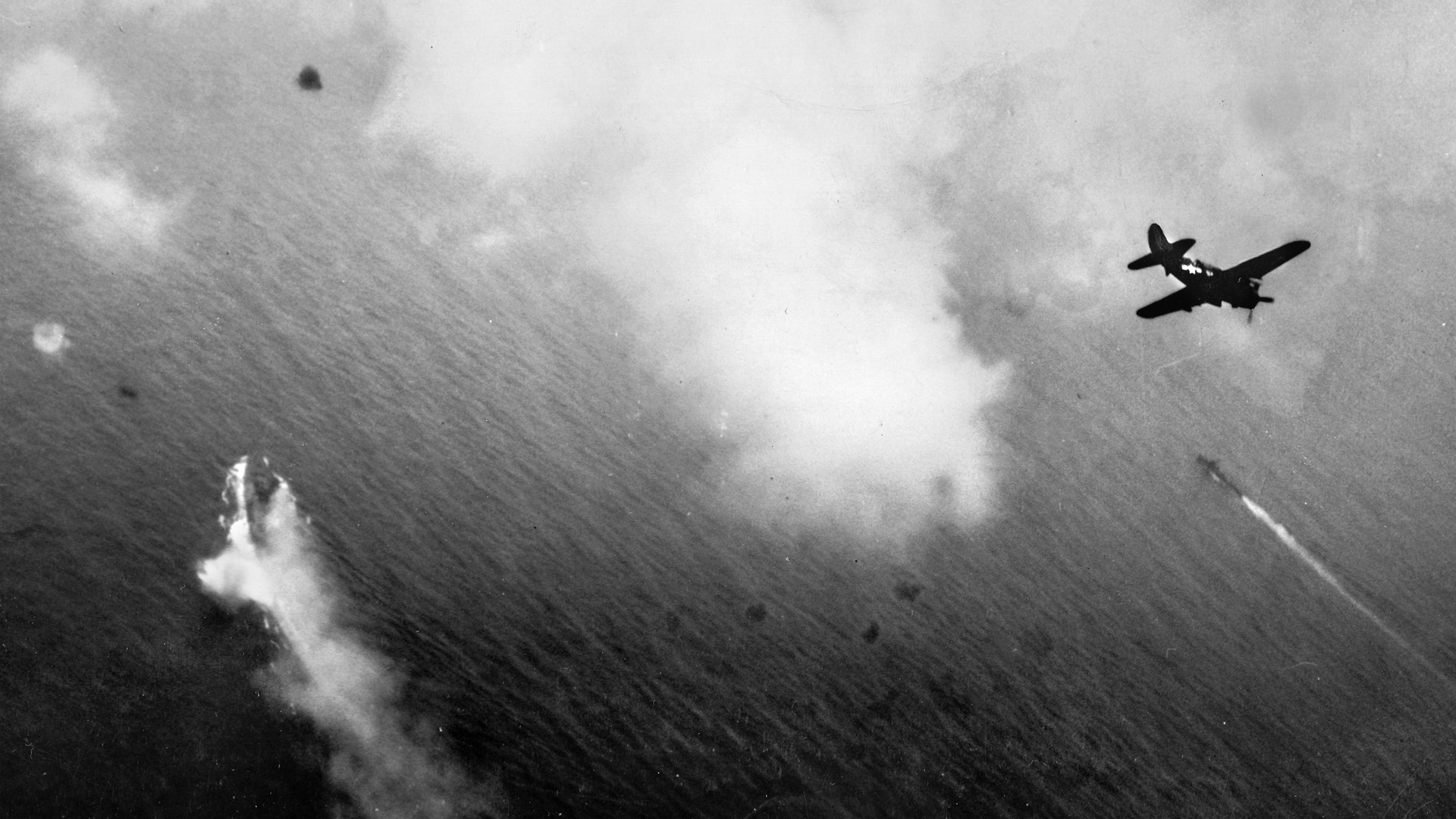
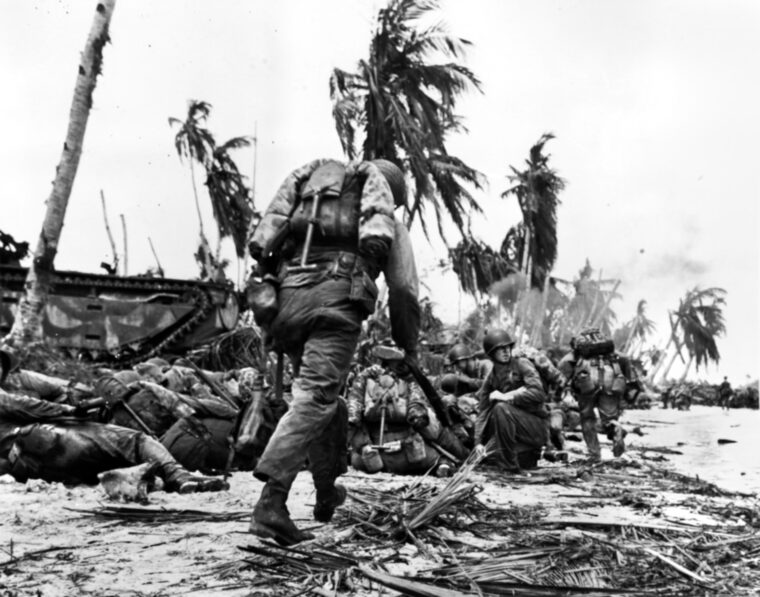
By Dick Camp (Colonel, USMC, Retired)
The war in the Pacific was a bloody, protracted struggle between the Empire of Japan and the United States and her allies. Read more
Latest Posts
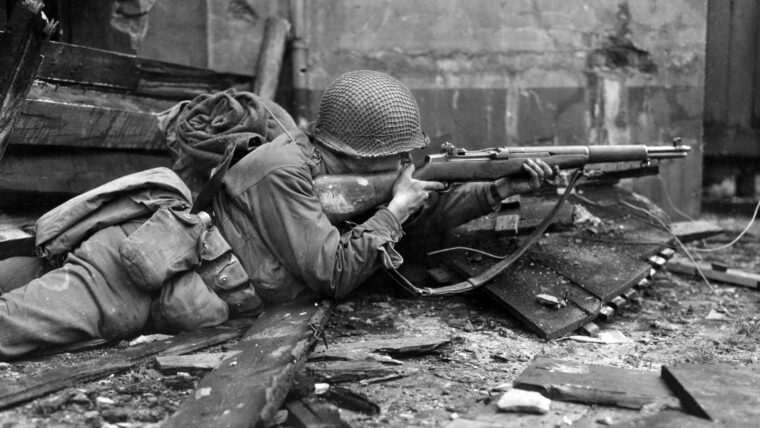
In early 1945, while the American First Army was focusing on the dams of the Roer River near the German-Belgium border and Patton’s Third Army was probing the Eifel and clearing the Saar-Moselle triangle, the First Canadian Army was about to open their offensive as part of Operation Veritable in a drive southeast up the left bank of the Rhine from the vicinity of Nijmegen. Read more
Latest Posts
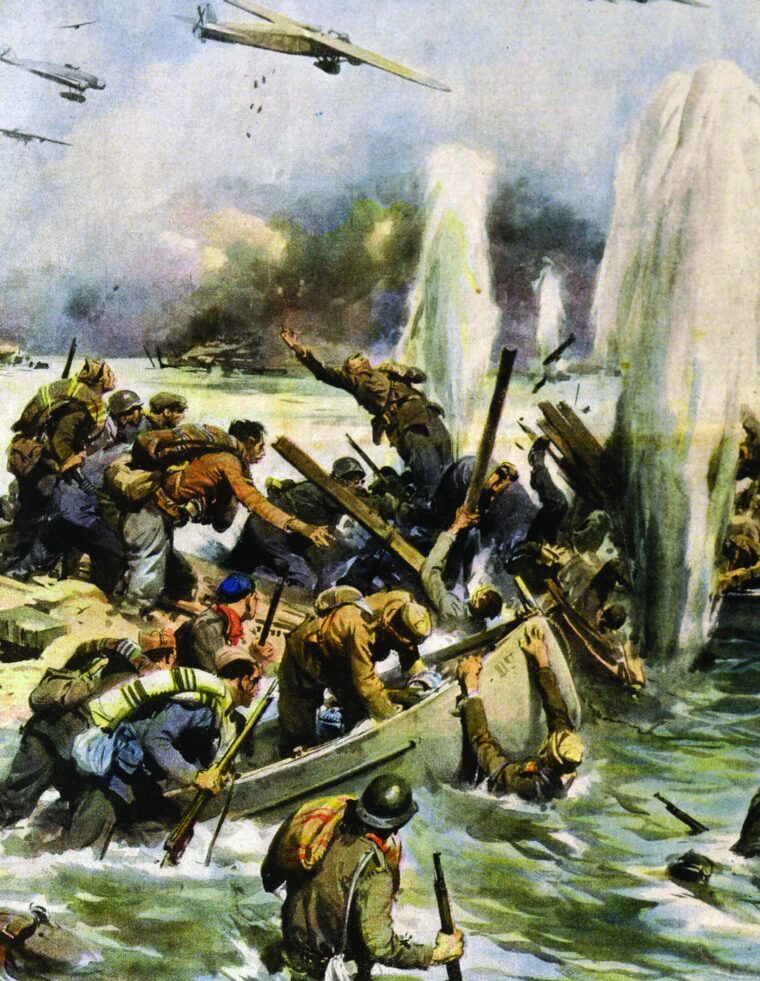
After years of social upheaval, political unrest, and violence, Spain erupted into all-out civil war on July 18, 1936, when General Francisco Franco led a junta of right-wing army officers in a revolt against the democratically elected government of the Spanish Republic. Read more
Latest Posts
By Stephen D. Lutz
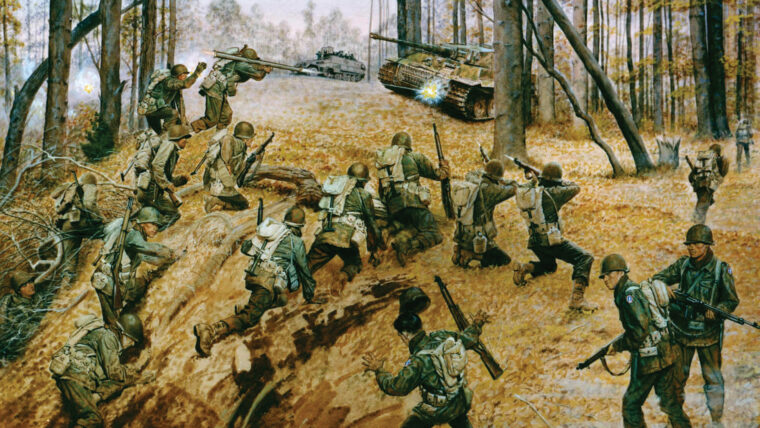
Thousands of Japanese American men demonstrated their loyalty to the U.S. by volunteering to serve in the 100th Infantry Battalion and the 442nd Infantry Regiment, to which the 100th would later be joined. Read more
Latest Posts
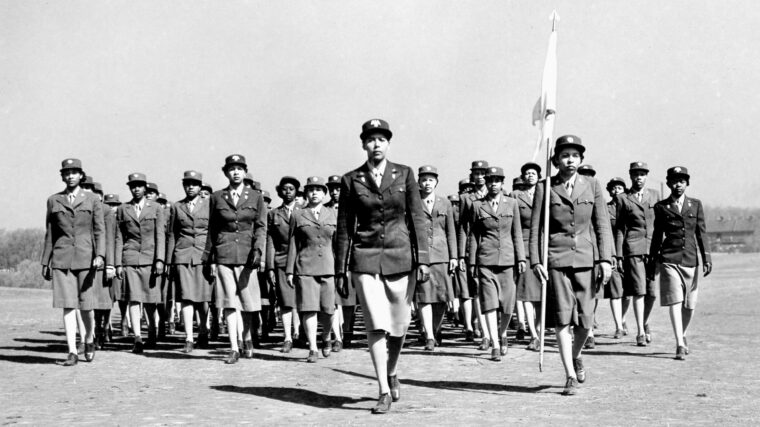
Although Private First Class (Pfc) Romay C. Johnson served in war-torn England and France during World War II, it was her tumultuous voyage across the Atlantic Ocean that she remembered most vividly. Read more
Latest Posts
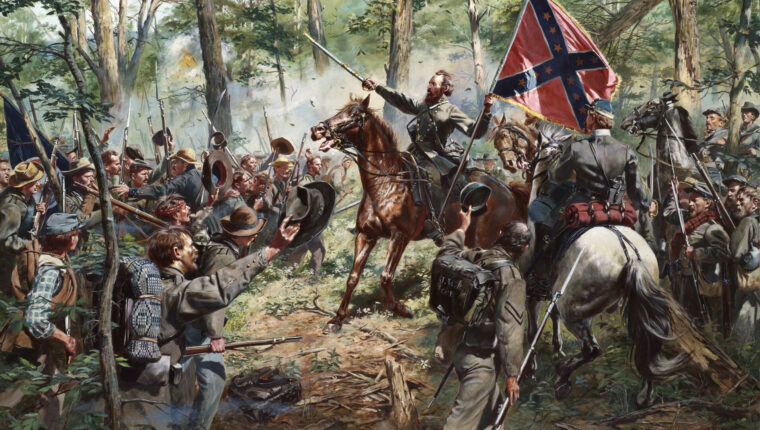
Following the completion of Union Maj. Gen. George B. McClellan’s unsuccessful Peninsula campaign earlier in the month, General Robert E. Read more
Latest Posts
By Dr. Richard Selcer
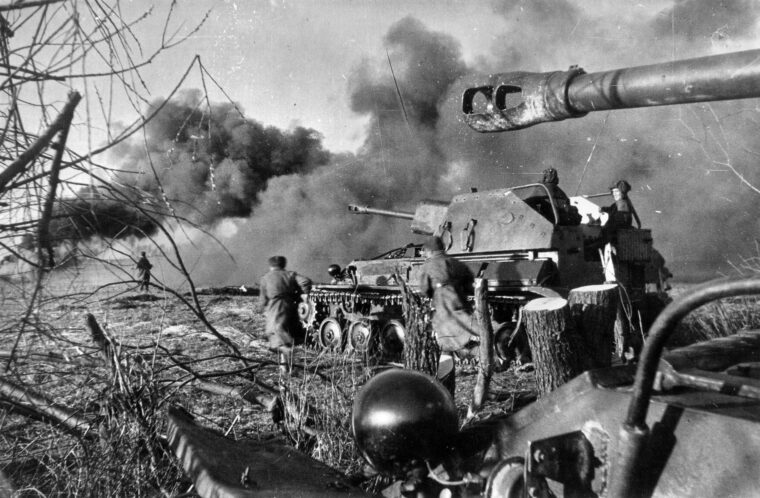
As Soviet armies threatened Berlin in February 1945, Nazi Propaganda Minister Josef Goebbels promised the German people that the capital would be defended to the last stone and the last man. Read more
Latest Posts
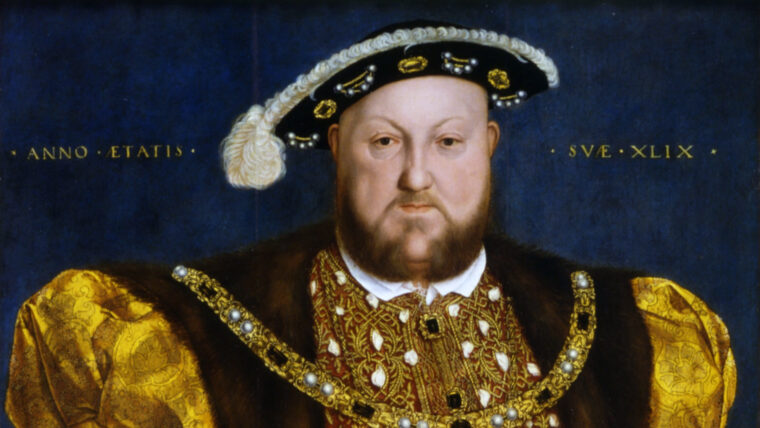
In November 1541, roughly three years before the Siege of Boulogne, King Henry VIII of England suffered one of the most severe shocks of his life when he was shown a report alleging that his plumpish 19-year-old queen, Catherine Howard, had been intimate with other men before their marriage. Read more
Latest Posts
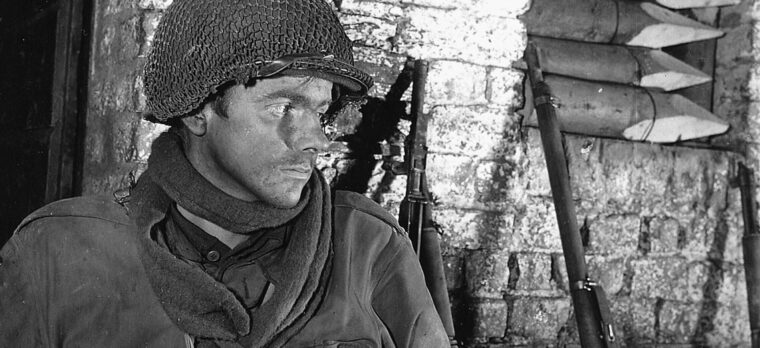
What was it like to come to grips with the enemy, to fight and survive combat? For each men, the experience was different; for many, it was almost impossible to relate to those behind the lines or an ocean away. Read more
Latest Posts
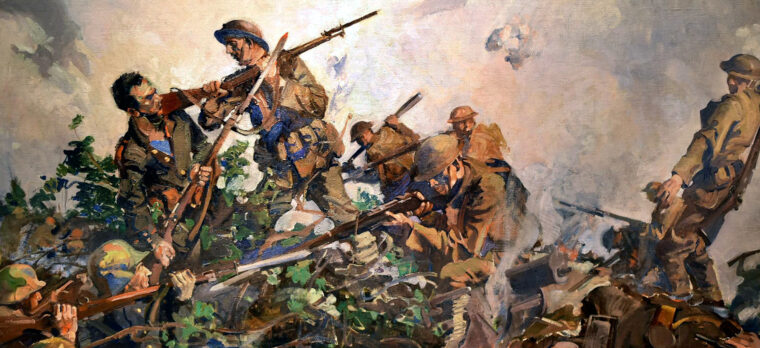
Chicago native Private John J. Kelly of the 78th Company of the 6th Marine Regiment and another soldier requested permission from First Lieutenant James M. Read more
Latest Posts
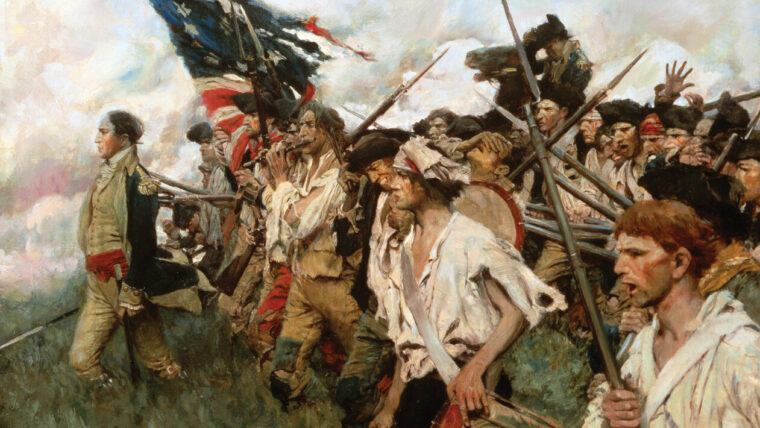
On the morning of September 11, 1777, 19-year-old Gilbert du Motier, the Marquis de Lafayette, calmly sat on his horse next to George Washington, commander in chief of America’s revolutionary forces. Read more
Latest Posts
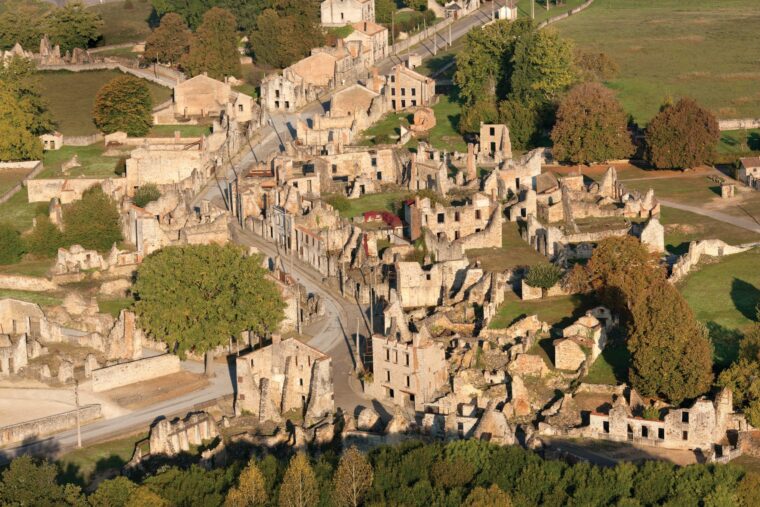
Known throughout France as the Village des Martyrs—“Village of Martyrs,”—the pillaged remains of Oradour-sur-Glane have stood nearly eight decades now as a memorial to the dead and reminder of the atrocities of war. Read more
Latest Posts
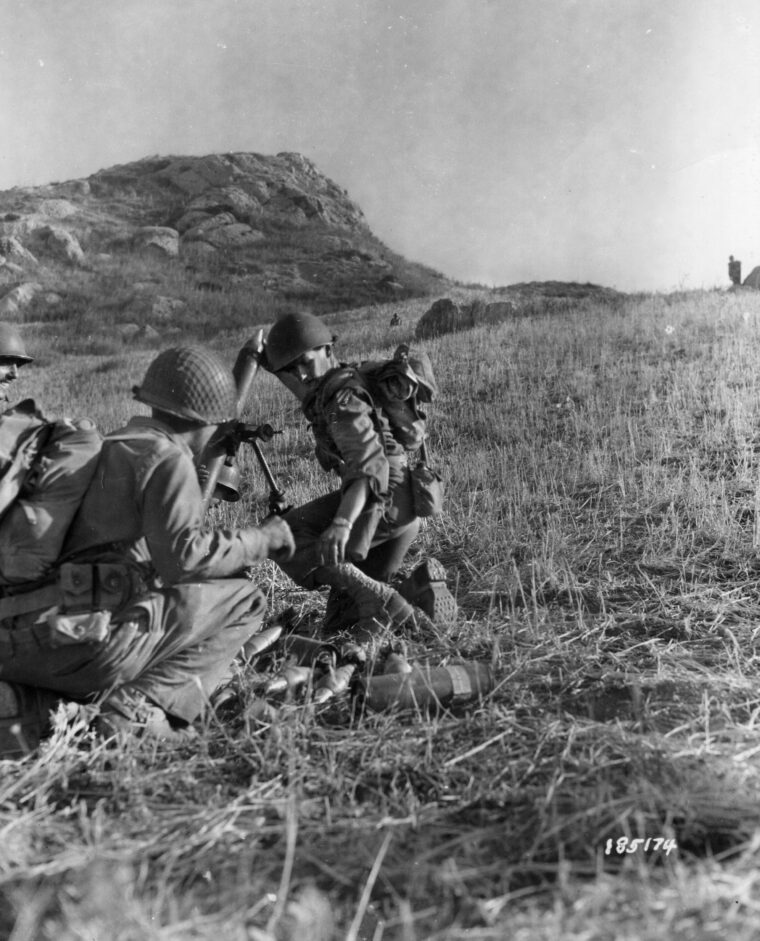
The U.S. 3rd Infantry Division has one of the longest legacies in the United States Army. Originally formed in November 1917 at Camp Greene, North Carolina, it gained a reputation for toughness. Read more
Latest Posts
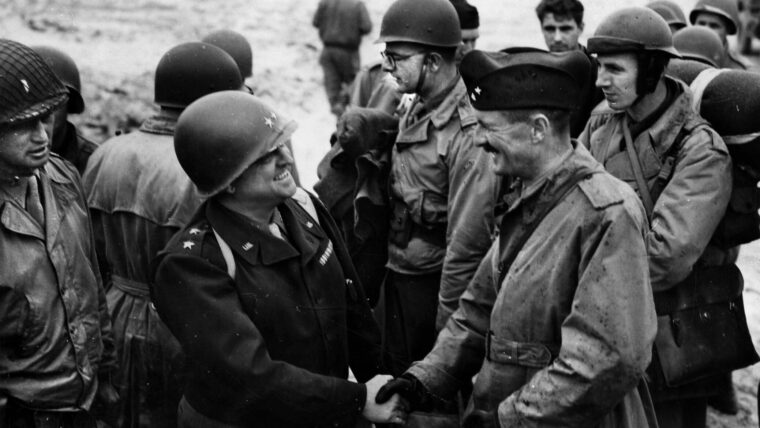
Géneral d’ Armée Jacques-Philippe Leclerc’s service to France during World War II made him one of the few heroes to be admired by the whole country. Read more
Latest Posts
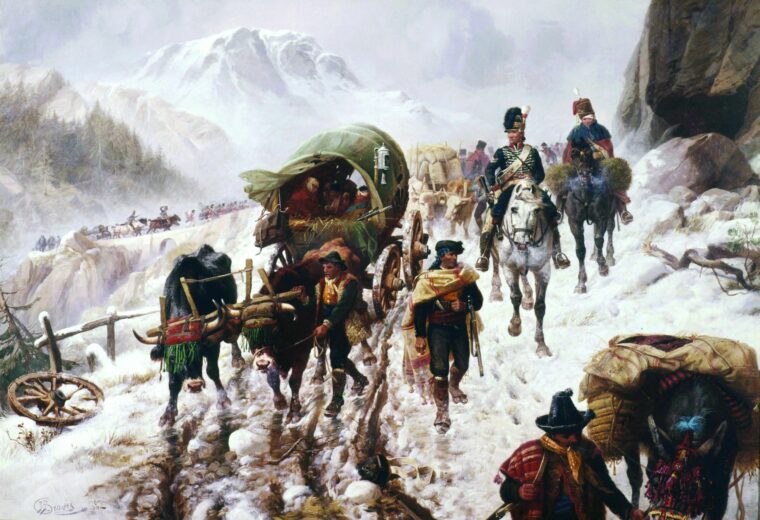
It was December 1808, and the French Army was struggling though the 4,500-foot Sierra de Guadarrama Mountains in central Spain. Read more
Latest Posts
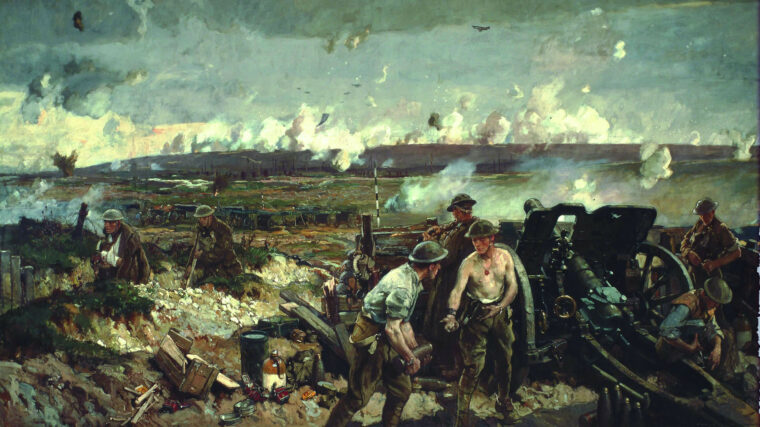
All wars give rise to change and innovation. In the early years of the 20th century, a short but nasty territorial war erupted between Russia and Japan. Read more
Latest Posts
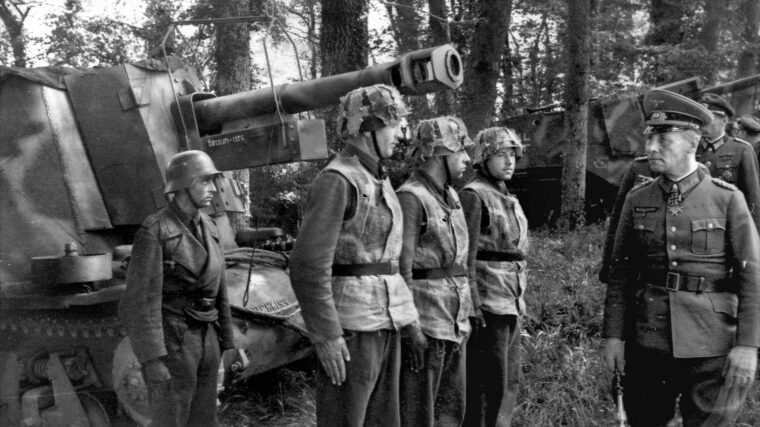
Students of World War II know the name Percy Hobart—a British general who raised and trained several armored divisions and who invented all sorts of unique and unusual weapons of war—swimming tanks, flail tanks (for exploding landmines), a flame-throwing tank, a tank that laid down its own roadway, and many other odd-but-useful devices. Read more
Latest Posts
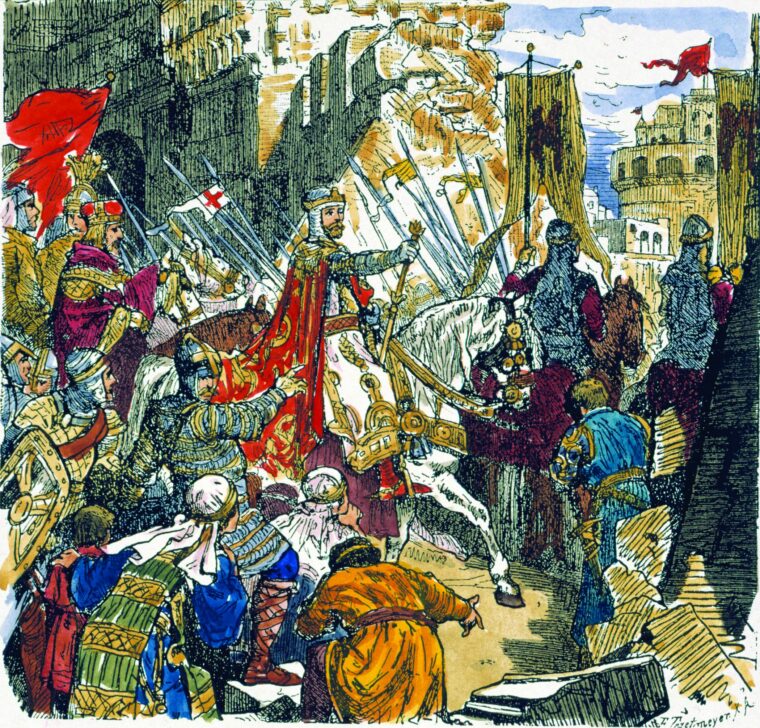
Rodrigo Diaz de Vivar, a Castilian mercenary who served Christian kings and Muslim emirs alike in late 11th-century Spain, was born in 1043 in the village of Vivar, about six miles north of the city of Burgos. Read more
Latest Posts
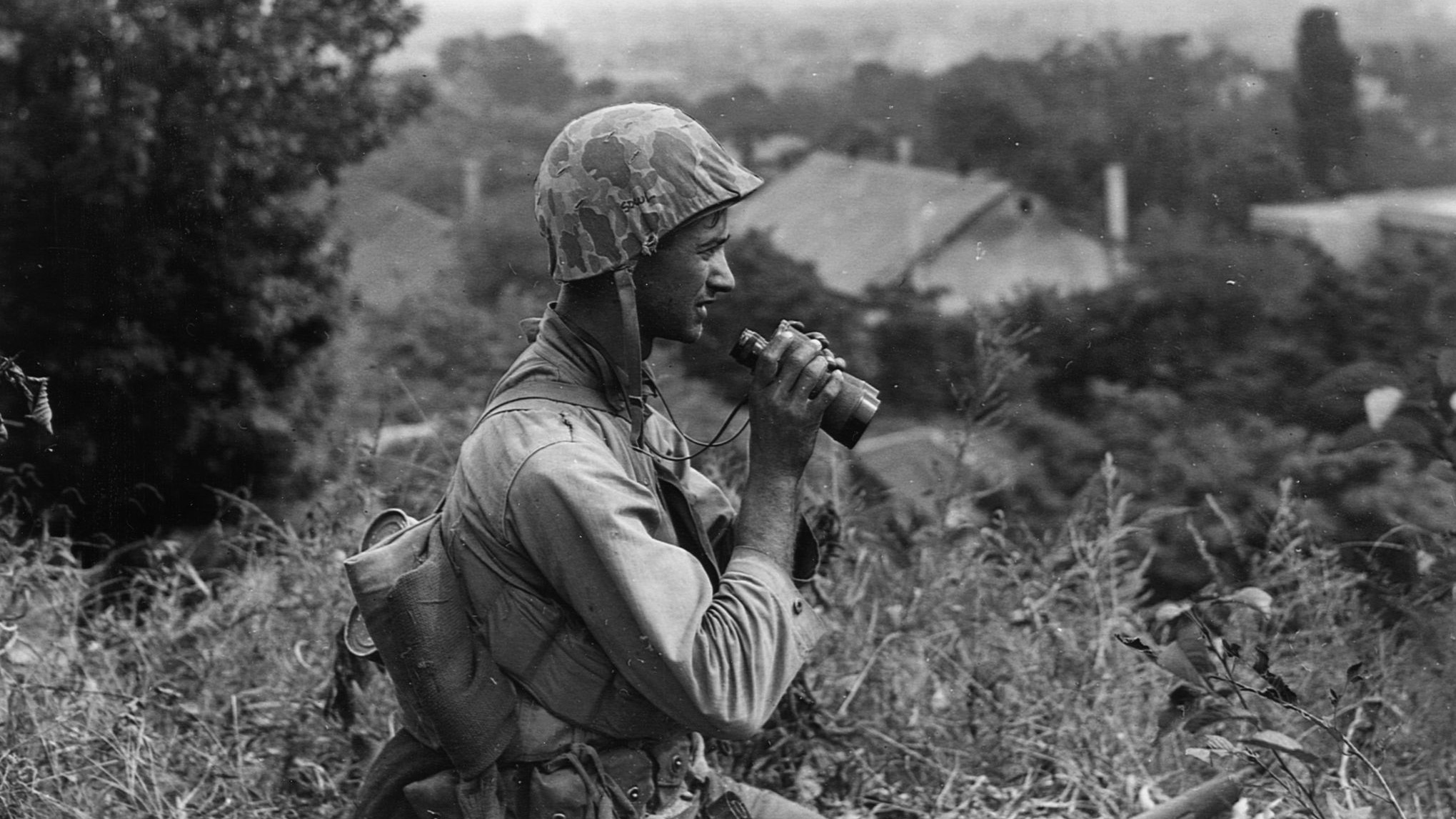
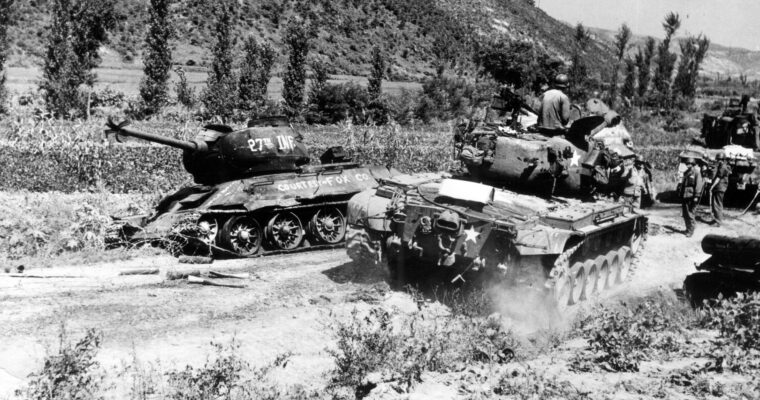
The chase was on in early autumn 1950. The North Korean People’s Army, after its invasion of South Korea, fell back north with United Nations’ forces in close pursuit following the Battle of Inchon the previous month. Read more