Latest Posts

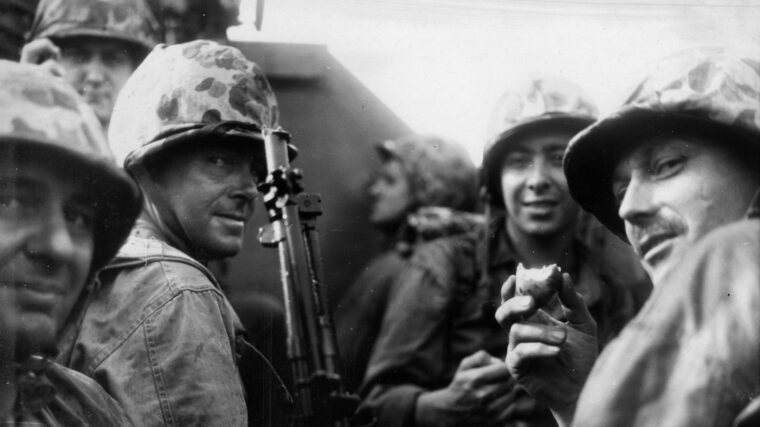
Kwajalein Atoll, January 1944.

Latest Posts

Faces of War

A Photo Essay By Eric Hammel

Noted chronicler of the Pacific Theater Eric Hammel recently spent three years sorting, scanning, cleaning, selecting, and captioning United States Marine Corps World War II photos for six pictorial books. Read more

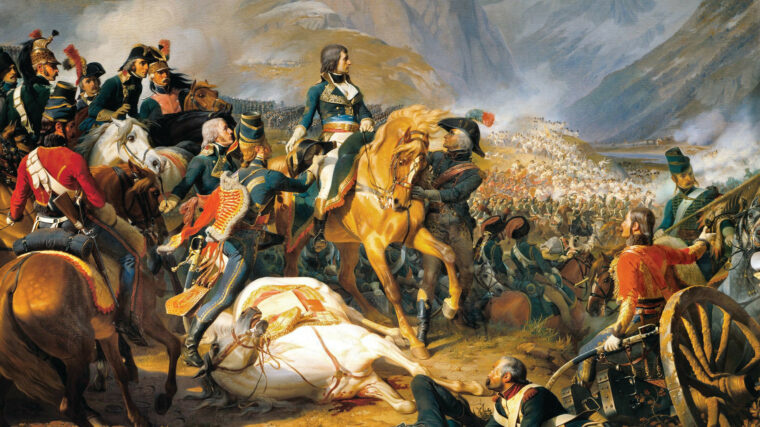
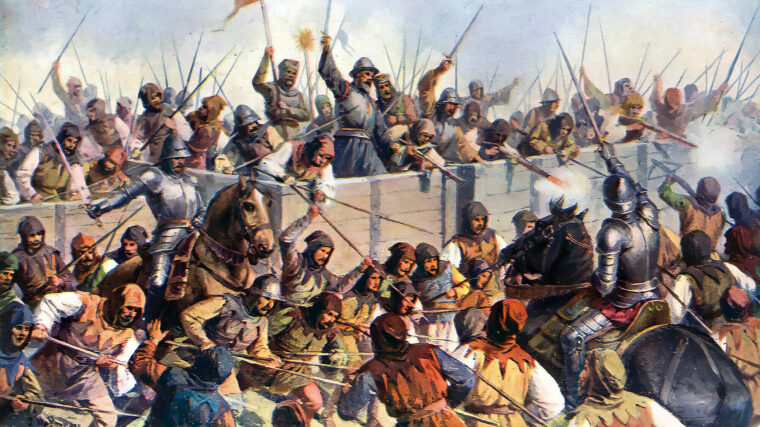
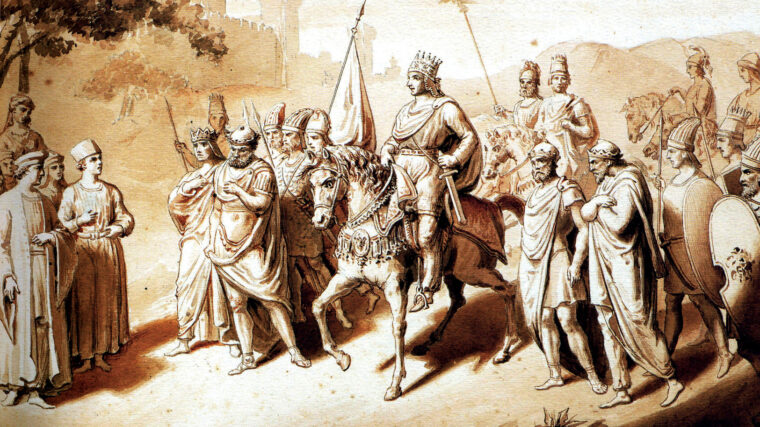
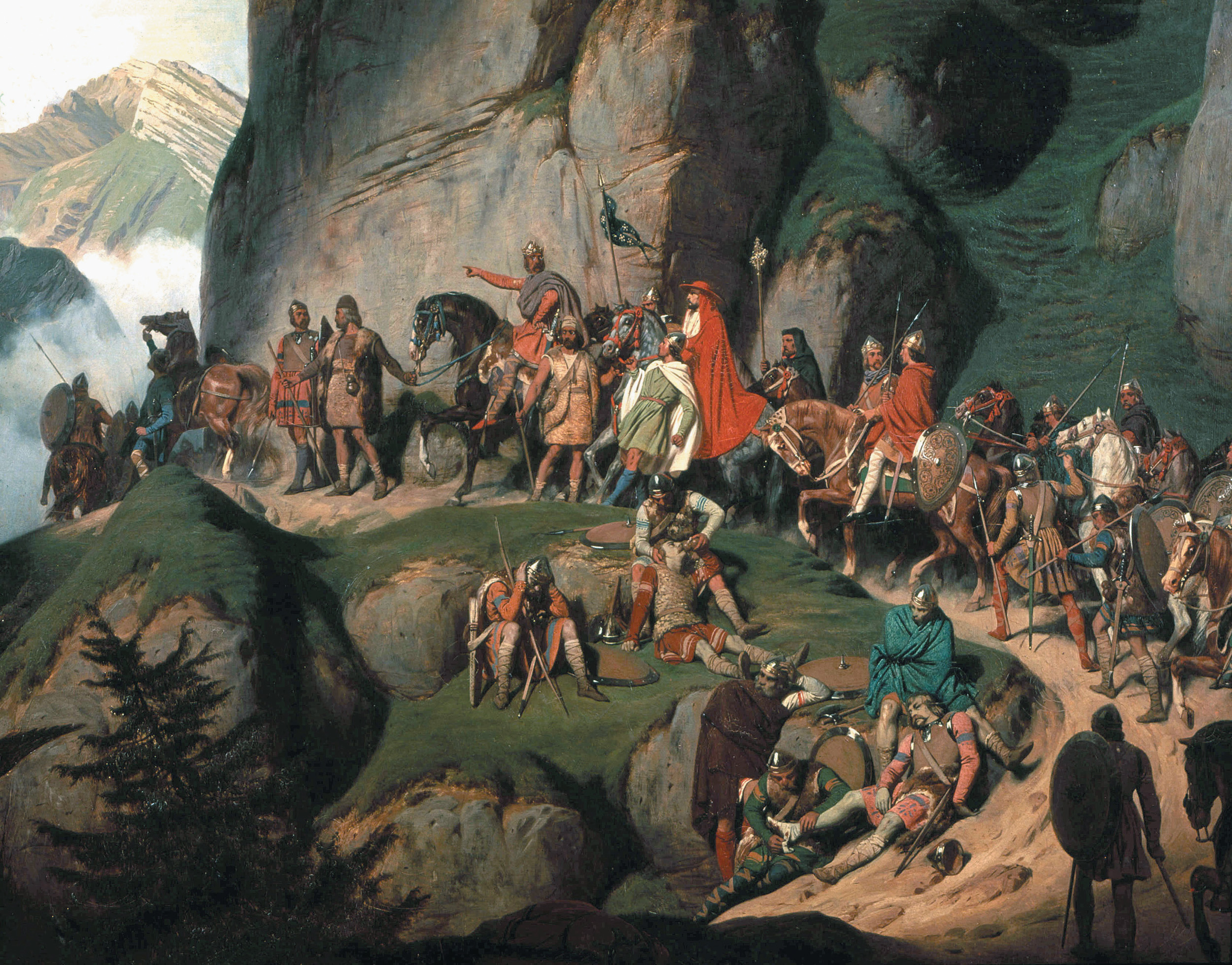
Napoleon Bonaparte changes to a fresh horse as his Army of Italy engages the Austrians at the town of Rivoli Veronese above the Adige River.

Latest Posts

Austrian Debacle at Rivoli

By Robert L. Durham

Twenty-six year-old Napoleon Bonaparte took command of France’s 23,000-strong Army of Italy in Nice, France, in late March 1796. Read more

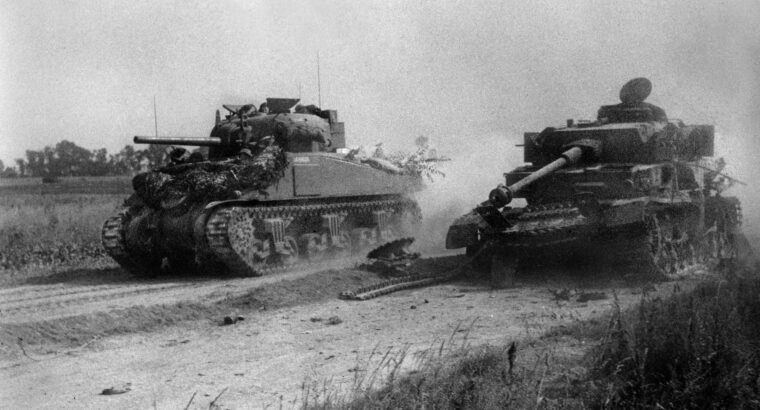
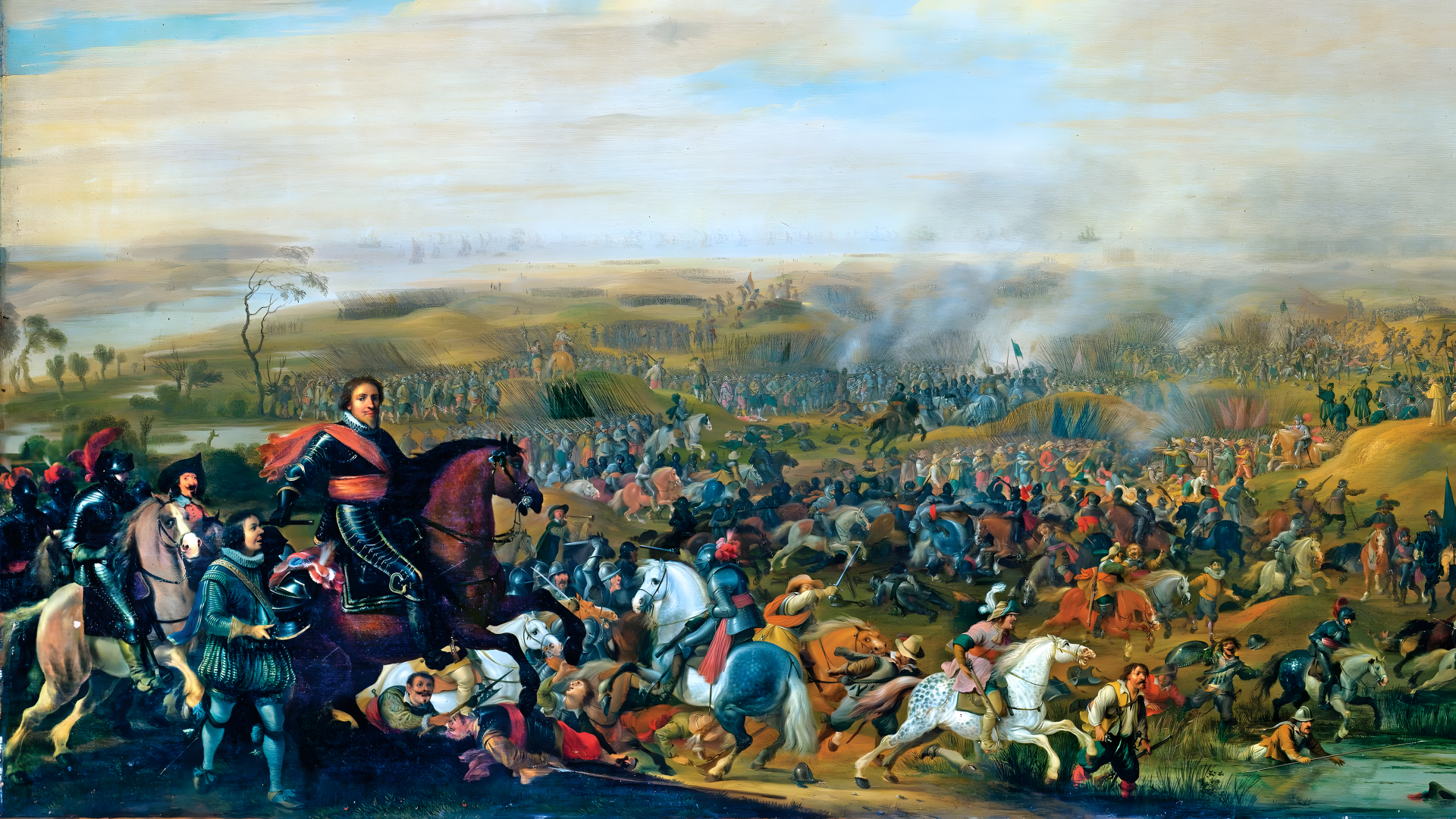
A British M4 Sherman medium tank races past a knocked-out German PzKpfw. IV tank during the desperate fight for control of the crossroads and communications hub of Caen during the weeks after D-Day. Allied planners had projected that Caen would be in British hands on D-Day itself; however, a month of bitter fighting was required for Allied forces to capture the town.

Latest Posts

Panzer Fury at Caen

By Kelly Bell

The black uniformed German panzer crews climbed into their Panther tanks at 10 pm on June 8, 1944. Read more

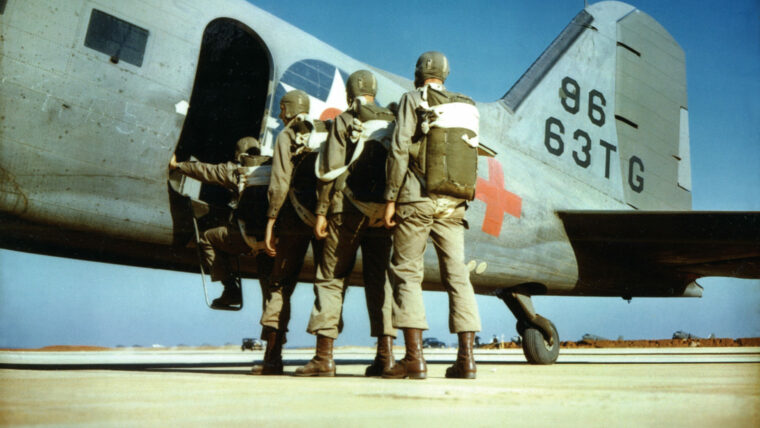
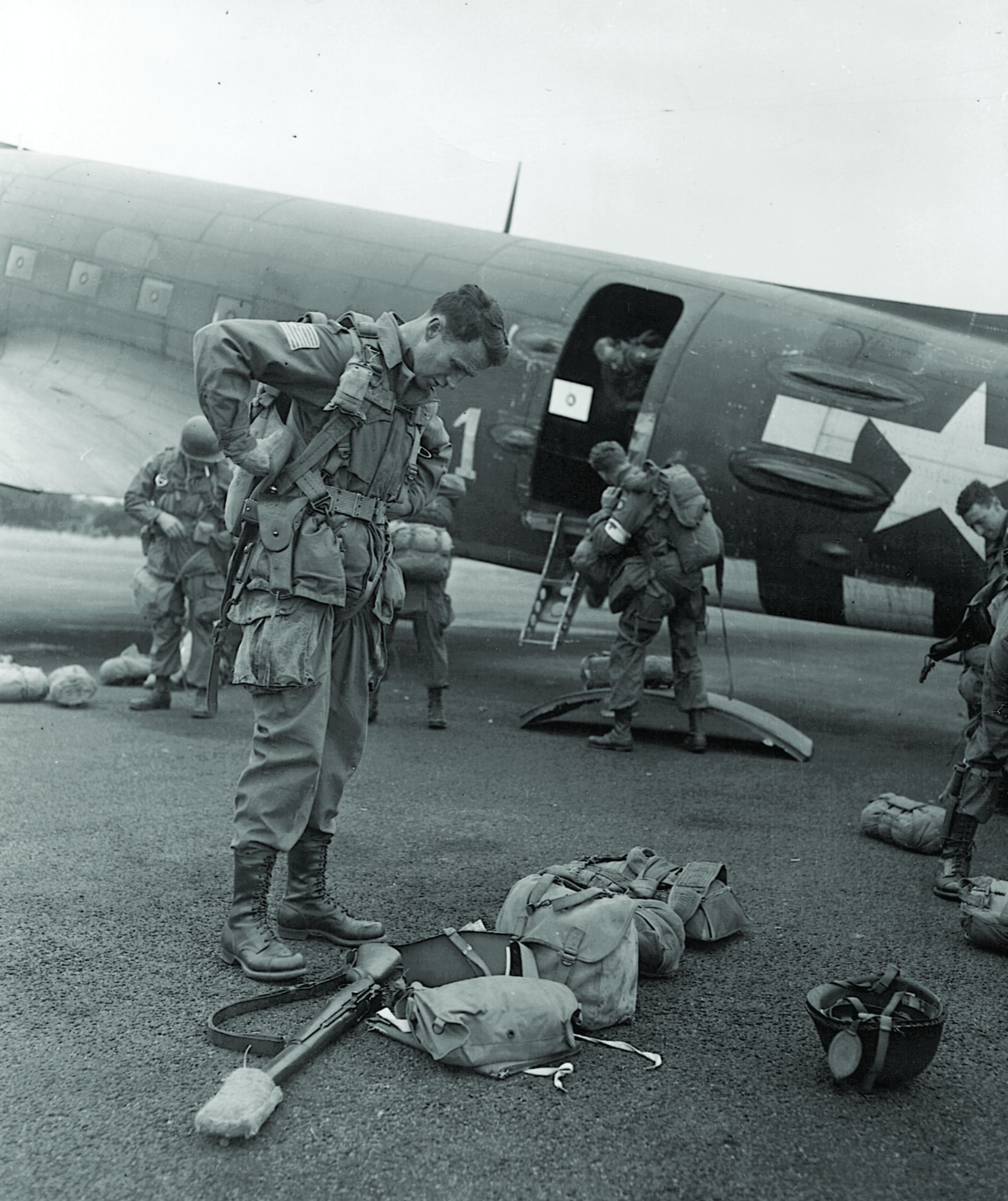
New recruits wearing soft headgear board a C-47 for their first practice jump.

Latest Posts

How Paratroopers Earned Their Wings

Photo Essay By Kevin M. Hymel

Every American soldier who jumped into North Africa, Europe, the Philippines, and other combat zones around the globe during World War II had to first learn his trade at Fort Benning, Georgia. Read more

Corpsmen attend to a wounded Marine while others bring another wounded man up the beach at Betio. Illustration by Kerr Erby.

Latest Posts

Brutal Battle For Betio

By Steven Weingartner

Betio is the main island of the Tarawa Atoll in the Central Pacific nation of Kiribati, formerly known as the Gilbert Islands. Read more

Latest Posts

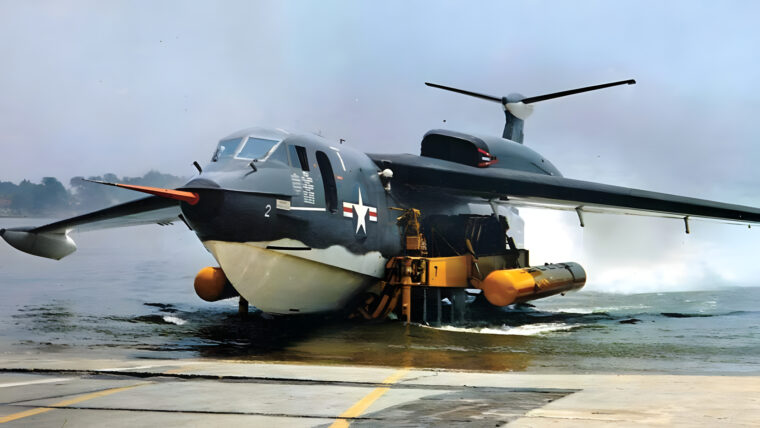
Seaplane Striking Force

By William H. Langenberg

The first few years after World War II were challenging ones for the U.S. Navy. Massive demobilization of personnel and rapid scrapping or retirement of ships created internal disruptions. Read more

Latest Posts

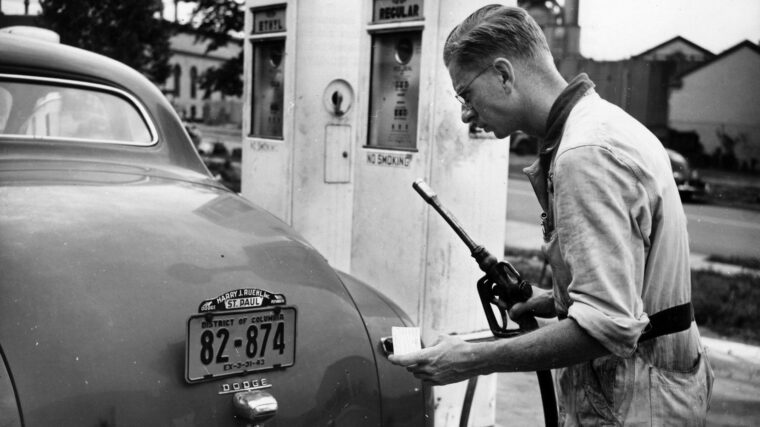
Home Front USA: Rationing

By Herb Kugel

In 1941-1942, British journalist Alistair Cooke traveled through the United States. In his description of his trip, American Home Front 1941-1942, he reported stopping for breakfast at a restaurant in West Virginia where, “the sugar was rationed at breakfast, and there was a note on the menu requesting that … in the interests of ‘national defense,’ keep to one cup of coffee.” Read more