Military History

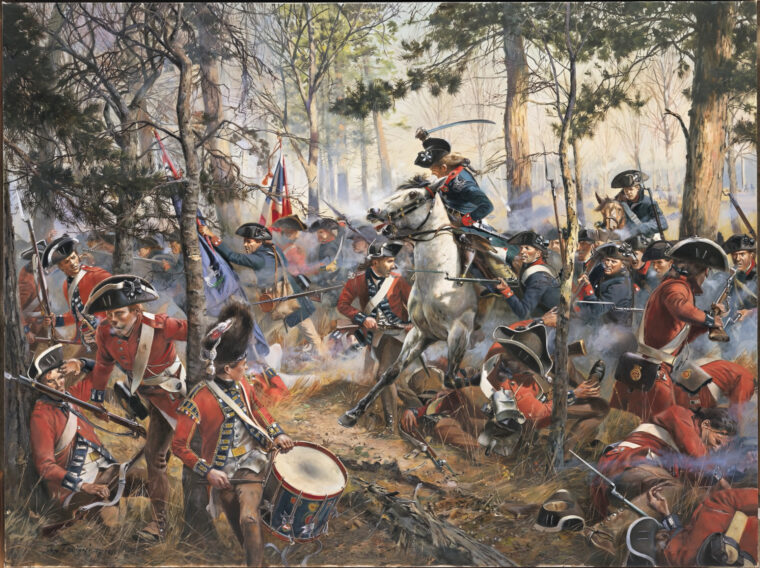
Lieutenant Colonel John Edgar Howard slashes his way into the British line, which reels under the pressure. The British were hasty in their attacks and came to regret it.

Military History

Duel in the Backwoods

By James K. Swisher

Richard Hovenden of His Majesty’s British Legion Dragoons cautiously urged his tired horse through a parklike expanse of tall trees that marked the entrance to a South Carolina country crossroads junction called locally “Hannah’s Cowpens.” Read more
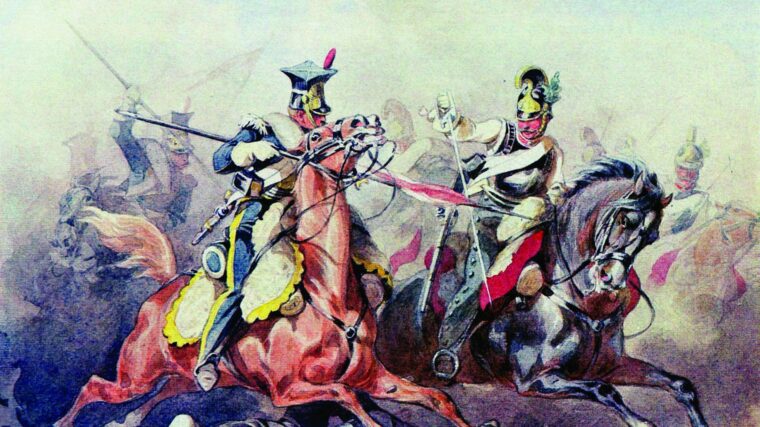
A Polish Vistula lancer wearing the familiar four-sided lancer cap, or shako, crosses blades with an Austrian cuirassier during the Napoleonic Wars.

Military History

The Four-Sided Peak Lancer Cap

By Peter Suciu

While lightly armed cavalry already seemed anachronistic by the time of the Napoleonic Wars, the success of the Polish lancers in that conflict convinced many nations to adopt a similar fighting force. Read more

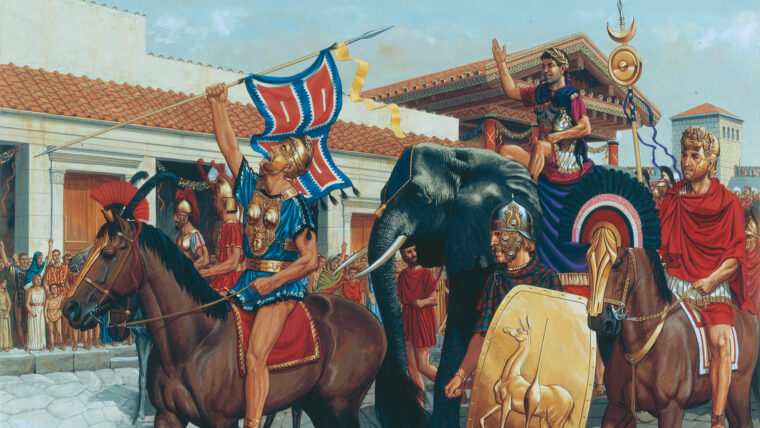
Carthaginian general Hannibal Barca enters an Italian village following a victory over the Romans in a contemporary painting by Peter Connolly. Hannibal invaded the Italian peninsula in 218 bc to keep the war away from Carthage and put the burden of sustaining the fight on his enemy’s lands.

Military History

Hannibal’s Cunning Ambush

By Chuck Lyons

When still a young boy, Hannibal once came upon his father, the Carthaginian general Hamilcar Barca, who at the time was preparing to go to Iberia where Carthage was campaigning to expand its power. Read more

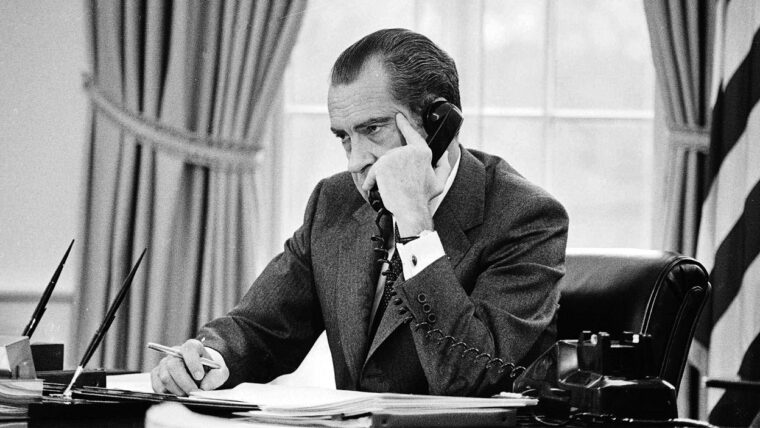
Nixon at work in the Oval Office. Pentagon leaders made sure that if they received unusual military orders from the president they would be evaluated properly.

Military History

The Secret World of Richard Nixon

By Blaine Taylor

In the spring of 1974—at the height of the political Watergate crisis in Washington, D.C.—Joseph Laitin, a spokesman at the Office of Management and Budget whose office was in the Eisenhower Executive Office Building, next door to the White House, was on his way over to the west wing of the White House to meet with Treasury Secretary George Schultz. Read more

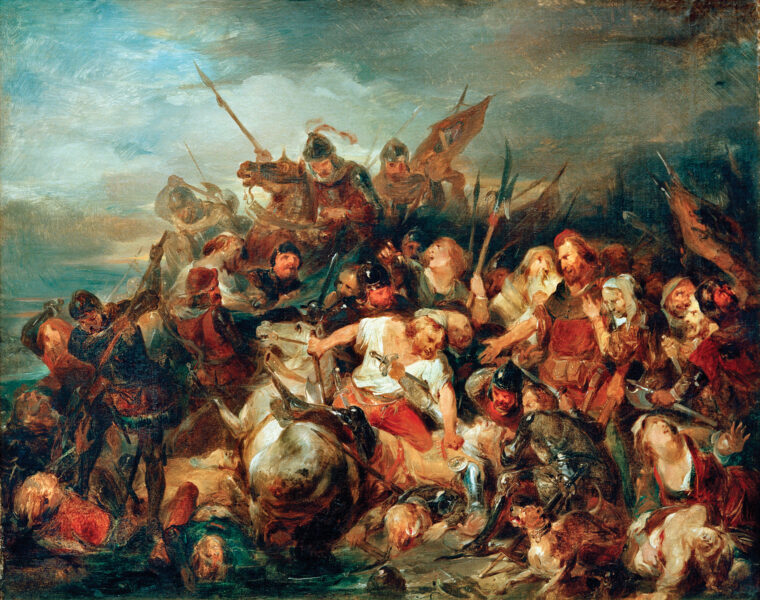
The climactic moment of the Battle of Courtrai occurred when Count Robert of Artois, commander of the French army, led a suicidal charge into the Flemish ranks after the battle already had been lost. He is portrayed in a 19th-century painting pinned under his horse and mortally wounded.

Military History

Revenge Of The Flemish Lion

By William E. Welsh

The Flemish infantry fidgeted under the sweltering sun as they stood shoulder to shoulder in a field east of the town of Courtrai on July 11, 1302. Read more

Military History

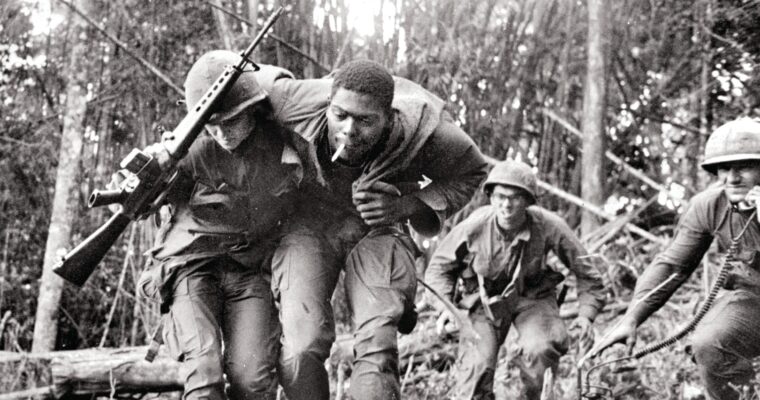
Hell on Hill 1338

By Edward F. Murphy

The morning calm was shattered by the sharp crack of rifle fire. Though the nearly impenetrable jungle vegetation and a dense layer of fog dampened the noise, the paratroopers of Alpha Company, 2nd Battalion, 503rd Infantry, 173rd Airborne Brigade tensed immediately. Read more

Polish troops from the Vistula Legion, part of Napoleon’s army besieging the Spanish city of Saragossa in 1809, attack the Santa Engracia convent during the building-to-building fighting. Artist Baron Louis Lejeune, who saw service during the campaign as aide-de-camp to Marshal Lannes, depicted himself wounded at the base of the monument.

Military History

The Siege of Saragossa

From the Memoirs of Heinrich von Brandt Translated and with commentary by Jonathan North

Napoleon’s invasion of Spain and Portugal sparked a cataclysmic conflict that shook Napoleonic Europe to its very core. Read more

Military History

When the Gods Die: the Battle of Otumba

By Brian Geeslin

In the morning hours of July 8, 1520 Hernando Cortés, with the remnants of his army of Spanish adventurers and Indian allies, neared the crest of mountains overlooking the plain of Otumba (the Spanish corruption of the Nahuatl name of Otompan), an Indian city dominating the valley along Cortés’s line of march. Read more

French Revolutionary troops campaigning in Italy benefitted from the high morale that comes from believing in a cause; however, they suffered greatly in the 1799 campaign from Napoleon Bonaparte's absence. Painting © 2022 Keith Rocco; www.keithrocco.com

Military History

Death in the Italian Vineyards

By William E. Welsh

As the sun dipped low in the west on August 13, 1799, Russian Field Marshal Count Alexander Suvorov rode slowly south towards the heights on which was perched the walled town of Novi, in Italy’s Piedmont region. Read more

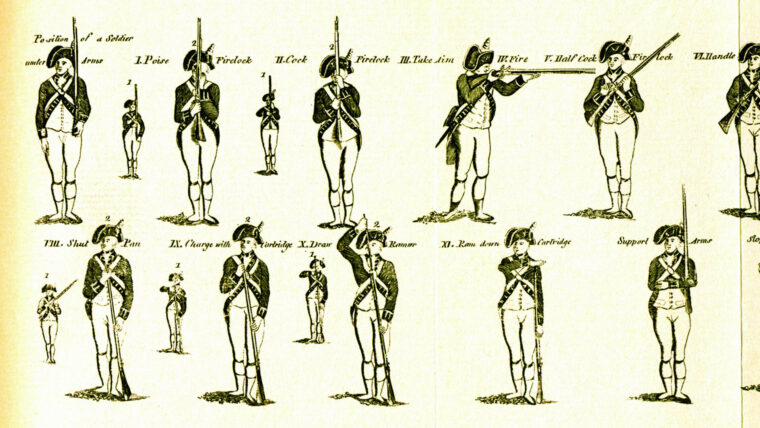
Images from the 1800 edition of Baron von Steuben’s “Blue Book” illustrate part of the Manual of Arms as practiced by the Continental Army at Valley Forge in 1778.

Military History

Collecting Field Manuals

By Peter Suciu

It has long been said that there is a right way to do things, a wrong way to do things—and the military way to do things. Read more

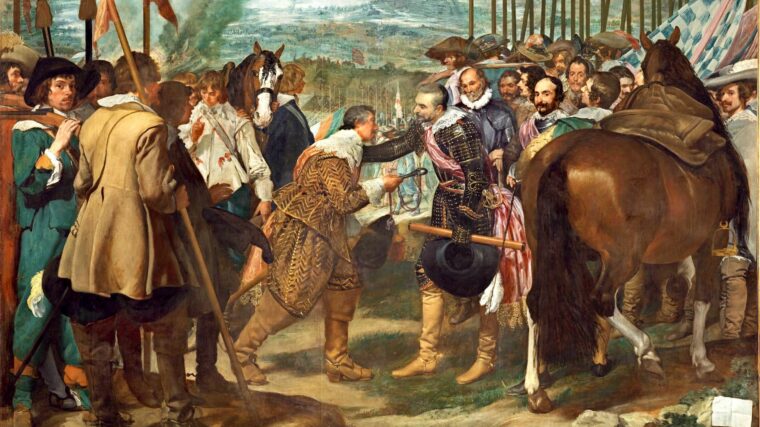
Justin of Nassau hands the keys to the city of Breda to Ambrogio Spinola in 1625 following his successful siege of a city that was considered impregnable at the time.

Military History

Ambrogio di Spinola

By William E. Welsh

The crown of Spain and the wealthy banking families of Genoa had a symbiotic relationship during the Renaissance. Read more

Military History

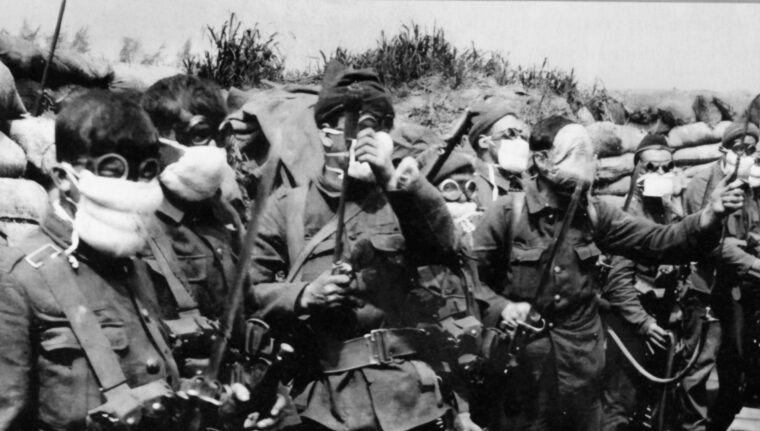
Gas Masks of the Great War

By Peter Suciu

With World War I in a seeming stalemate, German forces in late April 1915 introduced a horrific new weapon to the fighting. Read more

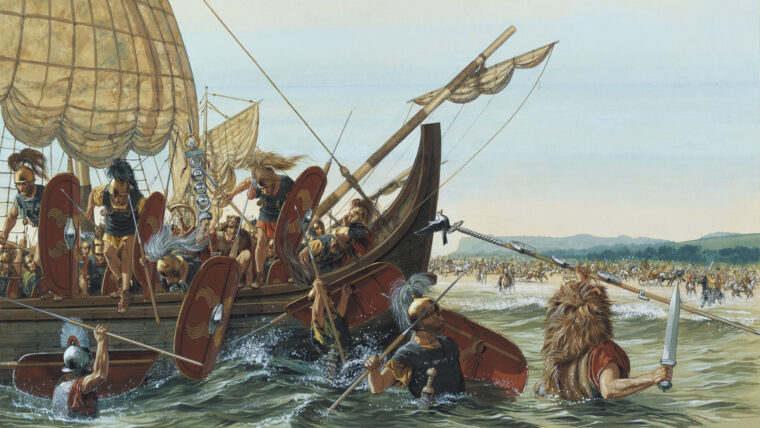
Roman legionaries clamber out of galleys and wade toward the battle on the English shore.

Military History

Julius Caesar’s Expedition to Brittania

By Ludwig Dyck

By the summer of 55 bc, 45-year-old Roman proconsul Gaius Julius Caesar was a veteran military campaigner. For the past three years, under his lead, the tramp of hobnailed sandals had resounded across the countryside of Gaul, the westernmost province of the Roman empire. Read more

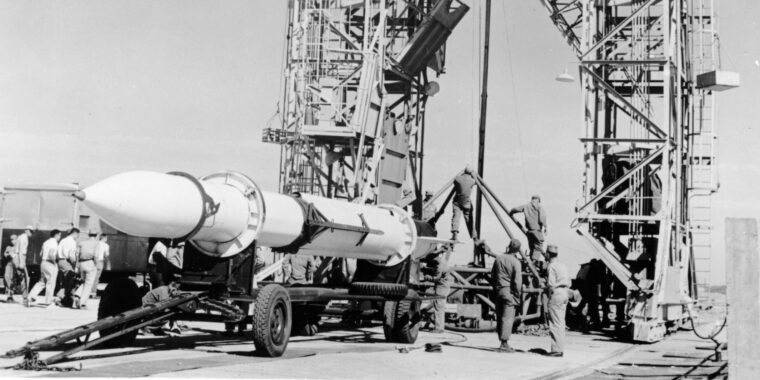
Military History

The Corporal M2 Missile

By Peter A. Goetz

Six days after the Allies’ D-Day landings on the coast of Normandy in June 1944, Germany retaliated by launching its first Vergeltungswaffe, or Vengeance Weapon, at the city of London. Read more