
Military History
Retained English Longbowman, 1350-1425
The English longbow, originally adopted from the Welsh, was made from a single piece of Yew wood, and required skill to make and use. Read more
Military History
The English longbow, originally adopted from the Welsh, was made from a single piece of Yew wood, and required skill to make and use. Read more
Military History
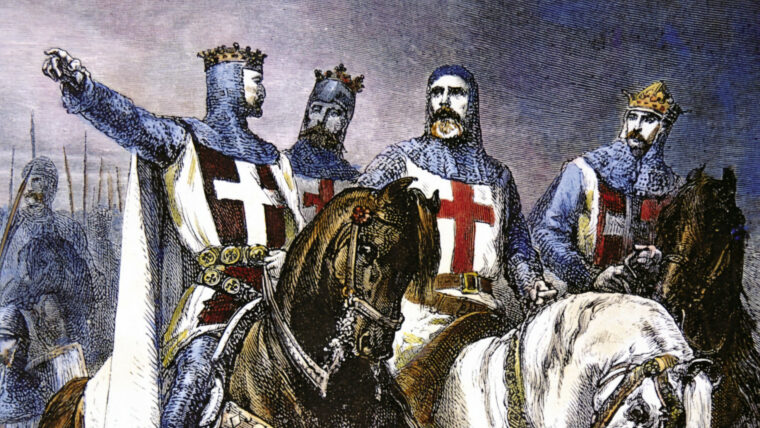
The Battle of Dorylaeum, fought on July 1, 1097, marked the first full-scale military clash between the Christian armies of the West and the Muslim armies of the East. Read more
Military History
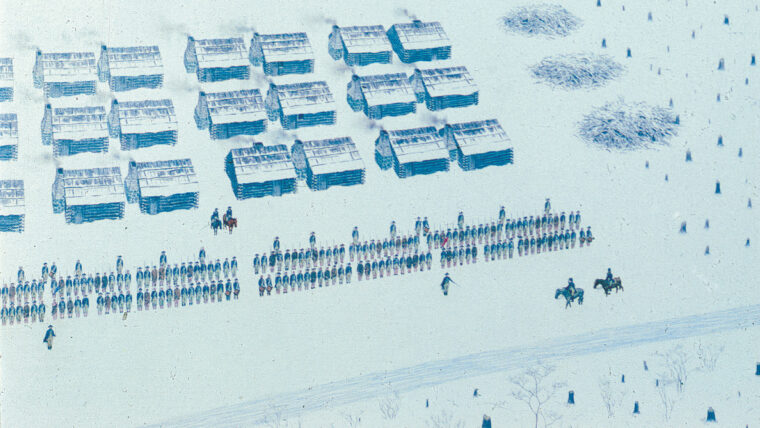
Despite never having gained the mythological fame of Valley Forge, the encampment of the Continental Army at Morristown, New Jersey, over the winter of 1779-80 was a horrendous trial, worse for the men than that at the Pennsylvania hollow, and dire for the revolutionary cause. Read more

Military History
Sabotage! Espionage! Mutiny!” Kurt Jahnke, German Chief of Naval Intelligence for North America, read the dispatch from Berlin in his Mexico City headquarters directing him to launch secret missions into Arizona. Read more
Military History
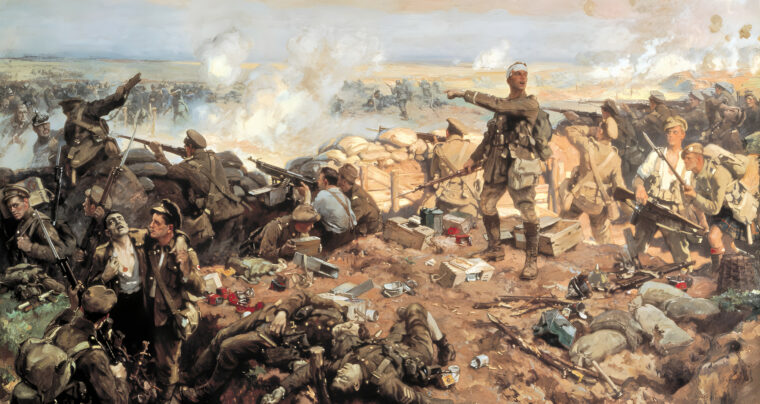
Despite the incessant German shelling that had been hammering away at the French lines to their immediate left near the rubble-strewn city of Ypres in northwestern Belgium, the largely untested soldiers of the Canadian 1st Division found the early spring day of April 22, 1915, surprisingly warm and pleasant. Read more
Military History
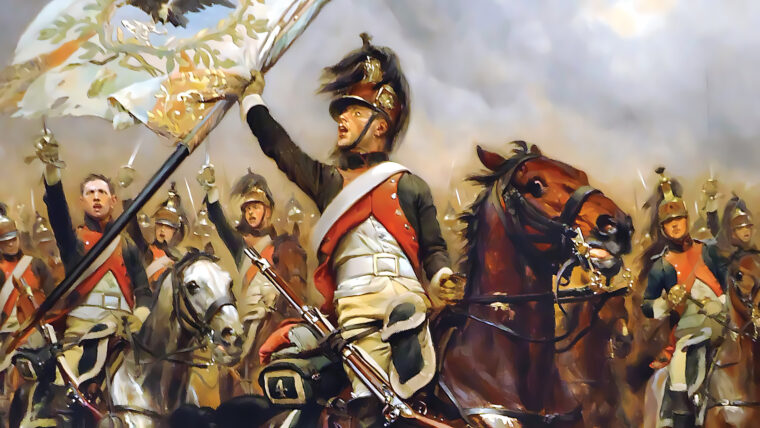
At 4 am on October 14, 1806, 37-year-old Jean Lannes, Marshal of France in Napoleon Bonaparte’s Grande Armee and commander of that host’s V Corps, received his final instructions verbally from the emperor. Read more
Military History
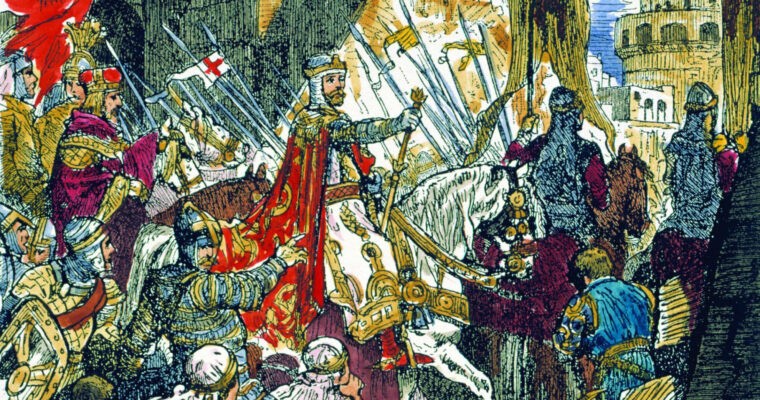
Rodrigo Diaz de Vivar, a Castilian mercenary who served Christian kings and Muslim emirs alike in late 11th-century Spain, was born in 1043 in the village of Vivar, about six miles north of the city of Burgos. Read more

Military History
The French Revolution of 1789, which began as a peaceful process of social and financial reform, rapidly descended into internal strife and violence. Read more
Military History
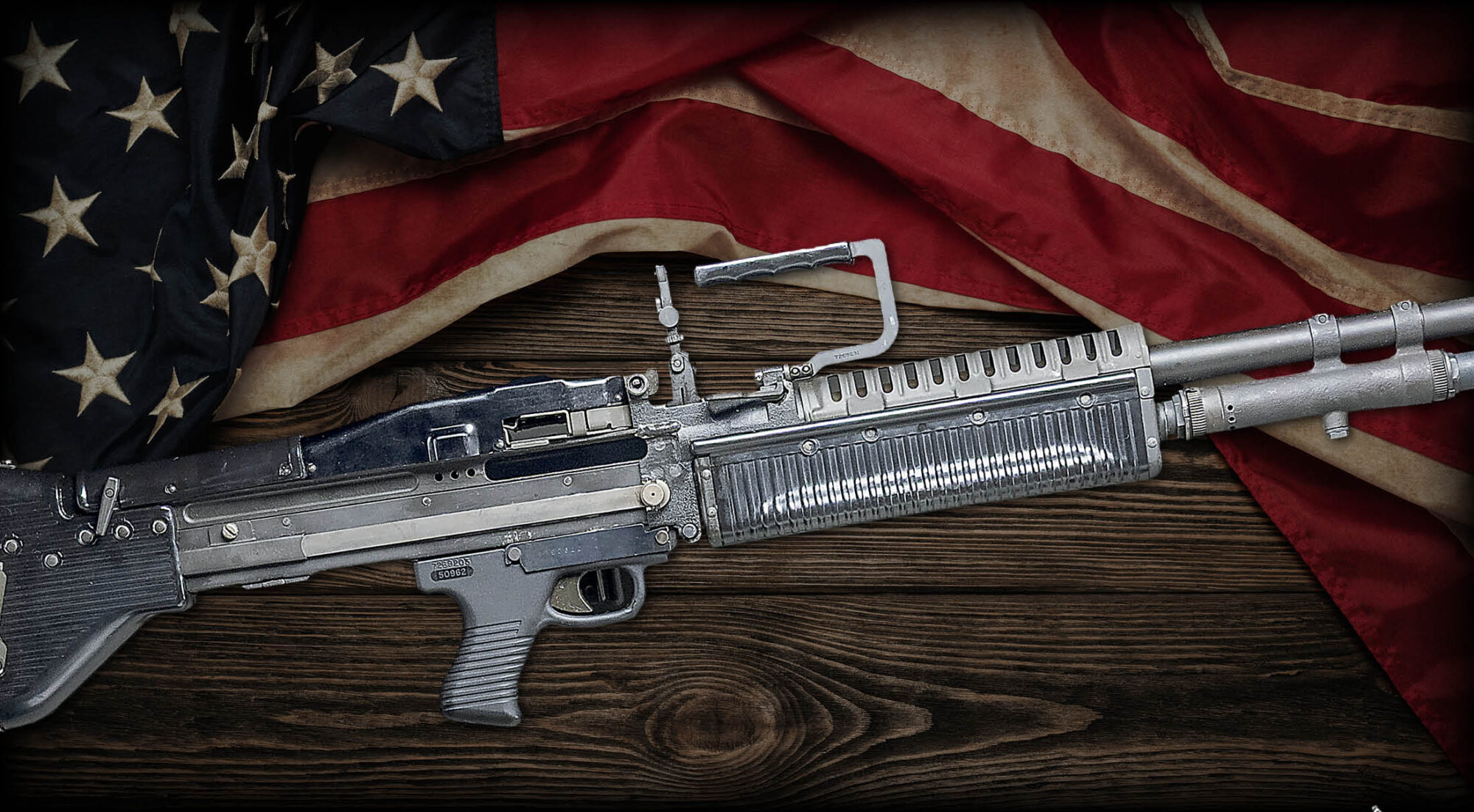
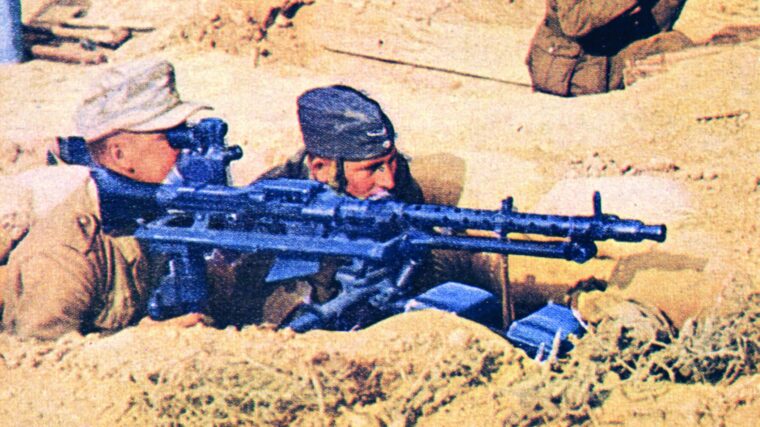
World War II saw great advancements in firearms technology. Many nations that entered the conflict with bolt-action rifles ended the war with a variety of complex submachine guns and assault rifles. Read more
Military History
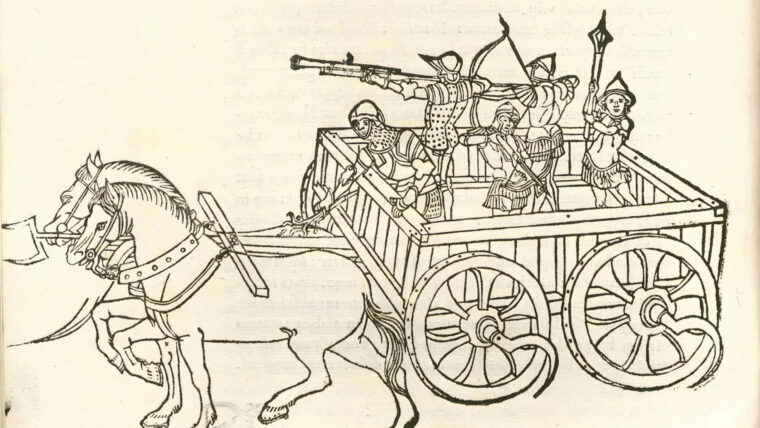
The Hussites, all but forgotten today, were a 15th-century sect of religious reformers, forerunners of the Protestant Reformation that was to come a century later. Read more
Military History
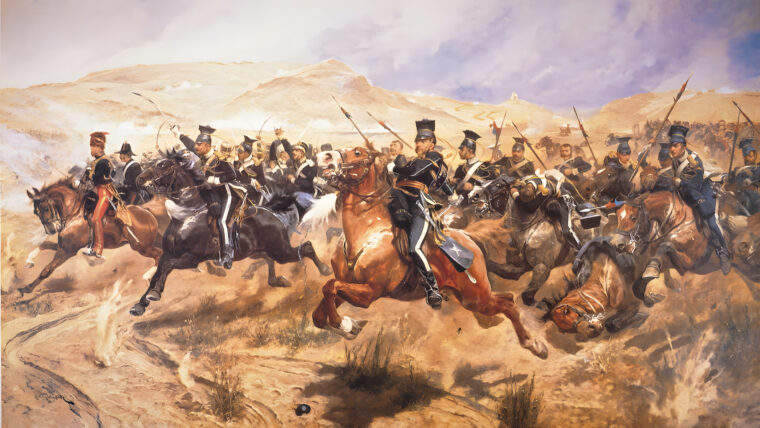
When Lt. Col. Lord George Paget rose early in the morning of October 25, 1854, he had no inkling of, as he later put it, “the day’s work in store for us.” Read more
Military History
Coming upon the enemy’s rear guard outside the western Kentucky village of Sacramento, four days after Christmas 1861, Confederate Colonel Nathan Bedford Forrest ordered his cavalry to advance. Read more

Military History
Long columns of heavily armed soldiers streamed southeast along the left bank of the Adige River in the Veneto region of northern Italy on March 11, 1387. Read more
Military History
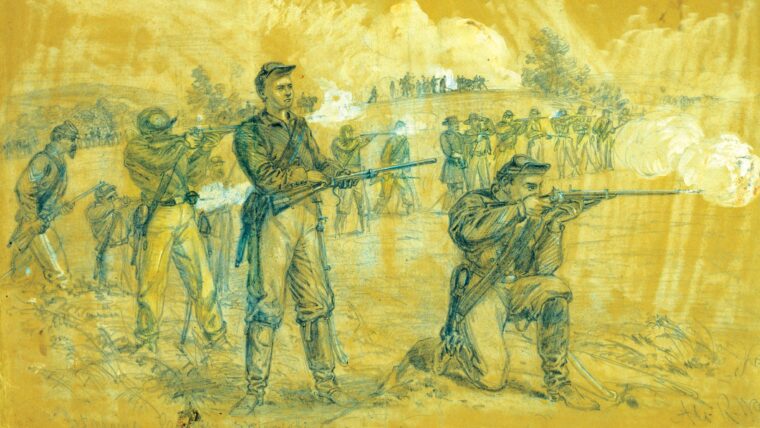
Confederate soldiers bitterly called it “that damned Yankee carbine they load on Sunday, and then fire all week.” Read more
Military History
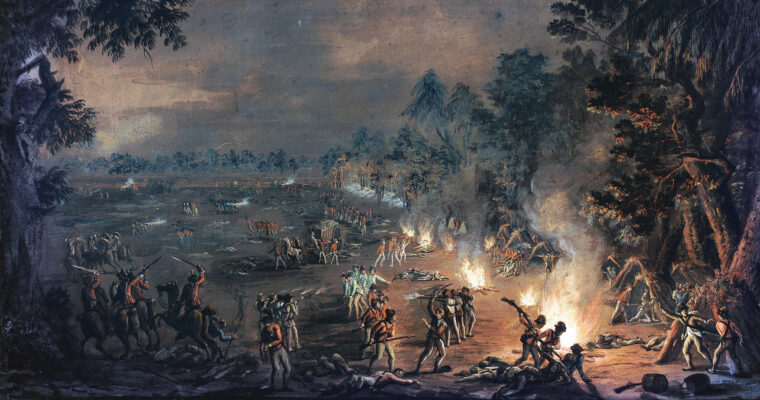
On a gloomy Friday morning, September 26, 1777, an advance party of the British Army marched into Philadelphia to take possession of the city. Read more
Military History
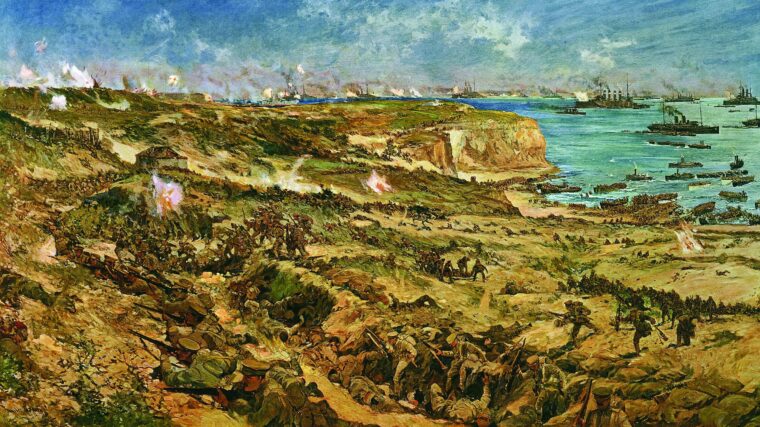
The Germans mocked it as their largest prisoner-of-war camp, and French Premier Georges Clemenceau was hardly less withering in his opinion of the Allied stronghold at Salonika, Greece. Read more
Military History
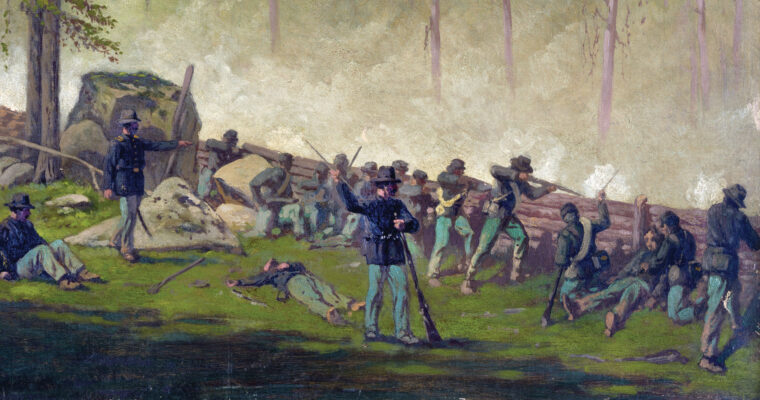
Although Union Colonel Silas Colgrove had previously led his men through some of the most horrific fighting in the eastern theater of the Civil War, the order he received on the morning of July 3, 1863, in the woods near Culp’s Hill at Gettysburg, was the most unnerving he had ever received. Read more
Military History
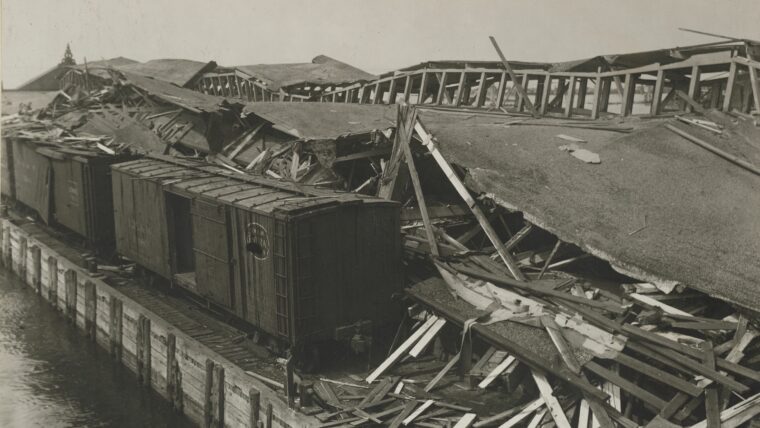
In the summer of 1916, America was an island of peace in an ocean of war. The guns of August 1914 had been blazing away in Europe for nearly two years now, primed by a booming American munitions industry that found itself growing rich on the long-distance suffering of others. Read more
Military History
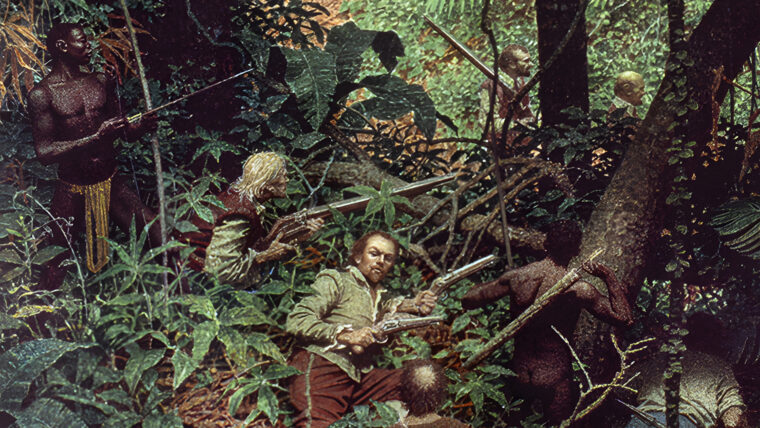
The English soldiers stepped out of their pinnaces into the foaming surf on the island of Hispaniola. Read more
Military History
Petty Officer R. J. Thomas, a U.S. Navy SEAL, wound up in deep trouble one day in 1969. Read more
Book Reviews