The Archaeologist Was a Spy
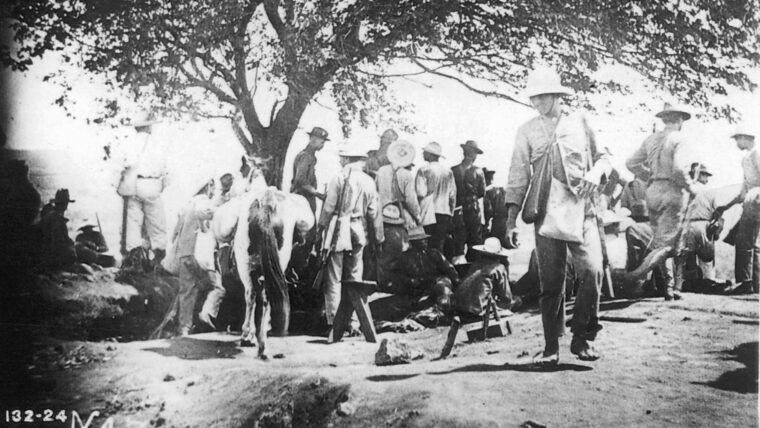
By Lt. Col. Harold E. Raugh, Jr., Ph.D., U.S. Army (Ret.)Sylvanus G. Morley (1883-1948) was considered the most influential and successful archaeologist of the pre-Columbian Maya civilization. Read more
Sylvanus G. Morley (1883-1948) was considered the most influential and successful archaeologist of the pre-Columbian Maya civilization. Read more
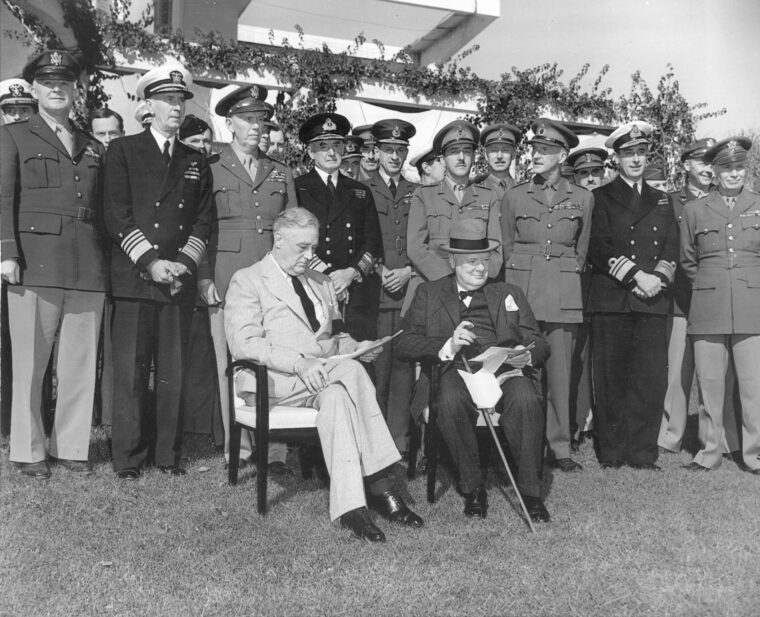
They were two unlikely looking warriors, yet their fateful friendship and shared leadership ensured the Allied victory in World War II and laid the groundwork for peace. Read more
The days following Pearl Harbor were grim ones for the United States. Headlines screamed of one Japanese victory after another. Read more
Lieutenant General Hachiro Tagami, commanding officer of the 36th Division, dubbed the Tiger Division, did not like the news he had received from Imperial Army Headquarters in Tokyo. Read more
Dear WWII History:
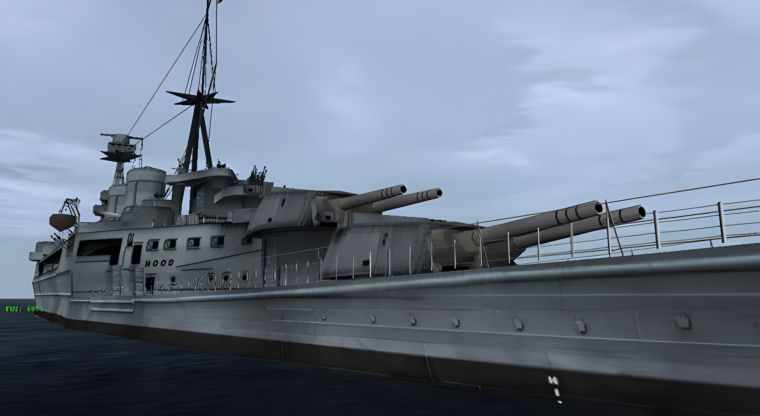
My compliments on your fine article by John Wukovits in the November 2003 issue, “Heroic Fight Against Long Odds,” describing the last battle of the Australian light cruiser HMAS Perth and the American heavy cruiser USS Houston (CA 30). Read more
The nightmarish vision that the Japanese high command had hoped to forestall with its Special Attack Unit raids on American airbases in the Marianas did, with devastating effect, become reality in the spring of 1945. Read more
Avalanche Press has two new games out. The first is Dave Powell’s War of the States: Chickamauga & Chattanooga, the second in the War of the States series. Read more
Dear Editor:
In your August 2003 issue John Murphy in an article titled “Deus le Veult!” discussed one of the most fascinating military operations in the history of the Crusades—the conquest of Antioch. Read more
For even so far back as the Iliad, soldiers have felt honor-bound not to abandon the bodies of their comrades on the field of battle. Read more
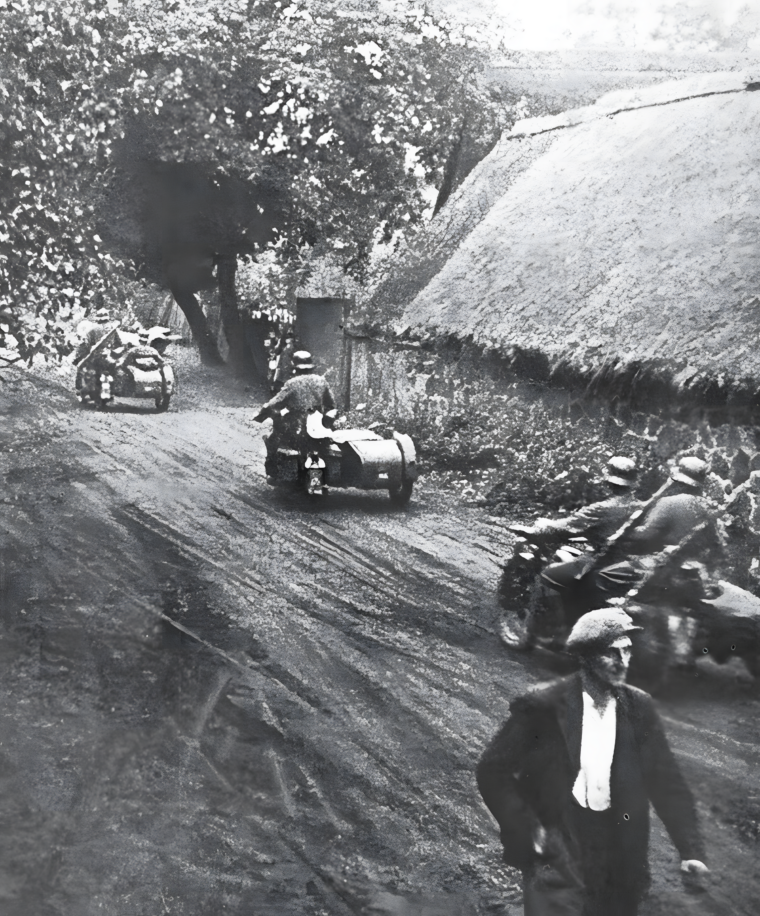
Between September 1939 and November 1941, the German Army inflicted crushing defeats on Polish, Dutch, Belgian, Norwegian, French, British, and Soviet Armies, achieving in a matter of months what had been impossible during four bloody years of attrition on the Western Front in 1914-18. Read more
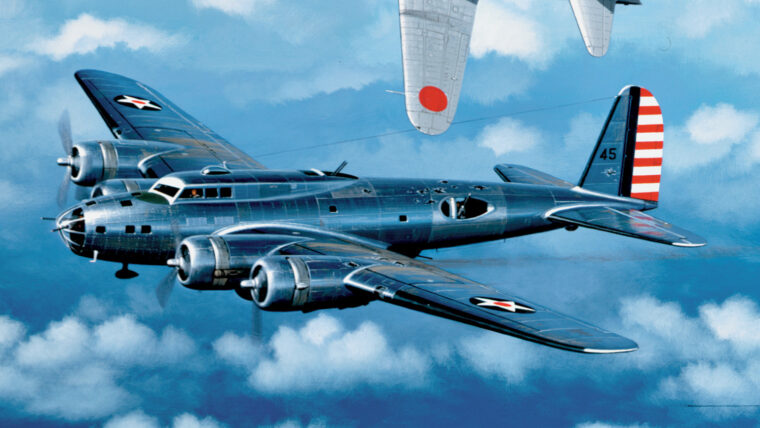
When the skies above Pearl Harbor were stained with the smoke of war on the morning of December 7, 1941, and other U.S. Read more
On the Hawaiian island of Oahu, soldiers learned how to close with the Japanese in the jungles of the Pacific. Read more
Dear Sir,
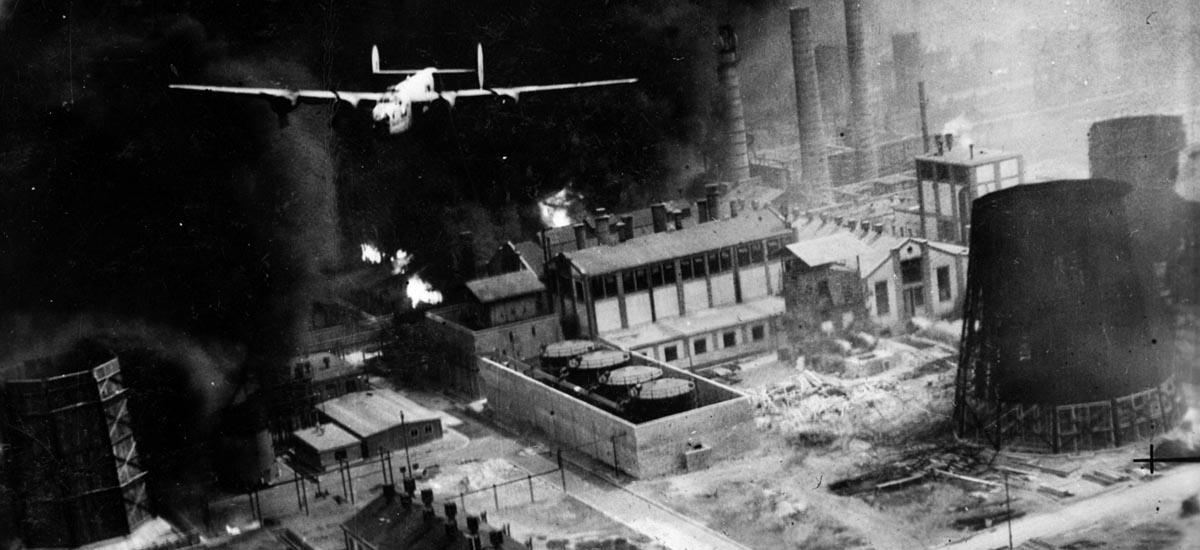
In the May issue of WWII History, the article “Low Level Run at Ploesti” by Sam McGowan contained many errors. Read more
When a 21-year-old New Mexico boy began drawing cartoons for the 45th Division News, that outfit’s weekly newspaper, just about everybody was amused. Read more
A little-known sidelight of the Pearl Harbor attack is the air-to-air fighting that went on in the skies of Hawaii on December 7, 1941. Read more
He makes Rambo look like Captain Kangaroo,” were words used to describe the battlefield exploits of Medal of Honor recipient Captain (later Colonel) Lewis H. Read more
Hard as it may be to remember today, most of Spain was once in Arab hands. For over 700 years, Spanish Christians tried to end the Arab kingdoms of southern Spain, while the Moors (as the Spanish referred to them) saw the Spaniards as backward and barbaric. Read more
Dear Editor,
The article, “Warrior Queen’s Revenge” in your August 2003 edition contains a supposition by the author that I question. Read more
It probably had to happen. Warriors completely covered themselves in iron plate. Thus enveloped in a metal coating, they were generally safe from arrows, sword slashes, and blows. Read more
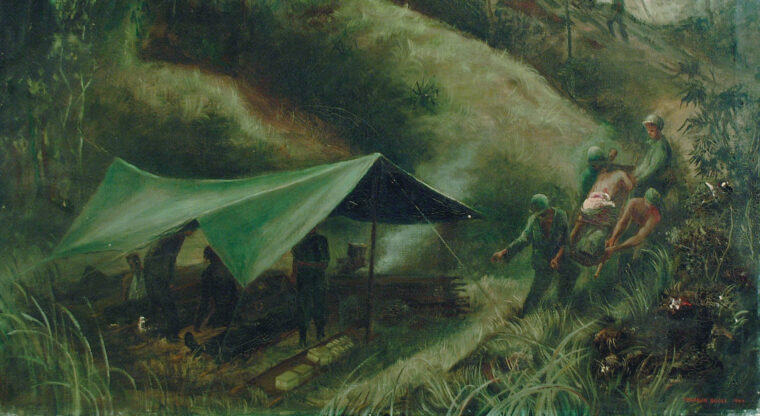
Corporal Bill Hedges of the Australian Army was part of the force that fought Japanese troops back across the rugged Owen Stanley mountain range in New Guinea after their failed advance toward Port Moresby in 1942. Read more