The National D-Day Museum highlights the War in the Pacific via major expansion.
When the skies above Pearl Harbor were stained with the smoke of war on the morning of December 7, 1941, and other U.S. Read more
When the skies above Pearl Harbor were stained with the smoke of war on the morning of December 7, 1941, and other U.S. Read more
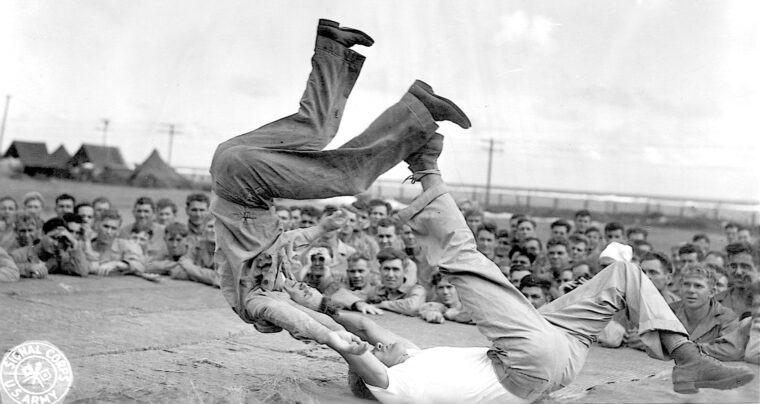
On the Hawaiian island of Oahu, soldiers learned how to close with the Japanese in the jungles of the Pacific. Read more
Dear Sir,
In the May issue of WWII History, the article “Low Level Run at Ploesti” by Sam McGowan contained many errors. Read more
When a 21-year-old New Mexico boy began drawing cartoons for the 45th Division News, that outfit’s weekly newspaper, just about everybody was amused. Read more
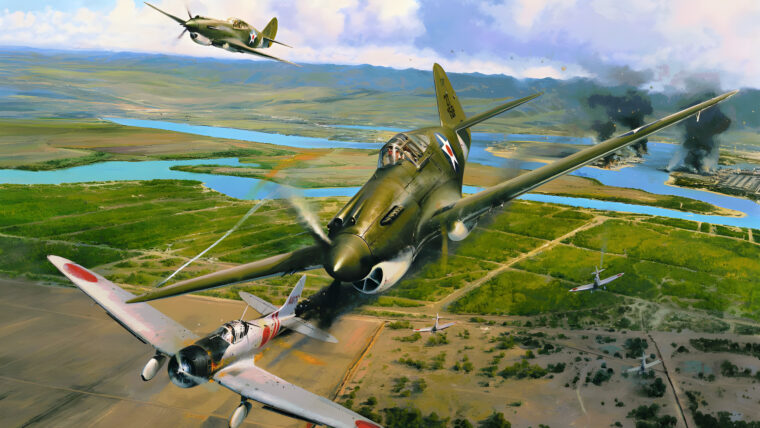
A little-known sidelight of the Pearl Harbor attack is the air-to-air fighting that went on in the skies of Hawaii on December 7, 1941. Read more
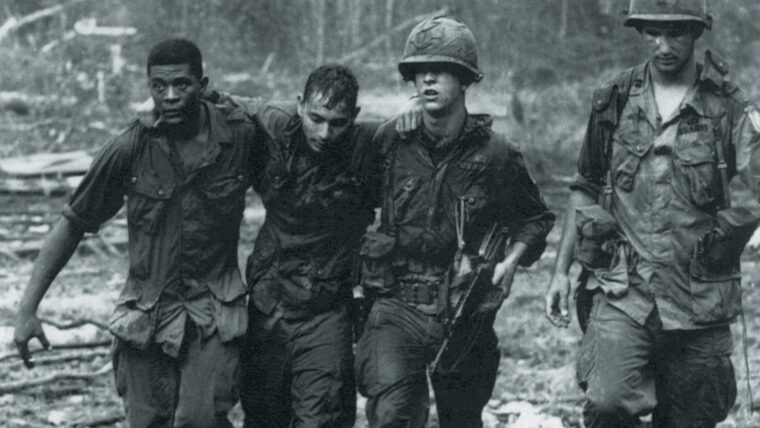
He makes Rambo look like Captain Kangaroo,” were words used to describe the battlefield exploits of Medal of Honor recipient Captain (later Colonel) Lewis H. Read more
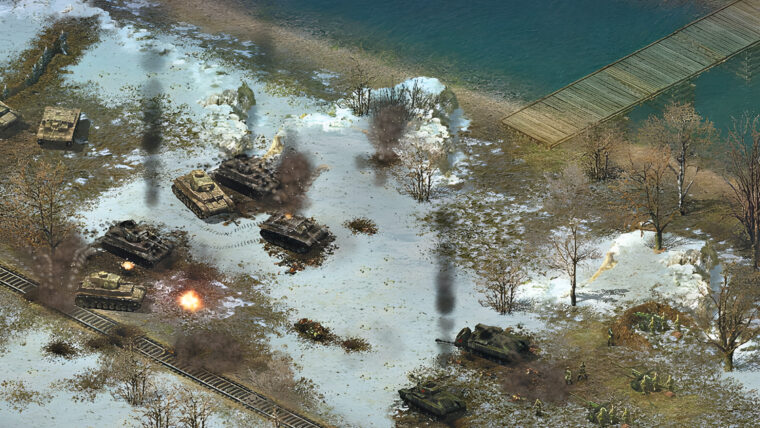
Hard as it may be to remember today, most of Spain was once in Arab hands. For over 700 years, Spanish Christians tried to end the Arab kingdoms of southern Spain, while the Moors (as the Spanish referred to them) saw the Spaniards as backward and barbaric. Read more
Dear Editor,
The article, “Warrior Queen’s Revenge” in your August 2003 edition contains a supposition by the author that I question. Read more
It probably had to happen. Warriors completely covered themselves in iron plate. Thus enveloped in a metal coating, they were generally safe from arrows, sword slashes, and blows. Read more
Corporal Bill Hedges of the Australian Army was part of the force that fought Japanese troops back across the rugged Owen Stanley mountain range in New Guinea after their failed advance toward Port Moresby in 1942. Read more
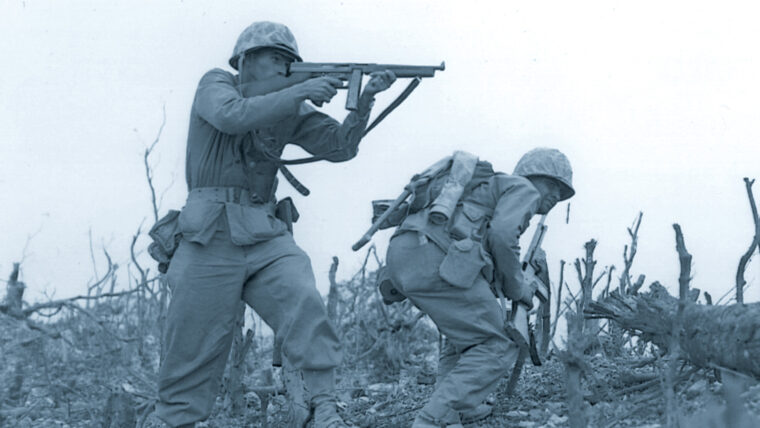
In 1939 Time magazine called the Thompson submachine gun “the deadliest weapon, pound for pound, ever devised by man….” Read more
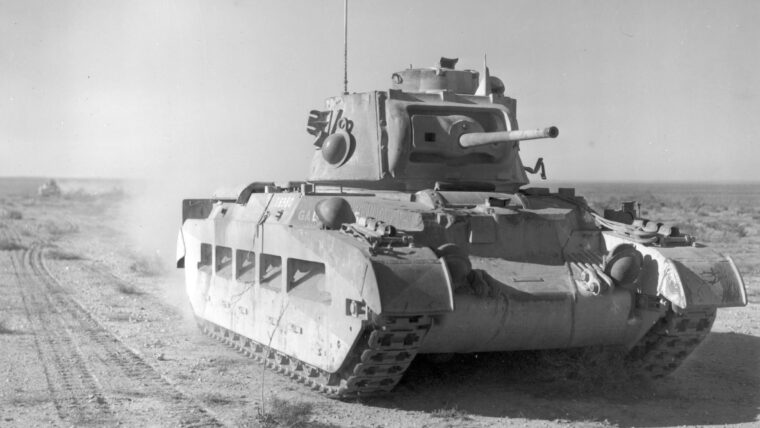
“It is not a question of aiming for Alexandria or even Sollum,” the message read. “I am only asking you to attack the British forces facing you.” Read more
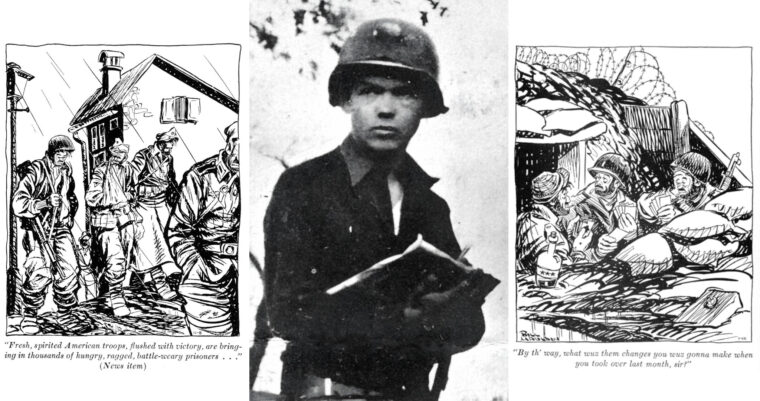
Bill Mauldin understood war from the grunt’s-eye view. An enlisted man with the 45th Infantry Division, he turned his hobby into an art, penning Army life in World War II from Sicily and Italy to France and Germany. Read more
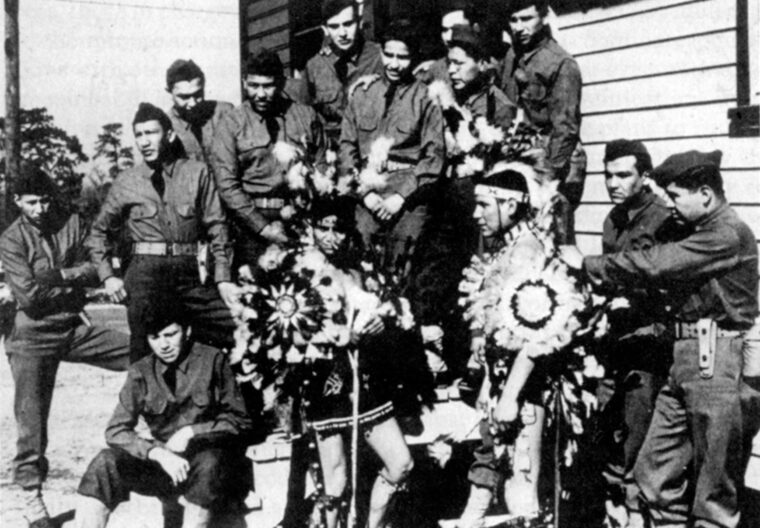
Among the stalwart 4th Infantry Division soldiers who assaulted Utah Beach at Normandy on D-day were 13 specially recruited and trained Comanche Indians of the 4th Signal Company. Read more
In our June 2002 story about Napoleon’s campaign in Italy, we misidentified the credit for the illustration on page 33. Read more
At a time long ago, and in a place far away, a man stood up before his countrymen to console them if he could for the loss of their sons in battle for a righteous cause. Read more
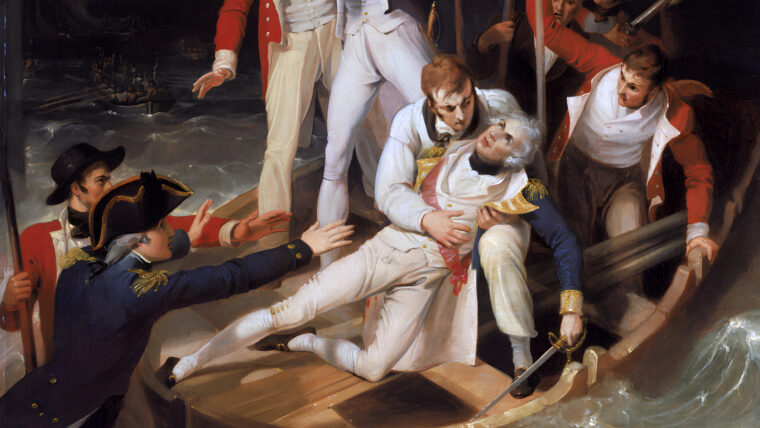
Days before the impending battle of Trafalgar, a sailor on Horatio Nelson’s flagship Victory was so busy ensuring that each man’s letters home were secured for dispatch on a vessel bound for England that he forgot until after the ship had sailed that he hadn’t included his own. Read more
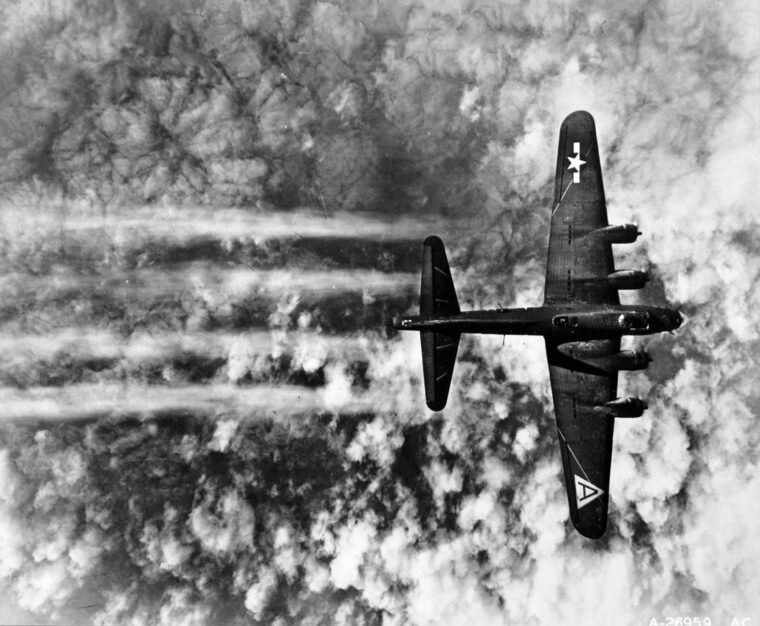
When the United States Army first developed an interest in aviation and purchased its first airplane from the Wright Company in 1909, it and the pilots and mechanics who flew and serviced it were assigned to the Signal Corps, a specialty corps that had been established prior to the Civil War to develop visual signals, then later to develop and service telegraph lines. Read more
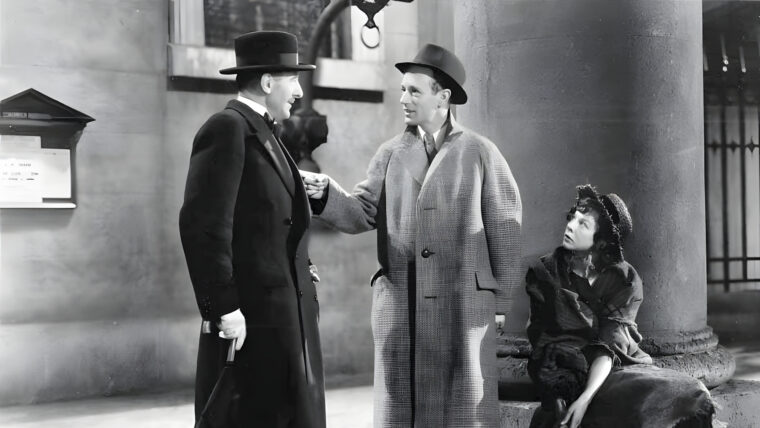
On the morning of June 1, 1943, the Douglas DC-3 lifted off from the airport at Lisbon in neutral Portugal. BOAC Flight 777 or Dutch KLM Flight 2L272, as it had been designated, carried 13 passengers and its crew on a flight bound for London. Read more
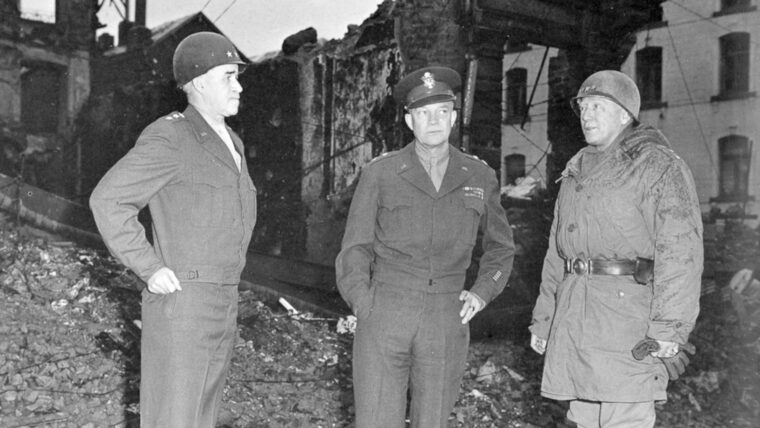
An obscure U.S. Army staff officer who had never been in action, Dwight David Eisenhower was a lieutenant colonel at the age of 50 with no visible prospects for advancement in the stagnant between-the-wars promotion system. Read more