To Casablanca By Air
By Eric NiderostOn the afternoon of January 7, 1943, Boeing 314s Dixie Clipper and Atlantic Clipper took off from the Marine Air Terminal, La Guardia Airport in New York, their destination Miami. Read more
On the afternoon of January 7, 1943, Boeing 314s Dixie Clipper and Atlantic Clipper took off from the Marine Air Terminal, La Guardia Airport in New York, their destination Miami. Read more
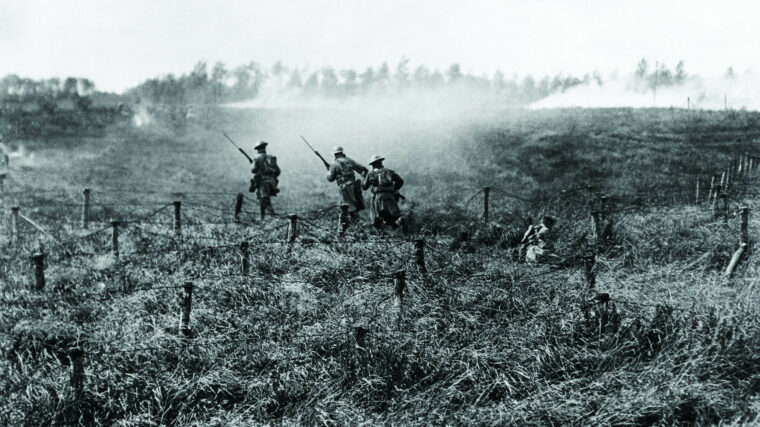
At 0100 hours on September 12, 1918, German positions in the St. Mihiel salient on the Western Front were lit up by a massive artillery barrage. Read more
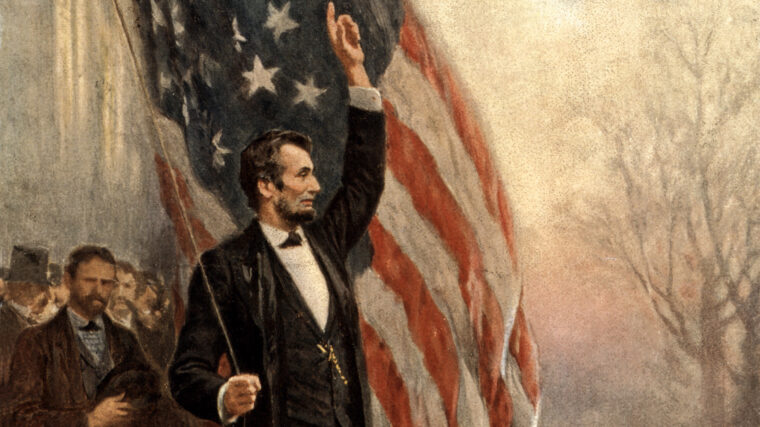
It was unseasonably warm in Charleston when the Democratic National Convention opened for business at noon on April 23, 1860. Read more

“At Tarnopol we endured heavy Russian fire but in Normandy we were hit again and again, day after day by British artillery that was so heavy the Frundsberg [10th SS Panzer Division “Frundsberg,” named after 16th-century German knight and general Georg Von Frundsberg] bled to death before our eyes. Read more

In July 1637 few Scots or English would have guessed the result when Edinburgh minister James Hannay preached from the Book of Common Prayer, and street merchant Jenny Geddes threw her footstool at his head. Read more
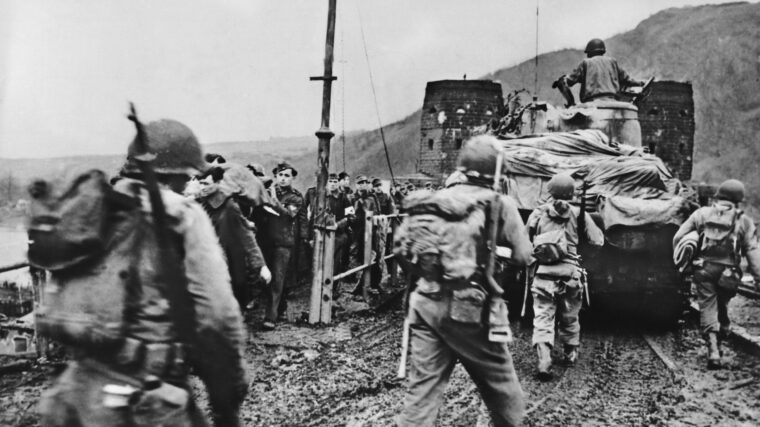
Once they escaped from Nazi-dominated Europe, hundreds of German and Austrian Jews joined the American and British military to help bring an end to the Nazis’ reign of terror. Read more

One of America’s finest military museums, the 1st Division Museum near Chicago, presents the history of America’s oldest division––from its inception in World War I, through World War II, the Cold War, the jungles of Vietnam, and Desert Storm. Read more
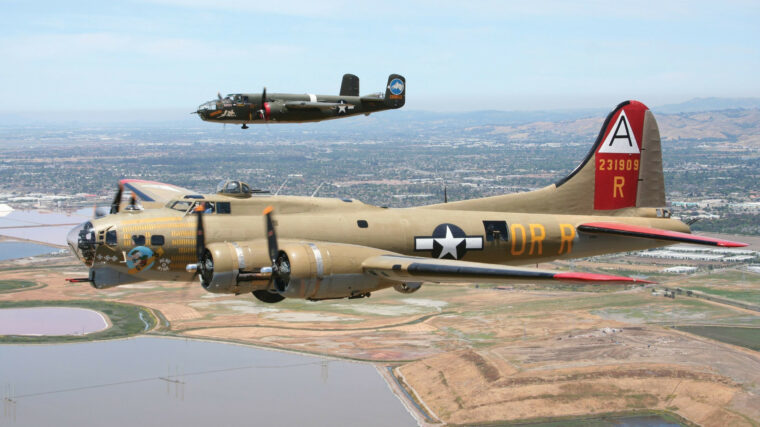
Delta Air Lines and former Northwest pilot Robert Trammell, 45, has made numerous 747 flights on Asian routes across the Pacific. Read more
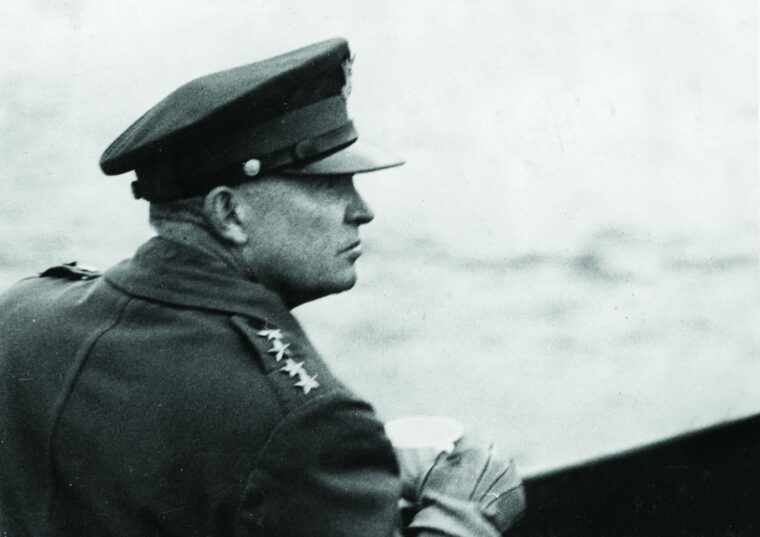
Dwight David Eisenhower began life as David Dwight Eisenhower in Abilene, Kansas, on October 14, 1890, the third of five sons. Read more
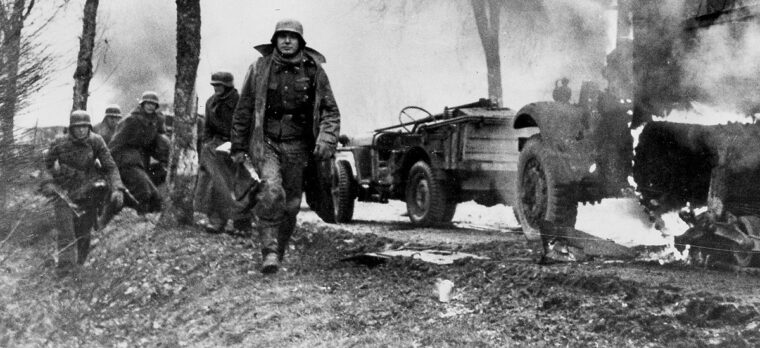
The American airborne troops shivered in their foxholes as temperatures plummeted on Christmas Eve 1944. Behind them to the east lay the beleaguered town of Bastogne. Read more

British General Sir Bernard Montgomery was given command of two Allied armies for the invasion of Normandy: Lt. Read more
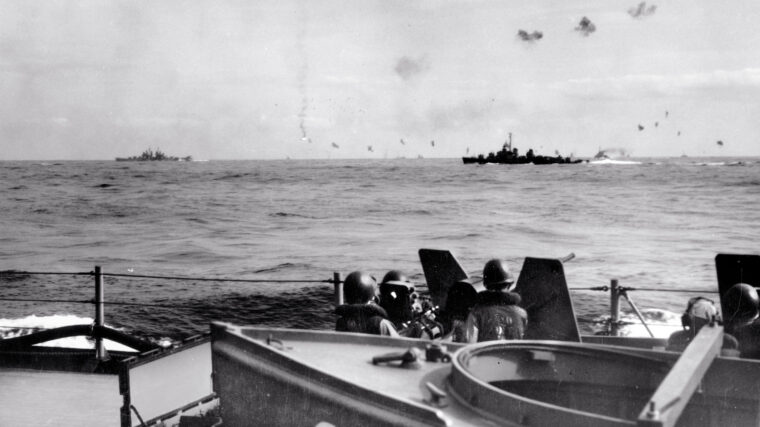
Only 340 miles from the home island of Kyushu, the final objective of the American military surge across the Pacific during World War II, short of an invasion of Japan itself, was Okinawa in the Ryukyu archipelago. Read more
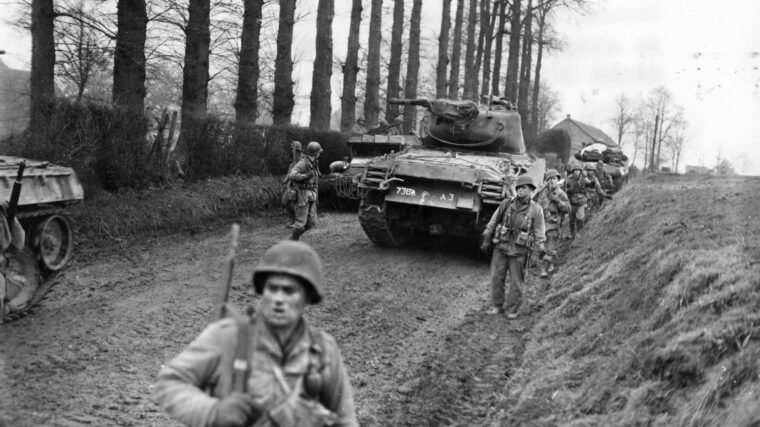
The 83rd U.S. Infantry Division had been mobilized for World War I in September 1917. Its unit patch was a downward-pointing black triangle with the letters O-H-I-O stitched as an abstract gold monogram in the center. Read more
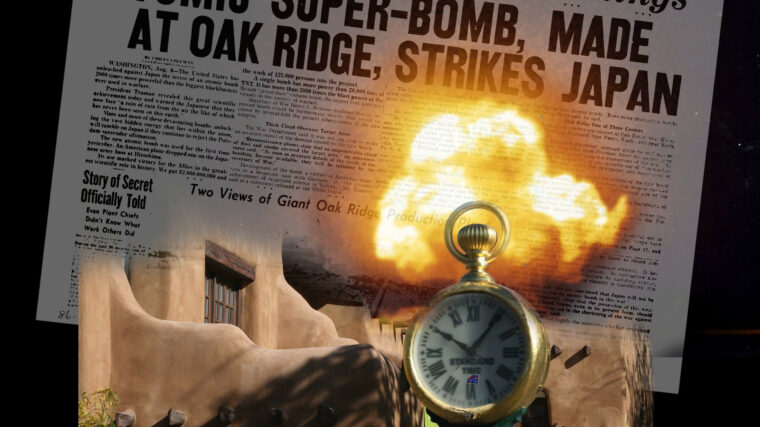
New Mexico and its capital of Santa Fe bring to mind some beautiful images. Stunning sunsets, unlimited vistas, a plethora of art galleries, the spectacular food enlivened with the local green chile, an ancient Native American culture that still thrives, and a Spanish heritage tradition going back to within 50 years of Columbus’s arrival all make for a unique cultural and physical environment. Read more
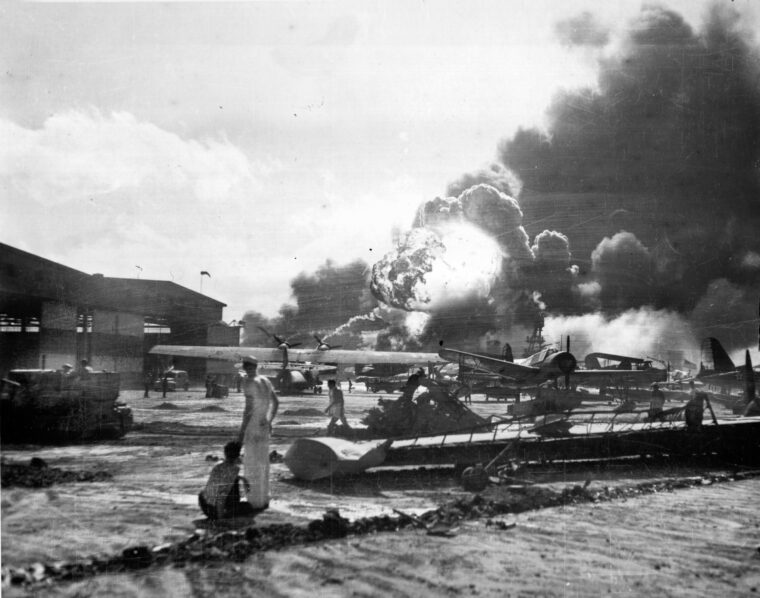
“You are probably the nearest to war that you’ll ever be without actually being in it,” said Commander Harold M. Read more
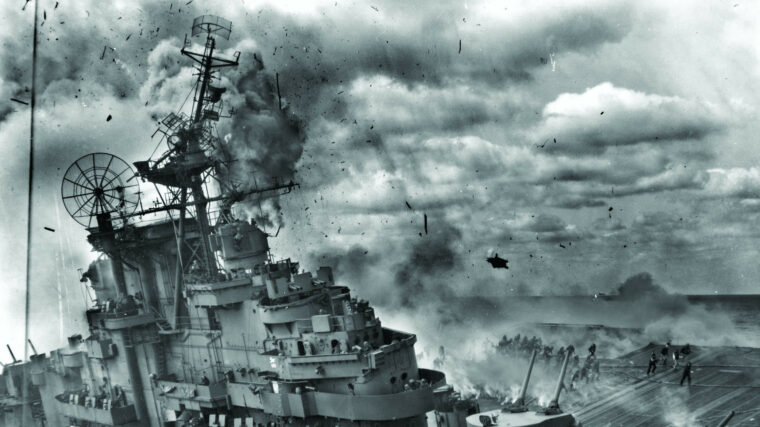
On March 19, 1945, the Essex-class carrier USS Franklin (CV-13), dubbed “Big Ben,” lay 50 miles off Honshu, one of Japan’s Home Islands. Read more
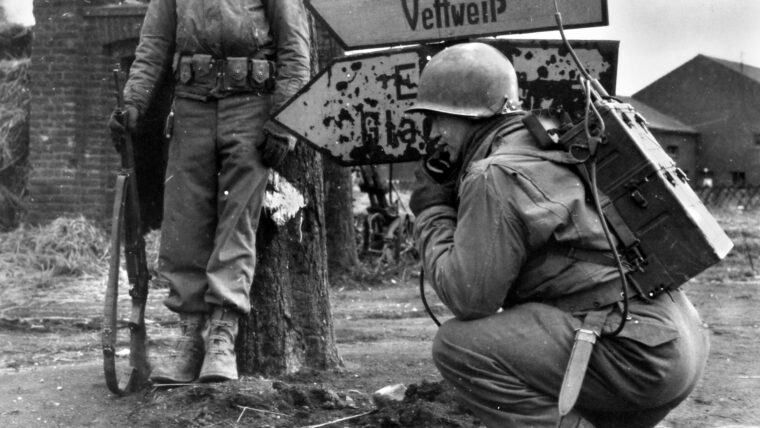
Early in 1945, in the Northern Appenine mountains of Italy, T/5 Harvey, a radioman with the 10th Mountain Division, is carrying his WW2 radio backpack, the ever-handy SCR-300, into combat for the first time. Read more
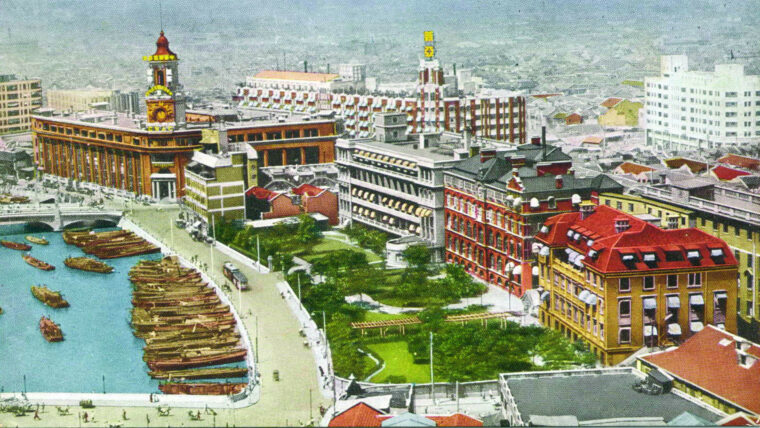
By the 1930s, Shanghai was already a legend in its own time––the most modern, populous, and decadent city in China. Read more
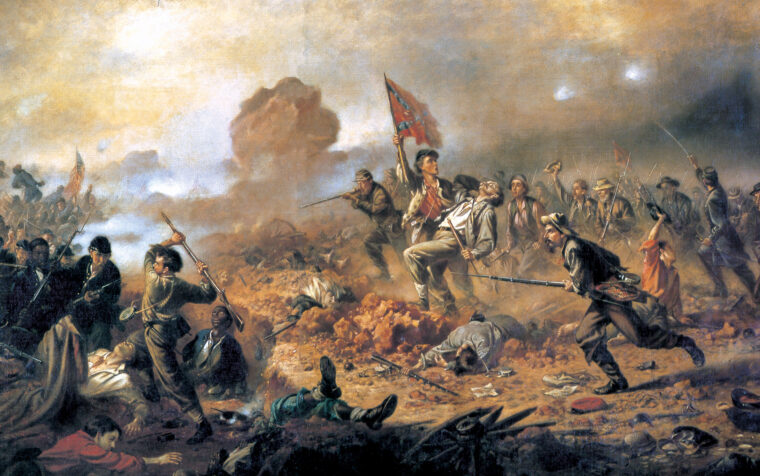
Of all the unlikely heroes of the Civil War, none was more unlikely than Bushrod Johnson, Ohio-born Quaker turned Confederate general. Read more

The Battle of the Bulge is famously known as the largest battle fought by the U.S. Army in World War II. Read more