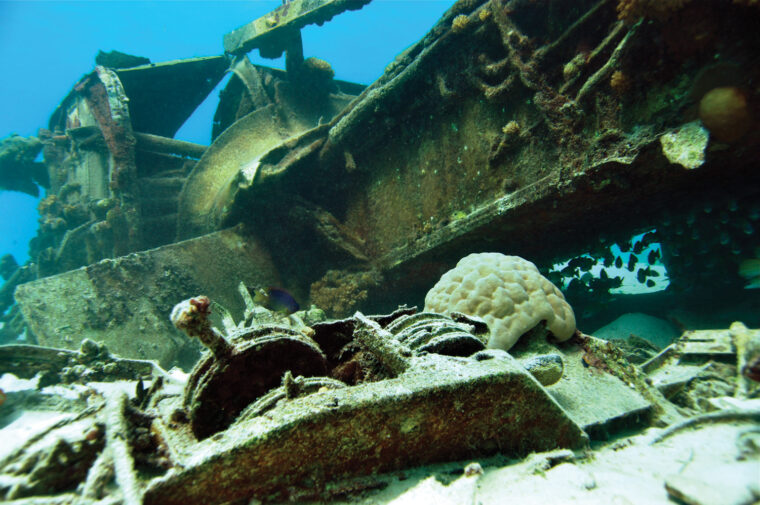
Saipan’s Maritime Heritage Trail
By Jennifer F. McKinnon & Della A. Scott-BretonSaipan’s shallow, tropical lagoons are a veritable waterpark for World War II enthusiasts who do not mind getting wet. Read more
Saipan’s shallow, tropical lagoons are a veritable waterpark for World War II enthusiasts who do not mind getting wet. Read more
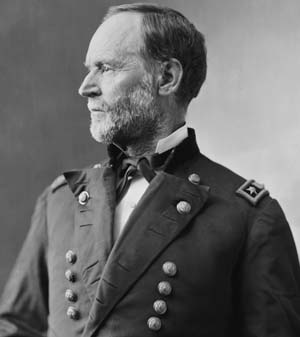
By Mike Haskew
Union General William T. Sherman was a friend and trusted subordinate of General Ulysses S. Grant, commander of all Union armies in the field during the Civil War. Read more
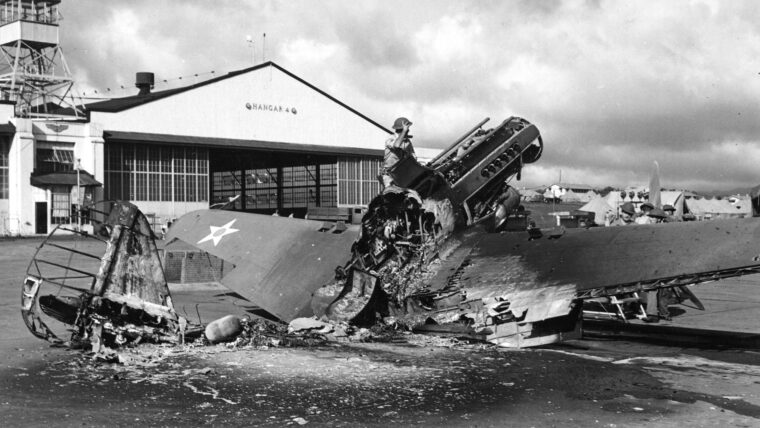
At about 8 am on the morning of December 7, 1941, I stood on the third-floor deck of a red brick barracks that looked across the Schofield Barracks golf course toward the infantry barracks that housed much of the U.S. Read more
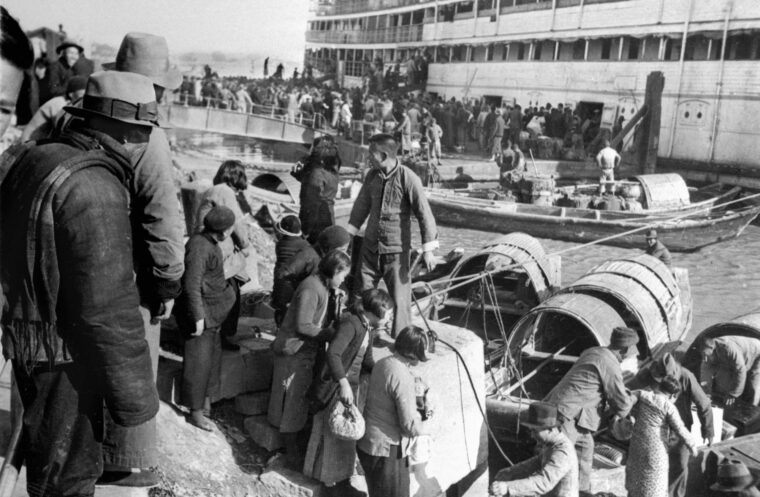
While America and Europe struggled through economic depression and nervously watched the spread of fascism in the second half of the 1930s, the situation was far more ominous in the Far East. Read more
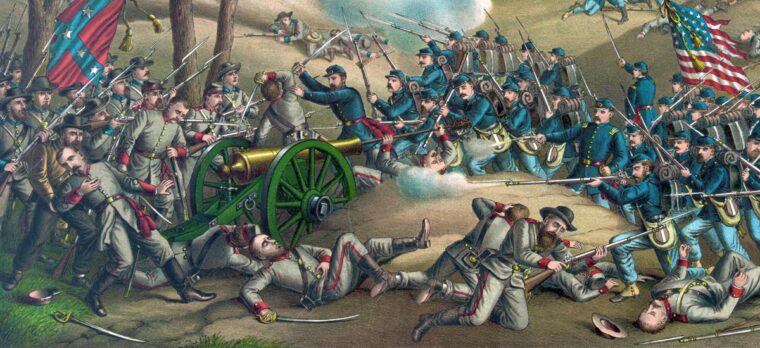
“Lee’s army is really whipped,” declared Lt. Gen. Ulysses S. Grant to Maj. Gen. Henry Halleck on May 26, 1864. Read more
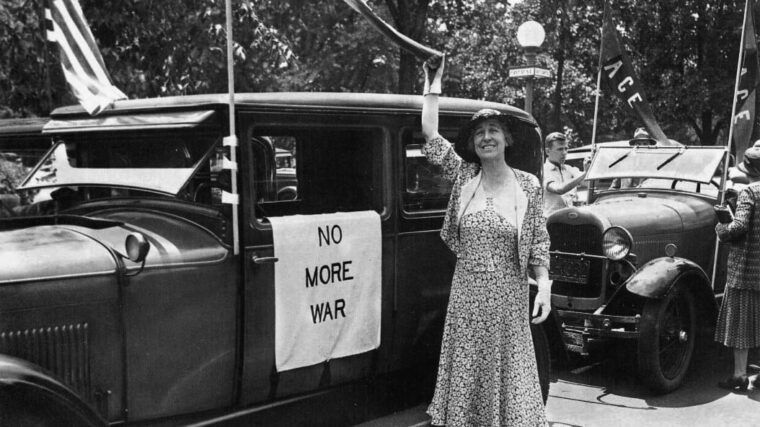
An Associated Press report described “a chorus of hisses and boos” that echoed through the chamber when the Congresswoman from Montana cast her vote. Read more
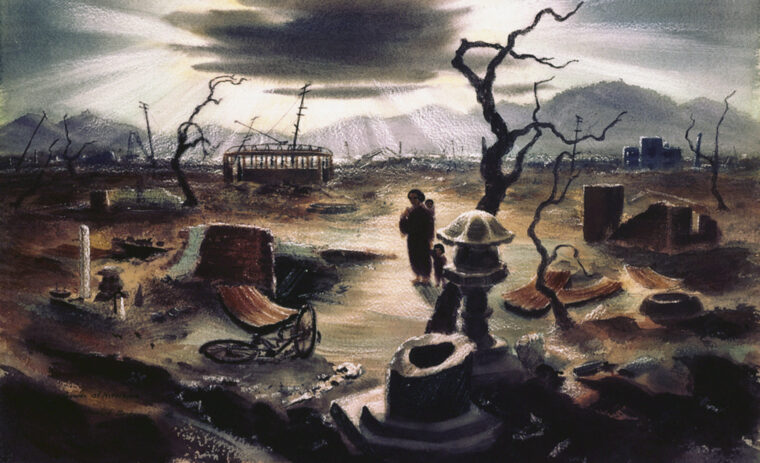
More than seventy years after the fact, the use of atomic bombs by the United States in the final days of World War II remains one of the most controversial events of the 20th century. Read more
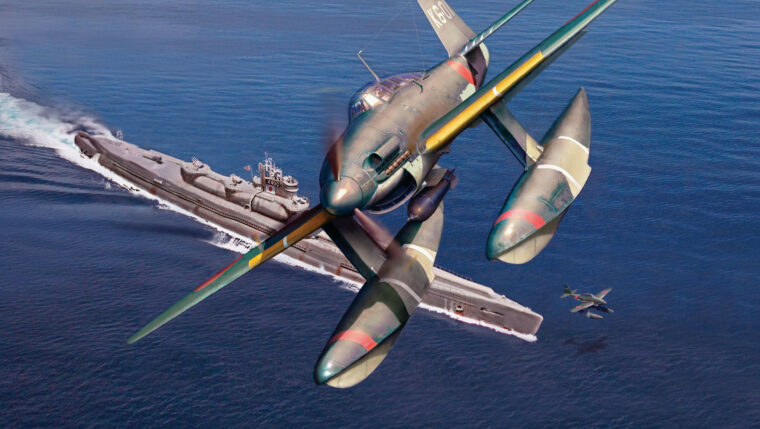
As soon as Colonel James Doolittle’s B-25 raid struck Japan in April 1942, Japan sought to wreak revenge on the United States, but by 1944 devastating aerial bombings on Japan by the Americans had become all too regular. Read more
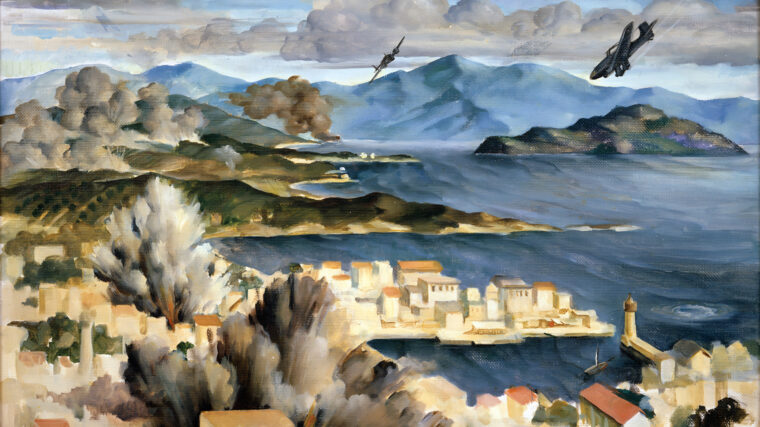
Brigadier Eric Dorman-Smith, serving as a liaison to Lt. Gen. Richard O’Connor during Operation Compass, the Western Desert campaign, traveled to General Archibald Wavell’s Middle East Command headquarters in Cairo on February 12, 1941, to seek permission to advance British XIII Corps farther west to Tripoli after the total victory over the Italian Xth Army at Beda Fomm, which gave Britain and her Commonwealth Allies control of the Cyrenaican half of Libya. Read more
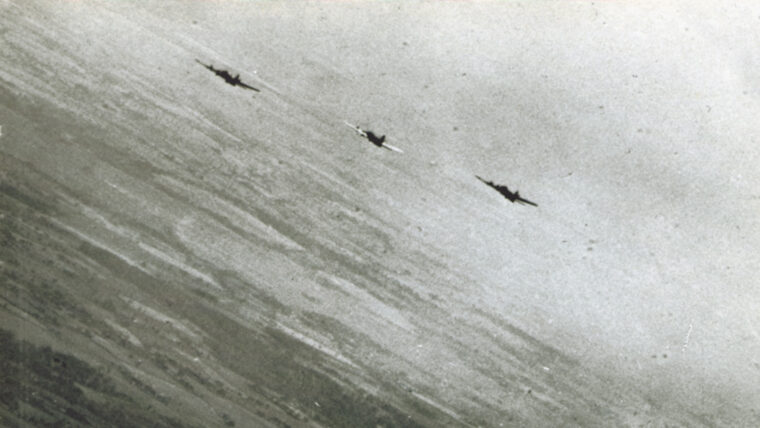
When it came to advanced military technology in World War II, arguably no one was better at it than Nazi Germany, whose scientists Adolf Hitler keep busy trying to invent the ultimate “super weapon” capable of defeating his enemies. Read more
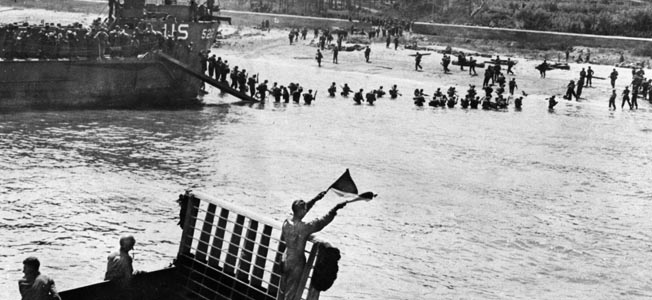
Early in 1944, German Field Marshal Erwin Rommel, the defeated hero of North Africa and now head of Army Group B in France, was tasked with strengthening the Atlantic Wall defenses against Allied invasion. Read more
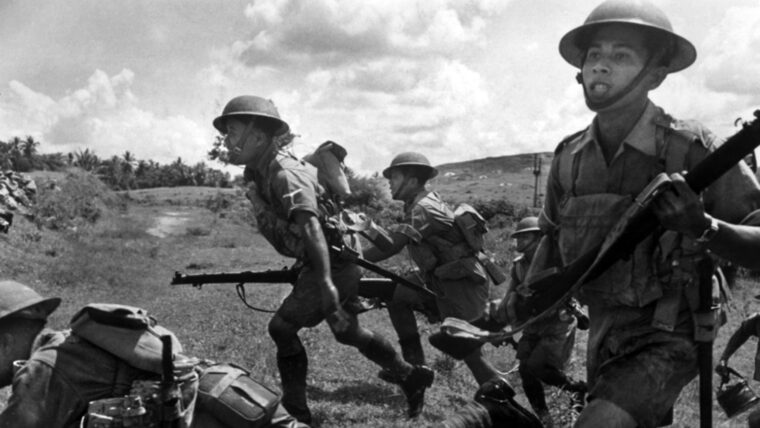
On Saturday, December 6, 1941, a Royal Australian Air Force Lockheed Hudson bomber on a reconnaissance mission from Khota Bahru on the west coast of Malaya was flying northwest over the China Sea toward the Gulf of Thailand. Read more
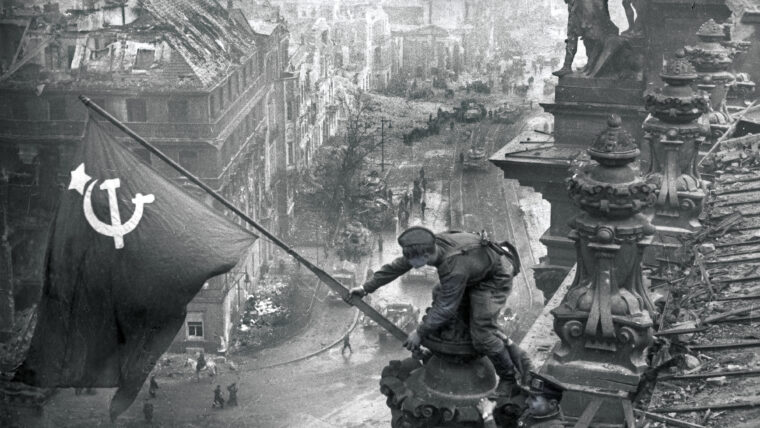
On April 20, 1945, Adolf Hitler, Reich Chancellor and Führer of Germany, emerged from his underground bunker in the center of Berlin. Read more
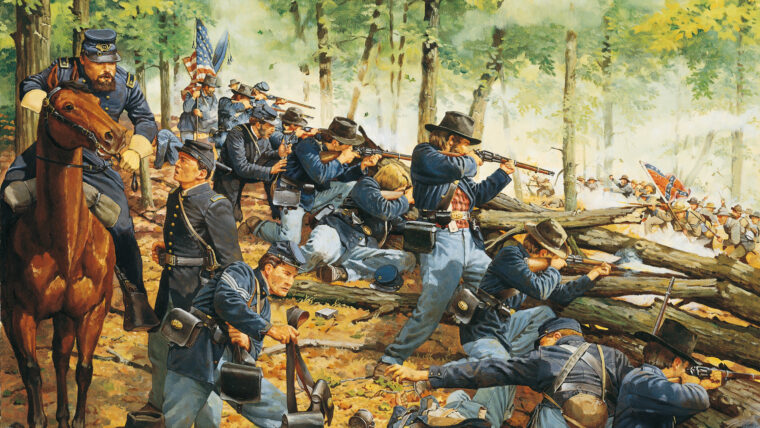
It was nearly 11 on the morning of September 20, 1863, and the woods around slow-moving Chickamauga Creek in northwest Georgia were ominously quiet. Read more
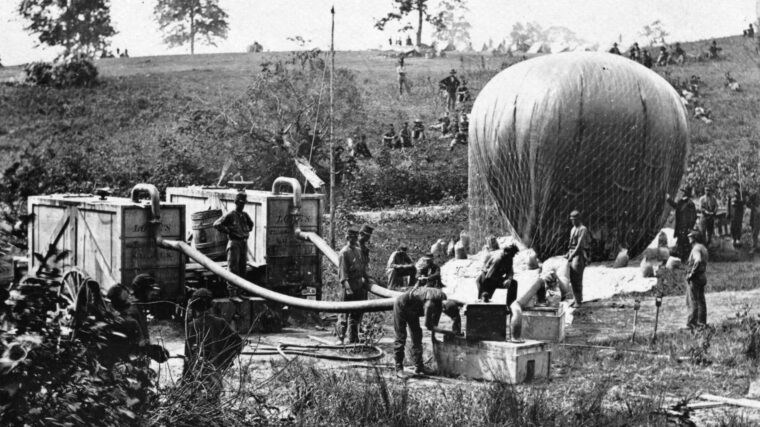
A week after the first shots of the War Between the States at Fort Sumter in April 1861, the future of warfare came to Appalachia. Read more
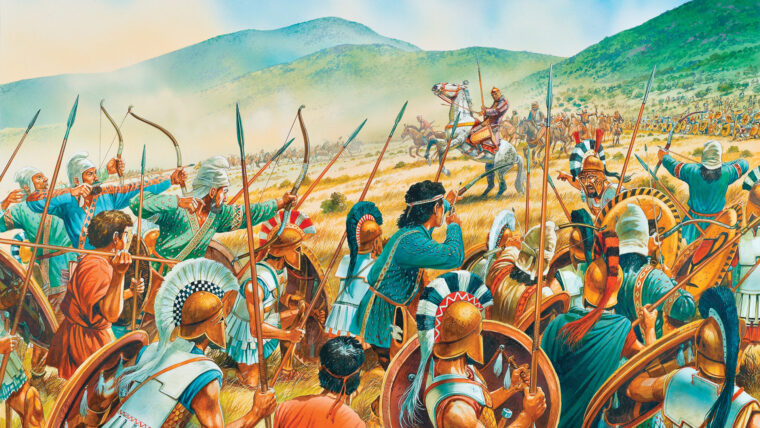
Persian King Xerxes I “The Great” was a man who liked to solicit different opinions before he made a decision on any important matter. Read more
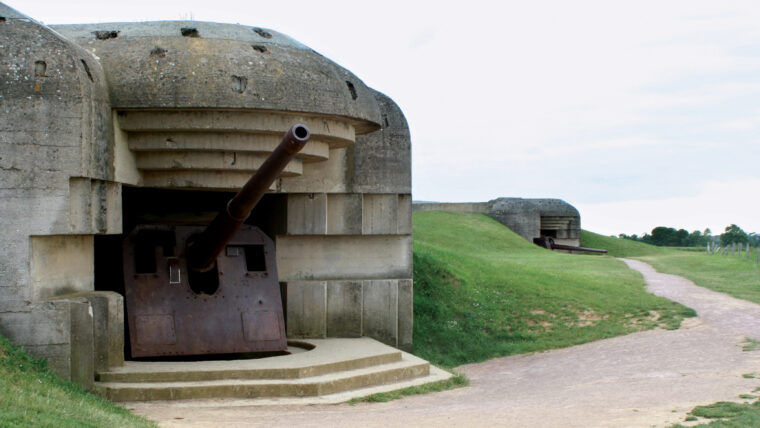
After overrunning France and other Western European countries in 1940, Adolf Hitler was certain that the Allies would one day attempt to invade the European continent and attack through the occupied countries to destroy his regime. Read more
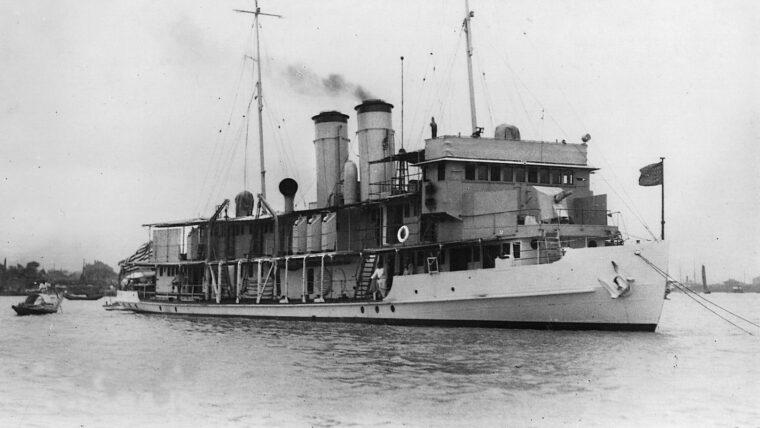
For some Americans, World War II started early. In December 1937, four years before the Japanese attack on Pearl Harbor propelled the United States into the war, Japanese planes attacked an American gunboat, the USS Panay, on China’s Yangtze River, strafing and bombing the boat, sinking it, killing three American crew members, and the wounding 45 others. Read more
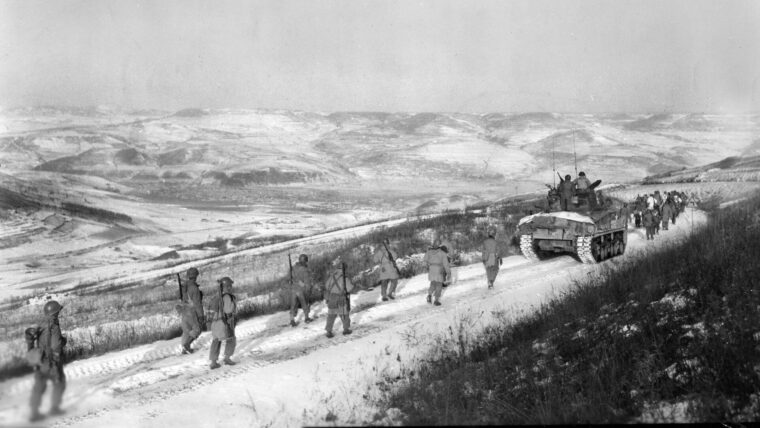
When dawn broke on December 1, 1950, on the barren hillsides on the eastern shore of the frozen Chosin Reservoir in northeastern North Korea, the ragged, tenuously held perimeter of the U.S. Read more
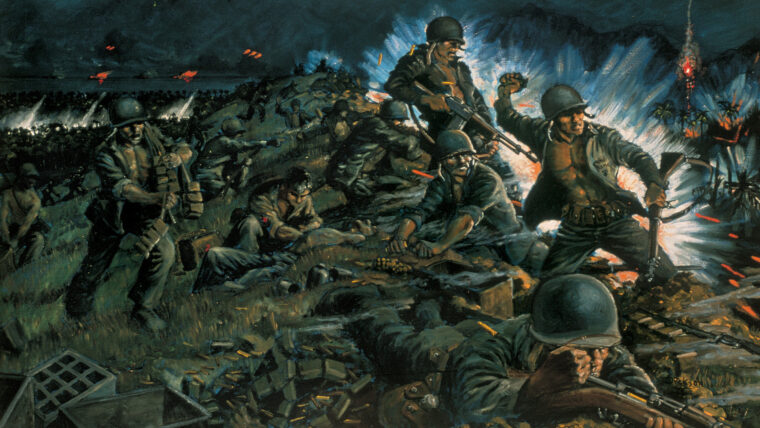
The column of sweaty, exhausted Japanese soldiers trudged single file through the thick, dark jungle. For days they had been pushing inland from the western end of Guadalcanal. Read more